

P0441 on 1996-2000 Honda Civic: EVAP Incorrect Purge Flow Causes and Fixes
On a 1996-2000 Honda Civic, code P0441 is most often caused by a faulty EVAP canister purge valve (solenoid) located on the intake manifold. A failing charcoal canister that leaks black debris is the second most common cause and often the root problem. Inspect the old valve for charcoal bits; if found, you must replace the canister too. Expect to pay $40-$90 for an aftermarket valve or $150+ for an OEM part; it's a simple DIY fix.
- P0441 on a 96-00 Civic almost always points to a problem with the EVAP purge valve or the gas cap.
- A classic symptom is the car being hard to start right after you get gas; this strongly suggests the purge valve is stuck open.
- Before replacing the purge valve, check the old one for black, sandy debris. If you find any, your charcoal canister is likely failing and should also be addressed to prevent the new valve from clogging.
- The purge valve is located on the intake manifold and is an easy DIY replacement, typically taking less than 30 minutes.
- Always start with the simplest fix: check that your gas cap is tight and the seal is not cracked.
What's Unique About the 1996-2000 Honda Civic
For the sixth-generation (1996-2000) Civic, the EVAP system is relatively simple. A common issue unique to these and other Hondas of the era is the degradation of the charcoal canister. Over time, the charcoal pellets inside can break apart and travel down the vacuum lines, clogging the purge valve and causing the P0441 code. While the purge valve itself is a common failure point on many cars, on this Civic, it's critical to check the valve for charcoal debris. Just replacing the valve without addressing a failing canister will lead to a repeat failure, often within a short period.
Symptoms You May Notice
- Check Engine Light is on.
- Difficulty starting the engine immediately after filling the gas tank 🎬 Watch: Why a stuck purge valve makes your car hard to start. (a classic symptom of a stuck-open purge valve allowing raw fuel vapor to flood the intake).
- Rough or unstable idle.
- Slight fuel smell near the engine bay or rear of the car.
- Automatic failure of an emissions/smog test.
- Slight decrease in fuel efficiency. An owner report in NHTSA ODI #11552804 noted that this error leads to increased fuel consumption and failure to meet emissions standards.
- Replacing the oxygen (O2) sensors. O2 sensors are not directly related to the EVAP system's purge flow function.
- Replacing the fuel tank pressure (FTP) sensor without checking for other codes. While part of the EVAP system, a faulty FTP sensor typically triggers other specific codes (like P0450-P0453) and is less likely to be the sole cause of P0441.
Most Likely Causes
- Faulty EVAP Canister Purge Valve (Solenoid) 🔴 High Probability The solenoid can fail electrically (open or shorted coil) or mechanically, getting stuck open or closed after many years of service. It can also become clogged with debris from a failing charcoal canister. A manufacturer service bulletin for another Honda model, TSB Bulletin #A23-091, notes that variations in the purge control solenoid valve spring can cause the valve to wear unevenly and intermittently stick, resulting in DTC P0441.
How to confirm: With the engine cold and off, unplug the electrical connector and the vacuum hose coming from the charcoal canister. Start the engine. There should be no vacuum felt at the valve's inlet port. After the engine warms up (5-10 mins), the ECU should command it open, and vacuum should be present. If vacuum is felt immediately, the valve is stuck open. If no vacuum is ever felt, it may be stuck closed or not receiving a signal. You can also test the solenoid's coil with a multimeter; resistance should be within a specific range (typically 30-40 ohms for this era Honda).
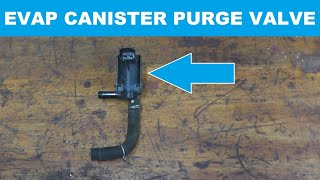
Typical fix: Replace the purge control solenoid valve. It is located on the intake manifold and is easily accessible. 🎬 See how the purge valve works and how to fix it.
Est. part cost: $40-$90 - Failing Charcoal Canister Leaking Debris 🟡 Medium Probability After 20+ years, the charcoal pellets inside the canister can break down into a fine dust. This debris gets sucked into the EVAP lines and clogs the purge valve, preventing it from sealing properly.
How to confirm: When you remove the old purge valve, inspect its ports and the attached vacuum lines for black, gritty particles. If charcoal is present, the canister is the root cause. You can also disconnect the line from the canister to the purge valve and blow compressed air through it (towards the front of the car) to see if any debris comes out.
Typical fix: Replace the charcoal canister. As a preventative measure to protect the new purge valve, many owners install a small, low-cost inline fuel filter (like a generic clear plastic one) on the vacuum line between the canister and the purge valve to catch any future debris.
Est. part cost: $100-$270 - Loose or Defective Gas Cap 🟡 Medium Probability
How to confirm: Ensure the gas cap is tightened until it clicks at least once. Inspect the rubber seal on the cap for cracks, stiffness, or damage. A visual inspection is often sufficient. While this can cause EVAP codes, it more commonly triggers large leak codes (like P0455) rather than incorrect flow.
Typical fix: Tighten or replace the gas cap. Always opt for an OEM or high-quality aftermarket cap, as cheap replacements can cause sealing issues.
Est. part cost: $15-$35 - Cracked or Disconnected EVAP Vacuum Hoses ⚪ Low Probability The rubber hoses in the engine bay and under the car become brittle and crack with age and exposure to heat and elements.
How to confirm: Visually inspect the two small vacuum hoses connected to the purge valve on the intake manifold. Also, trace the lines back from the purge valve and to the charcoal canister underneath the car for obvious cracks, splits, or loose connections. NHTSA ODI #11474249 describes a diagnostic process where a technician performed a visual inspection of purge hoses for damage when troubleshooting P0441.
Typical fix: Replace the damaged section of vacuum hose.
Est. part cost: $5-$15
Rare But Worth Checking
- Wiring to Purge Valve Solenoid: The electrical connector or wiring for the purge valve can become damaged, corroded, or shorted, preventing the solenoid from activating. This can mimic the symptoms of a failed valve and may throw a P0443 code alongside P0441.
- Faulty Fuel Tank Pressure (FTP) Sensor: While a bad FTP sensor usually throws its own codes (P0450-P0453), it can sometimes provide incorrect data to the ECU, leading the computer to misinterpret the purge flow and set a P0441. This is uncommon but possible if other causes have been ruled out.
Diagnosis Steps
- Check the Gas Cap: Ensure it is tight and the seal is in good condition. A loose cap is a common cause of EVAP codes, though less so for P0441 specifically.
- Inspect Engine Bay Hoses: Visually inspect the vacuum hoses connected to the EVAP purge valve on the intake manifold for any obvious cracks or disconnections.
- Test the Purge Valve: With the engine cold, disconnect the hose from the canister side of the purge valve. Start the car and feel the port for vacuum. There should be none. If vacuum is present, the valve is stuck open. Let the engine warm up for 5-10 minutes. The valve should open, and you should now feel a slight vacuum. If it never appears, it's likely stuck closed or not receiving a signal.
- Inspect for Charcoal Debris: When testing or replacing the purge valve, check its ports for black, sandy particles. The presence of this debris confirms the charcoal canister is failing and must be replaced to prevent repeat failure of the new valve.
- Check Wiring: Ensure the electrical connector to the purge valve is secure and the wires are not damaged. Use a multimeter to check for voltage at the connector when the valve should be active (engine warm and running).
- Perform a Smoke Test: If the above steps do not reveal the cause, the most effective way to find a small leak in the EVAP system is to have it professionally smoke tested. This can identify cracked hoses or a faulty canister that aren't visually obvious.
Parts You'll Likely Need
- EVAP Canister Purge Valve / Solenoid
(OEM #36162-P2M-A01 (96-98 VTEC), 36162-P2E-A01 (96-98 non-VTEC), 36162-P2E-A11 (99-00 non-VTEC))— This is the most common component to fail, either by sticking open/closed mechanically or failing electrically.
Trusted brands: Denso (OEM), Standard Motor Products, Dorman, SKP
OEM price range: $150-$270
Aftermarket price range: $40-$90 - EVAP Charcoal Canister
(OEM #17011-S04-A31)— Required if the original canister is breaking down and sending charcoal debris into the EVAP lines, which will cause repeat failure of a new purge valve.
Trusted brands: Honda (OEM), Duralast
OEM price range: $260-$300
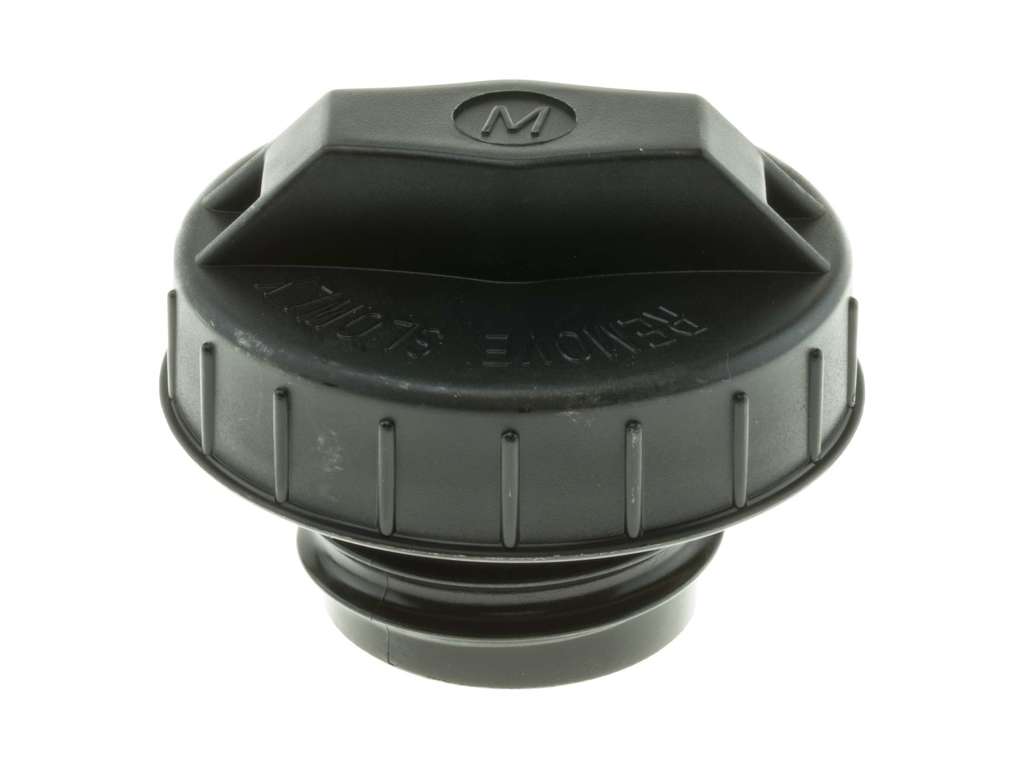
Aftermarket price range: $100-$180 - Gas Cap
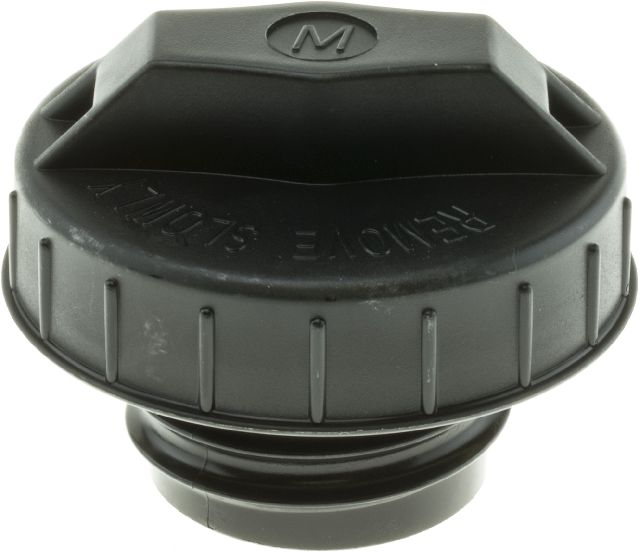
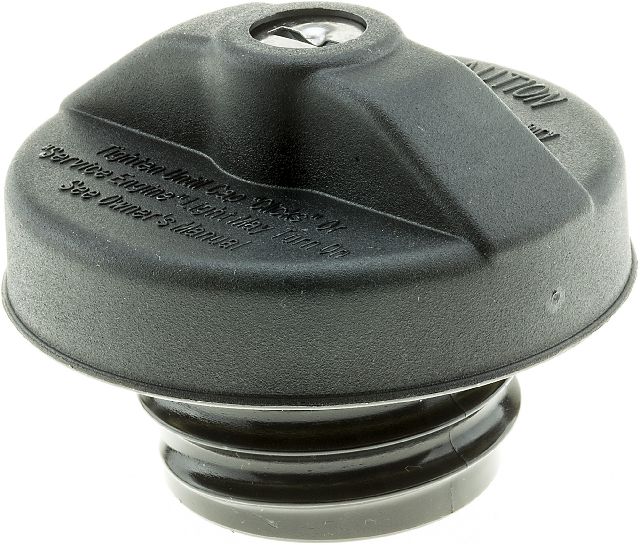
(OEM #17670-S5A-A32 (Supersedes previous numbers))— A worn-out gas cap seal is a very common and simple-to-fix cause for EVAP system codes.
Trusted brands: Honda (OEM), Stant
OEM price range: $25-$40
Aftermarket price range: $15-$25
Related Codes That Often Appear With This One
- P0443 — This code indicates an electrical circuit malfunction for the purge valve (e.g., a bad coil in the solenoid or a wiring problem). It often appears with P0441 if the valve's coil has failed or there's a wiring issue preventing the ECU from controlling it.
- P1457 — This is a very common Honda-specific code for an EVAP leak detected in the canister area. If you have both P0441 and P1457, it points strongly toward a problem at the rear of the car. 🎬 Watch: Step-by-step guide to replacing the canister on this Civic. The most common cause for P1457 on this generation is a rusted/corroded Canister Vent Solenoid (CVS) valve attached to the charcoal canister, or the canister itself.
- P04F1 — This code for EVAP System Low Purge Flow is frequently documented alongside P0441 in manufacturer diagnostic records, such as in NHTSA ODI #11563010.
Technical Service Bulletins (TSBs) & Recalls
- While no TSB is specifically for P0441 on this Civic, Honda TSB 99-085 was issued for EGR port clogging on similar-era Accords, showing a history of emissions system components getting clogged with deposits.
- TSB Bulletin #A23-091, although issued for a different Honda model, provides authoritative insight into the P0441 code, explaining that purge control solenoid valves can wear unevenly and stick due to spring variations.
Platform-Specific Known Issues
- Repeat Purge Valve Failure Due to Charcoal Debris: A common repair story involves a vehicle owner replacing the purge valve to fix a P0441 code, only for the code to return within a few weeks or months. Upon inspecting the newly failed valve, it is also found to be full of black charcoal particles. This indicates the original charcoal canister is deteriorating and must be replaced. A popular preventative measure among owners is to install a small, clear inline fuel filter in the vacuum line between the new canister and the new purge valve to catch any residual or future debris.
Mechanic-Grade Diagnostic Values
- EVAP Canister Purge Valve Solenoid Coil Resistance — expected: 30 to 40 Ohms. Failure: A reading of infinite resistance (open circuit) or near zero resistance (short circuit).
- EVAP Canister Purge Valve Connector Voltage — expected: One pin should have battery voltage (approx. 12V) with the key on. The other pin is the control wire, which the ECU will pulse to ground to activate the solenoid.. Failure: No voltage on the power pin indicates a wiring or fuse issue. No pulse on the control wire (when the valve should be active) could mean a wiring issue or a faulty ECU driver.
Scan Tool Commands That Help
- Professional Bidirectional Scan Tool: EVAP Purge Solenoid Activation Test — This command allows a technician to manually open and close the purge valve while the engine is off or running. It is used to verify the solenoid clicks audibly and to check if it holds vacuum when commanded closed and allows vacuum to pass when commanded open, directly testing its mechanical function without waiting for the ECU to meet its own criteria.
Wiring & Ground Locations
- G101 — Bolted to the thermostat housing on the cylinder head.. G101 is a critical power and logic ground for the ECU. A poor connection here can cause a wide range of intermittent electrical issues, including erratic sensor readings and incorrect operation of ECU-controlled solenoids like the EVAP purge valve. While it may not directly cause P0441 in isolation, a faulty ground can lead to unpredictable ECU behavior and should be checked if other electrical gremlins are present.
- EVAP Purge Valve Connector — On the intake manifold, connected to the purge valve solenoid.. The two-wire connector provides power and the control signal from the ECU. One wire is typically Yellow/Black (power) and the other is Red (ECU control). Verifying power and signal at this connector is essential to distinguish between a failed valve and a wiring/ECU problem.
- ECU Pins (96-98) — At the Engine Control Unit (ECU), typically located behind the passenger side kick panel.. For vehicles equipped with a Fuel Tank Pressure (FTP) sensor, the ECU uses this input to monitor the EVAP system. The relevant pins are typically D10 (+5V reference), D11 (Sensor Ground), and D15 (FTP Signal Input). An issue with the wiring to these pins could lead to an incorrect P0441 code, especially on engine-swapped vehicles where wiring may be modified.
Real Owner Repair Stories
- YouTube user 4shebby (1998 Honda Civic with a JDM B18B engine swap) — Persistent P0441 code after an engine swap.
❌ Tried (didn't work) The owner struggled with the code for a year and a half before finding the solution.
✅ What actually fixed it The vacuum line for the EVAP purge solenoid was incorrectly routed to the throttle body. The fix was to disconnect the vacuum line from the throttle body port and connect it to a dedicated vacuum port directly on the intake manifold. This provided the correct vacuum signal and resolved the incorrect purge flow code. - NHTSA ODI #11563010 — An owner reported that the MIL came on with DTCs P0441 and P04F1. Despite replacing the purge flow valve, the issue required further diagnostic attention to resolve the purge flow malfunction.
OEM Part Supersession History
36162-P2E-A01→N/A, but distinct from A11— Part for 1996-1998 non-VTEC models.36162-P2E-A11→N/A— Part for 1999-2000 non-VTEC models. The change from -A01 to -A11 for the 1999 model year likely corresponds to minor changes in the engine or ECU programming, even if the part appears physically identical.
Heads up: While the valves may look similar, it is critical to use the correct part number for the vehicle's specific year range to ensure compatibility with the ECU's expected flow rates and electrical characteristics.
Model Year Variations Within This Range
- 1996-1998 vs 1999-2000: The OEM part number for the EVAP Canister Purge Valve changed between the 1998 and 1999 model years for non-VTEC engines (from 36162-P2E-A01 to 36162-P2E-A11). This indicates a potential difference in calibration or connector design that requires using the year-specific part for proper function.
Diagnostic Flowchart
Real Owner Stories
Aggregated from forums and TSBs cited above. Mileages and costs reflect what owners reported in those sources.
1997 Honda Del Sol
Symptoms: Experienced a recurring P0441 code and discovered charcoal particles inside the purge valve.
What fixed it: Instead of replacing the expensive charcoal canister, the owner installed a generic inline fuel filter between the canister and the purge valve, which permanently solved the issue.
Source hint: honda-tech.com (Del Sol P0441) URL: https://honda-tech.com/forums/honda-civic-del-sol-1992-2000-1/honda-delsol-throwing-evap-code-p0441-2916962/
1996-2000 Honda Civic
Symptoms: Experienced difficulty starting the engine immediately after filling the gas tank.
What fixed it: Identified the purge valve as the primary culprit and replaced it.
Source hint: go-parts.com
General Vehicle
Symptoms: Found charcoal chunks clogging the EVAP lines solid, corroborating the failure mode of deteriorating canisters across different makes.
What fixed it: Replaced the charcoal canister and the purge solenoid.
Source hint: ls1tech.com (General P0441) URL: https://ls1tech.com/forums/general-maintenance-repairs/898730-how-do-i-fix-code-p0441-evaporative-emission-control-system-incorrect-purge-flow-3.html
Honda Civic
Symptoms: P0441 code triggered by a failing charcoal canister sending debris into the purge valve.
What fixed it: Installed an inline filter to catch the debris and prevent it from reaching the purge valve.
Source hint: honda-tech.com
Related OBD-II Codes
Frequently Asked Questions
Why does my 1996-2000 Honda Civic have trouble starting right after I fill up the gas tank?
I replaced the purge valve on my Civic to fix the P0441 code, but it came back. What went wrong?
Can I just clean the purge valve instead of replacing the expensive charcoal canister?
How do I test the purge control solenoid valve on my Civic's intake manifold?
Will a loose gas cap cause the P0441 code on my Honda?
Is there a specific Honda TSB for the P0441 code on my 1996-2000 Civic?
Helpful Videos
![How to Fix P0441 Engine Code in 3 Minutes [2 DIY Methods / Only $4.50]](https://img.youtube.com/vi/ifwpcNQCSvI/mqdefault.jpg)
![Canister Purge Valve: How it Works & How to Fix [1 Method Saves $150]](https://img.youtube.com/vi/x-1bpAbiOvc/mqdefault.jpg)
We Have This Part in Stock


The information in this article is provided for general reference and educational purposes only. Vehicle specifications, procedures, and part compatibility can vary by production date, trim level, and region. Always consult your vehicle's factory service manual and verify part numbers before purchasing or performing repairs. Safety-critical components such as airbags, seat belts, and braking systems should be installed by a qualified professional.
- Honda Civic:
- 🎬 Helpful Videos
- 🛍️ Shop This Part
- What's Unique About the 1996-2000 Honda Civic
- Symptoms You May Notice
- Most Likely Causes
- Rare But Worth Checking
- Diagnosis Steps
- Parts You'll Likely Need
- Related Codes That Often Appear With This One
- Technical Service Bulletins (TSBs) & Recalls
- Platform-Specific Known Issues
- Mechanic-Grade Diagnostic Values
- Scan Tool Commands That Help
- Wiring & Ground Locations
- Real Owner Repair Stories
- OEM Part Supersession History
- Model Year Variations Within This Range
- Diagnostic Flowchart
- Real Owner Stories
- 1997 Honda Del Sol
- 1996-2000 Honda Civic
- General Vehicle
- Honda Civic
- Related OBD-II Codes
- Frequently Asked Questions
- 🎟️ Get 5% Off