

P0441 on 2011-2019 Ford Explorer: EVAP Incorrect Purge Flow Causes & Fixes
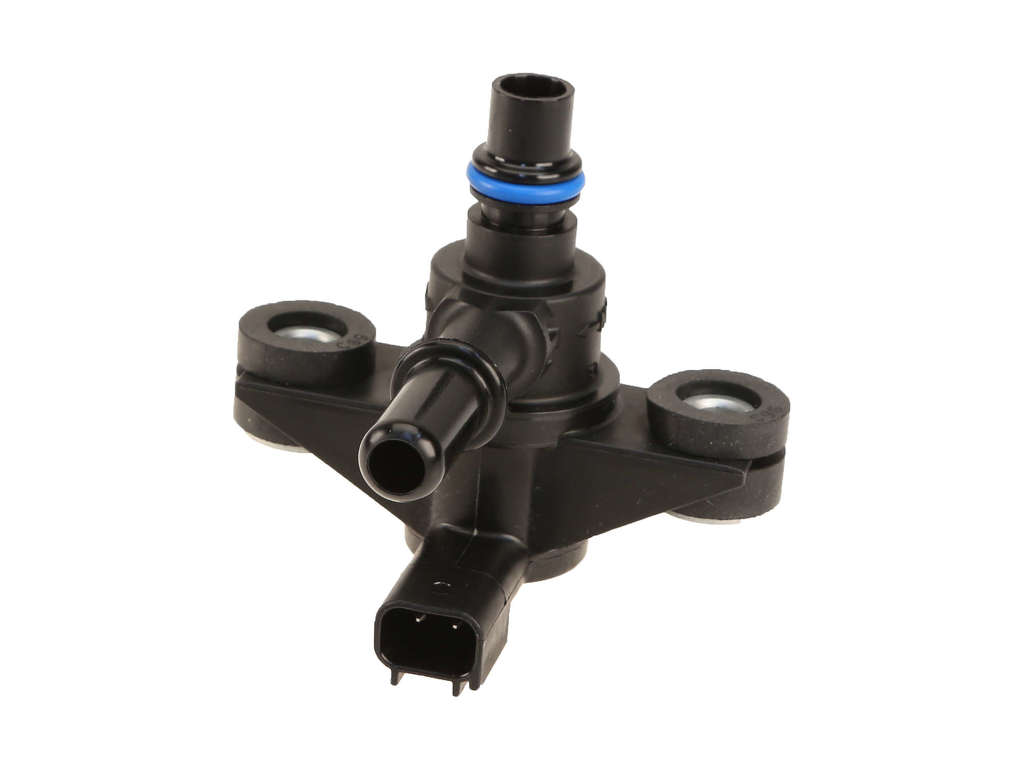
For the 2011-2019 Ford Explorer, code P0441 almost always points to a failed canister purge valve located on the engine. It's a common issue where the valve sticks open, causing incorrect vapor flow. A replacement Motorcraft valve (Part No. AU5Z-9C915-B or similar) is typically $35-$60, and it's a DIY-friendly repair for many owners that often takes less than 30 minutes.
- P0441 on your Explorer is most likely caused by a bad canister purge valve.
- You can test the valve yourself in minutes by disconnecting it and trying to blow through it; if air passes, it's bad.
- This is a relatively inexpensive and easy DIY repair. The part is located on the engine and is general
What's Unique About the 2011-2019 Ford Explorer

While P0441 is a generic code, Ford vehicles of this era are known for issues with the canister purge valve (CPV) sticking open. Other Ford models, like the Focus and Fusion, were subject to a major recall (18S32 / 18V735) for this exact issue, where a stuck-open valve could create excessive vacuum and deform the fuel tank. Although the Explorer was not part of that specific recall, it shares a similar EVAP system design and the same failure-prone purge valve component. Owner forums and repair videos overwhelmingly confirm that the purge valve is the most common culprit for P0441 on this platform.
Symptoms You May Notice
- Check Engine Light is on.
- Slightly rough idle, sometimes fluctuating.
- Difficulty starting the engine, especially right after refueling. 🎬 Watch: Why your Ford starts hard after getting gas.
- A faint fuel smell, sometimes described as rotten eggs or sulfur, particularly after starting.
- Slight decrease in fuel economy.
- Replacing the gas cap. While a cheap first step, a bad gas cap typically causes an EVAP leak code (P0455, P0457, P0456), not an incorrect flow code like P0441.
- Replacing the fuel tank pressure sensor. A failure of this sensor will usually set its own specific trouble codes (e.g., P0452, P0453).
Most Likely Causes

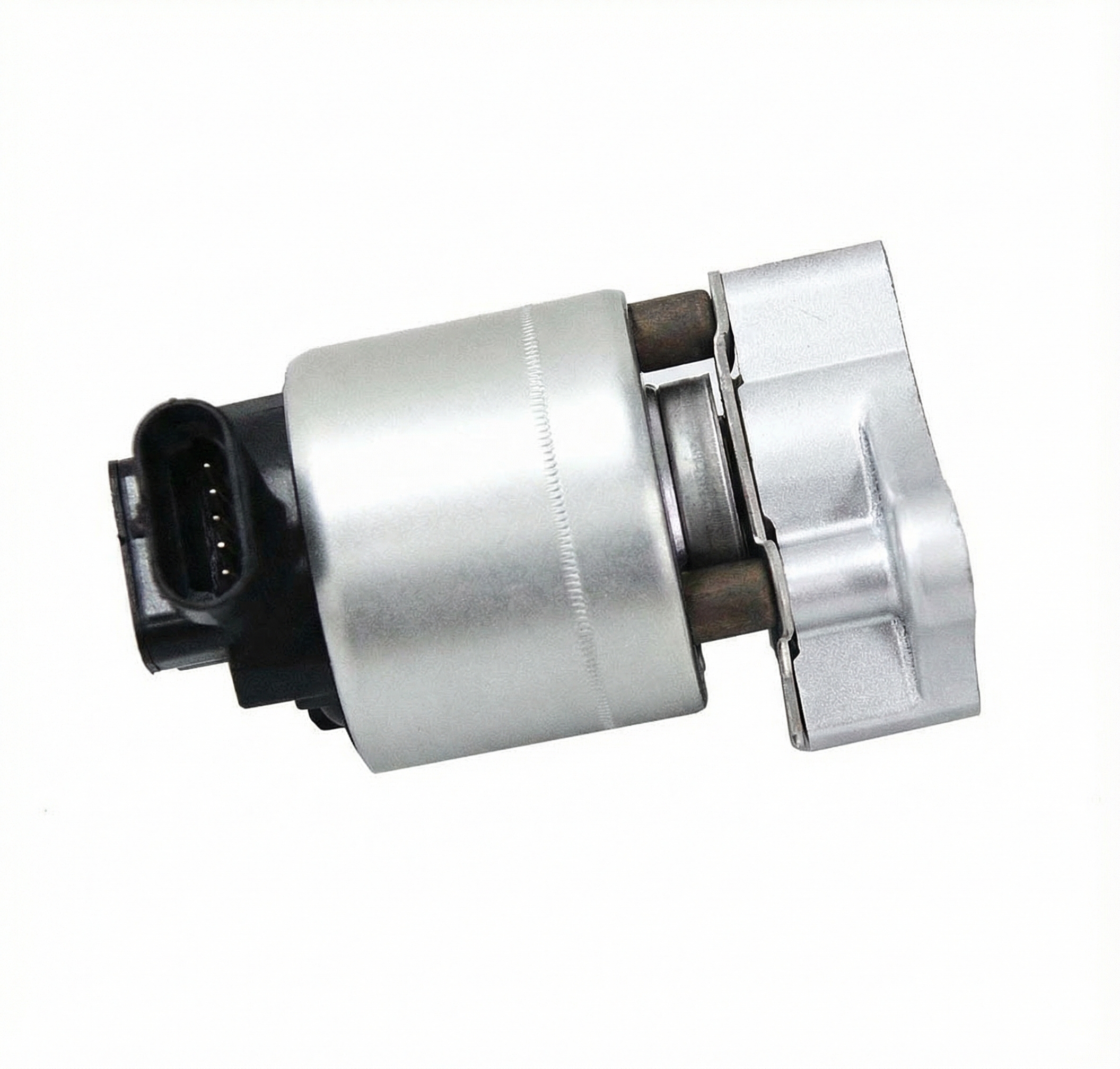
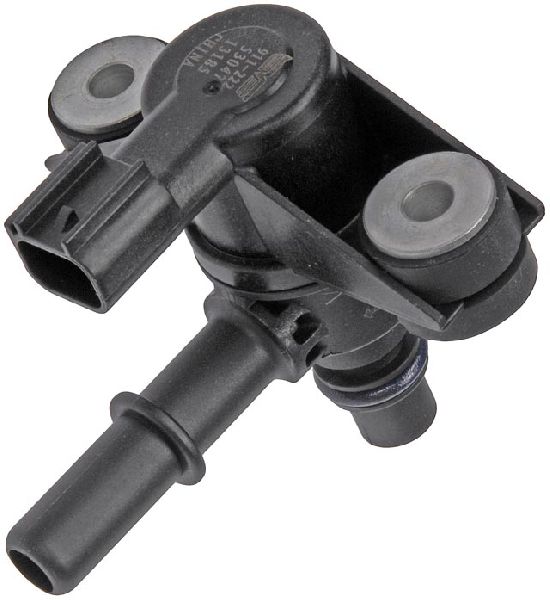
- Faulty Canister Purge Valve (CPV) 🔴 High Probability The purge valve is a known high-failure item on many Ford vehicles from this period, including the Explorer. The internal solenoid or valve mechanism wears out and sticks, most often in the open position, leading to continuous, un-commanded vapor flow.
How to confirm: The purge valve is normally closed. Disconnect the valve (located on the engine) and the EVAP lines attached to it. Try to blow through the valve. If any air passes through, it is stuck open and must be replaced. This is the most common and definitive DIY test. 🎬 See this quick video for a simple purge valve test. You can also use a hand-held vacuum pump to verify it holds a vacuum when not commanded on.
Typical fix: Replace the canister purge valve. This is a simple repair involving disconnecting two hoses and an electrical connector, then unbolting the valve from its bracket on the engine. 🎬 Watch: How to fix the P0441 code in minutes. For the 3.5L V6, it's located on top of the intake manifold near the throttle body.
Est. part cost: $35-$60 - Cracked or Disconnected EVAP Purge Line 🟡 Medium Probability The plastic and rubber lines in the engine bay become brittle over time with exposure to heat cycles. A crack or loose connection on the line between the purge valve and the intake manifold is common.
How to confirm: Visually inspect the hoses connected to the purge valve for any visible cracks, brittleness, or loose fittings. Pay close attention to the connectors. A smoke test is the most effective professional method to identify hard-to-see leaks.
Typical fix: Replace the damaged section of the hose or the entire purge line assembly. Sometimes just the connector clip is broken and needs to be replaced.
Est. part cost: $15-$50 - Clogged Charcoal Canister ⚪ Low Probability This can happen if a driver habitually 'tops off' the fuel tank after the pump clicks off. Excess liquid fuel can be forced into the charcoal canister, saturating the charcoal pellets and causing a blockage or damage.
How to confirm: If the purge valve is confirmed to be good but the code returns, the canister may be at fault. A technician can test for blockages by checking pressure and flow from the canister. Sometimes, charcoal pellets will be found in the purge line or valve itself, which is a sure sign of canister failure.
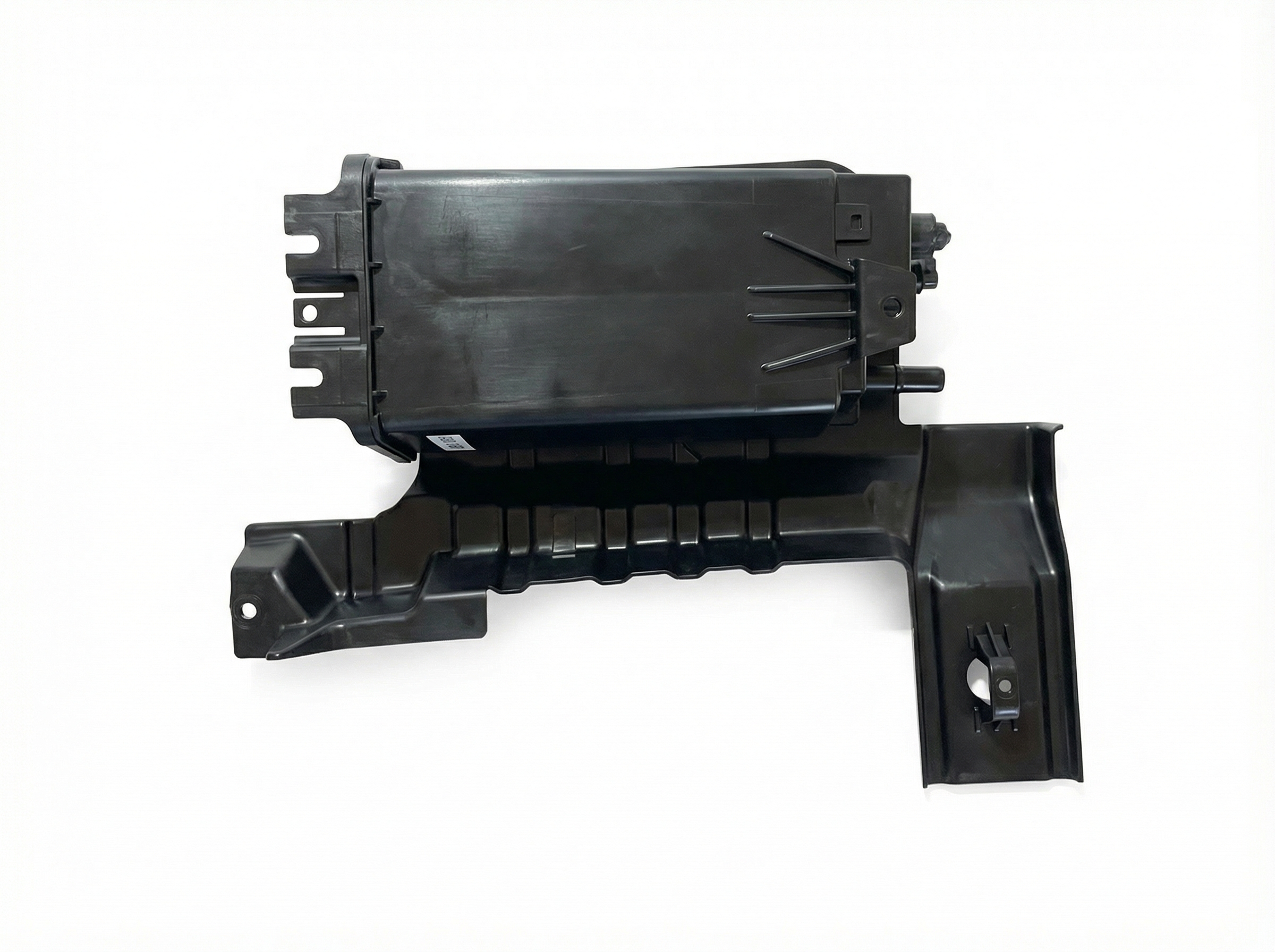
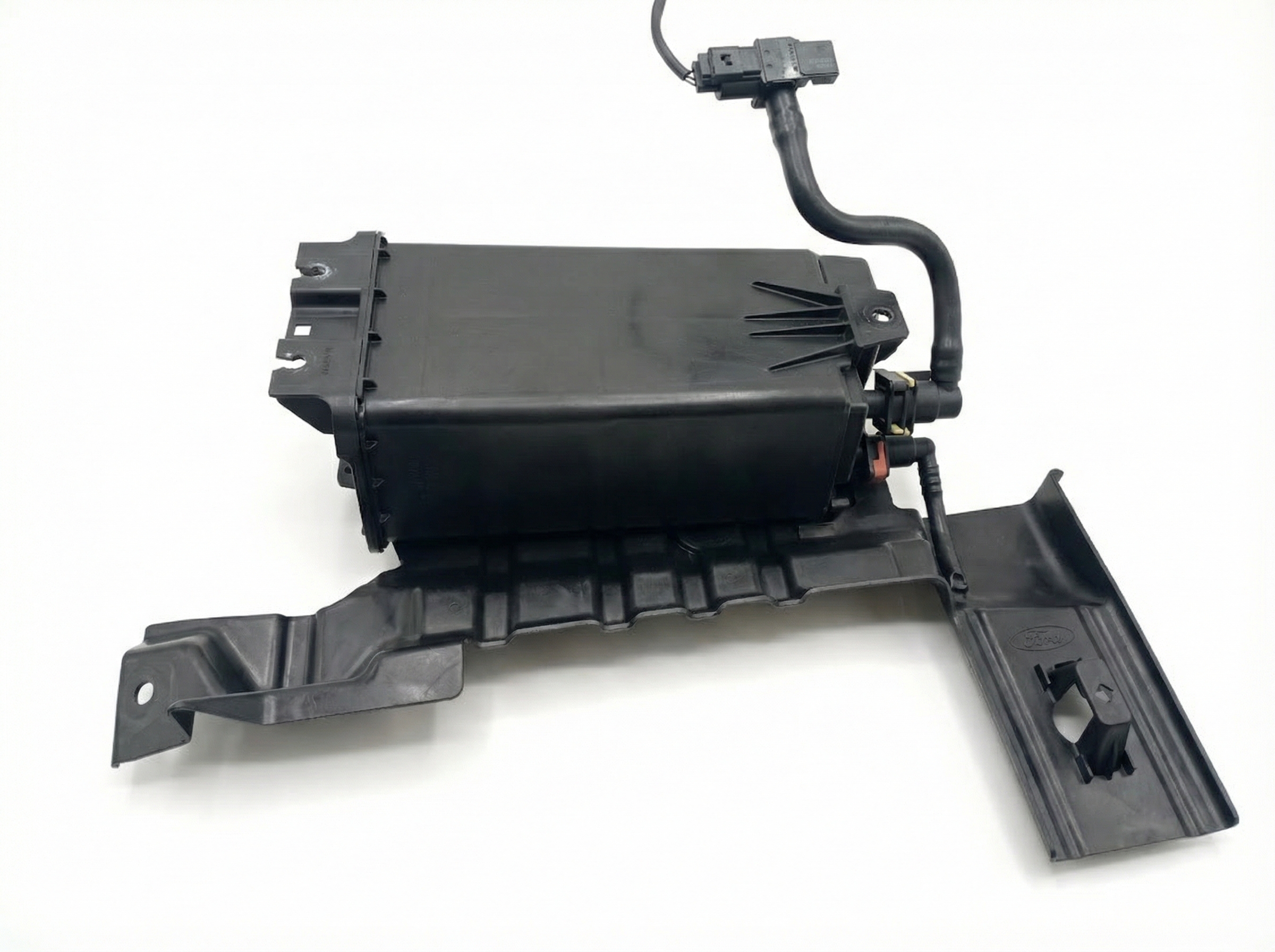
Typical fix: Replace the charcoal canister, which is located near the fuel tank.
Est. part cost: $200-$400
Rare But Worth Checking
- Faulty Gas Cap: While a bad gas cap usually causes a large leak code (like P0455 or P0456), a cap that is incorrect or has a malfunctioning seal could theoretically contribute to a flow issue. It's an easy and inexpensive item to check and replace first, though it is rarely the cause of P0441.
Diagnosis Steps

- Use an OBD-II scanner to confirm P0441 is the only code present. If other EVAP codes exist, they may point to a different root cause.
- Inspect the gas cap to ensure it is tight and the seal is not cracked. This is a simple check, though it's a less likely cause.
- Locate the canister purge valve on the engine. For the 3.5L V6, it is typically mounted on the intake manifold, left of the throttle body. For the 3.5L EcoBoost, it is in a similar location but may be harder to see. For the 2.3L EcoBoost, it is often part of a hose assembly near the center of the engine.
- Visually inspect the purge valve and the connected vacuum hoses for any obvious cracks, damage, or loose connections.
- Test the purge valve. With the vehicle off, disconnect the electrical connector and the two hoses. Try to blow air through the valve. If air passes, the valve is stuck open and is faulty. This is the most common failure mode.
- If the valve seems okay, you can apply 12V power to its electrical terminals to see if the solenoid clicks open and closed. It should be closed (no airflow) with no power, and open (airflow) with power.
- If the purge valve and its lines are confirmed to be in good working order, the next step would be to perform a smoke test on the EVAP system to check for obscure leaks or to inspect the charcoal canister (near the fuel tank) for blockages or damage.
Parts You'll Likely Need

- Canister Purge Valve
(OEM #AU5Z-9C915-B (Motorcraft CX-2409), supersedes AU5Z-9C915-A. For 2.3L EcoBoost, may be FB5Z-9G271-B. Verify by VIN.)— This is the most common component to fail and directly cause the P0441 code by sticking open or closed.
Trusted brands: Motorcraft, Dorman, Standard Motor Products
OEM price range: $35-$60
Aftermarket price range: $25-$50
Platform-Specific Known Issues
- The purge valve for the 3.5L V6 is extremely accessible on top of the engine, making for a very fast DIY repair.
- On the 3.5L EcoBoost engine, the valve is in a similar location but tucked further back and may be more difficult to access.
- On the 2.3L EcoBoost engine, the purge valve is often sold as an assembly with attached hoses.
Mechanic-Grade Diagnostic Values
- Fuel Tank Pressure (FTP) Sensor Voltage — expected: Approximately 2.6V - 2.65V with key on, engine off (KOEO) in a vented, static state.. Failure: If the voltage immediately drops when the engine is started (with the purge valve command at 0%), it can indicate a purge valve that is stuck open and pulling the tank into a vacuum. During a purge cycle, the FTP sensor should read a slight negative pressure of -2.0 to -4.0 in-H2O.
- Canister Purge Valve Solenoid Voltage — expected: Battery voltage should be present at the power supply terminal with the key on. The PCM controls the ground side of the circuit with a duty cycle signal to open the valve.. Failure: Absence of battery voltage at the connector points to a wiring or fuse issue. The ground side should show voltage until the PCM commands the valve to open.
Scan Tool Commands That Help
- Ford IDS (Integrated Diagnostic System): Manual EVAP System Test — This allows a technician to manually command the canister purge valve and canister vent valve to open or close, while monitoring the Fuel Tank Pressure (FTP) sensor. This is invaluable for confirming if the purge valve is physically responding to commands and if the system can hold a vacuum, bypassing the automatic test requirements which may not run if the fuel level is outside the 15-85% range.
Wiring & Ground Locations
- EVAP System Fuses (2011-2015) — In the main engine fuse box on the driver's side of the engine bay.. Specifically, fuses F67 (20A) and F86 (7.5A) provide power for EVAP components on 2011-2015 models. A blown fuse would cause a loss of power to the purge valve solenoid, preventing it from operating, though this would typically set a circuit code (like P0443) rather than an incorrect flow code.
- Connector C213 — Behind the driver's side left kick panel.. This is an intermediate connector for the EVAP vent solenoid circuit. While not directly for the purge valve, a poor connection here can cause general EVAP system faults that could potentially be misdiagnosed. The control wire for the vent solenoid passes through pin 57.
- Connector C3053 — Under the vehicle, below the 2nd-row seats.. This connector is in the harness for the EVAP vent solenoid and is exposed to the elements, making it a potential point for corrosion that could interrupt the vent circuit and cause system-wide EVAP test failures.
Real Owner Repair Stories
- Reddit user /u/Substantial-Water-10 (Ford Focus (shares same failure-prone purge valve)) — Check Engine Light for EVAP issue.
❌ Tried (didn't work) Replacing the canister purge valve. The part was replaced under warranty, but the Check Engine Light remained on after a few drive cycles.
✅ What actually fixed it The final fix was not explicitly stated, but the next diagnostic step recommended by another user was to perform a smoke test on the entire EVAP system to find a leak elsewhere, as the new valve did not solve the problem. This highlights that while the purge valve is the most common cause, it is not the only one. - YouTube - Wes Barton (2016 Ford Explorer, 167,000 miles) — Check Engine Light with code P0456 (small leak), but diagnostic process is identical for P0441.
✅ What actually fixed it Replacing the canister purge valve (Motorcraft AU5Z-9C915-B). The video clearly demonstrates the failure: when blowing through the old valve, air could be heard leaking through, while the new valve was completely sealed. - NHTSA ODI #11405532 (Ford Focus - cross-manufacturer reference) — An owner reported that their vehicle "stumbles excessively for a couple minutes after being able to drive after refueling" and confirmed the check engine light was on for code P0441.
OEM Part Supersession History
AU5Z-9C915-A→AU5Z-9C915-B, then AU5Z-9C915-C, AU5Z-9C915-D, and finally AU5Z-9C915-E.— Standard part evolution and revision by the manufacturer to improve reliability or change suppliers.
Heads up: All listed revisions (A, B, C, D, E) are generally interchangeable for the specified applications. The Motorcraft service numbers CX-2409 and CX-2470 also correspond to these parts.
Model Year Variations Within This Range
- 2011-2015 vs 2016-2019: The Ford Explorer received a facelift for the 2016 model year. While the EVAP system's core components and operation remained consistent, the fuse box layouts and some wiring harness routing were changed. Fuse locations cited for 2011-2015 models (e.g., F67, F86) may not be accurate for 2016-2019 vehicles.
Diagnostic Flowchart
Other Known Issues on This Vehicle
Issues unrelated to this code that are worth knowing about as an owner of this generation:
- Internal Water Pump Failure (3.5L & 3.7L V6) 🔴 High — Commonly occurs around 100,000 miles. A failure can cause coolant to mix with engine oil, leading to catastrophic engine damage if not caught early. (Ref: No recall, but it is a widely documented design flaw. The pump is driven by the timing chain, making replacement a labor-intensive job costing $2,000-$3,000+.)
- Exhaust Odor / Carbon Monoxide in Cabin 🔴 High — Affects 2011-2017 models most prominently. Occurs during hard acceleration or when using recirculated air, allowing exhaust fumes to enter the cabin. (Ref: Multiple TSBs issued (e.g., TSB 12-12-4, TSB 14-0130) and subject of class-action lawsuits and a NHTSA investigation. Ford's fix involves sealing the rear of the vehicle and reprogramming the HVAC.)
- Power Transfer Unit (PTU) Failure (AWD Models) 🟠 Medium — The PTU fluid is considered 'lifetime' by Ford, but it often overheats and breaks down, leading to failure. Recommended to be changed every 30,000 miles. (Ref: No recall. The unit lacks a drain plug, making service difficult. Failure results in grinding/clunking noises and loss of AWD. Aftermarket solutions with drain plugs and heat shields are available.)
- Steering Rack / EPAS Failure 🟠 Medium — A high number of NHTSA complaints relate to the Electronic Power Assisted Steering (EPAS) system, ranging from noise to complete loss of power steering. (Ref: Some recalls were issued for specific steering issues, but failures of the steering rack assembly remain a common complaint.)
- Cracked/Warped Exhaust Manifolds 🟡 Low — Can occur on higher mileage vehicles, leading to an exhaust leak tick noise when cold and potentially contributing to the exhaust smell in the cabin.
Used vs. New Parts: Buying Guide for This Vehicle
When a used part is the smart pick: A used canister purge valve from a junkyard can be a cost-effective option, especially given the low cost and ease of replacement. If the part fails, the financial loss and time spent are minimal.
Donor-vehicle mileage cap: roughly under 80000 miles for the part to have meaningful remaining life.
What to inspect on the donor part:
- Visually inspect the plastic housing for cracks or damage.
- Check the electrical connector pins for corrosion.
- If possible, perform the 'blow-through' test on the spot. Bring the old part for comparison if needed. If air passes through the used part, it is also faulty.
OEM-only on this vehicle (don't cheap out):
- No parts in this specific repair are strictly OEM-only, but using a Motorcraft purge valve is highly recommended due to known issues with some aftermarket connector fitment.
Aftermarket brands forum-validated for this vehicle:
- Standard Motor Products (SMP) is often regarded as a reliable alternative to OEM.
- Gates is also a reputable brand for EVAP components.
Brands owners have reported issues with on this vehicle:
- Dorman: While a major supplier, some owners have reported fitment issues with their purge valve connectors on Ford models, sometimes requiring modification or reuse of old components. Quality can be inconsistent.
Real Owner Stories
Aggregated from forums and TSBs cited above. Mileages and costs reflect what owners reported in those sources.
2011-2019 Ford Explorer — ~100000 miles
Symptoms: Owners frequently describe a 'hard start after fueling' symptom and note that the purge valve is a primary fix for P0441.
What fixed it: Replacement of the canister purge valve.
Source hint: explorerforum.com: Numerous threads in the 5th Gen (2011-2019) section
2011-2019 Ford Explorer
Symptoms: Check engine light with EVAP codes; forum consensus identifies the purge valve as the first part to check.
What fixed it: Replacing the purge valve.
Source hint: Ford Truck Enthusiasts Forum (ford-trucks.com): The 2011-2019 Explorer sub-forum
Related OBD-II Codes
Frequently Asked Questions
Why does my Ford Explorer have trouble starting only after I fill up the gas tank?
Where is the purge valve located on my 3.5L V6 Explorer?
I have a 2.3L EcoBoost; is the repair different than the standard V6?
Could my habit of 'topping off' the gas tank be causing P0441?
Are there any TSBs for exhaust smells in the cabin while I'm fixing this EVAP issue?
Is the purge valve failure common on other Ford vehicles?
Helpful Videos
![How to Fix P0441 Engine Code in 3 Minutes [2 DIY Methods / Only $4.50]](https://img.youtube.com/vi/ifwpcNQCSvI/mqdefault.jpg)
Used OEM Parts in Stock

New Aftermarket Parts Available


The information in this article is provided for general reference and educational purposes only. Vehicle specifications, procedures, and part compatibility can vary by production date, trim level, and region. Always consult your vehicle's factory service manual and verify part numbers before purchasing or performing repairs. Safety-critical components such as airbags, seat belts, and braking systems should be installed by a qualified professional.
- Ford Explorer:
- 🎬 Helpful Videos
- 🛍️ Shop This Part
- What's Unique About the 2011-2019 Ford Explorer
- Symptoms You May Notice
- Most Likely Causes
- Rare But Worth Checking
- Diagnosis Steps
- Parts You'll Likely Need
- Platform-Specific Known Issues
- Mechanic-Grade Diagnostic Values
- Scan Tool Commands That Help
- Wiring & Ground Locations
- Real Owner Repair Stories
- OEM Part Supersession History
- Model Year Variations Within This Range
- Diagnostic Flowchart
- Other Known Issues on This Vehicle
- Used vs. New Parts: Buying Guide for This Vehicle
- Real Owner Stories
- 2011-2019 Ford Explorer — ~100000 miles
- 2011-2019 Ford Explorer
- Related OBD-II Codes
- Frequently Asked Questions
- 🎟️ Get 5% Off