

P0440 on 2014-2024 Porsche Macan: EVAP System Malfunction Causes and Fixes
P0440 on a Porsche Macan indicates a general malfunction in the evaporative emissions (EVAP) system, usually a small leak. The most common causes are a loose or faulty gas cap or a failing EVAP purge valve (N80). A new gas cap is inexpensive, while a purge valve replacement can cost between $100 and $250. A smoke test is the most definitive way to find the leak source if it's not obvious.
- P0440 on your Macan means the fuel vapor system has a small leak.
- Don't panic; the car is safe to drive, but you will fail an emissions test.
- Always start with the simplest and cheapest fix: check that your gas cap is tight. If it's old or the seal is cracked, replace it.
- If the gas cap isn't the issue, the next most likely culprits are the EVAP purge valve or a cracked hose.
- A professional smoke test is the fastest and most accurate way to find a leak that isn't the gas cap.
What's Unique About the 2014-2024 Porsche Macan
The Porsche Macan shares its underlying MLB platform with the Audi Q5, and its EVAP system uses components common to the Volkswagen Auto Group. Therefore, issues and solutions for P0440 on an Audi Q5 are often directly applicable to the Macan. However, unlike some other Porsche models where specific failure points for EVAP codes are well-documented, there is no single, widely-reported 'common cause' for P0440 specific to the Macan beyond the usual suspects (gas cap, purge valve). Therefore, diagnosis must follow a logical, step-by-step process rather than assuming a specific part has failed.
Generation note: The 2014-2024 range covers the first generation (Type 95B) of the Porsche Macan, including the facelifts in 2019 (95B.2) and 2021 (95B.3). The fundamental operation of the EVAP system is consistent across these years, but specific part numbers for components may vary slightly by engine and model year.
Symptoms You May Notice
- Check Engine Light is on
- A faint fuel smell, possibly more noticeable after refueling or when parked in a garage
- In rare cases, slight difficulty starting immediately after refueling, which can be a strong indicator of a stuck-open purge valve.
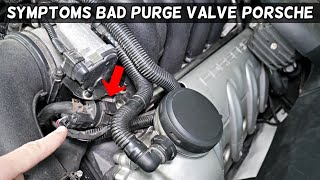
- A whistling noise at light or medium throttle has been anecdotally linked by some owners to a failing purge valve. 🎬 Watch: Common symptoms of a failing Porsche purge valve
- Replacing oxygen sensors. O2 sensors are not part of the EVAP system and will not cause a P0440 code.
- Replacing the charcoal canister when only a valve or hose is bad. The canister is often the most expensive part of the system and should only be replaced if it is confirmed to be cracked or internally blocked.
Most Likely Causes
- Loose, Worn, or Incorrect Gas Cap 🟡 Medium Probability The gas cap seal is a simple rubber O-ring that can dry out, crack, or get dirty over time, preventing a proper seal. This is the most common and easiest-to-fix cause for EVAP codes on almost all vehicles.
How to confirm: First, ensure the cap is tightened until it clicks at least once. Inspect the rubber seal for any cracks, tearing, or debris. If the seal is worn or damaged, the cap should be replaced. Clear the code and drive for a few days to see if it returns.
Typical fix: Replace the gas cap.
Est. part cost: $25-$60 - Faulty EVAP Purge Valve (N80 Valve) 🟡 Medium Probability This solenoid valve, often a Bosch part, controls the flow of fuel vapors from the charcoal canister to the engine. It can fail by sticking open or not closing completely, creating a leak in the system when it should be sealed for testing. This is a common failure item on many VW/Audi/Porsche vehicles.
How to confirm: With the engine off, the valve should be closed. A simple DIY check is to remove the valve (located in the engine bay) and try to blow through it. If air passes, it is stuck open and faulty. A technician can also use a scan tool to command it open and closed while monitoring system pressure.
Typical fix: Replace the EVAP purge valve. The OEM part number for many Macan models is 958-906-253.
Est. part cost: $80-$200 - Cracked or Disconnected EVAP Hoses ⚪ Low Probability The plastic and rubber hoses that route fuel vapor can become brittle with age and exposure to engine heat, leading to hairline cracks or loose fittings. Rodents can also sometimes chew through these lines.
How to confirm: A visual inspection may reveal obvious cracks or disconnected lines, especially at connection points. However, small leaks are often invisible and require a smoke test, where a machine fills the EVAP system with a harmless, visible smoke to reveal the exact source of the leak.
Typical fix: Replace the damaged section of hose or the entire hose assembly.
Est. part cost: $30-$150 - Faulty Leak Detection Pump (LDP) or Vent Valve ⚪ Low Probability The LDP (or a simpler vent valve on some systems) is responsible for sealing the canister vent and pressurizing the system for the self-test. If the pump's internal valve fails or the vent valve sticks, it can cause a test failure. This component is typically located near the charcoal canister, which requires removing the rear passenger-side wheel and liner to access.
How to confirm: This component is typically tested using a high-end scan tool that can actuate the pump and monitor the system's pressure sensor. A smoke test can also help determine if the vent is not sealing correctly.
Typical fix: Replace the leak detection pump or vent valve assembly.
Est. part cost: $150-$300
Rare But Worth Checking
- Cracked Charcoal Canister: The canister itself can develop cracks from road debris impact or age. This is less common than valve or hose failures but is a possibility. A smoke test is the best way to confirm a leak from the canister body.
- Faulty Fuel Tank Pressure Sensor: In very rare cases, the sensor that reports the pressure to the computer can fail, causing it to report a leak when one doesn't exist. This is usually diagnosed after all other potential leak sources have been ruled out.
Diagnosis Steps
- Read the Code: Confirm P0440 is the active code using an OBD-II scanner.
- Inspect the Gas Cap: Remove, inspect the seal for cracks or dirt, and retighten it until it clicks. Clear the code and drive for a few days. If the light stays off, the problem is solved. This is the most common fix.
- Visual Inspection: Look for any obviously cracked, disconnected, or damaged EVAP hoses in the engine bay and around the fuel tank area. Pay close attention to fittings and connectors.
- Test the Purge Valve (N80): Locate the purge valve in the engine bay (often near the intake manifold). With the engine off, disconnect it and try to blow air through it. If air passes, the valve is stuck open and must be replaced. This is a very common failure point.
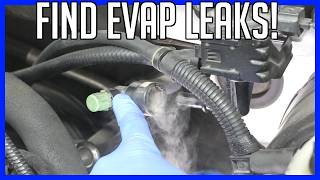
- Perform a Smoke Test: If the above steps do not identify the issue, the most effective next step is a smoke test. This involves connecting a smoke machine to the EVAP system service port. The smoke will escape from the point of the leak, making it easy to identify cracks in hoses, 🎬 See how to perform a smoke test for EVAP leaks a faulty vent valve, or a leaking canister.
- Professional Diagnosis: If a smoke machine is not available, a professional technician can use a scan tool (like the Porsche PIWIS) to perform a guided fault finding routine, which actuates individual EVAP components and monitors the fuel tank pressure sensor to isolate the fault.
Parts You'll Likely Need
- Fuel Cap — This is the most common and simplest fix for any EVAP code. The seal wears out over time. 🎬 Watch: How to replace a Macan gas cap to clear codes OEM part number is not provided as it may vary by year and specific model trim.
Trusted brands: Porsche (OEM), Blau
OEM price range: $40-$60
Aftermarket price range: $25-$40 - EVAP Purge Valve
(OEM #958906253)— A common failure point in VW/Audi/Porsche vehicles where the valve sticks open, causing a constant small leak. This part number is applicable to many Macan models from 2015-2018 and potentially beyond.
Trusted brands: Bosch (OEM supplier), Porsche (OEM), URO Parts
OEM price range: $150-$250
Aftermarket price range: $80-$150 - Leak Detection Pump (LDP) — If the system uses an LDP, its internal mechanism can fail, preventing the system from sealing for a test. OEM part number is not provided due to variations across the model years.
Trusted brands: Bosch, Porsche (OEM)
OEM price range: $250-$400
Aftermarket price range: $150-$250
Related Codes That Often Appear With This One
- P0456 — P0456 indicates a 'very small leak detected.' P0440 is a more general EVAP malfunction code. They are closely related and can sometimes appear together, pointing to a small, persistent leak in the system.
- P0455 — P0455 indicates a 'large leak detected.' If you see this with P0440, it could point to a significant hose disconnection or a gas cap that was left off completely.
- P0446 — P0446 indicates an 'EVAP Vent Control Circuit Malfunction'. A Rennlist user reported seeing this code along with P0440, which was ultimately traced to a faulty purge valve that was confusing the system's diagnostics.
Platform-Specific Known Issues
- Difficulty Starting After Refueling: A symptom strongly pointing to a stuck-open EVAP purge valve is difficulty starting the engine right after filling the gas tank. This happens because excess fuel vapor is forced directly into the intake manifold, creating a rich fuel mixture that makes it hard for the engine to fire.
Mechanic-Grade Diagnostic Values
- EVAP Purge Valve (N80) Coil Resistance — expected: 15 - 30 Ohms. Failure: A reading significantly outside this range indicates an internal electrical fault in the valve's solenoid.
- EVAP System Leak Test Pressure — expected: Hold 25 mbar (10 in. H2O) for a minimum of 2 minutes.. Failure: If the pressure drops during the hold period, it confirms a leak is present in the sealed system.
Scan Tool Commands That Help
- Porsche PIWIS: Guided Function: 'Check tank ventilation system for leaks' — This is the dealer-level automated test procedure that walks a technician through a full system check to pinpoint a fault.
- Porsche PIWIS or advanced generic scanner: Actuation: Manually close EVAP canister vent valve and purge valve (N80) — Used to isolate components during a smoke test or pressure test. For example, closing both valves allows a technician to test the integrity of the valves themselves.
- Advanced generic scanner: Monitor FTP PID while commanding Purge Valve OFF and Vent Valve ON (Closed) — This is a quick test for a stuck-open purge valve without a smoke machine. With the engine running, sealing the system should result in no vacuum buildup. If the Fuel Tank Pressure (FTP) sensor shows a developing vacuum (negative pressure), it confirms the purge valve is leaking engine vacuum into the EVAP system when it should be closed.
Wiring & Ground Locations
- Main Engine Bay Ground Post — On the driver's side firewall, there is a large silver-colored post located under the access panel for the positive (+) jump terminal. This post is the negative (-) ground point.. The DME and various engine bay solenoids, including the N80 purge valve, rely on a clean and secure ground connection. A loose or corroded main ground can cause erratic behavior and fault codes.
- Ground Pin 43 — For left-hand drive vehicles, this ground point is in the driver's side footwell area, near the A-pillar.. Interior electronic modules share common ground points. A fault at this location could cause intermittent electrical issues for sensors or solenoids that are part of the EVAP monitoring circuit.
- General Ground Wire Color — Throughout the vehicle's wiring harness.. Porsche typically uses brown-colored wires for ground connections. This is a critical piece of information when tracing wires from an EVAP component to its ground point.
OEM Part Supersession History
8k0906253j, 9a790625300→958-906-253— Part revision and consolidation across VW/Audi/Porsche platforms.
Heads up: While multiple numbers exist (e.g., 8K0-906-253 L), 958-906-253 is the most commonly referenced part for the Macan. Always verify fitment with VIN.
Model Year Variations Within This Range
- 2019-2024 (95B.2): The 95B.2 facelift models feature entirely different engines from the 95B.1 (e.g., Audi-sourced 3.0L single-turbo in the 'S' vs. the previous Porsche 3.0L twin-turbo). They also use a different, non-tunable-by-handheld ECU and have different intercooler routing. The 2.0L models also gained a Gasoline Particulate Filter (GPF), altering the exhaust system. While the EVAP principle is the same, component locations and diagnostic software parameters may differ.
- 2014-2018 (95B.1): This generation uses Porsche-specific engines in S, GTS, and Turbo models (3.0L and 3.6L twin-turbos). The ECU is tunable via the Cobb Access Port, which is not an option for the later 95B.2 models.
Diagnostic Flowchart
Other Known Issues on This Vehicle
Issues unrelated to this code that are worth knowing about as an owner of this generation:
- Timing Cover Oil Leak 🔴 High — Very common on 2015-2018 V6 models (3.0L & 3.6L). Caused by stretching and breaking of original aluminum bolts. The original repair was an expensive engine-out service, but a later TSB allows for a less intensive repair by replacing the bolts. (Ref: Porsche TSB 1902 (NHTSA ID 10168341) addresses the issue.)
- Transfer Case Failure 🔴 High — Common on 2015-2018 models, but can affect later years as well. Symptoms include shuddering, jerking, or a binding sensation at low speeds, especially during turns. Porsche extended the warranty to 7 years for this component on many affected vehicles. (Ref: Multiple TSBs exist. One diagnostic TSB is referenced as MC-10217269-0001.)
- PDK Transmission Faults 🟠 Medium — While generally reliable, failures can occur, often related to the mechatronic unit or internal sensors. Symptoms include rough shifting, hesitation, or getting stuck in gear. Repairs are very expensive, with dealers often opting to replace the entire unit.
- Coolant Leaks 🟠 Medium — Leaks can develop from various places, including the thermostat housing, water pump, and coolant pipes, especially as mileage increases.
- Carbon Buildup on Intake Valves 🟡 Low — As with many direct-injection engines, carbon buildup can occur over time, leading to rough idle, misfires, or reduced performance. Typically requires walnut blasting to clean.
Used vs. New Parts: Buying Guide for This Vehicle
When a used part is the smart pick: For this repair, using used parts is generally not recommended for electronic solenoids or sensors due to unknown remaining lifespan. However, a used charcoal canister body or specific plastic hoses from a low-mileage, accident-free donor vehicle could be a viable cost-saving measure if inspected thoroughly for cracks and brittleness.
Donor-vehicle mileage cap: roughly under 50000 miles for the part to have meaningful remaining life.
What to inspect on the donor part:
- For solenoids/valves: Check for clean electrical connector pins with no corrosion.
- For canisters/hoses: Ensure plastic is not faded or brittle. Rubber seals and O-rings should be pliable, not hard or cracked.
- Verify the part number on the donor part matches the one you are replacing.
OEM-only on this vehicle (don't cheap out):
- Fuel Tank Pressure Sensor: This sensor's accuracy is critical for the DME's leak test. An aftermarket sensor with even minor calibration differences can prevent the system from passing its self-test, leading to persistent codes.
Aftermarket brands forum-validated for this vehicle:
- Bosch: Bosch is the Original Equipment Manufacturer (OEM) for the EVAP purge valve. Buying the Bosch-branded part is identical to the Genuine Porsche part but typically costs less.
Brands owners have reported issues with on this vehicle:
- URO Parts: While widely available and inexpensive, this brand has a reputation in enthusiast forums for inconsistent quality control. For a critical emissions component that can be labor-intensive to access again, it may be a risky choice to save a small amount of money.
Real Owner Stories
Aggregated from forums and TSBs cited above. Mileages and costs reflect what owners reported in those sources.
Porsche Macan
Symptoms: Classic P0440 symptoms, including difficult starting after refueling.
What fixed it: Replacement of the purge valve, which was identified as the culprit by a mechanic based on the refueling symptoms.
Source hint: RennTech.org - 'CEL and code P0440' (https://www.renntech.org/topic/42609-cel-and-code-p0440/)
Porsche 997 (Applicable Principles)
Symptoms: P0440 code present; a smoke test showed no external leaks, but the purge valve allowed air to pass while de-energized.
What fixed it: Replacement of the purge valve; the owner confirmed the new valve did not allow air to pass when off, unlike the faulty one.
Source hint: Rennlist - 'Diagnosing P0440' (https://www.rennlist.com/forums/997-forum/1281896-diagnosing-p0440-2.html)
Related OBD-II Codes
Frequently Asked Questions
Is there a specific part number for the purge valve on my Macan?
Why does my Macan struggle to start only after I fill up the gas tank?
I hear a whistling noise at light throttle; could this be related to P0440?
Where is the Leak Detection Pump (LDP) located on the Macan?
Can I use a standard OBD-II scanner to fix this, or do I need Porsche PIWIS?
Does the Macan share this EVAP issue with any other vehicles?
Helpful Videos
We Have This Part in Stock



The information in this article is provided for general reference and educational purposes only. Vehicle specifications, procedures, and part compatibility can vary by production date, trim level, and region. Always consult your vehicle's factory service manual and verify part numbers before purchasing or performing repairs. Safety-critical components such as airbags, seat belts, and braking systems should be installed by a qualified professional.
- Porsche Macan:
- 🎬 Helpful Videos
- 🛍️ Shop This Part
- What's Unique About the 2014-2024 Porsche Macan
- Symptoms You May Notice
- Most Likely Causes
- Rare But Worth Checking
- Diagnosis Steps
- Parts You'll Likely Need
- Related Codes That Often Appear With This One
- Platform-Specific Known Issues
- Mechanic-Grade Diagnostic Values
- Scan Tool Commands That Help
- Wiring & Ground Locations
- OEM Part Supersession History
- Model Year Variations Within This Range
- Diagnostic Flowchart
- Other Known Issues on This Vehicle
- Used vs. New Parts: Buying Guide for This Vehicle
- Real Owner Stories
- Porsche Macan
- Porsche 997 (Applicable Principles)
- Related OBD-II Codes
- Frequently Asked Questions
- 🎟️ Get 5% Off