

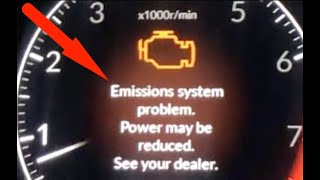
P0440 on 2002-2006 Honda CR-V: EVAP System Malfunction Causes and Fixes
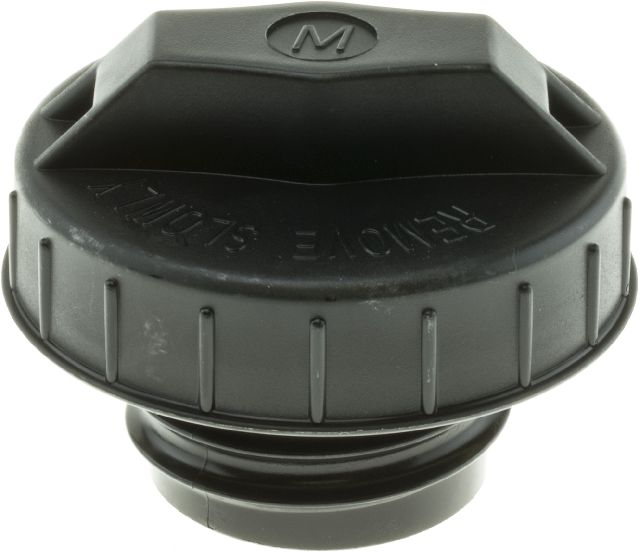
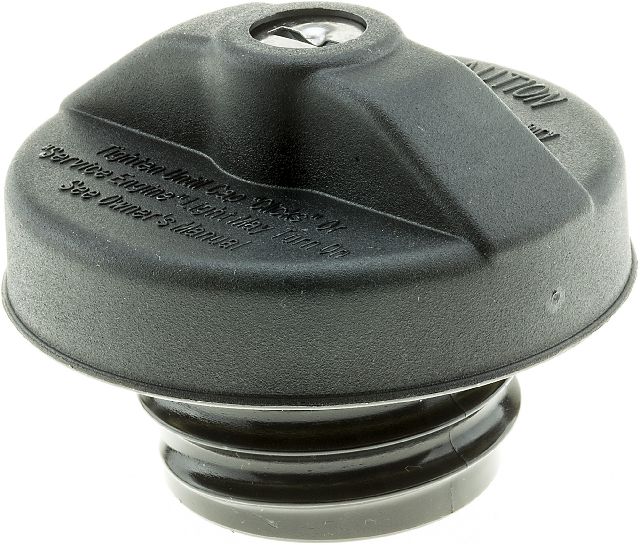
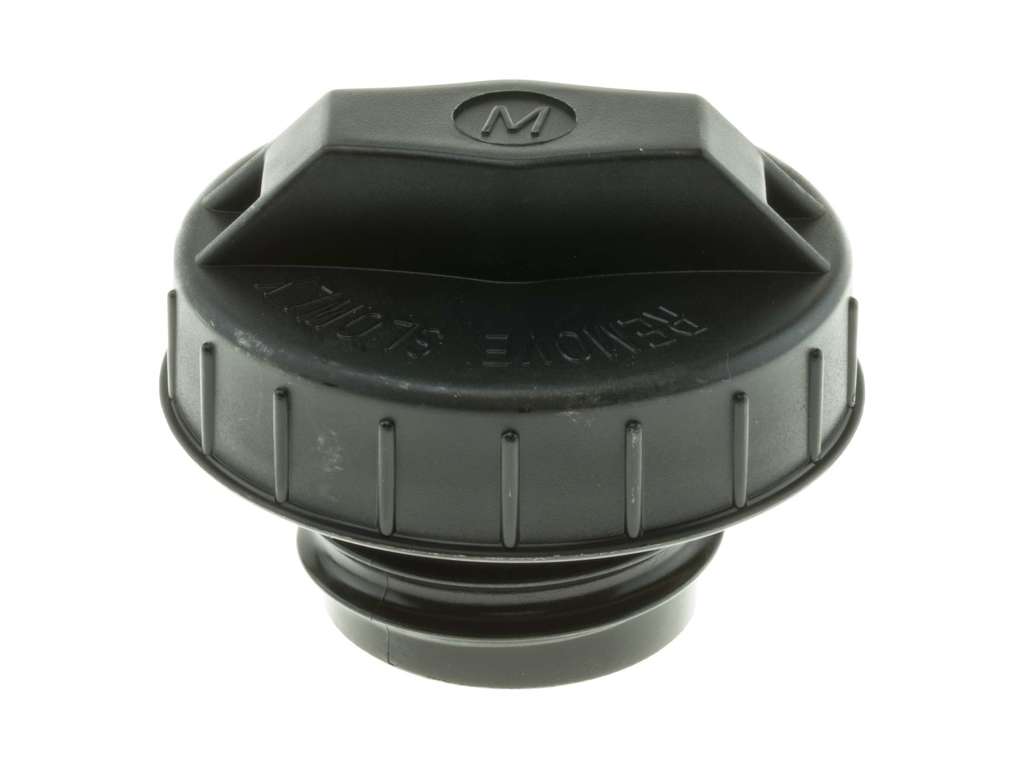
For a 2002-2006 Honda CR-V, code P0440 most often points to a loose or worn-out gas cap. If that's not the issue, suspect a faulty EVAP purge valve in the engine bay or a cracked fuel tank vent valve. A new OEM gas cap is under $35, while a purge valve is around $40-$80 for an aftermarket part. Always use a genuine Honda gas cap, as aftermarket ones are known to cause issues.
- Always check your gas cap first. Make sure it's tight and the seal is in good condition before attempting any other repairs.
- If the gas cap isn't the problem, the next most likely cause on a 2002-2006 CR-V is the purge valve in the engine bay.
- A smoke test is the most effective way to find a leak if a visual inspection doesn't reveal the cause.
- This code does not affect vehicle safety or drivability, but it will prevent you from passing an emissions test.
What's Unique About the 2002-2006 Honda CR-V
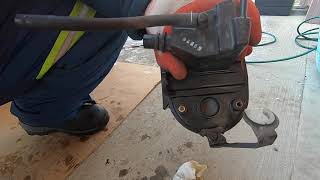
On the second-generation Honda CR-V, the EVAP system components are known for their longevity, but certain parts are common failure points as the vehicle ages. While the P0440 code is a generic fault, owners of this CR-V often find the issue is either a simple loose gas cap or a faulty vapor canister purge valve located in the engine bay. Unlike some vehicles where the entire canister assembly must be replaced, the purge valve on this CR-V is a separate, easily accessible part. 🎬 Watch: How to replace the purge valve for a simple fix. However, the vent valve (also called the vent shut valve), located on the charcoal canister under the car, is a known failure point that can crack and cause a leak. This can be difficult to service separately, especially in regions where rust is a problem.
Symptoms You May Notice
- Check Engine Light is on
- A faint smell of fuel, particularly around the gas cap area or after refueling.
- Vehicle will automatically fail an emissions inspection.
- In rare cases, a slight decrease in fuel efficiency.
- Replacing the oxygen sensors. O2 sensors are part of the exhaust system and have no connection to the EVAP system.
- Replacing the fuel injectors. While a fuel smell could be a symptom, P0440 is specifically an emissions system fault, not a fuel delivery fault.
Most Likely Causes
- Loose or Faulty Gas Cap 🔴 High Probability The gas cap is a frequently used part, and its rubber seal can degrade, crack, or harden over time, preventing a proper seal. This is the most common cause for any EVAP leak code.
How to confirm: Ensure the cap is tightened until it clicks at least once. Inspect the rubber O-ring on the cap for any cracks, stiffness, or visible damage. If the seal is compromised, the cap needs replacement.
Typical fix: Replace the gas cap. It is highly recommended to use a genuine OEM Honda gas cap, as some aftermarket caps are known to cause sealing issues.
Est. part cost: $15-$35 - Faulty EVAP Canister Purge Valve (Solenoid) 🟡 Medium Probability This solenoid is an electromechanical part that cycles frequently. Over many years, it can get stuck open or closed, or the internal coil can fail, which is a common issue on this generation of CR-V.
How to confirm: The purge valve is located in the engine bay, near the intake manifold. With the engine running, you can disconnect the vacuum hose from the valve and feel for suction; there should be none at idle. A more definitive test involves applying 12V power to the solenoid's pins to see if it clicks open and closed.
Typical fix: Replace the vapor canister purge valve. It is held on by a small bracket and is easy to access and replace with basic hand tools.
Est. part cost: $40-$150 - Cracked or Disconnected EVAP Hoses 🟡 Medium Probability The rubber and plastic hoses that make up the EVAP system run under the car and in the engine bay. With age and exposure to the elements, they can become brittle and crack, causing leaks.
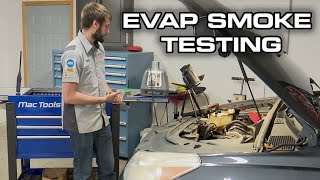
How to confirm: Visually inspect all accessible EVAP lines for obvious cracks, breaks, or loose connections. The most effective method is to have a mechanic perform a smoke test, which forces smoke into the EVAP system to reveal the exact location of any leaks. 🎬 See how a mechanic performs a professional EVAP smoke test.
Typical fix: Replace the specific section of hose that is leaking. This can range from a simple DIY fix to a more involved repair if the hose is in a difficult-to-reach area.
Est. part cost: $10-$50 - Faulty EVAP Vent Valve / Solenoid ⚪ Low Probability Located under the vehicle on the charcoal canister near the gas tank, this valve is exposed to road salt and debris, which can cause it to fail or its plastic housing to crack. It's designed to let fresh air into the canister but can get stuck open or closed, or develop a crack in the valve body itself.
How to confirm: The valve can be tested with a scan tool that can command it to open and close. It can also be removed and tested by applying 12V power to see if the solenoid actuates. A visual inspection may reveal a crack in the plastic housing, which is a confirmed failure point.
Typical fix: On many 2002-2006 CR-Vs, the vent valve is part of the charcoal canister assembly. While sometimes serviceable separately, it is often replaced along with the entire canister, especially if the hardware is rusted. 🎬 Watch: Step-by-step guide to repairing the vent shut valve.
Est. part cost: $150-$300 (if part of canister assembly)
Rare But Worth Checking
- Cracked Charcoal Canister: The canister itself can develop a crack from road debris or age, creating a leak. This is usually found during a smoke test after all other components have been checked. Overfilling the gas tank (topping off) can also saturate the canister with liquid fuel, causing it to fail.
- Faulty Fuel Tank Pressure (FTP) Sensor: The sensor that monitors system pressure can fail and send incorrect readings to the computer, tricking it into thinking there is a leak when there isn't one.
- Damaged Fuel Filler Neck: Rust or damage to the fuel filler neck can prevent the gas cap from sealing properly, leading to a leak.
Diagnosis Steps
- Check the Gas Cap: Remove the gas cap, inspect the seal for cracks or damage, and ensure it is tightened properly (at least one click). Clear the code and drive for a few days to see if it returns. This is the most common fix.
- Scan for Other Codes: Use an OBD-II scanner to check for any other pending or stored codes that could provide more specific information (e.g., P0443 for the purge valve circuit, or Honda-specific codes like P1456/P1457).
- Inspect the Purge Valve: Locate the purge valve in the engine bay. Visually inspect its hoses and electrical connector. With the engine running at idle, disconnect the hose leading away from the valve to check for vacuum. There should be no suction. If there is, the valve is stuck open and needs replacement.
- Visual Inspection of Hoses: Inspect all visible EVAP hoses in the engine bay and under the vehicle for obvious cracks, loose connections, or damage.
- Perform a Smoke Test: If the issue is not obvious, the most reliable diagnostic step is a smoke test. A mechanic will connect a smoke machine to the EVAP service port and fill the system with a harmless, visible smoke. Smoke will exit from any leaks, pinpointing the exact location of the fault.
- Test the Vent Valve: If the smoke test reveals no leaks, the vent valve (near the canister) should be tested. A scan tool can command it to close; if the system still won't hold pressure, the valve is likely faulty. Also, visually inspect the valve body for cracks.
- Inspect the Charcoal Canister: During the smoke test, check the body of the canister itself for any cracks or damage that could be the source of the leak.
Parts You'll Likely Need
- Gas Cap
(OEM #17670-SJA-013)— This is the most frequent cause of all EVAP codes due to seal degradation over time.
Trusted brands: Genuine Honda
OEM price range: $20-$35
Aftermarket price range: $10-$20 - Vapor Canister Purge Valve
(OEM #36162-PPA-A01 or 36162-PRB-A01)— A very common failure point on this CR-V model that can get stuck open or closed, causing a P0440 code.
Trusted brands: Genuine Honda, Denso, Standard Motor Products
OEM price range: $60-$90
Aftermarket price range: $40-$80 - EVAP Canister Vent Shut Valve
(OEM #17310-S5A-L31 (often part of canister assembly))— Known to crack or fail due to its location under the car, exposed to elements.
Trusted brands: Genuine Honda, Dorman
OEM price range: $50-$100 (if sold separately)
Aftermarket price range: $30-$60
Related Codes That Often Appear With This One
- P0442 — P0442 indicates a small EVAP leak. If a small leak worsens over time, it can eventually be detected as a general or large leak, triggering P0440.
- P0455 — P0455 specifically indicates a large EVAP leak. Some vehicle systems may use P0440 and P0455 interchangeably or log both depending on the test parameters.
- P1456 / P1457 — These are Honda-specific codes that point to leaks in the fuel tank side (P1456) or canister side (P1457) of the EVAP system. A fault that triggers one of these could also lead to a general P0440 fault.
Technical Service Bulletins (TSBs) & Recalls
- Honda Service Bulletin 03-001 - While not for P0440 specifically, this TSB addresses issues with the EVAP canister on some Honda models, indicating a known area of concern for the system.
- Honda Service Bulletin 06-073 - Addresses internal failure of the Fuel Tank Pressure (FTP) sensor on 2002-2004 CR-V models, which can cause various EVAP codes.
Mechanic-Grade Diagnostic Values
- EVAP Canister Purge Valve Solenoid Resistance — expected: 15 to 30 Ohms. Failure: A reading outside this range (e.g., open circuit/infinite resistance or a short/zero resistance) indicates a faulty solenoid coil.
- EVAP Canister Vent Shut Valve (CVS) Solenoid Resistance — expected: 20 to 30 Ohms. Failure: A resistance measurement outside of this specified range points to a damaged solenoid winding.
Scan Tool Commands That Help
- Honda HDS (Honda Diagnostic System) or equivalent advanced scanner: EVAP System Function Test — This is a comprehensive, automated test that the PCM uses to check the entire EVAP system. A technician can trigger this test to verify a repair or to force the EVAP monitor to run without having to perform a full drive cycle. The test commands the vent and purge valves to open and close while monitoring the FTP sensor to confirm the system can hold pressure and pull a vacuum.
- Advanced Bidirectional Scanner: EVAP CVS ON/OFF (Vent Valve) — Used during a smoke test or manual pressure test. The technician commands the normally open vent valve to the 'OFF' (closed) position to seal the system, allowing it to be pressurized with smoke to find leaks.
- Advanced Bidirectional Scanner: EVAP Purge Valve ON/OFF — Used to test the function of the purge valve itself. With the engine off, a technician can command the valve to open and listen for a click. With the engine running, commanding it open should cause a change in idle RPM and short-term fuel trim as fuel vapors are introduced.
Wiring & Ground Locations
- G101 — Located on the left side of the engine.. This is a primary engine and PCM ground. A corroded or loose G101 can cause a host of seemingly unrelated issues, including erratic sensor readings and improper solenoid function for EVAP components.
- G301 — Located behind the left side of the front bumper.. This ground point serves various components in the front of the vehicle. While not directly tied to the rear-mounted canister, it can affect front-mounted sensors and actuators that share circuits. A poor ground here can introduce electrical noise.
- EVAP Canister Purge Valve Connector — On top of the throttle body assembly in the engine bay.. This is the electrical connection for the purge valve. The two pins should be checked for battery voltage (with key on) and for a control signal from the PCM. The wiring harness in this area is subject to engine heat and vibration, which can lead to breaks over time.
- EVAP Canister Vent Shut Valve Connector — On top of the EVAP control canister, located under the vehicle near the rear axle.. This connector and its wiring are highly exposed to road debris, moisture, and salt, making them a prime location for corrosion and wire damage that can cause P0440 or related codes.
Real Owner Repair Stories
- Dan the Fix It Man on YouTube (2004 Honda CR-V) — Check Engine Light with P0497 (EVAP System Low Purge Flow), but diagnosis is relevant to general EVAP system failures.
❌ Tried (didn't work) Initial visual inspection did not reveal the problem.
✅ What actually fixed it The wiring harness connector for the ABS sensor, which is routed near the EVAP canister, was completely severed ('Wi-Fi'). The wires leading out the back of the connector were broken off, likely from debris or corrosion. This also likely affected the nearby EVAP component wiring, causing the code. The fix was to repair the broken wires and replace the damaged connector. - CRVOwnersClub Forum (2002-2006 Honda CR-V (multiple owners)) — P0440, P1457, or P0455 codes.
❌ Tried (didn't work) Replacing the gas cap with an aftermarket version., Replacing the purge valve when the issue was the vent valve.
✅ What actually fixed it A very common resolution was replacing the EVAP Canister Vent Shut Valve. The plastic housing of the valve itself develops cracks, creating a leak that is consistently found with a smoke test. In many cases, owners had to replace the entire canister assembly because the bolts holding the valve were too rusted to be removed separately.
"I Checked Everything" — The Actual Cause
- A user on a Honda forum reported passing a smoke test multiple times. The ultimate cause was an intermittently failing Fuel Tank Pressure (FTP) sensor. The sensor would read correctly when cold but would provide erratic data to the ECU once the vehicle reached operating temperature, falsely triggering a leak code. The fix was replacing the FTP sensor on the canister assembly, as outlined in Honda TSB 06-073.
OEM Part Supersession History
17310-S5A-L31→N/A, but has specific model year application— Component Design
Heads up: Part number 17310-S5A-L31 is specified for the 2002-2004 Honda CR-V. For 2005-2006 models, a different part is used, though the function is identical. Using the wrong year's valve may result in fitment issues or improper sealing.
Model Year Variations Within This Range
- 2002-2004 vs 2005-2006: The EVAP Canister Vent Shut Valve has a different part number for the mid-generation refresh. The 2002-2004 models use P/N 17310-S5A-L31. While functionally similar, the mounting or connector may differ for the 2005-2006 models, so it is critical to order the part specific to the vehicle's model year.
Diagnostic Flowchart
Other Known Issues on This Vehicle
Issues unrelated to this code that are worth knowing about as an owner of this generation:
- A/C Compressor Failure ('Black Death') 🔴 High — Very common. The compressor can fail internally, sending metal shavings throughout the entire A/C system, requiring a costly replacement of the compressor, condenser, drier, and lines.
- Rear Differential 'Groan' or 'Grind' on Turns 🟡 Low — Extremely common. Caused by fluid breakdown. Occurs when turning, as the clutches in the rear differential engage. (Ref: Not a recall, but a well-documented issue. The fix is to drain and refill the differential with Genuine Honda Dual Pump Fluid II. Sometimes requires two changes to fully resolve.)
- Door Lock Actuator Failure 🟠 Medium — Common for actuators in one or more doors to fail, preventing electronic locking/unlocking. Usually starts with one door and others follow.
- Power Window Master Switch Failure (Driver's Door) 🔴 High — Widespread enough to cause a major safety recall. Moisture can enter the switch, causing it to overheat and potentially start a fire. (Ref: NHTSA Campaign ID: 12V486000)
- VTC Actuator Rattle on Cold Start 🟠 Medium — A common issue with the K24A1 engine. A brief, loud rattle upon starting the engine cold is caused by a faulty Variable Timing Control (VTC) actuator. If left unaddressed, it can lead to timing chain issues.
Used vs. New Parts: Buying Guide for This Vehicle
When a used part is the smart pick: Purchasing a complete, used EVAP canister assembly from a low-mileage donor vehicle in a dry (non-rust belt) climate can be a smart buy. Often, the cost of the entire used assembly is less than a single new valve from the dealer, and it provides spare sensors and valves.
Donor-vehicle mileage cap: roughly under 80000 miles for the part to have meaningful remaining life.
What to inspect on the donor part:
- Inspect the plastic body of the canister and valves for any visible cracks or stress marks.
- Check for heavy rust on any metal brackets or bolts; excessive rust suggests the vehicle was from a salt-belt region and components may be seized.
- Ensure all electrical connectors are intact and not brittle or cracked.
- Verify the donor vehicle's model year to ensure compatibility, especially for the 2005-2006 refresh.
OEM-only on this vehicle (don't cheap out):
- Gas Cap - It is almost universally recommended by Honda technicians and forum veterans to use a Genuine Honda gas cap. Aftermarket caps are notorious for having seal designs that do not meet the precise pressure requirements of the Honda EVAP system, leading to persistent codes.
Aftermarket brands forum-validated for this vehicle:
- Denso - Denso is an original equipment manufacturer for many Honda parts, and their aftermarket purge and vent valves are generally considered to be of high quality and a safe alternative to dealer parts.
- Standard Motor Products (SMP) - SMP is a reputable aftermarket brand with a long history; their EVAP components are often cited as a reliable choice.
Brands owners have reported issues with on this vehicle:
- Unbranded/White-box parts from online marketplaces - While tempting due to low cost, these parts often have high failure rates. Dorman has mixed reviews; some users report success, while others prefer to avoid them for electronic components in favor of SMP or Denso.
Real Owner Stories
Aggregated from forums and TSBs cited above. Mileages and costs reflect what owners reported in those sources.
2002-2006 Honda CR-V
Symptoms: EVAP Emission Control System Malfunction.
What fixed it: The owner sought advice on troubleshooting the EVAP system malfunction specifically for this generation of CR-V.
Source hint: https://www.crvownersclub.com/threads/p0440-evap-emission-control-system-malfunction.1413/
Related OBD-II Codes
Frequently Asked Questions
Does Honda Service Bulletin 06-073 apply to my 2002-2004 CR-V regarding EVAP codes?
Should I use an aftermarket gas cap to fix the P0440 code on my CR-V?
Is the EVAP vent valve easily replaceable on the 2002-2006 CR-V?
Where is the purge valve located on this generation of CR-V?
Could my CR-V's P0440 code be related to the charcoal canister TSB?
Why does my CR-V smell like gas near the rear wheel after refueling?
Helpful Videos

Used OEM Parts in Stock

New Aftermarket Parts Available


The information in this article is provided for general reference and educational purposes only. Vehicle specifications, procedures, and part compatibility can vary by production date, trim level, and region. Always consult your vehicle's factory service manual and verify part numbers before purchasing or performing repairs. Safety-critical components such as airbags, seat belts, and braking systems should be installed by a qualified professional.
- Honda CR-V:
- 🎬 Helpful Videos
- 🛍️ Shop This Part
- What's Unique About the 2002-2006 Honda CR-V
- Symptoms You May Notice
- Most Likely Causes
- Rare But Worth Checking
- Diagnosis Steps
- Parts You'll Likely Need
- Related Codes That Often Appear With This One
- Technical Service Bulletins (TSBs) & Recalls
- Mechanic-Grade Diagnostic Values
- Scan Tool Commands That Help
- Wiring & Ground Locations
- Real Owner Repair Stories
- "I Checked Everything" — The Actual Cause
- OEM Part Supersession History
- Model Year Variations Within This Range
- Diagnostic Flowchart
- Other Known Issues on This Vehicle
- Used vs. New Parts: Buying Guide for This Vehicle
- Real Owner Stories
- 2002-2006 Honda CR-V
- Related OBD-II Codes
- Frequently Asked Questions
- 🎟️ Get 5% Off