

P0420 on 2003-2011 Saab 9-3 2.0T: Catalyst Efficiency Causes and Fixes
On a Saab 9-3 with the B207 2.0T engine, code P0420 almost always points to a failing catalytic converter, a bad rear oxygen sensor, or an exhaust leak. Before replacing the expensive converter, it's crucial to rule out faulty sensors and leaks first. Driving with misfires from bad spark plugs or ignition coils is a primary cause of converter failure on this platform. Some owners attempt to use an O2 sensor spacer as a temporary, non-repair workaround to turn off the light, but this does not fix
- A P0420 code means your catalytic converter is not working efficiently.
- Before replacing the expensive catalytic converter, you MUST rule out other causes.
- Check for exhaust leaks between the engine and converter.
- Test the rear oxygen sensor. A faulty sensor is a common and much cheaper fix.
- Address any engine misfire codes (P0300-P0304) immediately, as they will destroy a new catalytic converter.
What's Unique About the 2003-2011 Saab 9-3
For the Saab 9-3 with the B207 engine, the P0420 code doesn't indicate a unique Saab-specific problem but rather a common failure pattern for many turbocharged vehicles. The primary issue is that other engine problems, like misfires from failing ignition coils or incorrect spark plugs, can cause unburnt fuel to enter the exhaust and damage the catalytic converter. Owners often find that the P0420 code is the final symptom of a pre-existing issue that has been overlooked. The B207 engine is particularly sensitive to spark plug choice; using plugs other than the specified NGK PFR6T-10G can lead to subtle misfires that eventually destroy the converter. Additionally, some early models may have overly sensitive ECU calibrations, and a software update from a dealer or specialist might be available to widen the threshold for triggering the code, a known issue on other GM platforms of the era.
Generation note: The 2003-2011 year range covers the second generation (YS3F) of the Saab 9-3. This generation received a significant facelift in 2008. However, for the B207 2.0T engine, the fundamental design of the exhaust and engine management system related to this code remained consistent. There were minor changes in ancillaries and ECU connectors over the years (e.g., throttle body connectors changed around 2007), but the causes and fixes for P0420 are broadly applicable across this entire year range.
Symptoms You May Notice
- Check Engine Light is on
- Reduced engine performance and acceleration, especially if the converter is clogged
- Decreased fuel economy
- A sulfur or "rotten egg" smell from the exhaust
- Rattling noise from underneath the car if the converter's internal structure has broken apart
- Loud exhaust noise if the code is caused by a significant leak, particularly from the flex pipe
- Immediately replacing the catalytic converter without diagnosing other systems. The converter failure is often a symptom, not the root cause. If you don't fix the underlying issue (like a misfire, exhaust leak, or bad O2 sensor), the new converter will likely fail prematurely.
- Replacing the wrong O2 sensor. The P0420 code is based on the reading of the rear (downstream) sensor. While a bad front sensor can cause fuel mixture problems that damage the cat, the P0420 code itself is most directly related to the rear sensor's readings.
Most Likely Causes
- Failing or Failed Catalytic Converter 🔴 High Probability Catalytic converters can fail from age, but more often they are damaged by other engine issues like misfires or a rich running condition, which sends unburnt fuel into the exhaust, overheating and melting the internal honeycomb structure. This is a very common failure point after 100,000 miles, especially if ignition maintenance has been neglected.
How to confirm: A definitive test involves using a scan tool to graph the upstream and downstream O2 sensor readings. The downstream sensor's voltage should be relatively stable (e.g., ~0.6-0.8V). If it mimics the rapid fluctuations of the upstream sensor, the converter is not working. An exhaust backpressure test can also confirm a clog. A non-contact thermometer can also be used; the outlet of a working converter should be significantly hotter than the inlet.
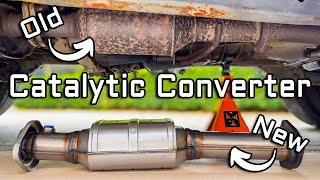
Typical fix: Replacement of the catalytic converter assembly. It is critical to fix the root cause (e.g., misfires, fuel issues) before replacing the converter. Owners often replace the front pipe which includes the flex pipe and catalytic converter as a single unit. 🎬 Watch: DIY tutorial for replacing the catalytic converter
Est. part cost: $400-$1200 - Faulty Rear (Downstream) Oxygen Sensor 🟡 Medium Probability Oxygen sensors have a finite lifespan and can become 'lazy' or fail, sending incorrect data to the ECM. A faulty rear sensor can mimic the signal of a bad catalytic converter, triggering a false P0420. Sometimes, even after a long period of inactivity, the error can be resolved by replacing the post-catalyst oxygen sensor.
How to confirm: Use a scan tool with live data capability to monitor the O2 sensor voltage. A healthy downstream sensor should show a steady, relatively flat voltage reading. If the sensor is unresponsive (stuck high or low) or shows erratic readings that don't correlate with engine conditions, it's likely faulty. The sensor's internal heater circuit can also be tested and should have a resistance of approximately 4-6 Ohms at room temperature.
Typical fix: Replace the rear (post-catalyst) oxygen sensor. This can be a difficult job due to tight access on some models, especially XWD versions. Using an O2 sensor socket is highly recommended. 🎬 See this walkthrough for replacing the O2 sensors
Est. part cost: $70-$180 - Exhaust Leak 🟡 Medium Probability The flexible pipe section (flex pipe) located just before or as part of the catalytic converter assembly is a very common failure point due to rust and engine movement. Gaskets, such as the one between the turbo and downpipe, can also fail. An exhaust leak before or near the O2 sensors allows outside air to enter, skewing the sensor readings and tricking the ECM into setting a P0420 code.
How to confirm: Perform a visual inspection of the exhaust system from the engine to the catalytic converter, looking for black soot marks which indicate a leak. A common symptom is a loud roaring or ticking noise from under the car. A shop can perform a smoke test to pinpoint the exact location of any leaks.
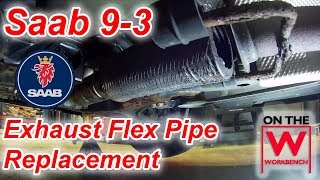
Typical fix: Replace the leaking gasket or the entire front pipe section which often includes the flex pipe. In some cases, a new flex pipe can be welded in by an exhaust shop. 🎬 Watch: How to replace a leaking exhaust flex pipe
Est. part cost: $20-$350 - Engine Misfires (Ignition System Fault) ⚪ Low Probability The B207 engine uses individual ignition coils for each cylinder. These coils, along with spark plugs, are common wear items. A failure here can cause misfires. Using incorrect spark plugs (anything other than the specified NGK plugs) is a known cause of subtle misfires that may not always set a P030x code but will damage the converter over time.
How to confirm: Check for other trouble codes, especially P0300 (Random Misfire) or P0301-P0304 (Cylinder-specific misfire). Inspect spark plugs for wear, fouling, and correct gap. The correct plugs are NGK PFR6T-10G. Test or swap ignition coils to see if the misfire follows a specific coil.
Typical fix: Replace worn spark plugs with the correct OEM-spec NGK plugs and/or replace the faulty ignition coil(s). It is often recommended to replace all coils and plugs at the same time to prevent future failures.
Est. part cost: $50-$200
Rare But Worth Checking
- Faulty Fuel Injectors: A leaking or stuck-open fuel injector can cause a rich fuel condition, leading to converter damage over time. This is less common than ignition issues but should be considered if misfires are present and ignition components are good.
- Contaminated Fuel or Engine Oil/Coolant Consumption: Using leaded fuel (where available), or having significant oil or coolant burning issues can contaminate and clog the catalytic converter, leading to failure. Oil in the spark plug wells from a leaking valve cover gasket can also lead to misfires.
- ECU Software Calibration: On some vehicles, the parameters for triggering P0420 are too sensitive from the factory. A GM/Saab dealer or a specialist with a Tech 2 tool may be able to apply a software update that adjusts the monitoring thresholds. This should be considered after all mechanical and sensor issues have been ruled out.
Diagnosis Steps
- Check for other DTCs. Always diagnose and fix other codes first, especially misfire (P030x), fuel system, or oxygen sensor codes. A flashing check engine light indicates a severe misfire that must be addressed immediately.
- Inspect the exhaust system. Visually and audibly check for any leaks between the cylinder head and the downstream O2 sensor. Pay close attention to the flex pipe and the turbo-to-downpipe gasket. Look for cracks, broken welds, or black soot.
- Analyze Oxygen Sensor Data. Using a capable OBD-II scanner, graph the voltage of the upstream (Sensor 1) and downstream (Sensor 2) oxygen sensors. At a steady 2500 RPM, Sensor 1 should fluctuate rapidly between ~0.1V and ~0.9V. Sensor 2 should remain relatively stable and steady (e.g., above 0.5V). If Sensor 2 mirrors the activity of Sensor 1, the catalytic converter is likely bad.
- Check for Root Causes. Before condemning the converter, investigate why it might have failed. Check for long-term fuel trim issues, inspect spark plugs for correct type (NGK PFR6T-10G) and wear, and verify ignition coil health.
Parts You'll Likely Need
- Catalytic Converter
(OEM #12802228, 12757248, 55559584)— This is the most common part that ultimately fails and needs replacement to resolve the code, though it's often damaged by other issues.
Trusted brands: Walker Exhaust, Bosal, MagnaFlow, NAP carparts
OEM price range: $1000-$1500
Aftermarket price range: $400-$800 - Rear Oxygen Sensor (Post-Catalyst, Sensor 2)
(OEM #12799169 (for 2003 model), Denso 234-4668, Bosch 15510)— A faulty rear O2 sensor is a common cause of a false P0420 code and is a critical diagnostic step before replacing the converter.
Trusted brands: Bosch, Denso, NTK, DriveBolt
OEM price range: $150-$250
Aftermarket price range: $70-$150 - Exhaust Flex Pipe Repair Kit
(OEM #32019380 (Intermediate pipe with flex))— The flex pipe is a frequent point of failure causing exhaust leaks that trigger P0420.
Trusted brands: Walker, Starla, Various aftermarket stainless steel weld-in sections
OEM price range: $200-$350
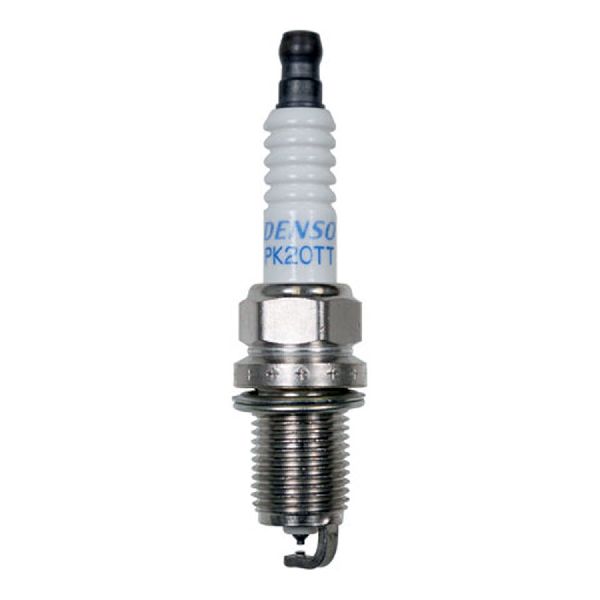
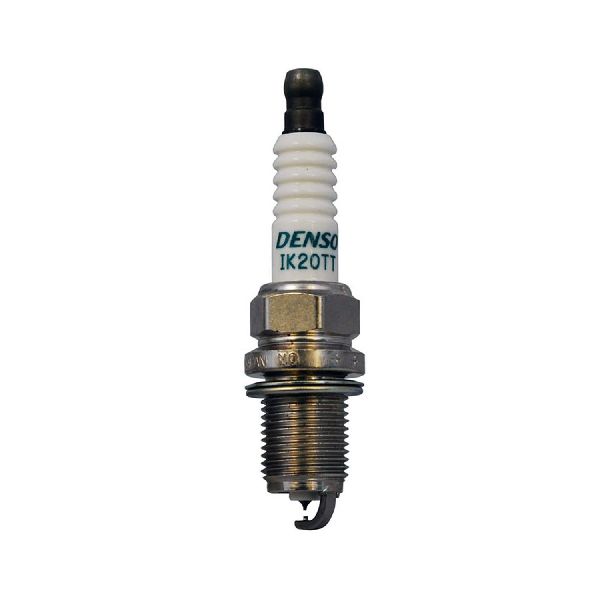
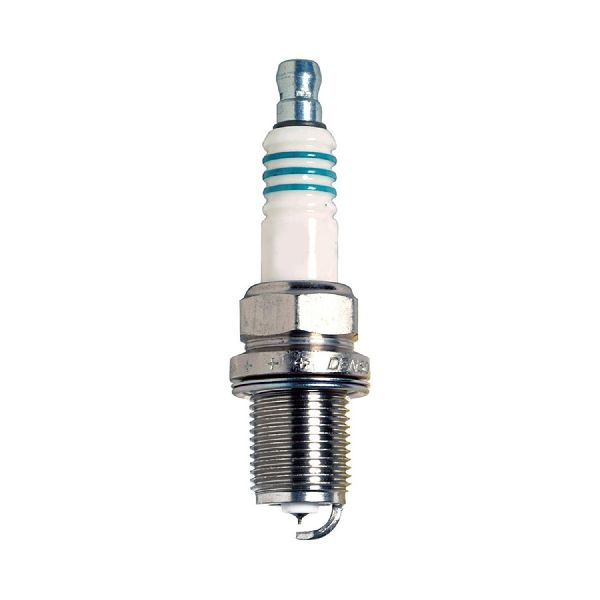
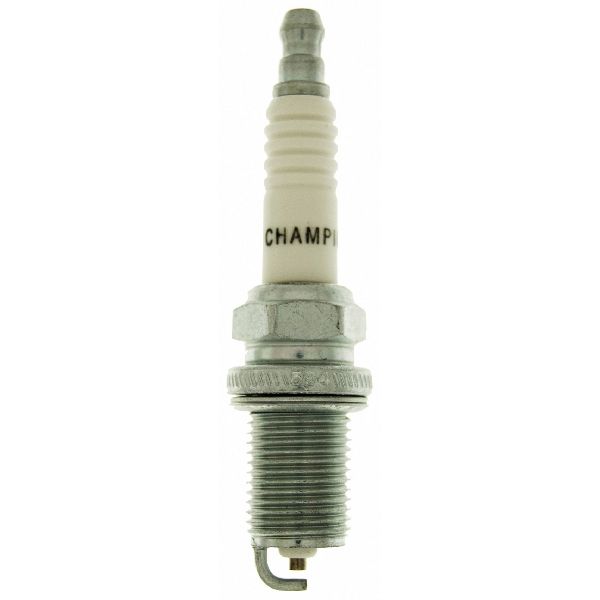
Aftermarket price range: $80-$150 - Spark Plugs
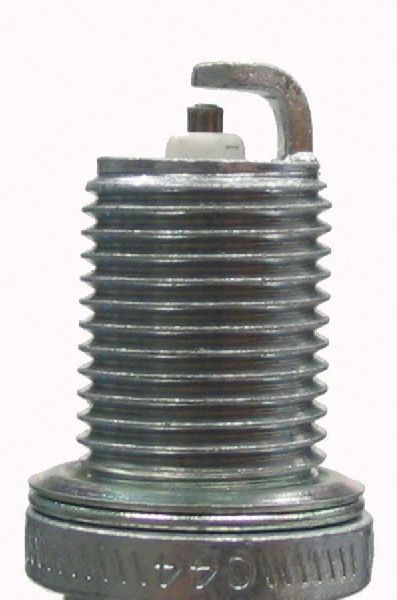
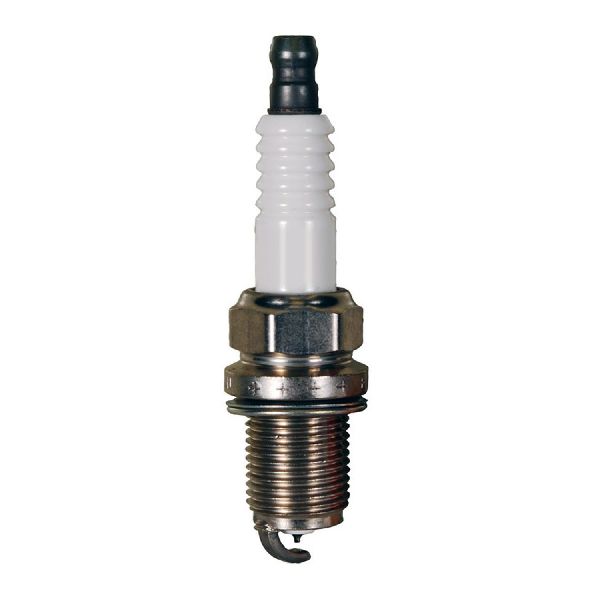
(OEM #NGK PFR6T-10G)— Incorrect or worn spark plugs are a primary cause of misfires that lead to catalytic converter failure. Using the correct NGK plugs is critical.
Trusted brands: NGK
OEM price range: $40-$60 (set of 4)
Aftermarket price range: $30-$50 (set of 4)
Related Codes That Often Appear With This One
- P0300-P0304 — These are cylinder misfire codes. An engine misfire allows unburnt fuel to enter the exhaust, which can quickly overheat and destroy the catalytic converter, causing P0420.
- P0130-P0141 — These codes relate to oxygen sensor circuits (e.g., P0137 - O2 Sensor Circuit Low Voltage Bank 1 Sensor 2). A faulty O2 sensor can directly cause the P0420 code by providing incorrect efficiency data to the ECM.
Technical Service Bulletins (TSBs) & Recalls
- GM TSB 18-NA-331 / 20-NA-014: While for different GM vehicles, this TSB addresses a Malfunction Indicator Lamp (MIL) with DTC P0420 caused by a calibration error, requiring an ECM reprogram. This highlights the possibility that a software update could be a valid fix on the related Saab platform after mechanical faults are ruled out.
Platform-Specific Known Issues
- Flex Pipe Failure: The flexible joint in the exhaust downpipe is a notorious failure point on the 9-3. It rusts and breaks, causing a major exhaust leak that will almost certainly trigger a P0420 code and create a very loud exhaust noise.
- Spark Plug Sensitivity: The Trionic 8 engine management system is tuned very specifically for NGK PFR6T-10G spark plugs. Using other brands or types, even if they cross-reference, can lead to low-grade misfires that don't always trigger a P0300 code but will slowly poison the catalytic converter over thousands of miles.
- O2 Sensor Spacer/Defouler Trick: A common topic in owner forums is the use of a spark plug non-fouler or a purpose-built O2 sensor spacer to pull the rear O2 sensor out of the direct exhaust stream. This tricks the sensor into seeing less fluctuation and can turn off the P0420 light. This is not a repair and is illegal in many jurisdictions as it circumvents emissions controls.
Mechanic-Grade Diagnostic Values
- Rear O2 Sensor Heater Circuit Resistance — expected: 4 to 6 Ohms at room temperature. Failure: An open circuit (infinite resistance) or a reading significantly outside the expected range indicates a failed heater element in the sensor.
- Chassis/Engine Ground Connection Resistance — expected: 0.1 to 0.5 Ohms. Failure: A reading greater than 0.5 Ohms, especially in the 1-3 Ohm range, indicates a poor ground connection that can cause erratic sensor readings and starting issues.
- Trionic 8 P0420 Diagnostic Enable Criteria — expected: Engine running > 230s, exhaust temp between 400-750°C, vehicle speed < 25 km/h, and no O2 sensor or MAF sensor DTCs present.. Failure: The test will not run if these conditions are not met. The fault is logged if the time measured for the rear O2 sensor to switch from rich to lean is too short.
- Upstream O2 Sensor (Sensor 1) Voltage — expected: Rapidly fluctuating between approximately 0.1V (lean) and 0.9V (rich) in closed loop.. Failure: A lazy, slow-switching, or flatlined signal indicates a faulty sensor.
Scan Tool Commands That Help
- Tech 2 / Capable J2534 device: ECM Software Update / Reprogramming — After all mechanical faults (leaks, bad sensors, bad cat) have been ruled out. Some vehicles have overly sensitive factory software calibrations that can trigger a false P0420. A software update can widen the monitoring parameters to prevent this. This is a known issue on many GM platforms from this era.
- Tech 2 or equivalent: Live Data Monitoring: Catalytic Converter Temperature — During diagnosis to confirm if the catalyst is reaching the required operating temperature for the P0420 test to run (400-750°C). A low reading could indicate a problem preventing the test from completing or an issue with an exhaust temperature sensor on models so equipped.
Wiring & Ground Locations
- G7 — On the engine control module's (Trionic 8) top right attachment lug.. This is a primary ground for the ECU itself. A poor connection here can cause unpredictable behavior and faulty readings from all engine sensors, including the oxygen sensors that trigger P0420.
- Main Engine Ground Strap — Under the battery and battery tray, connecting the gearbox/engine block to the chassis (G25 to G2).. This is a notoriously common failure point on Saabs. A corroded or loose main ground causes a voltage drop across the entire engine electrical system, affecting sensor readings and alternator performance, which can indirectly lead to P0420.
- G33 — At the bottom of the driver's side (left) 'A' pillar, behind the kick panel.. This is a major grounding point for interior and dashboard electronics. While less likely to directly cause P0420, a fault here can cause other strange electrical issues that may confuse diagnosis.
- Rear O2 Sensor ECU Pins — On the Trionic 8 ECU, the rear O2 sensor signal is connected to pin 7(B) and grounded via pin 19(B).. If a sensor has been replaced and the code persists, checking for continuity and voltage directly at these ECU pins can rule out a wiring harness break between the sensor and the control module.
"I Checked Everything" — The Actual Cause
- A common scenario is a P0420 code that persists despite a 'clean' smoke test that finds no exhaust leaks. The root cause can be a hairline crack in the exhaust manifold or the turbocharger housing. This type of crack may be almost invisible when the engine is cold (during the smoke test) but opens up as the metal expands with heat, allowing unmetered oxygen to enter the exhaust stream and corrupt the O2 sensor readings. This is often missed because the crack is hidden by heat shields and the leak only occurs under specific thermal conditions.
When the Usual Fixes Don't Work
- While P0420 is most commonly a bad catalytic converter, a significant amount of evidence from GM (Saab's parent company during this era) points to overly sensitive ECU software being a potential cause. Multiple Technical Service Bulletins were issued for other vehicles using similar engine management principles, where the fix was not to replace the converter but to perform an ECU software update. This procedure widens the acceptable efficiency threshold within the software, preventing a false code from being triggered on a borderline-but-still-functional converter. This should be considered a valid diagnostic step for a persistent P0420 after mechanical and sensor faults have been ruled out.
OEM Part Supersession History
12778166→88800007— Part update or manufacturer change for the rear catalytic converter.Genuine Saab Part (number varies)→Bosch O2 Sensor (e.g., 15510)— OEM part availability issues.
Heads up: The rear oxygen sensor for 2004-2011 models is different from the one used on 2003 models. Ensure the correct part is ordered for the specific model year.
Model Year Variations Within This Range
- 2003 vs 2004-2011: The rear (downstream) oxygen sensor part number is different for the 2003 model year compared to the 2004-2011 models. Using the wrong sensor will cause persistent issues.
- 2008-2011 XWD: The introduction of the XWD (all-wheel drive) system in 2008 required a different exhaust system layout, and therefore a different catalytic converter assembly, compared to FWD models.
- 2008: A major facelift occurred for the 2008 model year, including new exterior panels, lighting, and interior changes. While the B207 engine is fundamentally the same, wiring harnesses and component locations may differ slightly from pre-facelift (2003-2007) models.
Diagnostic Flowchart
Real Owner Stories
Aggregated from forums and TSBs cited above. Mileages and costs reflect what owners reported in those sources.
Saab 9-3 2.0T — ~115000 miles
Symptoms: Check Engine Light illuminated with a P0420 code after a period of neglected ignition maintenance.
What fixed it: Replaced the catalytic converter assembly.
Source hint: SaabCentral.com thread titled 'p0420-and-what-i-did-to-fix-it.734289/'
Saab 9-3 B207
Symptoms: A very loud exhaust noise, specifically a roaring or ticking sound from under the car, accompanied by the P0420 code.
What fixed it: Replaced the front pipe section to fix a rusted and broken flex pipe.
Source hint: Reddit r/saab thread 'p0420_catalyst_efficiency_cause'
Saab 9-3 2.0T
Symptoms: P0420 code triggered without any noticeable exhaust leaks or severe drivability issues.
What fixed it: Replaced the rear (post-catalyst) oxygen sensor, which had become lazy and was mimicking a bad catalytic converter.
Source hint: SaabTuning.pl article 'czerwone-oreo-i-jego-sonda-lambda-nr2-p0420/'
Saab 9-3 2.0T
Symptoms: Persistent P0420 code caused by subtle, low-grade misfires that did not trigger a dedicated misfire code.
What fixed it: Replaced incorrect aftermarket spark plugs with the required OEM-spec NGK PFR6T-10G plugs.
Source hint: SaabScene.com thread 'p0420-code-again.176986/'
Related OBD-II Codes
Frequently Asked Questions
Why does my Saab 9-3 have a loud exhaust and a P0420 code?
Can I use any brand of spark plugs in my B207 engine?
Does GM TSB 18-NA-331 or 20-NA-014 apply to my Saab 9-3?
Is it legal to use an O2 sensor spacer to fix the P0420 code on my 9-3?
Why is replacing the rear O2 sensor difficult on some Saab 9-3 models?
At what mileage does the catalytic converter typically fail on the 2.0T?
Helpful Videos
We Have This Part in Stock

The information in this article is provided for general reference and educational purposes only. Vehicle specifications, procedures, and part compatibility can vary by production date, trim level, and region. Always consult your vehicle's factory service manual and verify part numbers before purchasing or performing repairs. Safety-critical components such as airbags, seat belts, and braking systems should be installed by a qualified professional.
- Saab 9-3:
- 🎬 Helpful Videos
- 🛍️ Shop This Part
- What's Unique About the 2003-2011 Saab 9-3
- Symptoms You May Notice
- Most Likely Causes
- Rare But Worth Checking
- Diagnosis Steps
- Parts You'll Likely Need
- Related Codes That Often Appear With This One
- Technical Service Bulletins (TSBs) & Recalls
- Platform-Specific Known Issues
- Mechanic-Grade Diagnostic Values
- Scan Tool Commands That Help
- Wiring & Ground Locations
- "I Checked Everything" — The Actual Cause
- When the Usual Fixes Don't Work
- OEM Part Supersession History
- Model Year Variations Within This Range
- Diagnostic Flowchart
- Real Owner Stories
- Saab 9-3 2.0T — ~115000 miles
- Saab 9-3 B207
- Saab 9-3 2.0T
- Saab 9-3 2.0T
- Related OBD-II Codes
- Frequently Asked Questions
- 🎟️ Get 5% Off