

P0394 on 2018-2019 Ford F-150 5.0L: Causes and Fixes for Camshaft Position Sensor Circuit
On a 2018-2019 F-150 with the 5.0L V8, code P0394 is most often caused by a faulty exhaust VCT oil control solenoid on the driver's side, not the camshaft sensor itself. A Ford TSB confirms this is the likely fix, with the part costing around $35-$50. The repair involves removing the valve cover and is a common DIY job for those with moderate experience.
- For a 2018-2019 F-150 5.0L, P0394 almost always points to a bad VCT solenoid (part HL3Z-6M280-A), not the cam sensor.
- Always check for TSBs before buying parts. TSB 18-2360 provides a direct and money-saving diagnostic path for this code.
- Ensure your engine oil is clean and at the correct level, as the VCT system relies on oil pressure to function properly.
- The repair requires removing the driver's side valve cover, so you must also replace the valve cover gasket to prevent leaks.
What's Unique About the 2018-2019 Ford F-150

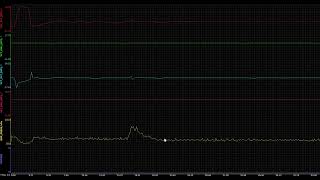
For this specific F-150 and engine, Ford issued a Technical Service Bulletin (TSB 18-2360) that directly addresses code P0394. The TSB indicates the most probable cause is not the camshaft sensor, but rather a faulty Variable Camshaft Timing (VCT) oil control solenoid. 🎬 See how a faulty VCT solenoid behaves on the 5.0L engine. This makes diagnosis much more direct than on other vehicles where the sensor or wiring might be the primary suspect. The TSB applies if P0390 and/or P0394 are the only codes present.
Symptoms You May Notice
- Check Engine Light is on
- Rough idle or engine shaking
- Engine stalling, especially at low speeds or stoplights
- Hesitation or lack of power during acceleration
- Difficulty starting the engine
- Noticeable decrease in fuel economy
- A knocking or rattling sound at low RPM
- Replacing the camshaft position sensor first, without checking for TSBs. On this vehicle, the VCT solenoid is the more likely culprit.
- Replacing timing components (phasers, chains) before diagnosing the less expensive electrical and oil-related causes.
Most Likely Causes

- Faulty Bank 2 Exhaust VCT Oil Control Solenoid 🔴 High Probability Ford identified a high failure rate for this specific part on 2018-2019 5.0L engines and issued TSB 18-2360 to address it. Forum users and dealership technicians confirm this is the most common fix.
How to confirm: Check if P0394 and/or P0390 are the only engine codes present. If so, TSB 18-2360 directs the replacement of this solenoid. A user on Reddit confirmed their dealer diagnosed and fixed the issue by replacing the variable cam solenoid when P0390, P0345, P0349, and P0394 were present.
Typical fix: Replace the Bank 2 (driver's side) exhaust VCT oil control solenoid. This requires removing the valve cover for access.
Est. part cost: $30-$50 - Low or Dirty Engine Oil 🟡 Medium Probability The VCT system is hydraulically operated by engine oil. These engines can be sensitive to oil level and condition. Furthermore, some 2018-2020 5.0L engines are known for excessive oil consumption (addressed in TSB 19-2365), which can lead to low oil levels that affect VCT operation. Manufacturer bulletin SSM 47441 specifically notes that P0390 and/or P0394 may be caused by low engine oil level and advises ensuring the level is between the minimum and maximum marks before diagnosis.
How to confirm: Check the engine oil level on the dipstick and inspect its condition. If it's low or past its service interval, this should be addressed before other parts are replaced. One owner on a forum noted their issue appeared when the oil level was low, and adding 5 quarts of oil resolved the code.
Typical fix: Top off or change the engine oil and filter using the correct viscosity oil (Motorcraft SAE 5W-20 Synthetic Blend). Some owners switch to 5W-30 to help reduce oil consumption.
Est. part cost: $50-$90 - Damaged Wiring or Loose Connector 🟡 Medium Probability Engine vibrations and heat can cause wiring to fray or connectors to become loose over time, leading to intermittent signals. This is a common cause for any 'intermittent' circuit code. One user on a forum had a mechanic suggest a plugged oil feed orifice tube after confirming wiring and phasers were okay.
How to confirm: Visually inspect the wiring harness and connector for the Bank 2 exhaust camshaft position sensor. With the engine running, carefully wiggle the wiring to see if it causes the engine to stumble, which would indicate a wiring fault.
Typical fix: Repair the damaged section of wiring or replace the connector pigtail.
Est. part cost: $15-$40 - Failed Camshaft Position Sensor ⚪ Low Probability While the sensor can fail, it is much less common than the VCT solenoid on this specific platform according to Ford's TSB. Many owners replace this part first, only to find the code persists.
How to confirm: After confirming the VCT solenoid and wiring are good, you can test the sensor's resistance with a multimeter or swap it with the intake sensor on the same bank to see if the code changes.
Typical fix: Replace the Bank 2 exhaust camshaft position sensor.
Est. part cost: $30-$60
Rare But Worth Checking
- Failing Cam Phaser or Stretched Timing Chain: This is a more serious mechanical issue. It is usually accompanied by other symptoms like a distinct rattling noise from the front of the engine, especially on startup or deceleration (a separate issue addressed by TSB 18-2354). 🎬 Watch: Hear the specific rattle noise mentioned in TSB 18-2354. If you hear rattling, professional diagnosis is strongly recommended as a phaser replacement can cost thousands.
- Powertrain Control Module (PCM) Failure: This is extremely rare but can happen. All other possibilities, especially wiring and component failures, should be exhausted before considering the PCM as the cause.
Diagnosis Steps

- Check for Technical Service Bulletins (TSBs). For this vehicle, TSB 18-2360 is highly relevant.
- Scan for other codes. If P0394 and/or P0390 are the only codes, proceed with the TSB's recommendation.
- Check engine oil level and condition. Ensure it is full and clean. These engines are known for oil consumption, so this is a critical first step. Manufacturer bulletin SSM 47441 emphasizes verifying the oil level is correct before performing any other repairs for P0394.
- Inspect the wiring harness and connector for the Bank 2 (driver's side) exhaust camshaft position sensor. Look for any signs of damage, corrosion, or loose connections.
- Based on TSB 18-2360, replace the Bank 2 exhaust VCT oil control solenoid. This involves removing the driver's side valve cover. You will also need to replace the valve cover gasket and VCT solenoid seal.
- If the code persists after replacing the solenoid, test the camshaft position sensor itself. You can check its resistance or swap it with another sensor to see if the fault moves.
- If all else fails, the issue may be mechanical (cam phaser, timing chain) and requires more in-depth professional diagnosis, which can be costly.
Parts You'll Likely Need

- Engine VVT Oil Control Solenoid (Bank 2 Exhaust)
(OEM #HL3Z-6M280-A)— This is the causal part identified by Ford in TSB 18-2360 for resolving code P0394 on this specific engine.
Trusted brands: Motorcraft
OEM price range: $30-$50
Aftermarket price range: $25-$45 - Valve Cover Gasket (Left/Driver's Side)
(OEM #JL3Z-6584-D)— This must be replaced when accessing the VCT solenoid to prevent oil leaks. The TSB lists this as a required part for the repair.
Trusted brands: Motorcraft, Mahle, Fel-Pro
OEM price range: $35-$55
Aftermarket price range: $25-$45 - VCT Solenoid Valve Cover Seal
(OEM #BR3Z-6C535-A)— This small seal for the solenoid itself is listed as a required replacement part in TSB 18-2360 to ensure a proper seal.
Trusted brands: Motorcraft
OEM price range: $5-$10
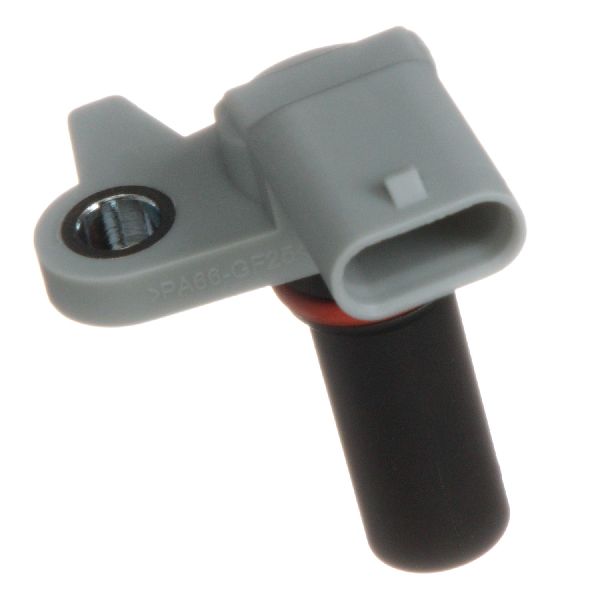
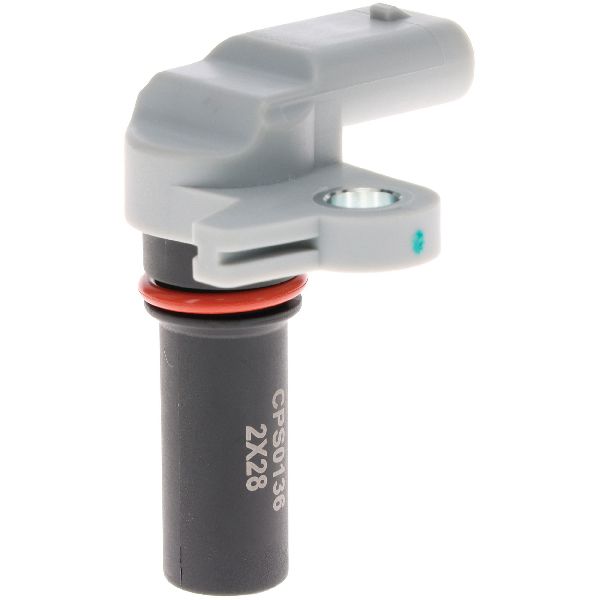
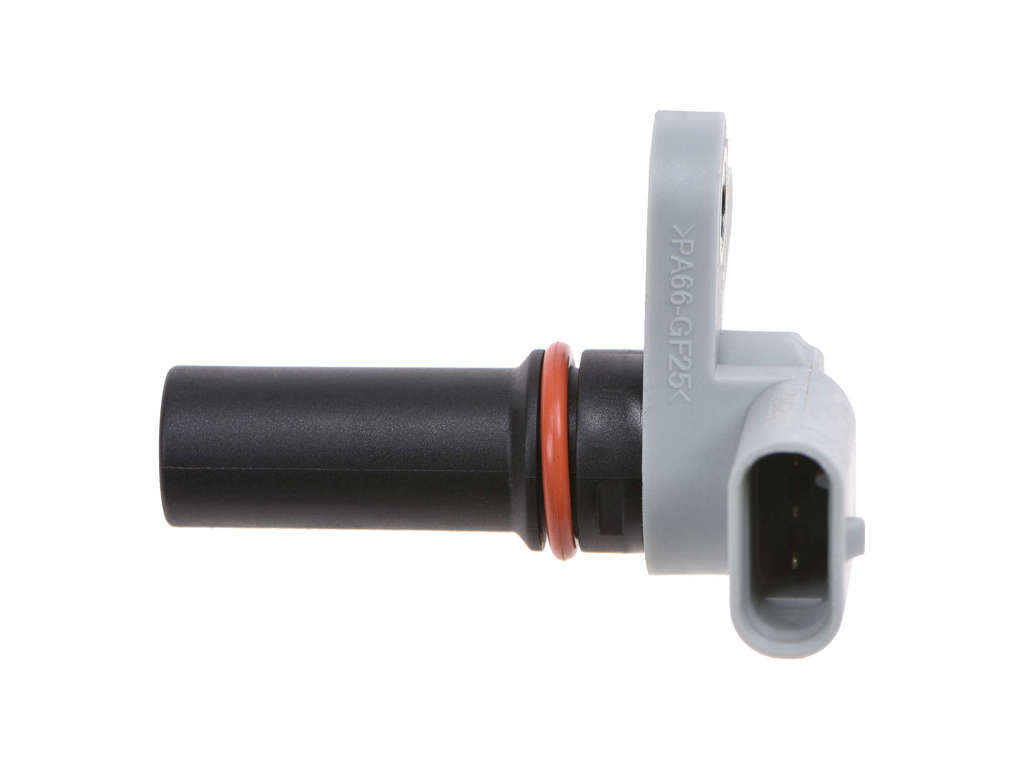
Aftermarket price range: $3-$8 - Camshaft Position Sensor (Bank 2 Exhaust)
(OEM #BR3Z-6B288-B (Motorcraft DU-105))— Though less likely to be the root cause than the solenoid, a failing sensor can still trigger this code. It's a potential replacement if a new solenoid doesn't fix the issue.
Trusted brands: Motorcraft, Denso, Standard Motor Products (SMP)
OEM price range: $30-$60
Aftermarket price range: $20-$45
Related Codes That Often Appear With This One
- P0390 — P0390 is a general circuit malfunction code for the same sensor (Bank 2 Exhaust Cam Sensor). They often appear together, with P0394 indicating the intermittent nature of the fault. TSB 18-2360 covers both codes.
- P0345, P0349 — These codes relate to the Bank 2 *intake* camshaft position sensor. When seen with P0390/P0394, it can point to a broader issue on Bank 2, such as a wiring harness problem, oil pressure issue, or a timing problem affecting the entire bank.
Technical Service Bulletins (TSBs) & Recalls
- TSB 18-2360: Addresses an illuminated Malfunction Indicator Lamp (MIL) with DTCs P0390 and/or P0394 on 2018 F-150s and 2018-2019 Mustangs with the 5.0L engine.
- SSM 47441: Notes that 2018 F-150 vehicles with the 5.0L engine may store P0390 and/or P0394 due to low engine oil levels.
Platform-Specific Known Issues
- Owner Experience: Dealer Fix: A user on Reddit with a 2018 F-150 5.0L reported getting codes P0390, P0345, P0349, and P0394 after a 'little burnout'. The dealer diagnosed a failed variable cam solenoid, replaced it, and the truck ran like new. This confirms the TSB's recommended fix in a real-world scenario.
- Owner Experience: DIY Troubleshooting: On f150forum.com, a user with P0390 and P0394 codes took their truck to two shops, including a Ford dealership. After confirming wiring and phasers were okay, the dealer suggested the engine was junk due to a plugged oil feed orifice. However, the owner noted the truck ran completely fine if the cam sensor was left unplugged, highlighting the complexity and potential for misdiagnosis.
Documented NHTSA Reports
- NHTSA ODI #11098402 describes a vehicle exhibiting a wide array of codes including P0390 and P0394, where a technician performed power balance and compression tests and determined half the engine was affected.
Mechanic-Grade Diagnostic Values
- VCT Oil Control Solenoid Resistance — expected: 5-15 Ohms. Failure: A reading outside of this range indicates a faulty solenoid.
- Engine Oil Pressure at Idle — expected: Minimum 15 PSI. Failure: Pressure below 15 PSI at idle (with the VCT system inactive) suggests a base oil pressure problem that must be fixed before diagnosing VCT components.
- FORScan VCT Error PIDs (e.g., VCT_EXH_ERR_B2) — expected: Should hover around 0 degrees (+/- 5 degrees) during closed-loop operation.. Failure: Large, erratic swings, or a value that is consistently off from zero indicates a problem with VCT control on that bank. A large difference between desired and actual cam angle points to a solenoid or phaser issue.
Scan Tool Commands That Help
- FORScan or Ford IDS: Monitor VCT PIDs: VCT_EXH_DIF_B2 (Exhaust Camshaft Difference Bank 2), VCT_EXH_CMD_B2 (Commanded Angle), and VCT_EXH_ACT_B2 (Actual Angle). — These live data PIDs are critical for diagnosing VCT issues. A large difference (DIF) between the commanded and actual angle, or an actual angle that doesn't respond to commands, points directly to a fault in the VCT solenoid, oil flow, or cam phaser for that specific camshaft.
- FORScan or Ford IDS: VCT Solenoid Duty Cycle PID (e.g., VCT_EXH_DC_B2) — Used to see how hard the PCM is trying to control the solenoid. If the duty cycle is commanded to 100% or 0% with no corresponding change in the cam angle, it suggests a stuck solenoid or a mechanical/hydraulic issue.
Wiring & Ground Locations
- G104 (example) — A common ground strap runs from the firewall to the rear of the driver's side (Bank 2) cylinder head.. A loose or corroded ground strap on the cylinder head can cause erratic sensor readings for components grounded to the engine, including the camshaft position sensors. One owner found this strap loose and corroded on their 2019 F-150 5.0L.
- Camshaft Position Sensor Connector — On the rear of the driver's side (Bank 2) cylinder head, accessible after removing the valve cover.. The connector for the sensor itself is a primary point of failure. The pigtail for the 2018 F-150 5.0L sensor typically has 2 or 3 wires (depending on the specific sensor version) and is often an 18-gauge wire. Inspecting for corrosion, backed-out pins, or wire damage near the connector is crucial.
Real Owner Repair Stories
- Ford F150 Forum user 'rolandlf150texas' (2019 F-150 5.0L with 40k miles) — Cam sensor B circuit 2 error (P0390/P0394).
❌ Tried (didn't work) Replacing the camshaft position sensor.
✅ What actually fixed it The truck was 5 quarts low on oil. Topping off the oil to the correct level caused the code to go away and the truck to run fine. This highlights the extreme sensitivity of the VCT system to oil level due to the engine's known oil consumption issues. - YouTube channel 'Neri's Garage' (Ford F-150 5.0L (year not specified, but Gen 3 Coyote)) — P0394 code, rattling noise on acceleration and deceleration.
❌ Tried (didn't work) Replacing the VCT solenoid on Bank 1 (incorrect bank for P0394, but shows common misstep).
✅ What actually fixed it The root cause was failed cam phasers on both the intake and exhaust sides. After replacing the VCT solenoid did not fix the issue, the technician identified the rattling as a key symptom of phaser failure. Replacing the cam phasers and cleaning the oil screens for the camshaft resolved the code and the noise.
OEM Part Supersession History
BR3Z-6M280-D→BR3Z-6M280-E— Unknown, but likely for improved reliability or manufacturing process. The -E variant is noted to have more substantial ribs and different spot welds.
Heads up: The primary VCT solenoid for the 2018 F-150 is HL3Z-6M280-A. The BR3Z part numbers are for earlier Coyote generations but are sometimes cross-referenced; care should be taken to use the specific part number called for by the TSB.N/A→Ford Performance M-6297-M50A— Offered as a high-strength upgrade for racing applications with a more robust mounting provision to prevent failure under high stress.
Heads up: For 2018-2020 F-150s, Ford notes this high-strength part (M-6297-M50A) fits the INTAKE solenoid position only. It should not be used for the EXHAUST solenoid, which is the one implicated in code P0394.
Model Year Variations Within This Range
- 2018-2019: While the 5.0L engine is fundamentally the same for both years, the 2018 model was the first year of the Gen 3 Coyote in the F-150, featuring dual injection and plasma-coated cylinders. Ford made no official announcements of internal changes between 2018 and 2019 to address issues like oil consumption or VCT failures, though it's possible silent production line updates were made. The TSB for P0394 specifically covers the 2018 F-150 and 2018-2019 Mustang, indicating the issue was most prevalent in the initial production run of this engine.
Diagnostic Flowchart
Other Known Issues on This Vehicle
Issues unrelated to this code that are worth knowing about as an owner of this generation:
- Excessive Oil Consumption 🔴 High — Common on 2018-2020 models. Some owners report losing 1-2 quarts every few thousand miles. (Ref: TSB 19-2365: Addresses oil being pulled into the combustion chamber. The fix involves a PCM reprogram and installing a new, longer dipstick.)
- Engine Rattle on Deceleration 🟠 Medium — Widespread issue on 2018 models where a rattle is heard when decelerating from ~1500 RPM. (Ref: TSB 18-2354: Aims to fix the rattle with a PCM reprogram that adjusts VCT solenoid control. Many owners report the fix is not completely effective.)
- Torque Converter Stud Rattle 🟡 Low — Affects 2018-2019 models built before Feb 2019. A metallic rattle or grinding noise from the bellhousing area at idle. (Ref: TSB 19-2358: Fix involves replacing the engine-to-transmission spacer plate with a revised part for better clearance.)
- Quiet Diesel-like Knock at Idle 🟡 Low — A light knocking noise at idle on 2018-2019 models, more prominent on the passenger side when warm. (Ref: TSB 19-2144: Ford states this is a normal operating characteristic and no repairs should be attempted.)
Used vs. New Parts: Buying Guide for This Vehicle
When a used part is the smart pick: For this specific repair, using used electronic parts like sensors or solenoids is generally not recommended. The cost of a new OEM VCT solenoid is low (around $30-50), and the labor to access it is significant. The risk of a used part failing shortly after installation outweighs the small cost savings.
Donor-vehicle mileage cap: roughly under 50000 miles for the part to have meaningful remaining life.
What to inspect on the donor part:
- If considering a used part against advice, ensure the donor vehicle has low mileage.
- Check the electrical connector pins for any signs of corrosion, moisture, or damage.
- Inspect the solenoid screens for any metallic debris or sludge, which would indicate a contaminated donor engine.
OEM-only on this vehicle (don't cheap out):
- VCT Oil Control Solenoid
- Camshaft Position Sensor
Aftermarket brands forum-validated for this vehicle:
- Motorcraft (OEM)
Brands owners have reported issues with on this vehicle:
- Unnamed/generic brands from online marketplaces. Forum discussions frequently mention that using non-OEM solenoids often fails to resolve the issue or leads to premature failure, requiring the job to be done a second time.
Real Owner Stories
Aggregated from forums and TSBs cited above. Mileages and costs reflect what owners reported in those sources.
2018 Ford F-150 5.0L
Symptoms: Check engine light illuminated intermittently alongside a knocking sound at low RPM.
What fixed it: The dealership referenced TSB 18-2360 and replaced the Bank 2 exhaust VCT oil control solenoid (Part HL3Z-6M280-A), resolving the issue.
Source hint: Go-Parts
2018 Ford F-150 5.0L — 70000 miles
Symptoms: Got codes P0390, P0345, P0349, and P0394 after a 'little burnout'.
What fixed it: The dealer diagnosed a failed variable cam solenoid, replaced it, and the truck ran like new.
Source hint: Reddit (r/f150)
2018 Ford F-150 5.0L
Symptoms: P0390 and P0394 codes were present. The truck ran completely fine if the cam sensor was left unplugged.
What fixed it: After two shops couldn't find a wiring or phaser issue, the dealer suggested the engine was junk due to a plugged oil feed orifice, highlighting a case of complex and potentially incorrect diagnosis.
Source hint: f150forum.com: A thread titled '2018 5.0 Cam Position sensor'
2018-2019 Ford F-150 5.0L
Symptoms: The check engine light for the VCT system appeared when the oil level was low.
What fixed it: Adding 5 quarts of oil resolved the code.
Source hint: An owner on a forum noted in the context
Related OBD-II Codes
Frequently Asked Questions
Is there a specific TSB for the P0394 code on my 2018 F-150 5.0L?
My truck is consuming a lot of oil. Could this be related to the P0394 check engine light?
I have both P0394 and P0390 codes. What is the most likely fix?
I already replaced the camshaft position sensor, but the P0394 code is still on. What's next?
Does this P0394 VCT solenoid issue also affect the 5.0L Ford Mustang?
I'm hearing a rattle or knocking sound with the P0394 code. Is that normal for this issue?
Helpful Videos


Used OEM Parts in Stock
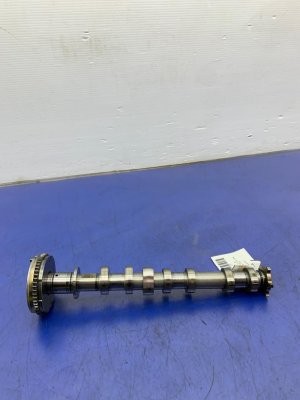
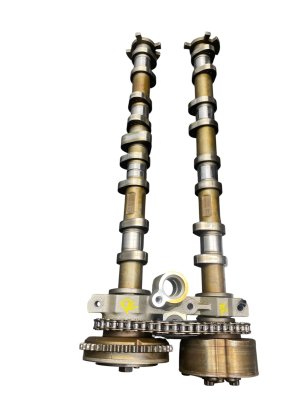
New Aftermarket Parts Available


The information in this article is provided for general reference and educational purposes only. Vehicle specifications, procedures, and part compatibility can vary by production date, trim level, and region. Always consult your vehicle's factory service manual and verify part numbers before purchasing or performing repairs. Safety-critical components such as airbags, seat belts, and braking systems should be installed by a qualified professional.
- Ford F-150:
- 🎬 Helpful Videos
- 🛍️ Shop This Part
- What's Unique About the 2018-2019 Ford F-150
- Symptoms You May Notice
- Most Likely Causes
- Rare But Worth Checking
- Diagnosis Steps
- Parts You'll Likely Need
- Related Codes That Often Appear With This One
- Technical Service Bulletins (TSBs) & Recalls
- Platform-Specific Known Issues
- Documented NHTSA Reports
- Mechanic-Grade Diagnostic Values
- Scan Tool Commands That Help
- Wiring & Ground Locations
- Real Owner Repair Stories
- OEM Part Supersession History
- Model Year Variations Within This Range
- Diagnostic Flowchart
- Other Known Issues on This Vehicle
- Used vs. New Parts: Buying Guide for This Vehicle
- Real Owner Stories
- 2018 Ford F-150 5.0L
- 2018 Ford F-150 5.0L — 70000 miles
- 2018 Ford F-150 5.0L
- 2018-2019 Ford F-150 5.0L
- Related OBD-II Codes
- Frequently Asked Questions
- 🎟️ Get 5% Off