

P0369 on 2011-2018 Ram 2500 HEMI: Intermittent Camshaft Sensor Faults, Causes, and Fixes
On a Ram 2500 with a 5.7L or 6.4L HEMI V8, code P0369 points to an intermittent signal from the Bank 1 (passenger side) exhaust camshaft position sensor. While the sensor can fail, the most common causes are wiring issues, especially chafing near the firewall or where the harness passes the transmission bell housing. The recommended fix is to thoroughly inspect wiring before replacing the sensor with an OEM Mopar part (Part #5149054AC), which costs about $50-$100.
- P0369 on a HEMI V8 refers to the single camshaft position sensor, despite the confusing 'Sensor B, Bank 1' name.
- Before replacing the sensor, thoroughly inspect the wiring harness for damage, as this is a very common cause for this intermittent code.
- If you replace the sensor, use a high-quality OEM Mopar part (5149054AC) to prevent the code from returning.
- Check your engine oil level and condition, as low oil can sometimes trigger this fault code on HEMI engines.
- A manufacturer TSB confirms this can be a complex issue, so if a new sensor and wiring check don't fix it, a professional diagnosis may be needed.
What's Unique About the 2011-2018 Ram 2500
The most confusing aspect of P0369 on a HEMI V8 is not the code's name, but the frequency of misdiagnosis. An intermittent fault like this is very often a wiring problem, not a sensor failure. Chrysler issued a Technical Service Bulletin (STAR Case #05149141A) for this and related codes, instructing dealers to pull Freeze Frame and Cam/Crank Sync Event Monitor data and contact factory engineers before replacing the sensor. This unusual step highlights a known complex issue where a simple sensor swap is often not the fix, pointing instead to hard-to-find wiring chafe points or potential software sensitivities.
Symptoms You May Notice
- Check Engine Light is on
- Engine intermittently stalls, especially when coming to a stop
- Rough or erratic idle
- Difficulty starting the engine (long crank times)
- Engine cranks but fails to start
- Hesitation or lack of power during acceleration
- Vehicle may enter a reduced-power 'limp mode'
- Engine may shut off while driving
- Immediately replacing the camshaft position sensor without thoroughly inspecting the wiring harness first. An intermittent fault is very often a wiring issue, and a new sensor will not fix the problem.
- Replacing the wrong sensor. P0369 refers to the Bank 1 (passenger side) 'B' (exhaust) sensor. Technicians must correctly identify the sensor before replacement.
Most Likely Causes
- Damaged Wiring Harness or Connector 🔴 High Probability The wiring harness is exposed to intense engine heat and vibration. The section running near the firewall at the back of the engine is a common spot for wires to melt, chafe, or break internally, causing an 'intermittent' fault.
How to confirm: Visually inspect the entire wiring harness leading to the Bank 1 camshaft position sensor for signs of melting, chafing, or corrosion. With the engine running, carefully wiggle the connector and harness to see if it causes the engine to stumble or stall, which would confirm an intermittent connection.
Typical fix: Repair the damaged section of the wire or replace the connector pigtail. Use heat-shrink tubing for a durable, sealed repair.
Est. part cost: $10-$30 - Harness Chafing on Transmission Bell Housing 🔴 High Probability A widely documented but hard-to-see failure point is where the main engine harness passes the transmission bell housing. It can rub through on a metal ground strap on the driver's side, causing the camshaft sensor signal wire to short to ground intermittently.
How to confirm: Trace the wiring harness down the driver's side of the engine to where it passes the transmission. Carefully inspect for any signs of the plastic loom being worn through and check for contact with a metal ground strap or bracket.
Typical fix: Separate the harness from the chafe point, repair any damaged wires, and re-wrap the harness with protective loom. Secure the harness with zip ties to prevent future contact.
Est. part cost: $5-$20 - Failing Camshaft Position Sensor 🟡 Medium Probability The sensor is an electronic component that operates in a high-heat, high-vibration environment, leading to eventual failure. Oil leaks can also contaminate the sensor and its connector. However, due to the prevalence of wiring issues, this should not be the first part replaced.
How to confirm: After confirming the wiring is intact and the circuit has proper voltage and ground, the most definitive test is to replace the sensor. Using an oscilloscope to check for a clean square wave signal is the professional method.
Typical fix: Replace the camshaft position sensor. It is highly recommended by owners on forums to use an OEM Mopar part to avoid premature failure of aftermarket alternatives.
Est. part cost: $25-$100 - Low or Dirty Engine Oil 🟡 Medium Probability The HEMI engine uses a Variable Valve Timing (VVT) system that relies on oil pressure to function. If the oil level is low, the wrong viscosity, or the oil is dirty/degraded, the VVT system may not operate correctly, which can lead the PCM to flag a camshaft sensor code.
How to confirm: Check the engine oil level and condition using the dipstick. If the oil is low, black, or gritty, it needs to be addressed. Ensure the correct oil viscosity (e.g., 5W-20) is being used per the manufacturer's specification.
Typical fix: Top off or perform an engine oil and filter change using a quality filter and the correct oil.
Est. part cost: $50-$100
Rare But Worth Checking
- Loose VVT Oil Galley Bolt: In some cases, a small oil galley bolt located under the valve cover can loosen over time. This causes a loss of oil pressure to the cam phasers on that bank, triggering timing-related codes like P0369 even if the sensor and wiring are perfect. This was the confirmed fix in at least one documented repair case for a similar engine.
- Powertrain Control Module (PCM) Fault: While rare, a failing PCM can generate false sensor codes. The existence of TSB #05149141A suggests that Chrysler was aware of issues beyond simple sensor or wiring failures, which could include the PCM itself or its software requiring an update.
- Stretched Timing Chain: On higher mileage engines, a stretched timing chain can cause the camshaft's actual position to deviate from what the PCM expects, potentially triggering a sensor circuit code as a secondary fault.
Diagnosis Steps
- Check Engine Oil: Verify the engine oil is at the correct level and in good condition. Top off or change if necessary, using the manufacturer-specified viscosity.
- Inspect the Wiring (Firewall): Perform a thorough visual inspection of the camshaft position sensor connector and wiring harness at the rear of the passenger-side cylinder head. Look for obvious signs of damage, such as melting on the plastic loom, chafing against engine parts, or oil contamination.
- Inspect the Wiring (Bell Housing): Trace the engine harness down the driver's side and inspect the area where it passes the transmission bell housing. Look specifically for chafing against a metal ground strap or bracket.
- Perform a Wiggle Test: With the engine idling, carefully wiggle the sensor connector and sections of the harness, especially near the firewall and bell housing. If this action causes the engine to stumble, stall, or the code to reappear, you have found an intermittent connection that needs repair.
- Test the Circuit: Using a multimeter, disconnect the sensor and check the connector for a 5-volt reference signal and a good ground from the PCM with the key on, engine off.
- Test the Sensor (Optional): The most accurate test is with an oscilloscope to view the sensor's output signal, which should be a clean square wave. If this tool is not available, and the circuit tests good, the sensor is the next likely culprit.
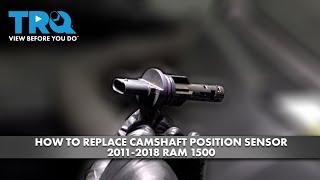
- Replace the Sensor: If the wiring and circuit are confirmed to be good, replace the camshaft position sensor. Ensure the old O-ring is removed and lubricate the new one with clean engine oil before installation. 🎬 Watch: Step-by-step guide to replacing the Hemi camshaft position sensor. Use an OEM Mopar part for best results.
- Clear Codes: After any repair, clear the DTCs with a scan tool and perform a test drive to ensure the fault does not return.
Parts You'll Likely Need
- Camshaft Position Sensor
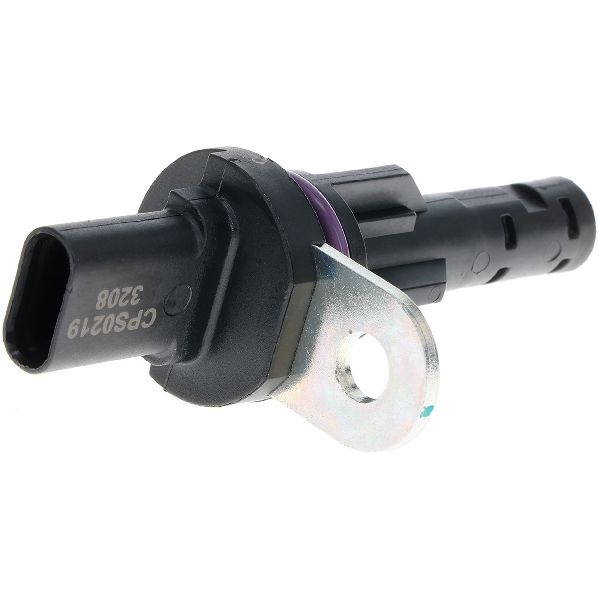
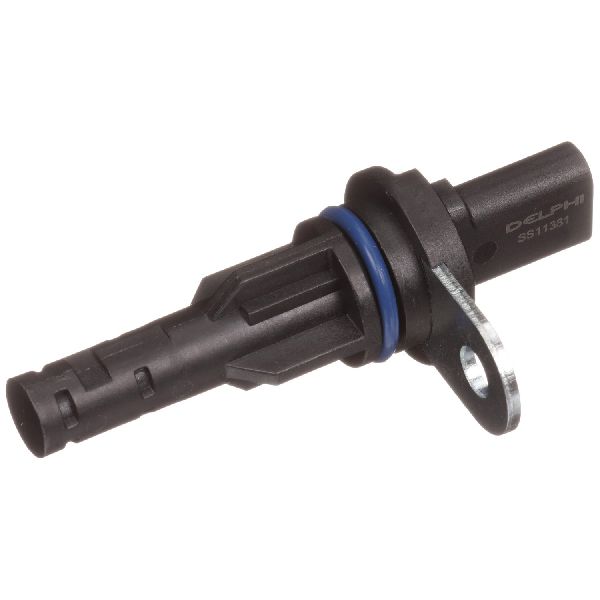
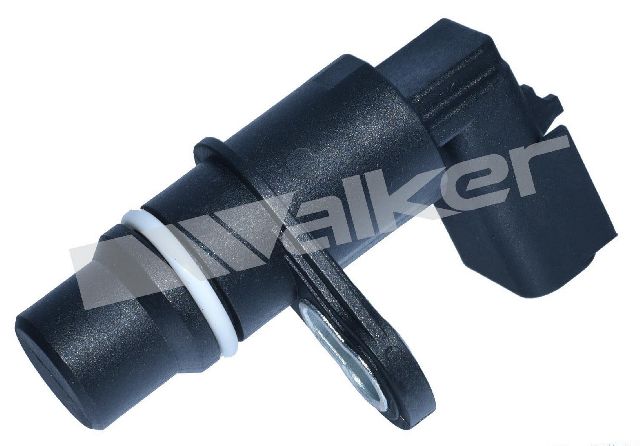
(OEM #5149054AC)— This sensor relays the exhaust camshaft's position on Bank 1 to the PCM. It is a common failure item due to heat and vibration, though wiring should be checked first. This part number applies to both 5.7L and 6.4L HEMI engines and supersedes part number 5149054AB.
Trusted brands: Mopar (Highly Recommended), Bosch, NTK
OEM price range: $50-$100
Aftermarket price range: $25-$75
Related Codes That Often Appear With This One
- P0365 — This is the general circuit fault code for 'Sensor B' (Bank 1). It often appears with P0369 as the PCM tries to classify the nature of the signal loss (intermittent vs. constant). Seeing them together strongly points to the same sensor or circuit.
- P0344 — This is the intermittent fault code for 'Sensor A' (intake) on the same bank. Seeing P0369 and P0344 together could point to a fault common to both sensors, such as a wiring harness problem or a mechanical timing issue on Bank 1.
- P0016 — This code indicates a correlation error between the crankshaft and camshaft. It can be triggered if the intermittent cam signal causes the PCM to lose track of mechanical timing, or if there is an underlying timing chain or VVT system issue.
Technical Service Bulletins (TSBs) & Recalls
- 05149141A - Instructs technicians to contact Chrysler engineering before replacing the camshaft position sensor for a range of cam sensor codes, including P0369. It requires them to gather Freeze Frame and Cam/Crank Sync Event Monitor data, indicating a known complex diagnostic issue.
- Bulletin #05149141A (dated 2015-08-04) - A manufacturer service bulletin notes that if a technician is replacing a camshaft position sensor for P0369 or related fault codes, they should review specific diagnostic information and contact factory support.
Platform-Specific Known Issues
- Chrysler issued a STAR Case bulletin (#05149141A) related to this code, indicating that the root cause is often not the sensor itself. This bulletin advised technicians to collect diagnostic data and consult with factory support before replacement, highlighting the prevalence of complex wiring issues that mimic sensor failure.
Mechanic-Grade Diagnostic Values
- Camshaft Position Sensor 5V Supply — expected: 4.5 - 5.2 Volts (with key on, engine off, measured at the sensor connector). Failure: Voltage below 4.5V suggests a wiring issue (short to ground, high resistance) or a problem with the PCM's 5V reference circuit.
- Sensor Ground Circuit Resistance — expected: Less than 3.0 Ohms between the ground pin at the sensor connector and a known good chassis ground.. Failure: Higher resistance indicates a corroded or loose ground connection, which can cause erratic signals.
- Sensor Signal Wire Voltage (Oscilloscope) — expected: A clean digital square wave pattern that switches between approximately 0V and 5V as the engine runs.. Failure: Dropouts to 0V, noise, or an irregular pattern during a wiggle test indicate an intermittent fault in the sensor or wiring.
- Sensor Connector Pinout (HEMI V8) — expected: Pin 1: 5V Supply (Brown/White wire), Pin 2: Ground, Pin 3: Signal (Green/White wire).. Failure: Incorrect voltages on any pin during testing points to a specific circuit fault (e.g., no voltage on Pin 1 means a supply issue).
Scan Tool Commands That Help
- wiTECH or equivalent professional scanner: Live Data Graphing (Camshaft Sensor Signal) — This is the most effective way to diagnose an intermittent P0369. A technician can watch the sensor's signal waveform in real-time while wiggling the harness to visually confirm if and where the signal drops out.
- wiTECH or equivalent professional scanner: PCM Reprogram/Flash — This should be considered after all physical tests (wiring, sensor, connections) come back clean. Some TSBs for similar issues on other Chrysler vehicles involve a PCM update to make the software less sensitive to minor, insignificant signal interruptions that can falsely trigger the code.
Wiring & Ground Locations
- Bank 1 Camshaft Position Sensor 'B' Connector — On the rear of the passenger-side cylinder head.. This is the primary connection point for the faulting sensor. It is exposed to high heat and is a common point of failure due to corrosion or damaged pins.
- Engine Harness Chafe Point (Firewall) — The section of the main engine wiring harness that runs along the firewall at the back of the engine.. Vibration and heat can cause the loom to wear through and the cam sensor wires to chafe against the engine block or other components, causing an intermittent short.
- Engine Harness Chafe Point (Bell Housing) — Where the engine harness passes the transmission bell housing, particularly near a metal ground strap on the driver's side.. This is a well-documented but hard-to-see chafe point. The cam sensor wire can rub against the ground strap, causing the signal to short to ground intermittently.
- Main Cylinder Head Ground Strap — Typically runs from the firewall to the back of a cylinder head.. While not directly for the sensor, a poor main engine ground can introduce electrical noise and cause erratic behavior from multiple sensors, including the camshaft sensor.
Real Owner Repair Stories
- Go-Parts article citing a documented repair case (Ram truck with HEMI V8 engine) — Persistent P0369 code, likely with stalling and rough running.
❌ Tried (didn't work) Replacing the camshaft position sensor (multiple times), Replacing the wiring harness
✅ What actually fixed it The root cause was found to be loose oil galley plugs/bolts located under the valve cover. This caused a loss of oil pressure to the VVT cam phasers, leading to erratic camshaft timing that the sensor was correctly reporting. The fix required removing the valve cover and tightening the internal galley bolts. - RamForum.com user (4th Gen Ram with HEMI V8) — P0344 (intermittent code for the other cam sensor), poor acceleration, bad gas mileage, traction control light on, revving sounds at idle.
❌ Tried (didn't work) Replacing the camshaft position sensor with an aftermarket part, Using fuel injector cleaner
✅ What actually fixed it The user discovered the engine was low on oil. After adding two quarts of oil, the symptoms immediately disappeared and the check engine light did not return after a battery disconnect/reconnect. This confirms low oil level as a direct cause for cam sensor codes.
"I Checked Everything" — The Actual Cause
- A common scenario for P0369 is that all electrical diagnostics (voltage tests, resistance checks, wiggle tests) pass, and a new sensor does not fix the issue. In these cases, the root cause is often mechanical, not electrical. The most notable example is a loose oil galley bolt under the valve cover, which causes a loss of oil pressure to the cam phasers. The sensor and wiring are working perfectly; they are accurately reporting a camshaft that is not where the PCM expects it to be due to the lack of oil pressure for the VVT system.
OEM Part Supersession History
5149054AA, 5149054AB→5149054AC— Standard part revision and improvement by the manufacturer.
Heads up: None. 5149054AC is the correct and current direct replacement for the earlier part numbers.
Diagnostic Flowchart
Other Known Issues on This Vehicle
Issues unrelated to this code that are worth knowing about as an owner of this generation:
- HEMI Lifter Failure ('Hemi Tick') 🔴 High — Common across 5.7L and 6.4L HEMI engines, especially those with significant idle time or extended oil change intervals. Can occur at any mileage but is more frequent above 60,000 miles.
- Broken Exhaust Manifold Bolts 🟠 Medium — Extremely common. The rear-most bolts on both banks are prone to snapping due to heat cycles, causing an exhaust leak that sounds like a tick, especially on cold starts. (Ref: Updated stainless steel studs/bolts (Mopar Part #6509544AA) are available.)
- Suspension 'Death Wobble' 🔴 High — A well-known issue on solid front axle Ram trucks. It typically appears as the vehicle ages and steering components (track bar, drag link, ball joints) wear, causing violent shaking after hitting a bump at highway speeds. (Ref: Multiple TSBs exist for steering components, but no single recall covers the entire 'Death Wobble' phenomenon.)
- Heater Core Clogging 🟡 Low — A frequent complaint where the heater core becomes clogged, resulting in poor or no heat on the driver's side, while the passenger side may still have heat.
Used vs. New Parts: Buying Guide for This Vehicle
When a used part is the smart pick: For this repair, sourcing a used wiring connector pigtail from a junkyard is a smart choice if your original connector is melted or damaged. It provides an OEM-quality connector for a low price, which can be spliced into your existing harness.
Donor-vehicle mileage cap: roughly under 150000 miles for the part to have meaningful remaining life.
What to inspect on the donor part:
- For a pigtail, ensure the plastic is not brittle or cracked.
- Check that the locking tab is intact and functional.
- Inspect the wire insulation for at least 6 inches back from the connector to ensure it's not heat-damaged or oil-soaked.
- Look for clean, corrosion-free metal terminals inside the connector.
OEM-only on this vehicle (don't cheap out):
- Camshaft Position Sensor
Aftermarket brands forum-validated for this vehicle:
- Bosch
- NTK/NGK
Brands owners have reported issues with on this vehicle:
- Unbranded 'white-box' sensors from online marketplaces are frequently reported by forum users to be dead-on-arrival or fail within a few months.
Real Owner Stories
Aggregated from forums and TSBs cited above. Mileages and costs reflect what owners reported in those sources.
Ram 3500 with HEMI V8
Symptoms: A persistent P0369 trouble code.
What fixed it: The root cause was the wiring harness rubbing through on a ground strap on the driver's side of the transmission bell housing. The damaged wires were repaired and the harness was re-secured to prevent future contact.
Source hint: Go-Parts Repair Database (Ram 3500)
Dodge Ram with HEMI V8
Symptoms: The P0369 code kept returning shortly after replacing the camshaft position sensor with an aftermarket part.
What fixed it: The problem was resolved by replacing the new, faulty aftermarket sensor with a genuine OEM Mopar sensor.
Source hint: DodgeForum.com
Jeep with similar HEMI VVT design
Symptoms: A persistent P0369 code that other diagnostics could not solve.
What fixed it: The cause was found to be a loose intake cam oil galley bolt under the valve cover, which resulted in oil pressure loss to the cam phasers. A full timing job was required to access and secure the bolts with Loctite.
Source hint: Go-Parts Repair Database (Jeep)
Related OBD-II Codes
Frequently Asked Questions
I have a P0369 code on my 2014 Ram 2500. Should I just replace the camshaft sensor?
Where are the most common places for the wiring to fail and cause a P0369 on the HEMI V8?
Can a simple oil change fix a P0369 code on my Ram?
My truck stalls when I come to a stop and the check engine light is on. Could this be related to P0369?
If I do need to replace the camshaft sensor, does it matter which brand I buy?
How can I test for a bad wire without special tools?
Helpful Videos

We Have This Part in Stock


The information in this article is provided for general reference and educational purposes only. Vehicle specifications, procedures, and part compatibility can vary by production date, trim level, and region. Always consult your vehicle's factory service manual and verify part numbers before purchasing or performing repairs. Safety-critical components such as airbags, seat belts, and braking systems should be installed by a qualified professional.
- Ram 2500:
- 🎬 Helpful Videos
- 🛍️ Shop This Part
- What's Unique About the 2011-2018 Ram 2500
- Symptoms You May Notice
- Most Likely Causes
- Rare But Worth Checking
- Diagnosis Steps
- Parts You'll Likely Need
- Related Codes That Often Appear With This One
- Technical Service Bulletins (TSBs) & Recalls
- Platform-Specific Known Issues
- Mechanic-Grade Diagnostic Values
- Scan Tool Commands That Help
- Wiring & Ground Locations
- Real Owner Repair Stories
- "I Checked Everything" — The Actual Cause
- OEM Part Supersession History
- Diagnostic Flowchart
- Other Known Issues on This Vehicle
- Used vs. New Parts: Buying Guide for This Vehicle
- Real Owner Stories
- Ram 3500 with HEMI V8
- Dodge Ram with HEMI V8
- Jeep with similar HEMI VVT design
- Related OBD-II Codes
- Frequently Asked Questions
- 🎟️ Get 5% Off