

P0365 on 2011-2016 Chevrolet Cruze 1.8L: Exhaust Cam Sensor Circuit Causes and Fixes
On a 2011-2016 Cruze with the 1.8L engine, code P0365 almost always points to a failed exhaust camshaft position sensor. It's a very common, easy-to-access part that costs about $20-$55 to replace and is a beginner-friendly DIY job. Before replacing, inspect the connector for oil from the frequently-leaking valve cover gasket.
- P0365 on a 2011-2016 Cruze 1.8L almost always points to a failed exhaust camshaft position sensor ('B' sensor).
- Before replacing the sensor, inspect its connector for oil saturation from a leaking valve cover gasket, a very common issue on this engine.
- The repair is very DIY-friendly, requiring only basic tools (specifically an E10 Torx socket) and costing under $60.
- It is common practice to replace the intake ('A') sensor at the same time, as they tend to fail around the same age.
- If the code persists after replacing the sensor and cleaning the connector, check the wiring harness for damage before suspecting more complex mechanical or ECM issues.
What's Unique About the 2011-2016 Chevrolet Cruze
For the first-generation Cruze with the 1.8L Ecotec engine, this code is overwhelmingly caused by a simple sensor failure due to heat and vibration. Unlike some vehicles where this code might point to complex timing problems, the sensor itself is the most frequent point of failure on this platform. A chronic, well-documented issue on this engine is oil leaks from the valve cover gasket. This oil often drips directly onto the camshaft position sensor's connector, saturating it, degrading the connection, and directly triggering code P0365.
Generation note: This guide covers the first generation of the Chevrolet Cruze (2011-2015) and the 2016 "Cruze Limited," which was a continuation of the first-generation model. The 1.8L engine (RPO codes LUW, LWE) and its components remained consistent throughout this period.
Symptoms You May Notice
- Check Engine Light is on
- Rough or shaky idle
- Engine stalling, especially at stops or low speeds
- Difficulty starting the engine or extended crank time
- Reduced engine power and poor acceleration
- Hesitation or stumbling during acceleration
- Decreased fuel economy
- Replacing the intake camshaft position sensor instead of the exhaust one. P0365 is for the 'B' sensor, which is the exhaust side on the 1.8L engine. The intake sensor is part number 55565708.
- Replacing the VVT solenoids (oil control valves) when the code is for the sensor circuit.
- Assuming the timing belt has jumped. A P0365 code alone points to an electrical circuit issue, not a mechanical timing correlation problem which would typically set a P0016 or P0017 code.
Most Likely Causes
- Failed Exhaust Camshaft Position Sensor 🔴 High Probability This is a very common failure item on the 1.8L Ecotec engine due to constant exposure to heat and vibration. Numerous owner accounts and mechanic videos confirm this as the primary fix.
How to confirm: After checking wiring, this is the most likely cause. Given the low cost and high failure rate, replacement is often the quickest diagnostic step.
Typical fix: Replace the exhaust camshaft position sensor. It is held by a single E10 external Torx bolt.
Est. part cost: $20-$55 - Damaged Wiring or Oil-Contaminated Connector 🟡 Medium Probability The valve cover gasket on the 1.8L engine is known to leak oil over time. This oil can drip directly onto the camshaft position sensor connectors, degrading the plastic and causing a poor electrical connection.
How to confirm: Visually inspect the sensor's electrical connector for oil saturation, corrosion, or pushed-out pins. Check the wiring harness near the sensor for any signs of melting, chafing, or breaks. A real-world example from a forum user on a platform-mate vehicle found that a pin had backed out of the connector, causing the code.
Typical fix: Clean the oil from the connector with electrical contact cleaner and a rag. Ensure all pins are fully seated. If the connector or wiring is damaged, it will need to be repaired or replaced with a new pigtail.
Est. part cost: $5-$30 for a new pigtail connector if needed. - Low or Dirty Engine Oil ⚪ Low Probability The VVT system, which the cam sensors monitor, relies on clean oil at the correct pressure to function. If the oil is very low or sludgy, it can cause the VVT system to act erratically, which may be misinterpreted as a sensor fault.
How to confirm: Check the engine oil level and condition using the dipstick. If the oil is below the minimum mark or appears thick and sludgy, this could be a contributing factor.
Typical fix: Perform an oil and filter change using the manufacturer-specified 5W-30 synthetic oil.
Est. part cost: $30-$70 for oil and a filter.
Rare But Worth Checking
- Timing Belt Issue: While less common than a sensor failure for this specific code, a stretched or jumped timing belt can cause the camshaft and crankshaft to be out of sync. This is a more serious mechanical issue and is often accompanied by correlation codes like P0016 or P0017, not just the circuit code P0365. The 1.8L engine is an interference design, so a failed belt will cause catastrophic engine damage.
- Faulty Engine Control Module (ECM): This is extremely rare, but the ECM can fail internally, causing it to no longer read the sensor signal correctly. All other possibilities, especially sensor and wiring issues, should be exhausted before considering the ECM. On this platform, other electrical issues like a faulty negative battery cable are more likely to mimic ECM failure.
Diagnosis Steps
- Read the codes with an OBD-II scanner to confirm P0365 is present.
- Turn the engine off. Locate the exhaust camshaft position sensor on the 1.8L engine. It is on the back side of the engine (towards the firewall), on the driver's side, near the valve cover.
- Inspect the sensor's electrical connector for oil contamination, corrosion, or loose pins. A very common issue is oil leaking from the valve cover onto the connector.
- Inspect the visible wiring going to the sensor for any signs of damage, melting, or fraying.
- If the connector is oily, disconnect it, clean both the sensor and connector side with electrical contact cleaner, and let it dry completely. Ensure the pins are not pushed back or damaged. Reconnect securely.
- Clear the codes and drive the vehicle to see if the code returns. If it does, the sensor itself is the most likely culprit.
- Replace the exhaust camshaft position sensor. This is held in by a single E10 external Torx bolt. Lightly lubricate the new sensor's O-ring with clean engine oil before installation.
- After replacement, clear the codes with the scanner. No special relearn procedure is required for this sensor on this vehicle.
- If the code persists after replacing the sensor and cleaning the connector, a more advanced diagnosis of the wiring circuit (checking for 5V reference, ground, and signal at the ECM) or checking mechanical timing may be necessary.
Parts You'll Likely Need
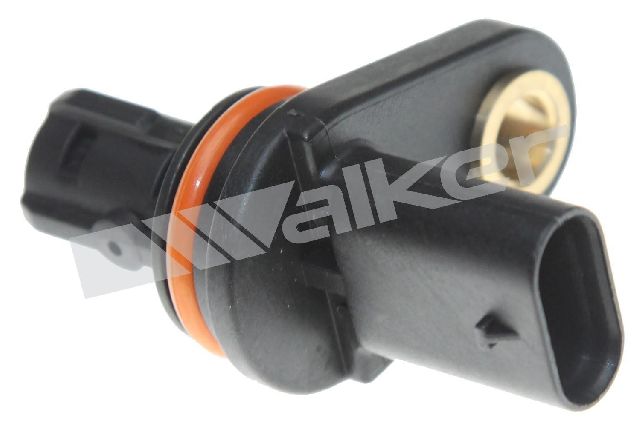
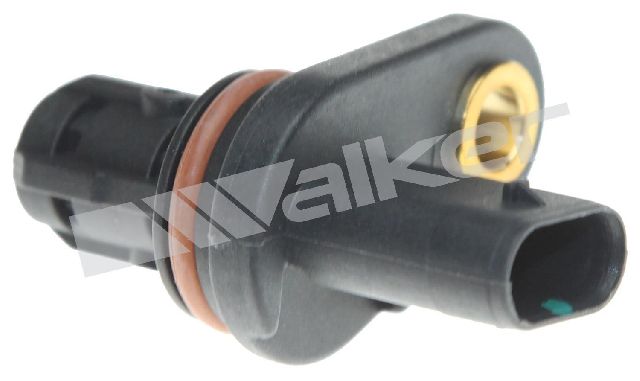
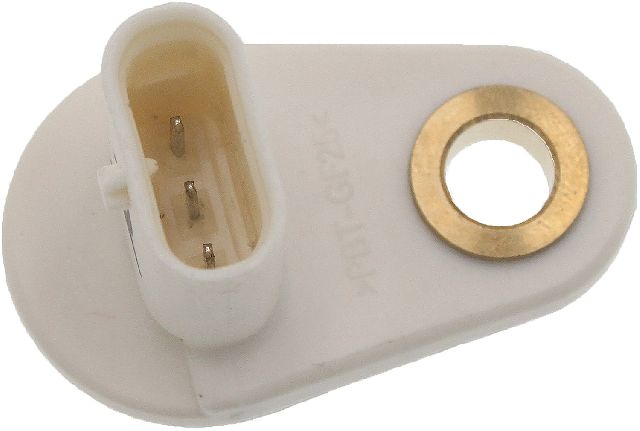
- Exhaust Camshaft Position Sensor
(OEM #55565709 (Superseded by 25195556))— This is the most common part to fail and directly cause the P0365 code on this specific engine. The original GM part number was 55565709, which has been replaced by 25195556.
Trusted brands: ACDelco (GM Original Equipment / OE), Delphi, NTK/NGK, Bosch, Standard Motor Products (SMP)
OEM price range: $35-$55
Aftermarket price range: $20-$40
Related Codes That Often Appear With This One
- P0366 — P0366 indicates a 'Range/Performance' issue with the same exhaust cam sensor, meaning the signal is erratic but not completely gone. P0365 indicates a circuit failure (no signal). They often point to the same failing sensor or a wiring issue.
- P0340 / P0341 — These are the equivalent circuit and performance codes for the intake ('A') camshaft position sensor. It's common for both sensors to fail around the same time due to age and heat exposure. Many owners replace them as a pair.
- P0335 — This code for the crankshaft position sensor can appear with P0365 and P0340. GM TSB #PIP5482B notes that a weak battery can cause all three codes to set simultaneously, even if the sensors are good. Always test the battery before replacing multiple sensors.
Technical Service Bulletins (TSBs) & Recalls
- PIP5883: Communicates dealer information for a MIL on with DTC P0365/P0366. (Note: for Malibu)
- 20NA046: Provides a correction procedure for a MIL illuminated with DTC P0365 and/or P0366. (Note: for Malibu)
- PIT5677E / PIT5677: Lists P0365 as one of many potential DTCs related to electrical system issues. (Note: for Silverado 1500)
- PIP5482B: Notes that a weak battery can cause P0335, P0340, and P0365 to set simultaneously, even with good sensors.
Platform-Specific Known Issues
- The provided NHTSA Technical Service Bulletin #PIP5883 for other Chevrolet models confirms that P0365 is a known issue related to the exhaust camshaft position sensor circuit that GM has addressed.
- TSB #20NA046 also provides a procedure to correct P0365, indicating it's a recognized fault by the manufacturer.
- An owner complaint (ODI #11485891) on a similar GM vehicle also directly linked DTC P0365 to a diagnosis of a bad camshaft position sensor.
- TSB #17-NA-132 and #20-NA-144, while addressing a P0606 code, list faulty cam sensors (P0365/P0366) as a potential root cause that can be masked by the ECM processor fault code, highlighting the frequency of this sensor failure on the platform.
Mechanic-Grade Diagnostic Values
- Camshaft Position Sensor Connector - Power Supply Pin to Ground — expected: ~5V with key on, engine off.. Failure: 0V or significantly lower voltage indicates a wiring or ECM power supply issue.
- Camshaft Position Sensor Connector - Signal Pin to Ground — expected: Should read ~5V with the sensor disconnected and key on, engine off.. Failure: A reading of 0V on the signal wire could indicate a break in the wire to the ECM.
- Camshaft Position Sensor Connector - Ground Pin to Chassis Ground — expected: Near 0 Ohms of resistance, indicating a good ground path provided by the ECM.. Failure: High resistance indicates a bad ground, which is a common issue on this platform.
Scan Tool Commands That Help
- GDS2/High-End Bidirectional Scanner: Crankshaft Position Variation Learn (CASE Relearn) — This is NOT required for replacing the camshaft position sensor (P0365). It is only required if you replace the CRANKshaft position sensor (P0335) or disturb the relationship between the crank, cam, and their sensors (e.g., timing belt job). A P0365 code alone does not necessitate this procedure.
Wiring & Ground Locations
- Exhaust Camshaft Position Sensor Connector — On the 1.8L engine, located on the back (firewall) side of the cylinder head, towards the driver's side.. This is the primary connection point. It is highly susceptible to oil contamination from a leaking valve cover gasket, which is a primary cause of connection failure.
- ECM Connector X2, Pin 55 — The Engine Control Module (ECM) is located on the left side of the engine compartment, near the strut tower. Pin 55 on the X2 connector is for the exhaust camshaft position sensor signal.. If voltage tests at the sensor are inconclusive, testing for signal continuity between the sensor connector and this pin can confirm whether the wire is intact or broken.
- G114 — Located on the left rear of the engine.. This is a primary engine block and ECM ground point. A loose or corroded ground here can cause various erratic sensor codes, including P0365.
Real Owner Repair Stories
- YouTube user 'Auto Repair Guys' (Chevrolet Cruze 1.8L) — Check Engine Light with code P0365.
❌ Tried (didn't work) Initial diagnosis involved checking the connector and wiring for looseness or obvious damage.
✅ What actually fixed it Replacing the exhaust camshaft position sensor ('B' sensor) and clearing the codes resolved the issue. The video confirms the 'B' sensor is for the exhaust side. - Reddit user 'BrainlessP1990' on r/cruze (Gen1 Chevrolet Cruze) — Check Engine Light, limp mode, multiple codes including P0335, P0340, and P0365 after changing the engine air filter.
❌ Tried (didn't work) Clearing codes (they returned)., Replacing the MAF sensor., Taking it to a mechanic who suggested replacing the ECM., Taking it to a Chevy dealer who could not find a fault.
✅ What actually fixed it Another user suggested the fix was to replace the crankshaft position sensor and perform a crank relearn procedure, indicating that when all three (crank, intake cam, exhaust cam) sensor codes appear together, the crank sensor circuit or a related ground is often the root cause.
OEM Part Supersession History
55565709→25195556— Standard part revision by the manufacturer.
Heads up: The new part number (25195556) is a direct replacement for the old one (55565709) and is fully compatible.
Diagnostic Flowchart
Other Known Issues on This Vehicle
Issues unrelated to this code that are worth knowing about as an owner of this generation:
- Valve Cover Gasket & PCV System Failure 🔴 High — Extremely common, often occurring between 40,000 and 80,000 miles. The PCV diaphragm inside the non-serviceable valve cover fails, causing a large vacuum leak, hissing noises, and lean codes (P0171). The gasket leak itself is a primary cause of oil contamination on sensors like the one that causes P0365.
- Plastic Cooling System Component Leaks 🔴 High — Very common as the vehicle ages. The plastic thermostat housing (water outlet) is a notorious failure point, becoming brittle and cracking, leading to coolant leaks and overheating. This often causes P0116. Upgrading to an aftermarket aluminum housing is a popular fix.
- Oil Cooler / Filter Housing Leaks 🟠 Medium — Common after 60,000 miles. Gaskets for the oil cooler/filter housing assembly degrade, causing significant oil and/or coolant leaks onto the front of the engine and transmission.
- Timing Belt and Water Pump Replacement 🔴 High — This is a required maintenance item, not a premature failure. The 1.8L is an interference engine, so if the timing belt is not replaced at the recommended 100,000-mile interval, it can break and cause catastrophic engine damage. TSB PI0923 mandates replacing the tensioner and idler at the same time. (Ref: PI0923)
- Faulty Negative Battery Cable 🟠 Medium — A known defect with an insufficient crimp causes widespread, intermittent electrical problems, including flickering lights and various 'ghost' trouble codes. This can sometimes trigger sensor codes like P0365, P0340, and P0335. (Ref: Special Coverage #14311B)
Used vs. New Parts: Buying Guide for This Vehicle
When a used part is the smart pick: For this specific repair, a used part is not recommended. A camshaft position sensor is an inexpensive electronic component that is a high-failure item due to heat and vibration. The cost savings of a used part are minimal and not worth the risk of premature failure.
What to inspect on the donor part:
- Not applicable as used part is not recommended.
OEM-only on this vehicle (don't cheap out):
- While not strictly 'OEM-only', using a reputable brand is critical. Forum and owner experiences suggest that extremely cheap, no-name aftermarket sensors have a high rate of being dead-on-arrival or failing quickly. Sticking to OEM (ACDelco) or well-known OE suppliers is the best practice.
Aftermarket brands forum-validated for this vehicle:
- ACDelco (OE)
- Delphi
- NTK/NGK
- Bosch
- Standard Motor Products (SMP)
Brands owners have reported issues with on this vehicle:
- Unbranded, sub-$15 sensors sold on online marketplaces are frequently cited as unreliable by owners.
Real Owner Stories
Aggregated from forums and TSBs cited above. Mileages and costs reflect what owners reported in those sources.
2011-2016 Chevrolet Cruze 1.8L
Symptoms: The owner experienced both intake and exhaust cam sensor codes (P0340 and P0365) appearing at the same time.
What fixed it: Replacing both the intake and exhaust camshaft position sensors.
Source hint: CruzeTalk.com: "P0365 and P0340 at the same time"
2011-2016 Chevrolet Cruze 1.8L
Symptoms: The owner received code P0365 and attempted a repair with an aftermarket part, but the code returned.
What fixed it: Replacing the aftermarket sensor with a genuine ACDelco OEM sensor.
Source hint: CruzeTalk.com: "P0365 Exhaust Camshaft Position Sensor Circuit Malfunction"
2011-2016 Chevrolet Cruze 1.8L
Symptoms: DTC P0365 was present; upon inspection, a pin was found to have backed out of the sensor connector.
What fixed it: Repairing the connector to ensure all pins were fully seated.
Source hint: Common Causes: Damaged Wiring or Oil-Contaminated Connector
Related OBD-II Codes
Frequently Asked Questions
I have a 2011-2016 Chevrolet Cruze 1.8L; which sensor is actually causing the P0365 code?
Is there a specific TSB for P0365 on my Chevy vehicle?
Can a weak battery cause a P0365 code on the Cruze even if the sensor is good?
Why is my P0365 sensor connector covered in oil?
Do I need to perform a 'relearn' procedure after replacing the exhaust cam sensor?
Should I use an aftermarket sensor to fix P0365?
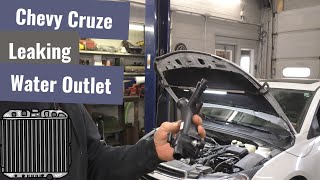
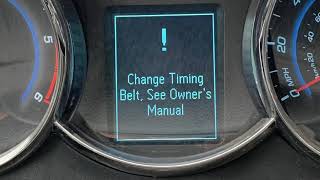
Helpful Videos
We Have This Part in Stock


The information in this article is provided for general reference and educational purposes only. Vehicle specifications, procedures, and part compatibility can vary by production date, trim level, and region. Always consult your vehicle's factory service manual and verify part numbers before purchasing or performing repairs. Safety-critical components such as airbags, seat belts, and braking systems should be installed by a qualified professional.
- Chevrolet Cruze:
- 🎬 Helpful Videos
- 🛍️ Shop This Part
- What's Unique About the 2011-2016 Chevrolet Cruze
- Symptoms You May Notice
- Most Likely Causes
- Rare But Worth Checking
- Diagnosis Steps
- Parts You'll Likely Need
- Related Codes That Often Appear With This One
- Technical Service Bulletins (TSBs) & Recalls
- Platform-Specific Known Issues
- Mechanic-Grade Diagnostic Values
- Scan Tool Commands That Help
- Wiring & Ground Locations
- Real Owner Repair Stories
- OEM Part Supersession History
- Diagnostic Flowchart
- Other Known Issues on This Vehicle
- Used vs. New Parts: Buying Guide for This Vehicle
- Real Owner Stories
- 2011-2016 Chevrolet Cruze 1.8L
- 2011-2016 Chevrolet Cruze 1.8L
- 2011-2016 Chevrolet Cruze 1.8L
- Related OBD-II Codes
- Frequently Asked Questions
- 🎟️ Get 5% Off