

P0363 on 2013-2018 Ford Focus ST: Misfire Detected & Fueling Disabled Causes and Fixes
P0363 on a Focus ST means the computer has shut off fuel to a misfiring cylinder. This is most often caused by worn spark plugs or a bad ignition coil. Expect to spend $40-$80 on a set of OEM-spec spark plugs or $30-$60 for a single ignition coil. These are common DIY fixes with a difficulty of 2/5.
- P0363 is a serious code meaning the engine has a severe misfire and has cut fuel to a cylinder. Do not drive the vehicle.
- The most likely cause on a Focus ST is a worn spark plug or a bad ignition coil. Start your diagnosis there.
- Check if your vehicle is affected by recalls for the wiring harness (14S17) or canister purge valve (18S32), as these are known causes of misfires.
- Always use the correct spark plugs (Motorcraft SP-550 or equivalent) and ensure they are gapped properly, especially if the engine is tuned.
- If you are losing coolant and have a persistent misfire on startup, you may have the more serious coolant intrusion issue, which requires professional diagnosis.
What's Unique About the 2013-2018 Ford Focus ST

The 2.0L EcoBoost engine in the Focus ST is a direct-injection, turbocharged platform known for being sensitive to ignition component health. Misfires are a common topic of discussion among owners, often linked to spark plug wear and incorrect gapping, especially on tuned vehicles which require a smaller gap (around 0.026 inches) to prevent spark blowout under higher boost. Additionally, this platform has several known issues documented in Ford Technical Service Bulletins (TSBs) and recalls for problems like faulty canister purge valves (Recall 18S32) and wiring harness defects (Recall 14S17) that can directly lead to misfires and trigger a P0363 code.
Symptoms You May Notice
- Flashing or solid Check Engine Light
- Sudden loss of engine power
- Engine shaking, vibrating, or running very rough
- Hesitation during acceleration
- Engine stalling, especially at low speeds or after refueling
- Noticeably poor fuel economy
- Smell of raw fuel from the exhaust
- Replacing oxygen (O2) sensors. O2 sensors will report the results of a bad air/fuel mixture, but they are rarely the cause of a cylinder-specific misfire.
- Replacing the high-pressure fuel pump (HPFP) without proper diagnosis. While fuel issues can cause misfires, ignition and EVAP system faults are far more common and should be ruled out first.
Most Likely Causes

- Worn or Incorrectly Gapped Spark Plugs 🔴 High Probability The turbocharged, direct-injection EcoBoost engine is hard on spark plugs, leading to faster wear and gap growth, with replacement often recommended every 10,000-20,000 miles. Tuned engines are even more sensitive to plug condition and require a specific heat range (often one step colder) and a tighter gap to prevent misfires under high boost.
How to confirm: Remove the spark plugs and inspect them for wear on the electrode, carbon fouling, or an incorrect gap. The recommended gap for a stock ST is typically 0.027-0.031 inches. For tuned vehicles, the gap is usually smaller, around 0.026-0.028 inches, as recommended by the tuner.
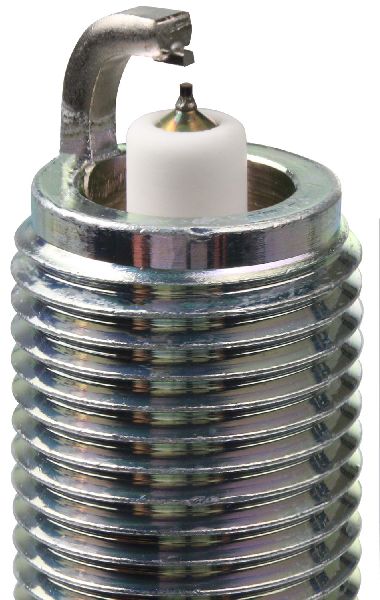
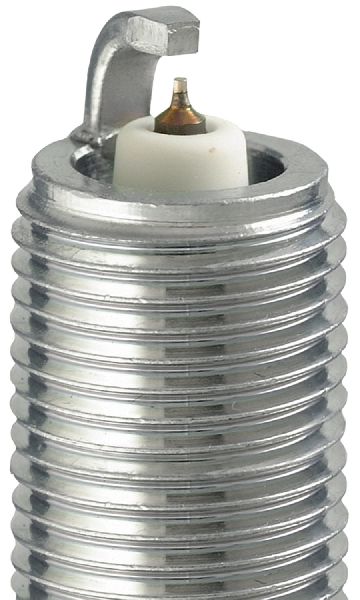
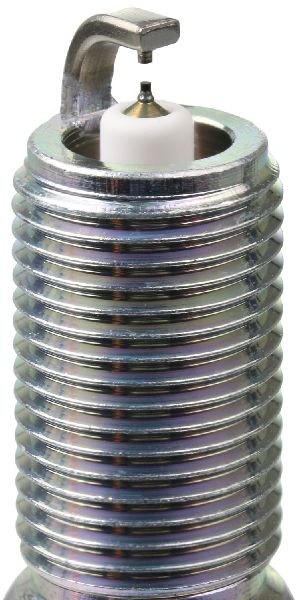
Typical fix: Replace all four spark plugs with new, correctly gapped units. It is critical to use the correct heat range. Many owners opt for NGK Ruthenium or Iridium plugs as a popular, reliable alternative to OEM.
Est. part cost: $40-$80 - Failed Ignition Coil 🔴 High Probability Ignition coils are a common failure point on many modern engines, and they are a primary cause of misfires that can lead to a P0363 code. Heat and vibration in the engine bay contribute to their eventual failure.
How to confirm: Use a scan tool to identify the misfiring cylinder (e.g., a P0302 code indicates cylinder 2). Swap the ignition coil from the misfiring cylinder with one from a known good cylinder. Clear the codes and run the engine. If the misfire code follows the coil (e.g., now shows P0304), the coil is bad.
Typical fix: Replace the faulty ignition coil. Many owners choose to replace all four as a preventative measure if they are original and high-mileage.
Est. part cost: $30-$60 per coil - Faulty Canister Purge Valve (CPV) 🟡 Medium Probability A malfunctioning CPV is a well-documented issue on 2012-2018 Focus models, leading to Ford issuing recall 18S32 (NHTSA Campaign 18V735000). A stuck-open valve can cause excessive vacuum in the fuel tank and introduce unmetered fuel vapors, leading to rough idle, stalling after refueling, and misfires.
How to confirm: This issue is often accompanied by code P1450. Other symptoms include difficulty starting, a rough idle, or stalling immediately after refueling. The recall involves a PCM software update and, if necessary, replacement of the CPV and related components.
Typical fix: Have the 18S32 recall performed by a Ford dealer. If outside the recall, replace the canister purge valve and its associated hoses. The part is often sold as an assembly.
Est. part cost: $50-$100 - Clogged Fuel Injector ⚪ Low Probability As a Gasoline Direct Injection (GDI) engine, the injector tips are inside the combustion chamber and are susceptible to carbon buildup, which can disrupt the spray pattern and cause a misfire. This is less common than ignition or EVAP issues but can occur on higher-mileage vehicles.
How to confirm: This is more difficult to diagnose. It typically involves swapping the injector from the misfiring cylinder to another cylinder to see if the fault follows. This is more labor-intensive than swapping a coil. A professional may need to perform a fuel injector balance test.
Typical fix: Replace the faulty fuel injector. Professional fuel system cleaning may also be an option, but replacement is often more effective for a clogged GDI injector.
Est. part cost: $70-$150 per injector
Rare But Worth Checking
- Engine Wiring Harness Splice Issue (2013-2014 models): A known factory defect covered by Ford Safety Recall 14S17. Insufficiently compressed splices (specifically S132 and S133 on Focus ST) in the engine wiring harness can cause erratic signals to the PCM, leading to stalling and misfires. Check if your vehicle's VIN was affected and if the recall was performed. Some owners have performed this solder-and-heat-shrink repair themselves following detailed guides.
- Low Engine Compression due to Coolant Intrusion: A serious design flaw in some 2.0L EcoBoost blocks allows coolant to leak into a cylinder (often between cylinders 2 and 3), causing a misfire on startup and progressive engine damage. This is documented in Ford TSB 19-2346, which applies to similar 2.0L engines and lists symptoms like coolant loss, white smoke, and rough running with misfire codes. The fix is a long block replacement.
- Carbon Buildup on Intake Valves: Direct injection engines lack the fuel wash that keeps intake valves clean. Over time, carbon can build up, restricting airflow into a cylinder and causing a lean misfire. This typically becomes a concern at higher mileage (60,000+ miles) and requires manual cleaning (e.g., walnut blasting).
- Faulty Low Pressure Fuel Sensor: A failing low-pressure fuel sensor can send incorrect readings to the PCM, causing fuel system pressure codes (like P0088 or P018B) and drivability issues that can be mistaken for or lead to misfires. Owners on forums have reported fixing persistent issues by replacing this sensor.
Diagnosis Steps

- Use an OBD-II scanner to confirm P0363 and check for any accompanying cylinder-specific misfire codes (P0301-P0304) to identify the problem cylinder.
- Inspect the spark plug in the identified cylinder. Look for signs of wear, fouling (oil, fuel, or carbon), and verify the gap is correct. Stock gap is ~0.030", tuned is often ~0.026".
- If the plug looks questionable, replace all four. If the issue persists, swap the ignition coil from the misfiring cylinder with a coil from a non-misfiring cylinder.
- Clear the codes and drive the vehicle. If the misfire code moves to the new cylinder (e.g., from P0302 to P0304 after swapping coils from cylinder 2 to 4), the ignition coil is faulty and must be replaced.
- If the misfire remains on the original cylinder, investigate the EVAP system. Check for a pending P1450 code and listen for symptoms of a bad purge valve, such as rough idle after refueling.
- Check your VIN for open recalls, specifically 14S17 (wiring harness) for 2013-14 models and 18S32 (purge valve) for all years.
- If no ignition or EVAP faults are found, perform an engine compression test on the affected cylinder to rule out mechanical damage (e.g., bad piston rings, valves, or head gasket/coolant intrusion). A 'washed clean' cylinder can indicate a coolant leak.
- If compression is good, the fuel injector or a fuel pressure sensor are the next likely suspects. This may require professional diagnosis.
Parts You'll Likely Need
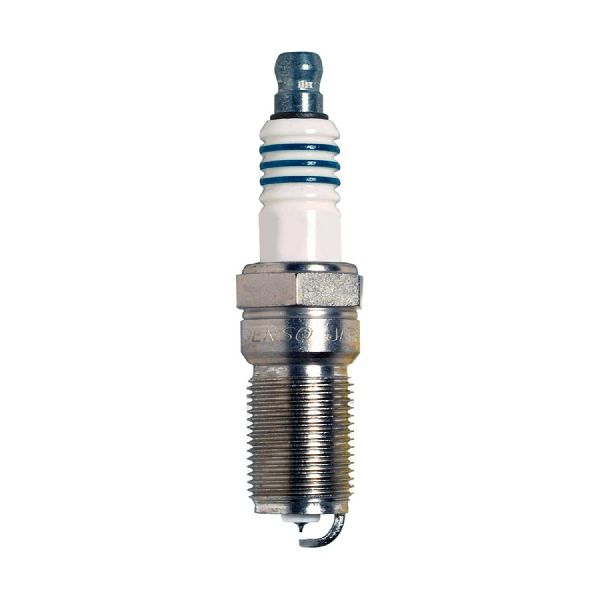
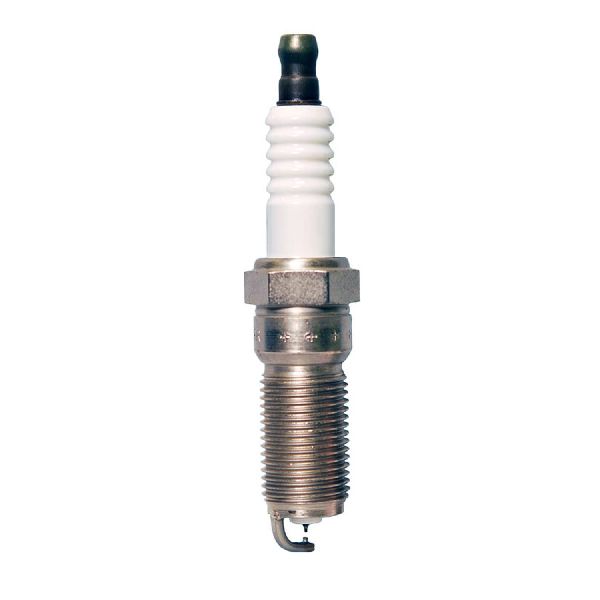
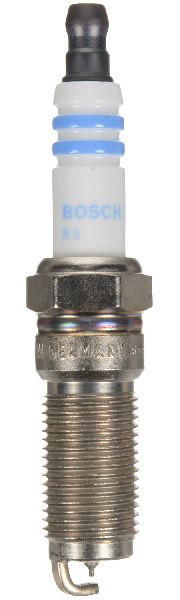
- Iridium Spark Plugs
(OEM #SP-550 (CYFS-12Y-PCT))— These are a primary wear item and the most frequent cause of misfires on the 2.0L EcoBoost engine.
Trusted brands: Motorcraft, NGK (Ruthenium LTR6BHX / 90495)
Related Codes That Often Appear With This One
- P0300 — This is a code for a random/multiple cylinder misfire. P0363 can be seen with it if the misfires are severe enough across multiple cylinders for the PCM to cut fuel.
- P0301, P0302, P0303, P0304 — These codes specify which cylinder is misfiring (P0301 for cylinder 1, etc.). P0363 is the action the PCM takes *because* one of these codes has been set due to a severe misfire.
- P0316 — Indicates a misfire was detected within the first 1,000 engine revolutions after startup. This often points to cold-start issues, such as those related to coolant intrusion or carbon buildup.
- P1450 — This code for "Unable to Bleed Up Fuel Tank Vacuum" is a strong indicator that the Canister Purge Valve has failed, a common cause of misfires on this car.
Technical Service Bulletins (TSBs) & Recalls

- TSB 19-2346: Documents coolant intrusion into cylinders for 2.0L EcoBoost engines in various Ford/Lincoln models, causing misfires and rough running. The prescribed fix is a long block replacement.
- Recall 18S32 / NHTSA 18V735000: Addresses a faulty Canister Purge Valve (CPV) that can stick open, causing excessive fuel tank vacuum, stalling, and drivability issues. The fix involves a PCM reprogram and potential replacement of the CPV, fuel tank, and other components.
- Recall 14S17: For 2013-2014 models, this recall addresses insufficiently compressed wiring harness splices that can cause erroneous signals, leading to hesitation, power loss, and stalling. The fix is to repair the specific splices (S132/S133).
Platform-Specific Known Issues
- Cold Start Misfire (2015-2018): A known issue addressed by TSB 18-2093 involves misfires on cold starts, which can be resolved with a PCM software update and ensuring correct spark plugs/gap.
- Wiring Harness Recall (2013-2014): Recall 14S17 was issued for faulty engine wiring harness splices that cause erratic signals and misfires.
- Canister Purge Valve Recall (2012-2018): Recall 18S32 addresses a faulty CPV that can cause stalling and misfires, often after refueling.
Mechanic-Grade Diagnostic Values
- Low-Pressure Fuel System — expected: Around 80-85 PSI under load. Some owners report normal readings closer to 100-105 PSI.. Failure: Pressure that is stuck (e.g., at 60 PSI) regardless of engine load, or pressure significantly below the desired value on a scan tool, may indicate a failing in-tank pump or sensor.
- High-Pressure Fuel System (Fuel Rail Pressure) — expected: Approximately 240-250 PSI at idle, rising to ~2200 PSI under heavy throttle.. Failure: Actual pressure that does not rise with desired pressure and remains near low-side pressure (e.g., 85-90 PSI) indicates a failed High-Pressure Fuel Pump (HPFP).
- Ignition Coil Primary Circuit Resistance — expected: Approximately 0.3 - 1.0 ohms.. Failure: A reading outside of this range indicates a faulty coil. This test is best performed when the engine is warm, as heat can reveal failures.
- Ignition Coil Secondary Circuit Resistance — expected: Approximately 6.5 - 11.5 kOhms.. Failure: A reading outside of this range indicates a faulty coil winding.
Scan Tool Commands That Help
- Ford IDS (or high-end aftermarket like Launch/Autel): Power Balance Test — This is a critical diagnostic function for Ford vehicles to pinpoint a misfiring or underperforming cylinder. The tool disables one cylinder at a time and displays a graph of the RPM drop for each. A cylinder that causes little or no RPM drop when disabled is the one not contributing power, even if it hasn't set a specific P030x code yet. This is superior to simply reading codes as it quantifies the contribution of each cylinder.
Wiring & Ground Locations
- S132 and S133 — In the engine wiring harness, near the breakout to the ignition coils. S133 involves yellow/violet trace wires, and S132 involves yellow/green trace wires.. These are the specific splices identified in Ford Safety Recall 14S17 for 2013-2014 Focus ST models. Poor factory crimps can cause high resistance, leading to erratic sensor signals and misfires that trigger P0363.
- Main Engine/Transmission Ground — A ground strap connects from the chassis frame rail (underneath the airbox) to a threaded boss on the transmission bell housing.. A loose or corroded main ground can cause numerous electrical issues, including weak spark and erratic sensor readings that can lead to misfire codes. This ground is often disturbed during clutch or transmission work.
Real Owner Repair Stories
- FocusST.org forum user (2016 Ford Focus ST) — Car began to misfire badly under load, flashing check engine light, P0302 and P0363 codes.
❌ Tried (didn't work) Swapped ignition coil from cylinder 2 to cylinder 1 (misfire stayed on cylinder 2)., Swapped spark plug from cylinder 2 to cylinder 3 (misfire stayed on cylinder 2).
✅ What actually fixed it The porcelain insulator on the cylinder 2 spark plug was cracked below the hex, a defect not visible on initial inspection. The crack was allowing spark to arc to the cylinder head instead of the electrode tip. Replacing the spark plug resolved the issue. - Reddit /r/FocusST user (2015 Ford Focus ST) — P0087 (Fuel Rail/System Pressure - Too Low) and P061B (Internal Control Module Torque Calculation Performance), loss of power above 3500 RPM.
❌ Tried (didn't work) Replacing MAP sensors., Considering replacing the low-pressure fuel pump.
✅ What actually fixed it The High-Pressure Fuel Pump (HPFP) had failed. Scan tool data showed desired fuel rail pressure at 2200 PSI but actual pressure was stuck at low-side pressure (~100 PSI). Replacing the HPFP resolved the codes and drivability issues.
OEM Part Supersession History
BV6Z-9D289-D→BV6Z-9D289-E— Part revision by Ford. This is the canister purge valve assembly.
Heads up: The new part number BV6Z-9D289-E is the correct replacement for the earlier -D version and fits the 2013-2018 Focus ST.
Model Year Variations Within This Range
- 2013-2014: These pre-facelift models are the only ones affected by the wiring harness splice issue covered in Safety Recall 14S17. They also feature a different front/rear fascia, steering wheel, and center console design compared to later models.
- 2015-2018: These facelift models received revised suspension and steering tuning, different exterior styling (fascias, lights), and a redesigned interior center stack. While the core engine and transmission remained the same, these models are not subject to the 14S17 wiring recall.
Diagnostic Flowchart
Used vs. New Parts: Buying Guide for This Vehicle
When a used part is the smart pick: For this code, a used ignition coil or a canister purge valve from a low-mileage donor vehicle can be a cost-effective option. These parts are generally reliable and not subject to rapid wear like spark plugs.
Donor-vehicle mileage cap: roughly under 50000 miles for the part to have meaningful remaining life.
What to inspect on the donor part:
- For ignition coils, check for any cracks in the plastic housing or corrosion on the electrical connector pins.
- For a purge valve, ensure the plastic housing and hose connections are not brittle or cracked.
- Verify the donor vehicle's VIN to ensure it wasn't part of a major accident or flood.
OEM-only on this vehicle (don't cheap out):
- Fuel Injectors: Due to the precision required for GDI systems and the risk of carbon buildup, new OEM or high-quality equivalent injectors are strongly recommended.
- Sensors (Fuel Pressure, Crank/Cam): While some aftermarket sensors work, OEM Motorcraft sensors are recommended for critical fuel and ignition timing inputs to avoid compatibility or longevity issues.
Aftermarket brands forum-validated for this vehicle:
- Ignition Coils: MSD, Mishimoto
- Spark Plugs: NGK
- Canister Purge Valve: Bosch
Brands owners have reported issues with on this vehicle:
- Unbranded, no-name ignition coils and sensors from online marketplaces are frequently reported by owners to fail prematurely.
Real Owner Stories
Aggregated from forums and TSBs cited above. Mileages and costs reflect what owners reported in those sources.
2017 Ford Focus ST EcoBoost 2.0L Turbo
Symptoms: A persistent cylinder 3 misfire.
What fixed it: The issue was diagnosed by a dealer as a blown head gasket with coolant leaking into the cylinder. This aligns with the known coolant intrusion issue documented in TSB 19-2346, which requires a long block replacement.
Source hint: Reddit r/FocusST: [update] persistent misfire issue 2017 ST
2016 Ford Focus ST EcoBoost 2.0L Turbo
Symptoms: Rough idle and stalling immediately after refueling.
What fixed it: Replacement of the faulty Canister Purge Valve (CPV) and its associated hoses, a common failure addressed by Ford recall 18S32.
Source hint: focusst.org: The Purge Valve FUFF (F-You Ford Fix)
2013 Ford Focus ST EcoBoost 2.0L Turbo
Symptoms: Hesitation, power loss, and stalling.
What fixed it: Repairing insufficiently compressed wiring harness splices (S132/S133) as per the procedure in Recall 14S17.
Source hint: Recall 14S17
Related OBD-II Codes
Frequently Asked Questions
My 2014 Focus ST is hesitating and losing power. Could this be a recall issue?
My ST stalls right after I get gas. What's the most likely cause?
What is the correct spark plug gap for a tuned Focus ST?
My 2017 Focus ST is misfiring only on cold starts. Is this a known problem?
The dealer diagnosed my misfire as coolant intrusion and said I need a new engine. Is this a real issue on the 2.0L EcoBoost?
Besides spark plugs, what's another very common cause for a P0363 misfire on this car?
We Have This Part in Stock

The information in this article is provided for general reference and educational purposes only. Vehicle specifications, procedures, and part compatibility can vary by production date, trim level, and region. Always consult your vehicle's factory service manual and verify part numbers before purchasing or performing repairs. Safety-critical components such as airbags, seat belts, and braking systems should be installed by a qualified professional.
- Ford Focus ST:
- 🛍️ Shop This Part
- What's Unique About the 2013-2018 Ford Focus ST
- Symptoms You May Notice
- Most Likely Causes
- Rare But Worth Checking
- Diagnosis Steps
- Parts You'll Likely Need
- Related Codes That Often Appear With This One
- Technical Service Bulletins (TSBs) & Recalls
- Platform-Specific Known Issues
- Mechanic-Grade Diagnostic Values
- Scan Tool Commands That Help
- Wiring & Ground Locations
- Real Owner Repair Stories
- OEM Part Supersession History
- Model Year Variations Within This Range
- Diagnostic Flowchart
- Used vs. New Parts: Buying Guide for This Vehicle
- Real Owner Stories
- 2017 Ford Focus ST EcoBoost 2.0L Turbo
- 2016 Ford Focus ST EcoBoost 2.0L Turbo
- 2013 Ford Focus ST EcoBoost 2.0L Turbo
- Related OBD-II Codes
- Frequently Asked Questions
- 🎟️ Get 5% Off