

P0354 on 2007-2012 Hyundai Santa Fe: Ignition Coil 'D' Circuit Causes and Fixes
P0354 on a 2007-2012 Santa Fe means there's an electrical fault with the ignition coil for cylinder #4. The most common fix is replacing the faulty ignition coil, which is a simple DIY job for all available engines. Expect to pay $40-$80 for an aftermarket coil or $100-$160 for an OEM part. On V6 models, cylinder #4 is conveniently located on the front bank.
- P0354 points to an electrical problem with the ignition coil on cylinder #4.
- The most likely cause is a failed ignition coil, which is a very common and inexpensive part to replace.
- A simple 'coil swap' is the most effective diagnostic test for a DIYer to confirm a bad coil.
- On all 2007-2012 Santa Fe engines (I4 and V6), cylinder #4 is easily accessible at the front of the engine bay, making this a beginner-friendly repair.
- If the check engine light is flashing, avoid driving to prevent costly damage to the catalytic converter.
What's Unique About the 2007-2012 Hyundai Santa Fe
For the 2007-2012 Santa Fe, this code applies to both the four-cylinder and V6 engines. On the V6 models (2.7L, 3.3L, 3.5L), cylinder #4 is fortunately located in the front bank of cylinders (closest to the radiator), making it just as easy to access as on the 2.4L four-cylinder engine. This is a significant advantage, as replacing coils on the rear bank of these V6 engines requires removing the entire upper intake manifold. Ignition coils on these Hyundai engines are a common failure item due to heat, vibration, and age.
Symptoms You May Notice
- Check Engine Light is on (may be solid or flashing)
- Rough or shaky idle
- Engine hesitates or stumbles during acceleration
- Noticeable loss of engine power
- Reduced fuel economy
- Engine may stall at stops
- Popping or uneven rhythm from the exhaust
- Replacing the fuel injector for cylinder 4. A P0354 code is an electrical circuit fault for the ignition system, not the fuel system. A fuel injector issue would typically set a different code.
- Replacing the oxygen sensor. This is unrelated to a specific cylinder's ignition circuit.
Most Likely Causes
- Faulty Ignition Coil 🔴 High Probability Ignition coils on this generation of Hyundai are a known failure point due to prolonged exposure to engine heat and vibration. It is the most common cause for a P035x code.
How to confirm: The easiest way to confirm a bad coil is to perform a 'coil swap.' Move the ignition coil from cylinder #4 to another cylinder (e.g., cylinder #2). Clear the codes and drive the vehicle. If the code changes to P0352 (for cylinder 2), the coil is faulty. If P0354 returns, the problem is elsewhere.
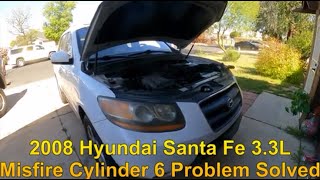
Typical fix: Replace the faulty ignition coil. 🎬 Watch: This walkthrough shows how to fix P0354 ignition coil codes. It is held in place by a single 10mm bolt. It is also recommended to replace the corresponding spark plug at the same time.
Est. part cost: $40 - $160 - Damaged Wiring or Connector 🟡 Medium Probability The plastic connector can become brittle over time and the locking tab can break. Wires can also become frayed or corroded, leading to a poor connection. Rodents are also known to chew on engine wiring harnesses.
How to confirm: Visually inspect the wiring harness and connector for cylinder #4's ignition coil. Look for cracked plastic, corroded pins, loose-fitting terminals, or any signs of rodent damage. Wiggle the connector with the engine running to see if it affects the idle.
Typical fix: If the connector is damaged, it will need to be replaced with a new pigtail connector. Damaged wires must be repaired or replaced, preferably using heat-shrink butt connectors. Apply dielectric grease to the new connector to prevent moisture intrusion.
Est. part cost: $15 - $40 - Worn or Faulty Spark Plug ⚪ Low Probability
How to confirm: Remove the spark plug from cylinder #4 and inspect it. Look for a cracked insulator, heavy carbon fouling, or an excessively wide gap. A bad spark plug can increase the electrical load on the ignition coil, potentially causing it to fail and trigger a circuit code, though it more commonly causes a misfire code (P0304).
Typical fix: Replace the spark plug. It's good practice to replace all spark plugs at the same time 🎬 Watch: Step-by-step guide for replacing 2.7L spark plugs and coils. if they are near the end of their service life.
Est. part cost: $10 - $25
Rare But Worth Checking
- Faulty Powertrain Control Module (PCM): This is the least likely cause. The internal driver circuit that controls the ignition coil can fail. This should only be considered after definitively ruling out the coil, wiring, and spark plug. A scan tool that can perform a 'coil driver test' or an output test can help confirm an internal ECM fault.
- Leaking Valve Cover Gasket: If the valve cover gasket fails, oil can leak into the spark plug tube, flooding the ignition coil and spark plug. This oil can saturate the coil boot and connector, causing a short in the coil's secondary circuit and triggering the P0354 code. If you find oil on the coil boot when you remove it, the valve cover gasket needs to be replaced.
Diagnosis Steps
- Read the trouble codes with an OBD-II scanner to confirm P0354 is present. Note any other codes, especially P0304.
- Turn off the engine and locate cylinder #4. On the 2.4L I4 engine, it's the fourth cylinder from the left (furthest from the belts). On the V6 engines, it's the middle cylinder in the front bank, closest to the radiator.
- Inspect the electrical connector and wiring going to the ignition coil on cylinder #4. Check for any visible damage, corrosion, or loose connections.
- Perform an ignition coil swap. Label the coils first. Swap the coil from cylinder #4 with the coil from cylinder #2. Reconnect everything.
- Clear the fault codes with the scanner. Start the engine and let it run for a few minutes, then take a short drive.
- Re-scan for codes. If code P0352 appears, the ignition coil you moved is faulty and needs to be replaced. This is the most common outcome.
- If code P0354 returns, the problem is in the wiring or the PCM. Disconnect the #4 coil connector. With the key on, engine off, use a multimeter to test the connector terminals. You should find one with battery voltage (power feed from the 20A IG COIL fuse), one with a good ground, and the third is the signal wire from the PCM.
- If power and ground are good, test the signal wire. A professional tip is to set a multimeter to AC Hertz (Hz) and probe the signal wire terminal with the engine idling. A healthy PCM driver signal should show a frequency between 5 and 20 Hz. If there is no signal, there is likely a break in the wire to the PCM or a faulty PCM driver.
Parts You'll Likely Need
- Ignition Coil
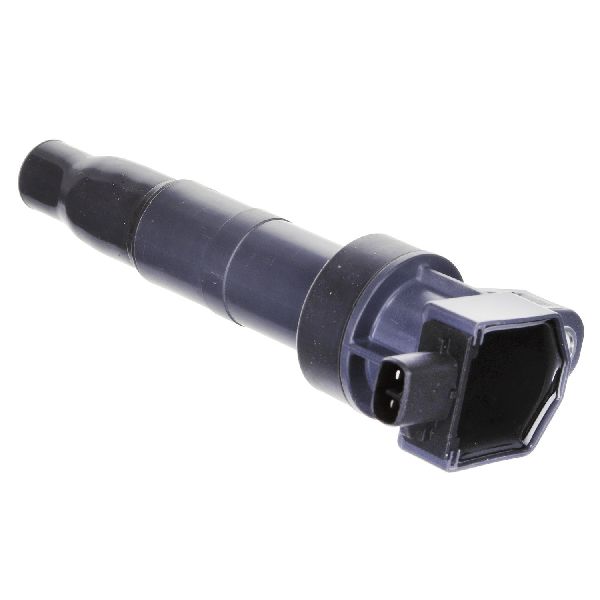
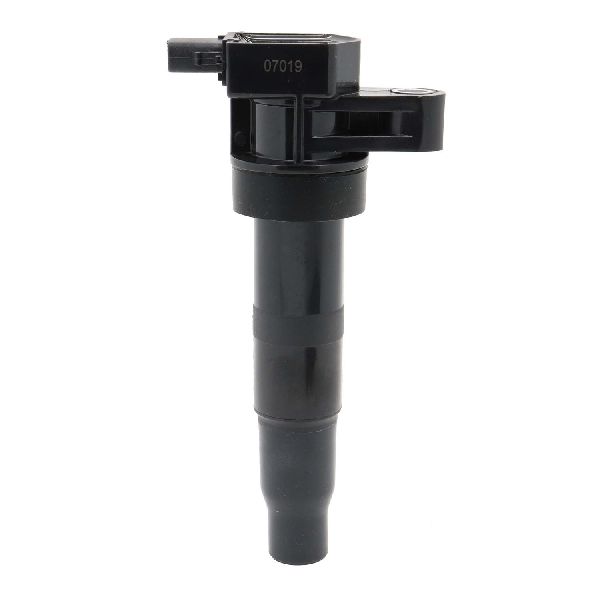
(OEM #2.4L I4: 27300-2G000 (superseded by 27300-3F100), 27300-2GGA0 | 2.7L V6: 27301-3E100 | 3.3L/3.5L V6: 27300-3F100)— This is the most common component to fail and directly cause the P0354 code.
Trusted brands: Hyundai (OEM), NGK, Delphi, Denso, Standard Motor Products
OEM price range: $110 - $160
Aftermarket price range: $40 - $80 - Spark Plug
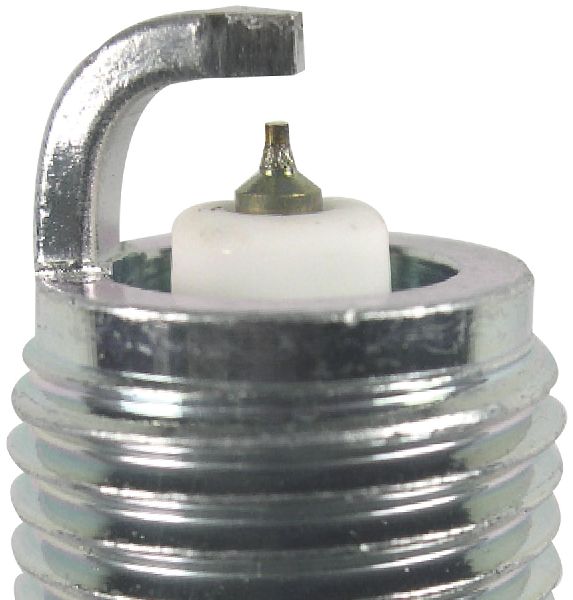
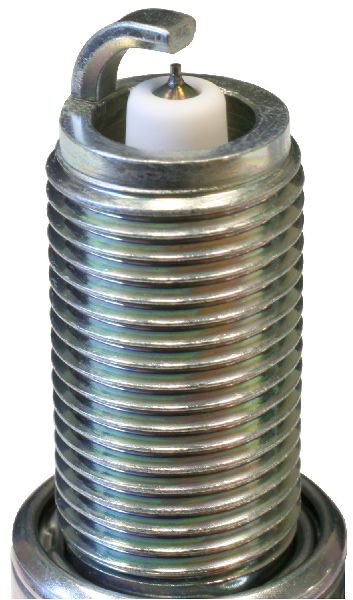
(OEM #NGK: IFR5G11 (V6), LFR5A-11 (I4) | Denso: SK16PR-A11 (V6), K16HPR-U11 (I4))— It is best practice to replace the spark plug when replacing an ignition coil, as a worn plug can stress the new coil and its condition is unknown.
Trusted brands: NGK, Denso
OEM price range: $15 - $25
Aftermarket price range: $8 - $15 - Ignition Coil Connector Pigtail — Needed if the original connector housing is cracked, or if the terminals are corroded or damaged, causing a poor connection.
Trusted brands: Dorman, Standard Motor Products (S-1461), Carquest by Wells
OEM price range: N/A
Aftermarket price range: $15 - $40
Related Codes That Often Appear With This One
- P0304 — P0304 means 'Cylinder 4 Misfire Detected.' Since the P0354 fault prevents the spark plug from firing correctly, it directly causes a misfire on that cylinder.
Technical Service Bulletins (TSBs) & Recalls
- Hyundai Service Campaign TZ4 (TSB 16-01-003-1): While this TSB is for ignition coil replacement on the 2016 Sonata Hybrid, it demonstrates a history of Hyundai acknowledging and addressing ignition coil issues through service campaigns.
Platform-Specific Known Issues
- V6 Rear Bank Coil Replacement: While P0354 affects the easily-accessible front bank, owners should be aware that if a coil on the rear bank fails (P0351, P0353, P0355), the repair is much more difficult. It requires removing the upper intake manifold, which significantly increases labor time and cost. For this reason, some mechanics recommend replacing all three rear coils and spark plugs if one fails.
Mechanic-Grade Diagnostic Values
- Ignition Coil Primary Winding Resistance — expected: 0.62 Ω ± 10%. Failure: A reading of 0 Ω (short) or infinite/OL (open circuit).
- Ignition Coil Secondary Winding Resistance — expected: 7.0 kΩ ± 15%. Failure: A reading significantly outside this range, or OL (open circuit).
- Ignition Coil Control Signal (at connector, engine idling) — expected: 5 - 20 Hz (using a multimeter on AC Hertz scale). Failure: A reading of 0 Hz indicates no signal from the PCM or a break in the wire.
- Ignition Coil Power Supply (at connector, key on engine off) — expected: 12V (Battery Voltage). Failure: 0V indicates a blown fuse (IG COIL 20A) or a wiring issue from the fuse box.
Scan Tool Commands That Help
- Hyundai GDS (Global Diagnostic System): Actuation Test — The GDS is the OEM tool for vehicles up to 2018 and can perform actuation tests on various components. While a specific coil test wasn't named, this function is used to command components to operate, which is essential for confirming if the PCM driver is capable of sending a signal before condemning the PCM itself.
- Hyundai GDS (Global Diagnostic System): Reset Adaptive Values — After a repair, this function can be used to reset the engine control module's learned values, ensuring it adapts correctly to the new components.
Wiring & Ground Locations
- IG COIL Fuse — Located in the Under-hood Junction Box (fuse box in the engine compartment, left side). It is a 20A fuse.. This fuse supplies the 12V power to all ignition coils. If it's blown, none of the coils will have power, likely causing multiple P035x codes and a no-start condition.
- G52 — Engine ground located at the left rear of the engine compartment.. A poor engine ground can cause a host of intermittent and difficult-to-diagnose electrical issues, including problems with the ignition system.
- G56 — Engine ground located on the left top of the engine (for the 3.3L V6).. This ground is physically close to the ignition coils. Corrosion or a loose connection here could directly impact the ignition system's performance and potentially trigger circuit codes.
- Ignition Coil #4 Connector (3-pin) — On the V6 engines, this is the middle coil on the bank closest to the radiator. On the I4, it's the last coil on the driver's side.. This is where all voltage and signal tests are performed. The three pins are typically: 12V power-in, ground, and the trigger signal from the PCM.
OEM Part Supersession History
27300-2G000→27300-3F100— Standard part revision and consolidation by Hyundai.
Heads up: The new part number 27300-3F100 is the correct replacement and is widely used across many Hyundai 4-cylinder and V6 engines from this era.
Model Year Variations Within This Range
- 2007-2009: These pre-facelift models were primarily equipped with the 2.7L 'Mu' V6 or the 3.3L 'Lambda' V6. The 2.7L V6 uses a different ignition coil (p/n 27301-3E100) than the other engines in this generation.
- 2010-2012: The 2010 facelift introduced the 2.4L 'Theta II' I4 and the 3.5L 'Lambda II' V6, replacing the previous engines. These newer engines (along with the earlier 3.3L V6) use the same ignition coil, part number 27300-3F100 (which supersedes 27300-2G000).
Diagnostic Flowchart
Used vs. New Parts: Buying Guide for This Vehicle
When a used part is the smart pick: A used ignition coil is generally not recommended as they are a common wear item sensitive to heat and vibration. It should only be considered for a temporary, emergency repair while waiting for a new part to arrive.
Donor-vehicle mileage cap: roughly under 60000 miles for the part to have meaningful remaining life.
What to inspect on the donor part:
- Check the plastic housing for any cracks, melting, or signs of arcing (white or black dust).
- Ensure the rubber boot is pliable and not dry-rotted or swollen.
- Inspect the electrical connector for corrosion or broken locking tabs.
- If possible, ask for the donor vehicle's mileage; lower is always better.
OEM-only on this vehicle (don't cheap out):
- Powertrain Control Module (PCM) - A used PCM will likely have immobilizer issues and will need to be programmed to the vehicle by a dealer or specialist with OEM tools.
Aftermarket brands forum-validated for this vehicle:
- NGK
- Denso
- Delphi
- Standard Motor Products (SMP)
Brands owners have reported issues with on this vehicle:
- No-name, unbranded ignition coils sold at exceptionally low prices on online marketplaces often have high failure rates and should be avoided for long-term reliability.
Real Owner Stories
Aggregated from forums and TSBs cited above. Mileages and costs reflect what owners reported in those sources.
2008 Hyundai Santa Fe V6
Symptoms: Owner experienced both P0304 (cylinder 4 misfire) and P0354 codes.
What fixed it: A successful DIY repair was completed by replacing the ignition coil and spark plug for cylinder #4 after using the coil swap diagnostic procedure.
Source hint: https://www.hyundai-forums.com/threads/2008-santa-fe-p0304-p0354.678781/
Documented NHTSA Reports
Cross-Model Ignition Circuit Faults
While reported on a different model from the same manufacturer, NHTSA ODI #11464602 describes a vehicle that "throws the following codes and has to go back to the dealership," specifically citing P0353 (ignition coils C primary control circuit/open), P0354 (ignition coils D primary control circuit/open), and P0420 (Catalyst system efficiency below threshold bank 1).
Related OBD-II Codes
Frequently Asked Questions
Where is cylinder #4 on my 2007-2012 Santa Fe?
What is the 'coil swap' test for a P0354 code on this vehicle?
I have a V6 Santa Fe. Is replacing the coil for P0354 a difficult job?
What are the best aftermarket ignition coil brands for my Santa Fe?
Should I replace the spark plug at the same time as the ignition coil?
Is it okay to buy a used ignition coil from a junkyard for my Santa Fe?
Helpful Videos
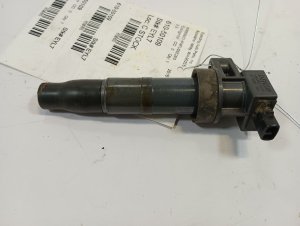
Used OEM Parts in Stock


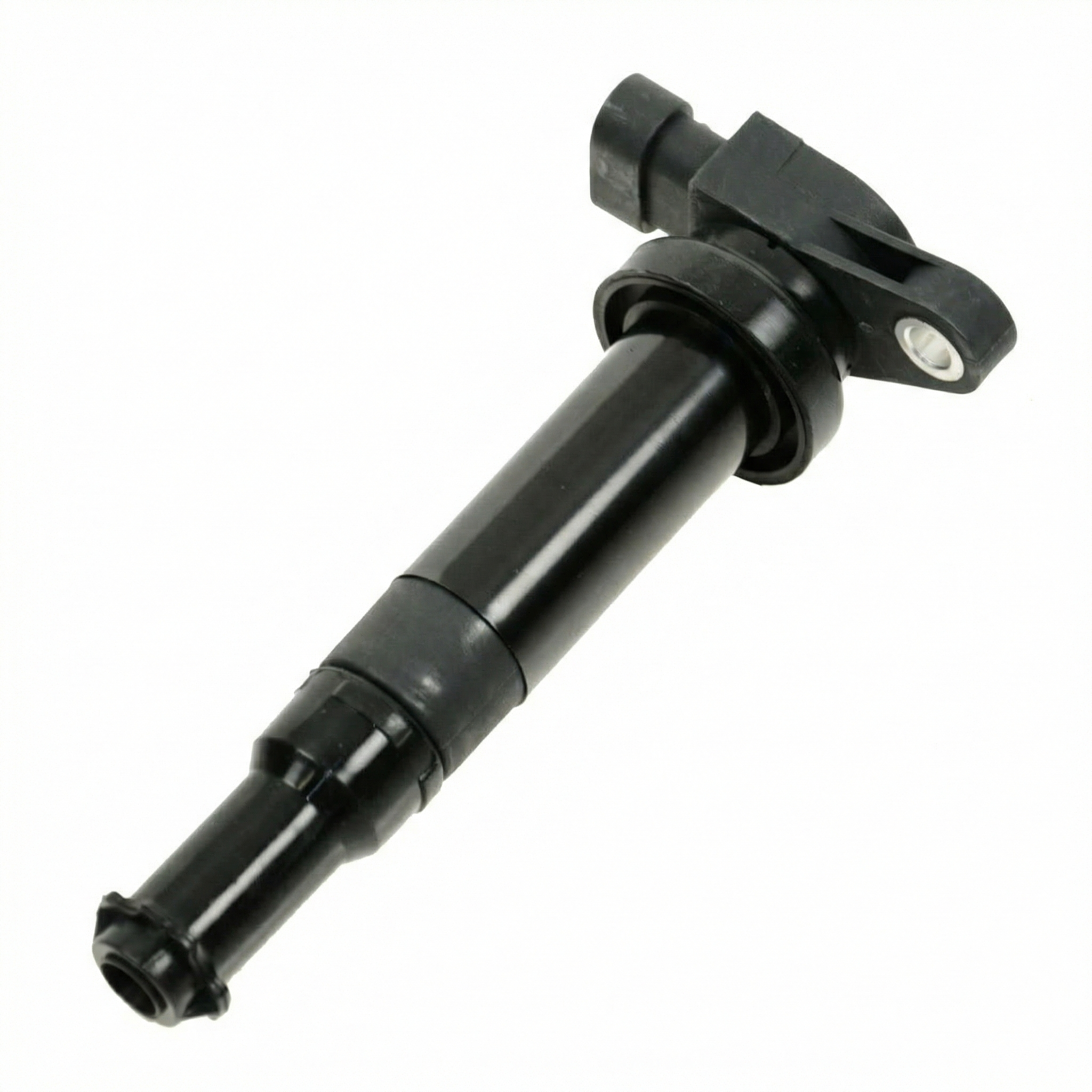
New Aftermarket Parts Available
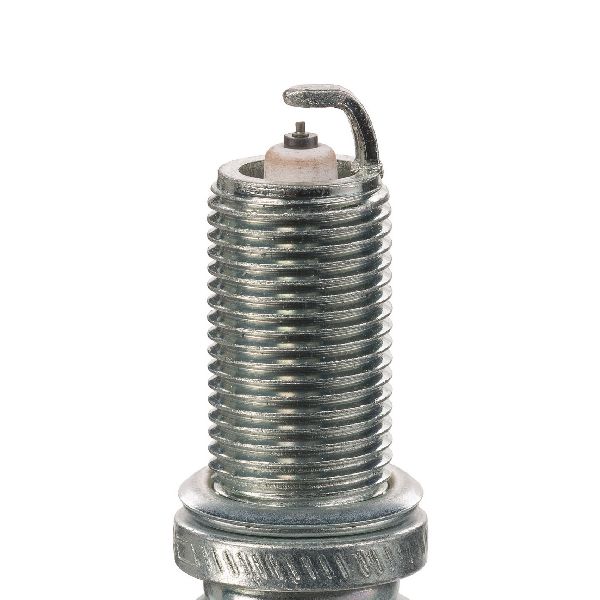


The information in this article is provided for general reference and educational purposes only. Vehicle specifications, procedures, and part compatibility can vary by production date, trim level, and region. Always consult your vehicle's factory service manual and verify part numbers before purchasing or performing repairs. Safety-critical components such as airbags, seat belts, and braking systems should be installed by a qualified professional.
- Hyundai Santa Fe:
- 🎬 Helpful Videos
- 🛍️ Shop This Part
- What's Unique About the 2007-2012 Hyundai Santa Fe
- Symptoms You May Notice
- Most Likely Causes
- Rare But Worth Checking
- Diagnosis Steps
- Parts You'll Likely Need
- Related Codes That Often Appear With This One
- Technical Service Bulletins (TSBs) & Recalls
- Platform-Specific Known Issues
- Mechanic-Grade Diagnostic Values
- Scan Tool Commands That Help
- Wiring & Ground Locations
- OEM Part Supersession History
- Model Year Variations Within This Range
- Diagnostic Flowchart
- Used vs. New Parts: Buying Guide for This Vehicle
- Real Owner Stories
- 2008 Hyundai Santa Fe V6
- Documented NHTSA Reports
- Cross-Model Ignition Circuit Faults
- Related OBD-II Codes
- Frequently Asked Questions
- 🎟️ Get 5% Off