

P0354 on 2012-2020 Chevrolet Sonic 1.4L Turbo: Ignition Coil 'D' Circuit Causes and Fixes
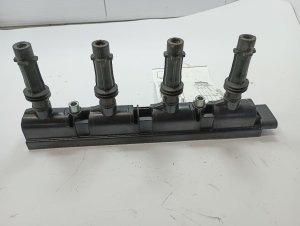
P0354 on a Chevy Sonic 1.4L Turbo almost always means the ignition coil pack for cylinder #4 has failed. This is a common issue on the GM 1.4L Turbo engine family, often fixed by replacing the entire coil pack assembly and all four spark plugs. Expect to pay $50-$120 for aftermarket parts or $150+ for OEM, with a DIY difficulty of 1/5.
- P0354 on your Sonic almost certainly points to a problem with the ignition system for cylinder #4.
- The most likely culprit is a failed ignition coil pack, which is a common problem on this engine.
- Always replace the spark plugs when you replace the ignition coil pack to ensure a lasting repair.
- If a new coil and plugs don't fix the code, immediately inspect the ECM connectors for signs of coolant contamination, as this is a known, though rare, issue.
What's Unique About the 2012-2020 Chevrolet Sonic
The 1.4L LUV Turbo engine used in the Sonic, Cruze, Trax, and Buick Encore is known for ignition coil failures. The single coil pack assembly design means that a failure in one cylinder's coil often necessitates replacing the entire unit. A more unusual, but documented, issue for this platform is the potential for coolant to leak from the thermostat housing heater and travel up the wiring harness into the Engine Control Module (ECM), causing shorts that can trigger P0351-P0354 codes. This is a critical check if a new coil pack doesn't solve the problem.
Symptoms You May Notice
- Check Engine Light is on (may be flashing if the misfire is severe)
- Rough or shaking idle
- Engine misfire, which may feel like a stumble or hesitation during acceleration
- Noticeable loss of engine power
- Reduced fuel economy
- Engine may be difficult to start
- Vibrations felt in the cabin and steering wheel
- Replacing only the spark plugs without inspecting or replacing a faulty ignition coil.
- Replacing fuel injectors or other sensors before thoroughly testing the ignition system.
- Replacing the valve cover for an oil leak without also replacing the oil-fouled spark plugs and ignition coil that were damaged by the leak.
Most Likely Causes
- Failed Ignition Coil Pack 🔴 High Probability The coil-on-plug packs on the 1.4L LUV engine are a known failure point, typically manifesting between 50,000 and 90,000 miles. They can develop cracks or internal shorts, leading to misfires.
How to confirm: Swap the position of the coil pack boot for cylinder #4 with another cylinder (e.g., cylinder #3). Clear the codes and see if the code changes to P0353. If it does, the coil pack is bad. You can also visually inspect the underside of the coil pack for cracks, burn marks, or corrosion inside the boots.
Typical fix: Replace the entire ignition coil pack assembly. It is highly recommended to replace all four spark plugs at the same time. Applying a small amount of dielectric grease to the inside of the new coil boots can prevent them from sticking to the spark plugs and seal out moisture.
Est. part cost: $50 - $180 - Worn or Fouled Spark Plugs 🟡 Medium Probability A worn spark plug with an excessive gap can strain the ignition coil, leading to its failure. Oil leaks from a failing valve cover gasket, a very common issue on this engine, can also foul the plugs by filling the spark plug tubes with oil, causing misfires.
How to confirm: Remove the ignition coil and look down into the spark plug tube for cylinder #4 with a flashlight. If there is standing oil, the valve cover gasket has failed. Remove the spark plug and inspect it for wear, oil fouling, or damage. Compare it to the other plugs. A healthy plug should have a light tan color on the insulator.
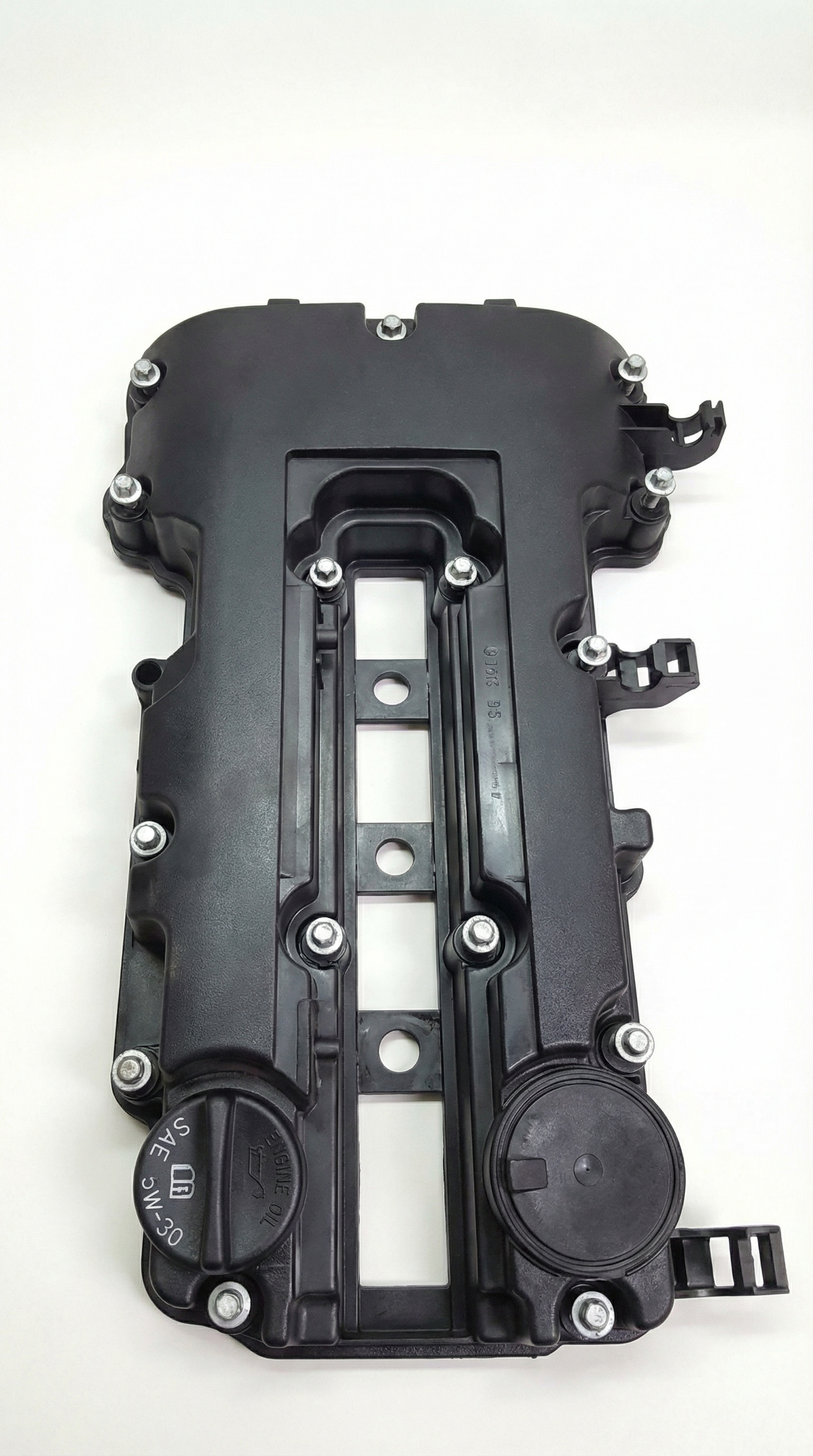
Typical fix: Replace all four spark plugs. If oil is present in the spark plug tube, the valve cover gasket must also be replaced to prevent fouling the new plugs. 🎬 See this step-by-step valve cover gasket replacement
Est. part cost: $20 - $50 - Damaged Wiring or Loose Connector ⚪ Low Probability
How to confirm: Visually inspect the wiring harness and 7-pin connector going to the ignition coil pack. Look for any signs of chafing, breaks, corrosion, or loose pins in the connector. GM issued TSB 16-NA-015 regarding poor connections at this specific connector causing hesitation.
Typical fix: Repair the damaged section of wiring or replace the connector pigtail.
Est. part cost: $15 - $40
Rare But Worth Checking
- Coolant Contamination in ECM Connector: A known issue documented in GM Preliminary Information Bulletin PIP5895A. A leaking engine coolant thermostat heater can allow coolant to travel through the wiring harness and into the Engine Control Module (ECM) X2 connector, causing short circuits. This can trigger codes P0351-P0354. If you've replaced the coil and plugs and the code persists, this is the next thing to check. The connector must be disassembled for a thorough inspection.
- Faulty Powertrain Control Module (PCM): This is very rare. The PCM's internal driver for the cylinder #4 ignition coil can fail. All other possibilities, especially coolant intrusion, should be exhausted before considering PCM replacement, as it is expensive and requires programming.
Diagnosis Steps
- Read the code with an OBD-II scanner to confirm P0354 and check for any other related codes like P0304.
- Perform a visual inspection. Remove the plastic engine cover. Check the ignition coil pack for any visible cracks or damage. Inspect the wiring harness and connector for obvious issues like corrosion or loose pins.
- Check for oil in the spark plug tubes. Use a flashlight to look down into the wells. If you see standing oil, the valve cover gasket is leaking 🎬 Watch: Why oil gets in spark plug wells and needs to be replaced along with the plugs and coil.
- Test the ignition coil. The easiest method is to swap components. Unbolt the coil pack, and swap the rubber boot and spring from cylinder #4 with cylinder #3. Reinstall, clear the codes, and run the engine. If the code changes to P0353 (for cylinder #3), you have confirmed the coil pack is faulty.
- Inspect the spark plugs. If the coil seems okay, remove the spark plugs and inspect them for wear, damage, or fouling. Replace them as a set if they are worn or if their condition is suspect.
- Check for coolant intrusion (if coil/plugs are good). Carefully disconnect the X2 connector at the ECM. You must take the connector apart to properly inspect for any signs of green or pink coolant residue or corrosion. If found, this is the root cause, per TSB PIP5895A.
- If all else fails, test the circuit. Using a multimeter and a wiring diagram, you can check for 12V power, good ground, and the integrity of the trigger signal wire from the PCM to the ignition coil connector.
Parts You'll Likely Need
- Ignition Coil Pack
(OEM #55579072 (superseded by 25198623))— This is the most frequent cause of P0354 on the 1.4L Turbo engine. The entire pack is replaced as a single unit.
Trusted brands: ACDelco (OEM), Delphi, NGK, Bosch
OEM price range: $150-$200
Aftermarket price range: $50-$120 - Spark Plugs
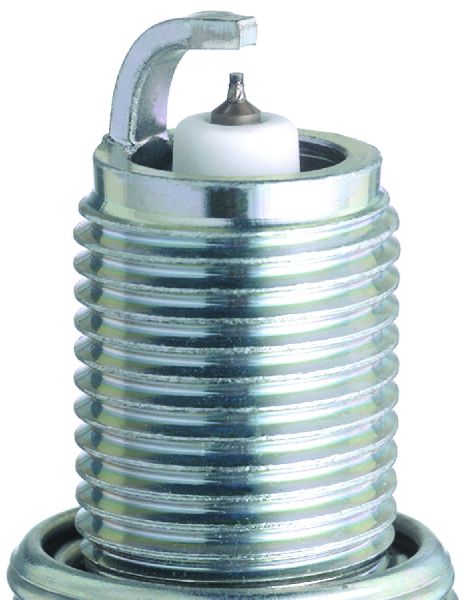
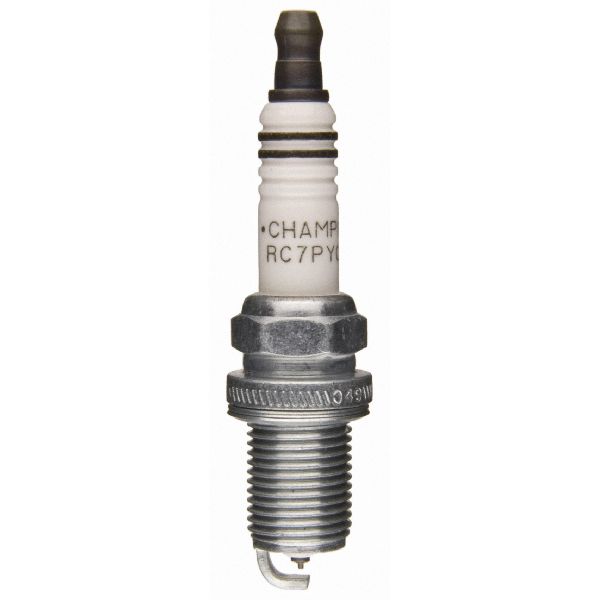
(OEM #ACDelco 41-121 (or equivalent Iridium plug))— It is best practice to replace spark plugs when replacing an ignition coil, as worn plugs can cause the new coil to fail prematurely.
Trusted brands: ACDelco Iridium (OEM), NGK Laser Iridium
OEM price range: $30-$50 (set of 4)
Aftermarket price range: $20-$40 (set of 4) - Valve Cover Gasket
(OEM #25198874 (Gasket for Valve Cover))— Needed if oil is found in the spark plug tubes, which is a common issue on this engine that leads to misfires and coil failure.
Trusted brands: ACDelco (OEM), Fel-Pro
OEM price range: $40-$60
Aftermarket price range: $20-$40
Related Codes That Often Appear With This One
- P0304 — P0304 means 'Cylinder 4 Misfire Detected.' Since P0354 indicates a fault in the ignition circuit for cylinder 4, a misfire in that same cylinder is a direct consequence.
- P0300 — P0300 means 'Random/Multiple Cylinder Misfire Detected.' While P0354 is specific to cylinder 4, a severe misfire there can sometimes be misinterpreted by the PCM as a random misfire, especially at idle.
Technical Service Bulletins (TSBs) & Recalls
- PIP5895A: Diagnostic Aid for DTC P0351-P0354... due to coolant wicking up the engine coolant thermostat heater circuit and getting into the ECM connector causing bleed over or shorting of circuits.
- 16-NA-015: Mentions that a poor connection at the 7-pin ignition coil electrical connector could cause stalling or hesitation, requiring inspection and possible pigtail replacement.
- TSB Bulletin #PIP5038B: Notes that technicians may find DTCs P0351 through P0356 alongside misfire codes P0300-P0306, and should follow published Service Information diagnostics first.
Platform-Specific Known Issues
- Coolant Wicking to ECM: As detailed in GM TSB PIP5895A, a faulty thermostat heater can cause coolant to travel through the wiring harness to the ECM, causing various electrical faults, including ignition coil circuit codes P0351-P0354. This affects the Sonic as well as its platform mates like the Cruze, Trax, and Encore.
Mechanic-Grade Diagnostic Values
- Ignition Coil Primary Winding Resistance — expected: 0.4 - 2.0 Ohms. Failure: A reading outside this range indicates a fault in the coil's primary circuit.
- Ignition Coil Secondary Winding Resistance — expected: 6,000 - 10,000 Ohms (6kΩ - 10kΩ). Failure: A reading outside this range, or an open loop (OL) reading, indicates a failed secondary winding.
- Ignition Coil Retaining Bolt Torque — expected: 71 inch-pounds. Failure: Under-torquing can lead to poor seating and vibration damage; over-torquing can crack the coil housing.
Scan Tool Commands That Help
- Professional Scan Tool (e.g., GDS2, Snap-on, Autel): Coil Driver Test / Actuator Test — Use this function after confirming the coil pack and wiring are good. It commands the ECM to cycle the driver for cylinder 4, allowing you to monitor the voltage response with a multimeter or lab scope to confirm the ECM itself is functioning correctly.
Wiring & Ground Locations
- Underhood Fuse Block — In the engine compartment, next to the driver's side strut tower.. Contains the 'Coil' 20A fuse which supplies power to the ignition coil pack. A blown fuse here will disable the entire coil pack.
- G107 — Lower left rear of the engine block.. This is a primary engine block and powertrain ground. A loose or corroded connection at G107 can cause insufficient or unstable ground for the ignition system, leading to intermittent misfires and codes like P0354.
- Ignition Coil Connector — The 7-pin connector plugging into the top of the ignition coil pack assembly.. This is the single point of connection for power, ground, and trigger signals for all four coils. Check for backed-out pins, corrosion, or a loose fit, as noted in TSB 16-NA-015.
Real Owner Repair Stories
- Jeep KJ and KK Liberty Forum (2003 Jeep Liberty (Note: Different vehicle, but illustrates a universal diagnostic challenge with this code)) — CEL came on, started flashing, engine stumbled badly. A coolant leak was found dripping near cylinder 4.
❌ Tried (didn't work) Replaced the ignition coil for cylinder 4, Replaced the spark plug for cylinder 4, Swapped the coil and plug with another cylinder, Cleaned engine-to-chassis grounds
✅ What actually fixed it The problem remained on cylinder 4 even after swapping the coil and plug, and checking wiring continuity to the PCM was good. The user suspected a faulty PCM, as the scan tool would lose connection during the severe misfire event, indicating a significant electrical issue. This demonstrates that if the code does not move when swapping components, the fault lies in the wiring or the PCM driver for that specific cylinder.
OEM Part Supersession History
55579072, 25195107→25198623— Standard part revision and consolidation by the manufacturer.
Diagnostic Flowchart
Other Known Issues on This Vehicle
Issues unrelated to this code that are worth knowing about as an owner of this generation:
- PCV System Failure (Valve Cover & Intake Manifold) 🔴 High — Extremely common. The PCV diaphragm in the valve cover tears, or the check valve in the intake manifold gets dislodged, causing a massive vacuum leak. Often presents with a P0171 (System Too Lean) code, hissing noise, and rough idle. (Ref: Special Coverage Adjustment 14882 (and others) extended the warranty to 10 years/120,000 miles for some model years.)
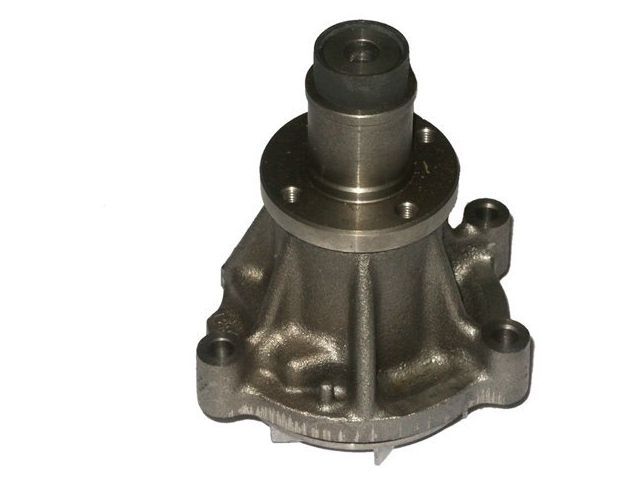
- Leaking Water Pump 🔴 High — A very common failure point, leading to coolant loss and potential overheating. Leaks can occur from the pump's weep hole or shaft seal. (Ref: TSB 14371B / Special Coverage extended the warranty to 10 years/150,000 miles for affected 2012-2014 models.)
- Leaking Thermostat Housing / Faulty Heater 🟠 Medium — The plastic thermostat housing is prone to cracking and leaking coolant. The integrated heater element can also fail, causing a P0597 code. This leak is the source of the coolant wicking issue that can cause P0354.
- Valve Cover Gasket Oil Leak 🟠 Medium — Very common for the valve cover gasket to degrade and leak oil onto the exhaust manifold (causing a burning smell) and into the spark plug tubes (causing misfires).
- Cracked Coolant Reservoir 🟡 Low — The plastic coolant overflow tank is known to develop stress cracks, especially at the bottom, causing slow, hard-to-find coolant leaks.
Used vs. New Parts: Buying Guide for This Vehicle
When a used part is the smart pick: For this repair, a used ignition coil pack is NOT recommended. It is a known high-failure part with a limited service life. A used wiring harness pigtail or connector from a junkyard can be a cost-effective option if only the connector is damaged.
Donor-vehicle mileage cap: roughly under 30000 miles for the part to have meaningful remaining life.
What to inspect on the donor part:
- For a connector/pigtail, ensure the plastic isn't brittle and the locking tabs are intact.
- If forced to consider a used coil pack, visually inspect for any cracks on the top plastic housing.
- Pull back the rubber boots and check the metal contact springs for any signs of white or green corrosion.
OEM-only on this vehicle (don't cheap out):
- Engine Control Module (ECM/PCM) - Must be new or a professionally remanufactured unit and requires vehicle-specific programming to function.
Aftermarket brands forum-validated for this vehicle:
- Delphi (often the Original Equipment Manufacturer for the ACDelco part)
- NGK
- Bosch
- ZZPerformance (performance-oriented option)
Brands owners have reported issues with on this vehicle:
- Unbranded, low-cost 'white-box' ignition coils from online marketplaces. While tempting, they often have a high premature failure rate, leading to repeated repairs.
Real Owner Stories
Aggregated from forums and TSBs cited above. Mileages and costs reflect what owners reported in those sources.
2012-2020 Chevrolet Sonic 1.4L LUV — 1600 miles
Symptoms: Flashing check engine light and misfire.
What fixed it: The dealer diagnosed and replaced a failed ignition coil pack.
Source hint: Sonic Owners Forum
2014 Chevrolet Sonic 1.4L
Symptoms: Oil leak consistent with PCV failure.
What fixed it: Troubleshooting the orange intake manifold check valve and replacing the valve cover due to a ruptured diaphragm.
Source hint: Reddit r/ChevySonic thread titled 'Potential PCV Issur'
Related OBD-II Codes
Frequently Asked Questions
Can a coolant leak cause the P0354 code on my Chevrolet Sonic?
Is there a specific mileage when the ignition coil pack usually fails on the 1.4L LUV engine?
I have a hesitation issue but no coil cracks; could it be the connector?
Does the common PCV system failure on the Sonic relate to misfire codes?
Could an oil leak be causing my P0354 code?
Is the water pump failure on my 2012 Sonic covered by a special warranty?
Helpful Videos
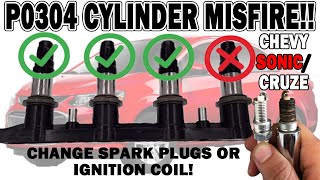
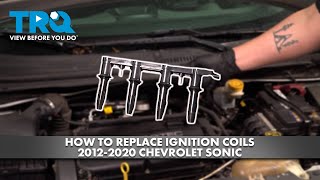
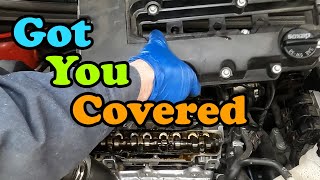

Used OEM Parts in Stock
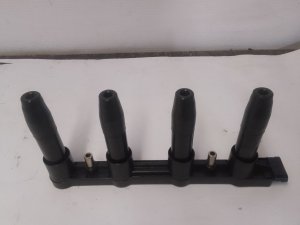
New Aftermarket Parts Available



The information in this article is provided for general reference and educational purposes only. Vehicle specifications, procedures, and part compatibility can vary by production date, trim level, and region. Always consult your vehicle's factory service manual and verify part numbers before purchasing or performing repairs. Safety-critical components such as airbags, seat belts, and braking systems should be installed by a qualified professional.
- Chevrolet Sonic:
- 🎬 Helpful Videos
- 🛍️ Shop This Part
- What's Unique About the 2012-2020 Chevrolet Sonic
- Symptoms You May Notice
- Most Likely Causes
- Rare But Worth Checking
- Diagnosis Steps
- Parts You'll Likely Need
- Related Codes That Often Appear With This One
- Technical Service Bulletins (TSBs) & Recalls
- Platform-Specific Known Issues
- Mechanic-Grade Diagnostic Values
- Scan Tool Commands That Help
- Wiring & Ground Locations
- Real Owner Repair Stories
- OEM Part Supersession History
- Diagnostic Flowchart
- Other Known Issues on This Vehicle
- Used vs. New Parts: Buying Guide for This Vehicle
- Real Owner Stories
- 2012-2020 Chevrolet Sonic 1.4L LUV — 1600 miles
- 2014 Chevrolet Sonic 1.4L
- Related OBD-II Codes
- Frequently Asked Questions
- 🎟️ Get 5% Off