

P0352 on 2007-2011 Hyundai Elantra 2.0L: Ignition Coil 'B' Circuit Causes and Fixes
P0352 on a 2007-2010 Hyundai Elantra almost always means the ignition coil on cylinder #2 has failed. A simple 'coil swap' test can confirm this. Expect to pay $40-$90 for a new coil, which is a 15-minute DIY fix. Check for oil in the spark plug tube, as a leaking valve cover gasket is a common root cause leading to repeat failures.
- P0352 means there's an electrical problem with the ignition coil on cylinder #2.
- The most likely fix is replacing the cylinder #2 ignition coil, a simple and inexpensive DIY task.
- Always perform a 'coil swap' test to confirm the coil is the faulty part before buying a replacement.
- When you remove the coil, check for oil in the spark plug tube. If oil is present, you must also replace the valve cover gasket and tube seals to prevent the new coil from failing.
- Do not drive the vehicle if the Check Engine Light is flashing, as this can cause expensive damage to your catalytic converter.
What's Unique About the 2007-2011 Hyundai Elantra
For the 2007-2010 Elantra with the 2.0L Beta II (G4GC) engine, this code is straightforward. The vehicle uses a reliable coil-on-plug system, with one coil per cylinder, making diagnosis simple. A very common issue on this platform is the valve cover gasket and integrated spark plug tube seals becoming hard and brittle over time. This allows engine oil to leak into the spark plug wells, which saturates the ignition coil boot and can cause the coil to short out or misfire, triggering the P0352 code.
Generation note: The 2007-2011 year range covers two Elantra generations. This guide specifically applies to the 2007-2010 (HD) generation equipped with the 2.0L Beta II (G4ED/G4GC) engine. The 2011 model year began the new 'MD' generation for the Elantra sedan, which typically used a different 1.8L Nu engine in North America, so the causes and parts may differ. The Elantra Touring model, however, continued to use the 2.0L engine through 2012.
Symptoms You May Notice
- Check Engine Light is on (can be solid or flashing)
- Engine misfiring, which feels like shaking, stumbling, or rough idling
- Noticeable loss of engine power and poor acceleration
- Reduced fuel economy
- Engine may be difficult to start
- Sputtering or hesitation from the engine
- Replacing only the spark plug without checking the ignition coil.
- Replacing the ignition coil without checking for and fixing an oil leak from the valve cover gasket, leading to repeat failure of the new coil.
- Assuming the PCM is bad before thoroughly testing the coil, plug, and wiring harness.
Most Likely Causes
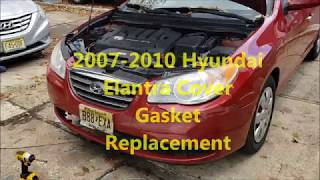
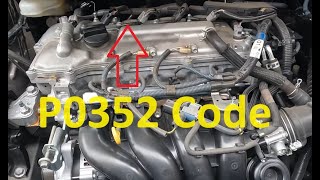
- Failed Ignition Coil (Cylinder #2) 🔴 High Probability This is the most common failure point for this code. 🎬 Watch: A breakdown of P0352 causes and how to fix them. Heat cycles and age cause the internal windings of the coil to break down. Oil contamination from a leaking valve cover gasket is also a very frequent cause of failure on this specific engine.
How to confirm: Swap the ignition coil from cylinder #2 with another cylinder (e.g., cylinder #3). Clear the codes with a scanner. If the code returns as P0353, the coil is faulty. This is the most reliable diagnostic step.
Typical fix: Replace the failed ignition coil. It is held in by a single 10mm bolt.
Est. part cost: $40-$90 - Leaking Valve Cover Gasket and Spark Plug Tube Seals 🟡 Medium Probability The rubber gaskets become hard and brittle with age and heat, allowing oil to leak directly into the spark plug tubes. This oil damages the ignition coil boot and can cause the coil to short out or interfere with the electrical signal.
How to confirm: When you remove the ignition coil for cylinder #2, visually inspect the spark plug tube and the coil boot. If there is liquid engine oil present, the gaskets are leaking.
Typical fix: Replace the valve cover gasket and the four spark plug tube seals as a set. It is critical to clean all the oil out of the spark plug tube before installing the new coil to prevent a repeat failure.
Est. part cost: $20-$50 for a gasket set - Worn or Fouled Spark Plug (Cylinder #2) ⚪ Low Probability A spark plug with an excessive gap or heavy deposits from oil fouling can increase the electrical load on the ignition coil, contributing to its failure over time. While less common than the coil itself, it's a frequent contributing factor.
How to confirm: Remove and inspect the spark plug from cylinder #2. Look for a worn electrode, cracks in the porcelain, or heavy carbon/oil fouling.
Typical fix: Replace the spark plug. It is good practice to replace all four spark plugs if they are near the end of their service life (typically 60,000-100,000 miles). 🎬 Watch: How to properly change the spark plugs on your Elantra.
Est. part cost: $5-$15 per plug - Damaged Wiring or Connector ⚪ Low Probability
How to confirm: Visually inspect the wiring harness and connector for the cylinder #2 ignition coil. Look for broken/chewed wires, melted plastic, or corroded pins. Wiggle the connector with the engine running to see if it affects the misfire.
Typical fix: Repair the damaged section of wire or replace the connector pigtail.
Est. part cost: $10-$25 for a new connector
Rare But Worth Checking
- Failed Powertrain Control Module (PCM): This is extremely rare. The PCM contains internal driver circuits that fire the coils, and one can fail. All other possibilities (coil, plug, wiring, oil leaks) should be exhaustively ruled out before considering PCM replacement, as it is expensive and requires programming.
Diagnosis Steps
- Read the trouble codes with an OBD-II scanner to confirm P0352 and check for other codes like P0302.
- Locate cylinder #2. On the 2.0L engine, it is the second cylinder from the left (passenger side) when facing the engine from the front of the car.
- Swap the ignition coil from cylinder #2 with the coil from an adjacent cylinder (e.g., cylinder #1 or #3). This is the most crucial diagnostic step.
- Clear the trouble codes using the scanner.
- Start the engine and let it run or drive it briefly until the check engine light comes back on.
- Re-scan for codes. If the code has moved to the cylinder where you placed the suspect coil (e.g., P0351 for cylinder 1 or P0353 for cylinder 3), you have confirmed the ignition coil is bad and needs replacement.
- If the code remains P0352, the problem is likely in the wiring or the PCM. Visually inspect the connector and wiring to cylinder #2's coil for any signs of damage, melting, or corrosion.
- While the coil is removed, look down into the spark plug tube with a flashlight. If you see pooled oil, the valve cover gasket and tube seals must be replaced to prevent future coil failures.
Parts You'll Likely Need
- Ignition Coil
(OEM #27301-23700)— This is the most frequent cause of a P0352 code. The original part number may be superseded by 27301-23710.
Trusted brands: Delphi, NGK, Bosch, Denso
OEM price range: $100-$160
Aftermarket price range: $40-$90 - Valve Cover Gasket Kit (with Spark Plug Tube Seals)
(OEM #22441-23800 (Gasket), 22443-23700 (Tube Seals))— A common root cause of coil failure on this engine is an oil leak from hardened spark plug tube seals. This kit is required to fix the leak. The tube seals are often the primary point of failure.
Trusted brands: Fel-Pro, Mahle, Beck/Arnley
OEM price range: $40-$60
Aftermarket price range: $20-$50 - Spark Plug
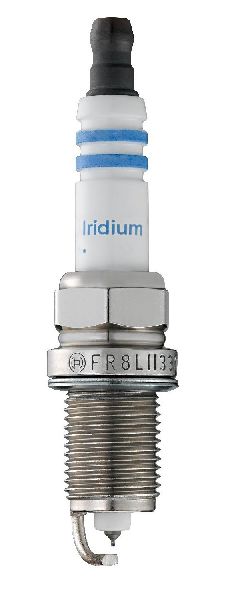
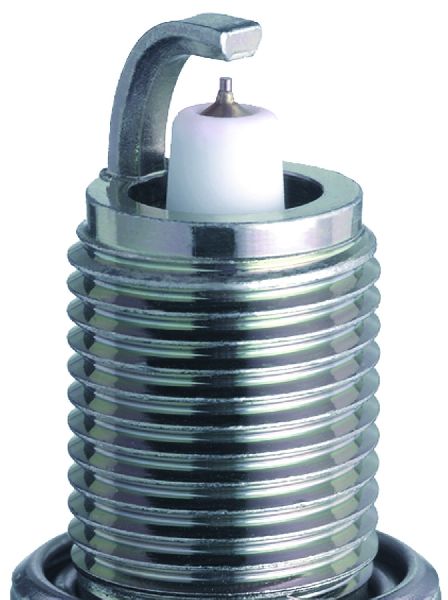
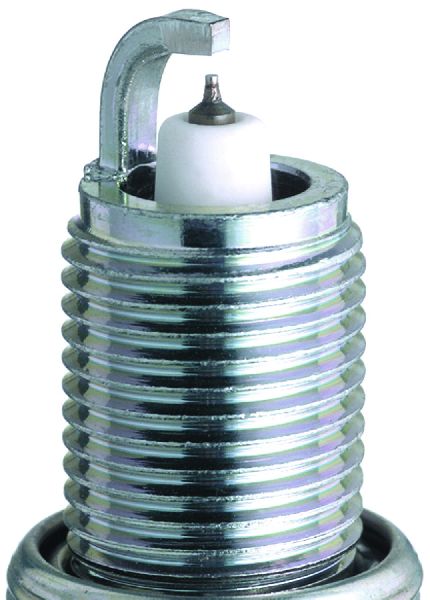
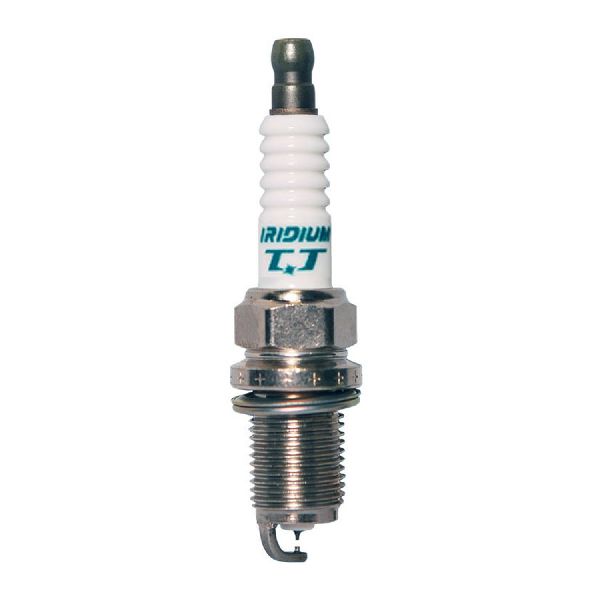
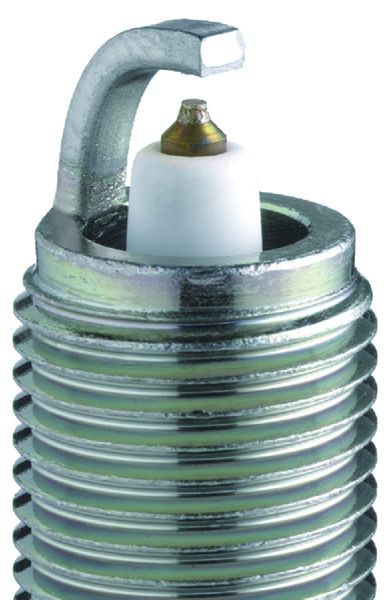
(OEM #NGK: BKR5ES-11 or Denso: K16PR-U11 (Verify with VIN))— It is best practice to replace the spark plug in the affected cylinder when replacing the coil, especially if it was fouled by oil. If all plugs are old, they should be replaced as a set.
Trusted brands: NGK, Denso
OEM price range: $10-$20
Aftermarket price range: $5-$15
Related Codes That Often Appear With This One
- P0302 — This code means 'Cylinder 2 Misfire Detected.' Since P0352 indicates a fault that prevents the spark plug from firing, a misfire on that cylinder is a direct and expected result. These two codes almost always appear together.
- P0300 — This code means 'Random/Multiple Cylinder Misfire.' If the misfire from cylinder #2 is severe enough to disrupt the engine's overall balance and rotational speed, the PCM may also flag this code.
Platform-Specific Known Issues
- Owner Experience: Repeat Failures Until Gasket Replaced: Multiple owners on forums report replacing the ignition coil for P0352 only to have the code return weeks or months later. The issue was only permanently resolved after they also replaced the valve cover gasket and tube seals, which had been leaking oil into the spark plug well and destroying the new coil.
Mechanic-Grade Diagnostic Values
- Ignition Coil Primary Winding Resistance — expected: 0.75 Ω ± 15% at 20°C (68°F). Failure: A reading outside of this range indicates a faulty coil.
- Ignition Coil Secondary Winding Resistance — expected: 5.9 kΩ at 20°C (68°F). Failure: A reading significantly different from this value suggests an internal coil failure.
- Ignition Coil Connector - Power Supply Pin — expected: 12V (Battery Voltage) with Key On, Engine Off. Failure: No voltage or low voltage indicates a problem with the power supply circuit to the coil, not the coil itself.
Scan Tool Commands That Help
- Hyundai GDS (Global Diagnostic System): Actuation Test -> Ignition Coils — This bidirectional command allows a technician to force the PCM to fire a specific ignition coil on demand. It's used to verify if the PCM driver and the wiring to the coil are functioning correctly, which is essential if a new coil doesn't fix the P0352 code.
- Hyundai GDS (Global Diagnostic System): Trigger Module (Flight Record) — For intermittent misfires or P0352 codes that don't set immediately, this function records sensor data during a drive cycle. It can capture the exact moment the fault occurs, helping to distinguish between a wiring issue that only appears with vibration and a failing component.
Wiring & Ground Locations
- Ignition Coil #2 Connector Pin 1 — The connector on top of the ignition coil for cylinder #2.. This pin is the Ignition Control signal from the ECM. A back-probe test here should show a switching signal (pulsing ground) when the engine is cranking or running. A lack of signal points to a wiring or ECM problem.
- Ignition Coil #2 Connector Pin 2 — The connector on top of the ignition coil for cylinder #2.. This is the power supply pin. It should have battery voltage with the key on. No voltage here indicates a blown fuse or a break in the power feed wire.
- Ignition Coil #2 Connector Pin 3 — The connector on top of the ignition coil for cylinder #2.. This is the ground pin. A voltage drop test between this pin and the battery negative terminal is crucial. High resistance here will weaken the coil's performance and can cause a P0352.
- Primary Engine Ground Strap — On many Hyundai models of this era, a key ground strap connects the engine block or transmission case to the chassis, often near the battery tray or on the driver's side frame rail.. Corrosion or a loose connection at this primary ground point can cause intermittent and hard-to-diagnose electrical issues, including weak spark and ignition coil fault codes. A mechanic noted that when coil packs fail repeatedly, a bad ground is a likely culprit.
Real Owner Repair Stories
- Reddit user in r/Hyundai (2017 Hyundai Elantra SE (newer model, but same principle)) — Car sputters and shakes while idling, sometimes dies during deceleration. Threw a cylinder 4 misfire code.
❌ Tried (didn't work) Replaced all four spark plugs and ONE ignition coil at the dealership ($2000), problem returned after a month., Replaced starter., Replaced crankshaft and camshaft sensors., Mechanic swapped coils and plugs but couldn't replicate the problem in the shop.
✅ What actually fixed it The owner was advised by their mechanic to use only OEM coils, as aftermarket coils were suspect. The implication is that replacing the remaining coils with OEM parts would resolve the persistent, intermittent issue that part-swapping and other sensor replacements did not fix.
OEM Part Supersession History
27301-23700→27301-23710— Standard part revision and update by the manufacturer.
Heads up: The new part number (27301-23710) replaces the original and should be fully compatible.
Diagnostic Flowchart
Other Known Issues on This Vehicle
Issues unrelated to this code that are worth knowing about as an owner of this generation:
- Failing Front Lower Control Arm Bushings 🟠 Medium — Common after 80,000-120,000 miles. Causes clunking noises over bumps, uneven tire wear, and loose steering feel.
- Failing Rear Trailing Arm Bushings 🟠 Medium — A known issue on the HD Elantra platform, causing a distinct clunking or rattling sound from the rear suspension over bumps.
- Malfunctioning Stop Lamp Switch 🔴 High — Subject to a major recall. The switch can fail, causing brake lights to not illuminate, the ESC light to turn on, and an inability to shift out of Park. (Ref: NHTSA Campaign Number: 13V113000)
- Potential for ABS Module Electrical Short 🔴 High — A recall was issued because moisture can enter the ABS module, creating a risk of an electrical short and potential engine compartment fire, even when the car is off. (Ref: NHTSA Campaign Number: 20V061000)
- Worn Power Steering Coupler (Elantra MD, but relevant context) 🟡 Low — Extremely common on the following (MD) generation (2011+), but not the HD. Causes a clicking or clunking noise in the steering column when turning. The HD generation uses a hydraulic system, not the affected electronic power steering (MDPS).
- Faulty Crankshaft Position Sensor 🟠 Medium — Can fail intermittently, causing stalling or a no-start condition that can be difficult to diagnose.
Used vs. New Parts: Buying Guide for This Vehicle
When a used part is the smart pick: For this repair, using a used ignition coil is generally not recommended. They are a common failure item and have a finite lifespan. A used coil from a junkyard has an unknown history and could fail shortly after installation, wasting time and effort. It only makes sense in an emergency to get the vehicle running temporarily.
Donor-vehicle mileage cap: roughly under 60000 miles for the part to have meaningful remaining life.
What to inspect on the donor part:
- Check for cracks, melting, or swelling on the coil's plastic housing.
- Ensure the electrical connector pins are straight and free of corrosion.
- Look for a clean, dry coil boot without any signs of oil saturation.
- If possible, test the resistance of the primary and secondary windings with a multimeter before purchase.
OEM-only on this vehicle (don't cheap out):
- Ignition Coil
Aftermarket brands forum-validated for this vehicle:
- NGK
- Denso
- Delphi
Brands owners have reported issues with on this vehicle:
- Unbranded, low-cost 'white box' coils from online marketplaces are frequently cited in forums as being unreliable, sometimes failing within weeks or months. A former Hyundai parts dealer noted that many aftermarket coils had incorrectly shaped connectors that would not lock securely.
Real Owner Stories
Aggregated from forums and TSBs cited above. Mileages and costs reflect what owners reported in those sources.
2007-2011 Hyundai Elantra 2.0L
Symptoms: The owner replaced the ignition coil for P0352 only to have the code return weeks or months later.
What fixed it: The issue was permanently resolved after replacing the valve cover gasket and tube seals, which had been leaking oil into the spark plug well.
Source hint: vehicle_specific_issues: Owner Experience: Repeat Failures Until Gasket Replaced
2017 Hyundai Elantra
Symptoms: Misfire with oil found in the spark plug wells.
What fixed it: Commenters identified the valve cover gasket as the root cause of the oil-fouled wells causing the misfire.
Source hint: reddit.com/r/MechanicAdvice: A thread titled '2017 Hyundai Elantra Misfire Oil In Wells?'
2007-2011 Hyundai Elantra 2.0L
Symptoms: Frustration with the P0352 code returning even after parts were replaced.
What fixed it: The discussion highlights the importance of thorough diagnosis beyond just swapping the coil, such as checking for oil contamination or wiring issues.
Source hint: reddit.com/r/MechanicAdvice: A thread titled 'Annoying Ignition Code P0352'
Related OBD-II Codes
Frequently Asked Questions
Where is cylinder #2 located on my 2007-2011 Elantra 2.0L engine?
Is there a recall for the ABS module on my Elantra that I should be aware of while fixing this?
I replaced the coil for P0352 but the code came back. Is there a common reason for this on the Elantra?
What is the specific part number for the ignition coils used in the Elantra and its Kia platform mates?
My brake lights aren't working and I can't shift out of Park; is this related to the P0352 code?
Can I use the same diagnostic steps for my 2008 Hyundai Tiburon 2.0L?
Helpful Videos

Used OEM Parts in Stock


New Aftermarket Parts Available


The information in this article is provided for general reference and educational purposes only. Vehicle specifications, procedures, and part compatibility can vary by production date, trim level, and region. Always consult your vehicle's factory service manual and verify part numbers before purchasing or performing repairs. Safety-critical components such as airbags, seat belts, and braking systems should be installed by a qualified professional.
- Hyundai Elantra:
- 🎬 Helpful Videos
- 🛍️ Shop This Part
- What's Unique About the 2007-2011 Hyundai Elantra
- Symptoms You May Notice
- Most Likely Causes
- Rare But Worth Checking
- Diagnosis Steps
- Parts You'll Likely Need
- Related Codes That Often Appear With This One
- Platform-Specific Known Issues
- Mechanic-Grade Diagnostic Values
- Scan Tool Commands That Help
- Wiring & Ground Locations
- Real Owner Repair Stories
- OEM Part Supersession History
- Diagnostic Flowchart
- Other Known Issues on This Vehicle
- Used vs. New Parts: Buying Guide for This Vehicle
- Real Owner Stories
- 2007-2011 Hyundai Elantra 2.0L
- 2017 Hyundai Elantra
- 2007-2011 Hyundai Elantra 2.0L
- Related OBD-II Codes
- Frequently Asked Questions
- 🎟️ Get 5% Off