

P0351 on 2009-2013 Toyota Corolla: Ignition Coil 'A' Circuit Causes and Fixes
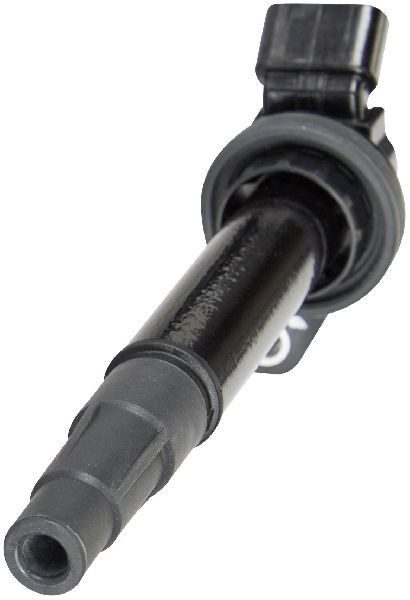
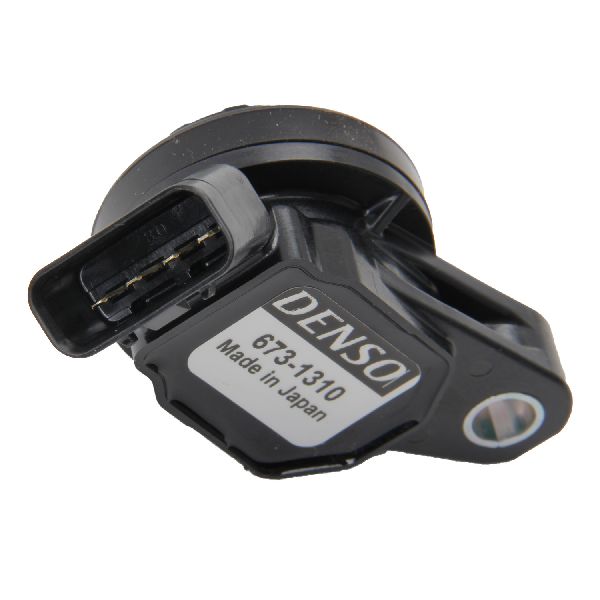
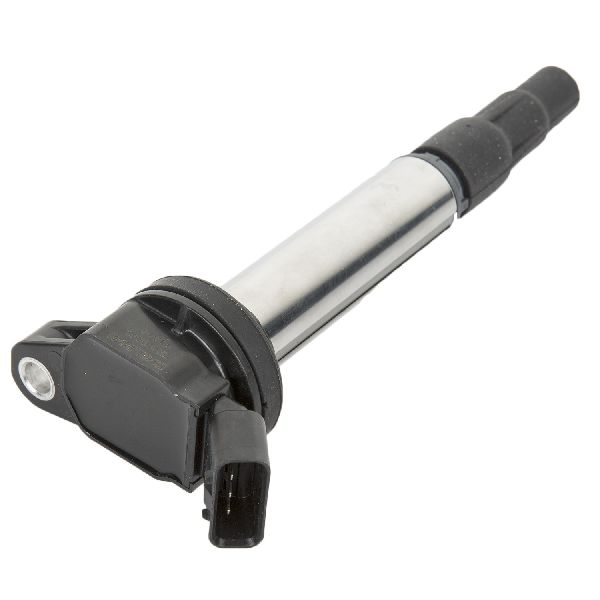
On a 2009-2013 Toyota Corolla, code P0351 almost always means the ignition coil for cylinder #1 has failed. A DIY replacement with an OEM-quality Denso coil (part no. 673-1310) costs about $85 and takes less than 30 minutes.
- P0351 on your Corolla means the ignition coil on cylinder #1 (passenger side) has a problem.
- The most likely cause is a failed ignition coil, which is a simple and inexpensive DIY fix.
- Use the 'coil swap' method to confirm the coil is bad before buying parts.
- Do not drive for an extended period with this code, as you risk damaging your catalytic converter.
- For best results, use an OEM-quality replacement coil from a brand like Denso (part number 673-1310).
What's Unique About the 2009-2013 Toyota Corolla

The 2ZR-FE engine in the 10th generation Corolla uses a reliable and straightforward coil-on-plug ignition system. There are no widespread, systemic issues causing P0351 on this platform; failures are typically due to normal wear and tear on individual coils after many miles. The primary OEM supplier for these coils is Denso, known for its long-term reliability, so failures before 100,000 miles are uncommon but not impossible.
Symptoms You May Notice
- Check Engine Light is on (may be flashing if the misfire is severe enough to threaten the catalytic converter).
- Engine shaking or vibrating (misfire), especially at idle or under load.
- Noticeable loss of engine power and poor acceleration.
- Rough or unstable idle.
- Increased fuel consumption.
- Engine may stall at low speeds or idle.
- Replacing the fuel injector for cylinder #1. While a bad injector can cause a misfire (P0301), it will not cause the specific electrical circuit code P0351.
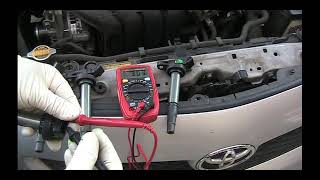
- Replacing all four ignition coils immediately. While not necessarily a bad idea on a high-mileage vehicle, the simple coil swap test 🎬 Watch: How to test and fix Corolla ignition coil codes. can save you from buying unnecessary parts if the issue is just wiring.
Most Likely Causes

- Failed Ignition Coil on Cylinder #1 🔴 High Probability Ignition coils are wear items that operate under high voltage and heat. After many years and miles (typically over 100,000), the internal windings can break down, leading to failure.
How to confirm: The easiest way is to swap the ignition coil from cylinder #1 (the 'A' coil) with the coil from cylinder #2. Clear the codes and drive the car. If the code returns as P0352 ('Ignition Coil 'B' Circuit'), the coil is faulty. If P0351 returns, the problem is in the wiring or ECM.
Typical fix: Replace the faulty ignition coil. It is held in by a single 10mm bolt. While you can replace just the one, if the coils are original and have high mileage, it's wise to consider replacing all four to prevent future failures.
Est. part cost: $80-$130 for one OEM-quality (Denso) coil. - Damaged Wiring or Connector ⚪ Low Probability
How to confirm: Visually inspect the wiring harness and the plastic connector for the cylinder #1 ignition coil. Look for brittle or broken wires, chafing, or corrosion on the pins inside the connector. Wiggle the harness while the engine is running to see if it induces a misfire. Check that the connector 'clicks' securely into place. If the coil swap test did not move the code, this is the next step.
Typical fix: Repair the damaged section of wire or replace the connector pigtail. In some cases, rodent damage to the soy-based wire insulation can cause shorts or opens in the harness.
Est. part cost: $10-$25 for a new pigtail connector. - Worn or Fouled Spark Plug in Cylinder #1 ⚪ Low Probability While less common for causing a P0351 (which is an electrical circuit code), a completely failed or fouled spark plug can sometimes cause a feedback issue that the ECM interprets as a coil circuit problem. This is more likely if spark plugs haven't been changed at the recommended 120,000-mile interval.
How to confirm: After removing the ignition coil, remove the spark plug from cylinder #1. Inspect it for heavy carbon buildup, oil fouling, or a cracked insulator. Compare it to the other plugs.
Typical fix: Replace the spark plug. If one is bad and they are all old, replace all four with high-quality Iridium plugs (e.g., Denso or NGK).
Est. part cost: $10-$15 per plug.
Rare But Worth Checking
- Faulty Engine Control Module (ECM): This is extremely rare. The internal driver circuit for the cylinder #1 coil can fail inside the ECM. This should only be considered after definitively ruling out the coil, spark plug, and wiring. One owner on a forum replaced the ECM only to find the problem persisted, highlighting the rarity of this as the root cause.
Diagnosis Steps

- Read the code with an OBD-II scanner to confirm P0351 is present. Check for any other codes, like P0301.
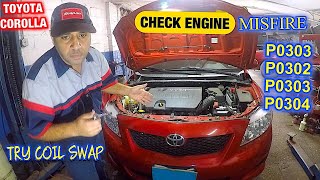
- Locate cylinder #1. On the 2ZR-FE engine, it is the cylinder on the far right side of the engine (the passenger side). 🎬 See this walkthrough for a cylinder misfire balance test.
- Swap ignition coils. Unplug the connector and remove the 10mm bolt holding the coil for cylinder #1. Do the same for cylinder #2. Swap their positions, reinstall them, and plug them back in.
- While the coil is out, inspect the spark plug tube for any oil. Oil presence indicates a leaking valve cover gasket, which can damage the ignition coil boot and should be replaced.
- Clear the trouble codes with the scanner.
- Start the engine and drive for a few minutes until the Check Engine Light comes back on.
- Re-scan for codes. If the code is now P0352, the ignition coil you moved is bad and needs to be replaced.
- If the code is still P0351, the problem is in the wiring or connector for cylinder #1. Inspect the harness and connector for damage, corrosion, or loose pins. Check for rodent damage (chewed wires).
- While the coil is out, it's a good idea to inspect the spark plug in cylinder #1 for wear or damage.
Parts You'll Likely Need
- Ignition Coil
(OEM #90919-02258 (supersedes 90919-02252))— This is the most common failure point for code P0351. The internal electronics fail from age and heat cycles.
Trusted brands: Denso (OEM), NGK
OEM price range: $95-$140
Aftermarket price range: $80-$130 (for Denso/NGK), $30-$60 (for other brands)
Related Codes That Often Appear With This One
- P0301 — P0301 means 'Cylinder 1 Misfire Detected'. Since P0351 indicates a fault in the ignition circuit for cylinder 1, the cylinder can't fire properly, which directly causes a misfire. It is very common to see both codes together.
Platform-Specific Known Issues
- Rodent Damage to Wiring Harness: Toyota, like many manufacturers, has used soy-based insulation for engine wiring harnesses. This material can attract rodents, who may chew on the wires for the ignition coils, causing an open or short circuit that triggers a P0351 code. A visual inspection for chewed wires is recommended if the coil swap test doesn't isolate the problem.
Mechanic-Grade Diagnostic Values
- Ignition Coil Primary/Secondary Resistance — expected: A known-good Denso coil should read around 309 Ohms between terminals 1 & 2, and 197 kOhms between terminals 1 & 4. Readings can vary slightly.. Failure: 🎬 Watch: How to diagnose and test ignition coil malfunctions. Significantly different readings from a known-good coil, or an open/infinite resistance reading on any test, indicates a failed coil. One example showed a failed original coil reading only 38 kOhms.
- IGT (Ignition Trigger) Signal Frequency — expected: 5 to 20 Hz when measured at the coil connector with the engine cranking or idling.. Failure: A reading of 0 Hz indicates the ECM is not sending a trigger signal, pointing to a problem with the wiring or the ECM itself.
- IGF (Ignition Confirmation) Signal Voltage — expected: A pulsing 0V to 5V square wave signal when viewed on an oscilloscope. With key on, engine off, the voltage should be a steady 5V.. Failure: A steady low voltage (e.g., 1.7V) with the key on indicates a coil or wiring issue is pulling the entire shared IGF circuit down. No pulse during cranking indicates the coil is not confirming spark.
Hidden / Shadow Codes Worth Checking
- Freeze Frame Data: While not a 'shadow code,' Toyota systems store a snapshot of engine sensor data at the moment a DTC is set. This data is invaluable for professional diagnosis, showing RPM, engine load, temperature, etc., to understand the conditions under which the P0351 fault occurred. (see via Accessible with most quality OBD-II scanners and professional tools like Toyota Techstream.)
Scan Tool Commands That Help
- Toyota Techstream: Active Test for Ignition — Allows a technician to command the ECM to fire a specific ignition coil with the engine off. This can be used to verify the IGT signal is being sent and to listen for the spark plug firing, helping to isolate a fault between the ECM, wiring, and coil.
- Toyota Techstream: Live Data Monitoring — Used to monitor engine parameters in real-time, including misfire counts per cylinder. After swapping coils, a technician can watch the live misfire data to see if the misfire count moves from cylinder 1 to cylinder 2, confirming a bad coil without waiting for a DTC to set.
Wiring & Ground Locations

- Ignition Coil Connector (Cylinder 1) — 4-pin connector on top of the ignition coil located on the far right (passenger side) of the engine.. This is the primary connection point to test for power, ground, IGT, and IGF signals. Pin 1: IGT, Pin 2: IGF, Pin 3: Ground, Pin 4: 12V+ Power.
- ECM Connector B31, Pin 26 (IGT1) — At the Engine Control Module (ECM), which is typically located behind the glove box.. This is the specific pin at the ECM that sends the trigger signal for the cylinder #1 ignition coil. Checking for the 5-20 Hz signal here can rule out the ECM if the signal is present but absent at the coil.
- ECM Connector B31, Pin 22 (IGF1) — At the Engine Control Module (ECM), typically behind the glove box.. This is the pin where the ECM receives the confirmation signal from all ignition coils. If the signal is bad here (e.g., pulled down to 1.7V), but is good at an individual coil when others are disconnected, it points to another coil on the shared circuit being faulty.
- Ground Point 'AC' — On the cylinder head, near the intake manifold side.. This is a primary engine ground point. A loose or corroded connection here can cause a weak ground for the ignition coils, leading to intermittent misfires and ignition circuit codes.
Real Owner Repair Stories
- YouTube channel 'Hands On Auto Training' (2015 Toyota (similar 2ZR engine and ignition logic)) — Vehicle would start and immediately stall. Set codes P0351, P0352, P0353, and P0354 simultaneously. Fuel pump would shut off.
❌ Tried (didn't work) Following the standard service manual flowchart which did not account for a shared circuit being pulled down.
✅ What actually fixed it A single faulty aftermarket ignition coil was internally shorted, pulling the shared IGF (confirmation) signal voltage down from 5V to 1.7V. This made the ECM believe all coils had failed, so it shut down the fuel injectors to protect the engine. Replacing the one bad coil with an OEM Denso coil restored the 5V IGF signal and fixed the stalling and all trouble codes. - Reddit user in r/Toyota (2009 Corolla, 130,000 miles) — Check engine light on with intermittent shaking.
❌ Tried (didn't work) None mentioned before seeking advice.
✅ What actually fixed it The community correctly diagnosed a likely bad ignition coil due to age and mileage. The recommended fix, which is the standard procedure, was to swap the coil from cylinder #1 with cylinder #2. If the code changed to P0352, the coil was confirmed bad and should be replaced. - NHTSA ODI #10969044 (Cross-model Toyota reference) — An owner reported a loss of power and the need to replace all coils. Despite a recent replacement of all six coils, code P0351 (bad coil on cylinder 1) was thrown again only nine months and 7,000 miles later.
OEM Part Supersession History
90919-02252→90919-02258— Standard part revision and improvement by the manufacturer.
Heads up: None. The parts are fully interchangeable. The Denso aftermarket equivalent is part number 673-1310.
Diagnostic Flowchart
Used vs. New Parts: Buying Guide for This Vehicle
When a used part is the smart pick: A used ignition coil is generally NOT recommended as they are a common wear item. It only makes sense as a temporary, emergency repair or for diagnostic purposes (e.g., swapping in a used coil to confirm a diagnosis). If buying used, it should be from a documented, very low-mileage wrecked vehicle.
Donor-vehicle mileage cap: roughly under 50000 miles for the part to have meaningful remaining life.
What to inspect on the donor part:
- Check for a clean plastic housing with no cracks, melting, or signs of arcing (white or black carbon tracks).
- Ensure the rubber boot is soft and pliable, not dry, brittle, or swollen from oil contamination.
- Look for clean connector pins with no corrosion.
- If possible, test the resistance with a multimeter before purchase to ensure it's within spec for a good coil.
OEM-only on this vehicle (don't cheap out):
- Ignition Coil
Aftermarket brands forum-validated for this vehicle:
- Denso (This is the Original Equipment Manufacturer, and buying Denso branded is identical to the Toyota part but often cheaper).
- NGK (Another highly reputable Japanese manufacturer with a strong reputation for ignition components).
Brands owners have reported issues with on this vehicle:
- Unnamed, low-cost 'Amazon special' or 'eBay special' coil sets. Forum and professional technician experiences show these have a very high rate of premature failure and can even cause more complex diagnostic issues, such as pulling down the shared IGF circuit.
Real Owner Stories
Aggregated from forums and TSBs cited above. Mileages and costs reflect what owners reported in those sources.
2013 Corolla LE 1.8L
Symptoms: After hitting a pothole, the check engine light came on with reduced power and shaking. The initial code was P0301, which changed to P0351 after the owner replaced the coil and plug.
What fixed it: The owner did not report a final fix. The issue persisted and new codes appeared even after swapping coils, plugs, and injectors, leading them to consider checking the ECM or grounding wires.
Source hint: reddit.com - Can't seem to solve misfiring issues on a 2013 Corolla
2009 Toyota Corolla — 130000 miles
Symptoms: The owner experienced intermittent engine shaking and a P0351 trouble code.
What fixed it: The issue was identified as a bad ignition coil. The fix was to replace the faulty coil, confirmed via the coil-swap diagnostic test.
Source hint: Reddit r/MechanicAdvice - '2009 Toyota Corolla Auto p0351' (March 2016)
2009 Corolla
Symptoms: A persistent P0351 code remained even after the owner swapped the ignition coil and spark plug from cylinder #1 to cylinder #2.
What fixed it: The final fix was not reported, but the diagnostic result indicated the problem was not the coil. The next step recommended in the forum was to inspect the wiring harness and connector for faults.
Source hint: Car Talk Community - 'P0351 2009 Corolla' (March 2017)
Related OBD-II Codes
Frequently Asked Questions
Where is cylinder #1 on my 2009-2013 Corolla's 1.8L engine?
What is the easiest way to confirm the ignition coil on cylinder #1 has failed?
The coil swap test didn't work; P0351 came back. What should I check next on my Corolla?
My Corolla has over 100,000 miles. If the coil for cylinder #1 is bad, should I replace all four?
Why would rodents chew the ignition coil wires on my Toyota?
What kind of spark plugs are recommended for the 1.8L 2ZR-FE engine?
Does this P0351 ignition coil issue affect other vehicles besides the Corolla?
Helpful Videos
Used OEM Parts in Stock


New Aftermarket Parts Available


The information in this article is provided for general reference and educational purposes only. Vehicle specifications, procedures, and part compatibility can vary by production date, trim level, and region. Always consult your vehicle's factory service manual and verify part numbers before purchasing or performing repairs. Safety-critical components such as airbags, seat belts, and braking systems should be installed by a qualified professional.
- Toyota Corolla:
- 🎬 Helpful Videos
- 🛍️ Shop This Part
- What's Unique About the 2009-2013 Toyota Corolla
- Symptoms You May Notice
- Most Likely Causes
- Rare But Worth Checking
- Diagnosis Steps
- Parts You'll Likely Need
- Related Codes That Often Appear With This One
- Platform-Specific Known Issues
- Mechanic-Grade Diagnostic Values
- Hidden / Shadow Codes Worth Checking
- Scan Tool Commands That Help
- Wiring & Ground Locations
- Real Owner Repair Stories
- OEM Part Supersession History
- Diagnostic Flowchart
- Used vs. New Parts: Buying Guide for This Vehicle
- Real Owner Stories
- 2013 Corolla LE 1.8L
- 2009 Toyota Corolla — 130000 miles
- 2009 Corolla
- Related OBD-II Codes
- Frequently Asked Questions
- 🎟️ Get 5% Off