

P0341 on 2009-2010 Pontiac G3 1.6L: Camshaft Sensor Causes and Fixes
On a 2009-2010 Pontiac G3, code P0341 is almost always caused by a failed intake camshaft position sensor. A GM Technical Service Bulletin (PIP5329C) confirms this is the most common fix. Replacing the sensor is a simple DIY job, with parts costing between $20 and $70. Owners strongly recommend using a quality OEM/ACDelco part, as cheap aftermarket sensors are known to fail quickly.
- P0341 on this vehicle almost always points to a bad intake camshaft position sensor.
- A GM service bulletin, PIP5329C, confirms this is the primary cause and recommends sensor replacement.
- The Pontiac G3 is a rebadged Chevy Aveo; repair information is interchangeable.
- Using a quality OEM (ACDelco) or reputable aftermarket (Delphi) sensor is crucial for a lasting repair.
- It is common and recommended to replace both the intake (P0341) and exhaust (P0366) sensors at the same time.
- Check for oil leaks from the valve cover gasket, as this is a common root cause of sensor connector failure.
What's Unique About the 2009-2010 Pontiac G3
The 2009-2010 Pontiac G3 is a rebadged version of the Chevrolet Aveo, so repair information for the Aveo with the 1.6L LDE engine is directly applicable. This platform also includes the Pontiac G3 Wave and Suzuki Swift+. General Motors has issued a Technical Service Bulletin (TSB), PIP5329C, that specifically identifies P0341 (and the related exhaust code P0366) as a common issue caused by the failure of the camshaft position sensor. This bulletin makes diagnosis unusually straightforward, as the sensor itself is the documented, primary point of failure, rather than more complex wiring or timing issues.
Symptoms You May Notice
- Check Engine Light is on
- Engine is hard to start or cranks but won't start
- Engine stalls, especially at low speeds or when stopping
- Rough idling
- Hesitation or stumbling during acceleration
- Reduced engine power and fuel economy
- Engine backfiring
- Replacing the Crankshaft Position Sensor. While related, a failing crankshaft sensor typically sets P0335 or P0336 codes. P0341 specifically points to the camshaft sensor 'A' (intake) circuit.
- Replacing spark plugs or ignition coils. While these can cause misfires (which can be a symptom), they do not directly cause a P0341 code.
- Assuming it's a timing issue before replacing the sensor. On this specific platform, the sensor itself is the most common point of failure by a wide margin, as confirmed by the GM TSB.
Most Likely Causes
- Failed Intake Camshaft Position (CMP) Sensor 🔴 High Probability This is a well-documented common failure item, as confirmed by GM Technical Service Bulletin PIP5329C. The sensor is located in a high-heat area on the valve cover, which contributes to failure over time. Aftermarket sensors are widely reported in forums to have a high failure rate, so using a quality ACDelco or Delphi part is critical for a lasting repair.
How to confirm: The most practical confirmation for a DIYer is to replace the sensor, as it is inexpensive and the most likely cause. A technician would use an oscilloscope to observe the sensor's square wave signal pattern for dropouts or inconsistencies. Given the TSB, replacement is the standard first step.
Typical fix: Replace the intake camshaft position sensor (GM Part No. 25195555). 🎬 Watch: This step-by-step guide shows you how to replace the sensor. It is often recommended to replace the exhaust sensor (for code P0366) at the same time as a preventative measure, as they are identical parts and subject to the same conditions.
Est. part cost: $20-$70 - Damaged Wiring or Connector 🟡 Medium Probability The engine is known for valve cover gasket leaks, which can allow oil to seep into and degrade the sensor's wiring harness and connector, causing a poor connection. The plastic wiring conduit becomes brittle with age and heat, and the connector's locking tab is fragile, often breaking during service.
How to confirm: Visually inspect the sensor's electrical connector and nearby wiring for signs of oil contamination, corrosion, or physical damage. Unplug the connector and check for oil on the pins. Wiggle the connector with the engine running to see if it affects the idle, which would indicate a poor connection.
Typical fix: Clean the oil from the connector with electrical contact cleaner and ensure a snug fit. Applying dielectric grease can help seal the connection. If the connector or pigtail is damaged, it will need to be repaired or replaced.
Est. part cost: $5-$50 - Stretched or Jumped Timing Belt ⚪ Low Probability The 1.6L LDE is an interference engine with a timing belt that requires replacement. A notorious weak point on this platform is the original plastic-bodied tensioner and idler pulleys, which are known to fail, potentially causing the belt to slip a tooth. This is a more significant concern on high-mileage vehicles or where service history is unknown.
How to confirm: If a new, quality sensor does not resolve the code, inspect the timing belt for correct alignment and tension. This is a more involved check. This issue is often accompanied by correlation codes like P0016.
Typical fix: Replace the timing belt, tensioner, and idler pulleys. It is critical to use a kit with upgraded metal pulleys. The water pump is also typically replaced at the same time. This is a critical repair, as a failed belt will cause catastrophic engine damage.
Est. part cost: $100-$250
Rare But Worth Checking
- Failing Engine Control Module (ECM): This is extremely rare. The ECM should only be considered after all other possibilities, including sensor, wiring, and mechanical timing, have been exhaustively ruled out.
- Magnetized Cylinder Head Components: TSB PIP5329C includes a rare but important diagnostic note: if the code returns after sensor replacement, and the vehicle has a history of a front-end collision, improper welding procedures may have magnetized cylinder head components, interfering with the sensor. The fix in this case is cylinder head replacement.
Diagnosis Steps
- Read the code with an OBD-II scanner and check for any other codes, such as P0366 or P0016.
- Visually inspect the intake camshaft position sensor and its electrical connector on the top rear (firewall side) of the engine. Look for loose connections, damaged wires, or oil contamination.
- If oil is present in the connector, suspect a leaking valve cover gasket. Clean the connector thoroughly with electrical contact cleaner.
- Given the high probability of sensor failure confirmed by TSB PIP5329C, the most cost-effective next step is to replace the intake camshaft position sensor with a high-quality ACDelco or Delphi part.
- Clear the code and test drive the vehicle. If the code does not return, the repair is complete.
- If the code returns, the next step is to inspect the engine's mechanical timing. Check the timing belt for proper tension and ensure the timing marks on the cams and crank are aligned. Pay special attention to the condition of the tensioner and idler pulleys.
- If timing is correct, perform advanced electrical testing on the sensor circuit, checking for 5V reference, ground, and signal integrity back to the ECM. 🎬 Watch: A helpful breakdown of common causes and electrical fixes. The 3-pin connector should have 5V power, ground, and a signal wire.
- If the code still returns and the vehicle has a history of collision repair, consult TSB PIP5329C regarding potential magnetization of head components.
Parts You'll Likely Need
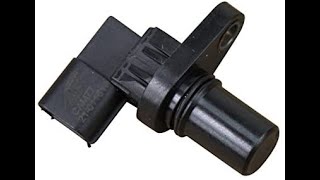
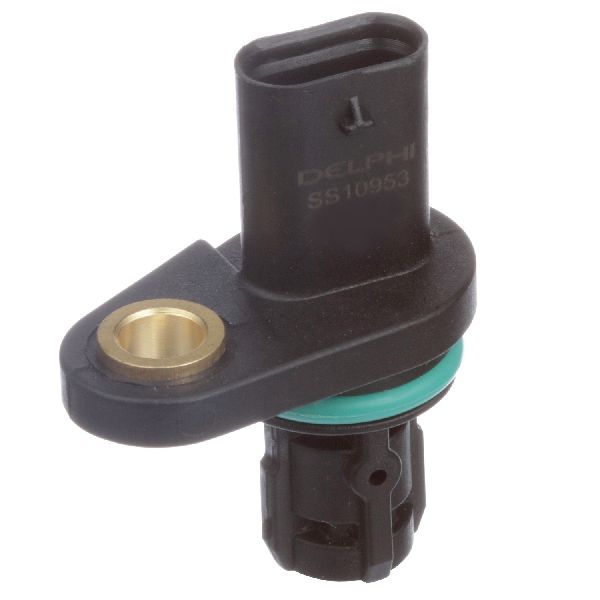
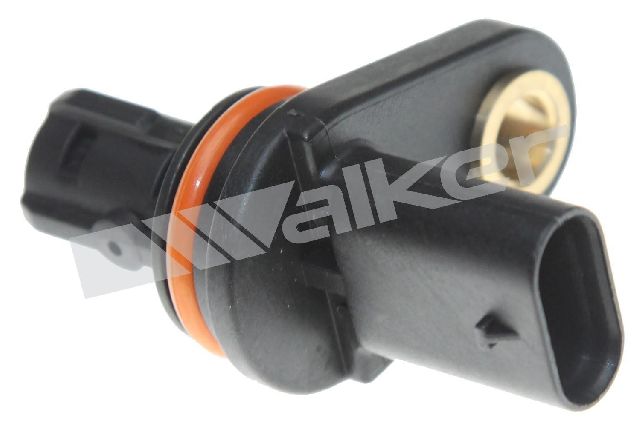
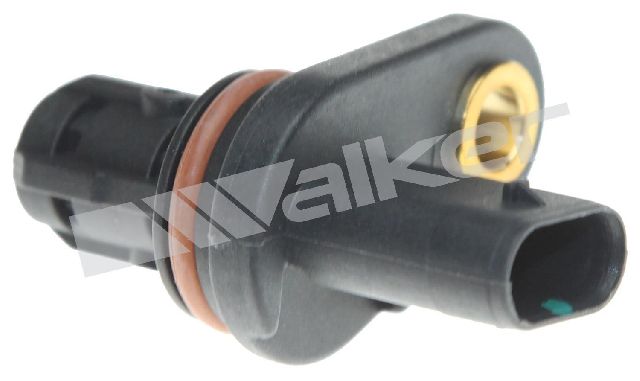
- Intake Camshaft Position Sensor
(OEM #25195555)— This is the most common cause of code P0341 on this engine, as documented by GM TSB PIP5329C. The 'A' in the code refers to the intake sensor. This part is identical to the exhaust sensor.
Trusted brands: ACDelco, Delphi
OEM price range: $45-$70
Aftermarket price range: $20-$50 - Exhaust Camshaft Position Sensor
(OEM #25195556)— This is the part number for the exhaust sensor, which sets code P0366. However, many sources indicate the intake and exhaust sensors are identical (both can be replaced with 25195555). It is highly recommended to replace both sensors at the same time as a preventative measure.
Trusted brands: ACDelco, Delphi
OEM price range: $45-$70
Aftermarket price range: $20-$50 - Valve Cover Gasket Set
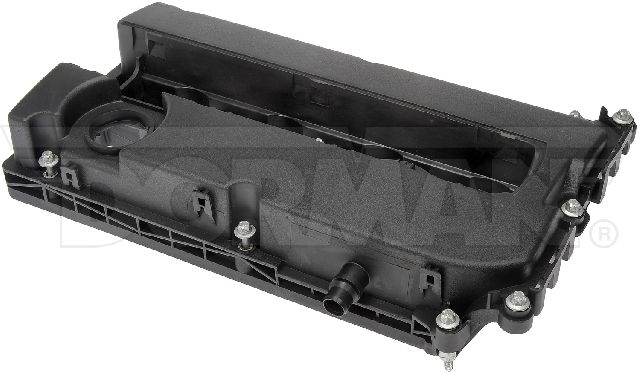
(OEM #55354237)— A leaking valve cover gasket is a common issue that can cause oil to contaminate and ruin the camshaft position sensor's wiring and connector. It is often replaced as a preventative measure or if a leak is found during the sensor replacement.
Trusted brands: Fel-Pro, Victor Reinz, ACDelco
OEM price range: $40-$60
Aftermarket price range: $25-$45
Related Codes That Often Appear With This One
- P0366 — This is the code for the exhaust camshaft position sensor ('B'). The sensors are identical parts and often fail around the same time due to age and heat. TSB PIP5329C covers both codes, and it's common practice to replace both sensors together.
- P0016 — This code indicates a Crankshaft/Camshaft Position Correlation error. If seen with P0341, it strongly suggests a mechanical timing issue, like a stretched or jumped timing belt, rather than just a faulty sensor.
- P0340 — This code indicates a general circuit malfunction for the same sensor, pointing to a complete loss of signal (e.g., open/short circuit), whereas P0341 indicates a performance or range problem (e.g., erratic signal). They often appear together as the sensor fails.
Technical Service Bulletins (TSBs) & Recalls
- PIP5329C: This GM Technical Service Bulletin addresses SES lights with DTC P0341 and/or P0366. It identifies the primary cause as a failed camshaft position sensor and recommends its replacement. Critically, it also provides a secondary diagnostic path: if the code returns after sensor replacement, investigate for a history of front-end collision, as improper welding may magnetize cylinder head components, requiring head replacement.
Platform-Specific Known Issues
- Leaking Valve Cover Gasket: A very common problem on the 1.6L LDE engine is a leaking valve cover gasket. This leak allows engine oil to drip directly onto the camshaft position sensors and their wiring connectors below, leading to contamination, degradation of the plastic and rubber, and eventual electrical failure of the sensor circuit, triggering P0341 or P0366.
- Failure of Plastic Timing Belt Pulleys: The original timing belt tensioner and idler pulleys on the 1.6L LDE engine were made with plastic bodies that are prone to cracking and failure. A failed pulley can cause the timing belt to lose tension, slip, or break, leading to cam/crank correlation codes like P0016 and P0341, and potentially catastrophic engine damage. Upgraded metal-bodied pulleys are a critical component of any timing belt service on this engine.
Mechanic-Grade Diagnostic Values
- Camshaft Position Sensor 5V Reference Voltage — expected: Approximately 5 Volts DC at the sensor connector (Pin 1, Gray wire) with Key On, Engine Off.. Failure: 0V or significantly less than 5V points to a wiring or ECM power supply issue.
- Camshaft Position Sensor Signal Wire Voltage (Static) — expected: Approximately 5 Volts DC at the sensor connector (Pin 2, Green wire) with Key On, Engine Off.. Failure: 0V or a significantly different voltage suggests a problem with the sensor's internal circuit or the signal wire to the ECM.
- Camshaft Position Sensor Ground Circuit Continuity — expected: Near 0 Ohms between the sensor connector (Pin 3, White wire) and a known good chassis or engine block ground.. Failure: High resistance or an Open Loop (OL) reading indicates a broken or corroded ground wire.
- Camshaft Position Sensor Signal (Dynamic) — expected: A fluctuating or pulsing square wave signal, typically toggling between near 0V and 5V, when viewed on an oscilloscope while the engine is cranking or running.. Failure: A static, unchanging voltage (e.g., stuck at 0V or 5V) or an erratic, noisy pattern indicates a failed sensor or damaged reluctor wheel.
Scan Tool Commands That Help
- GM GDS2 / Tech2: Cam/Crank Relearn Procedure (Crankshaft Position System Variation Learn) — This procedure may be required after replacing a camshaft or crankshaft position sensor to synchronize the new sensor's signal with the ECM. It should be performed if the P0341 code returns immediately after sensor replacement or if drivability issues like rough idle persist despite a good part.
Wiring & Ground Locations
- Intake CMP Sensor Connector — On the intake camshaft position sensor, located on the rear (firewall side) of the valve cover.. This 3-pin connector is the primary test point. Pin 1 is the 5V reference (Gray wire), Pin 2 is the signal (Green wire), and Pin 3 is the ground (White wire). It is prone to oil contamination from valve cover leaks.
- G103 — On the left side of the engine block, below the Engine Control Module (ECM).. This is a primary engine control system ground. A loose or corroded connection at G103 can cause erratic sensor readings and false P0341 codes, even if the sensor and its harness are good.
- G104 — On the engine block, next to the starter motor.. This is another critical engine ground. A poor connection here can introduce electrical noise into the system, which may interfere with the sensitive camshaft position sensor signal.
- ECM Connector X2, Pin 56 — At the main Engine Control Module (ECM).. This is the terminal where the intake camshaft position sensor signal (Yellow wire, in some diagrams) arrives at the ECM. Testing for a square wave signal here can confirm the integrity of the entire circuit from the sensor to the module.
Real Owner Repair Stories
- Chevrolet Aveo forum (2007 Chevrolet Aveo, 150k miles) — Sudden loud ticking noise, significant loss of engine power, acting like it's running on one cylinder, P0341 code present.
❌ Tried (didn't work) Clearing the code (it returned immediately).
✅ What actually fixed it The user found the camshaft position sensor connector clip was broken and the connector was not secure. Replacing the sensor and securing the connector with electrical tape resolved the P0341 code and improved engine operation, though a separate ticking noise remained.
OEM Part Supersession History
55565708→25195555— Manufacturer part update/revision.
Heads up: The parts are interchangeable. 25195555 is the current OEM replacement for the intake camshaft position sensor on the 2009-2011 Aveo/G3.
Diagnostic Flowchart
Real Owner Stories
Aggregated from forums and TSBs cited above. Mileages and costs reflect what owners reported in those sources.
2009 Chevrolet Aveo 1.6L LDE
Symptoms: Experienced engine stalling and retrieved both P0341 and P0366 codes.
What fixed it: Replaced both the intake and exhaust camshaft position sensors with OEM ACDelco parts.
Source hint: Chevrolet Forum - '09 Aveo P0341 and P0366
Buick Century
Symptoms: Chased a persistent P0341 code and replaced multiple parts without resolving the issue.
What fixed it: Replaced a faulty Ignition Control Module (ICM), highlighting that other electrical system faults can sometimes trigger the code.
Source hint: GM Forum - P0341 code solved
Related OBD-II Codes
Frequently Asked Questions
Does TSB PIP5329C apply to my 2009-2010 Pontiac G3?
Why is there oil inside my camshaft position sensor connector?
Can I use a cheap aftermarket camshaft position sensor to fix P0341 on my G3?
I replaced the intake camshaft sensor but P0341 came back. What should I check next?
Should I replace the exhaust camshaft position sensor at the same time?
Can a failing timing belt cause code P0341 on the 1.6L LDE engine?
Helpful Videos

Used OEM Parts in Stock
New Aftermarket Parts Available


The information in this article is provided for general reference and educational purposes only. Vehicle specifications, procedures, and part compatibility can vary by production date, trim level, and region. Always consult your vehicle's factory service manual and verify part numbers before purchasing or performing repairs. Safety-critical components such as airbags, seat belts, and braking systems should be installed by a qualified professional.
- Pontiac G3:
- 🎬 Helpful Videos
- 🛍️ Shop This Part
- What's Unique About the 2009-2010 Pontiac G3
- Symptoms You May Notice
- Most Likely Causes
- Rare But Worth Checking
- Diagnosis Steps
- Parts You'll Likely Need
- Related Codes That Often Appear With This One
- Technical Service Bulletins (TSBs) & Recalls
- Platform-Specific Known Issues
- Mechanic-Grade Diagnostic Values
- Scan Tool Commands That Help
- Wiring & Ground Locations
- Real Owner Repair Stories
- OEM Part Supersession History
- Diagnostic Flowchart
- Real Owner Stories
- 2009 Chevrolet Aveo 1.6L LDE
- Buick Century
- Related OBD-II Codes
- Frequently Asked Questions
- 🎟️ Get 5% Off