

P0341 on 2013-2016 Mazda CX-5 SKYACTIV-D 2.2L: Causes and Fixes
This code indicates a problem with the camshaft position sensor circuit. On the SKYACTIV-D 2.2L engine, this is most often due to a faulty camshaft position sensor itself or a wiring issue. However, it can also be an early indicator of more severe, well-documented engine problems like timing chain stretch or carbon buildup, which are known issues for this specific diesel engine.
- P0341 on your Mazda CX-5 diesel points to an issue with the camshaft position sensor's signal.
- While the sensor could be faulty, it is highly probable that this code is a symptom of a stretched timing chain, a known and serious issue with the SKYACTIV-D 2.2L engine.
- Symptoms include hard starting, rough idle, stalling, and a lit Check Engine Light.
- Do not ignore this code. Prompt diagnosis is crucial to avoid potential catastrophic engine failure. Check for timing chain stretch using a scan tool as a primary diagnostic step.
What's Unique About the 2013-2016 Mazda CX-5
The SKYACTIV-D 2.2L (engine code SH-VPTS) is a sophisticated diesel engine known for several significant, interrelated problems that can manifest as P0341. Unlike in many other vehicles where this code points to a simple sensor failure, on this platform it must be investigated with suspicion of a deeper issue. The engine is prone to leaking injector seals, which leads to carbon buildup in the oil. This contaminated oil can block the oil pump strainer, causing oil starvation and accelerating timing chain stretch. A stretched chain will cause the cam/crank correlation to be out of spec, triggering a P0341 code long before a total failure. Additionally, heavy carbon buildup in the intake and EGR system is common and can affect engine performance, potentially contributing to the code.
Symptoms You May Notice
- Check Engine Light is on
- Engine is hard to start or requires extended cranking
- Engine stalls or idles roughly
- Hesitation or lack of power during acceleration
- Possible no-start condition
- Engine may run, but with reduced performance and efficiency
- Rattling noise from the engine, especially on startup, indicating a timing chain issue
- Replacing the Crankshaft Position Sensor instead of the Camshaft Position Sensor.
- Replacing the camshaft position sensor without investigating the possibility of a stretched timing chain. On this engine, simply replacing the sensor is often a temporary fix if the underlying mechanical timing is off.
Most Likely Causes
- Faulty Camshaft Position (CMP) Sensor 🔴 High Probability Sensors are electronic components that can fail over time due to heat cycles and vibration. Given the other known issues with this engine, it's a common first step in diagnosis, but should not be replaced without verification.
How to confirm: Test the sensor's circuit for proper 5V reference voltage and a good ground (reading ~12.6V from battery positive to the sensor's ground pin). An oscilloscope is the best tool to verify the signal pattern. Compare readings to the specifications in the factory service manual. A diagnostic scanner may also show erratic or missing data from the sensor.
Typical fix: Replace the camshaft position sensor. Ensure the new sensor is installed properly and the connector is clean and secure.
Est. part cost: $50-$120 - Stretched Timing Chain or Timing Issue 🔴 High Probability This engine is notorious for issues leading to premature timing chain stretch. Leaking injector seals contaminate the engine oil with carbon, which can block the oil pickup strainer, leading to poor lubrication and chain wear. The problem is well-documented in owner forums. The probability is elevated from 'low' to 'high' for this specific engine.
How to confirm: This is an advanced diagnosis. Listen for a rattling noise from the timing chain side of the engine. A scan tool like FORScan can be used to check the timing chain stretch value (PID: TC_STRCH). A value of 10.45 degrees or more indicates the chain must be replaced. A real-world failing value of 10.83 degrees has been observed. Physical inspection for slack and verifying timing marks is the ultimate confirmation.
Typical fix: Replace the timing chain, tensioners, and guides. This is a labor-intensive job. It is critical to also address the root cause, such as replacing injector seals and cleaning the oil sump and pickup strainer.
Est. part cost: $400-$800 - Wiring Harness or Connector Issue 🟡 Medium Probability The engine bay is a harsh environment. Wires can become brittle, and connectors can get contaminated with oil or dirt, leading to poor connections.
How to confirm: Visually inspect the wiring and connector for any signs of damage, corrosion, or looseness. Check for chafing near hot or vibrating components. Perform a continuity test on the wiring between the sensor and the PCM. Check engine ground points like G03 at the left front of the engine compartment.
Typical fix: Repair the damaged section of wiring or clean/replace the connector.
Est. part cost: $10-$50
Rare But Worth Checking
- Damaged Reluctor Wheel: The reluctor wheel (a toothed ring on the camshaft) which the sensor reads can be damaged, have debris on it, or become misaligned, causing an incorrect signal. This is rare but possible, especially if other engine work was recently performed.
- Failing Powertrain Control Module (PCM): In very rare cases, the PCM itself can be the source of the problem. This should only be considered after all other possibilities, especially wiring and mechanical timing, have been exhaustively ruled out.
- Excessive Carbon Buildup: Severe carbon buildup on intake valves and in the EGR system, a known issue with the SKYACTIV-D, can cause poor engine running conditions that might indirectly contribute to setting sensor performance codes, though it's not a direct cause of P0341.
Diagnosis Steps
- Read the code with an OBD-II scanner and record any other codes present, especially P0016 or P1336.
- Using a capable scan tool (like FORScan), check the live data PID for timing chain stretch (TC_STRCH). A value over 10.45 degrees strongly suggests a stretched chain.
- Listen for any rattling noises from the engine that could indicate a loose timing chain.
- Inspect the Camshaft Position Sensor (CMP) and its connector for looseness, damage, or oil contamination. The intake CMP is on the cylinder head, the exhaust CMP is on the rear housing.
- Check the wiring harness leading to the sensor for any visible signs of damage, fraying, or melting. Inspect engine ground points, particularly G03 at the left front of the engine compartment.
- If wiring looks good, use a multimeter to test the sensor's circuit. With the key on, check for a 5V reference signal and verify the ground pin reads battery voltage (~12.6V) when probed from the battery positive terminal. An oscilloscope is best to verify the signal pattern against the crankshaft sensor signal.
- If the sensor and wiring test good but the timing stretch value is high, the next step is to confirm the mechanical timing issue. This requires removing the valve cover to physically inspect the chain for slack and verify timing marks.
- If the timing chain is confirmed to be stretched, it is critical to also inspect the oil pickup strainer in the oil pan for blockage from carbon, which is the likely root cause of the failure.
- If all else fails, the issue could be a rare fault with the reluctor wheel, a worn camshaft lobe, or the PCM.
Parts You'll Likely Need
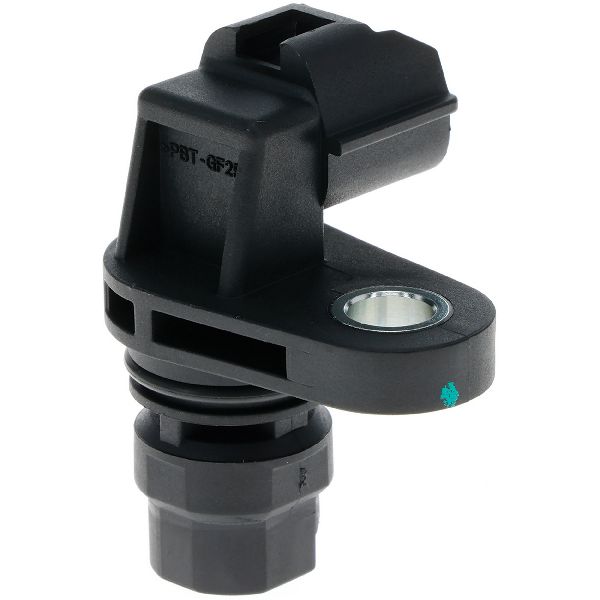
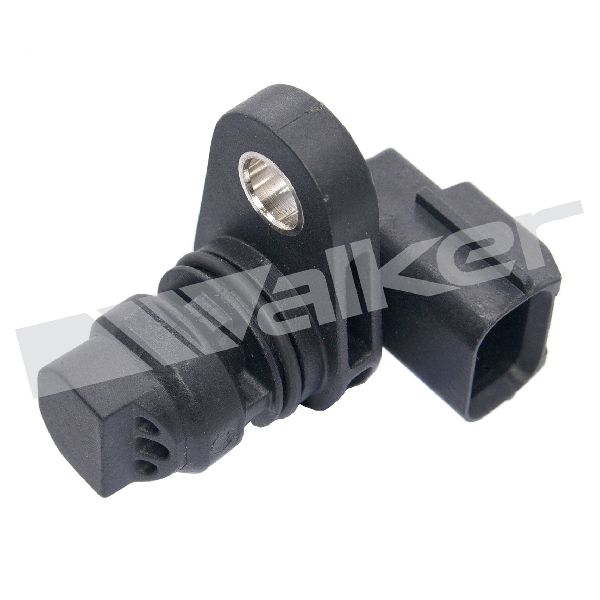
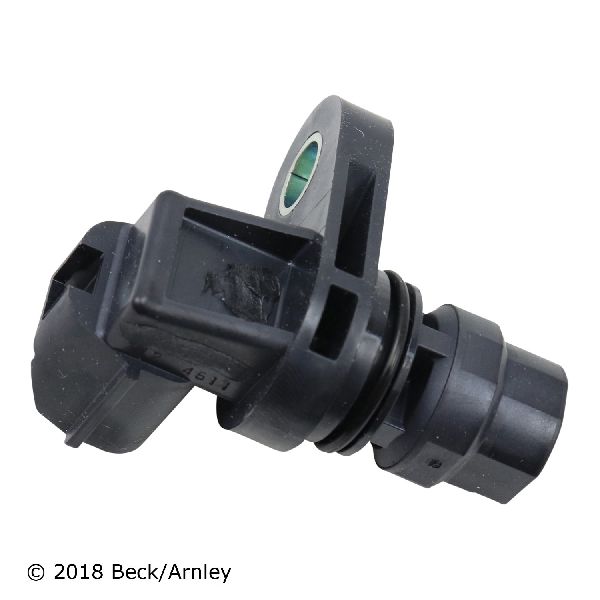
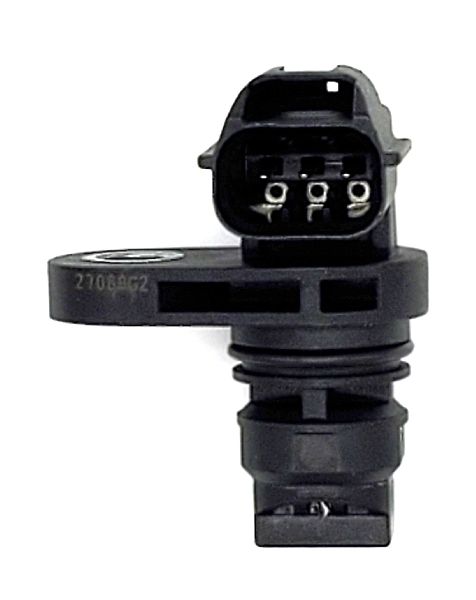
- Camshaft Position Sensor
(OEM #SH01-18-230 (Verify with VIN, may also be PE01-18-230 or ZZCA-18-230B on some models/regions))— This is a common failure point for a P0341 code, but on this engine, it should be tested before replacement as the code is often caused by a deeper mechanical issue.
Trusted brands: Mazda (Genuine), Denso, Bosch, NTK/NGK
OEM price range: $90-$150
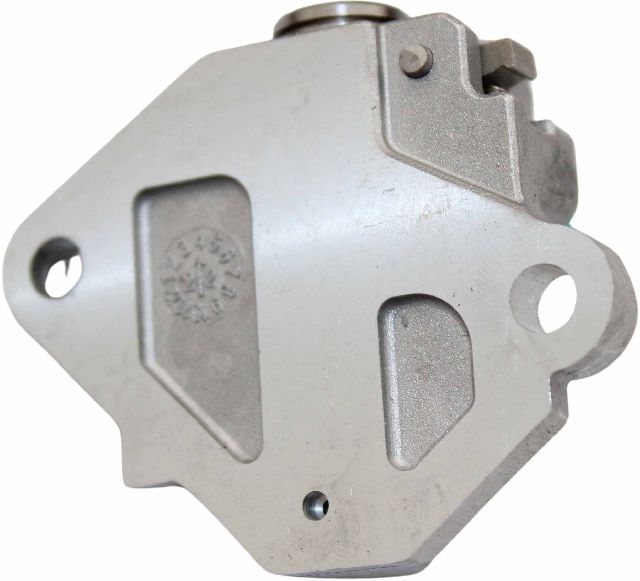
Aftermarket price range: $50-$100 - Timing Chain Kit — A highly probable cause for P0341 on the SKYACTIV-D 2.2L engine due to known issues with oil contamination and chain stretch.
Trusted brands: Mazda (Genuine), Febi Bilstein, INA
OEM price range: $500-$700
Aftermarket price range: $300-$500
Related Codes That Often Appear With This One
- P0340 — P0340 indicates a general malfunction in the camshaft position sensor circuit, while P0341 points to a performance/range issue. They are closely related and can appear together.
- P0016 — This code indicates a Crankshaft/Camshaft Correlation error. If the timing chain has stretched or jumped, it will often set P0016 along with P0341, confirming a mechanical timing problem.
- P1336 — A Mazda-specific code that can indicate the timing chain has stretched beyond its acceptable limit. It is sometimes seen with a flashing DPF light, even if the DPF has been serviced.
Technical Service Bulletins (TSBs) & Recalls
- While no specific TSB directly links P0341 to a single fix, several recalls and service campaigns address the underlying causes. For example, recalls were issued for vacuum pump issues and intake shutter valve problems that are part of the engine's systemic issues. Owners should check with a Mazda dealer for any open recalls or campaigns related to the engine, such as those for injector seals or PCM software updates.
Platform-Specific Known Issues
- Timing Chain Stretch: The SKYACTIV-D 2.2L is widely reported to suffer from premature timing chain stretch. This is often a consequence of leaking injector seals allowing combustion byproducts to contaminate the engine oil, forming sludge that clogs the oil pickup strainer. The resulting lack of lubrication accelerates wear on the timing chain, causing it to stretch and trigger codes like P0341 and P0016.
- Carbon Buildup: The engine's design, which uses high rates of EGR, leads to significant carbon and soot buildup in the intake manifold, EGR valve, and on intake valves. While not a direct cause of P0341, it's a major maintenance issue for this platform that degrades performance and can contribute to overall poor engine health.
- Oil Dilution / Contamination: Failed injector seals and incomplete DPF regeneration cycles can lead to diesel fuel diluting the engine oil. This thins the oil, reducing its lubricating properties and contributing to the timing chain and other wear issues. The dipstick has an 'X' mark above the full line to indicate a dangerous level of oil dilution requiring an immediate oil change.
Mechanic-Grade Diagnostic Values
- PCM Fault Detection Condition — expected: PCM receives a valid CMP sensor signal.. Failure: No CMP sensor signal is input while the crankshaft rotates 21 times with engine speed over 700 rpm.
- Timing Chain Stretch PID (TC_STRCH) — expected: Below 10.45 degrees.. Failure: A value of 10.45 degrees or greater indicates the chain is stretched and requires replacement. A real-world failing engine measured 10.83 degrees.
- CMP Sensor Circuit Voltage (3-wire sensor) — expected: 5V on the reference wire; ~12.6V (battery voltage) when measuring from battery positive to the sensor's ground pin.. Failure: No voltage, or voltage significantly different from 5V on the reference wire, indicates a wiring or PCM issue. High resistance or no voltage on the ground check indicates a bad ground connection.
- Timing Chain Guide Bolt Torque — expected: 10 Nm for smaller guides, 25 Nm for larger guides.. Failure: N/A - This is an installation specification.
- Oil Pump Mounting Bolt Torque — expected: 10mm bolts: 25 Nm. 13mm bolts: First pass 25 Nm, second pass 35 Nm.. Failure: N/A - This is an installation specification.
Scan Tool Commands That Help
- FORScan (or equivalent advanced scanner): Live Data PID Monitoring: 'TC_STRCH' — This is a primary diagnostic step for any P0341 code on this engine to quickly assess the likelihood of timing chain stretch before performing physical inspection.
- Mazda IDS (or equivalent): KOER Self Test (Key On, Engine Running) — Used as part of the official diagnostic procedure to have the PCM re-verify faults after initial checks or repairs have been made.
- Mazda IDS (or equivalent): Engine Oil Data Reset — This initialization must be performed after every oil change on the SKYACTIV-D 2.2L to reset the oil life monitoring system and prevent the wrench indicator light from illuminating prematurely.
Wiring & Ground Locations
- G03 — Left front of the engine compartment.. A poor engine ground can cause erratic signals and intermittent voltage drops to various sensors, including the camshaft position sensor, leading to a P0341 code.
- G09 — Behind the instrument cluster.. While less likely to be the primary cause, a poor dash ground can affect PCM operation and data communication, potentially contributing to erroneous codes.
- Intake CMP Sensor — Installed on the cylinder head.. This is the physical location of the sensor itself, needed for inspection and replacement.
- Exhaust CMP Sensor — Installed on the rear housing of the engine.. This engine has two CMP sensors; knowing the location of both is critical for correct diagnosis if the code does not specify intake/exhaust.
- C-01 — Main connector at the Powertrain Control Module (PCM), located in the engine compartment.. This is the termination point for the CMP sensor wiring, needed for end-to-end continuity testing of the circuit.
Real Owner Repair Stories
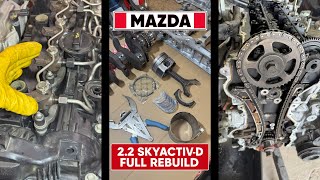
- YouTube channel 'MAZDA CX5 2.2 SKYACTIV - ENGINE REBUILD' (2016 Mazda CX-5 Sport Nav, 2.2D Skyactiv, AWD) — Blown head gasket, which prompted a full engine teardown and rebuild.
❌ Tried (didn't work) The video is a direct rebuild, not a series of failed attempts.
✅ What actually fixed it During the rebuild, the owner discovered the original exhaust camshaft was excessively worn and replaced it. Additionally, new rocker arms, a full timing chain kit, new MAP sensor, new exhaust gas pressure sensor, and numerous other parts were installed as part of the comprehensive rebuild. The worn camshaft itself is a significant finding that can cause timing-related codes. - YouTube channel 'Kennedy's garage' (Mazda 6 with 2.2L Skyactiv-D engine (same as CX-5)) — Snapped timing chain.
❌ Tried (didn't work) N/A, direct repair of a catastrophic failure.
✅ What actually fixed it A complete timing chain replacement, including sprockets, guides, and tensioners for both the main chain and the oil pump chain. The video provides detailed tips on setting the engine to TDC, torque specs, and supporting the engine during the job.
Model Year Variations Within This Range
- 2016: The 2016 model year received a facelift that included a revised grille, updated infotainment system (Mazda Connect), and an electronic parking brake. However, for the purposes of diagnosing P0341, the SKYACTIV-D 2.2L engine and its related components (CMP sensors, timing chain system) are mechanically consistent with the 2013-2015 models.
Diagnostic Flowchart
Other Known Issues on This Vehicle
Issues unrelated to this code that are worth knowing about as an owner of this generation:
- Timing Chain Stretch & Failure 🔴 High — Common, particularly on vehicles over 70,000 miles, often caused by underlying oil contamination issues. (Ref: No universal recall, but addressed case-by-case and through some regional service campaigns for related components (e.g., vacuum pump).)
- Leaking Fuel Injector Seals 🔴 High — A very common failure point. The copper seals fail, allowing combustion gases into the oil, causing carbon buildup and oil contamination.
- Intake & EGR System Carbon Buildup 🟠 Medium — Extremely common on all SKYACTIV-D engines. Requires periodic manual cleaning (walnut blasting) to restore performance.
- Oil Pump Strainer Blockage 🔴 High — A direct consequence of leaking injector seals. Carbon in the oil clogs the strainer, leading to oil starvation and catastrophic engine failure.
- Failed Daytime Running Lights (DRL) 🟡 Low — Common on 2016 models. The LED unit fails, requiring expensive replacement of the entire headlight assembly. (Ref: Safety Recall 4320A was issued for this problem.)
- Oil Dilution from DPF Regeneration 🟠 Medium — Common on vehicles used primarily for short trips, where the DPF cannot complete its regeneration cycle, leading to fuel entering the oil sump.
Used vs. New Parts: Buying Guide for This Vehicle
When a used part is the smart pick: For this specific repair, using salvaged parts is generally not recommended due to the high failure rate of related components. A used camshaft position sensor could be considered if it can be tested, but the low cost of new aftermarket sensors makes it a risky choice. Ancillary components like brackets or connectors are fine to source from a donor vehicle.
Donor-vehicle mileage cap: roughly under 80000 miles for the part to have meaningful remaining life.
What to inspect on the donor part:
- For any engine component, seek a donor vehicle with a documented service history, specifically looking for evidence of regular oil changes.
- Avoid donor engines that show signs of heavy oil sludge under the oil cap.
- If possible, check the oil on the donor vehicle's dipstick. If the level is above the 'X' mark, it indicates severe oil dilution and the engine should be avoided.
OEM-only on this vehicle (don't cheap out):
- Timing Chain Kit: Due to the high rate of premature failure on this engine, it is strongly recommended to use a Genuine Mazda timing chain kit to ensure you are getting the latest design revisions and materials. The risk of catastrophic engine failure from a low-quality aftermarket chain is too high.
Aftermarket brands forum-validated for this vehicle:
- Camshaft Position Sensor: Denso, Bosch, NTK/NGK are reputable OEM suppliers with a strong track record for sensor quality.
Brands owners have reported issues with on this vehicle:
- Avoid unbranded, 'white-box' timing chain kits from online marketplaces. These often use inferior materials that can stretch or fail very quickly, leading to catastrophic engine damage.
Real Owner Stories
Aggregated from forums and TSBs cited above. Mileages and costs reflect what owners reported in those sources.
2016 Mazda CX-5 2.2L Diesel
Symptoms: Catastrophic engine failure due to diesel contaminating the oil; identified as a common problem linked to short journey driving patterns.
What fixed it: The source discusses the high cost of repair and engine replacement due to oil dilution issues.
Source hint: Honest John Forum: Mazda CX-5 - Mazda diesel contamination
2013-2016 Mazda CX-5 2.2L Diesel
Symptoms: Intermittent stalling and the engine going off suddenly.
What fixed it: Replacement of the high-pressure fuel pump.
Source hint: Mazdas247 Forum: 2013~2016 - CX-5 diesel engine goes off/stalls suddenly
2013-2016 Mazda CX-5 2.2L Diesel
Symptoms: Melted exhaust pressure sensor damaging the wiring loom, and repeated DPF issues even after an engine replacement.
What fixed it: Engine replacement (though DPF issues persisted due to oil dilution).
Source hint: Mazda Forum: CX5 Diesel engine issues
Related OBD-II Codes
Frequently Asked Questions
What is the specific 'TC_STRCH' value that indicates my Mazda CX-5 needs a new timing chain?
How do leaking injector seals on the 2.2L SKYACTIV-D cause a P0341 code?
Is there a specific ground point I should check for P0341 on my CX-5?
What does the 'X' mark on my dipstick have to do with timing chain issues?
Are there any recalls for the 2013-2016 Mazda CX-5 diesel that might be related to this engine code?
Can I use a standard multimeter to test the Camshaft Position Sensor?
Helpful Videos


We Have This Part in Stock


The information in this article is provided for general reference and educational purposes only. Vehicle specifications, procedures, and part compatibility can vary by production date, trim level, and region. Always consult your vehicle's factory service manual and verify part numbers before purchasing or performing repairs. Safety-critical components such as airbags, seat belts, and braking systems should be installed by a qualified professional.
- Mazda CX-5:
- 🎬 Helpful Videos
- 🛍️ Shop This Part
- What's Unique About the 2013-2016 Mazda CX-5
- Symptoms You May Notice
- Most Likely Causes
- Rare But Worth Checking
- Diagnosis Steps
- Parts You'll Likely Need
- Related Codes That Often Appear With This One
- Technical Service Bulletins (TSBs) & Recalls
- Platform-Specific Known Issues
- Mechanic-Grade Diagnostic Values
- Scan Tool Commands That Help
- Wiring & Ground Locations
- Real Owner Repair Stories
- Model Year Variations Within This Range
- Diagnostic Flowchart
- Other Known Issues on This Vehicle
- Used vs. New Parts: Buying Guide for This Vehicle
- Real Owner Stories
- 2016 Mazda CX-5 2.2L Diesel
- 2013-2016 Mazda CX-5 2.2L Diesel
- 2013-2016 Mazda CX-5 2.2L Diesel
- Related OBD-II Codes
- Frequently Asked Questions
- 🎟️ Get 5% Off