

P0341 on 2007-2012 Hyundai Santa Fe: Camshaft Sensor Causes and Fixes
P0341 on a 2007-2012 Santa Fe usually points to a faulty Bank 1 Camshaft Position Sensor. It's a common failure and relatively inexpensive to replace, costing around $40-$100 for the part. However, the code can also indicate more serious mechanical timing issues, like a stretched timing chain on the 3.3L V6 or a slipped timing belt on the 2.7L V6. Oil leaking from a bad valve cover gasket is also a known cause of sensor and wiring failure.
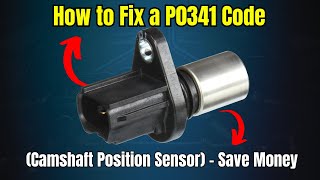
- P0341 on this Santa Fe most often means the Bank 1 (rear) camshaft position sensor has failed.
- Before buying parts, check the sensor's wiring and consider swapping the Bank 1 and Bank 2 sensors to confirm the failure.
- Accessing the Bank 1 sensor is challenging and requires removing the battery and other components.
- If a new sensor doesn't fix the code, the problem could be more serious, such as a stretched timing chain (3.3L) or a slipped timing belt (2.7L), which may require professional repair.
What's Unique About the 2007-2012 Hyundai Santa Fe
The 2007-2012 Santa Fe was available with two different V6 engines, and the diagnostic approach for P0341 can differ. The 2.7L Mu engine uses a timing belt, which can stretch or skip a tooth, causing this code. The 3.3L Lambda engine uses a timing chain, which is known to sometimes stretch over time, also leading to cam/crank correlation issues that trigger P0341. While the sensor itself is the most common culprit for both, mechanical timing must be considered if a new sensor doesn't fix the issue. Furthermore, oil leaks from the rear valve cover gasket are common and can saturate the Bank 1 sensor's wiring connector, causing this code. It is important to note that for the 2010-2012 model years, these V6 engines were replaced by a 2.4L I4 and a 3.5L V6, so this guide primarily applies to the 2007-2009 models.
Symptoms You May Notice
- Check Engine Light is on
- Engine is hard to start or cranks but won't start
- Engine stalls, sometimes intermittently, after warming up, or when coming to a stop
- Rough idle or engine misfiring
- Hesitation or lack of power during acceleration
- Reduced fuel economy
- Unusual exhaust smell due to inefficient combustion
- Replacing the crankshaft position sensor first without proper diagnosis.
- Replacing ignition coils or spark plugs, assuming the rough running is a simple misfire without checking codes.
- Replacing the Bank 2 camshaft sensor (front of engine) instead of the correct Bank 1 sensor (rear of engine, by the firewall).
Most Likely Causes
- Faulty Bank 1 Camshaft Position Sensor (CMP) 🔴 High Probability The sensor is a common failure item due to age and heat cycles in the engine bay. The Bank 1 sensor is located at the rear of the engine, where heat soak is a significant issue, especially after being stationary in traffic.
How to confirm: Swap the Bank 1 and Bank 2 camshaft position sensors (if identical). If the code changes to P0346 (Bank 2), the sensor is bad. Alternatively, test the sensor's output signal with a multimeter or oscilloscope. A failed sensor may also have visible cracks or oil contamination.
Typical fix: Replace the Bank 1 camshaft position sensor.
Est. part cost: $40-$100 - Damaged Wiring or Connector 🟡 Medium Probability A common issue on these engines is a leaking rear valve cover gasket, which drips oil directly onto the Bank 1 CMP sensor and its connector. Over time, this oil saturation degrades the wiring insulation and allows oil to penetrate the connector, causing a poor signal.
How to confirm: Visually inspect the wiring harness and connector for the Bank 1 CMP sensor for any signs of oil saturation, corrosion, or physical damage. Perform a wiggle test on the harness while the engine is running to see if it affects idle.
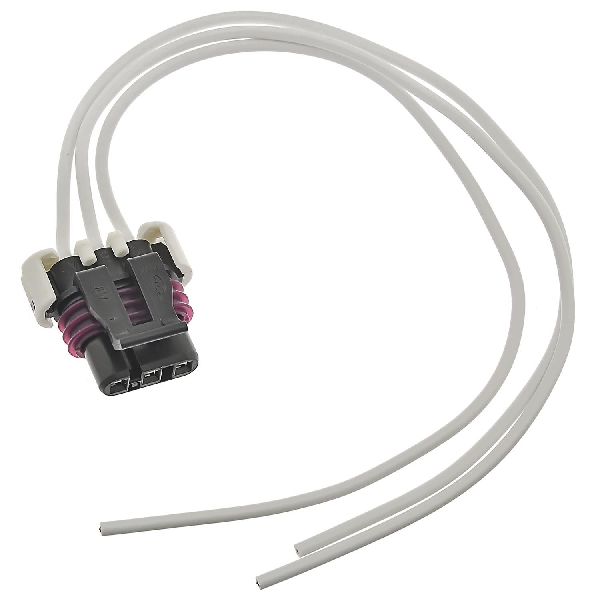
Typical fix: Repair the damaged section of wiring or replace the connector pigtail. If oil contamination is the cause, the valve cover gasket must also be replaced to prevent a repeat failure.
Est. part cost: $15-$50 for a pigtail, $50-$150 for valve cover gasket set. - Stretched Timing Chain (3.3L Lambda V6) ⚪ Low Probability Some Lambda V6 engines can experience timing chain stretch, especially with extended oil change intervals, which creates slack and alters cam/crank timing correlation. A rattling noise on cold starts is a key symptom.
How to confirm: This is an advanced diagnosis. Use a scan tool with live data to view cam/crank correlation. A physical inspection is required for confirmation, which involves significant engine disassembly to check the timing chain tensioners and guides.
Typical fix: Replace the timing chain, tensioners, and guides. This is a labor-intensive job often costing over $1500 at a shop.
Est. part cost: $300-$600 - Slipped or Worn Timing Belt (2.7L Mu V6) ⚪ Low Probability
How to confirm: If the timing belt has not been replaced according to its 60,000-mile service interval, it should be suspected. Remove the upper timing covers to check the belt's condition and alignment marks. A worn belt can slip a tooth, causing the cam and crank signals to be out of sync.
Typical fix: Replace the timing belt, tensioner, and idler pulleys. It is highly recommended to replace the water pump at the same time. This is a critical maintenance item.
Est. part cost: $150-$300
Rare But Worth Checking
- Faulty Crankshaft Position Sensor (CKP): A failing crankshaft sensor can send erratic signals that the ECM misinterprets as a camshaft sensor problem. If replacing the CMP sensor doesn't work, the CKP sensor is the next logical component to test.
- Failing Oil Control Valve (OCV) / VVT Solenoid: A sticky or failed OCV for Bank 1 can cause the camshaft timing to be over-advanced or over-retarded, which the ECM may interpret as a sensor performance issue, triggering P0341. This is often accompanied by rattling noises and other timing codes like P0011.
- Damaged Reluctor Wheel: The tone ring (reluctor wheel) on the camshaft that the sensor reads can be damaged or have debris on it, causing an incorrect signal. This is rare but possible, usually resulting from other internal engine work.
- Failing Engine Control Module (ECM): This is extremely rare. The ECM should only be considered after all other possibilities, including sensors, wiring, and mechanical timing, have been exhaustively ruled out.
Diagnosis Steps
- Read the code with an OBD-II scanner and document any other pending or active codes.
- Inspect the engine oil level and condition. Low or dirty oil is a known cause of VVT and timing issues in these engines. Change the oil if it's old or low.
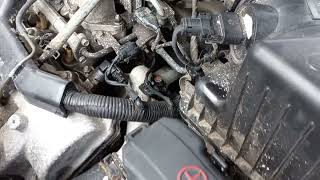
- Locate the Bank 1 Camshaft Position Sensor. On these V6 engines, Bank 1 is the cylinder bank closer to the firewall (rear of the engine bay). The sensor is notoriously difficult to access, especially on the 2.7L.
- Thoroughly inspect the sensor's electrical connector and wiring for oil saturation from a leaking valve cover gasket, as well as corrosion, melting, or frayed wires. Repair as needed.
- If the sensors are identical and accessible, swap the Bank 1 (rear) and Bank 2 (front) sensors. Clear the codes and drive the vehicle. If the code returns as P0346 (Bank 2), the sensor you moved is faulty and needs replacement.
- If swapping is not an option, use a multimeter to test the sensor. Check for proper voltage reference (usually 5V) and ground at the connector. With the engine running, you can backprobe the signal wire to check for a changing voltage or use an oscilloscope to view the square wave signal.
- If the sensor and wiring test good, investigate the mechanical timing. For the 2.7L, inspect the timing belt for wear, damage, and proper tension, especially if it's near or over its 60,000-mile replacement interval. For the 3.3L, listen for a startup rattle and use a scan tool to check cam/crank deviation data, which could indicate a stretched timing chain.
Parts You'll Likely Need
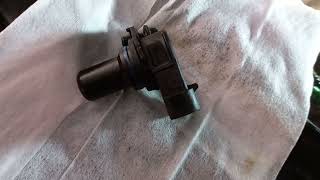
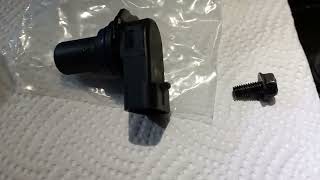
- Camshaft Position Sensor (Bank 1)
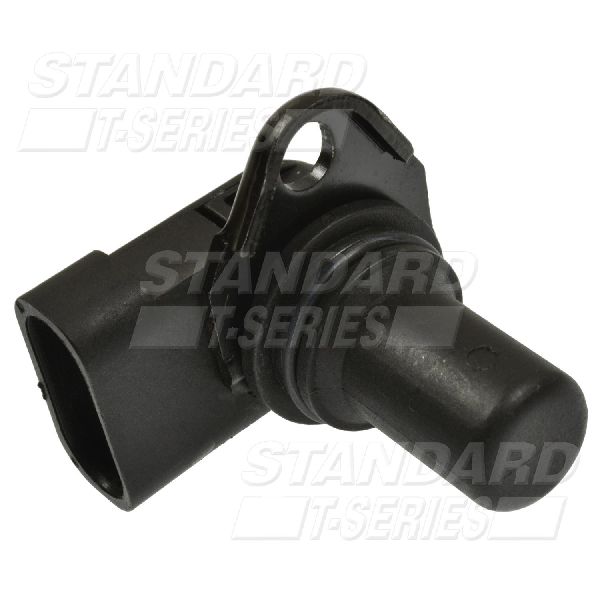
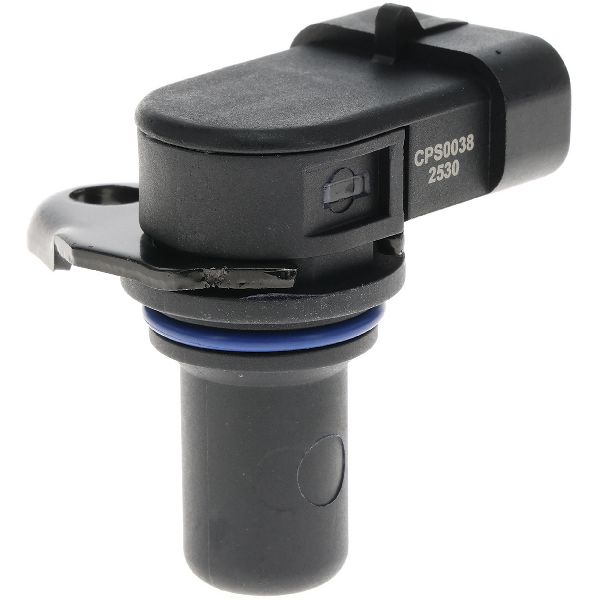
(OEM #39350-3E110 (for 2.7L Mu V6, Right/Rear/Bank 1), 39350-3C100 (for 3.3L Lambda V6, Bank 1 - verify with VIN))— This sensor is the most frequent cause of a P0341 code due to electronic failure from heat and age.
Trusted brands: Hyundai/Kia OE, Delphi, NGK/NTK, Beck/Arnley
OEM price range: $70-$120
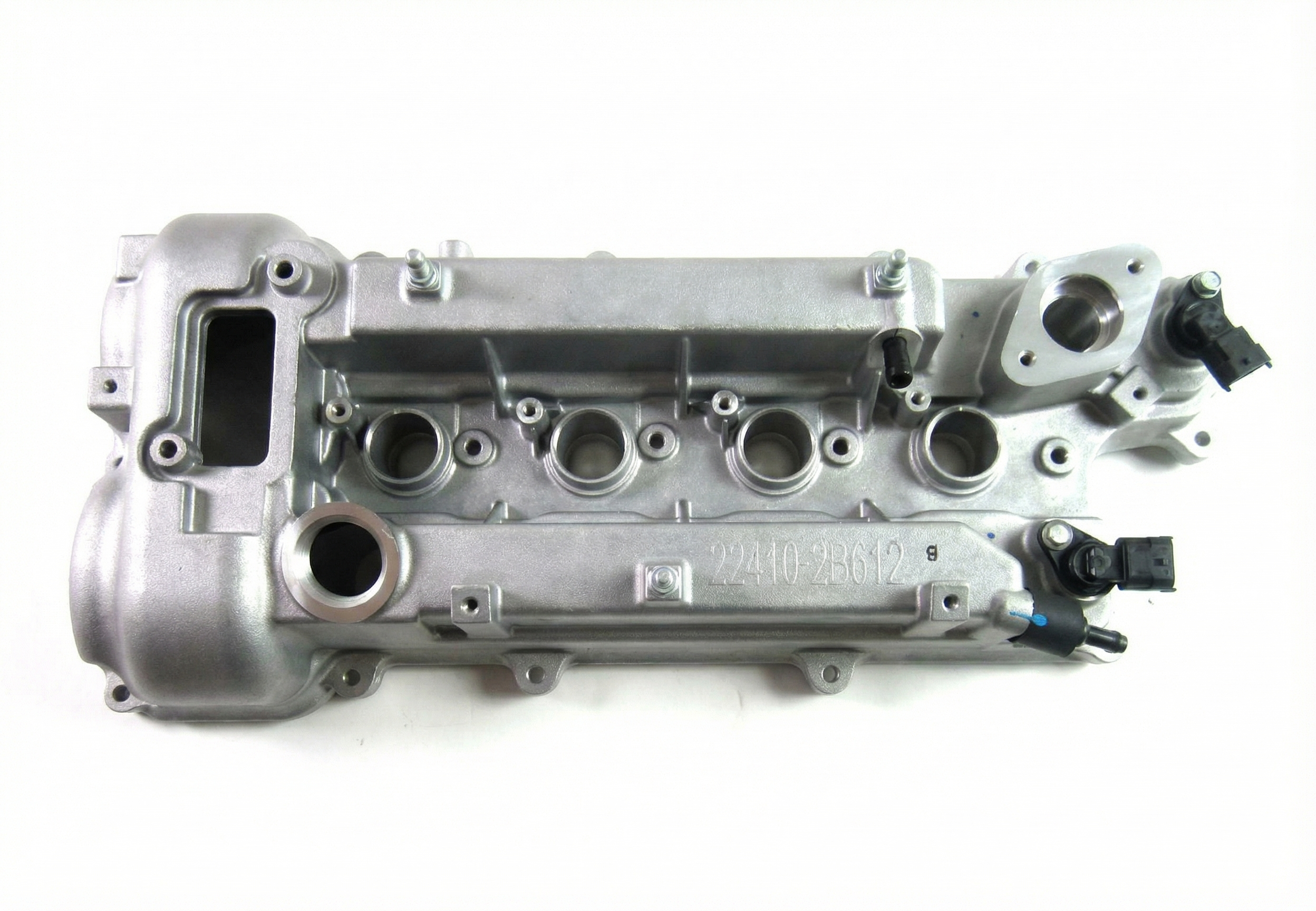
Aftermarket price range: $40-$80 - Valve Cover Gasket Set — Frequently required if the cause of the P0341 is oil leaking from the rear valve cover onto the sensor's wiring.
Trusted brands: Fel-Pro, Mahle, Hyundai OE
OEM price range: $50-$80
Aftermarket price range: $25-$50
Related Codes That Often Appear With This One
- P0340 — P0340 indicates a general malfunction in the same sensor circuit, while P0341 points specifically to a performance/range issue. They often appear together.
- P0346 — This is the equivalent code for the Bank 2 camshaft position sensor. Seeing both P0341 and P0346 strongly suggests a systemic issue like a timing chain/belt problem, a wiring harness issue common to both sensors, or low/dirty engine oil affecting the VVT system.
- P0335 — This is a code for the Crankshaft Position Sensor. If the mechanical timing between the cam and crank is off, codes for both sensors can be triggered.
- P0011 — This code ('A' Camshaft Position - Timing Over-Advanced Bank 1) points to a problem with the variable valve timing system on the same bank, often caused by a faulty Oil Control Valve (OCV) or low/dirty oil, which can also trigger P0341.
Technical Service Bulletins (TSBs) & Recalls
- Hyundai TSB 09-FL-003: Addresses the common problem of an inaccurate fuel gauge due to a faulty fuel level sending unit, a well-known issue on this Santa Fe generation.
Platform-Specific Known Issues
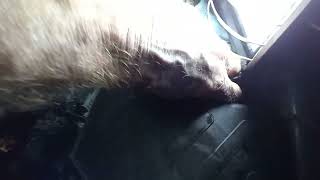
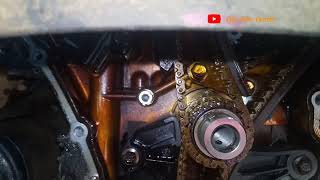
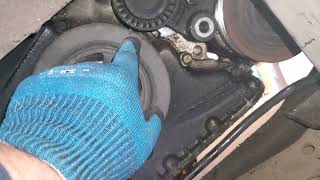
- On the 2.7L V6, the Bank 1 (rear) sensor is extremely difficult to access. A DIY replacement requires removing the battery, battery tray, and ECU to create enough room to work. A YouTube video by user 'jon lamb' documents this difficult process.
Mechanic-Grade Diagnostic Values
- Camshaft Position Sensor (Hall Effect Type) Signal Voltage — expected: Digital square wave switching between approx. 0V and 5V.. Failure: Signal voltage is stuck high (5V), stuck low (0V), has a voltage below 2.0V for a high signal, or a voltage above 0.6V for a low signal, indicating internal sensor or circuit resistance issues.
- Camshaft Position Sensor Resistance (General) — expected: While not the primary test for a Hall-effect sensor, some general guides suggest a resistance between 200 to 900 ohms for some sensor types. This is not specific to Hyundai but a general diagnostic value.. Failure: Reading is significantly outside the expected range (e.g., open circuit or shorted).
Scan Tool Commands That Help
- Hyundai GDS (Global Diagnostic System): DTC Status check — Used to determine if the fault is currently present or intermittent. If the status is not 'Present fault', it points towards an intermittent issue like a poor connection or wiring problem.
- Hyundai GDS (Global Diagnostic System): Live Data - Cam/Crank Correlation — To diagnose timing issues. The scan tool can monitor the relationship between the camshaft and crankshaft signals to see if they are out of sync, which would indicate a stretched chain/belt or other mechanical timing problem.
Wiring & Ground Locations
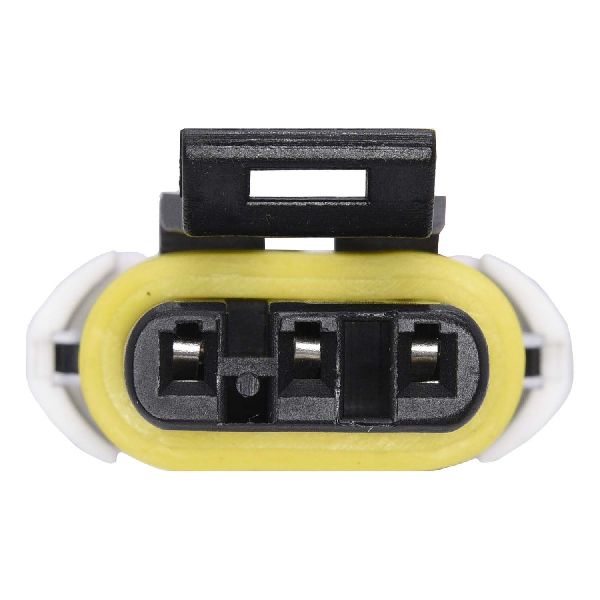
- CMP Sensor Connector (2.7L V6) — On the sensor body, located on the cylinder head. Bank 1 is at the rear of the engine near the firewall; Bank 2 is at the front.. This connector is the primary point of failure due to oil contamination from leaking valve cover gaskets or heat damage. It has 3 terminals for signal, power, and ground.
- ECM Connector C133-4 (2.7L V6) — At the Engine Control Module (ECM).. Pin 7 is the Camshaft Position Sensor signal input, and Pin 8 is the sensor ground. These pins can be back-probed to test for signal continuity directly from the ECM, ruling out wiring issues between the sensor and the module.
Real Owner Repair Stories
- YouTube user 'jon lamb' (Hyundai Santa Fe 2.7L V6 (CM)) — Engine misfire, stumbling, and P0341 code.
❌ Tried (didn't work) The user first replaced the Bank 2 (front) sensor, which did not resolve the P0341 code for Bank 1.
✅ What actually fixed it The problem was resolved after replacing both the Bank 1 (rear) and Bank 2 (front) camshaft position sensors. The engine ran smoothly after both were replaced.
OEM Part Supersession History
39350-3E110→39350-3E120 (for some applications, verify by VIN)— Part revision or consolidation.
Heads up: Part listings show 39350-3E110 as the right-side (Bank 1) sensor and 39350-3E120 as the left-side (Bank 2) sensor for the 2.7L V6. They may not be interchangeable despite looking similar. Always verify the correct part for the specific bank.
Model Year Variations Within This Range
- 2007-2009: These model years were the primary recipients of the 2.7L Mu V6 and 3.3L Lambda V6 engines.
- 2010-2012: For the 2010 model year refresh, the 2.7L and 3.3L V6 engines were replaced with a 2.4L four-cylinder and a more powerful 3.5L V6. Therefore, diagnosis for P0341 on a 2010-2012 Santa Fe would involve different engines and potentially different part numbers.
Diagnostic Flowchart
Other Known Issues on This Vehicle
Issues unrelated to this code that are worth knowing about as an owner of this generation:
- Faulty Fuel Level Sending Unit 🟠 Medium — Very common issue where the fuel gauge becomes erratic or reads empty, regardless of the actual fuel level. Often occurs after 60,000 miles. (Ref: Hyundai issued TSB 09-FL-003 for this issue, and there was a recall in some regions (e.g., Recall 093).)
- Valve Cover Gasket Leaks 🟠 Medium — Common on both 2.7L and 3.3L engines, typically after 80,000-100,000 miles. The rear (Bank 1) gasket is a frequent culprit, and leaking oil can drip onto and damage the alternator, OCV solenoids, and the camshaft position sensor itself.
- Alternator Failure 🔴 High — Often linked to oil leaks from the valve cover gasket dripping directly onto the alternator, causing premature failure. Symptoms include a battery light, dimming headlights, and eventual no-start.
- Timing Chain Tensioner Wear (3.3L V6) 🔴 High — Some 3.3L Lambda engines can develop a rattling noise on cold startups, indicating wear on the timing chain tensioners. If ignored, this can lead to chain slack, timing jump, and catastrophic engine damage. (Ref: Related TSB 12-EM-003 addresses engine oil consumption which can exacerbate wear.)
Used vs. New Parts: Buying Guide for This Vehicle
When a used part is the smart pick: For this repair, using a used part is generally not recommended for the sensor itself. However, obtaining a used wiring connector pigtail from a junkyard vehicle with a clean, oil-free harness can be a cost-effective solution if only the connector is damaged.
Donor-vehicle mileage cap: roughly under 80000 miles for the part to have meaningful remaining life.
What to inspect on the donor part:
- For a wiring pigtail, inspect for any signs of oil saturation, which indicates a leaking valve cover gasket on the donor car.
- Check for brittle plastic or cracked insulation on the wires.
- Ensure the connector's locking tab is intact and clicks securely.
- Avoid parts from vehicles that show signs of engine fire or extreme overheating.
OEM-only on this vehicle (don't cheap out):
- While not strictly OEM-only, timing components (chain, belt, tensioners) should be sourced from OEM or a highly reputable OEM-equivalent supplier. Cheap timing kits are a significant risk.
Aftermarket brands forum-validated for this vehicle:
- Sensors: NGK/NTK, Delphi, Beck/Arnley
- Gaskets: Fel-Pro, Mahle
Brands owners have reported issues with on this vehicle:
- Unbranded, no-name electronic sensors from online marketplaces should be avoided, as their quality control and longevity are often poor, leading to repeat failures.
Real Owner Stories
Aggregated from forums and TSBs cited above. Mileages and costs reflect what owners reported in those sources.
2007 Hyundai Santa Fe 3.3L V6
Symptoms: Experienced both P0341 and P0346 codes simultaneously.
What fixed it: Replacing both the Bank 1 and Bank 2 camshaft position sensors.
Source hint: hyundai-forums.com: Thread 'P0341 and P0346 Cam Position Sensors'
2007 Hyundai Santa Fe 2.7L V6 — 124274 miles
Symptoms: The failure occurred after the vehicle was stationary in traffic; the owner noted extreme difficulty in accessing the sensor.
What fixed it: Replacement of the Bank 1 camshaft position sensor after removing the battery, battery tray, and ECU.
Source hint: YouTube: 'P0341 camshaft position sensor, bank 1, removed, Santa fe V6 2.7 CM, #3' by jon lamb
2008 Hyundai Santa Fe 3.3L V6
Symptoms: Multiple cam sensor codes (P0341, P0346, P0366, P0391) appeared after the vehicle sat for a period of non-use.
What fixed it: Clearing the codes; they did not return, suggesting an intermittent electronic glitch rather than a mechanical failure.
Source hint: santafeforums.com: Thread '2008 Santa Fe 3.3L - P0341, P0346, P0366, P0391'
Related OBD-II Codes
Frequently Asked Questions
Where is the Bank 1 Camshaft Position Sensor located on my Santa Fe V6?
Does Hyundai TSB 09-FL-003 relate to my P0341 code?
Why is my Bank 1 sensor failing repeatedly on the 3.3L engine?
Can I swap sensors to test if the Bank 1 sensor is actually bad?
Is the P0341 code related to my timing belt on the 2.7L Mu V6?
What parts do I need to remove to reach the sensor on a 2.7L Santa Fe?
Helpful Videos


Used OEM Parts in Stock
New Aftermarket Parts Available


The information in this article is provided for general reference and educational purposes only. Vehicle specifications, procedures, and part compatibility can vary by production date, trim level, and region. Always consult your vehicle's factory service manual and verify part numbers before purchasing or performing repairs. Safety-critical components such as airbags, seat belts, and braking systems should be installed by a qualified professional.
- Hyundai Santa Fe:
- 🎬 Helpful Videos
- 🛍️ Shop This Part
- What's Unique About the 2007-2012 Hyundai Santa Fe
- Symptoms You May Notice
- Most Likely Causes
- Rare But Worth Checking
- Diagnosis Steps
- Parts You'll Likely Need
- Related Codes That Often Appear With This One
- Technical Service Bulletins (TSBs) & Recalls
- Platform-Specific Known Issues
- Mechanic-Grade Diagnostic Values
- Scan Tool Commands That Help
- Wiring & Ground Locations
- Real Owner Repair Stories
- OEM Part Supersession History
- Model Year Variations Within This Range
- Diagnostic Flowchart
- Other Known Issues on This Vehicle
- Used vs. New Parts: Buying Guide for This Vehicle
- Real Owner Stories
- 2007 Hyundai Santa Fe 3.3L V6
- 2007 Hyundai Santa Fe 2.7L V6 — 124274 miles
- 2008 Hyundai Santa Fe 3.3L V6
- Related OBD-II Codes
- Frequently Asked Questions
- 🎟️ Get 5% Off