

P0339 on 2011-2019 Ford Fiesta 1.0L EcoBoost: Crank Sensor Causes and Fixes
Code P0339 on a 1.0L EcoBoost Fiesta means an intermittent signal from the crankshaft position sensor. While a faulty sensor or wiring is possible, this code is often an early warning of the engine's 'wet' timing belt failing. A sensor replacement is cheap (~$25-$75), but a timing belt job is a major repair.
- P0339 on a 1.0L EcoBoost is more than a simple sensor code; it can be a warning of a failing wet timing belt.
- If your Fiesta has over 60,000 miles and an unknown timing belt history, treat this code with extreme caution.
- While replacing the CKP sensor is a cheap and easy first step, be prepared for the possibility that the real fix is a much larger and more expensive timing belt service.
- Ignoring this code can lead to sudden stalling or catastrophic engine failure.
- Check if your vehicle is affected by Ford Safety Recall 23S64 regarding the oil pump belt, as it indicates a related known issue.
What's Unique About the 2011-2019 Ford Fiesta

On the Ford 1.0L EcoBoost engine, code P0339 is a major red flag that requires special attention. This engine uses a 'wet belt' for timing, which runs inside the engine and is lubricated by oil. These belts are known to degrade over time, shedding rubber material that can clog the oil pickup strainer, starving the engine of oil. This degradation can also cause the belt to stretch and fail. Mechanics frequently associate a P0339 code with a failing wet belt, as the erratic timing can mimic an intermittent sensor signal. While the sensor itself might be bad, the possibility of a looming, catastrophic engine failure due to the belt makes diagnosis more critical than on other vehicles.
Generation note: The 2011-2019 year range covers the end of the Fiesta Mk6 (B299, facelifted) and the entire Mk7 (B479) generation in North America and Europe. The 1.0L EcoBoost engine with its specific wet belt design was a consistent feature across these generations within this timeframe, so the causes and fixes are broadly applicable. Pre-2019 versions are considered more susceptible to wet belt issues.
Symptoms You May Notice
- Engine suddenly cuts out while driving, may or may not restart after a cool-down period.
- Intermittent stalling, especially when the engine is warm or at low speeds.
- Check Engine Light and/or a Wrench icon illuminated on the dashboard.
- Hard starting (cranks for a long time) or a complete no-start condition.
- Rough or uneven idle.
- Engine hesitation or misfires, particularly under acceleration.
- Noticeably reduced throttle response.
- Rattling or 'diesel-like' chatter from the engine on a cold start, which may fade as it warms up.
- Low oil pressure warning light flickering, especially at idle or during cornering.
- Replacing only the crankshaft position sensor without considering the condition of the wet timing belt. If the belt is the root cause, the code will likely return, and the engine remains at risk of catastrophic failure.
Most Likely Causes

- Failing 'Wet' Timing Belt 🔴 High Probability The 1.0L EcoBoost's timing belt runs in oil and is known to degrade prematurely (well before the 150,000-mile recommended interval), often showing signs of failure around 60,000 miles. 🎬 Watch: See what a failing wet belt looks like at 49k miles. As the belt stretches or sheds material, it can cause erratic valve timing. The PCM may interpret the resulting inconsistent crankshaft rotation as an intermittent sensor signal, triggering P0339. Mechanics familiar with this engine often suspect the belt first, especially on cars with over 60,000 miles.
How to confirm: A definitive diagnosis requires dropping the oil pan to inspect the oil sump and oil pickup tube for black rubber 'crumbs' or particles from the degrading belt. This is a labor-intensive process. If the car has over 60,000 miles and the belt has never been changed, this becomes the most likely cause.
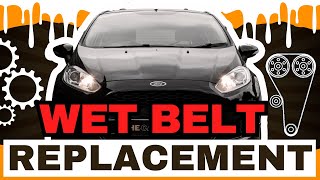
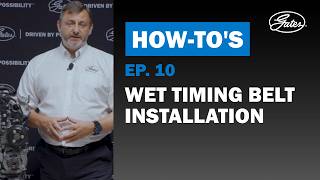
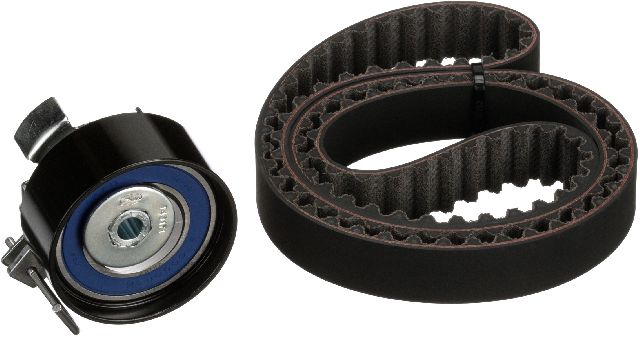
Typical fix: Replace the timing belt, oil pump belt, tensioners, and associated seals. This is a major service that requires special tools 🎬 See this walkthrough of the complex wet timing belt replacement process. and must include cleaning the oil sump and pickup tube thoroughly.
Est. part cost: $200-$400 for a full OEM kit - Faulty Crankshaft Position (CKP) Sensor 🟡 Medium Probability
How to confirm: Test the sensor's output with an oscilloscope for a clean square wave signal while the engine is running; look for dropouts or glitches. A simpler but less definitive test is to check resistance with a multimeter and compare to specifications, which are generally between 200 to 900 ohms for this type of sensor. Often, the easiest diagnostic is to replace the sensor, as it is relatively inexpensive.
Typical fix: Replace the crankshaft position sensor. It is held by a single bolt near the crankshaft pulley.
Est. part cost: $25-$75 - Damaged Wiring or Connector ⚪ Low Probability
How to confirm: Visually inspect the wiring harness leading to the CKP sensor for any signs of chafing, melting, or corrosion, especially where it might rub against other components. Check the connector for bent or corroded pins and ensure it is securely seated. Use a multimeter to check for continuity and voltage drops between the sensor connector and the PCM.
Typical fix: Repair the damaged section of the wiring harness or replace the connector pigtail. In one documented case on a Fiesta ST, damaged crank sensor wires were the root cause after other attempted fixes failed.
Est. part cost: $10-$30 for a pigtail
Rare But Worth Checking
- Damaged Reluctor Wheel: The toothed wheel the sensor reads can get damaged, have debris on it, or have broken teeth, causing an erratic signal. This usually only happens if other work was performed in the area.
- Faulty Powertrain Control Module (PCM): This is very rare, but the PCM's internal driver for the CKP circuit can fail. This should only be considered after all other possibilities have been exhaustively ruled out.
Diagnosis Steps

- Scan the vehicle for all stored trouble codes. Note any codes related to camshaft position (P0016, P0017, P0340) or oil pressure.
- Check the vehicle's mileage and service history. If it is over 60,000 miles and the timing belt service has not been performed, the wet belt becomes a primary suspect.
- Inspect the wiring and connector for the crankshaft position sensor. Look for any obvious damage, corrosion, or loose connections. Pay close attention to areas where the harness could chafe against the engine or other components.
- If access permits, use an oscilloscope to monitor the CKP sensor signal live. Look for dropouts or an inconsistent waveform, especially while wiggling the harness or as the engine warms up.
- If no issues are found with wiring, and given the low cost, replacing the crankshaft position sensor is a reasonable next step.
- If the code returns after replacing the sensor, the focus must shift to the timing system. This requires a more involved diagnosis, starting with dropping the oil pan to inspect the oil pickup tube for debris from the degrading belt.
- If rubber debris is found, a full timing belt and oil pump belt replacement is necessary to save the engine.
Parts You'll Likely Need

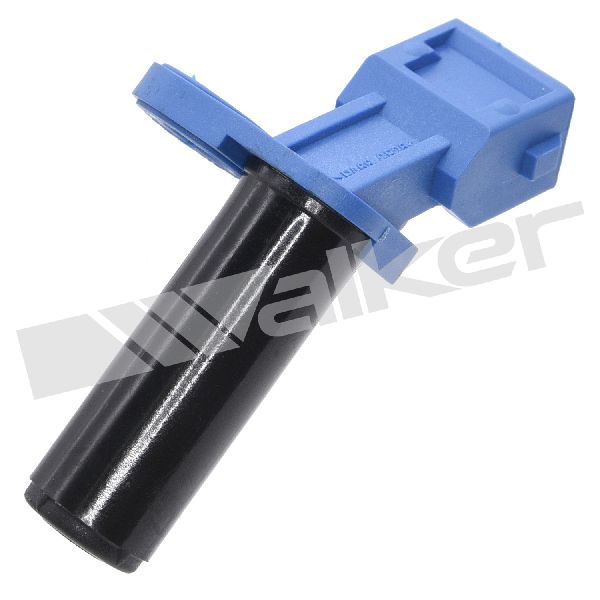
- Crankshaft Position Sensor
(OEM #CM5Z-6C315-A (Verify by VIN))— This is a common failure point and the most direct cause of a P0339 code when the timing system is healthy. It's an inexpensive part and relatively easy to replace. Note: Multiple part numbers exist for Ford crank sensors; always verify with the vehicle's VIN.
Trusted brands: Motorcraft, Bosch, Delphi, NTK
OEM price range: $50-$75
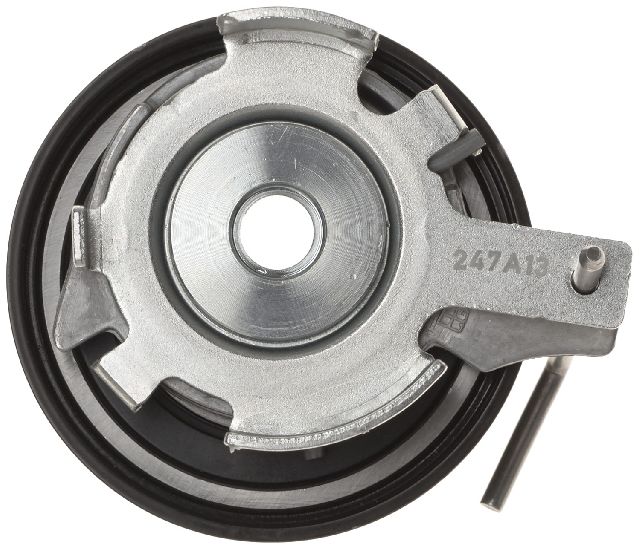
Aftermarket price range: $25-$50 - Timing Belt Kit ('Wet Belt')
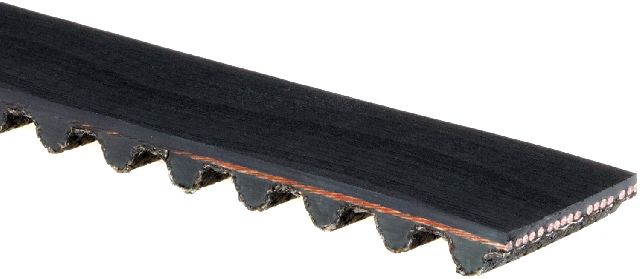
(OEM #2122062 (Kit))— This is the most critical and platform-specific cause. The original belt is prone to premature failure, and its degradation is a known cause of timing-related codes like P0339 on the 1.0L EcoBoost. A full kit often includes the belt, tensioner, water pump, drive belt, and various seals/bolts.
Trusted brands: Motorcraft, Dayco, Continental
OEM price range: $250-$400
Aftermarket price range: $150-$250
Related Codes That Often Appear With This One
- P0335 — P0335 indicates a hard fault ('Circuit Malfunction') in the same sensor circuit. An intermittent P0339 can eventually become a permanent P0335 as the component or wiring fails completely.
- P0016 or P0017 — These codes indicate a misalignment between the crankshaft and camshaft. If the timing belt has stretched or jumped a tooth, it is common to see these codes alongside P0339.
- P0340 or P0344 — These are codes for the camshaft position sensor. Since the crank and cam sensors work together to verify engine timing, a fault in one can sometimes lead the PCM to flag an issue with the other.
Technical Service Bulletins (TSBs) & Recalls
- TSB 18-2062 (supersedes 15-0036): While this TSB is for 2.0L GDI engines in the Ford Focus, it is relevant as it details a procedure to fix wiring harness chafing that causes multiple DTCs, including those for crank/cam sensors. It serves as an official acknowledgment that harness damage can cause these types of intermittent electrical faults on Ford platforms.
Platform-Specific Known Issues
- Ford Safety Recall 23S64: Affects certain 2017-2021 Fiesta models. The recall addresses the engine oil pump drive belt and tensioner, which can fail, leading to a loss of engine oil pressure and catastrophic engine failure. While this is for the oil pump belt, it highlights the known issue of wet belt degradation in this engine family.
- The wet belt degradation issue is widely considered more prevalent on the pre-2019 versions of the 1.0L EcoBoost engine, sometimes referred to as the 'Fox' engine, before Ford implemented design updates.
Mechanic-Grade Diagnostic Values
- Crankshaft Position Sensor (CKP) Resistance — expected: 200 - 900 Ohms. Failure: A reading outside this range, or an open/infinite reading, suggests a faulty sensor.
- CKP Sensor Signal Voltage (Live Data) — expected: A clean, consistent square-wave signal when viewed on an oscilloscope. A 5V reference is typical.. Failure: Intermittent drops to zero, erratic frequency, or a noisy signal while the engine is cranking or running indicates a fault in the sensor or circuit.
Hidden / Shadow Codes Worth Checking
- P0339:2F-2F: This is an extended trouble code format visible on Ford-specific diagnostic tools like IDS or high-end scanners. The ':2F' suffix provides additional detail about the fault type, though its specific meaning is not publicly documented, it confirms the intermittent nature of the fault. (see via Ford IDS, FORScan, or other professional-grade scan tools.)
Scan Tool Commands That Help
- Ford IDS, FORScan: Misfire Monitor Neutral Profile Correction — This procedure is required after replacing the crankshaft position sensor or performing internal engine work. The PCM must relearn the profile of the reluctor wheel to accurately detect misfires and prevent setting false codes like P0339. Failure to perform this can cause the code to return even with a new sensor.
- Professional Scan Tool (e.g., iCarsoft, Autel): Live Data Graphing - Engine RPM (CKP_PID) — To diagnose an intermittent P0339, monitor the engine RPM signal while driving or wiggling the sensor harness. If the RPM signal drops to zero or becomes erratic while the engine is still physically turning, it confirms an intermittent electrical fault in the CKP circuit.
Wiring & Ground Locations
- Engine Harness Ground (General) — On the strut tower, a short wire runs from the negative battery terminal to a grounding point on the chassis. Additionally, two more ground points are located further down below the battery box.. Poor ground connections for the engine control system can introduce electrical noise or voltage drops, causing the PCM to misinterpret the CKP sensor's signal and trigger an intermittent fault code. Cleaning these grounds is a critical and often overlooked diagnostic step.
- CKP Sensor Connector — At the crankshaft position sensor, located near the bottom of the engine by the crankshaft pulley.. The sensor is a 3-pin Hall Effect type. The pins are for power (typically 5V reference), ground, and signal output. Corrosion or damage to any of these three pins will corrupt the signal sent to the PCM.
- S143 (Splice) — In the engine control wiring harness, near the breakout to connector C146.. This is a factory splice point within the harness. Over time, corrosion or vibration can cause this splice to fail, leading to an intermittent open in the circuit for sensors like the CKP.
Real Owner Repair Stories
- Ford Owners Club Forum (Ford Fiesta 1.0L EcoBoost) — Car would not start, displaying multiple codes including P0339 and U0401 (Invalid Data from PCM).
❌ Tried (didn't work) Replacing the crankshaft position sensor with a non-OEM (Delphi) part. This allowed the car to run but caused other issues (loss of power steering).
✅ What actually fixed it The final cause was identified as a loose earth/ground wire. The wire was found near the starter motor cable bracket where the exhaust sensor harness plugs in. Securing this ground connection resolved the starting issue and associated codes.
OEM Part Supersession History
BE8Z-6C315-A→CM5Z-6C315-A, then BM5Z-6C315-A— Part revision and improvement by the manufacturer.
Heads up: While multiple part numbers may physically fit, using the latest revision specified for the vehicle's VIN is critical. An older or incorrect sensor version may not be calibrated correctly for the PCM's software, potentially causing persistent codes or requiring a PCM reflash.
Model Year Variations Within This Range
- 2012-2017 vs 2018+: In 2018, Ford introduced a revised version of the 1.0L EcoBoost engine that included cylinder deactivation. While the fundamental design is similar, there may be differences in the PCM software and sensor calibration. The various power output versions (100hp, 125hp, 140hp) are primarily achieved through different ECU mapping, though minor hardware differences like the head gasket may exist on the highest output versions.
- 2014+: The 1.0L EcoBoost was introduced to the North American market starting with the 2014 model year Fiesta. Earlier models in the 2011-2013 range listed would have different engine options in that market.
Diagnostic Flowchart
Other Known Issues on This Vehicle
Issues unrelated to this code that are worth knowing about as an owner of this generation:
- Wet Belt Degradation & Oil Starvation 🔴 High — Common on pre-2019 engines, especially over 60,000-80,000 miles. Risk increases with poor oil quality or extended service intervals.
- Cooling System Leaks & Overheating 🔴 High — Particularly prevalent on earlier models (approx. 2011-2014) due to faulty coolant hoses and degas pipes. Can lead to cracked cylinder heads. (Ref: Ford initiated repair programs and recalls for affected models.)
- PowerShift (DPS6) Automatic Transmission Failure 🔴 High — Extremely common on Fiestas equipped with the DPS6 dual-clutch automatic transmission (2011-2016). Symptoms include shuddering, hesitation, and complete failure. (Ref: Subject of multiple lawsuits and warranty extensions, but no permanent fix was consistently successful.)
- Turbocharger Failure 🟠 Medium — Reported by some owners, often linked to oil supply/starvation problems (which can be a side effect of wet belt issues) or mechanical faults.
- Carbon Buildup on Intake Valves 🟡 Low — A common characteristic of direct-injection engines over time, leading to rough idle and reduced performance if not cleaned.
Used vs. New Parts: Buying Guide for This Vehicle
When a used part is the smart pick: For this repair, a used part is almost never recommended. The primary causes are a wear-and-tear sensor and a wear-and-tear timing belt. A used wiring harness pigtail from a junkyard could be a viable option if the original connector is damaged and a new pigtail is unavailable.
Donor-vehicle mileage cap: roughly under 40000 miles for the part to have meaningful remaining life.
What to inspect on the donor part:
- For a wiring pigtail, ensure the plastic is not brittle and the locking tab is intact.
- Check for any signs of corrosion on the pins or oil contamination inside the connector.
- Inspect at least 6 inches of the wiring for any signs of cracking, chafing, or previous repairs.
OEM-only on this vehicle (don't cheap out):
- Timing Belt ('Wet Belt') Kit: This is a critical engine component with a known design flaw. Only a new, OEM-spec kit (Motorcraft, Dayco, Continental) should be used to ensure maximum lifespan and compatibility with the engine's oil.
- Crankshaft Position Sensor: While some aftermarket sensors work, many owners report issues with incorrect readings or premature failure. Given the relatively low cost of the OEM Motorcraft part and the labor involved if it fails, OEM is strongly recommended.
Aftermarket brands forum-validated for this vehicle:
- Bosch
- Delphi
- NTK/NGK
Brands owners have reported issues with on this vehicle:
- No-name, unbranded sensors from online marketplaces. These often have inconsistent magnet strength or poor internal construction, leading to immediate or premature failure.
Real Owner Stories
Aggregated from forums and TSBs cited above. Mileages and costs reflect what owners reported in those sources.
2013 Ford Fiesta ST
Symptoms: Vehicle was throwing a P0339 code along with cam/crank correlation codes P0016 and P0017 after an engine swap.
What fixed it: The root cause was discovered to be damaged crankshaft position sensor wires, which were repaired.
Source hint: reddit.com/r/AskAMechanic - 'My mechanic is stumped... P0339'
Related OBD-II Codes
Frequently Asked Questions
My 2017 Fiesta 1.0L has over 60,000 miles. Is the P0339 code most likely caused by the timing belt?
What is Ford Safety Recall 23S64 and does it relate to the P0339 code?
How can a mechanic confirm the timing belt is the problem without a full teardown?
Is it a good idea to replace the crankshaft position sensor first before investigating the timing belt?
Are older Fiestas with the 1.0L EcoBoost more likely to have this timing belt issue?
I have codes P0016 and P0017 along with P0339. What does this combination suggest?
Helpful Videos
We Have This Part in Stock



The information in this article is provided for general reference and educational purposes only. Vehicle specifications, procedures, and part compatibility can vary by production date, trim level, and region. Always consult your vehicle's factory service manual and verify part numbers before purchasing or performing repairs. Safety-critical components such as airbags, seat belts, and braking systems should be installed by a qualified professional.
- Ford Fiesta:
- 🎬 Helpful Videos
- 🛍️ Shop This Part
- What's Unique About the 2011-2019 Ford Fiesta
- Symptoms You May Notice
- Most Likely Causes
- Rare But Worth Checking
- Diagnosis Steps
- Parts You'll Likely Need
- Related Codes That Often Appear With This One
- Technical Service Bulletins (TSBs) & Recalls
- Platform-Specific Known Issues
- Mechanic-Grade Diagnostic Values
- Hidden / Shadow Codes Worth Checking
- Scan Tool Commands That Help
- Wiring & Ground Locations
- Real Owner Repair Stories
- OEM Part Supersession History
- Model Year Variations Within This Range
- Diagnostic Flowchart
- Other Known Issues on This Vehicle
- Used vs. New Parts: Buying Guide for This Vehicle
- Real Owner Stories
- 2013 Ford Fiesta ST
- Related OBD-II Codes
- Frequently Asked Questions
- 🎟️ Get 5% Off