

P0306 on 2002-2005 Land Rover Freelander 2.5L: Cylinder 6 Misfire Causes and Fixes
P0306 indicates a misfire on cylinder 6. On the Freelander's KV6 engine, this is almost always a failed ignition coil or spark plug. Because cylinder 6 is on the rear bank under the intake manifold, the repair is labor-intensive. It is highly recommended to replace all three rear coils and plugs, along with the intake gaskets, at the same time. Expect to pay a shop $400-$850 for the job.
- P0306 on this Freelander is a misfire on the most difficult cylinder to access (cylinder 6).
- The repair requires removing the upper intake manifold, making it a 4/5 difficulty for DIY.
- Due to the high labor involved, always replace all three spark plugs, ignition coils, and the intake gaskets for the rear bank at the same time.
- Do not drive for an extended period with a flashing check engine light, as you risk damaging the expensive catalytic converter.
What's Unique About the 2002-2005 Land Rover Freelander
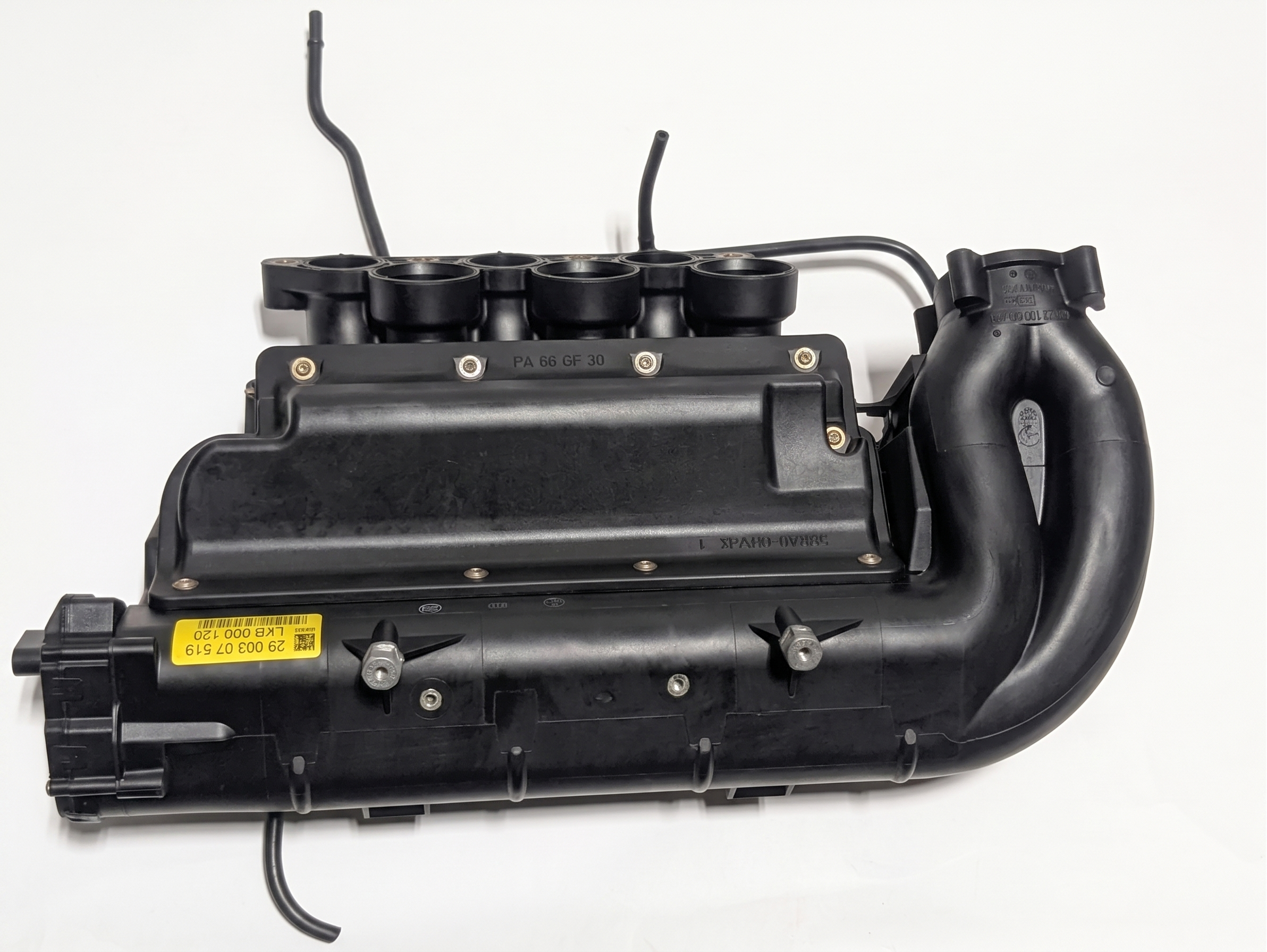
The key challenge with a P0306 on the 2.5L KV6 engine is the location of cylinder 6. It is on the rear bank of the V-shaped engine, tucked against the firewall. Accessing the spark plug and ignition coil requires the complete removal of the plastic upper intake manifold (plenum). This turns a simple part replacement into a much more involved and labor-intensive job. This is also why other related issues, like the failure-prone VIS (Variable Intake System) motors on the intake, are often addressed at the same time.
Symptoms You May Notice
- Flashing or solid Check Engine Light.
- Rough idle or engine vibrations.
- Noticeable loss of power, especially under load or uphill.
- Hesitation or stumbling during acceleration.
- Smell of fuel from the exhaust
- Engine may surge when driving slowly.
- Replacing only the cylinder 6 spark plug and coil without replacing the intake manifold gaskets, leading to vacuum leaks after reassembly.
- Ignoring the other two coils and plugs on the rear bank, leading to a similar repair job for a P0302 or P0304 code shortly after.
- Not inspecting or testing the VIS motors while the intake manifold is off, missing a common failure point.
- Incorrectly re-timing the engine during a timing belt service, leading to misfires on multiple cylinders.
Most Likely Causes
- Faulty Ignition Coil 🔴 High Probability Coil-on-plug systems are common failure points on many vehicles from this era. Heat and vibration, particularly in the cramped rear bank of the KV6, lead to eventual failure of the coil's internal windings.
How to confirm: The standard diagnostic method is to swap the cylinder 6 ignition coil with one from an accessible cylinder on the same bank (e.g., cylinder 4) after removing the intake manifold. Clear the codes and run the engine. If the misfire code changes to P0304, the ignition coil is confirmed as the faulty part.
Typical fix: Replace the ignition coil. Due to the high labor involved in removing the intake manifold, it is highly recommended to replace all three rear ignition coils (for cylinders 2, 4, and 6) and all six spark plugs at the same time.
Est. part cost: $40-$80 per coil - Worn or Fouled Spark Plug 🔴 High Probability Spark plugs are a regular maintenance item. If they have not been changed according to the service schedule (or if oil/coolant is leaking into the cylinder), their electrodes can wear down or become fouled, leading to a weak spark and misfires.
How to confirm: After ruling out the ignition coil, remove the spark plug from cylinder 6. Inspect it for wear, oil fouling, coolant contamination (white residue), or heavy carbon deposits. The correct spark plug gap should be approximately 1.0mm.
Typical fix: Replace the spark plug. As with the ignition coils, it is best practice to replace all six spark plugs at once, especially given the labor required to access the rear bank.
Est. part cost: $10-$25 per plug - Vacuum Leak 🟡 Medium Probability The KV6 engine has a complex plastic intake manifold with numerous gaskets and seals that can become brittle and leak over time, causing an unmetered air-fuel mixture. The intake manifold gaskets themselves are a primary suspect.
How to confirm: Perform a smoke test on the intake system to visually identify the source of any leaks. Pay close attention to the intake manifold gaskets and all vacuum hoses connected to the plenum.
Typical fix: Replace the leaking gasket or hose. The upper and lower intake manifold gaskets should always be replaced when the manifold is removed for a P0306 repair. Torque the manifold bolts to 18 Nm (13 lbf-ft) during reassembly.
Est. part cost: $50-$150 for a gasket set - Faulty Fuel Injector ⚪ Low Probability
How to confirm: If the ignition system is confirmed to be working, the fuel injector is the next suspect. Its electrical resistance can be tested with a multimeter and should be around 14.5 ± 0.7 ohms. A 'noid' light can verify the injector is receiving a pulse from the ECM. For a definitive test, swap the injector with another cylinder to see if the misfire follows, though this is labor-intensive.
Typical fix: Replace the faulty fuel injector. It is wise to replace the O-rings on all accessible injectors at the same time.
Est. part cost: $60-$120 per injector
Rare But Worth Checking
- Low Engine Compression: The KV6 engine can be susceptible to head gasket issues or valve problems. If all ignition and fuel causes are ruled out, a compression test on cylinder 6 is necessary. A healthy KV6 should show compression above 150 PSI, with minimal variation between cylinders. Incorrect timing after a belt change can also cause misfires and low compression.
- Faulty VIS (Variable Intake System) Motors: While a faulty VIS motor typically won't cause a single-cylinder misfire, they are a very common failure point on the intake manifold, often causing a rattling noise. Since the manifold must be removed to fix P0306, it is the perfect time to inspect and test these motors. Faulty VIS motors can throw their own codes, such as P1471 and P1472.
- Faulty Oxygen (O2) Sensor: While less common for a single-cylinder misfire, a failing upstream O2 sensor for the rear bank (Bank 2) can cause incorrect fuel trim for all three rear cylinders, potentially leading to misfires on one or more of them. This is more likely if codes like P0302 or P0304 appear alongside P0306.
Diagnosis Steps
- Confirm the P0306 code is present using an OBD-II scanner.
- Identify cylinder 6 as the rearmost cylinder on the driver's side (rear bank, near firewall). The rear bank cylinders are 2, 4, and 6.
- Gain access to the rear bank by carefully removing the upper intake manifold (plenum). This involves disconnecting various hoses, electrical connectors, and throttle cables. It is recommended to label everything and take pictures.
- While the manifold is off, inspect the two VIS motors for proper operation and the plastic actuator arms for damage.
- Swap the ignition coil from cylinder 6 with the coil from cylinder 4.
- Temporarily reinstall the manifold enough to run the engine. Clear the codes and see if the misfire moves to cylinder 4 (P0304). If it does, the coil is bad.
- If the code remains P0306, the coil is likely good. Move the spark plug from cylinder 6 to cylinder 4 and repeat the test. If the code moves to P0304, the spark plug is bad.
- If the code remains P0306, inspect the wiring connector for the ignition coil and fuel injector on cylinder 6 for damage or corrosion.
- If wiring is intact, test the fuel injector. Check its resistance (should be ~14.5 ohms) or use a 'noid' light to verify it is receiving a pulse from the ECM.
- If all of the above check out, perform an engine compression test on cylinder 6 to rule out mechanical issues like bad piston rings, valves, or a head gasket leak. A healthy reading should be over 150 PSI.
Parts You'll Likely Need
- Ignition Coil
(OEM #NEC000120)— This is the most common cause of a single-cylinder misfire on the KV6 engine. It is highly recommended to replace all three rear coils during the repair.
Trusted brands: Bosch (0 986 221 044), Delphi (CE10512-12B1), NGK (48055 / U4001), BERU
OEM price range: $90-$130
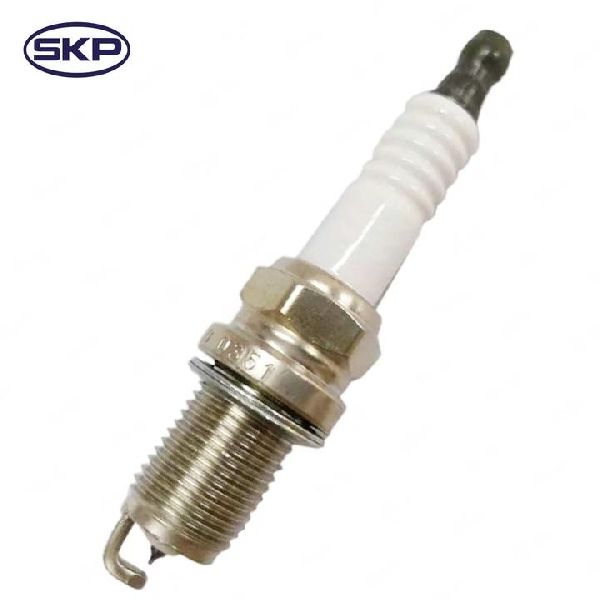
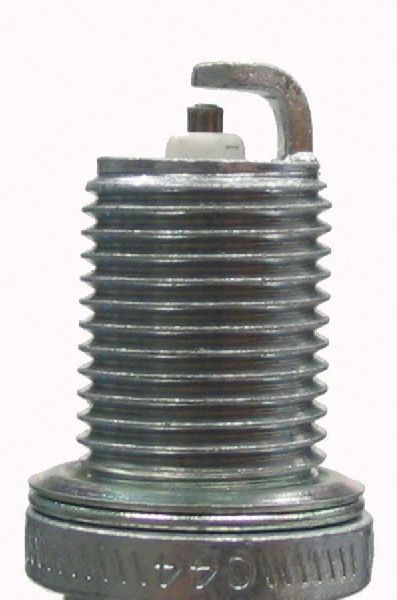
Aftermarket price range: $40-$80 - Spark Plug
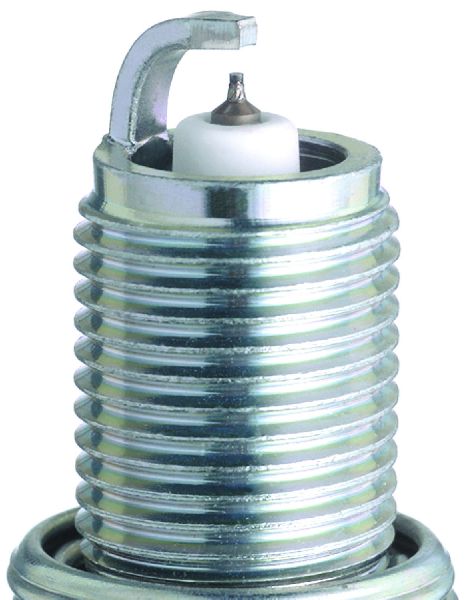
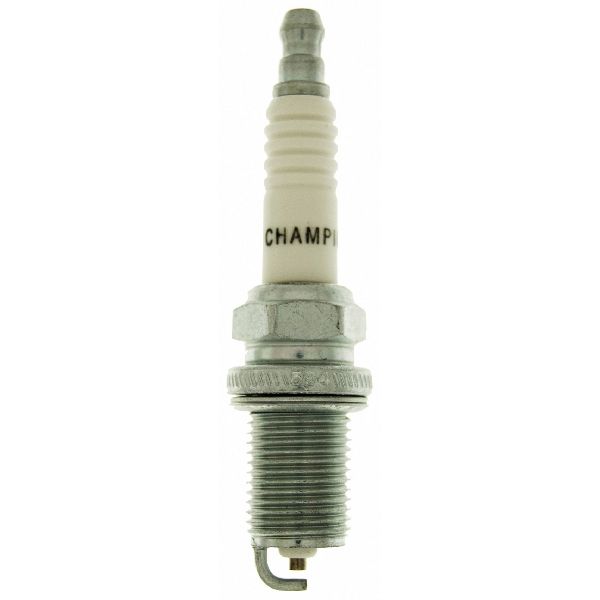
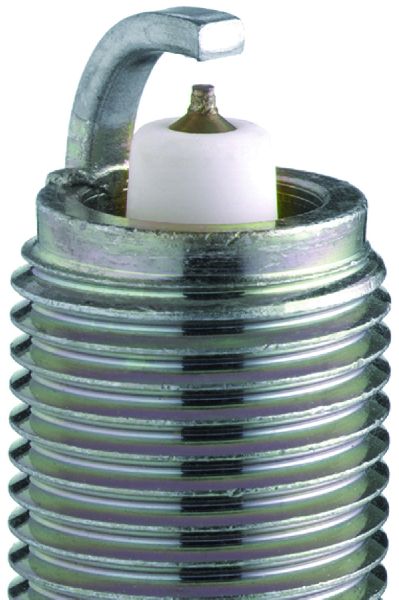
(OEM #NLP100290)— A worn or fouled spark plug is the second most common cause. All six should be replaced due to the labor involved.
Trusted brands: NGK, Bosch
OEM price range: $20-$30
Aftermarket price range: $10-$20 - Intake Manifold Gasket Set
(OEM #LKJ100992L)— These single-use gaskets must be replaced anytime the intake manifold is removed to prevent vacuum leaks. The set typically includes both upper and lower gaskets.
Trusted brands: Victor Reinz (71-39081-00), Mahle, Payen (JA5079)
OEM price range: $80-$120
Aftermarket price range: $40-$70
Related Codes That Often Appear With This One
- P0300 — If multiple cylinders are misfiring due to a large vacuum leak or fuel delivery issue, a P0300 (Random/Multiple Misfire) may be present alongside P0306.
- P0302, P0304 — Misfire codes for the other cylinders on the rear bank (Bank 2). Seeing them together strongly suggests a common cause affecting that bank, or that all ignition components are failing from age.
- P0171, P0174 — These 'System Too Lean' codes for Bank 1 and Bank 2 often appear with misfire codes when a significant vacuum leak is the root cause.
- P1471, P1472 — These codes point to faults with the VIS motors located on the intake manifold. Since the manifold must be removed for P0306, it's common to find and address these codes at the same time.
Technical Service Bulletins (TSBs) & Recalls
- 19/01/06/NAS - This 'information only' bulletin was issued to aid in diagnosing VIS motor DTCs, manifold rattle noises, and engine performance issues on the KV6 engine. It provides procedures for testing the VIS motors and clarifies that oil contamination in the motors is not, by itself, a reason for replacement.
- LTB01023NAS1 - While for newer models, this TSB addresses misfire codes (including P0306) on Land Rover V6 engines at cold temperatures, attributing the cause to a fuel injection calibration issue. This highlights that software can sometimes be a factor in misfire diagnostics, though less common for the 2002-2005 Freelander.
- Bulletin #SWA09013 - This manufacturer bulletin notes that fuel system issues can lead to an engine stumble, hesitation, or stall, with the possibility of storing codes P0301 through P0306, alongside lean codes P0171 and P0174.
Platform-Specific Known Issues
- VIS Motor Failure
Mechanic-Grade Diagnostic Values
- Fuel Pressure at Idle — expected: 3.5 bar (50.7 lbf/in²). Failure: Pressure significantly lower than 3.5 bar suggests a failing fuel pump, clogged filter, or faulty regulator.
- Ignition Coil Primary Winding Resistance — expected: 0.4 to 0.61 Ohms (at 20°C). Failure: A reading significantly outside this range, or an open circuit (OL), indicates a faulty coil. However, a coil can pass this static test and still fail under heat and load.
- Ignition Coil Secondary Winding Resistance — expected: Approximately 6.2 kOhms. Failure: A reading significantly different from other coils or an open circuit (OL) suggests a failure in the secondary windings.
- Fuel Injector Resistance — expected: 14.5 ± 0.7 ohms. Failure: Resistance outside this range indicates a faulty injector coil.
Hidden / Shadow Codes Worth Checking
- Mode $06, Test ID $53 (example): Mode $06 data can reveal misfire counts per cylinder even when the misfire rate is too low to trigger a P0306 code. A professional scan tool can display these counts, allowing a technician to see if cylinder 6 is experiencing intermittent misfires that haven't yet crossed the threshold for a Check Engine Light. (see via A professional-grade scan tool with Mode $06 capability. The specific Test ID (TID) and Component ID (CID) for cylinder misfires can vary, but are often listed under TIDs like $53, $A2-$AF, or similar.)
Wiring & Ground Locations
- Ignition Coil 6 Connector (C0052) — On top of the engine, connected to the cylinder 6 ignition coil, under the rear of the upper intake manifold.. This is the direct electrical connection for the cylinder 6 coil. A wiring diagram shows a Brown/Pink wire and a White/Blue wire. Checking for the 12V supply and the ECM's ground pulse signal at these pins is a critical diagnostic step.
- Fuel Injector 6 Connector (T177) — On the fuel rail, aimed at the intake port for cylinder 6, under the intake manifold.. If ignition is good, this connector is the next point to test. A wiring diagram indicates a White wire and a Green/White wire. A noid light can be used here to verify the ECM is sending a signal to fire the injector.
- Ground Point C0556 / C0557 — Located in the left rear of the luggage compartment.. Wiring diagrams show that the ignition coils, including coil 6, are grounded at this location. Corrosion or a loose connection at this shared ground point can cause a weak or intermittent spark.
- Engine Control Module (ECM) — Inside the electronics box ('e-box') in the engine compartment, typically on the left side.. The ECM is the source of the command signal for both the ignition coil and the fuel injector. A corroded pin or poor connection at the main ECM connector could interrupt the signal to cylinder 6.
Real Owner Repair Stories
- Australian Land Rover Owners forum (Land Rover Discovery 4 with 3.0L engine (similar plastic intake design principles)) — Restricted Performance light under load, fault codes related to turbo boost and mass airflow.
❌ Tried (didn't work) Initial diagnosis pointed towards turbocharger issues based on codes.
✅ What actually fixed it The actual cause was a cracked plastic intake manifold, which only opened up under boost pressure, causing an unmetered air leak. The fix was replacing the manifold. The user noted this was a known issue and the other manifold on the V-engine had already been replaced previously.
OEM Part Supersession History
NEC100730L→NEC000120— Part number consolidation and revision by MG Rover.
Heads up: NEC000120 is the correct coil for the non-VVC K-series engines, including the 2.5L KV6 in the Freelander. The part number NEC000120SLP is also seen, indicating a supplier change or packaging difference.
Model Year Variations Within This Range
- 2005: In 2005, production of the KV6 engine began moving to China where it was re-designated NV6. While functionally identical for this model year range, there could be subtle differences in suppliers for ancillary components as Rover's supply chain was disrupted. However, major parts like coils and plugs remained consistent for the 2002-2005 Freelander 1.
Diagnostic Flowchart
Real Owner Stories
Aggregated from forums and TSBs cited above. Mileages and costs reflect what owners reported in those sources.
2005 Land Rover Freelander V6 — 105633 miles
Symptoms: Sudden loss of power and misfiring, accompanied by a combination of codes including P0305, P0306, P0032, and P0442.
What fixed it: Replacing the upstream O2 sensor for that bank, as it is a shared component that can cause multiple misfires on one side of the engine.
Source hint: landroverforums.com - Thread 'Freelander V6 low power and misfire'
Related OBD-II Codes
Frequently Asked Questions
Why is cylinder 6 so difficult to access on my 2.5L KV6 Freelander?
Should I replace the VIS motors while the intake manifold is off for a P0306 repair?
I have codes P0306 and P0305 at the same time. What does this indicate?
What is the correct spark plug gap for the 2002-2005 Freelander 2.5L?
Does TSB LTB01023NAS1 apply to my 2004 Freelander's misfire?
What is the torque specification for the intake manifold bolts?
Used OEM Parts in Stock

New Aftermarket Parts Available


The information in this article is provided for general reference and educational purposes only. Vehicle specifications, procedures, and part compatibility can vary by production date, trim level, and region. Always consult your vehicle's factory service manual and verify part numbers before purchasing or performing repairs. Safety-critical components such as airbags, seat belts, and braking systems should be installed by a qualified professional.
- Land Rover Freelander:
- 🛍️ Shop This Part
- What's Unique About the 2002-2005 Land Rover Freelander
- Symptoms You May Notice
- Most Likely Causes
- Rare But Worth Checking
- Diagnosis Steps
- Parts You'll Likely Need
- Related Codes That Often Appear With This One
- Technical Service Bulletins (TSBs) & Recalls
- Platform-Specific Known Issues
- Mechanic-Grade Diagnostic Values
- Hidden / Shadow Codes Worth Checking
- Wiring & Ground Locations
- Real Owner Repair Stories
- OEM Part Supersession History
- Model Year Variations Within This Range
- Diagnostic Flowchart
- Real Owner Stories
- 2005 Land Rover Freelander V6 — 105633 miles
- Related OBD-II Codes
- Frequently Asked Questions
- 🎟️ Get 5% Off