

P0306 on 2010-2016 Hyundai Genesis Coupe 3.8L: Cylinder 6 Misfire Causes and Fixes
P0306 means cylinder 6 is misfiring. On the 3.8L Genesis Coupe, this is most often a bad ignition coil or spark plug. Replacing them on cylinder 6 (driver's side, rear) requires removing the upper intake manifold, making it a more involved job. On 2013+ GDI models, heavy carbon buildup on the intake valves is also a very common cause. Expect to pay $50-$90 for a coil and plug.
- P0306 on a Genesis Coupe 3.8L is most likely a bad ignition coil or spark plug.
- To fix a P0306, you MUST remove the intake manifold to access cylinder 6 on the driver's side.
- If you have a 2013-2016 GDI model, heavy carbon buildup on the intake valves is a very possible cause and should be inspected while the manifold is off.
- Always use the correct OEM-spec Iridium spark plugs (NGK SILZKR7B11) and replace the intake manifold gaskets during this job.
- The diagnostic 'coil swap' is the fastest way to confirm a bad ignition coil before starting the more difficult repair.
What's Unique About the 2010-2016 Hyundai Genesis Coupe
The 2010-2016 Genesis Coupe 3.8L spans two engine versions: the 2010-2012 (BK1) with Multi-Port Injection (MPI) and the 2013-2016 (BK2) with Gasoline Direct Injection (GDI). While ignition components are the most common cause of P0306 on both, the GDI models are highly susceptible to carbon buildup on the intake valves. This buildup can restrict airflow to cylinder 6, causing a misfire that won't be fixed by replacing ignition parts. Forum users have specifically noted that this carbon buildup can be uneven, with the driver's side bank (cylinders 2, 4, 6) being more affected. Additionally, accessing cylinder 6 (and all driver's side cylinders) requires removing the upper intake manifold, making the repair more complex than on many other V6 engines.
Generation note: Yes, this range covers two generations. The 2010-2012 BK1 uses a Multi-Port Injection (MPI) 3.8L V6. The 2013-2016 BK2 uses a Gasoline Direct Injection (GDI) 3.8L V6. The GDI engine injects fuel directly into the cylinder, meaning no fuel washes over the intake valves; this makes it much more prone to misfires caused by carbon buildup on the intake valves, a specific issue that can trigger a P0306. Owners of BK2 models often perform preventative cleaning using aerosol products or manual scraping to mitigate this.
Symptoms You May Notice
- Rough or vibrating idle
- Hesitation or stumbling during acceleration
- Noticeable loss of engine power
- Flashing Check Engine Light
- Decreased fuel economy
- Possible fuel smell from the exhaust
- Engine stalling or running rough
- Hard starting
- Replacing only the spark plug when the ignition coil was the actual failure point.
- Replacing ignition parts on a GDI model when the true cause is heavy carbon buildup on the intake valves.
- Assuming a fuel injector is bad when a vacuum leak from a reused intake gasket is the real problem.
Most Likely Causes
- Faulty Ignition Coil 🔴 High Probability Coil-on-plug ignition coils are a common failure item on many modern vehicles as they age due to constant heat cycles and vibration. The Lambda V6 is no exception.
How to confirm: Swap the ignition coil from cylinder 6 with another cylinder (e.g., cylinder 5 on the passenger side, which is easier to access). Clear the codes and drive. If the code changes to P0305, the ignition coil is faulty.
Typical fix: Replace the faulty ignition coil. It is often recommended to replace all three coils on the driver's side bank at the same time due to the labor involved in accessing them. Many owners replace all six, especially on higher mileage vehicles.
Est. part cost: $40-$80 - Worn or Fouled Spark Plug 🔴 High Probability Spark plugs are a regular maintenance item. The OEM-recommended interval is around 100,000 miles, but oil consumption or rich conditions can foul them sooner, leading to a weak or absent spark.
How to confirm: After confirming the coil is good, remove the spark plug from cylinder 6. Inspect it for wear (rounded electrode), heavy carbon fouling, oil deposits, or cracks in the porcelain. Compare it to a new plug.
Typical fix: Replace the spark plug. Since accessing cylinder 6 requires removing the intake manifold, it is highly recommended to replace all six plugs at the same time to avoid repeating the labor.
Est. part cost: $15-$25 per plug - Carbon Buildup on Intake Valves (GDI Models) 🟡 Medium Probability The 2013-2016 GDI engine injects fuel directly into the cylinder, so there is no fuel to wash oil vapors from the PCV system off the back of the intake valves. This leads to hard carbon deposits that disrupt and restrict airflow, especially at idle and low RPMs. Forum reports indicate the driver's side bank, where cylinder 6 is located, can have more severe buildup.
How to confirm: This requires physical inspection by removing the intake manifold and looking into the intake ports for cylinder 6 with a borescope or by sight. Significant black, crusty deposits confirm the issue.
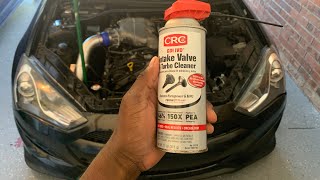
Typical fix: The intake valves must be manually cleaned. The professional method is media blasting with walnut shells. DIY methods include using chemical sprays (like CRC GDI Cleaner) or carefully scraping the deposits off with picks and brushes while the valves for that cylinder are fully closed.
Est. part cost: $20-$40 for cleaning chemicals/tools, $300-$600 for professional walnut blasting service. - Clogged or Faulty Fuel Injector ⚪ Low Probability
How to confirm: If ignition parts and carbon buildup are ruled out, the fuel injector is a prime suspect. Symptoms can include a strong fuel smell, hesitation, and rough idle. A professional can perform a flow test, or a technician can listen for an abnormal clicking sound from the injector. Swapping injectors between cylinders is the definitive DIY test but is very labor-intensive.
Typical fix: Replace the faulty fuel injector. It's recommended to replace all injectors on that bank or as a full set, especially on high-mileage GDI models.
Est. part cost: $70-$150 for aftermarket, $250+ for OEM
Rare But Worth Checking
- Intake Manifold Gasket Leak: A vacuum leak from a failed or improperly seated intake manifold gasket near the runner for cylinder 6 can lean out the air/fuel mixture and cause a misfire. This is a higher risk after the manifold has been removed for other service. A smoke test is the most effective way to diagnose this leak.
- Low Compression: A mechanical engine problem like a burnt exhaust valve, worn piston rings, or a damaged cylinder head can cause a lack of compression, leading to a persistent misfire that won't be fixed by fuel or ignition parts. A compression test on cylinder 6 will confirm this. A reading significantly lower than the other cylinders indicates a serious internal engine problem.
- Timing and Camshaft Components: While less common, internal mechanical failures can trigger multiple misfire codes. For example, NHTSA ODI #11606626 describes a case where P0306 appeared alongside P0300, P0302, and P0304, ultimately requiring the replacement of the intake camshaft, CVVT, and timing chain tensioner.
Diagnosis Steps
- Confirm the code P0306 with an OBD-II scanner. Note if the Check Engine Light is steady or flashing and check for any other stored codes.
- Perform an ignition coil swap. Move the coil from cylinder 6 (driver's side, rear) to an easier-to-access cylinder, like cylinder 5 (passenger side, rear). This will require partial disassembly but not full intake manifold removal.
- Clear the codes and drive the vehicle until the Check Engine Light returns.
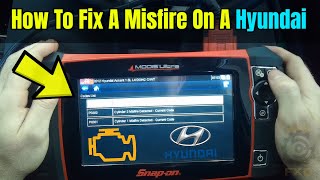
- If the code changes to P0305, the ignition coil is the problem. Replace it. 🎬 Watch: This DIY misfire diagnostic guide for Hyundai engines.
- If the code remains P0306, the coil is likely good. The next step is the spark plug, which requires removing the intake manifold.
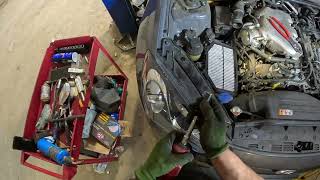
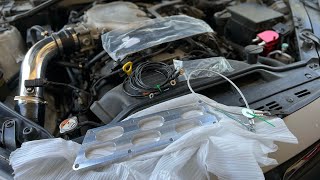
- Remove the upper intake manifold to access cylinder 6. Some guides suggest it's possible to only unbolt and lift the manifold enough to gain access, avoiding disconnecting all lines. Replace the spark plug in cylinder 6. It is highly recommended to replace all six plugs and the intake gaskets at this time. 🎬 See this step-by-step walkthrough for replacing your spark plugs.
- While the manifold is off, use a light and a mirror or a borescope to inspect the intake ports for cylinder 6 for carbon buildup, especially on 2013-2016 GDI models. If significant black, crusty deposits are present, they must be cleaned. 🎬 Watch: How to clean intake valves on the 3.8 GDI.
- If plugs and coils are good and there's no significant carbon, the next logical steps are to investigate the fuel system (injector) and check for mechanical engine health (compression test).
Parts You'll Likely Need
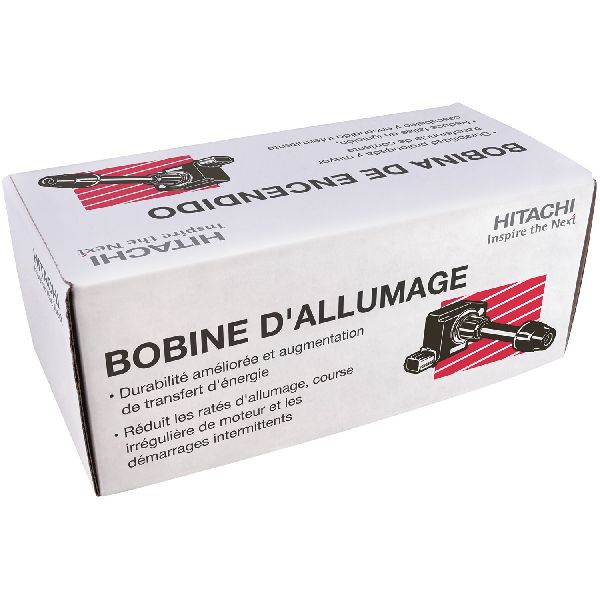
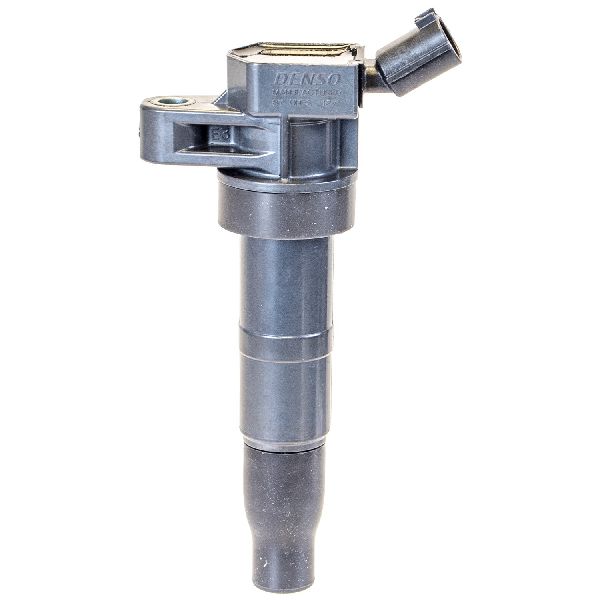
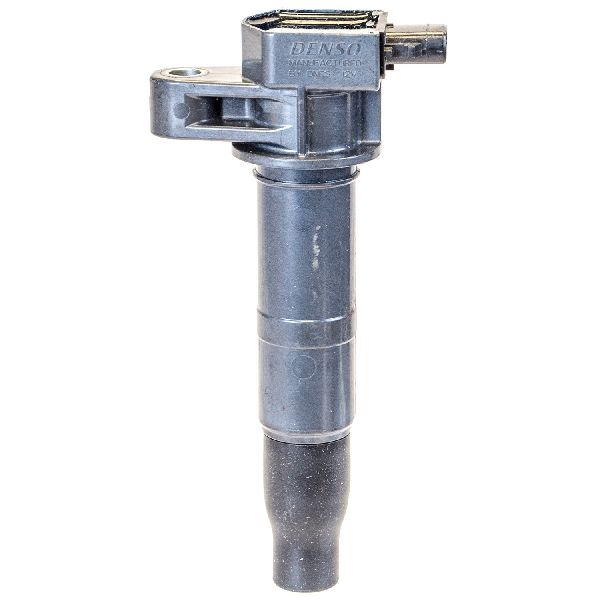
- Ignition Coil
(OEM #27301-3C000 (supersedes 27301-3C010))— This is the most common failure part for a single-cylinder misfire on this engine.
Trusted brands: Hyundai (OEM), Delphi, NGK, Denso
OEM price range: $60-$90
Aftermarket price range: $40-$70 - Iridium Spark Plug
(OEM #SILZKR7B11 (NGK))— Spark plugs are a routine wear item and the second most likely cause of a misfire. They should be replaced when accessing the coils on the driver's side bank.
Trusted brands: NGK, Denso
OEM price range: $20-$25
Aftermarket price range: $15-$20 - Intake Manifold Gasket Set
(OEM #BK1 (MPI): LH 28411-3C610, RH 28411-3C620. BK2 (GDI): LH 28411-3C710, RH 28411-3C720. Surge Plenum Gasket (both): 29215-3C710.)— Required for re-installing the intake manifold after accessing the driver's side coils and plugs. Re-using old gaskets is a major risk for creating vacuum leaks.
Related Codes That Often Appear With This One
- P0300 — If the misfire is intermittent, starting to affect other cylinders, or caused by a systemic issue like a large vacuum leak or low fuel pressure, a P0300 (Random Misfire) code may appear alongside P0306.
- P0302, P0304 — Since accessing the driver's side (Bank 2) is difficult, a failure of one coil or plug on that bank may soon be followed by others due to similar age and wear. It's also possible for a vacuum leak at the intake manifold or a carbon buildup issue to affect the entire bank, triggering multiple codes for cylinders 2, 4, and 6.
Technical Service Bulletins (TSBs) & Recalls
- 23-EM-007H: While not a TSB for P0306 directly, this document provides the official 'COMBUSTION CHAMBER CLEANING PROCEDURE' for Hyundai. It is often referenced in relation to oil consumption issues on GDI engines, which are caused by the same carbon deposits that can lead to misfires.
Platform-Specific Known Issues
- Accessing the coils and plugs for cylinders 2, 4, and 6 (driver's side, Bank 2) requires the complete removal or at least significant lifting of the upper intake manifold, adding complexity and time to the repair.
- On GDI (2013-2016) models, carbon accumulation on the intake valves is a design-related issue that frequently causes misfires. Owners report this buildup is often more severe on the driver's side bank, making cylinder 6 particularly vulnerable.
Mechanic-Grade Diagnostic Values
- Fuel Injector Resistance (MPI and GDI) — expected: 10.0 to 15.0 Ohms is a typical range for high-impedance injectors used in these models.. Failure: A reading of infinite resistance (open circuit) or near zero Ohms (short circuit) indicates a failed injector. All injectors should have similar resistance values.
- Mode 6 Misfire Counter (per cylinder) — expected: Near zero counts during a drive cycle.. Failure: A high or rapidly accumulating count for Test ID $A5 (Cylinder 6 Misfire Count) on a capable scanner indicates misfires are occurring, even if the threshold to trigger the CEL has not been met. This can confirm an intermittent issue.
- High-Pressure Fuel Rail Pressure (GDI Models, KOER) — expected: Varies with engine load, but should be stable at idle and respond quickly to throttle input. Target pressure is commanded by the ECM.. Failure: Pressure that is significantly lower than commanded, erratic, or slow to build can indicate a failing High-Pressure Fuel Pump (HPFP), which could cause misfires, though usually across multiple cylinders.
Scan Tool Commands That Help
- Hyundai GDS (Global Diagnostic System) or equivalent advanced scanner: Power Balance Test — To graphically display the relative power contribution of each cylinder in real-time. A cylinder with a significant drop compared to others points to a misfire or compression issue on that specific cylinder, helping to confirm the P0306 is an active, real problem.
- Hyundai GDS or equivalent advanced scanner: Misfire Data / Mode 6 — To view the raw misfire count for each cylinder over current and previous drive cycles. This is invaluable for diagnosing intermittent misfires that aren't severe enough to keep the check engine light on continuously.
Wiring & Ground Locations
- Bank 2 Injector/Coil Ground — On the 3.8L, a key ground point for the driver's side (Bank 2) components is located on the intake manifold itself. A loose or corroded connection here can cause erratic behavior for cylinder 6.. A poor ground for the ignition coil or fuel injector on cylinder 6 can cause a weak spark or improper injector firing, directly leading to a P0306 misfire. This is often overlooked after the intake manifold has been removed and reinstalled.
- Main Engine Ground — There is a primary engine ground strap connecting the engine block to the chassis, often near the engine mount on the passenger side.. While less likely to cause a single-cylinder misfire, a degraded main ground can introduce a host of electrical issues, including weaker spark across all cylinders, making the engine more susceptible to misfires under load.
- ECU Ground — A ground point for the ECU is located in the engine bay, often on the firewall or inner fender. Aftermarket grounding kits often target this location.. A stable ground for the Engine Control Unit is critical for accurate sensor readings and consistent output signals to the coils and injectors. A faulty ECU ground could theoretically cause a driver failure for a single cylinder.
Real Owner Repair Stories
- Reddit user in /r/genesiscoupe (2010 Genesis Coupe 3.8 Track, 112,000 miles) — Persistent P0306 (Cylinder 6 Misfire) as the only code.
❌ Tried (didn't work) Replaced spark plugs, Replaced ignition coils (and swapped coils between cylinders 2 and 6 with no change), Replaced camshaft sensors
✅ What actually fixed it The final diagnosis from another user pointed towards either a bad fuel injector or low compression. The user who experienced the issue was advised to perform a compression test next. Another user with a similar issue reported the cause was a ring failure leading to piston failure, confirmed by an oil blow-by symptom. - Reddit user in /r/MechanicAdvice (2013 Genesis Coupe 3.8 Track A/T) — Misfire on cylinder 2 and 5 after sitting for a month. Later, a persistent misfire on cylinder 5 only (P0305) and a crankshaft code (P0335) after stalling.
❌ Tried (didn't work) Replacing brand new spark plugs, Confirming all ignition coils were working
✅ What actually fixed it The user suspected a faulty stock ECU. After replacing it with a tuned aftermarket ECU, the original misfires were gone, but new issues (stalling at high RPM) appeared, suggesting a problem with the tune's configuration. The root cause was identified as a bad original ECU. - NHTSA ODI #10508566 — An owner reported multiple misfire codes including P0303, P0304, P0305, and P0306. A service writer verbally advised that the misfire was detected in cylinder 5, but the diagnostic codes indicated a broader issue across both banks.
OEM Part Supersession History
27301-3C010→27301-3C000— Standard part revision, likely for improved reliability, material change, or manufacturing process update.
Heads up: The parts are interchangeable. 27301-3C000 is the correct service replacement for a vehicle that originally had 27301-3C010.
Model Year Variations Within This Range
- 2013-2016 (BK2 GDI): The ECU tune on GDI models is more aggressive and sensitive to fuel quality. These models require 91 or 93 octane fuel for optimal performance and to prevent knock, especially with aftermarket tunes. Using lower octane fuel can lead the ECU to pull timing, reducing power and potentially contributing to rough running conditions that could be mistaken for a component-based misfire.
- 2014+: For the 2014 model year, manual transmissions received carbon-coated synchronizer rings and hill-start assist. Automatic transmissions gained a downshift rev-matching system. While not directly related to causing P0306, these changes are part of the BK2 mid-cycle refresh.
Diagnostic Flowchart
Real Owner Stories
Aggregated from forums and TSBs cited above. Mileages and costs reflect what owners reported in those sources.
2014 Hyundai Genesis Coupe 3.8 GDI — 87000 miles
Symptoms: Noticeably uneven carbon buildup in the intake ports, with the driver's side (cylinders 2, 4, 6) being significantly worse, and the rearmost port being the most severely affected.
What fixed it: Performed a manual intake valve cleaning to remove the carbon deposits.
Source hint: r/genesiscoupe: 'Noticeably uneven buildup in intake ports - 3.8 GDI'
2010 Hyundai Genesis Coupe 3.8 — 112000 miles
Symptoms: Persistent cylinder 6 misfire code (P0306) that would not go away after basic tune-up procedures.
What fixed it: Replaced spark plugs, ignition coils, and camshaft sensors, but the issue persisted, indicating a deeper mechanical or fuel injector issue.
Source hint: r/genesiscoupe: 'cylinder 6 misfire'
2013 Hyundai Genesis Coupe 3.8 — 95000 miles
Symptoms: Carbon buildup on the intake valves requiring cleaning.
What fixed it: Performed a manual intake valve cleaning using metal picks and brushes as a DIY alternative to professional walnut blasting.
Source hint: r/genesiscoupe: '2013 Bk2 3.8 Intake Valve Cleaning'
2014 Hyundai Genesis Coupe 3.8
Symptoms: Ticking sound from the engine bay and a low rail fuel pressure code, even without an active check engine light.
What fixed it: Diagnosed as a faulty fuel injector.
Source hint: r/genesiscoupe: 'Advice on diagnosing fuel injectors'
Related OBD-II Codes
Frequently Asked Questions
Why is cylinder 6 misfiring more common on my 2013-2016 Genesis Coupe 3.8 GDI?
Do I have to remove the intake manifold to check the ignition coil on cylinder 6?
How much does it cost to fix carbon buildup causing P0306 on my 3.8L V6?
Does Hyundai have a TSB for the carbon buildup issue on the 3.8L engine?
I replaced the coil and spark plug on cylinder 6, but P0306 is still there. What's next?
Helpful Videos
Used OEM Parts in Stock
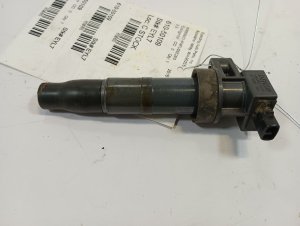

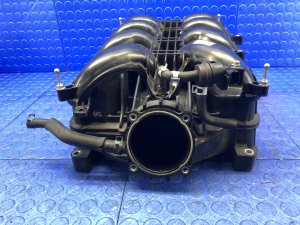


New Aftermarket Parts Available
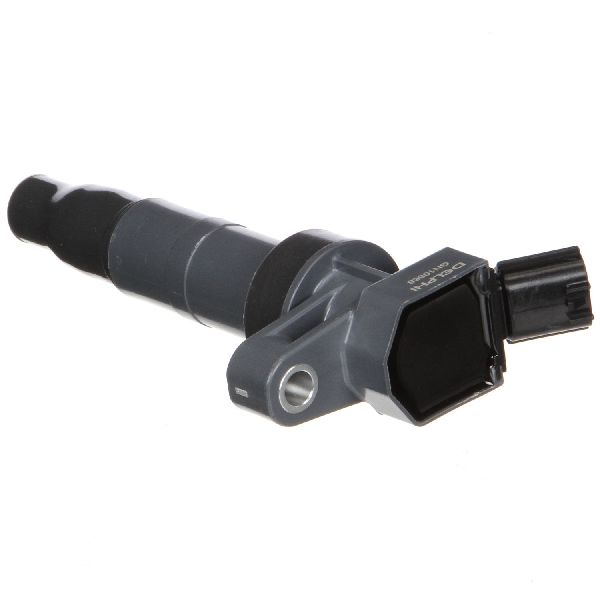
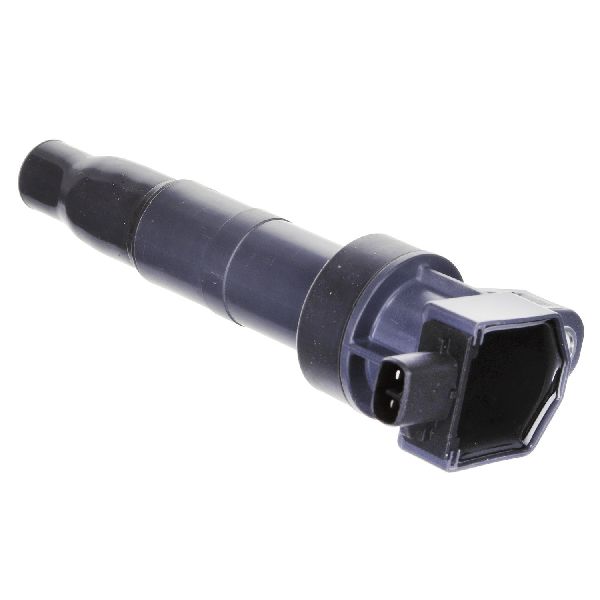

The information in this article is provided for general reference and educational purposes only. Vehicle specifications, procedures, and part compatibility can vary by production date, trim level, and region. Always consult your vehicle's factory service manual and verify part numbers before purchasing or performing repairs. Safety-critical components such as airbags, seat belts, and braking systems should be installed by a qualified professional.
- Hyundai Genesis Coupe:
- 🎬 Helpful Videos
- 🛍️ Shop This Part
- What's Unique About the 2010-2016 Hyundai Genesis Coupe
- Symptoms You May Notice
- Most Likely Causes
- Rare But Worth Checking
- Diagnosis Steps
- Parts You'll Likely Need
- Related Codes That Often Appear With This One
- Technical Service Bulletins (TSBs) & Recalls
- Platform-Specific Known Issues
- Mechanic-Grade Diagnostic Values
- Scan Tool Commands That Help
- Wiring & Ground Locations
- Real Owner Repair Stories
- OEM Part Supersession History
- Model Year Variations Within This Range
- Diagnostic Flowchart
- Real Owner Stories
- 2014 Hyundai Genesis Coupe 3.8 GDI — 87000 miles
- 2010 Hyundai Genesis Coupe 3.8 — 112000 miles
- 2013 Hyundai Genesis Coupe 3.8 — 95000 miles
- 2014 Hyundai Genesis Coupe 3.8
- Related OBD-II Codes
- Frequently Asked Questions
- 🎟️ Get 5% Off