

P0305 on 1996-2002 Toyota 4Runner 3.4L V6: Cylinder 5 Misfire Causes and Fixes
P0305 indicates a misfire in cylinder #5. On the 3.4L V6, this is most often caused by a worn spark plug, a bad spark plug wire, or a failing ignition coil pack. A faulty fuel injector is also a common culprit. Start by inspecting the spark plug and wire for cylinder #5, which is the rearmost cylinder on the passenger side.
- P0305 on a 3rd Gen 4Runner means cylinder #5 (passenger side, rear) is misfiring.
- Start your diagnosis with the cheapest and easiest parts: the spark plug, wire, and ignition coil.
- Use the 'swap test' method: move the coil from cylinder #5 to another cylinder and see if the misfire code follows.
- If ignition parts are good, a failing fuel injector is the next most likely cause, especially on a high-mileage engine.
- If your Check Engine Light is flashing, pull over and limit driving to prevent expensive damage to your catalytic converter.
What's Unique About the 1996-2002 Toyota 4Runner

The 5VZ-FE engine in the 3rd generation 4Runner uses a reliable but specific ignition setup. It has three ignition coils located on the passenger side of the engine, each firing two cylinders simultaneously in what's called a 'waste spark' system. One coil fires cylinder #5 (passenger side, rear) and cylinder #2 (driver side, front). This means a single failing coil can cause misfires in two cylinders (P0305 and P0302), though often only one code appears initially. While the ignition system is robust, aging fuel injectors are also a well-documented cause of misfires on this platform, sometimes failing only when the engine gets hot due to heat soak in the tight engine bay. This intermittent, heat-related failure is a key characteristic reported by owners.
Symptoms You May Notice
- Rough or shaky idle
- Hesitation or stumbling during acceleration
- Noticeable loss of engine power
- Flashing or solid Check Engine Light
- Possible fuel smell from the exhaust
- Difficulty starting, especially when warm
- Replacing only the ignition coil without checking the spark plug and wire first. Always start with the simplest and most common maintenance items.
- Assuming a bad fuel pump. A fuel pump issue would typically affect all cylinders, leading to random misfire codes (P0300) or misfires on multiple cylinders, not just a single cylinder like P0305.
- Replacing parts without performing diagnostic swaps. Swapping coils, plugs, and wires is a free and effective way to isolate the faulty component before spending money.
Most Likely Causes

- Worn Spark Plug 🔴 High Probability Spark plugs are a routine maintenance item. The 5VZ-FE's waste spark system causes accelerated wear on the plugs. It requires dual-electrode plugs to handle the dual polarity spark. Using incorrect single-electrode plugs or worn plugs is a very common cause of misfires.
How to confirm: Remove the spark plug from cylinder #5 (passenger side, rear). Inspect it for wear, fouling, or an incorrect gap. A good diagnostic step is to swap the #5 plug with one from another cylinder (e.g., #1), clear the codes, and see if the misfire code changes to P0301.
Typical fix: Replace all six spark plugs with the correct OEM-spec dual-electrode type (Denso K16TR11 or NGK BKR5EKB-11). It's critical to replace them as a set.
Est. part cost: $20-$60 - Bad Spark Plug Wire 🔴 High Probability The spark plug wires for the driver's side cylinders (2, 4, 6) are long, routing over the top of the engine. Over time, heat and vibration can cause them to degrade, leading to a weak or arcing spark. The wire for cylinder #5 is also susceptible to heat degradation due to its location at the back of the engine.
How to confirm: Inspect the wire leading to cylinder #5 for any visible damage, cracks, or corrosion on the contacts. You can test its resistance with a multimeter (should be under 25k ohms per cord). A definitive test is to swap it with another wire of similar length (e.g., the wire for #3) to see if the misfire moves.
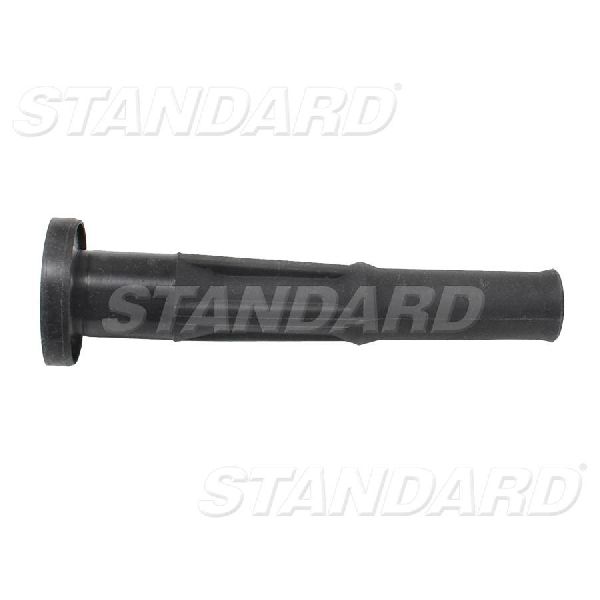
Typical fix: Replace the full set of three spark plug wires. Using quality OEM (Denso) or NGK wires is highly recommended.
Est. part cost: $40-$90 - Failing Ignition Coil Pack 🟡 Medium Probability The 5VZ-FE uses three coil packs. Heat and age can cause the internal windings to fail, often intermittently when hot. The coil for cylinder #5 also fires cylinder #2.
How to confirm: Swap the ignition coil for cylinder #5 with another one (e.g., the coil for cylinder #1 or #3). The coils are located on the passenger side valve cover and are easily accessible. Clear the codes and drive the vehicle. If the code changes to P0301 or P0303, the coil is faulty. This is the most common diagnostic step shared in owner forums. You can also test resistance; see 'specific_diagnostic_values' for specs.
Typical fix: Replace the single faulty ignition coil. Many owners choose to replace all three as preventative maintenance, especially on high-mileage vehicles.
Est. part cost: $70-$120 for one OEM-quality coil - Faulty Fuel Injector 🟡 Medium Probability Fuel injectors on higher-mileage 5VZ-FE engines are a known failure point. They can become clogged or the internal coil can develop high resistance when hot, causing it to stop firing. This heat-soak failure is a classic symptom for this engine.
How to confirm: Listen to the injector with a mechanic's stethoscope; it should make a consistent clicking sound. Check its resistance with a multimeter when the engine is cold and again when hot. The resistance should be approximately 13.8 ohms at 68°F (20°C). A significant increase in resistance when hot points to a failing injector. A definitive, though more labor-intensive, test is to swap the #5 injector with one from another cylinder and see if the misfire code follows.
Typical fix: Replace the faulty fuel injector. It is often recommended to replace all six, or at least the three on the same fuel rail, as they tend to fail around the same time. Sending all six out for professional cleaning and flow testing is also a popular option.
Est. part cost: $50-$150 per injector
Rare But Worth Checking
- Intake Manifold Gasket Leak: A vacuum leak near the intake runner for cylinder #5 can lean out the air/fuel mixture, causing a misfire. This is often diagnosed with a smoke test or by spraying brake cleaner near the gasket and listening for a change in engine idle.
- Low Cylinder Compression: Less common on the reliable 5VZ-FE, but possible, especially on very high mileage engines. This could be due to a burnt exhaust valve or, in a worst-case scenario, a head gasket failure. A compression test will confirm the health of the cylinder. Forum users report compression readings should be around 155-160 psi per cylinder.
- Damaged Injector Wiring: The wiring harness leading to the fuel injector can become brittle and fail, or be damaged by rodents, causing an intermittent connection. Wiggling the connector while the engine is running may reveal a fault.
- Leaking Valve Cover Gasket: The valve cover gaskets on the 5VZ-FE are a very common leak point. If the spark plug tube seals fail, oil can fill the spark plug well, shorting out the spark plug and causing a misfire. When removing the spark plug, check for oil on the plug threads and ceramic.
Technical Service Bulletins (TSBs) & Recalls
While specific to other models in the Toyota lineup, manufacturer service bulletins highlight the standardized diagnostic path for this code. For instance, Toyota Bulletin #T-SB-0148-19 notes that for misfire codes ranging from P0301 through P0306, technicians should follow a specific repair procedure to address the detected cylinder misfire condition.
Diagnosis Steps

- Read the code with an OBD-II scanner to confirm P0305 and check for any other codes.
- Check if the Check Engine Light is flashing. If so, avoid driving to prevent catalytic converter damage.
- Locate cylinder #5. On the 3.4L V6, it is the rear-most cylinder on the passenger side, closest to the firewall.
- Visual Inspection: Inspect the spark plug wire for cylinder #5 for any signs of damage, arcing (white dust), or corrosion. Check the wiring harness for the #5 fuel injector for brittleness or rodent damage.
- Diagnostic Swap 1 (Coil): Swap the ignition coil from cylinder #5 with the coil from cylinder #3 or #1. These are held by a single 10mm bolt. Clear the codes and drive. If the code returns as P0303 or P0301, the ignition coil is bad. This is the easiest first step.
- Diagnostic Swap 2 (Plug): If the code remains P0305, remove the spark plug from cylinder #5. Check for heavy oil fouling (indicating a leaking valve cover tube seal), wear, or damage. Ensure it is the correct dual-electrode type. Swap the spark plug from cylinder #5 to cylinder #1. Clear codes and drive. If the code changes to P0301, the spark plug is bad.
- Fuel Injector Test: If the misfire persists on cylinder #5, listen to the #5 injector with a mechanic's stethoscope or long screwdriver. It should have a regular, audible click. Compare the sound to an adjacent injector. If the misfire only occurs when hot, test the injector's resistance when cold and then again immediately after the engine warms up and starts misfiring. Resistance should be ~13.8 ohms; a large change indicates failure.
- If all ignition and fuel components check out, consider a vacuum leak. With the engine running, carefully spray brake cleaner around the intake manifold gasket near cylinder #5 and listen for any change in engine RPM.
- If the problem is still not found, perform a cylinder compression test to rule out mechanical engine problems like a bad valve or head gasket. A leak-down test can further pinpoint the source of compression loss.
Parts You'll Likely Need

- Spark Plugs (Set of 6) — This is the most common cause and a routine maintenance item. The 5VZ-FE requires specific dual-electrode plugs for proper function in its waste spark system.
Trusted brands: Denso (K16TR11), NGK (BKR5EKB-11)
OEM price range: $25-$40
Aftermarket price range: $20-$35 - Spark Plug Wire Set
(OEM #19037-62050)— Wires degrade over time from engine heat, causing weak spark. Using high-quality OEM or NGK wires is crucial for longevity.
Trusted brands: Denso (671-6182), NGK (TE66 / 4412)
OEM price range: $60-$90
Aftermarket price range: $40-$70 - Ignition Coil
(OEM #90919-02212)— Coils can fail from heat and age, often intermittently. Since it's easy to swap for diagnosis, it's a common replacement.
Trusted brands: Denso (673-1201), NGK (48916)
OEM price range: $90-$130
Aftermarket price range: $50-$80 - Fuel Injector
(OEM #23250-62040)— A very common failure on high-mileage 5VZ-FE engines, often failing when hot. Replacement is more involved than ignition parts.
Trusted brands: OEM Toyota/Denso, Remanufactured by MotorWest
OEM price range: $150-$220 per injector
Aftermarket price range: $50-$100 per remanufactured injector
Related Codes That Often Appear With This One
- P0300 — If the misfire is intermittent or starting to affect other cylinders, a 'Random/Multiple Cylinder Misfire' code may also be stored.
- P0302 — Because cylinder #5 and cylinder #2 share an ignition coil, a failing coil can sometimes trigger misfire codes for both cylinders.
- P0171 — If the misfire is caused by a faulty (clogged or non-firing) fuel injector or a vacuum leak, the ECU may also detect a lean condition on Bank 1 (the passenger side bank), triggering a 'System Too Lean (Bank 1)' code.
Platform-Specific Known Issues
- Fuel injectors on this engine are known to fail intermittently, often working fine when cold but causing a misfire once the engine warms up.
- Valve cover gasket leaks are common, and while not a direct cause of P0305, oil can seep into the spark plug tubes if the tube seals fail, fouling the plug and causing a misfire.
Mechanic-Grade Diagnostic Values
- Ignition Coil Primary Resistance — expected: 0.67 - 1.05 Ω (cold), 0.85 - 1.23 Ω (hot). Failure: Readings outside of this range indicate a faulty coil winding.
- Ignition Coil Secondary Resistance — expected: 9.3 - 16.0 kΩ (cold), 11.7 - 18.8 kΩ (hot). Failure: Readings outside of this range indicate a faulty coil winding.
- Fuel Injector Resistance — expected: Approx. 13.8 Ω at 20°C (68°F). Failure: A significant deviation, especially a large increase when the engine is hot, points to a failing injector coil.
- Fuel Pressure — expected: 38-44 PSI (vacuum hose disconnected), 33-38 PSI (vacuum hose connected at idle). Failure: Low pressure suggests a weak pump or clogged filter; high pressure suggests a faulty regulator.
- Long-Term Fuel Trim (LTFT) — expected: Ideally between -10% and +10% at idle and steady RPM.. Failure: Consistently high positive trims (>10%) suggest a vacuum leak or under-reporting MAF. Consistently high negative trims (<-10%) suggest a leaking injector or over-reporting MAF.
Hidden / Shadow Codes Worth Checking
- Mode $06, Test ID $53: This is not a DTC, but a diagnostic monitor in the ECU that tracks misfire counts for each cylinder. You can view the misfire count for cylinder 5 specifically, even if it hasn't reached the threshold to set a P0305 code. This is useful for identifying intermittent misfires. (see via An advanced OBD-II scanner or professional software like Toyota Techstream that can access Mode $06 diagnostic data.)
Scan Tool Commands That Help
- Toyota Techstream: Active Test: Cylinder Cut — This function allows you to individually disable the fuel injector for each cylinder. When you cut cylinder #5, if there is no change in engine RPM or sound, it confirms that cylinder was not contributing power, pinpointing the misfire location.
- Toyota Techstream: Active Test: Fuel Pump Speed — Allows you to command the fuel pump on to test for pressure and volume without the engine running. This is useful for isolating a weak fuel pump from other fuel system issues.
Wiring & Ground Locations
- Engine Ground (Firewall) — A ground strap located at the center of the firewall, connecting to the back of the engine block.. A poor connection here can cause erratic behavior in the ignition system and ECU, potentially leading to misfire codes. It's a common point of corrosion.
- Engine Ground (Battery to Block) — A primary ground cable running from the battery's negative terminal to a bolt on the engine block, often near the alternator or A/C compressor.. This is the main ground for the entire engine. A loose or corroded connection can cause a host of electrical issues, including weak spark and incorrect sensor readings.
- G112 (Engine Ground) — Located on the left side of the engine itself.. Provides a ground path for various engine components. Ensuring it is clean and tight is crucial for stable sensor and actuator operation.
- ECM Injector Pin #5 — The ECU is located behind the right side of the dashboard (glove box area). The specific pin for injector #5 can be identified from an ECU pinout diagram to test for the control signal from the ECU.. Allows a technician to use a noid light or oscilloscope at the ECU connector to verify if the injector driver circuit for cylinder #5 is functioning, ruling out a bad ECU driver.
Real Owner Repair Stories
- Reddit user in r/3rdGen4Runner (Toyota 4Runner with 3.4L 5VZ-FE) — Smell of excess gas, high long-term fuel trim on Bank 1 (LTFT B1 at -18%).
❌ Tried (didn't work) Cleaning the MAF sensor, Replacing O2 sensors with new Denso units, Installing newly rebuilt and tested fuel injectors
✅ What actually fixed it Replacing the fuel pump. The failing pump was causing erratic fuel pressure, which the ECU was trying to compensate for, leading to extreme negative fuel trims. A new Denso pump kit resolved the issue and brought fuel trims back to normal. - NHTSA ODI #10448450 — An owner of a similar Toyota model reported feeling the vehicle misfiring while driving. A dealer inspection found multiple codes including P0304, P0305, and P0306, ultimately identifying a malfunctioning ignition coil as the primary cause.
OEM Part Supersession History
23280-62030→N/A, still current— This is the OEM part number for the Fuel Pressure Regulator.
Heads up: While the part number covers a wide range of years, ensure you are buying a genuine Toyota or Aisan part, as aftermarket regulators can cause pressure issues.
Model Year Variations Within This Range
- 1999-2002 (varies by state): Some later models, particularly those originally sold in California, use a wideband Air/Fuel Ratio (A/F) sensor instead of a traditional upstream oxygen (O2) sensor. This can affect fuel trim diagnostics, as A/F sensors react differently.
- 1996-1998 vs 1999-2002: The Mass Airflow (MAF) sensor design changed. 1998 and earlier models have a larger MAF integrated into the intake tube, while 1999 and later models use a smaller, bolt-in style sensor. This is important when diagnosing fuel trim issues or sourcing intake parts.
Diagnostic Flowchart
Other Known Issues on This Vehicle
Issues unrelated to this code that are worth knowing about as an owner of this generation:
- Automatic Transmission Cooler Failure ('Pink Milkshake') 🔴 High — A well-known potential failure on high-mileage (100k+ miles) vehicles with the original radiator. The internal transmission cooler can rupture, mixing coolant and ATF, which destroys the transmission.
- Lower Ball Joint Failure 🔴 High — Common enough that a recall was issued for some years. Failure can occur without warning, typically over 100k miles, especially on lifted vehicles. (Ref: Safety Recall (NHTSA Campaign 05V225000))
- Leaking Valve Cover Gaskets 🟠 Medium — Extremely common on virtually all 5VZ-FE engines, typically starting to weep oil after 100k-150k miles.
- Rear Axle Seal Leak 🟠 Medium — A frequent issue, often caused by a clogged rear differential breather. Can occur at any mileage but more common over 100k.
- Cracked Exhaust Manifolds 🟡 Low — A known issue, though less common than others. Can cause an audible ticking noise when the engine is cold.
Used vs. New Parts: Buying Guide for This Vehicle
When a used part is the smart pick: Ignition coils are a good candidate for used parts, as they are robust and easy to test. Sourcing a set of three from a lower-mileage donor vehicle at a junkyard can be very cost-effective. Other simple mechanical parts like brackets or connectors are also fine to source used.
Donor-vehicle mileage cap: roughly under 150000 miles for the part to have meaningful remaining life.
What to inspect on the donor part:
- For ignition coils, check the plastic housing for cracks and the electrical connector for corrosion.
- Ask for the mileage of the donor vehicle if possible.
- Inspect the general condition of the engine bay; a clean, well-maintained donor is more likely to have reliable parts.
OEM-only on this vehicle (don't cheap out):
- Fuel Injectors: While aftermarket injectors exist, many owners report issues. It is highly recommended to use OEM Denso injectors or have your original injectors professionally cleaned and flow-tested.
- Spark Plugs & Wires: Use only the specified dual-electrode NGK or Denso plugs and high-quality NGK or OEM (Sumitomo/Denso) wires. Cheap alternatives are a very common source of persistent misfires on the 5VZ-FE.
Aftermarket brands forum-validated for this vehicle:
- Ignition Coils: Denso (OEM supplier)
- Spark Plugs: Denso (K16TR11), NGK (BKR5EKB-11)
- Spark Plug Wires: NGK (TE66), Denso
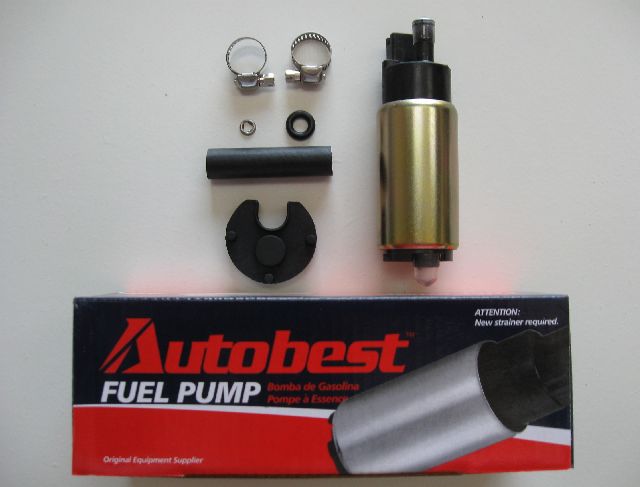
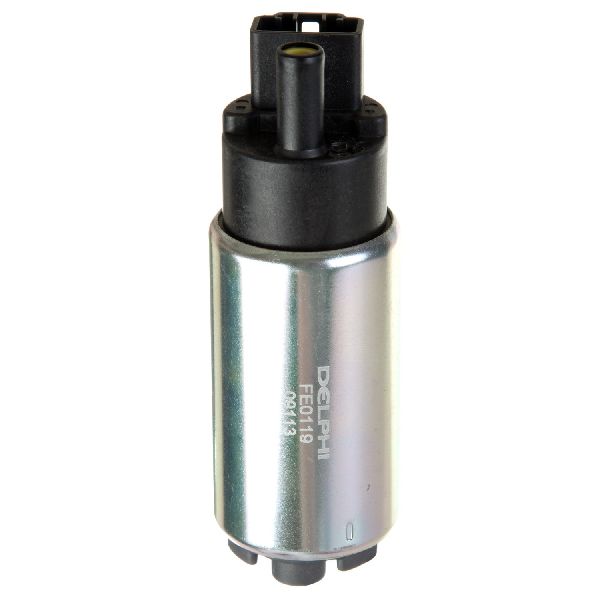
- Fuel Pump: Denso
Brands owners have reported issues with on this vehicle:
- Unbranded or 'white-box' ignition coils and fuel injectors from online marketplaces. These frequently have high failure rates and can cause more diagnostic headaches.
Real Owner Stories
Aggregated from forums and TSBs cited above. Mileages and costs reflect what owners reported in those sources.
1997 Toyota 4Runner 5VZ-FE
Symptoms: Intermittent P0305 misfire.
What fixed it: Replacing a faulty fuel injector that was failing intermittently.
Source hint: YotaTech Forums: 97 4runner p0305
3rd Gen Toyota 4Runner V6
Symptoms: Rough idle and check engine light that persisted even after replacing plugs and coils, specifically occurring when the engine got warm.
What fixed it: Replacing the fuel injector after diagnosing a heat-related failure.
Source hint: 4Runner Forum: P0305 rough idle / check engine light (I've tried everything)
3rd Gen Toyota 4Runner 5VZ-FE
Symptoms: Cylinder 5 misfire where a coil swap did not move the code to another cylinder.
What fixed it: Checking the spark plug wire and fuel injector as the next logical steps after the coil was ruled out.
Source hint: Reddit r/3rdGen4Runner: P0305 cylinder 5 misfire
Related OBD-II Codes
Frequently Asked Questions
Where is cylinder #5 located on the 3.4L V6 4Runner?
Which specific spark plugs should I use for my 5VZ-FE to avoid P0305?
Can I just swap the ignition coil to test if it's the cause of the misfire?
Why does my 4Runner only misfire and throw P0305 when the engine is warm?
What is the correct resistance for a fuel injector on the 1996-2002 4Runner?
Can a bad spark plug wire cause a P0305 code on this vehicle?
Helpful Videos

Used OEM Parts in Stock
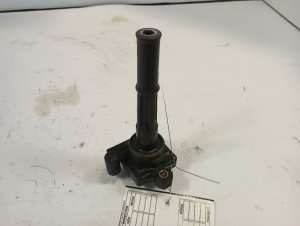



New Aftermarket Parts Available
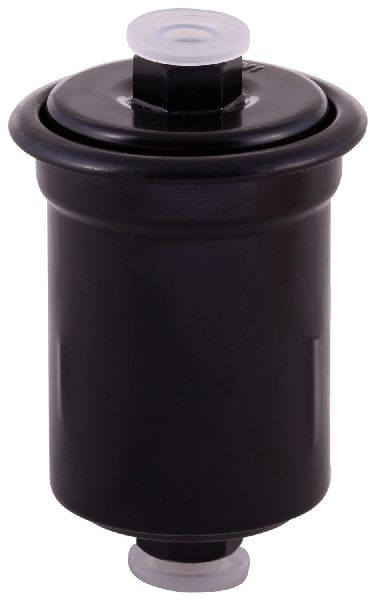

The information in this article is provided for general reference and educational purposes only. Vehicle specifications, procedures, and part compatibility can vary by production date, trim level, and region. Always consult your vehicle's factory service manual and verify part numbers before purchasing or performing repairs. Safety-critical components such as airbags, seat belts, and braking systems should be installed by a qualified professional.
- Toyota 4Runner:
- 🎬 Helpful Videos
- 🛍️ Shop This Part
- What's Unique About the 1996-2002 Toyota 4Runner
- Symptoms You May Notice
- Most Likely Causes
- Rare But Worth Checking
- Technical Service Bulletins (TSBs) & Recalls
- Diagnosis Steps
- Parts You'll Likely Need
- Related Codes That Often Appear With This One
- Platform-Specific Known Issues
- Mechanic-Grade Diagnostic Values
- Hidden / Shadow Codes Worth Checking
- Scan Tool Commands That Help
- Wiring & Ground Locations
- Real Owner Repair Stories
- OEM Part Supersession History
- Model Year Variations Within This Range
- Diagnostic Flowchart
- Other Known Issues on This Vehicle
- Used vs. New Parts: Buying Guide for This Vehicle
- Real Owner Stories
- 1997 Toyota 4Runner 5VZ-FE
- 3rd Gen Toyota 4Runner V6
- 3rd Gen Toyota 4Runner 5VZ-FE
- Related OBD-II Codes
- Frequently Asked Questions
- 🎟️ Get 5% Off