

P0304 on 2016-2020 Mazda CX-9: Cylinder 4 Misfire Causes and Fixes
P0304 on a 2016-2020 Mazda CX-9 indicates a misfire in cylinder 4. The most common causes are a faulty ignition coil or a worn spark plug. A simple diagnostic is to swap the coil from cylinder 4 with another cylinder to see if the code follows. A more serious, but known, issue is a failed cylinder head due to a seized exhaust manifold valve, covered by Mazda TSB 01-001-23a, which can cause compression loss.
- P0304 indicates a misfire on cylinder 4. Do not ignore it, especially if the check engine light is flashing, to avoid expensive catalytic converter damage.
- The most likely and easiest-to-fix causes are a bad ignition coil or a worn spark plug. Start your diagnosis by swapping the cylinder 4 coil with another one.
- Be aware of a serious, known issue with the 2.5L Turbo engine covered by Mazda TSB 01-001-23a, where a major internal engine problem can cause this code.
- If you are experiencing high oil consumption along with this misfire, the issue could be related to faulty valve stem seals, which can foul the spark plug.
What's Unique About the 2016-2020 Mazda CX-9
While ignition components are the usual suspects for a P0304 code, the 2.5L Skyactiv-G Turbo engine in this CX-9 has specific known issues. Mazda has issued a Technical Service Bulletin (TSB 01-001-23a) for a problem where a valve in the exhaust manifold can seize, leading to excessive heat, exhaust valve seat wear, and a loss of compression that triggers misfire codes like P0304. Additionally, some earlier model years within this range may be susceptible to a cracked cylinder head leading to coolant leaks, while 2021 models specifically have a known issue with oil consumption from faulty valve stem seals, which can foul spark plugs and cause misfires.
Symptoms You May Notice
- Rough or shaking idle
- Hesitation or stumbling during acceleration
- Flashing or solid Check Engine Light
- Reduced engine power or 'limp mode'
- Poor fuel economy
- Smell of unburned fuel from the exhaust
- Engine stalling
- Replacing only the spark plug when the ignition coil is the actual cause.
- Replacing ignition components when the underlying issue is a loss of compression from the known cylinder head/valve seat issue.
- Mistaking a coolant leak from a cracked cylinder head for a leaking turbo coolant line.
Most Likely Causes
- Faulty Ignition Coil 🔴 High Probability Coil-on-plug systems are a common failure point on modern engines due to constant heat cycles and vibration, causing internal windings to fail. This is a frequent first-step diagnosis for a single-cylinder misfire on this platform.
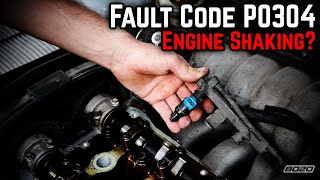
How to confirm: Swap the ignition coil from cylinder 4 with another cylinder (e.g., cylinder 3). Clear the codes and drive. If the code changes to P0303, the ignition coil is faulty. This is the standard DIY diagnostic procedure 🎬 See this video to quickly find the real cause of your misfire. recommended across owner forums.
Typical fix: Replace the faulty ignition coil. It is often recommended to replace all four coils at the same time 🎬 Watch: Step-by-step guide to replacing your spark plugs and ignition coils. for preventative maintenance, especially if they are original and the vehicle has high mileage.
Est. part cost: $40-$100 - Worn or Fouled Spark Plug 🔴 High Probability Turbocharged engines like the PY-VPTS have shorter spark plug service intervals, typically around 40,000 miles. Also, potential oil consumption issues on related 2.5T engines can foul the plugs, causing a misfire.
How to confirm: After confirming the coil is good, remove the spark plug from cylinder 4. Inspect for wear (worn electrode), carbon tracking, oil fouling, or damage to the ceramic insulator. Compare it to a plug from a working cylinder.
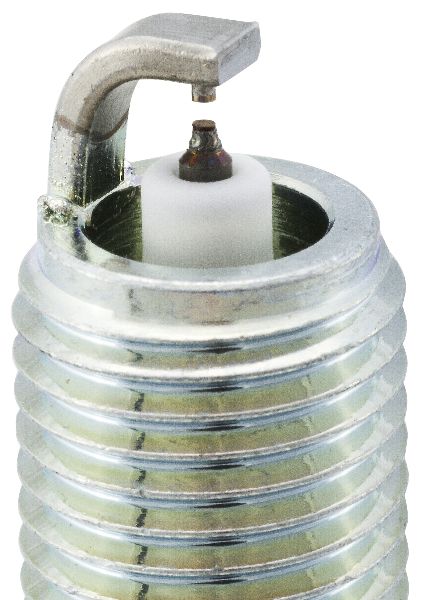
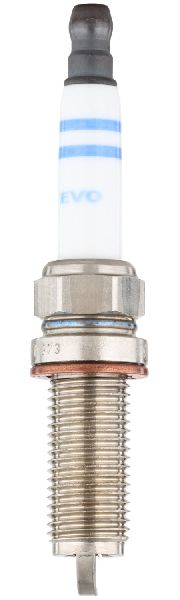
Typical fix: Replace the spark plug in cylinder 4. It is best practice to replace all four spark plugs at the same time with the correct type (Iridium) to ensure even performance and prevent future misfires.
Est. part cost: $15-$30 per plug - Clogged or Faulty Fuel Injector 🟡 Medium Probability As a direct injection (GDI) engine, the injectors are subjected to high pressure and heat within the combustion chamber, which can lead to carbon buildup or electronic failure over time.
How to confirm: A professional can perform a fuel injector balance test. A DIY method involves listening to the injector with a mechanic's stethoscope for a consistent clicking sound. You can also swap injectors between cylinders, similar to a coil swap, but this is a more labor-intensive job.
Typical fix: Replace the faulty fuel injector. This is a more involved job on a GDI engine and may require professional service. Some shops recommend replacing all four injectors at once.
Est. part cost: $100-$250
Rare But Worth Checking
- Internal Engine Failure (Cylinder Head/Valves): Mazda TSB 01-001-23a (which supersedes earlier versions) specifically addresses misfire codes P0301-P0304 on 2.5T engines. A seized variable valve in the exhaust manifold can cause excessive heat, leading to uneven wear on the exhaust valve seat and a loss of compression. The fix requires replacing the cylinder head and the redesigned exhaust manifold. This is a major repair but may be covered under warranty or goodwill by Mazda, as one 2018 Mazda 6 owner reported getting the $6,000 repair done for a $2,000 co-pay out of warranty.
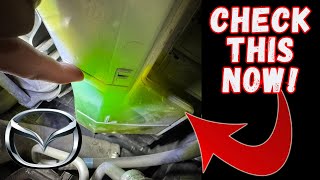
- Cracked Cylinder Head (Coolant Leak): Separate from the TSB issue, the 2016-2020 CX-9 2.5T is known to develop cracks in the cylinder head, typically causing an external coolant leak at the rear 🎬 Watch: How to identify a cracked cylinder head and coolant leak. of the engine near the exhaust manifold. While this doesn't always immediately cause a misfire, a significant coolant loss into a cylinder could trigger a P0304 code. This is a very expensive repair, often requiring engine replacement.
- Excessive Oil Consumption from Valve Stem Seals: A known issue, subject to a class-action lawsuit and settlement, involves defective valve stem seals causing excessive oil consumption. This can lead to oil-fouled spark plugs, resulting in misfires. This primarily affects 2021 models but is worth noting for any 2.5T engine showing signs of oil loss, as the underlying engine architecture is the same.
- Intake Valve Carbon Buildup: Like many direct-injection (GDI) engines, the Skyactiv-G is prone to carbon deposits on the intake valves over time, as fuel is injected directly into the cylinder and does not wash over the valves. This can restrict airflow into the cylinder, leading to misfires. This typically occurs at higher mileage (over 60,000 miles) and may cause random misfires (P0300) but can sometimes isolate to one cylinder. A walnut blasting service is the typical fix.
Diagnosis Steps
- Read the code with an OBD-II scanner and note any other codes present. Freeze frame data can show engine conditions when the misfire occurred.
- Check if the Check Engine Light is flashing. If so, avoid driving the vehicle to prevent catalytic converter damage.
- Perform an ignition coil swap test. Label and swap the ignition coil from cylinder 4 with cylinder 3. Clear the codes and run the engine. If the code changes to P0303, the ignition coil is bad and needs replacement.
- If the code remains P0304, inspect the spark plug. Remove the plug from cylinder 4 and check for signs of wear, damage, or fouling (oil or fuel). Replace if necessary. It is recommended to replace all four plugs at once.
- Inspect the wiring and connector for the ignition coil and fuel injector on cylinder 4 for any visible damage, corrosion, or loose connections.
- If ignition components are good, the next step is to check for fuel system issues. A professional may need to test the fuel injector's flow and spray pattern.
- If the problem persists, a compression test is necessary to check for mechanical engine problems. Low compression in cylinder 4 (compared to the other cylinders) could point to the serious issue described in TSB 01-001-23a or a cracked cylinder head.
- Check for external coolant leaks at the back of the engine, below the exhaust manifold, which could indicate a cracked cylinder head.
Parts You'll Likely Need
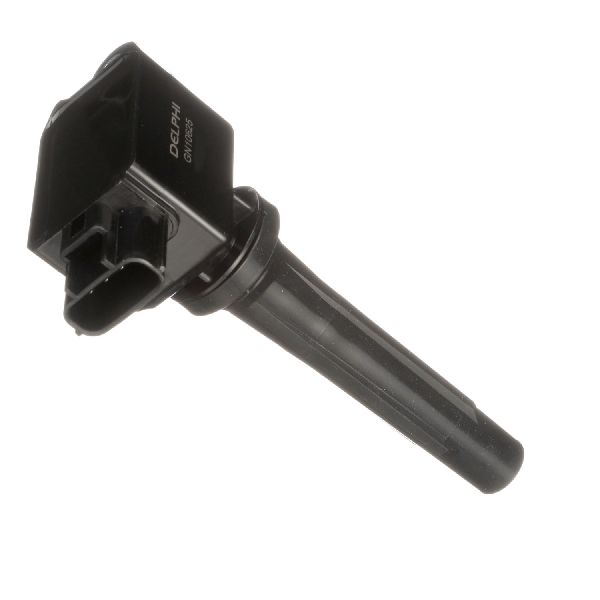
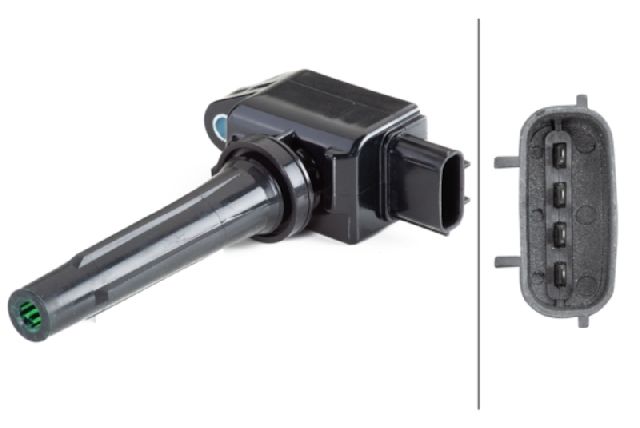
- Ignition Coil
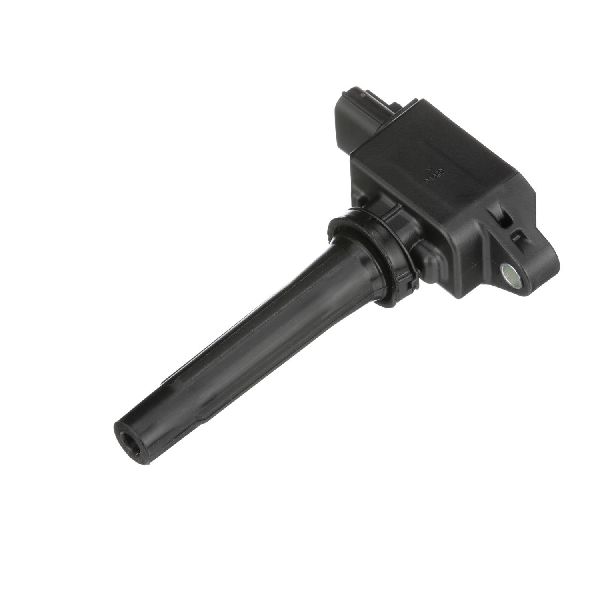
(OEM #PE21-18-100A)— This is one of the most common failure points for a single-cylinder misfire. Heat and vibration cause the coil to fail over time.
Trusted brands: Mazda OE, NGK, Denso, Bosch
OEM price range: $80-$120
Aftermarket price range: $40-$80 - Spark Plug
(OEM #PE5S-18-110)— Spark plugs are a regular maintenance item and can wear out or become fouled, especially in turbocharged engines or those with oil consumption issues.
Trusted brands: NGK (94124), Denso (IXEH22TT)
OEM price range: $25-$40
Aftermarket price range: $15-$25
Related Codes That Often Appear With This One
- P0300 — If the condition causing the misfire is not isolated to cylinder 4 (e.g., vacuum leak, low fuel pressure, widespread carbon buildup), a P0300 (Random/Multiple Cylinder Misfire) code may also be present.
- P0301, P0302, P0303 — Other single-cylinder misfire codes may appear if the root cause affects multiple cylinders, such as contaminated fuel or a failing fuel pump. The TSB for cylinder head failure applies to all four cylinders (P0301-P0304).
Technical Service Bulletins (TSBs) & Recalls
- 01-001-23a: Addresses poor acceleration, rough idle, and misfire DTCs (P0301-P0304) on 2.5T engines due to a seized exhaust manifold valve causing compression leakage from uneven valve seat wear. Manufacturer TSB Bulletin #01-001-23a notes that while DTCs P030X usually store, in some cases they may not.
Platform-Specific Known Issues
- TSB 01-001-23a: For 2016-2020 CX-9 models (among others with the 2.5T engine), misfire codes can be caused by a seized variable valve in the exhaust manifold, leading to compression loss. The repair involves replacing the cylinder head and exhaust manifold.
Mechanic-Grade Diagnostic Values
- Short-Term Fuel Trim (STFT) and Long-Term Fuel Trim (LTFT) at idle — expected: Ideally close to 0%. Normal operating range is typically within +/- 10%.. Failure: Sustained positive values (e.g., +20%) on one bank can indicate a vacuum leak affecting that side. Sustained negative values can indicate a leaking fuel injector.
- High-Pressure Fuel System — expected: The Skyactiv-G direct injection system operates at very high pressures. While specific values for the CX-9 were not found in searches, similar GDI systems idle around 2.9-3.4 MPa (420-493 psi) and can reach up to 20 MPa (2900 psi) under load.. Failure: Pressure that is significantly below specification at idle or does not increase correctly with engine RPM and load can indicate a failing high-pressure fuel pump (HPFP).
Scan Tool Commands That Help
- Mazda IDS (Integrated Diagnostic System) or equivalent high-level scan tool: Power Balance Test — This is a crucial diagnostic step after checking spark and coils. The test deactivates one cylinder at a time and measures the corresponding drop in RPM. If deactivating cylinder 4 causes little or no RPM drop compared to other cylinders, it confirms that cylinder 4 is not contributing power, isolating the fault to that cylinder.
- Mazda IDS or equivalent bidirectional scan tool: Injector Kill / Fuel Injector Control — Used in conjunction with the power balance test, this allows a technician to specifically disable the fuel injector for cylinder 4. If the misfire is resolved or changes when the injector is disabled, it points strongly to a fuel delivery problem (e.g., a leaking or clogged injector) rather than a compression or spark issue.
Wiring & Ground Locations
- PCM Ground — While a specific diagram for the 2016-2020 CX-9 was not found, on similar Mazda platforms the PCM is located in the engine bay, often near the battery tray. Ground wires are critical and are typically bolted directly to the chassis or engine block nearby.. A poor ground connection for the PCM or the ignition coil harness can cause erratic behavior, including weak spark or incorrect injector firing, leading to misfire codes. Always check that ground points are clean and tight.
- Ignition Coil Connector (Cylinder 4) — On top of the valve cover, connected to the ignition coil for the rearmost cylinder (closest to the firewall).. The connector and its wiring are exposed to significant heat and vibration. A loose pin, corrosion, or a break in the wire leading to the PCM can interrupt the signal to fire the coil, causing a P0304. The PCM sends the trigger signal to this connector.
Real Owner Repair Stories
- Reddit user in /r/CarRepair (2016 Mazda CX-5 with 2.5L engine (similar Skyactiv architecture), 178k miles) — Recurring P0304 code, smell of unburnt gas from exhaust.
❌ Tried (didn't work) Replacing spark plugs (fixed the issue temporarily for a few thousand miles)., Replacing all four ignition coils and all four spark plugs again (code returned after 150 miles).
✅ What actually fixed it The user reported that replacing the gas cap resolved the issue and the smell of unburnt fuel. While unusual for a single-cylinder misfire, a faulty cap can affect the evaporative emissions system and potentially fuel tank pressure, which in some edge cases might impact fuel delivery.
Model Year Variations Within This Range
- 2016-2020: While the core PY-VPTS engine is largely the same from 2016-2023, there can be minor variations in wiring harnesses and, most importantly, the Engine Control Module (ECM/PCM) programming between model years. When replacing an ECM, the part number must be an exact match, as an ECM from a 2019 model may not be compatible with a 2016 vehicle due to software and feature differences, even if the engine is mechanically identical.
Diagnostic Flowchart
Other Known Issues on This Vehicle
Issues unrelated to this code that are worth knowing about as an owner of this generation:
- Cracked Cylinder Head (External Coolant Leak) 🔴 High — A widely reported problem for 2016-2020 models. Can occur at various mileages, often noticed by coolant smell or visible leaks at the back of the engine.
- Faulty Valve Stem Seals (Excessive Oil Consumption) 🔴 High — Primarily affects 2021 models, leading to a class-action settlement. Causes low oil warnings between changes. (Ref: Class Action Settlement (MazdaValveStemSealSettlement.com))
- Infotainment System Lag and 'Spiderweb' Cracking 🟠 Medium — Laggy performance and Bluetooth dropouts are common on pre-2021 models. Screen delamination/cracking has also been reported, sometimes fixed by dealers under goodwill.
- Prematurely Warped Front Brake Rotors 🟡 Low — Owners report front brake rotors warping easily, causing vibration under braking. Often requires replacement with more durable aftermarket parts.
- Fragile 'Soul Red Crystal' Paint 🟡 Low — This specific, popular paint color is known to be thin and chips very easily. It is also difficult to color-match for repairs.
- AWD Transfer Case / Rear Differential Bearing Failure 🟠 Medium — Bearings in the rear differential and transfer case can fail prematurely (before 100,000 km), causing a humming or whining noise from the rear of the vehicle.
Used vs. New Parts: Buying Guide for This Vehicle
When a used part is the smart pick: Used parts like ignition coils can be a cost-effective choice, especially for diagnosis (e.g., swapping in a known-good used coil before buying new). A complete used engine assembly from a reputable salvage yard can be a viable option if the vehicle has suffered a catastrophic failure like a cracked cylinder head, as the cost is often much lower than a new engine or extensive head repair.
Donor-vehicle mileage cap: roughly under 80000 miles for the part to have meaningful remaining life.
What to inspect on the donor part:
- For ignition coils, check for cracks in the plastic housing or corrosion on the electrical connector.
- For a used engine, look for signs of overheating (discolored metal), check for milky oil (head gasket failure), and get a vehicle history report if possible to verify mileage and check for accidents.
- Ensure the donor vehicle year is as close as possible to your own to improve compatibility of sensors and electronics.
OEM-only on this vehicle (don't cheap out):
- Engine Control Module (ECM/PCM): While a used one can be installed, it requires professional programming by a dealer or specialist to match your vehicle's VIN and security information. Aftermarket ECMs are not widely available or recommended for this platform.
- High-Pressure Fuel Pump (HPFP): Given its critical role in a GDI system and the specific pressures required, an OEM or OEM-supplier (like Bosch, if applicable) part is strongly recommended to avoid performance issues.
Aftermarket brands forum-validated for this vehicle:
- Ignition Coils: NGK, Denso, Bosch
- Spark Plugs: NGK, Denso
Brands owners have reported issues with on this vehicle:
- Unbranded, 'white box' ignition coils and sensors from online marketplaces. These often have high failure rates and may not meet the performance specifications required by the Skyactiv-G Turbo engine, leading to persistent issues.
Real Owner Stories
Aggregated from forums and TSBs cited above. Mileages and costs reflect what owners reported in those sources.
2017 Mazda CX-9 2.5T — 80000 miles
Symptoms: P0304 code appeared shortly after a dealer spark plug change.
What fixed it: Diagnosis of a failed ignition coil.
Source hint: Reddit r/mazda (u/Which-Run-2129, 2022)
2018 Mazda 6 2.5T — 117000 miles
Symptoms: Misfire that persisted after replacing a fuel injector and performing carbon cleaning.
What fixed it: Cylinder head and exhaust manifold replacement due to valve seat failure described in TSB 01-001-23a.
Cost: $6,000-$6,000
Source hint: Mazdas247 (mikesierra, 2024)
2016 Mazda CX-5 2.5T
Symptoms: Persistent P0304 error; owner tried replacing injector, coil, plug, and ECU, and had intake valves walnut blasted without success.
What fixed it: The issue persisted, highlighting a difficult diagnosis beyond simple component failure.
Source hint: Mazdas247 (danielkote, 2025)
Related OBD-II Codes
Frequently Asked Questions
Does TSB 01-001-23a apply to my 2016-2020 Mazda CX-9 with a P0304 code?
I have a P0304 on my CX-9; how can I tell if it's just a bad ignition coil?
How often should I change the spark plugs on my 2.5L Skyactiv-G Turbo to prevent misfires?
Could a coolant leak at the back of my engine be related to my P0304 misfire code?
Is there a specific type of spark plug I should use for the CX-9 2.5T engine?
If my Check Engine Light is flashing with the P0304 code, can I keep driving?
Helpful Videos


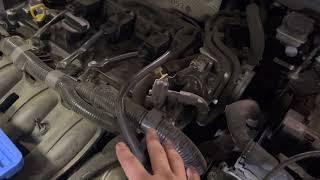
![How to Fix P0304 Engine Code in 3 Minutes [2 DIY Methods / Only $4.33]](https://img.youtube.com/vi/i7ubv6oYJlI/mqdefault.jpg)
Used OEM Parts in Stock

New Aftermarket Parts Available


The information in this article is provided for general reference and educational purposes only. Vehicle specifications, procedures, and part compatibility can vary by production date, trim level, and region. Always consult your vehicle's factory service manual and verify part numbers before purchasing or performing repairs. Safety-critical components such as airbags, seat belts, and braking systems should be installed by a qualified professional.
- Mazda CX-9:
- 🎬 Helpful Videos
- 🛍️ Shop This Part
- What's Unique About the 2016-2020 Mazda CX-9
- Symptoms You May Notice
- Most Likely Causes
- Rare But Worth Checking
- Diagnosis Steps
- Parts You'll Likely Need
- Related Codes That Often Appear With This One
- Technical Service Bulletins (TSBs) & Recalls
- Platform-Specific Known Issues
- Mechanic-Grade Diagnostic Values
- Scan Tool Commands That Help
- Wiring & Ground Locations
- Real Owner Repair Stories
- Model Year Variations Within This Range
- Diagnostic Flowchart
- Other Known Issues on This Vehicle
- Used vs. New Parts: Buying Guide for This Vehicle
- Real Owner Stories
- 2017 Mazda CX-9 2.5T — 80000 miles
- 2018 Mazda 6 2.5T — 117000 miles
- 2016 Mazda CX-5 2.5T
- Related OBD-II Codes
- Frequently Asked Questions
- 🎟️ Get 5% Off