

P0303 on 2004-2012 Volvo S40: Cylinder 3 Misfire Causes and Fixes
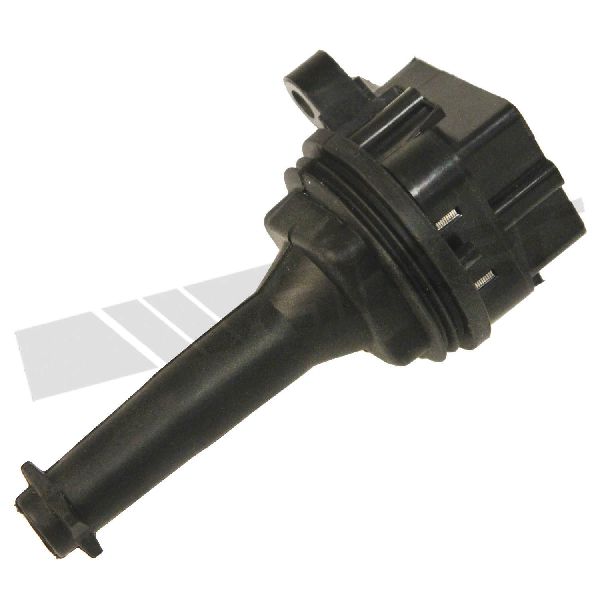
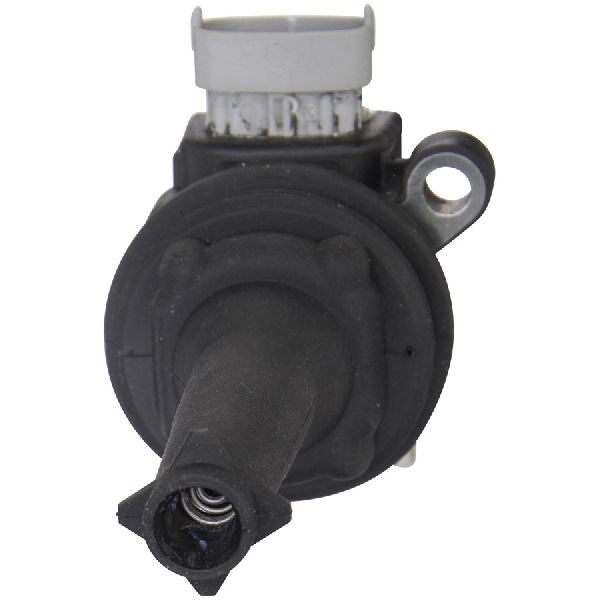
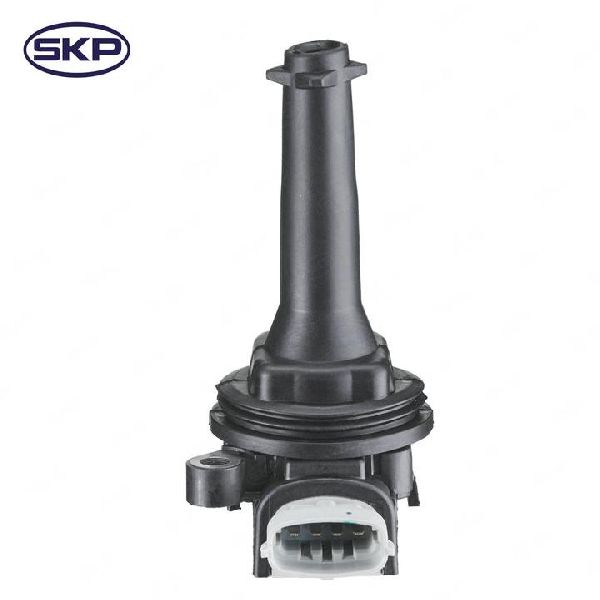
On a 2004-2012 Volvo S40, code P0303 is almost always a bad ignition coil on cylinder 3. The easiest way to confirm is to swap the coil with another cylinder. A single OEM-quality coil costs about $50-$90, and this is a very common DIY repair. If not the coil, the spark plug is the next most likely culprit.
- P0303 on this Volvo S40 means cylinder 3 (the middle one) is misfiring.
- The most likely cause is a faulty ignition coil, which can be confirmed for free by swapping it with another cylinder's coil.
- Worn spark plugs are the second most likely cause.
- On T5 turbo models, a failed PCV system can cause a vacuum leak that leads to this code.
- Always use high-quality OEM (Bosch) or genuine Volvo ignition components for this repair to ensure longevity.
What's Unique About the 2004-2012 Volvo S40
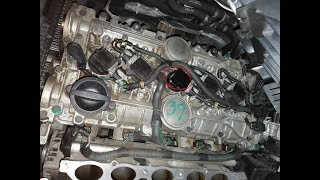
The Volvo S40 of this generation uses a reliable but compact inline-five engine, where all five ignition coils are easily accessible on top of the engine. This makes diagnosing a P0303 code particularly straightforward 🎬 Watch: A quick guide to fixing the P0303 code for a DIY mechanic. The most common point of failure is an individual coil-on-plug unit, a known wear item on many modern engines. While the engines themselves are robust, the ignition components and, on T5 models, the PCV system are often the first to show age.
Symptoms You May Notice
- Rough or vibrating idle.
- Hesitation or stumbling during acceleration.
- Noticeable loss of engine power.
- Solid check engine light is on.
- Flashing check engine light (indicates a severe misfire).
- Reduced fuel economy.
- Engine is harder to start than usual.
- Message on the dashboard information center, such as "Reduce speed or shift up".
- Replacing all spark plugs and coils without first confirming the faulty component. The coil-swap test is free and definitively identifies the bad part, saving money on unnecessary replacements.
- Assuming the issue is ignition-related when it is a vacuum leak. On T5 models, a torn PCV diaphragm can mimic the symptoms of a bad coil or plug but won't be fixed by replacing them.
Most Likely Causes
- Faulty Ignition Coil 🔴 High Probability Ignition coils are a common wear item that are subjected to high temperatures and voltage. Their failure rate increases with age and mileage, making them the most frequent cause for a single-cylinder misfire on this platform.
How to confirm: Swap the ignition coil from cylinder 3 with an adjacent cylinder (e.g., cylinder 2 or 4). Clear the codes and drive the car. If the code changes to P0302 or P0304, you have confirmed the ignition coil is faulty. This is the definitive, no-cost first diagnostic step.
Typical fix: Replace the faulty ignition coil. 🎬 See this walkthrough on how to replace your ignition coils It is often recommended to replace all five coils if they are original and the vehicle has high mileage, as the others may fail soon.
Est. part cost: $45-$90 for one OEM-quality coil - Worn or Fouled Spark Plug 🟡 Medium Probability Spark plugs are a routine maintenance item. If they have not been replaced according to the service schedule (typically every 60,000-75,000 miles for these engines), the electrode can wear out or become fouled with carbon or oil, leading to a weak or inconsistent spark.
How to confirm: After confirming the coil is good, remove the spark plug from cylinder 3. Inspect it for wear, damage, or deposits. A wet, black, or sooty appearance indicates it's not firing correctly. Compare it to a plug from a healthy cylinder.
Typical fix: Replace the spark plug in cylinder 3. It is best practice to replace all five spark plugs as a set to ensure even performance and avoid future misfires. Always use the correct OEM-spec plugs (Volvo or Bosch).
Est. part cost: $50-$80 for a set of 5 OEM-quality plugs - Faulty Fuel Injector ⚪ Low Probability While generally reliable, fuel injectors can become clogged with deposits or fail electrically over time, preventing the correct amount of fuel from reaching the cylinder. This is more common on higher-mileage vehicles.
How to confirm: Listen to the injector with a mechanic's stethoscope or a long screwdriver; it should make a consistent clicking sound. You can also swap the injector with another cylinder, similar to the coil test, though this is a more involved job requiring removal of the fuel rail.
Typical fix: Replace the faulty fuel injector. It's advisable to replace the injector seals at the same time.
Est. part cost: $70-$150 for one injector
Rare But Worth Checking
- Vacuum Leak: A leak in a vacuum line or intake manifold gasket near cylinder 3 can lean out the air/fuel mixture and cause a misfire. On T5 engines, a failed PCV oil separator diaphragm 🎬 Watch: How to replace the PCV diaphragm the easy way is a very common source of a major vacuum leak, often causing multiple misfire codes but sometimes starting with one. This would often be accompanied by other codes, like a fuel trim error (e.g., P2177).
- Low Engine Compression: This is a serious mechanical issue, such as a burnt valve, worn piston rings, or a leaking head gasket. A compression test is needed to diagnose this. If the basic ignition and fuel fixes do not resolve the issue, a compression test is the next logical step.
- Faulty Fuel Pressure Regulator: A forum user reported that replacing the fuel pressure regulator solved their persistent P0303 issue after ignition components were already replaced. This is uncommon but possible if fuel delivery is erratic.
- Clogged PCV System (Especially T5): A clogged Positive Crankcase Ventilation (PCV) system, also known as the oil trap or flame trap, is a well-documented issue on Volvo 5-cylinder engines. On the turbocharged T5, a clogged system can build excessive crankcase pressure, forcing oil past seals and fouling spark plugs, leading to misfires. A common symptom is a 'whistling' or 'hissing' noise from the engine.
Diagnosis Steps
- Read the code with an OBD-II scanner to confirm P0303 is the active fault. Note any other codes present.
- Visually inspect the wiring and connector for the ignition coil and fuel injector on cylinder 3 (the middle cylinder). Look for any obvious damage or loose connections.
- Perform the ignition coil swap test: Label and swap the coil from cylinder 3 with cylinder 2. Clear the codes, run the engine, and re-scan. If the code is now P0302, the coil is bad.
- If the code remains P0303, perform a spark plug swap: Move the spark plug from cylinder 3 to cylinder 2. If the code changes to P0302, the spark plug is bad.
- If the code is still P0303, inspect for vacuum leaks. On T5 models, pay close attention to the PCV oil separator housing and its hoses. A smoke test is the most effective way to find leaks.
- If ignition and vacuum leaks are ruled out, inspect the fuel injector on cylinder 3. Listen for its operation with a stethoscope.
- If all else fails, perform a compression test on all cylinders to rule out mechanical engine damage like a burnt valve or bad piston rings.
Parts You'll Likely Need
- Ignition Coil
(OEM #30713417)— This is the most common failure point for a P0303 code on this vehicle. It is a simple and direct fix. Bosch is the original equipment manufacturer.
Trusted brands: Bosch, NGK, Delphi
OEM price range: $80-$110
Aftermarket price range: $45-$75 - Spark Plugs (Set of 5 for 2.5L T5)
(OEM #30751806)— Spark plugs are a maintenance item and a worn plug can cause a misfire. They are often replaced with the failing coil as a preventative measure. The OEM plugs are made by Bosch.
Trusted brands: Bosch, Volvo Genuine
OEM price range: $65-$80
Aftermarket price range: $50-$70 - Spark Plugs (Set of 5 for 2.4L)
(OEM #30650843)— As a regular maintenance item, a worn spark plug is a likely cause for a misfire if service has been neglected. The OEM plugs are typically from Volvo/Bosch.
Trusted brands: NGK, Volvo Genuine
OEM price range: $60-$75
Aftermarket price range: $45-$65
Related Codes That Often Appear With This One
- P0300 — This is a 'Random/Multiple Cylinder Misfire' code. It may appear with P0303 if the misfire is intermittent or affecting other cylinders as well, which could point towards a systemic issue like a vacuum leak or fuel delivery problem.
- P0301, P0302, P0304, P0305 — These codes indicate misfires in other cylinders. Seeing multiple specific cylinder misfire codes suggests a problem affecting the whole engine, like a major vacuum leak, clogged PCV system, or low fuel pressure, rather than a single bad coil.
- P2177 — 'System Too Lean Off Idle'. This code often accompanies misfire codes when the root cause is a vacuum leak, as unmetered air is entering the engine and disrupting the air-fuel ratio.
Technical Service Bulletins (TSBs) & Recalls
- While no TSB is specific to only P0303 on this model, general misfire bulletins like VW Group's 2033805/11 exist. They advise against replacing multiple components at once and stress methodical diagnosis, such as swapping components (coils, injectors) between cylinders to isolate the fault before replacing parts.
- GM bulletin 19-NA-219 discusses various causes for misfires including sticking valves, which can be relevant for higher mileage engines if ignition and fuel system checks do not reveal the cause.
Platform-Specific Known Issues
- PCV System Failure on T5 Models: The turbocharged T5 engine is known for issues with its PCV oil separator. The diaphragm inside can tear, creating a significant vacuum leak. Symptoms include a loud whistling or sucking noise at idle, a rough idle, and often multiple misfire codes (P0300, P0303, etc.). Before replacing ignition parts on a T5, it's wise to check the PCV system. A simple test is to see if there's strong suction at the oil dipstick tube when the engine is running; if so, the PCV diaphragm has likely failed.
Mechanic-Grade Diagnostic Values
- Fuel Injector Resistance (T5 Engine) — expected: 12.0 - 12.5 Ohms. Failure: A reading significantly outside this range indicates a faulty injector coil.
- Fuel Pressure at Idle — expected: ~43-50 PSI. Failure: Pressure significantly below this range can cause lean misfires. Pressure should hold steady and not drop off quickly after the engine is shut off.
- Long Term and Short Term Fuel Trims — expected: Within +/- 10%. Failure: Consistently high positive values (e.g., >10%) on one bank can indicate a vacuum leak affecting those cylinders, which could lead to a misfire code.
- Ignition Coil Bolt Torque — expected: 10 Nm (89 in-lbs). Failure: Improper torque is not a direct cause of P0303 but is critical for correct installation. Loose bolts can lead to poor ground or vibration damage, while over-torquing can damage the coil or valve cover.
Scan Tool Commands That Help
- Volvo VIDA (Vehicle Information and Diagnostics for Aftersales): Misfire Counter Monitoring — When diagnosing intermittent misfires that don't immediately set a code. VIDA can display live misfire counts for each individual cylinder, allowing a technician to see which cylinder is faulting in real-time, even if the count isn't high enough to trigger the check engine light.
- Volvo VIDA (Vehicle Information and Diagnostics for Aftersales): Fuel Pump Activation Test — To verify fuel pump functionality and pressure delivery without relying solely on the engine running. A technician can command the pump to run at maximum duty cycle to check if it can achieve and hold the specified maximum pressure (e.g., ~76 PSI), which can diagnose a weak pump that might otherwise seem functional at idle.
Wiring & Ground Locations
- Engine Wiring Harness Grounds — On the T5, there are two M6 bolts securing the engine wiring harness ground terminals, often located on the timing cover side of the engine.. A corroded or loose ground for the engine harness can cause erratic signals for multiple components, including ignition coils and injectors. While it would likely cause multiple misfires (P0300), a borderline connection could initially manifest as a single cylinder fault.
- Strut Tower Grounds — On both the driver and passenger side strut towers in the engine bay, there are several ground wires attached to threaded studs.. These are major chassis ground points. The main engine-to-chassis ground strap often connects near the passenger side strut tower. A poor connection here can affect the entire electrical system, leading to intermittent and hard-to-diagnose issues, including misfires.
- Central Electronic Module (CEM) Connectors — Located in the driver's side footwell, typically behind the kick panel or under the dashboard.. The CEM is a central hub for vehicle electronics. Water intrusion from clogged sunroof drains is a known issue that can corrode the CEM's connectors, leading to a host of bizarre electrical faults, including phantom misfire signals or failure of the ignition coil driver circuit.
Real Owner Repair Stories
- VolvoForums user (2004 S40 T5) — Car started missing and running horribly. After a few days, it shuttered, died, and would not restart.
❌ Tried (didn't work) Replaced all spark plugs and ignition coils.
✅ What actually fixed it The user received multiple codes including P0303, P0304, and primary control circuit low codes for coils B and C. The final resolution was not posted in the thread, but the immediate failure of new parts pointed the user and moderators toward investigating a wiring harness or Central Electronic Module (CEM) issue as the underlying cause, rather than the components themselves. - Reddit user r/Volvo (2009 Volvo C30 2.4i (same platform/engine)) — Multiple random electrical errors: radio not working, 'check stop lamp' message, 'anti-skid service required', and a host of communication errors visible in VIDA.
❌ Tried (didn't work) Replacing clock spring for anti-skid message.
✅ What actually fixed it The user was experiencing classic symptoms of Central Electronic Module (CEM) failure, often caused by water intrusion from a leaking windshield or clogged sunroof drains. The community advised checking the car's main battery first, as low voltage can cause similar widespread electronic faults. If the battery is good, the next step is to remove and inspect the CEM and its connectors for corrosion, and clean them with electrical contact cleaner. This often restores function, but in severe cases, the CEM needs to be replaced and programmed to the vehicle.
OEM Part Supersession History
8677837→30713417— Standard part evolution, likely for improved reliability, manufacturing process, or material changes.
Heads up: The new part number (30713417) is a direct replacement for the old one (8677837) and is fully compatible.
Model Year Variations Within This Range
- 2008-2012: The S40 received a facelift for the 2008 model year, which included revised styling, new headlamps/taillamps, and interior updates. For the T5 engine, power was increased from 218 hp to 227 hp. While the fundamental engine architecture and cause of a P0303 remain the same, be aware of these cosmetic and minor performance differences when sourcing parts or information.
- 2004.5 vs 2004: The 2004 model year was a transition. The 'old' S40 was a first-generation car co-developed with Mitsubishi. The 'new' S40, introduced mid-year as a 2004.5 model, is the second-generation P1 platform vehicle this article pertains to, featuring the 5-cylinder engine. The first-gen car uses a 4-cylinder engine and has completely different components and diagnostics. It is critical to distinguish which 2004 model is being worked on.
Diagnostic Flowchart
Real Owner Stories
Aggregated from forums and TSBs cited above. Mileages and costs reflect what owners reported in those sources.
Volvo S40 — 24000 miles
Symptoms: Check engine light with P0303, and a starting problem.
What fixed it: Replaced the pressure regulator. (Diagnostic dead ends included replacing sensors, spark plugs, ignition coil, and cleaning the throttle body).
Source hint: volvoforums.com (ECM 4D and P0303 - Volvo Forums)
2010 Volvo S40
Symptoms: Car shaking, even at idle. Difficulty speeding up above 20 mph with a 'reducing speed or shift up' alert. Check engine light is on with code P0303.
What fixed it: Swapped ignition coil from cylinder 3 to cylinder 1, which caused the code to change to P0301. Replaced the faulty ignition coil.
Cost: $60-$70
Source hint: youtube_comment (Moment)
Related OBD-II Codes
Frequently Asked Questions
I have a Volvo S40 T5 with a P0303 code and a loud whistling noise at idle. What could be causing this?
My dashboard says 'Reduce speed or shift up' and the check engine light is flashing. Is this normal for a P0303 code?
If the ignition coil on cylinder 3 is bad, should I replace all five coils on my 2.4L engine?
Are there any specific Technical Service Bulletins (TSBs) for the P0303 code on the 2004-2012 Volvo S40?
How often should I replace the spark plugs on my S40 to prevent a P0303 code?
Can a bad fuel pressure regulator cause a P0303 code on my S40?
Helpful Videos
![How to Replace the PCV Diaphragm on a Volvo T5 [Money Saving Way]](https://img.youtube.com/vi/1O4r1ftgJaQ/mqdefault.jpg)
Used OEM Parts in Stock


New Aftermarket Parts Available


The information in this article is provided for general reference and educational purposes only. Vehicle specifications, procedures, and part compatibility can vary by production date, trim level, and region. Always consult your vehicle's factory service manual and verify part numbers before purchasing or performing repairs. Safety-critical components such as airbags, seat belts, and braking systems should be installed by a qualified professional.
- Volvo S40:
- 🎬 Helpful Videos
- 🛍️ Shop This Part
- What's Unique About the 2004-2012 Volvo S40
- Symptoms You May Notice
- Most Likely Causes
- Rare But Worth Checking
- Diagnosis Steps
- Parts You'll Likely Need
- Related Codes That Often Appear With This One
- Technical Service Bulletins (TSBs) & Recalls
- Platform-Specific Known Issues
- Mechanic-Grade Diagnostic Values
- Scan Tool Commands That Help
- Wiring & Ground Locations
- Real Owner Repair Stories
- OEM Part Supersession History
- Model Year Variations Within This Range
- Diagnostic Flowchart
- Real Owner Stories
- Volvo S40 — 24000 miles
- 2010 Volvo S40
- Related OBD-II Codes
- Frequently Asked Questions
- 🎟️ Get 5% Off