

P0303 on 2011-2024 Dodge Durango 5.7L: Cylinder 3 Misfire Causes and Fixes
P0303 on a 5.7L Hemi Durango is a cylinder 3 misfire, most often caused by a bad spark plug or ignition coil. Expect to pay $15-$50 for a coil and $5-$15 per plug. However, be aware that a failed lifter/camshaft is also a common and serious cause on this engine, often preceded by a 'Hemi tick'. This is a much more expensive repair, potentially costing thousands.
- P0303 is a misfire in cylinder 3, the second cylinder on the driver's side.
- Always start diagnosis with the cheapest and easiest parts: swap the ignition coil to another cylinder to see if the code follows.
- If the coil is good, inspect and likely replace the spark plugs, especially if they are due.
- Be aware of the 'Hemi tick.' A persistent P0303 with a ticking noise strongly suggests a serious camshaft/lifter failure, which requires professional repair.
- Do not drive if the check engine light is flashing, as this can quickly destroy your catalytic converter, adding thousands to the repair bill.
What's Unique About the 2011-2024 Dodge Durango
While ignition components are the most common cause for a P0303 code on any vehicle, the 5.7L Hemi V8 has a well-documented and specific weakness: the camshaft and lifters. A failed lifter, often preceded by a distinct 'Hemi tick' sound, can stop rotating correctly and grind down the camshaft lobe. This prevents the valve from opening and closing properly, leading to a persistent misfire that can't be fixed by replacing spark plugs or coils. The needle bearings inside the lifter can fail, causing the roller to seize and damage the cam. This potential for a major mechanical failure makes diagnosing a P0303 on this engine more critical than on many other vehicles, as confirmed by numerous owner experiences in online forums.
Generation note: The 2011-2024 Dodge Durango is the third generation (WK2). While it received facelifts in 2014 and 2021, the 5.7L Hemi V8 powertrain remains fundamentally the same, meaning the causes and fixes for P0303 are consistent across these years. The underlying engine architecture and its weaknesses, like the cam/lifter issue, are shared across this entire generation.
Symptoms You May Notice
- Rough or shaky idle
- Engine hesitation or stumbling during acceleration
- Flashing Check Engine Light
- Noticeable loss of power
- Reduced fuel economy
- Engine may be harder to start
- Smell of unburnt gasoline from the exhaust
- Loud ticking or metallic sound from the engine (the 'Hemi tick')
- Replacing oxygen (O2) sensors. O2 sensors report the results of combustion; they do not cause a single-cylinder misfire. A bad O2 sensor would typically set its own specific code.
- Mistaking an exhaust manifold leak for a lifter tick. A broken manifold bolt can create a ticking noise, but it won't cause the persistent misfire associated with a wiped camshaft lobe.
Most Likely Causes
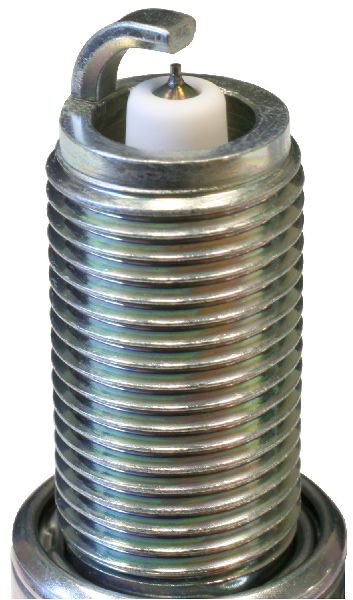
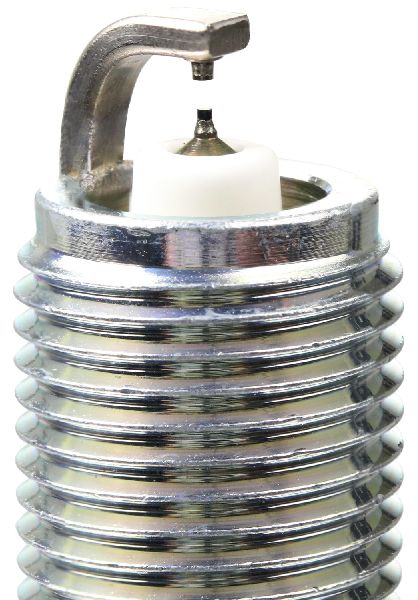
- Worn Spark Plugs 🔴 High Probability The 5.7L Hemi engine uses two spark plugs per cylinder (16 total), increasing the chance of a single plug failing over time. The manufacturer recommends replacement every 100,000 miles for the OEM plugs.
How to confirm: Remove the two spark plugs from cylinder 3. Look for signs of wear (worn electrode), fouling (black, oily, or white deposits), or a cracked insulator. Compare them to a plug from a working cylinder.
Typical fix: Replace all 16 spark plugs. It is recommended to replace them all at once to ensure even performance and avoid future misfires. The OEM recommended plug for many 2014+ models is a Mopar Nickel plug, part number SP143877AB.
Est. part cost: $100-$200 - Faulty Ignition Coil 🔴 High Probability
How to confirm: Swap the ignition coil from cylinder 3 with one from another cylinder (e.g., cylinder 1). Cylinder 1 is the front-most cylinder on the driver's side. Clear the codes and drive the vehicle. If the code changes to P0301, the ignition coil is bad.
Typical fix: Replace the faulty ignition coil. Many owners choose to replace all 8 coils at the same time as a preventative measure, especially on higher mileage vehicles.
Est. part cost: $30-$80 - Failed Camshaft and/or Lifter(s) 🟡 Medium Probability This is a known, widespread issue with the 5.7L Hemi engine, sometimes related to the Multi-Displacement System (MDS) lifters. The roller on the lifter can seize due to failed needle bearings, causing it to grind against the camshaft lobe, leading to a loss of valve lift and a persistent mechanical misfire. This issue is frequently discussed by owners in forums for the Durango and its platform mates.
How to confirm: This is a difficult diagnosis. It often starts with a rhythmic ticking noise from the engine ('Hemi tick') that increases with RPM. If spark plugs and coils are confirmed good, a professional mechanic may need to perform a compression test and ultimately inspect the valvetrain by removing the valve covers and intake manifold to check for a collapsed lifter or damaged rocker arm.
Typical fix: This is a major repair that involves replacing the camshaft, all 16 lifters, head gaskets, and other related components. It is not a typical DIY job and can be very expensive. One owner on a forum reported a dealer quote of over $7,000 for the job.
Est. part cost: $800-$1500 - Bad Fuel Injector ⚪ Low Probability
How to confirm: Listen to the injector with a mechanic's stethoscope to ensure it's clicking. You can also swap the fuel injector from cylinder 3 with another cylinder. If the misfire code follows the injector, the injector is faulty. You can also test its resistance with a multimeter.
Typical fix: Replace the faulty fuel injector for cylinder 3.
Est. part cost: $50-$150
Rare But Worth Checking
- Low Engine Compression: If not caused by the common cam/lifter issue, this could be due to a burnt valve, a failing head gasket, or damaged piston rings. A compression test will confirm this. A healthy 5.7L Hemi should have compression around 180 PSI.
- Vacuum Leak: A leak in the intake manifold gasket near cylinder 3 could lean out the air/fuel mixture enough to cause a misfire. This can be diagnosed with a smoke test.
- PCM Malfunction: In very rare cases, the Powertrain Control Module itself can fail, but all other possibilities should be exhausted before considering this.
- Broken Exhaust Manifold Bolts: A common issue on the 5.7L Hemi is for the exhaust manifold bolts to break, causing an exhaust leak. While this typically creates a ticking sound that can be mistaken for the 'Hemi tick', it does not usually cause a single-cylinder misfire code.
Diagnosis Steps
- Check if the Check Engine Light is flashing. If so, reduce engine load immediately to prevent catalytic converter damage.
- Scan the PCM for any other stored trouble codes to get more context.
- Locate cylinder 3 on the 5.7L Hemi V8. It is the second cylinder back on the driver's side (left side, USA) of the engine. The cylinders on the driver's side are 1, 3, 5, 7 from front to back.
- Swap the ignition coil from cylinder 3 to cylinder 1. Clear the codes, run the engine, and see if the misfire code moves to P0301. If it does, you have a bad coil.
- If the code remains P0303, inspect the two spark plugs from cylinder 3. Look for wear, damage, or fouling. Replace if necessary. It's best practice to replace all 16 plugs if they are near their service interval.
- If plugs and coils are good, listen for a distinct, rhythmic ticking noise from the engine, which could indicate a lifter issue.
- Listen to the fuel injector on cylinder 3 with a stethoscope or long screwdriver to ensure it is making a consistent clicking sound. You can also swap the injector with another cylinder to see if the code follows.
- If the problem persists, perform a compression test on cylinder 3 to check for mechanical engine problems. Low compression (significantly below 180 PSI) points towards a potential valve or lifter/camshaft issue.
- If basic steps do not resolve the issue, especially if a ticking noise is present, seek a professional diagnosis for a potential camshaft/lifter failure. This often requires removing the valve cover to visually inspect valve movement.
Parts You'll Likely Need
- Ignition Coil
(OEM #68238603AA)— This is one of the most common failure points for a single-cylinder misfire. It's responsible for creating the high voltage needed to fire the spark plug.
Trusted brands: Mopar, NGK, Delphi, Standard Motor Products
OEM price range: $40-$70
Aftermarket price range: $25-$50 - Spark Plug
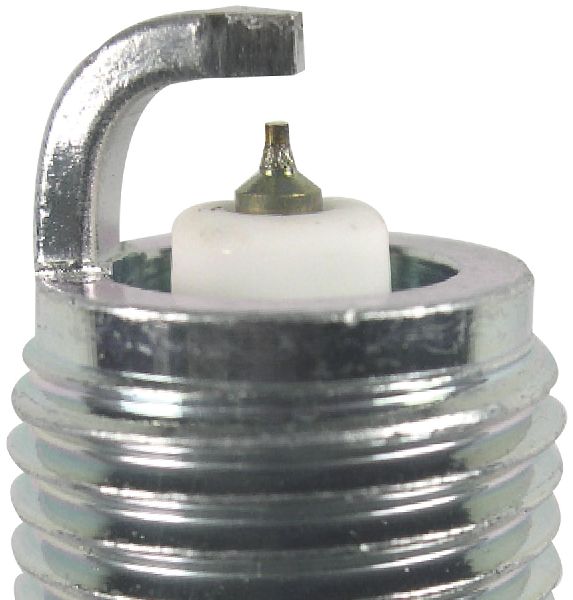
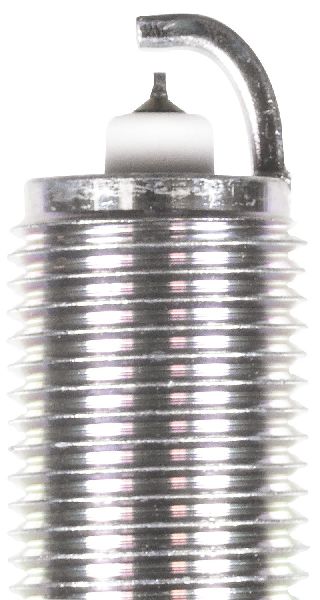
(OEM #SP143877AB (Mopar Nickel) or SPLZFR5C11)— Spark plugs are wear items and a primary cause of misfires. The 5.7L Hemi uses two per cylinder. The recommended service interval is 100,000 miles.
Trusted brands: NGK, Champion, Autolite
OEM price range: $10-$20
Aftermarket price range: $5-$15 - Camshaft and Lifter Kit — Required to fix the common 'Hemi tick' issue where a failed lifter damages the camshaft, causing a persistent
Related Codes That Often Appear With This One
- P0300 — If the underlying issue (like a failing fuel pump or major vacuum leak) affects more than one cylinder, a P0300 (Random/Multiple Cylinder Misfire) code may appear alongside P0303.
- P0301, P0302, P0304, etc. — If other cylinders begin to misfire, their corresponding codes will appear. This is common when spark plugs are due for replacement or if a systemic issue like lifter failure is present.
- P0456 — TSB #18-055-16 notes that an EVAP system small leak code can sometimes be set along with misfire codes, suggesting a potential, though less common, link.
- P219A — This code (Bank 1 Air-Fuel Ratio Imbalance) can sometimes appear with a misfire code, as seen in a case study of a Jeep Grand Cherokee with a 5.7L Hemi that had a failed lifter causing a P0303.
Technical Service Bulletins (TSBs) & Recalls
- Bulletin #18-032-26: Notes P0303 can be set during cold start catalyst heating.
- Bulletin #18-039-26: Mentions P0303 can be set during the engine warm-up period.
- Bulletin #18-055-16: Shows that misfire codes, including P0303, can be set along with an EVAP system small leak code (P0456).
Platform-Specific Known Issues
- Camshaft/Lifter Failure: The most significant issue for the 5.7L Hemi. A misfire code like P0303 that doesn't resolve with new plugs/coils, especially if accompanied by a ticking sound, is a strong indicator of this problem. This is a major and costly repair, with some owners reporting dealer quotes exceeding $7,000. The failure is often attributed to the needle bearings in the lifters failing, which can be exacerbated by extended oil change intervals or long idle times.
- Misfires During Warm-Up: TSBs #18-032-26 and #18-039-26 specifically mention that misfires can be set during cold start or engine warm-up periods, indicating this is a recognized pattern by the manufacturer.
Mechanic-Grade Diagnostic Values
- Fuel Injector Resistance — expected: 12 Ohms +/- 1.2 Ohms (10.8 to 13.2 Ohms). Failure: A reading outside of the specified range indicates a faulty injector.
- Ignition Coil Primary Resistance — expected: 0.49 - 0.57 Ohms. Failure: A reading outside this range suggests the coil should be replaced.
- Ignition Coil Secondary Resistance — expected: 9.5 - 11.1 kOhms. Failure: A reading outside this range suggests the coil should be replaced.
- Cylinder Compression Pressure — expected: 150 - 200 PSI, with all cylinders being within 25% of the highest reading.. Failure: A cylinder reading below 125-150 PSI, or less than 75% of the highest cylinder, indicates a mechanical engine issue.
- Fuel Pressure (Key on, engine off) — expected: Approximately 48-54 PSI for many Chrysler/Dodge models.. Failure: Significantly lower pressure indicates a problem with the fuel pump or regulator.
Scan Tool Commands That Help
- wiTECH (Dealer Tool) or high-end aftermarket scanner: Cylinder Power Balance Test — This test helps identify which cylinder is contributing the least power, confirming the location of the misfire without having to swap components. It's a data-driven way to verify the misfire is on cylinder 3.
- wiTECH (Dealer Tool) or high-end aftermarket scanner: Fuel Injector Kill — This bidirectional command allows a technician to disable the fuel injector for a specific cylinder (e.g., cylinder 3). If disabling the injector causes no change in engine RPM or smoothness, it confirms that the cylinder was not contributing in the first place, pointing to a problem with that cylinder's fuel, spark, or compression.
Wiring & Ground Locations
- Ignition Coil Control Circuit — Runs from the Powertrain Control Module (PCM) harness connector to the specific ignition coil harness connector for cylinder 3.. A short to ground or an open/high resistance in this wire will prevent the PCM from firing the ignition coil, causing a misfire. The resistance of this control circuit should be below 5.0 Ohms when measured between the coil connector and the PCM connector.
- Fuel Injector Control Circuit — Runs from the PCM harness connector (e.g., C2) to the fuel injector harness connector for cylinder 3.. A short to ground or an open circuit in this wire will prevent the injector from firing. Technicians can check for continuity to ground on this circuit; if continuity exists with the injector disconnected, there is a short in the harness that needs to be repaired.
Real Owner Repair Stories
- RamForum.com user (2012 Ram 1500 5.7L Hemi with 210,000 miles) — P0306 code (Cylinder 6 Misfire), but not noticeably running bad initially. After hard acceleration, a very noticeable misfire began.
❌ Tried (didn't work) Spark plug and coil were confirmed to be good.
✅ What actually fixed it The mechanic diagnosed a leaking exhaust valve, likely caused by a weak or broken valve spring. It is a common issue on high-mileage Hemi engines. - YouTube video by 's&s automotive' (2003 Dodge Ram 1500 5.7L Hemi) — Severe misfire, engine would not stay running without feathering the throttle. Fuel-fouled spark plugs.
❌ Tried (didn't work) Replacing the fuel pump., Replacing all spark plugs.
✅ What actually fixed it A compression test showed very low readings. Upon removing the valve cover, a broken valve spring was discovered on cylinder 5. Replacing the broken spring resolved the severe misfire and allowed the engine to idle properly.
OEM Part Supersession History
53021720AE, 5038784AC, and others→5038784AD— This is the current part number for the non-MDS 'Hellcat' lifter, which is often used as a heavy-duty replacement for standard lifters, especially when deleting the MDS system.
Heads up: When replacing MDS lifters with these non-MDS lifters, the MDS system must be electronically disabled in the vehicle's computer (PCM) to prevent fault codes and improper engine operation.
Model Year Variations Within This Range
- 2011-2024 (WK2 Durango): The 5.7L Hemi in this generation is the revised version that includes Variable Valve Timing (VVT), which was added in 2009. This differs from the earlier 2003-2008 5.7L engines. While the core causes of P0303 are similar, parts like the camshaft and timing components are specific to the VVT engines. The first facelift in 2014 introduced the 8-speed automatic transmission, but the base engine architecture remained the same.
Diagnostic Flowchart
Other Known Issues on This Vehicle
Issues unrelated to this code that are worth knowing about as an owner of this generation:
- TIPM (Totally Integrated Power Module) Failure 🔴 High — Common on earlier 3rd-gen models (approx. 2011-2013). Can cause a wide range of electrical problems, including no-start conditions, fuel pump issues, or erratic behavior of lights and wipers.
- Water Pump Failure 🟠 Medium — Water pumps are known to fail prematurely, sometimes multiple times. Failure can be a leak or an internal failure causing no coolant circulation. Onset can be anywhere from 20,000 to 150,000 miles.
- Broken Exhaust Manifold Bolts 🟠 Medium — Very common across all years. The bolts, particularly those nearest the firewall, break off, causing an exhaust leak that creates a ticking noise often mistaken for a lifter tick.
- Air Suspension Problems (on equipped models) 🟠 Medium — Models with the optional air suspension (e.g., Citadel trims) can experience issues like air leaks from lines or springs, compressor failure, or sensor malfunctions, leading to a sagging suspension or error messages.
- HVAC Blend Door Actuator Failure 🟡 Low — Actuators that control airflow direction and temperature can fail, resulting in clicking noises from the dash or inability to control climate settings.
Used vs. New Parts: Buying Guide for This Vehicle
When a used part is the smart pick: Used parts like ignition coils can be a cost-effective choice, especially if sourced from a low-mileage donor vehicle. A complete engine assembly from a reputable salvage yard can also be more economical than rebuilding an engine with a failed camshaft/lifter.
Donor-vehicle mileage cap: roughly under 80000 miles for the part to have meaningful remaining life.
What to inspect on the donor part:
- For an engine, check for signs of oil leaks, especially around valve covers and the timing cover.
- Ask for a video of the donor vehicle running, if possible, to listen for the 'Hemi tick'.
- Verify the donor vehicle's VIN to confirm the year and ensure compatibility.
- For smaller parts like coils or injectors, check for physical damage, cracks, or corroded terminals.
OEM-only on this vehicle (don't cheap out):
- Camshaft and Lifters: Due to the high failure rate of the original design, using OEM or high-quality, redesigned aftermarket lifters is critical. Cheap, unbranded kits are a significant risk and may fail prematurely.
Aftermarket brands forum-validated for this vehicle:
- Lifters: COMP Cams, Melling, Johnson Lifters (often recommended on forums for performance/durability builds).
- Ignition Coils: MSD, Granatelli Motor Sports (GMS) are known performance upgrade options.
- Fuel Injectors: Fuel Injector Clinic (FIC), DeatschWerks for performance applications.
Brands owners have reported issues with on this vehicle:
- Unbranded camshaft and lifter kits from online marketplaces. These are frequently cited in forums as failing shortly after installation, leading to a repeat of a very expensive repair.
Real Owner Stories
Aggregated from forums and TSBs cited above. Mileages and costs reflect what owners reported in those sources.
2013 Ram 1500 5.7L Hemi
Symptoms: The owner experienced a P0303 code and was initially told the engine needed replacement. A similar owner with a 2013 Jeep (same motor) described a failed lifter grinding down the cam lobe after swapping plugs, coils, and injectors failed to fix the misfire.
What fixed it: Replacement of the camshaft and lifters.
Source hint: TexAgs Forum - 2013 Ram 1500 P0303
2013 Ram 1500 5.7L Hemi
Symptoms: A persistent misfire leading to a diagnosis of failed camshaft and lifters.
What fixed it: Camshaft and lifter replacement.
Cost: $7,267-$7,267
Source hint: Reddit - Ram Dealer Quote for Cam/Lifter Replacement
2023 Ram 1500 5.7L Hemi
Symptoms: Vehicle experienced a P0303 code; forum members advised checking for failed lifters and damaged cam lobes as a priority for the 5.7L Hemi platform.
What fixed it: Diagnosis of failed lifter and damaged cam lobe.
Source hint: RamForum.com - P0303 Discussion
2011-2024 Dodge Durango 5.7L Hemi
Symptoms: The vehicle had a metallic tick for a few days but did not initially show a misfire code.
What fixed it: Dealer replaced the camshaft and all 16 lifters.
Source hint: RamForum.com - Cam/Lifter Failure Thread
Related OBD-II Codes
Frequently Asked Questions
Where is cylinder 3 located on my 5.7L Hemi V8?
Is there a specific spark plug I should use for my 2014+ Durango Hemi?
I have a P0303 and a P0456 code at the same time; are they related?
My Durango only misfires during the warm-up period. Is this a known issue?
What is the 'Hemi tick' and how does it relate to my P0303 code?
How can I test if the ignition coil is causing the P0303?
Helpful Videos
Used OEM Parts in Stock


New Aftermarket Parts Available


The information in this article is provided for general reference and educational purposes only. Vehicle specifications, procedures, and part compatibility can vary by production date, trim level, and region. Always consult your vehicle's factory service manual and verify part numbers before purchasing or performing repairs. Safety-critical components such as airbags, seat belts, and braking systems should be installed by a qualified professional.
- Dodge Durango:
- 🎬 Helpful Videos
- 🛍️ Shop This Part
- What's Unique About the 2011-2024 Dodge Durango
- Symptoms You May Notice
- Most Likely Causes
- Rare But Worth Checking
- Diagnosis Steps
- Parts You'll Likely Need
- Related Codes That Often Appear With This One
- Technical Service Bulletins (TSBs) & Recalls
- Platform-Specific Known Issues
- Mechanic-Grade Diagnostic Values
- Scan Tool Commands That Help
- Wiring & Ground Locations
- Real Owner Repair Stories
- OEM Part Supersession History
- Model Year Variations Within This Range
- Diagnostic Flowchart
- Other Known Issues on This Vehicle
- Used vs. New Parts: Buying Guide for This Vehicle
- Real Owner Stories
- 2013 Ram 1500 5.7L Hemi
- 2013 Ram 1500 5.7L Hemi
- 2023 Ram 1500 5.7L Hemi
- 2011-2024 Dodge Durango 5.7L Hemi
- Related OBD-II Codes
- Frequently Asked Questions
- 🎟️ Get 5% Off