

P0302 on 1999-2005 Volkswagen Jetta: Cylinder 2 Misfire Causes and Fixes
P0302 means your Jetta's cylinder 2 is misfiring. The most common cause is a bad spark plug, spark plug wire, or a cracked ignition coil pack. Owners often report the issue is worse on damp days. Start by inspecting plugs and wires; if they are old, replace them. The coil pack is the next likely culprit. A DIY fix is highly achievable for under $150.
- P0302 means a misfire on cylinder 2, the second cylinder from the belt-side of the engine.
- Start your diagnosis with the cheapest and easiest parts: inspect the spark plug and spark plug wire for cylinder 2.
- The most common fixes are new spark plugs, new spark plug wires, or a new ignition coil pack.
- Do not drive for extended periods with a flashing check engine light, as you risk damaging your catalytic converter.
What's Unique About the 1999-2005 Volkswagen Jetta
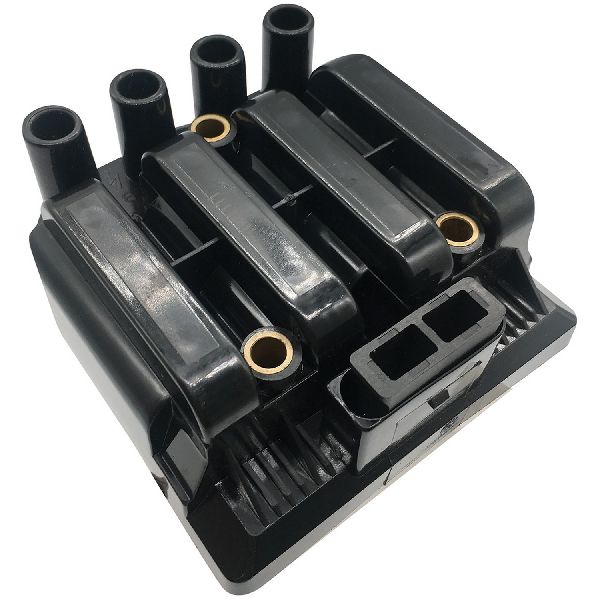
The 2.0L AZG engine in the Mk4 Jetta uses a single distributorless ignition coil pack that provides spark to all four cylinders via spark plug wires, unlike later VW models with individual coil-on-plug designs. This single coil pack is a known failure point; the plastic housing can develop cracks over time, allowing moisture in and causing spark to arc to ground, which is often more noticeable on rainy or humid days. This makes the coil pack a very common cause for a single-cylinder misfire like P0302. Owners often find that a full tune-up (plugs, wires, and coil pack) is a cost-effective way to resolve misfires on these aging vehicles.
Symptoms You May Notice
- Rough idle or engine shaking
- Hesitation or stumbling during acceleration
- Loss of engine power
- Flashing or solid Check Engine Light
- Reduced fuel economy
- Engine running louder than usual
- Smell of unburned fuel from the exhaust
- Misfire symptoms are worse on damp or rainy days
- Replacing only the spark plug without checking the wire or coil pack.
- Replacing the O2 sensor, which is rarely the cause of a single-cylinder misfire.
- Assuming new parts are good. A user on Reddit replaced spark plugs in February but still had a P0302 in April, highlighting the need to diagnose rather than just replace parts.
Most Likely Causes
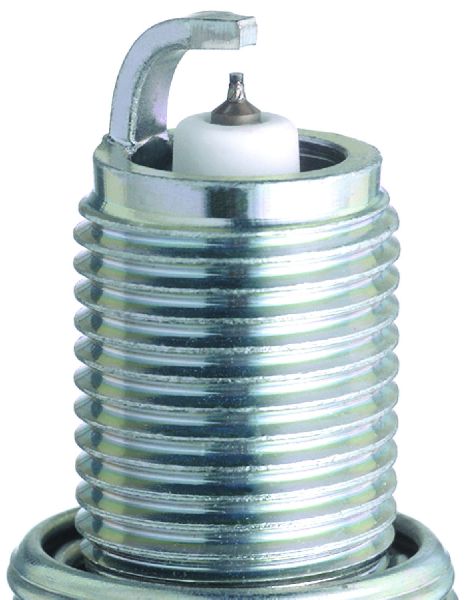
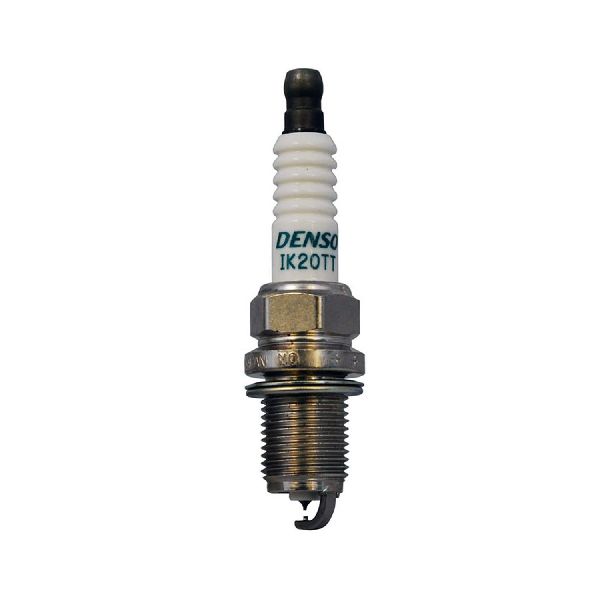
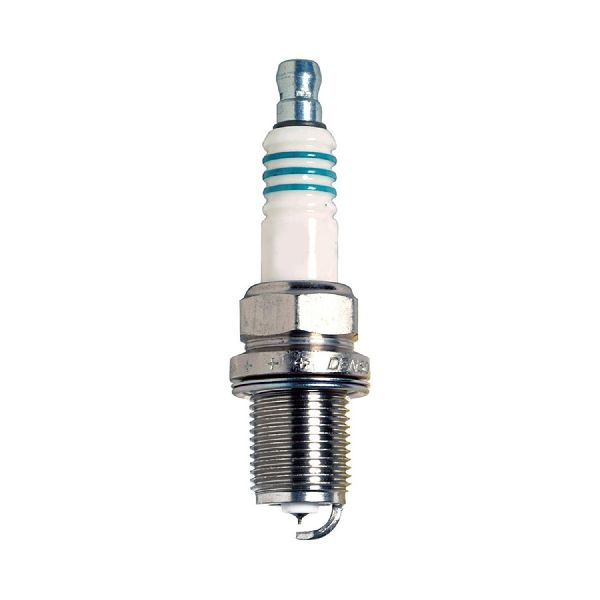
- Worn or Fouled Spark Plugs 🔴 High Probability Spark plugs are a regular maintenance item and can fail due to age, oil contamination from leaky valve cover gaskets, or rich fuel conditions. Using incorrect spark plugs (e.g., wrong heat range or gap) can also cause issues.
How to confirm: Remove the spark plug from cylinder 2 and inspect it. Look for a worn electrode, black carbon fouling, or white/oily deposits. Compare it to the other plugs. A heavily fouled or worn plug is a clear indicator.
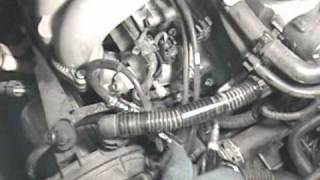
Typical fix: Replace all four spark plugs as a set. 🎬 Watch: This step-by-step guide shows you how to replace the plugs. It is also wise to replace the spark plug wires at the same time, especially if they are original.
Est. part cost: $20-$50 - Faulty Spark Plug Wires 🔴 High Probability The insulation on spark plug wires degrades over time with heat and age, leading to weak spark or arcing to the engine block. Aftermarket wires can sometimes have a shorter lifespan than OEM.
How to confirm: Visually inspect the wire for cylinder 2 for cracks, burns, or brittleness. With the engine running in the dark, you may be able to see the spark arcing from the wire to the engine block. A more definitive test is to swap the cylinder 2 wire with another cylinder's wire (if they are of similar length) and see if the misfire code changes (e.g., to P0303).
Typical fix: Replace the full set of spark plug wires. Use dielectric grease inside the boots to ensure a good seal and prevent moisture intrusion.
Est. part cost: $40-$80 - Defective Ignition Coil Pack 🟡 Medium Probability The single coil pack on the AZG engine is notorious for developing cracks in its housing. This allows moisture to penetrate, causing the high voltage to short to ground instead of going to the spark plug, resulting in a misfire. This is a very common failure on the 2.0L engine.
How to confirm: After confirming plugs and wires are good, the coil pack is the next suspect. A common DIY test involves misting the coil pack with a water spray bottle in a dark environment with the engine running; visible arcing indicates a crack. A user on 2CarPros detailed a lengthy and expensive diagnostic process that ultimately ended with a cracked coil pack being the culprit.
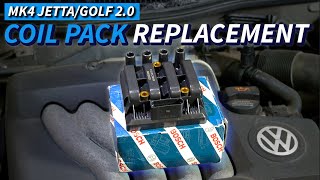
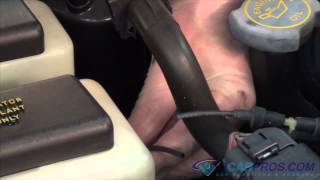
Typical fix: Replace the ignition coil pack. It is held on by three Torx screws and is a straightforward job. 🎬 See this walkthrough for replacing the ignition coil pack.
Est. part cost: $60-$150 - Clogged or Faulty Fuel Injector ⚪ Low Probability
How to confirm: You can test for a clicking sound from the injector using a mechanic's stethoscope or a long screwdriver. A more advanced test involves swapping the injector from cylinder 2 with another cylinder to see if the misfire follows. A leaky injector might also cause a long crank time and a smell of raw fuel.
Typical fix: Clean or replace the faulty fuel injector. Sometimes running a high-quality fuel system cleaner can resolve minor clogging.
Est. part cost: $50-$100
Rare But Worth Checking
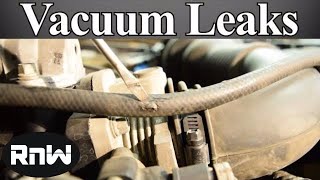
- Vacuum Leak: A vacuum leak from a cracked hose or faulty gasket near the intake runner for cylinder 2 can lean out the air/fuel mixture and cause a misfire. This will often be accompanied by a P0171 (System Too Lean) code. Check the small vacuum lines around the intake manifold as they become brittle with age.
- Low Cylinder Compression: This is a more serious mechanical issue, such as a burnt valve, worn piston rings, or a bad head gasket. A compression test is required to diagnose this. Healthy compression for the AZG should be relatively even across all cylinders, with no single cylinder deviating by more than 15-20%. This is the least likely and most expensive cause to fix.
- Faulty ECU Driver: In very rare cases, the driver circuit within the Engine Control Unit (ECU) that controls the ignition coil can fail. This would typically result in a persistent misfire on one or more cylinders that is not resolved by replacing ignition components. A YouTube video documented a case where the ECU was the ultimate cause of a P0302 after all other parts were ruled out. This requires advanced diagnostics to confirm.
Diagnosis Steps
- Read the codes: Use an OBD-II scanner to confirm P0302 is the primary code. Note any other codes present, like P0300 or P0171.
- Check Freeze Frame Data: This data shows the engine conditions (RPM, temperature, etc.) when the code was set, which can provide clues (e.g., misfire only on cold start).
- Inspect Spark Plug & Wire: Remove and inspect the spark plug and wire from cylinder 2. Look for wear, damage, or fouling. A key sign of a bad wire or coil is arcing, which can be checked for by spraying a light mist of water on the components in the dark with the engine running.
- Swap Components (The Easiest Test): If plugs and wires look okay, swap the spark plug wire from cylinder 2 with cylinder 3. Clear the codes and drive the car. If the code changes to P0303 (Cylinder 3 Misfire), you know the wire is bad. If the code remains P0302, the wire is likely good. You can repeat this process by swapping spark plugs.
- Test the Ignition Coil Pack: If plugs and wires are confirmed good, the ignition coil pack is the next most likely culprit. Visually inspect it for cracks. Use the water mist test described in step 3. Given the high failure rate and age of the vehicle, replacement is a common and often successful diagnostic step.
- Check the Fuel Injector: Listen for a steady clicking from the injector with a stethoscope or long screwdriver. If you suspect an injector issue, you can try swapping it with another cylinder's injector to see if the misfire moves. This is a more involved job.
- Check for Vacuum Leaks: Visually inspect all vacuum hoses for cracks or breaks, especially the small, brittle lines connected to the intake manifold.
- Perform a Compression Test: If all else fails, a compression test can determine if there is a mechanical problem with the cylinder itself. This is a more advanced step to rule out issues like burnt valves or bad piston rings. 🎬 Watch: How to perform a compression test on your 2.0L engine.
Parts You'll Likely Need
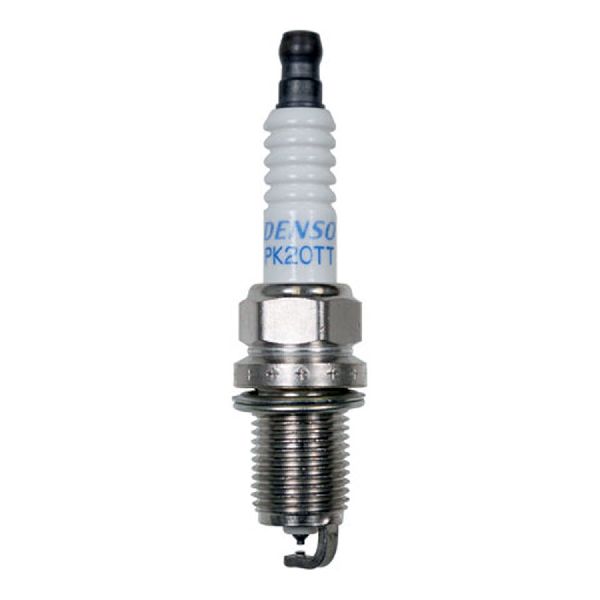
- Spark Plugs (Set of 4)
(OEM #101000033AA)— They are a common wear item and the most frequent cause of single-cylinder misfires. Always replace as a set.
Trusted brands: NGK, Bosch
OEM price range: $40-$60
Aftermarket price range: $20-$40 - Spark Plug Wire Set
(OEM #06A905409L)— Wires degrade over time, causing weak spark. They are often replaced with spark plugs as part of a tune-up.
Trusted brands: Bosch, NGK, Bremi
OEM price range: $100-$150
Aftermarket price range: $40-$80 - Ignition Coil Pack
(OEM #032905106B, 032905106E)— The coil pack is a common failure point on the AZG engine that can cause misfires in one or more cylinders. The plastic housing is prone to cracking with age.
Trusted brands: Bosch, Meyle, Bremi
OEM price range: $120-$180
Aftermarket price range: $60-$150
Related Codes That Often Appear With This One
- P0300 — If the misfire is severe or intermittent, it may be logged as a random misfire (P0300) in addition to the specific cylinder.
- P0301, P0303, P0304 — If other cylinder misfire codes are present, it points towards a component that affects multiple cylinders, like the ignition coil pack, a major vacuum leak, or a fuel delivery issue.
- P0171 — Indicates the engine is running lean, which can be caused by a vacuum leak or a fuel delivery problem, both of which can also cause misfires.
Technical Service Bulletins (TSBs) & Recalls
- VW TSB 01-13-13 (Superseded): While not for the AZG engine specifically, this TSB for later models outlines VW's official diagnostic procedure for misfires. It stresses the importance of using Guided Fault Finding (GFF), checking freeze frame data, and swapping components (like ignition coils) between cylinders to confirm a failure before replacing the part. This logic is directly applicable to diagnosing the P0302 on an AZG.
- Bulletin #VIN4APIN20220118: This manufacturer bulletin notes that customers may report the MIL-on with any combination of P0300, P0301, P0302, P0303, and P0304 in the ECM, sometimes accompanied by rattle noises from underbody heat shields.
Platform-Specific Known Issues
- The ignition coil pack (032905106B/E) is highly susceptible to cracking due to age and heat cycles. These cracks allow moisture to enter, especially in damp weather, causing the high-voltage spark to arc to the engine block instead of firing the plug. This is a hallmark failure for the 2.0L engine and a primary suspect for any P030x code.
Mechanic-Grade Diagnostic Values
- Spark Plug Wire Resistance — expected: 4,600 to 7,400 ohms (4.6kΩ - 7.4kΩ) per wire. The resistance of the connectors at each end should be 4k-6kΩ for the spark plug side and 0.6k-1.4kΩ for the coil/distributor side.. Failure: A reading significantly higher than the specified range, or an open circuit (infinite resistance), indicates a bad wire.
- Fuel System Pressure (at fuel rail) — expected: Approximately 3.0 Bar (43.5 PSI). The AZG engine uses a port fuel injection system with a vacuum-referenced fuel pressure regulator.. Failure: Pressure significantly below 35 PSI, or fuel found in the vacuum line of the regulator, indicates a failed regulator. A clogged filter or weak pump could also cause low pressure.
- Ignition Coil Secondary Resistance (Tower to Tower) — expected: While primary resistance is not measurable on this coil pack, secondary resistance between corresponding towers (e.g., 1 & 4, 2 & 3) should be within a specific range, often cited as 7kΩ to 10kΩ, though a service manual should be consulted for the exact spec.. Failure: A reading that is open (infinite) or significantly outside the expected range points to an internal failure of the coil.
Scan Tool Commands That Help
- VCDS (VAG-COM): Engine -> Measuring Blocks -> Groups 015 and 016 — Use this to view the live misfire counter for each individual cylinder. Group 015 typically shows cylinders 1-3, and Group 016 shows cylinder 4. Observing if the misfire count for cylinder 2 increases during specific conditions (idle, load, cold/hot) is invaluable for diagnosis.
Wiring & Ground Locations
- Main Engine Ground Points — Located on the chassis frame rail directly under the battery tray. Multiple ground wires converge on three separate studs.. Corrosion at these critical ground points is very common on Mk4 Jettas and can cause a host of electrical issues, including weak spark and intermittent misfires. Cleaning these grounds is a crucial and often overlooked step when diagnosing ignition problems.
- Ignition Coil Connector — The main electrical connector for the ignition coil pack, typically a 3-pin or 4-pin connector depending on the specific coil version.. The wiring and pins at this connector can become brittle or corroded, leading to poor power/signal for the coil and causing misfires. The pins can be tested for 12V power, ground, and the ECU trigger signal.
- ECU Ground Strap — A ground strap often runs from the main wiring harness near the firewall to a grounding post on the engine block or cylinder head.. A loose or corroded ECU ground can cause erratic behavior, including phantom misfire codes that are not resolved by replacing components.
Real Owner Repair Stories
- YouTube video by 'VCDS-DIAG' (VW Fox 1.2L (Similar diagnostic process for P030x codes)) — Rough running, flashing check engine light, P0302 Misfire on Cylinder 2.
❌ Tried (didn't work) Swapping spark plug from cylinder 2 to another cylinder., Swapping ignition coil from cylinder 2 to another cylinder., Swapping fuel injector from cylinder 2 to another cylinder.
✅ What actually fixed it The misfire did not move with any component swap. A compression test revealed cylinder 2 had only 5 bar of compression (vs. a minimum spec of 10 bar). Teardown of the cylinder head showed a burnt exhaust valve, caused by a worn valve guide that prevented proper heat transfer. The cylinder head was rebuilt with a new valve and guide to resolve the issue.
OEM Part Supersession History
032905106B→032905106E, 032905106F— Revisions to improve durability and prevent the cracking issues that plagued the original design.
Heads up: The later revisions (E, F) are generally considered direct replacements and superior in reliability to the original 'B' part number. When replacing, it is advisable to use the latest available revision.
Model Year Variations Within This Range
- 1999.5-2005: The 2.0L engine was offered in several codes (AEG, AVH, AZG, BEV) during the Mk4's lifespan. While they all share the same basic architecture and use a coil pack with wires, there can be minor differences in the fuel pressure regulator specs and ECU programming. The AZG engine was one of the most common in the later years of this generation.
Diagnostic Flowchart
Real Owner Stories
Aggregated from forums and TSBs cited above. Mileages and costs reflect what owners reported in those sources.
2001 Volkswagen Jetta AZG
Symptoms: The car suddenly started to stumble and hesitate, and the check engine light began flashing before remaining constant.
What fixed it: The dealer diagnosed and replaced a cracked ignition coil pack, which was found to be the root cause after the owner had already unsuccessfully replaced the spark plugs, wires, and wiring to the coil pack.
Source hint: 2CarPros Forum - P0302 on Jetta 2001 AZG
2009 Volkswagen Jetta 2.5
Symptoms: Misfire on all cylinders, throwing both P0300 and P0302 codes.
What fixed it: The final dealer fix involved replacing a failed valve cover (PCV system), wiring harness, MAP sensor, coils, and spark plugs.
Source hint: Reddit r/Cartalk - Misfire on all cylinders VW Jetta 2.5 (2009)
2002 Volkswagen Jetta
Symptoms: Multiple misfires including P0300, P0301, P0302, P0303, and P0304 at approximately 64,332 miles.
What fixed it: According to NHTSA ODI #10228140, the ignition coils were replaced at a cost of $200.11 to resolve the check engine light and misfire codes.
Volkswagen Jetta Owner Report
Symptoms: Check engine light codes P0302 and P2293.
What fixed it: NHTSA ODI #10371100 describes a repair involving the intake camshaft, cam follower, high pressure fuel pump, low pressure fuel sensor, air intake hose, and spark plugs.
Related OBD-II Codes
Frequently Asked Questions
Why does my Jetta AZG misfire and show a P0302 code more frequently on rainy or damp days?
Does VW have an official diagnostic procedure for misfires on this engine?
How can I test if my Jetta's coil pack or spark plug wires are causing the P0302 code?
If I swap my cylinder 2 spark plug wire with cylinder 3, what should happen to the code?
Are the misfire causes the same for a VW Golf or Beetle from the same era?
Could a leaky valve cover gasket cause a P0302 on my 1999-2005 Jetta?
Helpful Videos
Used OEM Parts in Stock


New Aftermarket Parts Available


The information in this article is provided for general reference and educational purposes only. Vehicle specifications, procedures, and part compatibility can vary by production date, trim level, and region. Always consult your vehicle's factory service manual and verify part numbers before purchasing or performing repairs. Safety-critical components such as airbags, seat belts, and braking systems should be installed by a qualified professional.
- Volkswagen Jetta:
- 🎬 Helpful Videos
- 🛍️ Shop This Part
- What's Unique About the 1999-2005 Volkswagen Jetta
- Symptoms You May Notice
- Most Likely Causes
- Rare But Worth Checking
- Diagnosis Steps
- Parts You'll Likely Need
- Related Codes That Often Appear With This One
- Technical Service Bulletins (TSBs) & Recalls
- Platform-Specific Known Issues
- Mechanic-Grade Diagnostic Values
- Scan Tool Commands That Help
- Wiring & Ground Locations
- Real Owner Repair Stories
- OEM Part Supersession History
- Model Year Variations Within This Range
- Diagnostic Flowchart
- Real Owner Stories
- 2001 Volkswagen Jetta AZG
- 2009 Volkswagen Jetta 2.5
- 2002 Volkswagen Jetta
- Volkswagen Jetta Owner Report
- Related OBD-II Codes
- Frequently Asked Questions
- 🎟️ Get 5% Off