

P0302 on 2012-2017 Hyundai Veloster: Cylinder 2 Misfire Causes and Fixes
On a 2012-2017 Veloster, code P0302 most often means a bad ignition coil or a worn-out spark plug in cylinder 2. A DIY fix is often possible by swapping coils to confirm the fault, with parts costing around $40-$80 for a coil or $15-$30 for a spark plug. If ignition parts are good, GDI-related issues like clogged fuel injectors or carbon buildup are the next likely culprits.
- P0302 on a Veloster means cylinder 2 is misfiring.
- Start your diagnosis with the easiest and most likely culprits: the ignition coil and spark plug for cylinder 2.
- The 'coil swap' is the fastest way to confirm a bad ignition coil.
- If the check engine light is flashing, avoid driving to protect your catalytic converter from expensive damage.
- Be aware that as a GDI engine, your Veloster may eventually need an intake valve cleaning (walnut blasting) to resolve persistent misfires if ignition components are good.
What's Unique About the 2012-2017 Hyundai Veloster

The Hyundai Veloster's Gamma GDI and T-GDI (Gasoline Direct Injection) engines are susceptible to specific issues causing misfires. Because fuel is injected directly into the cylinder, it doesn't wash over and clean the intake valves. This design can lead to significant carbon buildup on the valves over time, which can restrict airflow and cause misfires. While ignition components are the most common failure point, these GDI-specific issues like carbon deposits and high-pressure fuel injector problems are important secondary considerations for this platform.
Symptoms You May Notice
- Rough or shaking idle
- Hesitation or stumbling during acceleration
- Noticeable loss of engine power
- Flashing or solid Check Engine Light
- Reduced fuel economy
- Smell of unburned gasoline from the exhaust
- Engine stalling, especially when coming to a stop.
- A rough sound on a cold start that smooths out after 15-30 seconds, which could indicate a leaky fuel injector.
- Replacing the oxygen sensor. An O2 sensor will typically set its own specific codes and would not cause a single-cylinder misfire.
- Replacing the catalytic converter. A misfire can damage the converter, but a bad converter does not cause the misfire itself. The converter is the victim, not the cause.
Most Likely Causes

- Faulty Ignition Coil 🔴 High Probability Ignition coils are a common wear item, and forum discussions among Veloster owners frequently point to coil failure as a primary cause for misfire codes. Multiple owner accounts confirm that replacing the ignition coils resolved their misfire issues.
How to confirm: Swap the ignition coil from cylinder 2 with another cylinder (e.g., cylinder 1). Clear the codes and drive the vehicle. If the code changes to P0301, the ignition coil is faulty. This is the most common and effective DIY diagnostic step.
Typical fix: Replace the faulty ignition coil. It is often recommended to replace all four coils if they are original and have high mileage to prevent future failures. 🎬 Watch: Tips and tricks for replacing Veloster coils and plugs.
Est. part cost: $40 - $80 per coil - Worn or Fouled Spark Plug 🔴 High Probability Spark plugs are a routine maintenance item. The service interval for the turbo model is shorter (typically around 45,000 miles), and worn or fouled plugs are a very common cause of a single-cylinder misfire.
How to confirm: After ruling out the coil, inspect the spark plug from cylinder 2. Look for excessive wear on the electrode, carbon fouling, oil deposits, or a cracked insulator. Compare it to a plug from a working cylinder.
Typical fix: Replace the spark plug in cylinder 2. It is best practice to replace all four spark plugs at the same time to ensure even performance and maintain the correct service interval.
Est. part cost: $15 - $30 per plug - Clogged or Faulty Fuel Injector 🟡 Medium Probability The high-pressure GDI fuel injectors can become clogged or fail electronically, leading to improper fuel delivery to cylinder 2. Several owners on forums have reported that after replacing spark plugs and coils with no success, replacing the fuel injector for the misfiring cylinder finally solved the problem. In a related manufacturer case, NHTSA ODI #11606012 describes an injector that failed open, flooding the cylinder with fuel and resulting in gas in the oil and a lack of compression.
How to confirm: This is more complex. After ignition parts are ruled out, a mechanic can perform a fuel injector balance test. A DIY method involves using a fuel injector cleaner additive as a first step; if symptoms improve, it points to a clogging issue. Some owners have diagnosed a leaky injector by noting a rough cold start that clears up quickly.
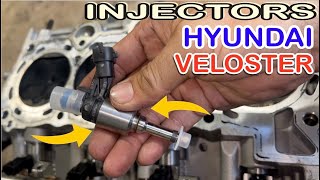
Typical fix: Try a high-quality GDI-specific fuel system cleaner first. If that fails, replace the faulty fuel injector. It's recommended to replace the injector seal at the same time. This is a more involved job than coils or plugs. 🎬 See this walkthrough on how to remove the fuel injectors.
Est. part cost: $70 - $150 per injector - Carbon Buildup on Intake Valves 🟡 Medium Probability This is a well-documented issue for all GDI engines, including the Gamma 1.6L. Since there is no fuel spray to clean the back of the valves, carbon deposits accumulate over 50,000+ miles, restricting airflow and causing misfires, especially at idle or during cold starts.
How to confirm: This is difficult to confirm without a borescope to visually inspect the intake valves. A compression test may show slightly lower readings on the affected cylinder. It is often diagnosed by elimination after ignition and fuel delivery issues are ruled out.
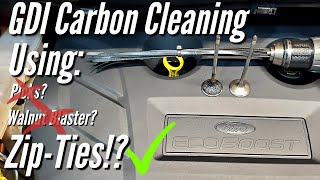
Typical fix: The intake manifold must be removed and the valves cleaned, typically through media blasting (walnut shells are common) or manual scrubbing. This is a labor-intensive service. 🎬 Watch: The ultimate DIY guide to cleaning GDI intake valves.
Est. part cost: $5 - $20 for cleaners, but professional service is $400-$800+
Rare But Worth Checking
- Low Engine Compression: In severe cases, a P0302 code can be a symptom of a serious mechanical engine problem like a burnt valve, damaged piston, or failed head gasket. One documented case for a 2013 Veloster Turbo with P0302 and P0300 showed zero compression in the cylinder due to heavy carbon buildup, requiring removal of the cylinder head for inspection and repair. Additionally, NHTSA ODI #11669597 notes that excessive oil consumption due to ring wear or sticking rings can contribute to misfire codes P0300, P0302, and P0303.
Diagnosis Steps

- Read the codes with an OBD-II scanner. Confirm if P0302 is the only code present, or if it's accompanied by others like P0300 or P1326.
- If the Check Engine Light is flashing, limit driving to prevent catalytic converter damage.
- Locate cylinder 2. On the Veloster's inline 4-cylinder engine, cylinders are numbered 1-2-3-4 from the front (belt side) of the engine to the back (transmission side). Cylinder 2 is the second from the belts.
- Swap the ignition coil from cylinder 2 with the coil from cylinder 1. Clear the codes and run the engine to see if the misfire moves to cylinder 1 (triggering a P0301 code). If it does, the coil is bad.
- If the misfire remains on cylinder 2, move the spark plug from cylinder 2 to cylinder 1. If the misfire follows the plug, the spark plug is the issue.
- If the coil and plug are good, inspect the wiring and connector for the cylinder 2 ignition coil and fuel injector for any signs of damage, corrosion, or looseness.
- If ignition components are ruled out, consider a fuel system issue. Try a bottle of high-quality GDI-specific fuel injector cleaner (like products from Redline or Techron) in the gas tank. If the issue improves or resolves, a clogged injector was likely the cause.
- For a more advanced diagnosis, perform a compression test to check for mechanical engine problems. A healthy Gamma engine should have consistent compression across all cylinders. A significant drop in cylinder 2 indicates a serious internal issue like a bad valve, piston ring, or head gasket. NHTSA ODI #11509805 reports a case where a P0302 misfire was confirmed via compression test to be caused by low compression on the #2 cylinder.
- If all else fails, the issue may be carbon buildup on the intake valves, which requires a borescope for visual confirmation or professional cleaning.
Parts You'll Likely Need
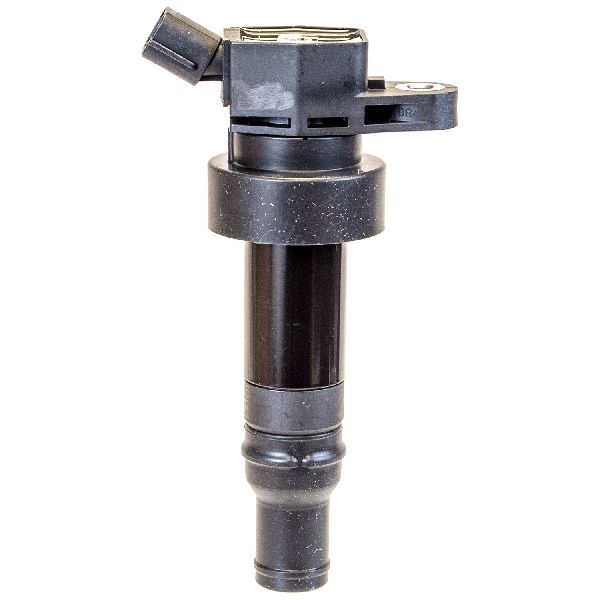
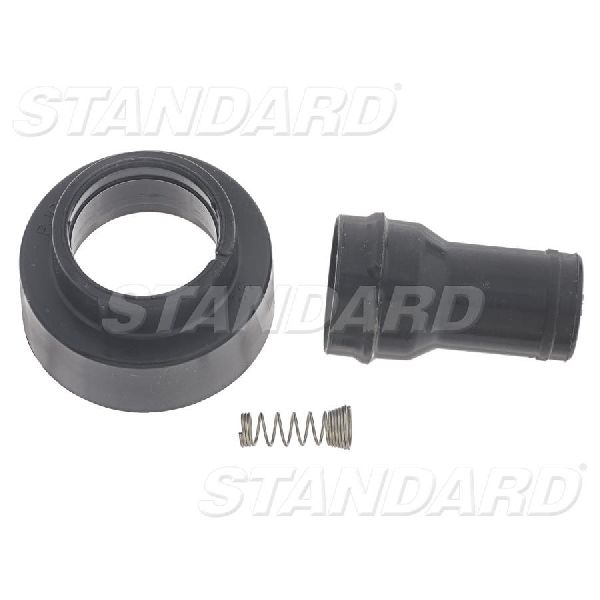
- Ignition Coil
(OEM #27301-2B100 (Note: Verify exact number with VIN))— This is the most common failure part for a single-cylinder misfire on this engine.
Trusted brands: Hyundai (OEM), NGK, Denso, Delphi
OEM price range: $60-$90
Aftermarket price range: $40-$70 - Spark Plug (Iridium)
(OEM #18847-11160 (For Turbo) / 18847-08200 (For Non-Turbo) - Verify with VIN)— A worn or fouled spark plug is the second most likely cause. Different plugs are used for the naturally aspirated and turbo models, so ensure you get the correct one.
Trusted brands: NGK, Denso
OEM price range: $20-$30
Aftermarket price range: $15-$25 - Fuel Injector
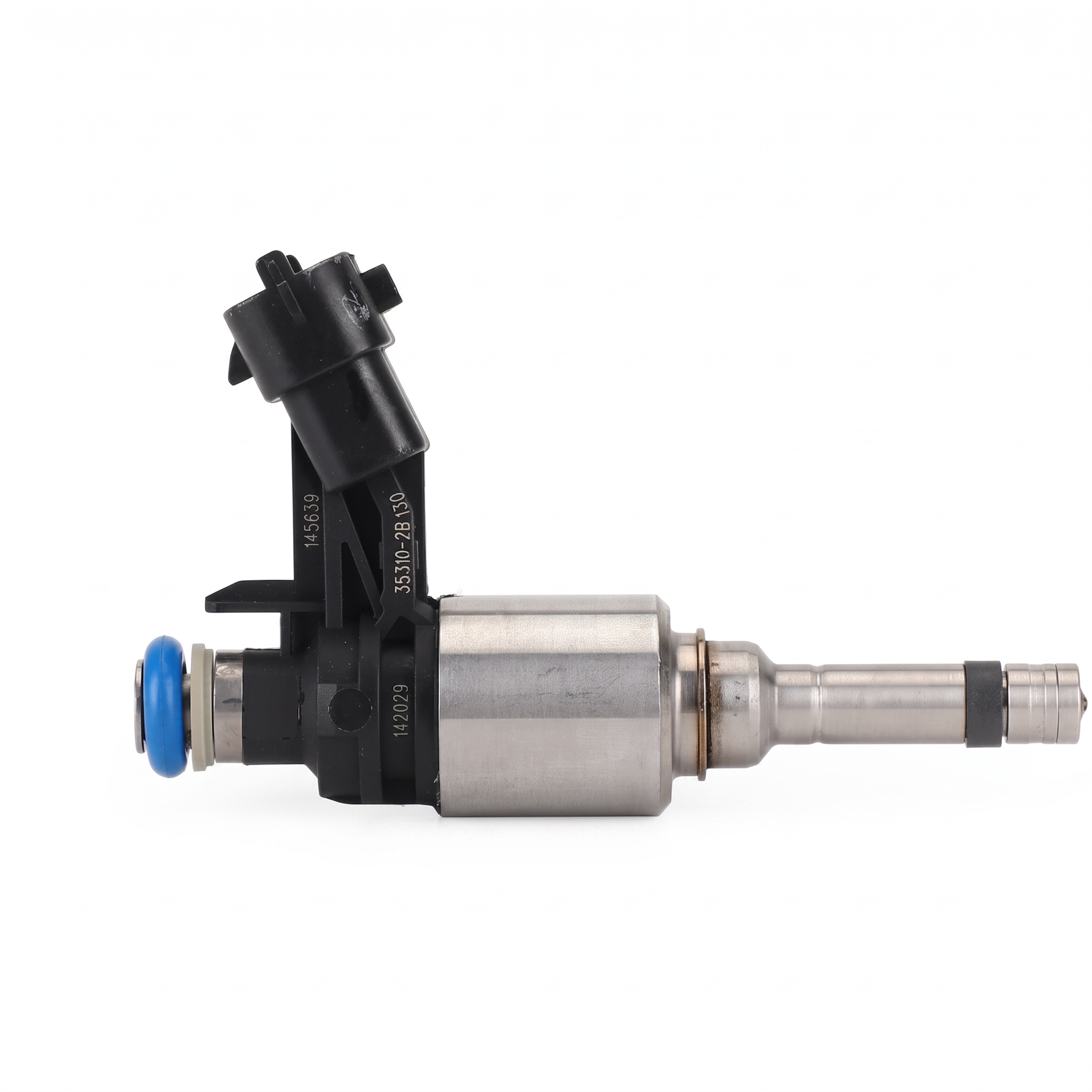
(OEM #35310-2B130 (Turbo) / 35310-2B110 (Non-Turbo) - Verify with VIN)— A common cause after ignition parts are ruled out. A single injector replacement can solve a persistent single-cylinder misfire.
Trusted brands: Hyundai (OEM), Bosch
OEM price range: $100-$180
Aftermarket price range: $70-$150
Related Codes That Often Appear With This One
- P0300 — If the misfire is intermittent or affects other cylinders, a P0300 (Random/Multiple Cylinder Misfire) code may appear alongside P0302. This could point to a systemic issue like a vacuum leak or fuel pressure problem.
- P0301, P0303, P0304 — If the root cause is something that affects the whole engine, like a large vacuum leak, low fuel pressure, or an ECM software issue, you may see misfire codes for other cylinders as well. NHTSA ODI #11673527 describes a scenario where a mechanic identified codes P0420, P0300, P0302, P0303, and P0304, ultimately concluding low oil levels and oil consumption were factors.
- P1326 — This code is specific to the Knock Sensor Detection System (KSDS) installed via Hyundai recalls and service campaigns. If the KSDS detects vibrations indicative of premature connecting rod bearing wear, it will trigger this code and put the vehicle into limp mode. While not a direct cause of P0302, it indicates a severe underlying engine issue that could manifest as a misfire.
Technical Service Bulletins (TSBs) & Recalls
- TSB 20-FL-006H: While for the 2.0L engine in newer Velosters, it shows a precedent for Hyundai issuing software updates to correct misfire detection logic, particularly on cold starts.
- Service Campaign 953 / Recall 198: Related to installing the Knock Sensor Detection System (KSDS) for detecting premature connecting rod bearing wear. A vehicle throwing P0302 should have this campaign status checked, as an underlying engine failure could be the root cause.
Platform-Specific Known Issues

- The Gamma 1.6L GDI engine is known for carbon accumulation on intake valves, which is a common cause of misfires as the vehicle ages.
- While generally reliable, some early models experienced engine issues related to connecting rod bearings, leading to recalls and the implementation of a Knock Sensor Detection System (KSDS) via software updates.
- An ECM software update was issued via TSB 20-FL-006H for some 2.0L engines (in later Velosters) to address intermittent misfires at cold startup, indicating that software logic can be a factor.
Mechanic-Grade Diagnostic Values
- Ignition Coil Primary Resistance (Turbo) — expected: 0.79 Ω ± 15% at 20°C (68°F). Failure: A reading significantly outside this range indicates a faulty coil.
- Ignition Coil Secondary Resistance (Turbo) — expected: 7.0 kΩ ± 15% at 20°C (68°F). Failure: A reading significantly outside this range indicates a faulty coil.
- Fuel Injector Coil Resistance (Turbo) — expected: 1.5 Ω ± 0.075 at 20°C (68°F). Failure: A reading outside this specification suggests a faulty injector coil.
- Fuel Injector Resistance (General GDI) — expected: High-impedance injectors should be 11.0-16.0 Ω. All injectors should read within 0.5 Ω of each other.. Failure: A reading of 'OL' (Open Loop) or 0.0 indicates a failed injector. A reading that is 20% higher or lower than the others indicates a failing injector.
- Compression Test (Turbo) — expected: Around 90 PSI (Note: This seems low, but was a reported value for healthy cylinders in a a specific case). Consistency across cylinders is key.. Failure: A reading of '0' PSI or significantly lower than other cylinders points to a severe mechanical failure.
Scan Tool Commands That Help
- Hyundai GDS (Global Diagnostic System): ECU Update / Reprogramming — While a specific TSB for the Veloster was not found, Hyundai has issued TSBs for other models (like the 2017 Elantra and 2018-2020 Kona) with similar engines to update ECM software to fix logic for detecting misfires (P030x), especially at cold start. This could be a potential fix if all hardware checks out.
- Hyundai GDS (Global Diagnostic System): Fuel Pressure Drop Test — To diagnose a leaking fuel injector. After running the engine, it is shut off and the fuel rail pressure is monitored. A steady drop in pressure indicates a leak, which could be from an injector into a cylinder.
Wiring & Ground Locations
- Engine Wiring Harness — In the engine bay, routed around various components.. The fuel injector wiring harness, in particular, can be susceptible to damage. In one documented case, a short in the wiring for the coil packs on cylinders 2 & 4 was the root cause of misfires after plugs and coils were replaced. On other vehicles, harnesses can chafe against brackets or the cylinder head, causing shorts.
- Ground Points — Multiple points in the engine compartment, connected to the chassis and engine block.. A weak or corroded ground connection for the ignition coil or fuel injector circuit can cause intermittent and hard-to-diagnose misfires. Wiring diagrams show multiple ground distribution points in the engine compartment.
Real Owner Repair Stories
- Reddit user in /r/veloster (2019 Veloster Turbo Ultimate) — Car went into limp mode, flashing CEL, rough idle, and codes P0300, P0302, P0304.
❌ Tried (didn't work) The owner suspected spark plugs or coil packs as the initial culprits.
✅ What actually fixed it The dealership found a short in the wiring for the coil packs on cylinders 2 & 4. They replaced the affected coil packs, spark plugs, and performed a firmware update under warranty. - FreeAutoMechanic Advice post (2013 Hyundai Veloster Turbo) — Check Engine Light with codes P0302 and P0300.
❌ Tried (didn't work) Swapped coils and plugs from cylinders 1 and 3 to cylinder 2 with no change.
✅ What actually fixed it Diagnosis revealed zero compression in cylinder 2. A borescope inspection showed what appeared to be burn holes and heavy carbon buildup. The definitive cause was a major internal engine failure requiring head removal or engine replacement.
Documented NHTSA Reports
- NHTSA ODI #11701387 — An owner reported a persistent P0302 code that continued even after replacing the battery, all coils, and spark plugs. The vehicle experienced issues while climbing uphill.
- NHTSA ODI #11509805 — A report describes a P0302 misfire occurring when accelerating up an incline. Despite replacing all four spark plugs, a compression test confirmed low compression on the affected cylinder.
OEM Part Supersession History
27301-2B010→27301-2B100— Part update/revision for ignition coil.
Heads up: The parts are generally interchangeable for the specified 1.6L non-turbo engines.
Model Year Variations Within This Range
- 2013 (Turbo models): The 2013 Veloster Turbo is known among enthusiasts for having weaker connecting rods compared to the 2014-and-later models. While not a direct cause of a typical P0302 misfire, this makes the engine more susceptible to catastrophic failure (like Low-Speed Pre-Ignition events) if the engine is modified for more power, which could manifest as a misfire code before total failure.
- 2012-2017: The naturally aspirated 1.6L engine and the 1.6L Turbo engine use different spark plugs and fuel injectors with different part numbers. The Turbo also features larger front brake rotors and a different steering rack ratio.
Diagnostic Flowchart
Other Known Issues on This Vehicle
Issues unrelated to this code that are worth knowing about as an owner of this generation:
- Connecting Rod Bearing Failure 🔴 High — Affects certain 2015-2016 models specifically, but a concern across the Hyundai/Kia line. Can occur at various mileages. (Ref: Recall 198 / NHTSA Campaign 20V746000. Led to Service Campaign 953 to install Knock Sensor Detection System (KSDS) software.)
- Dual-Clutch Transmission (DCT) Problems 🟠 Medium — Common on 2016-2017 Turbo models. Issues include hesitation from a stop, shuddering, and rough shifting, particularly in hot weather or traffic. (Ref: Multiple software updates and a recall on 2021-2022 models for a different DCT issue show a history of problems.)
- Engine Knocking and Oil Consumption 🔴 High — Reported across multiple early model years (2012-2015). Can be a precursor to catastrophic engine failure. (Ref: Often related to the connecting rod bearing issue covered by recalls, but also attributed to other internal engine problems.)
- Carbon Buildup on Intake Valves 🟠 Medium — A common long-term issue for all GDI models, typically becoming problematic after 50,000-80,000 miles. Causes misfires and rough idle.
Used vs. New Parts: Buying Guide for This Vehicle
When a used part is the smart pick: Used parts like ignition coils can be a cost-effective choice, especially if sourced from a low-mileage donor vehicle. A complete engine wiring harness from a reputable dismantler can also be a viable option if a short is diagnosed.
Donor-vehicle mileage cap: roughly under 60000 miles for the part to have meaningful remaining life.
What to inspect on the donor part:
- For injectors, verify the part number on the injector body matches the required part for your engine (Turbo vs. Non-Turbo).
- Check for any physical damage, corrosion on electrical pins, or brittle plastic on connectors.
- If possible, get the VIN or mileage from the donor car to verify its age and use.
- For wiring harnesses, inspect thoroughly for any cuts, melted sections, or previous repairs.
OEM-only on this vehicle (don't cheap out):
- Fuel Injectors: For GDI engines, a quality, low-mileage used OEM injector is often considered a safer bet than a new, non-OEM aftermarket part due to the high pressures and tight tolerances of the system.
Aftermarket brands forum-validated for this vehicle:
- Ignition Coils: NGK, Denso, Delphi
- Spark Plugs: NGK, Denso
Brands owners have reported issues with on this vehicle:
- Unbranded, no-name ignition coils and injectors from online marketplaces are frequently reported as being unreliable or failing shortly after installation.
Real Owner Stories
Aggregated from forums and TSBs cited above. Mileages and costs reflect what owners reported in those sources.
2020 Hyundai Veloster Turbo
Symptoms: Persistent multi-cylinder misfire and a rough cold start issue. The dealer previously attempted to blame bad gas and replaced coils and plugs without success.
What fixed it: Replacing the fuel injectors.
Source hint: reddit.com/r/veloster user report
2013 Hyundai Veloster Turbo
Symptoms: P0302 and P0300 codes present with severe performance issues.
What fixed it: The vehicle was diagnosed with zero compression in cylinder 2, indicating a major mechanical failure.
Source hint: freeautomechanic.com
2012-2017 Hyundai Veloster 1.6L GDI — ~55000 miles
Symptoms: Misfires occurring specifically at idle or during cold starts after the vehicle surpassed 50,000 miles.
What fixed it: Professional cleaning of the intake valves using media blasting (walnut shells) to remove carbon deposits.
Cost: $400-$800+
Source hint: General GDI engine issue documentation
Related OBD-II Codes
Frequently Asked Questions
Where is cylinder 2 located on my 2012-2017 Hyundai Veloster 1.6L engine?
Could Service Campaign 953 or Recall 198 be related to my P0302 code?
My Veloster has a rough idle and a flashing Check Engine Light; is it safe to drive?
Is there a specific TSB for misfires on the Veloster Gamma engine?
How often should I change the spark plugs on my Veloster Turbo to avoid P0302?
Can carbon buildup cause a P0302 code even if my coils and plugs are new?
Helpful Videos
Used OEM Parts in Stock



New Aftermarket Parts Available

The information in this article is provided for general reference and educational purposes only. Vehicle specifications, procedures, and part compatibility can vary by production date, trim level, and region. Always consult your vehicle's factory service manual and verify part numbers before purchasing or performing repairs. Safety-critical components such as airbags, seat belts, and braking systems should be installed by a qualified professional.
- Hyundai Veloster:
- 🎬 Helpful Videos
- 🛍️ Shop This Part
- What's Unique About the 2012-2017 Hyundai Veloster
- Symptoms You May Notice
- Most Likely Causes
- Rare But Worth Checking
- Diagnosis Steps
- Parts You'll Likely Need
- Related Codes That Often Appear With This One
- Technical Service Bulletins (TSBs) & Recalls
- Platform-Specific Known Issues
- Mechanic-Grade Diagnostic Values
- Scan Tool Commands That Help
- Wiring & Ground Locations
- Real Owner Repair Stories
- Documented NHTSA Reports
- OEM Part Supersession History
- Model Year Variations Within This Range
- Diagnostic Flowchart
- Other Known Issues on This Vehicle
- Used vs. New Parts: Buying Guide for This Vehicle
- Real Owner Stories
- 2020 Hyundai Veloster Turbo
- 2013 Hyundai Veloster Turbo
- 2012-2017 Hyundai Veloster 1.6L GDI — ~55000 miles
- Related OBD-II Codes
- Frequently Asked Questions
- 🎟️ Get 5% Off