

P0301 on 2013-2020 Hyundai Santa Fe 3.3L V6: Cylinder 1 Misfire Causes and Fixes
P0301 indicates a misfire in cylinder #1. On the Santa Fe 3.3L V6, this is most often caused by a failed ignition coil or a worn spark plug. Swapping the cylinder 1 coil with another is a quick, no-cost diagnostic step. Less common but notable causes include clogged GDI fuel injectors and carbon buildup on intake valves.
- P0301 on your Santa Fe means cylinder #1 is misfiring.
- The most likely culprits are a bad ignition coil or a worn spark plug.
- A simple diagnostic is to swap the coil from cylinder #1 with another cylinder to see if the trouble code follows the coil.
- Do not ignore a flashing Check Engine Light, as it signals a severe misfire that can quickly damage your catalytic converter.
- Given the engine's history, always ensure your engine oil is full and clean, as low oil pressure can affect engine timing and performance.
What's Unique About the 2013-2020 Hyundai Santa Fe
The Lambda II 3.3L V6 is a Gasoline Direct Injection (GDI) engine, which is known to be prone to carbon buildup on intake valves over time, a potential cause of misfires. While generally considered more reliable than Hyundai's four-cylinder Theta II engines, the 3.3L V6 is not without significant issues. A growing number of owners have reported problems including excessive oil consumption, connecting rod bearing failure, and sudden engine seizure, which can all manifest as misfire codes. An urgent petition to the NHTSA details numerous instances of unexpected engine failure on this specific engine, even at modest mileage.
Generation note: This guide covers the 2013-2018 (Third Generation, DM) and 2019-2020 (Fourth Generation, TM) Hyundai Santa Fe. The 3.3L V6 was available in the long-wheelbase 'Santa Fe' (often badged Santa Fe XL) for the third generation and was an option in the fourth generation. The causes and fixes for P0301 are generally consistent across these years as the Lambda II GDI engine (G6DH) remained the same.
Symptoms You May Notice
- Rough or shaking idle
- Hesitation or stumbling during acceleration
- Noticeable loss of engine power
- Solid or flashing Check Engine Light
- Increased fuel consumption
- Engine knocking sounds
- Smell of gasoline from the exhaust
- Replacing oxygen sensors. While a faulty O2 sensor can affect the air-fuel mixture, it typically causes random misfires (P0300) or affects an entire bank of cylinders, not just a single cylinder like P0301.
- Assuming low compression means a bad engine. On this GDI engine, a leaking fuel injector can wash oil off the cylinder walls, resulting in a temporarily low compression reading. Fixing the injector and adding a small amount of oil to the cylinder can restore compression.
Most Likely Causes
- Faulty Ignition Coil 🔴 High Probability Ignition coils are a common wear item that fail from heat and vibration. Multiple owner and mechanic reports confirm this as a primary cause for single-cylinder misfires on this platform.
How to confirm: Swap the ignition coil from cylinder #1 with another cylinder (e.g., cylinder #3, which is the middle cylinder on the same bank). Clear the codes and drive the vehicle. If the code changes to P0303 (Cylinder 3 Misfire), the coil is faulty. Cylinder #1 is the front cylinder on the bank closer to the radiator, on the passenger side.
Typical fix: Replace the faulty ignition coil. It is often recommended to replace all spark plugs at the same time. If one coil has failed, others of the same age may fail soon.
Est. part cost: $40-$90 - Worn or Fouled Spark Plug 🔴 High Probability Spark plugs have a finite service life, typically recommended for replacement around 100,000 miles. However, known oil consumption issues with the 3.3L V6 can foul the plugs prematurely, leading to misfires.
How to confirm: After ruling out the coil, remove the spark plug from cylinder #1. Inspect it for wear (worn electrode), carbon fouling, or oil/fuel contamination. A fuel-soaked plug can indicate a leaking injector. Compare it to a plug from another cylinder.
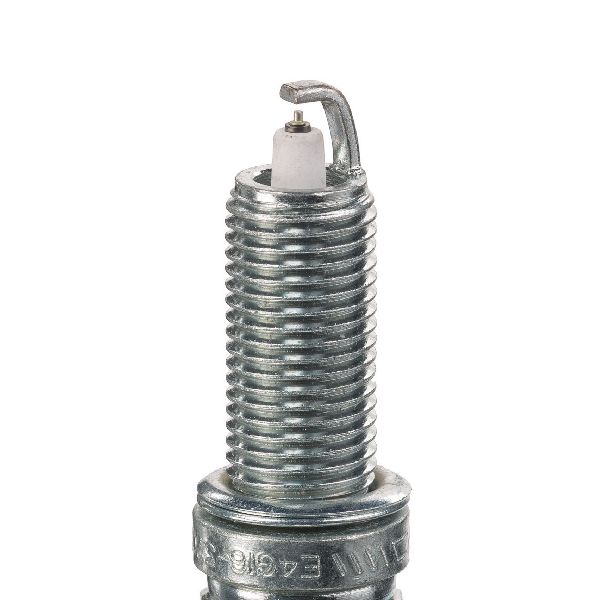
Typical fix: Replace the spark plug. It is best practice to replace all six spark plugs as a set, especially if their age is unknown.
Est. part cost: $60-$150 for a set of 6 Iridium plugs - Clogged or Leaking Fuel Injector 🟡 Medium Probability As a GDI engine, the injectors are in the combustion chamber and subject to carbon buildup. They can also leak or fail internally. A YouTube video by a mechanic specifically shows a 2017 Santa Fe 3.3L with P0301, P0303, and P0305 caused by failing injectors. Leaking injectors can wash oil from cylinder walls, leading to low compression readings and a false diagnosis of mechanical failure.
How to confirm: This is more difficult for a DIYer. A professional can perform a fuel injector balance test using a bidirectional scan tool. A common symptom of a leaking GDI injector is a fuel-soaked spark plug. Swapping injectors between cylinders is possible but labor-intensive as it requires removing the upper and lower intake manifolds.
Typical fix: Replace the faulty fuel injector. It is often recommended to replace all six injectors as a set if one has failed, as they have been subjected to the same conditions.
Est. part cost: $70-$150 per injector - Intake Valve Carbon Buildup 🟡 Medium Probability This is a systemic issue with GDI engines because fuel is injected directly into the cylinder and no longer washes carbon deposits off the back of the intake valves. Over time, this buildup can restrict airflow into the cylinder, causing misfires, rough idle, and reduced power.
How to confirm: Diagnosis requires a borescope inspection of the intake ports and valves, which usually means removing the intake manifold.
Typical fix: Professional cleaning is required, most commonly via walnut shell blasting. This service can cost between $500 and $800. Some shops may offer a chemical/solvent-based cleaning for less severe cases, though its effectiveness is debated.
Est. part cost: $0 (service-based repair)
Rare But Worth Checking
- Loss of Compression / Internal Engine Failure: While less common than ignition or fuel issues, catastrophic internal engine failure is a documented problem for the Lambda II 3.3L V6. Causes include worn/stuck piston rings from oil consumption and carbon, or premature connecting rod bearing failure. An NHTSA petition cites numerous cases of sudden engine seizure. A compression test and cylinder leak-down test are required to diagnose this severe condition.
- Leaking Valve Cover Gasket: Gaskets can become brittle with age and heat cycles. An NHTSA complaint for P0301 on a Hyundai was caused by the valve cover gasket leaking oil into the spark plug tube for cylinder #1, shorting out the coil and plug. This is confirmed by inspecting the coil boot and spark plug well for liquid oil during diagnosis.
- Clogged or Faulty PCV Valve: A stuck Positive Crankcase Ventilation (PCV) valve can cause excessive pressure to build in the crankcase. This can force oil past seals and piston rings, leading to oil consumption, fouled spark plugs, and misfires. It's an inexpensive part that is often overlooked during maintenance.
Diagnosis Steps
- Read the codes with an OBD-II scanner and confirm P0301 is present. 🎬 Watch: A helpful breakdown of P0301 causes and common fixes. Note any other codes and check freeze frame data.
- Check for a flashing Check Engine Light. If flashing, avoid driving to prevent catalytic converter damage.
- Locate cylinder #1. On the transverse 3.3L V6, the cylinders are numbered 1-3-5 on the bank closer to the radiator (front bank) and 2-4-6 on the bank closer to the firewall (rear bank). Cylinder #1 is the first cylinder on the front bank, on the passenger side of the engine.
- Swap the ignition coil from cylinder #1 with the coil from cylinder #3 (middle cylinder, same bank). Clear the codes and run the engine to see if the misfire code moves to P0303. If it does, the ignition coil is bad.
- If the code stays as P0301, remove the ignition coil and inspect the spark plug well for engine oil. Oil in the well indicates a leaking valve cover gasket.
- If no oil is present, swap the spark plug from cylinder #1 with cylinder #3. If the code moves to P0303, the spark plug is bad. Inspect the old plug for heavy carbon, oil fouling, or fuel saturation.
- If the code remains P0301, the problem is likely more complex. The next most likely causes are a clogged/leaking fuel injector or significant carbon buildup on the intake valves.
- At this point, professional diagnosis is recommended. A technician can perform a fuel injector balance test, a borescope inspection of the valves, a compression test, and a cylinder leak-down test to pinpoint the cause.
Parts You'll Likely Need
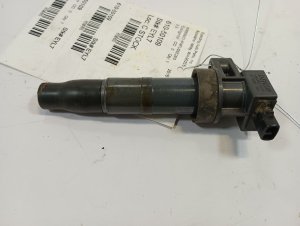
- Ignition Coil
(OEM #27301-3CFA0)— This is the most common and easiest-to-diagnose cause of a single-cylinder misfire. Some sources list 27301-3C000 as a compatible or superseding part number.
Trusted brands: Hyundai/Kia (OEM), Delphi, NGK, Denso
OEM price range: $70-$110
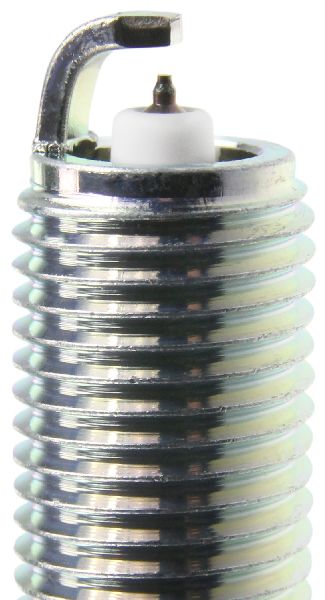
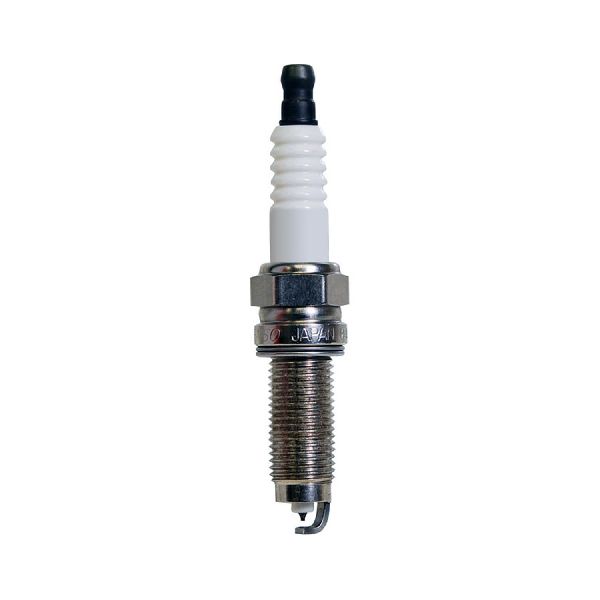
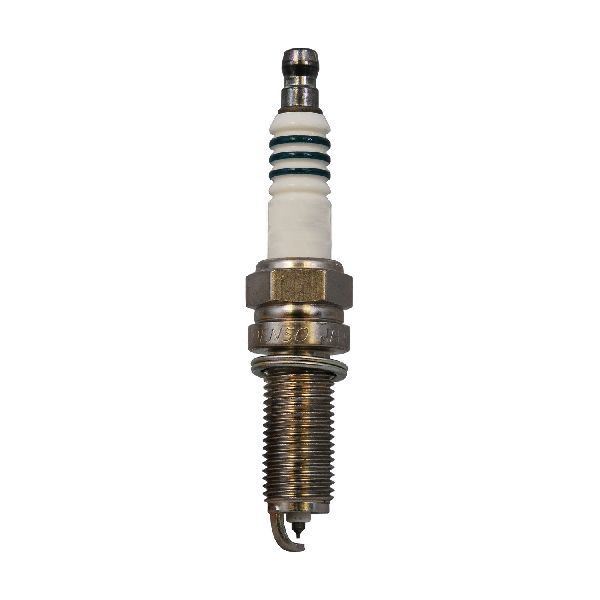
Aftermarket price range: $40-$90 - Spark Plug
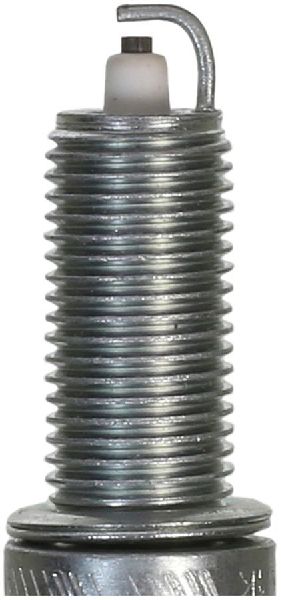
(OEM #18846-11070)— A worn or fouled spark plug is a very common cause of misfires and is a routine maintenance item. This part number corresponds to an OEM NGK Iridium plug.
Trusted brands: NGK (OEM), Denso, Champion
OEM price range: $15-$25 per plug
Aftermarket price range: $10-$20 per plug - High Pressure Fuel Injector
(OEM #35310-3CFA0)— GDI injectors can become clogged or fail electronically, causing misfires. This is a more involved repair but is a known failure point on this engine.
Trusted brands: Hyundai/Kia (OEM), Bosch
OEM price range: $100-$180 per injector
Aftermarket price range: $70-$150 per injector
Related Codes That Often Appear With This One
- P0300 — If the condition causing the P0301 is intermittent or starting to affect other cylinders, a P0300 (Random/Multiple Cylinder Misfire) code may also be present.
- P0302, P0303, P0304, P0305, P0306 — If you see other specific cylinder misfire codes along with P0301, it may point to a systemic issue like a vacuum leak, low fuel pressure, or a timing problem. Misfires on a single bank (e.g., P0301, P0303, P0305) could point to a bank-specific issue like a clogged catalytic converter or bad O2 sensor for that bank.
Technical Service Bulletins (TSBs) & Recalls
- {'tsb_number': '24-EM-007H-1', 'description': 'This Technical Service Bulletin (superseding a previous version) describes the procedure for inspecting and repairing certain Santa Fe/Santa Fe XL vehicles with the 3.3L Lambda II GDI engine that may exhibit abnormal engine noise or damage. It references the warranty extension (TXX8) to 15 years/150,000 miles for related failures.'}
Platform-Specific Known Issues
- A class-action lawsuit and subsequent warranty extension (15yr/150k miles) exist for some 3.3L Lambda II engines concerning premature engine wear and bearing failure. While not a direct cause of a simple misfire, it highlights a history of engine issues and the importance of using the correct 5W-30 oil and maintaining proper oil levels.
- As a GDI engine, carbon buildup on the intake valves is a known long-term issue that can eventually lead to misfires.
Mechanic-Grade Diagnostic Values
- Ignition Coil Primary Resistance — expected: 0.56 - 0.68 Ohms. Failure: A reading outside this range indicates a faulty primary winding in the coil.
- Ignition Coil Secondary Resistance — expected: 5950 - 8050 Ohms (5.95 kOhms - 8.05 kOhms). Failure: A reading outside this range indicates a faulty secondary winding in the coil.
- High-Pressure Fuel System (GDI) — expected: Over 2,200 psi (150 Bar). Failure: Significantly lower pressure under load can indicate a failing high-pressure fuel pump (HPFP), leading to lean misfires.
- Ignition Coil Supply Voltage — expected: Over 10.5 V with ignition on. Failure: Low or no voltage suggests a wiring or fuse issue upstream of the coil.
Scan Tool Commands That Help
- Hyundai GDS (Global Diagnostic System): Cylinder Power Balance Test — This active test allows a technician to sequentially disable individual fuel injectors to observe the RPM drop for each cylinder. A cylinder that shows little or no RPM drop when its injector is disabled is the one that is misfiring, confirming the location of the fault.
- Hyundai GDS (Global Diagnostic System): Flight Record / Trigger Module — For intermittent misfires, this function records live data over a drive cycle. The technician can set a trigger (e.g., when a misfire is detected) to capture data from the moments leading up to the fault, which is invaluable for diagnosing conditions that don't occur at idle.
- Advanced Bidirectional Scanners (e.g., Autel): Fuel Injector Kill — Similar to a power balance test, this command allows the user to shut off individual injectors. This helps confirm if the misfire is fuel-related. If killing cylinder 1's injector makes no change to the engine's idle quality, it confirms cylinder 1 was not contributing.
Wiring & Ground Locations
- Injectors 1, 3, 5 — On the right cylinder bank (front bank, closer to the radiator) at their respective cylinders.. Knowing the physical location of injector #1 is critical for testing its wiring or for replacement.
- Ignition Coils 1, 3, 5 — On the top right side of the engine (front bank, closer to the radiator).. Correctly identifying the coil for cylinder #1 is the first step in the common coil-swap diagnostic procedure.
- GE04 (Ground) — Left rear of the engine compartment.. This is a primary engine-related ground point. A loose or corroded connection here can cause a variety of erratic sensor readings and ignition system problems, potentially leading to misfire codes.
- Engine Ground Strap — Connects the engine block to the vehicle chassis. Exact location can vary slightly by year, but should be visually traceable from the block to the frame rail or firewall.. A poor engine ground can cause the ignition system to seek a path to ground through other components, leading to weak spark and misfires. It's a critical but often overlooked check.
Real Owner Repair Stories
- YouTube Channel 'Nuts and Bolts with Tone' (2017 Hyundai Santa Fe 3.3L GDI) — Flashing Check Engine Light, codes P0301, P0303, and P0305 (misfires on the entire front bank).
❌ Tried (didn't work) Initial diagnosis focused on a single cylinder, but the presence of codes for the whole bank suggested a systemic issue.
✅ What actually fixed it The mechanic diagnosed failing fuel injectors. The repair involved removing the intake plenum to access the front bank's fuel rail and replacing the faulty injectors. - YouTube Channel 'TS Mobile Mechanic' (2018 Hyundai Santa Fe 3.3L GDI) — Rough idle, strong smell of gasoline, and a check engine light for a cylinder 4 misfire (P0304), but the diagnostic process is identical for P0301.
❌ Tried (didn't work) The mechanic noted that simply replacing one injector is a short-term fix, as others are likely to fail.
✅ What actually fixed it A bidirectional scan tool confirmed a stuck-open fuel injector. The final repair was the replacement of all six fuel injectors and the high-pressure fuel rail pipe, which is recommended by Hyundai during this service. The video also highlights severe carbon buildup on the intake valves, a common contributing factor.
OEM Part Supersession History
27301-3C010→27301-3C000— Part number consolidation and potential minor internal revisions by the manufacturer.
Heads up: The parts are generally interchangeable for the specified V6 engines, but it is always best to verify fitment with a VIN.
Model Year Variations Within This Range
- 2013-2018 vs 2019-2020: The 2013-2018 models were the third generation (DM), with the 3.3L V6 offered in the long-wheelbase version (often called Santa Fe XL in the US). The 2019-2020 models are the fourth generation (TM), where the 3.3L V6 was an optional engine. While the core G6DH engine is the same, there can be minor differences in wiring harnesses, connector locations, and ECU software versions. The fundamental causes of P0301 remain consistent.
Diagnostic Flowchart
Other Known Issues on This Vehicle
Issues unrelated to this code that are worth knowing about as an owner of this generation:
- Excessive Oil Consumption & Internal Engine Failure 🔴 High — Increasingly common as vehicles surpass 70,000 miles. Can lead to sudden engine seizure without warning. (Ref: Hyundai has a warranty extension (TXX8) to 15 years/150,000 miles for some vehicles for engine inspection and replacement related to bearing wear and seizure.)
- Intake Valve Carbon Buildup 🟠 Medium — A common issue inherent to all GDI engines. Symptoms like rough idle may appear after 60,000-80,000 miles. Requires professional cleaning. (Ref: No specific recall, but Hyundai has TSBs regarding top engine cleaning procedures for GDI engines.)
- Leaking Timing Chain Cover Gasket 🟡 Low — A potential oil leak point as the vehicle ages, typically over 100,000 miles. Repair is labor-intensive and can cost over $1,500.
- Faulty PCV Valve 🟡 Low — A cheap and simple maintenance item that is often neglected. A stuck valve can accelerate oil consumption and cause oil leaks.
Used vs. New Parts: Buying Guide for This Vehicle
When a used part is the smart pick: Used parts are generally not recommended for fixing a P0301 code on this engine due to the nature of the common failures. Ignition coils, spark plugs, and fuel injectors are wear items. A used part may have significant wear and could fail shortly after installation, leading to repeated labor costs.
Donor-vehicle mileage cap: roughly under 40000 miles for the part to have meaningful remaining life.
What to inspect on the donor part:
- For an ignition coil, check for cracks in the plastic housing or corrosion on the electrical connector.
- Verify the donor vehicle's mileage; a low-mileage donor is always preferable.
- Avoid parts from engines that show signs of heavy oil leaks or sludge, as this indicates poor maintenance and high heat, which degrades electronic components.
OEM-only on this vehicle (don't cheap out):
- High-Pressure Fuel Injectors: Due to the precision required for GDI systems and the high failure rate, using new OEM injectors is strongly advised. Aftermarket GDI injectors have a mixed reputation.
- High-Pressure Fuel Pump (HPFP): This is a critical component for engine operation and safety. Given the complexity and pressures involved, only a new OEM part should be considered.
Aftermarket brands forum-validated for this vehicle:
- Ignition Coils: NGK, Delphi, and Denso are reputable OEM suppliers and offer high-quality aftermarket alternatives.
- Spark Plugs: NGK and Denso are the original equipment suppliers and are the most recommended choice.
Brands owners have reported issues with on this vehicle:
- Unbranded or 'white-box' ignition coils and fuel injectors from online marketplaces. These often have a very high failure rate and may not meet OEM specifications for voltage or fuel flow, potentially causing further engine issues.
Real Owner Stories
Aggregated from forums and TSBs cited above. Mileages and costs reflect what owners reported in those sources.
2017 Hyundai Santa Fe 3.3L V6
Symptoms: Misfires occurring on cylinders 1, 3, and 5 (P0301, P0303, P0305).
What fixed it: Replacement of failing fuel injectors.
Source hint: YouTube video by a mechanic specifically shows a 2017 Santa Fe 3.3L with P0301, P0303, and P0305 caused by failing injectors.
2018 Hyundai Santa Fe Sport — ~1000 miles
Symptoms: Severe oil consumption at a rate of 1.2 quarts per 1000 miles.
What fixed it: Attempted fixes included combustion chamber cleaning after dealer diagnosis.
Source hint: Reddit thread detailing an owner's experience with severe oil consumption (1.2 quarts/1000 miles) on a Santa Fe, dealer diagnosis, and attempted fixes like combustion chamber cleaning.
2017 Hyundai Santa Fe 3.3L
Symptoms: Sudden engine failure from rod bearing issues.
What fixed it: Confirmed eligibility for Hyundai's 150,000-mile warranty extension.
Source hint: An owner of a 2017 Santa Fe 3.3L describes sudden engine failure from rod bearing issues and confirms the existence of Hyundai's 150,000-mile warranty extension.
Related OBD-II Codes
Frequently Asked Questions
Is there a warranty extension for the 3.3L Lambda II engine in my Santa Fe that might cover engine issues related to P0301?
Where is cylinder #1 located on my 2013-2020 Santa Fe 3.3L V6?
Can I just clean the intake valves myself to fix the P0301 misfire?
Why does my Santa Fe keep fouling spark plugs before the 100,000-mile service interval?
If I have a P0301 code, should I replace all the ignition coils at once?
Helpful Videos

Used OEM Parts in Stock



New Aftermarket Parts Available


The information in this article is provided for general reference and educational purposes only. Vehicle specifications, procedures, and part compatibility can vary by production date, trim level, and region. Always consult your vehicle's factory service manual and verify part numbers before purchasing or performing repairs. Safety-critical components such as airbags, seat belts, and braking systems should be installed by a qualified professional.
- Hyundai Santa Fe:
- 🎬 Helpful Videos
- 🛍️ Shop This Part
- What's Unique About the 2013-2020 Hyundai Santa Fe
- Symptoms You May Notice
- Most Likely Causes
- Rare But Worth Checking
- Diagnosis Steps
- Parts You'll Likely Need
- Related Codes That Often Appear With This One
- Technical Service Bulletins (TSBs) & Recalls
- Platform-Specific Known Issues
- Mechanic-Grade Diagnostic Values
- Scan Tool Commands That Help
- Wiring & Ground Locations
- Real Owner Repair Stories
- OEM Part Supersession History
- Model Year Variations Within This Range
- Diagnostic Flowchart
- Other Known Issues on This Vehicle
- Used vs. New Parts: Buying Guide for This Vehicle
- Real Owner Stories
- 2017 Hyundai Santa Fe 3.3L V6
- 2018 Hyundai Santa Fe Sport — ~1000 miles
- 2017 Hyundai Santa Fe 3.3L
- Related OBD-II Codes
- Frequently Asked Questions
- 🎟️ Get 5% Off