

P0300 on 2013-2019 Subaru Outback 2.5L: Random Misfire Causes and Fixes
On a 2013-2019 Subaru Outback, a P0300 code is most often caused by worn spark plugs or failing ignition coils. Expect to pay $150-$350 for a spark plug replacement and $100-$200 per failing ignition coil. A less common but notable cause is a faulty alternator creating a 'phantom' misfire code, a known issue covered by TSB 07-112-16R for similar models.
- Start your diagnosis with the basics: P0300 on this Outback is most likely due to worn spark plugs or a failing ignition coil.
- Adhere to the 60,000-mile spark plug replacement interval to prevent misfires and secondary damage to ignition coils.
- Be aware of the 'phantom misfire' issue. If the car runs smoothly but throws a P0300, especially at a warm idle, investigate the alternator as a potential cause.
- When replacing spark plugs, always inspect for oil in the wells, which points to a leaking valve cover gasket that should be replaced at the same time.
- A flashing check engine light indicates a severe misfire that can quickly destroy your catalytic converter; stop driving immediately.
What's Unique About the 2013-2019 Subaru Outback

While many P0300 causes are universal, the FB25 engine in this generation of Outback has two specific quirks. First, the boxer engine design makes leaking valve cover gaskets a common issue, which can allow oil to pool in the spark plug tubes and cause misfires. Second, and more uniquely, Subaru issued a Technical Service Bulletin (TSB 07-112-16R) for the Forester with the same engine, where a faulty alternator pulley assembly creates electrical 'noise' and vibration that the crankshaft sensor misinterprets as an engine misfire, setting a false P0300 code when no actual misfire is occurring. This is a well-documented 'phantom misfire' in the Subaru community.
Generation note: This range covers the end of the 4th generation (2013-2014) and the full 5th generation (2015-2019) Outback. Both generations use the FB25 2.5L engine, and the common causes for a P0300 code are largely the same across these years. A notable TSB regarding a faulty alternator (07-112-16R) was issued for 2014-2016 Foresters, which use the same engine and indicates a similar issue on Outbacks from the same period.
Symptoms You May Notice
- Rough or vibrating idle
- Hesitation or stumbling during acceleration
- Noticeable loss of engine power
- Flashing or solid Check Engine Light
- Reduced fuel economy
- Difficulty starting the engine
- Smell of gasoline from the exhaust
- Replacing only one spark plug or coil when others are near the end of their service life.
- Repeatedly replacing ignition components (plugs, coils) when the root cause is the alternator issue described in TSB 07-112-16R.
- Replacing oxygen sensors, which are more likely to cause fuel trim codes (like P0171) but can be suspected in a P0300 case.
- Assuming a true engine misfire exists without first considering the 'phantom misfire' TSB, leading to unnecessary engine diagnostics.
Most Likely Causes

- Worn or Fouled Spark Plugs 🔴 High Probability The FB25 engine has a 60,000-mile spark plug replacement interval. Many owners neglect this service, leading to wide plug gaps that cause misfires and stress the ignition coils. Oil fouling from common valve cover gasket leaks is also a frequent cause.
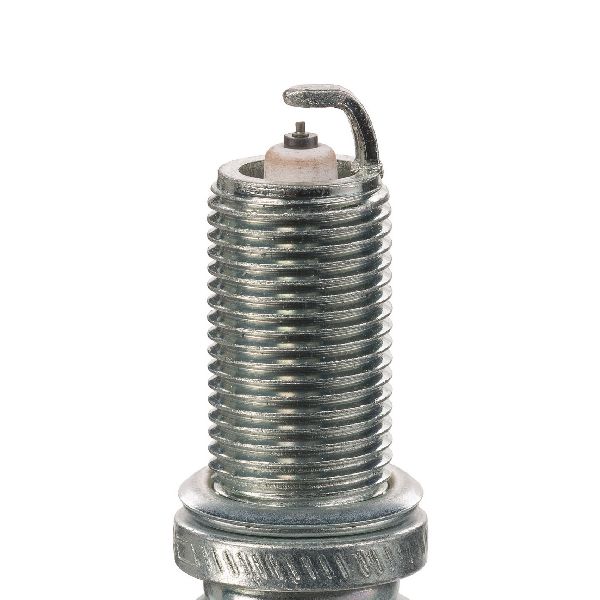
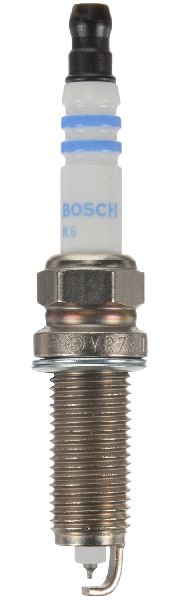
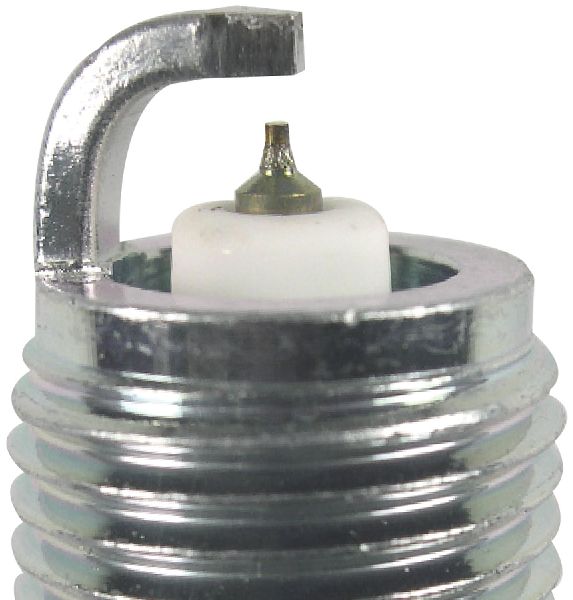
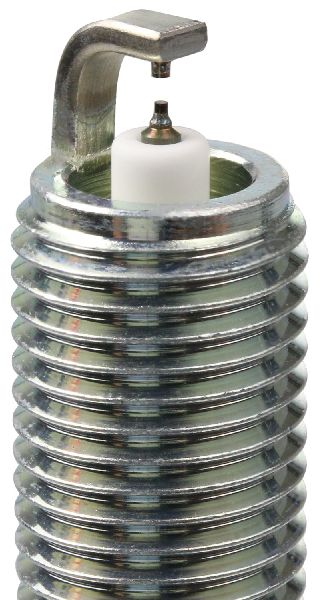
How to confirm: Remove and inspect all four spark plugs. Look for worn electrodes, a gap larger than the specified 0.040-0.044 inches, oil fouling (indicating a valve cover gasket leak), or heavy carbon deposits.
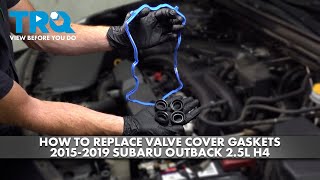
Typical fix: Replace all four spark plugs. If oil is present in the spark plug tubes, replace the valve cover gaskets and spark plug tube seals at the same time. 🎬 Watch: How to replace leaking valve cover gaskets and seals.
Est. part cost: $40-$100 - Failing Ignition Coil(s) 🔴 High Probability Heat and vibration from the boxer engine can cause ignition coils to fail over time. As one coil weakens, it may cause an intermittent misfire that the ECU logs as random before it fails completely and triggers a cylinder-specific code (e.g., P0301).
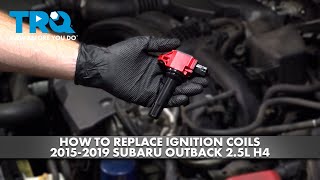
How to confirm: With the engine running, use a scan tool to observe live misfire data to see if counts are higher on one cylinder. A common diagnostic trick is to swap the suspected faulty coil with a known good one from another cylinder. If the misfire code changes to the new cylinder (e.g., P0301 becomes P0303), the coil is bad. 🎬 See this walkthrough on replacing ignition coils on your Outback.
Typical fix: Replace the failing ignition coil. It is often recommended to replace the spark plugs at the same time.
Est. part cost: $70-$150 per coil - Faulty Alternator / 'Phantom Misfire' (per TSB 07-112-16R) 🟡 Medium Probability A TSB for the Forester (same FB25 engine) confirms that resonance from the alternator pulley assembly causes electrical interference, tricking the ECU into logging a P0300 code when no real misfire exists. This is a known issue in the Subaru community, often occurring at idle when the engine is warm.
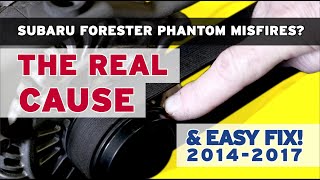
How to confirm: This is difficult to confirm without a Subaru-specific scan tool (SSM4). Per the TSB, a technician should monitor 'Battery Current' and 'Roughness Monitor' values. If the battery current fluctuates more than +/- 3A while the roughness value increases, the alternator is the cause. 🎬 Watch: How to identify and fix the Subaru phantom misfire. A visual clue is the alternator pulley: the original, problematic ones are black, while the updated replacement is silver.
Typical fix: Replace the alternator assembly with the updated part (P/N 23700AB030), the belt tensioner assembly (P/N 23769AA05A), and the serpentine belt.
Est. part cost: $350-$700 for updated OEM parts - Vacuum Leak ⚪ Low Probability Intake manifold gaskets, vacuum hoses, and the PCV hose can become brittle and crack over time, allowing unmetered air to enter the engine and disrupt the air-fuel ratio, causing a lean condition and misfires.
How to confirm: Perform a smoke test by feeding pressurized smoke into the intake system and watching for leaks. Alternatively, carefully spray short bursts of brake cleaner or starter fluid around the intake manifold gaskets and vacuum lines with the engine running; a change in engine idle indicates a leak.
Typical fix: Replace the leaking gasket or hose.
Est. part cost: $10-$150
Rare But Worth Checking
- Clogged Fuel Injectors: If multiple injectors are dirty or failing, it can lead to a random misfire pattern. This is more likely on higher-mileage vehicles or those that have used poor-quality fuel.
- Low Fuel Pressure: A weak fuel pump or clogged fuel filter affects all cylinders and can cause random misfires, especially under load.
- Faulty Mass Airflow (MAF) Sensor: A dirty or failing MAF sensor will provide incorrect airflow readings to the ECU, affecting the air-fuel mixture for all cylinders and can lead to a P0300 code.
- Internal Engine Damage: In rare cases, a P0300 can be caused by mechanical issues like low compression from worn piston rings (a known issue on some 2013 models), a failing head gasket, or timing chain problems.
- ECU Software Calibration: As noted in manufacturer service bulletins for other models in the Subaru family, such as TSB Bulletin #11-193-19 and TSB Bulletin #11-186-18, updated ECM reprogramming files may be available to stabilize engine RPM during warm-up or enhance misfire detection during cold starts to prevent incorrect P0300 triggers.
Diagnosis Steps

- Read the codes with an OBD-II scanner. Note any other codes present, especially cylinder-specific misfires (P0301-P0304) or lean codes (P0171).
- Check Freeze Frame data to see the engine conditions (RPM, load, temperature) when the code was set. This can help replicate the issue. Note if the code sets during frequent accelerator pedal on and off at highway speeds, a condition mentioned in TSB Bulletin #11-188-19 for similar Subaru engines.
- Inspect the ignition system. Start with the spark plugs, checking for wear, proper gap (0.040-0.044"), and signs of oil fouling. The service interval is 60,000 miles.
- If plugs are good, test the ignition coils. Use a scan tool with live data to watch misfire counts per cylinder. Swap a coil from a misfiring cylinder with a non-misfiring cylinder to see if the problem follows the coil.
- If ignition components are okay, investigate the 'phantom misfire' TSB. Check if the vehicle idles rough when warm but drives fine. Visually inspect the alternator pulley; if it's black, it may be the original, problematic part. If possible, use an advanced scan tool to monitor battery current fluctuation as described in TSB 07-112-16R.
- Check for vacuum leaks using a smoke machine. Pay close attention to the PCV valve hose and intake manifold gaskets.
- Test fuel pressure to rule out a weak fuel pump or clogged filter. The fuel system should hold steady pressure.
- Clean the Mass Airflow (MAF) sensor with a dedicated MAF sensor cleaner.
- If all else fails, perform an engine compression test to check for mechanical issues like worn piston rings or a bad head gasket.
Parts You'll Likely Need
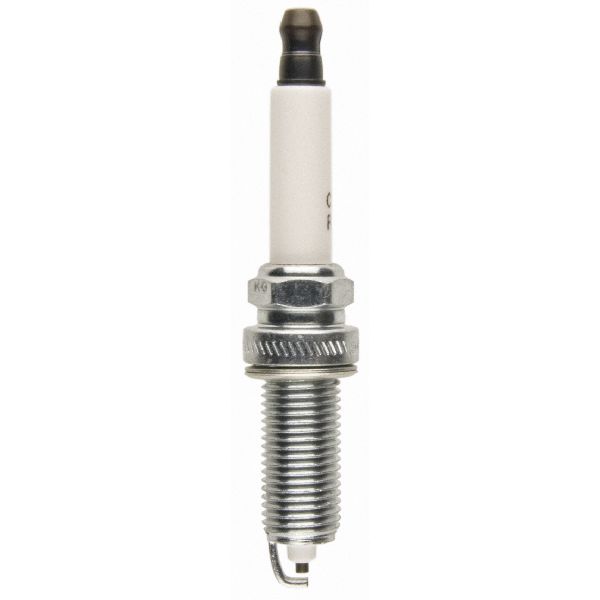
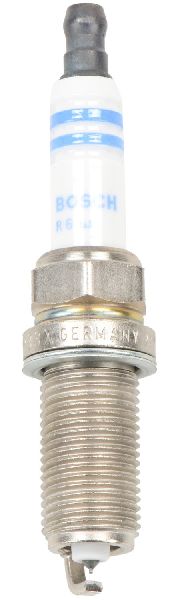
- Spark Plugs
(OEM #22401AA781)— They are a routine maintenance item with a 60,000-mile service life and are the most common cause of misfires when neglected.
Trusted brands: NGK, Denso
OEM price range: $60-$90 (set of 4)
Aftermarket price range: $40-$70 (set of 4) - Ignition Coil
(OEM #22433AA682)— A common failure point that leads to misfires. Worn spark plugs increase the electrical load on coils, causing them to fail.
Trusted brands: Denso, NGK, Diamond Electric
OEM price range: $120-$180 (per coil)
Aftermarket price range: $60-$120 (per coil) - Alternator Assembly (Updated)
(OEM #23700AB030)— Required to fix the 'phantom misfire' issue described in TSB 07-112-16R. The original part is prone to causing electrical resonance.
Trusted brands: Subaru (OEM)
OEM price range: $400-$600
Aftermarket price range: $250-$450 (Note: OEM is strongly recommended for this specific issue) - Belt Tensioner Assembly
(OEM #23769AA05A)— Often replaced with the alternator as a preventative measure, especially if the original is noisy or shows signs of wear.
Trusted brands: Subaru (OEM), Gates, Continental
OEM price range: $150-$250
Aftermarket price range: $80-$150
Related Codes That Often Appear With This One
- P0301, P0302, P0303, P0304 — If the random misfire begins to occur more frequently on specific cylinders, the ECU will log these codes alongside P0300.
- P0171 — System Too Lean (Bank 1). This can occur if the misfire is caused by a vacuum leak or a fuel delivery issue, which are also root causes for P0300.
Technical Service Bulletins (TSBs) & Recalls

- number: 07-112-16R | title: New Alternator Assembly to Address DTC P0300 | summary: Details the diagnosis and repair for a false P0300 code on 2.5L Foresters caused by electrical fluctuation from the alternator. The fix requires replacing the alternator, belt tensioner, and belt with updated parts.
- number: 16-115-18 | title: CVT Warranty Extension | summary: Announces the extension of the CVT warranty to 10 years or 100,000 miles for various models, including the Outback, due to customer satisfaction concerns related to performance and longevity.
- number: 11-186-18 | title: ECM Optimization for DTC P0300 | summary: Announces availability of reprogramming files to optimize the ECM and enhance detection of DTC P0300, specifically addressing concerns of rough idle or hesitation after a cold start.
- number: 11-193-19 | title: Engine RPM and Combustion Stabilization | summary: Introduces new software files to stabilize engine RPM and combustion during warm-up to prevent DTC P0300 caused by slight differences in air-fuel ratios between cylinders.
Platform-Specific Known Issues
- A false P0300 code can be triggered by a faulty alternator and belt tensioner, as documented in TSB 07-112-16R for the Forester model with the same engine family. This should be considered if standard ignition fixes do not resolve the code.
- Leaking valve cover gaskets are common and can directly cause misfires by allowing oil to contaminate the spark plugs and ignition coils.
- Software-related misfire detection issues have been noted across several Subaru platforms; for instance, TSB Bulletin #11-188-19 notes that P0300 may incorrectly set during frequent accelerator pedal transitions at highway speeds.
Mechanic-Grade Diagnostic Values
- Crankshaft Position Sensor Resistance — expected: Approximately 2.0 kΩ (2,000 Ohms). Failure: No reading (open circuit) or a reading significantly outside the 1.0-4.0 kΩ range.
- Short-Term Fuel Trim (STFT) & Long-Term Fuel Trim (LTFT) — expected: Within ±10% at idle and under steady load.. Failure: Sustained positive values (e.g., +15% or higher) suggest a vacuum leak or under-reporting MAF sensor. Sustained negative values suggest a leaking injector or over-reporting MAF.
Scan Tool Commands That Help
- Subaru Select Monitor (SSM4): Roughness Monitor & Battery Current — This is the specific diagnostic function mentioned in TSB 07-112-16R to confirm the 'phantom misfire' issue. The technician monitors these two data PIDs simultaneously. If the 'Roughness Monitor' value for cylinders increases while the 'Battery Current' fluctuates more than +/- 3A at idle, it confirms the alternator is inducing false misfire counts.
- Professional Scan Tool (e.g., Autel, Snap-on): Cylinder Power Balance Test — This bidirectional command allows the user to disable one cylinder at a time and observe the corresponding drop in engine RPM. A cylinder that produces a smaller RPM drop than the others is contributing less power, helping to isolate a weak coil, clogged injector, or low compression issue without swapping parts.
Real Owner Repair Stories
- subaruoutback.org forum user (2013 Subaru Outback 2.5i, ~100,000 miles) — Flashing check engine light, P0300, P0303, P0304 codes. Severe shuddering/hesitation between 1,500-2,000 RPM, especially under light load, mimicking a misfire.
❌ Tried (didn't work) Replaced all spark plugs, Replaced all ignition coils, Performed a smoke test (no leaks found), Cleaned MAF sensor
✅ What actually fixed it The issue was a failing torque converter lock-up solenoid. The shudder felt like a severe misfire but was actually the torque converter clutch engaging and disengaging erratically. A transmission specialist identified the problem, and replacing the torque converter resolved all symptoms and codes.
OEM Part Supersession History
23700AA760, 23700AA761→23700AB030— This is the updated alternator assembly designed to resolve the electrical resonance issue described in TSB 07-112-16R that causes 'phantom' P0300 codes.
Heads up: Using an older part number or a standard aftermarket replacement that is not specifically designed to address the TSB may result in the P0300 code returning.
Model Year Variations Within This Range
- 2019 only: For the 2019 model year, the FB25 engine was updated to the FB25D, which features direct fuel injection (DI). While many P0300 causes remain the same, this change introduces the high-pressure fuel system (pump and injectors) as a potential point of failure. Carbon buildup on intake valves also becomes a more significant long-term concern for DI engines, which can lead to misfires at higher mileage.
- All (PZEV vs non-PZEV): Partial Zero Emission Vehicle (PZEV) models, common in states with stricter emissions laws, have a more complex and expensive catalytic converter and slightly different ECU programming. While not a direct cause of P0300, a failing or clogged PZEV catalytic converter could create enough backpressure to trigger random misfires. Diagnosis is the same, but replacement costs for the converter are significantly higher.
Diagnostic Flowchart
Other Known Issues on This Vehicle
Issues unrelated to this code that are worth knowing about as an owner of this generation:
- Excessive Oil Consumption 🔴 High — Common in 2013-2014 models, leading to a class-action lawsuit. Caused by defective piston rings. Can occur as early as 45,000 miles. (Ref: Class-action lawsuit (Yaeger v. Subaru) resulted in an extended warranty to 8 years/100,000 miles for affected vehicles.)
- CVT Transmission Issues & Warranty Extension 🔴 High — Issues include shuddering, stalling, and hesitation. Widespread enough that Subaru extended the CVT warranty to 10 years/100,000 miles for many models, including the 2013-2015 Outback. (Ref: Subaru CVT Warranty Extension Program (not a recall). TSB 16-115-18 outlines the extension details.)
- Infotainment Screen Delamination / Ghost Touch 🟠 Medium — Very common on 2018-2019 models. The screen develops bubbles and registers 'phantom' touches, making the system unusable. (Ref: No recall, but many owners report receiving 'goodwill' repairs from Subaru even out of warranty. A class-action lawsuit was filed for this issue.)
- Weak / Spontaneously Cracking Windshields 🟡 Low — Owners report windshields are prone to cracking from minor impacts or even spontaneously. This is a recurring complaint across multiple model years.
- Takata Airbag Inflator Recall 🔴 High — Part of the massive global Takata recall. Affects 2013-2014 models. The inflator can rupture, sending metal fragments into the cabin. (Ref: NHTSA Recall 19V-008, Subaru recall numbers TKA-18, TKB-20.)
Used vs. New Parts: Buying Guide for This Vehicle
When a used part is the smart pick: Used parts are generally not recommended for the primary causes of a P0300 code on this vehicle. Ignition components (plugs, coils) are wear items and should always be purchased new. For the alternator, a used part risks re-introducing the 'phantom misfire' problem unless it can be confirmed it is the updated OEM part number (23700AB030) from a low-mileage donor.
Donor-vehicle mileage cap: roughly under 50000 miles for the part to have meaningful remaining life.
What to inspect on the donor part:
- For an alternator, verify the silver pulley (indicating the updated part) and check for any signs of bearing noise or roughness when spinning by hand.
- Check for a date code on the part if visible; newer is always better.
- Inspect electrical connectors for corrosion, melting, or broken locking tabs.
OEM-only on this vehicle (don't cheap out):
- Alternator Assembly: To permanently fix the TSB-related 'phantom misfire', the updated OEM part (23700AB030) is strongly recommended. Standard aftermarket rebuilds may not have the necessary internal changes.
- Crankshaft Position Sensor: While not a common failure, the price difference between OEM and aftermarket is small, and the OEM sensor is proven to be reliable.
Aftermarket brands forum-validated for this vehicle:
- Spark Plugs: NGK, Denso (often the OEM supplier).
- Ignition Coils: Denso, NGK, Delphi.
- Serpentine Belt / Tensioner: Gates, Continental.
Brands owners have reported issues with on this vehicle:
- Unnamed or 'white-box' ignition coils and sensors from online marketplaces. These often have high failure rates and can cause persistent diagnostic headaches.
Real Owner Stories
Aggregated from forums and TSBs cited above. Mileages and costs reflect what owners reported in those sources.
2013 Subaru Forester 2.5L
Symptoms: Classic P0300 symptoms including random misfires.
What fixed it: Replacement of spark plugs, ignition coils, and checking for vacuum leaks.
Source hint: reddit.com/r/SubaruForester - 'Anyone ever had a P0300 code thrown?'
2013-2019 Subaru Outback 2.5L
Symptoms: P0300 Misfire code triggered, but the car runs fine.
What fixed it: Replacing the alternator resolved the 'phantom' misfire after plugs and coils failed to fix it.
Source hint: subaruoutback.org - 'P0300 Misfire, but car runs fine?'
2013-2014 Subaru Outback 2.5L — ~45000 miles
Symptoms: Excessive oil consumption which can lead to fouled spark plugs and misfires.
What fixed it: Repair of defective piston rings as part of a class-action lawsuit (Yaeger v. Subaru).
Source hint: known_issues - 'Excessive Oil Consumption'
Related OBD-II Codes
Frequently Asked Questions
My 2013 Outback has a P0300 code but seems to run fine at speed. Could this be the 'phantom misfire' issue?
How can I tell if my alternator is the updated version mentioned in the TSB?
I have a 2014 Outback with 65,000 miles and a P0300 code. What is the most likely maintenance-related cause?
Can a valve cover gasket leak cause a P0300 on my 2.5L Subaru?
Is there a specific spark plug gap I should check for when diagnosing this code?
Does the CVT warranty extension (16-115-18) cover repairs for a P0300 code?
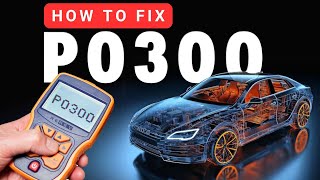
Helpful Videos
Used OEM Parts in Stock


New Aftermarket Parts Available

The information in this article is provided for general reference and educational purposes only. Vehicle specifications, procedures, and part compatibility can vary by production date, trim level, and region. Always consult your vehicle's factory service manual and verify part numbers before purchasing or performing repairs. Safety-critical components such as airbags, seat belts, and braking systems should be installed by a qualified professional.
- Subaru Outback:
- 🎬 Helpful Videos
- 🛍️ Shop This Part
- What's Unique About the 2013-2019 Subaru Outback
- Symptoms You May Notice
- Most Likely Causes
- Rare But Worth Checking
- Diagnosis Steps
- Parts You'll Likely Need
- Related Codes That Often Appear With This One
- Technical Service Bulletins (TSBs) & Recalls
- Platform-Specific Known Issues
- Mechanic-Grade Diagnostic Values
- Scan Tool Commands That Help
- Real Owner Repair Stories
- OEM Part Supersession History
- Model Year Variations Within This Range
- Diagnostic Flowchart
- Other Known Issues on This Vehicle
- Used vs. New Parts: Buying Guide for This Vehicle
- Real Owner Stories
- 2013 Subaru Forester 2.5L
- 2013-2019 Subaru Outback 2.5L
- 2013-2014 Subaru Outback 2.5L — ~45000 miles
- Related OBD-II Codes
- Frequently Asked Questions
- 🎟️ Get 5% Off