

P0300 on 2008-2017 Mitsubishi Lancer: Random Misfire Causes and Fixes
On the 2008-2017 Lancer, a P0300 code is most often caused by worn-out spark plugs. If the plugs are good, suspect a vacuum leak (especially the PCV hose) or a faulty sensor. An ECU reflash may also be needed for some 2011-2013 model years due to overly sensitive misfire detection, as detailed in a TSB.
- Start your diagnosis with the cheapest and most common solution: check and replace the spark plugs if they are old.
- A flashing check engine light indicates a severe misfire that can damage your catalytic converter; avoid driving if this occurs.
- Be aware of vacuum leaks from old hoses and gaskets, which are a common cause of random misfires.
- If you own a 2011 or 2013 Lancer and no mechanical faults can be found, the issue may be a false code that requires a dealer software update per TSB-13-13-001REV.
What's Unique About the 2008-2017 Mitsubishi Lancer

For some 2011-2013 Lancer models, the factory misfire detection was overly sensitive. Normal powertrain vibrations, such as from clutch operation on manual transmissions or CVT downshifts, could be misinterpreted by the ECM as a misfire, falsely triggering a P0300 code. Mitsubishi released a Technical Service Bulletin (TSB-13-13-001REV, later revised to TSB-13-13-001REVII) with updated ECM software to correct this by revising the monitoring thresholds. Therefore, if no physical cause is found, an ECU reflash might be the actual solution.
Symptoms You May Notice
- Flashing or solid Check Engine Light
- Rough or unstable idle
- Engine shaking or vibrating, especially when accelerating
- Hesitation or lack of power during acceleration
- Reduced fuel economy
- Hard starting
- Fuel smell from the exhaust
- Replacing only one spark plug when all are due for service.
- Replacing oxygen sensors without confirming they are faulty through live data diagnostics. A misfire can cause a lean reading from an O2 sensor, making the sensor appear faulty when it is not.
- Replacing ignition coils before swapping them to confirm they are the source of the problem.
Most Likely Causes

- Worn or Fouled Spark Plugs 🔴 High Probability Spark plugs are a regular maintenance item and are the most common starting point for any misfire diagnosis. Many owner experiences on forums confirm this is the first and most successful fix.
How to confirm: Visually inspect the spark plugs for wear, carbon buildup, or oil fouling. The recommended service interval for iridium plugs on these engines is typically long (e.g., 60,000 miles), but they can fail sooner. A replacement is often the easiest diagnostic step.
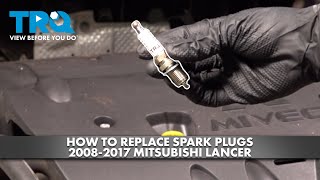
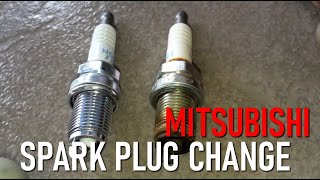
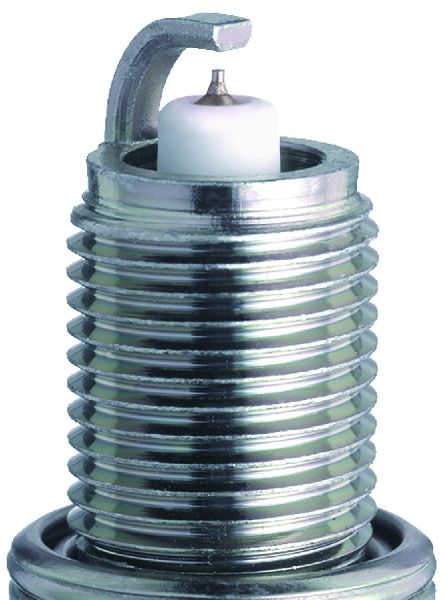
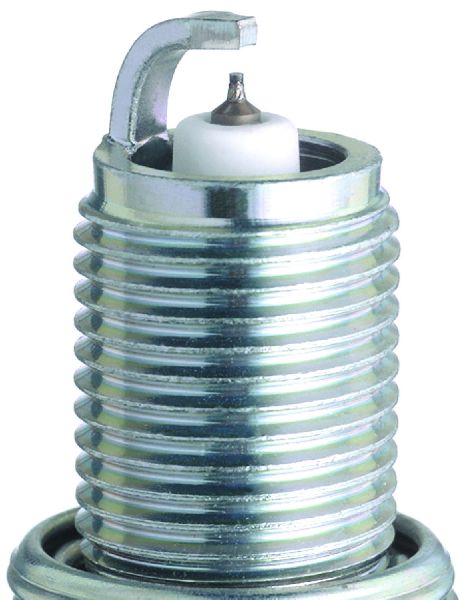
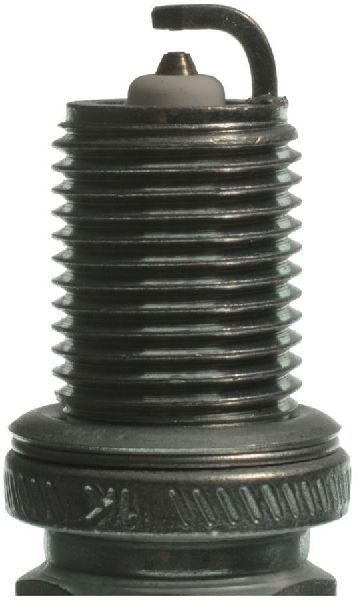
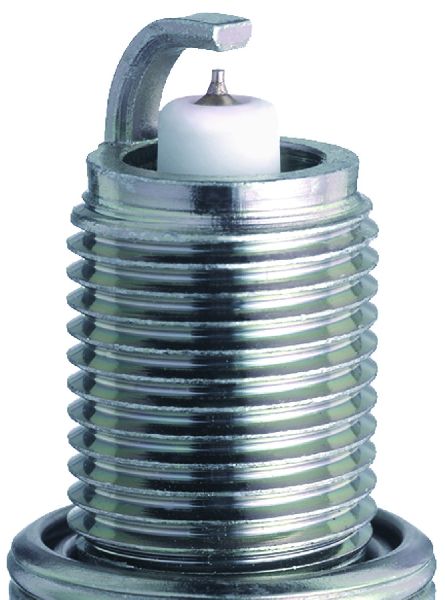
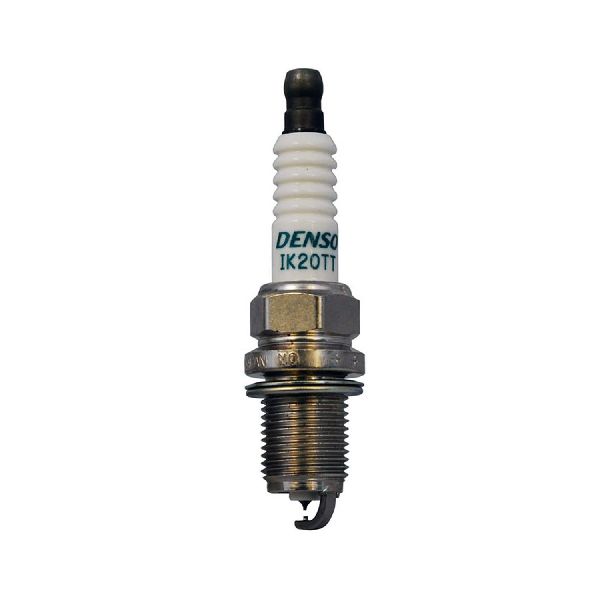
Typical fix: Replace all four spark plugs. 🎬 Watch: Step-by-step guide to replacing your Lancer spark plugs. It is recommended to use high-quality Iridium plugs. The OEM plug is NGK ILKR7A or Denso IXUH22I.
Est. part cost: $40-$80 - Vacuum Leak 🟡 Medium Probability Rubber vacuum hoses and intake gaskets can become brittle and crack over time, allowing unmetered air to enter the engine and disrupt the air/fuel ratio. The PCV hose is a frequently cited point of failure in forum discussions.
How to confirm: Perform a smoke test to find the source of the leak. You can also carefully spray carb cleaner around the intake manifold and vacuum lines (especially the PCV hose) with the engine running; a change in idle RPM indicates a leak.
Typical fix: Replace the leaking hose or gasket. The PCV hose is an inexpensive and common part to replace.
Est. part cost: $10-$100 - Faulty Ignition Coils 🟡 Medium Probability
How to confirm: While it's rare for multiple coils to fail at once, a weak coil can contribute to random misfires. Swap the ignition coil from a misfiring cylinder (if identified by a P030x code) with a coil from a known good cylinder. If the misfire code follows the coil, the coil is bad.
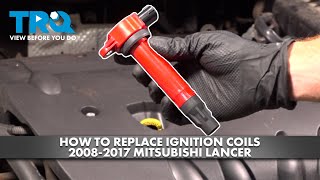
Typical fix: Replace the faulty ignition coil. The OEM part number is 1832A028. 🎬 See this walkthrough on how to replace ignition coils.
Est. part cost: $50-$120 per coil - Dirty or Faulty Mass Airflow (MAF) Sensor ⚪ Low Probability
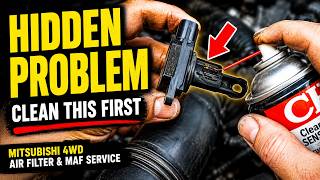
How to confirm: A dirty MAF sensor can provide incorrect airflow readings to the ECM, leading to an improper air/fuel mixture. Try cleaning the sensor with a dedicated MAF sensor cleaner. 🎬 Watch: How to safely clean your MAF sensor. If the problem persists, the sensor may need replacement.
Typical fix: Clean the MAF sensor. If cleaning doesn't work, replace the sensor.
Est. part cost: $15 (cleaner) - $150 (sensor) - Fuel Delivery Issues ⚪ Low Probability
How to confirm: Check fuel pressure using a fuel pressure gauge to see if it meets factory specifications (around 47 psi at idle). A weak fuel pump or clogged fuel filter can cause a lean condition and random misfires.
Typical fix: Replace the fuel pump or fuel filter.
Est. part cost: $150-$400
Rare But Worth Checking
- ECM Software Update Needed: For 2011-2013 models, the ECM may be overly sensitive and falsely detect misfires from CVT downshifts or manual clutch operation. If no mechanical faults are found, check with a Mitsubishi dealer about TSB-13-13-001REVII.
- Low Engine Compression: If all other causes are ruled out, a mechanical issue like a leaking head gasket, worn piston rings, or bad valves could be the cause. A compression test is needed to confirm this.
- Clogged Fuel Injectors: If fuel delivery is inconsistent across cylinders due to dirty injectors, it can cause random misfires. Running a quality fuel injector cleaner through the system is a simple first step.
Diagnosis Steps
- Use an OBD-II scanner to check for any other accompanying codes, especially P0301-P0304, which can help narrow the focus.
- Inspect the spark plugs. Given their high probability as a cause, if they are near their service life (typically 60k miles), replacing them is a good first step. The OEM part is 1822A088.
- Inspect all vacuum hoses connected to the intake manifold for cracks or loose connections, paying close attention to the PCV hose.
- If you suspect a vacuum leak but cannot see it, perform a smoke test.
- Swap ignition coils between cylinders to see if a specific cylinder misfire code (e.g., P0302) moves with the coil. The OEM coil is part number 1832A028.
- Clean the Mass Airflow (MAF) sensor using a dedicated cleaner. Be gentle as the sensor is delicate.
- Test the fuel pressure to rule out a weak fuel pump or clogged filter. The standard value at idle is approximately 47 psi.
- If all else fails, consider a potential mechanical issue by performing an engine compression test.
- For 2011-2013 models, if no physical cause is found, consult a dealer regarding TSB-13-13-001REVII for an ECM reflash.
Parts You'll Likely Need

- Spark Plugs
(OEM #1822A088)— This is the most common cause of random misfires and a standard maintenance item.
Trusted brands: NGK (ILKR7A or DILKR6D11G), Denso (IXUH22I)
OEM price range: $60-$100
Aftermarket price range: $40-$80 - Ignition Coil
(OEM #1832A028)— A failing ignition coil can cause intermittent spark, leading to misfires.
Trusted brands: NGK (U5387), Bosch, Delphi
OEM price range: $90-$150
Aftermarket price range: $50-$120 - Intake Manifold Gasket — A leak in this gasket is a common source of a vacuum leak that causes a P0300 code.
Trusted brands: Fel-Pro, Mahle
OEM price range: $30-$60
Aftermarket price range: $15-$40
Related Codes That Often Appear With This One
- P0301, P0302, P0303, P0304 — These codes specify which cylinder is misfiring. They often appear alongside P0300 when the misfires are frequent but not entirely random, helping to narrow down a potential bad coil or plug.
- P0171 — This code indicates a 'System Too Lean' condition, which is a common cause of misfires. It often points towards a vacuum leak, a dirty MAF sensor, or a fuel delivery problem.
Technical Service Bulletins (TSBs) & Recalls
- TSB-13-13-001REVII: Addresses false P0300 codes on 2011 & 2013 models by reprogramming the ECM with updated software. This revision was made because powertrain vibrations from normal CVT downshifts or manual clutch operation could be misread as an engine misfire.
- TSB-13-13-001: A manufacturer service bulletin noting that certain conditions may cause powertrain vibration similar to misfire conditions, leading to false MIL illumination. New software revises improper Misfire Monitoring threshold values.
- TSB-13-13-001REV: Provides a field fix procedure for false P0300 codes stored in the ECM during cold engine starts or rough/partial clutch operation.
Platform-Specific Known Issues
- A Technical Service Bulletin (TSB-13-13-001REVII) was issued for 2011 and 2013 Lancers (2.0L & 2.4L) for false P0300 codes caused by overly sensitive ECM logic. The fix is a software update performed by a dealer.
- Owners on forums frequently point to a cracked or disconnected PCV hose as a source for vacuum leaks that trigger a P0300.
Mechanic-Grade Diagnostic Values
- Fuel Pressure at Idle — expected: Approximately 324 kPa (47 psi). Failure: Significantly lower pressure, or pressure that drops quickly after the engine is shut off.
- Long-Term Fuel Trim (LTFT) — expected: Between -12.5% and +12.5% at 2,500 RPM (warmed up, closed loop). Failure: Values consistently above +12.5% suggest a vacuum leak or under-reporting MAF sensor. Values below -12.5% suggest leaking injectors or an over-reporting MAF.
- Short-Term Fuel Trim (STFT) — expected: Between -7.4% and +7.4% at 2,500 RPM (warmed up, closed loop). Failure: High positive values indicate the ECM is adding fuel to compensate for a lean condition, often caused by a vacuum leak.
- Compression Pressure (Standard) — expected: 1,550 kPa (225 psi). Failure: Pressure below 1,160 kPa (168 psi) or a difference between cylinders greater than 98 kPa (14 psi) indicates mechanical engine wear.
Hidden / Shadow Codes Worth Checking
- Mode 6, TID $0C: Misfire counts for the last/current driving cycle for a specific cylinder. (see via Use a scan tool that supports OBD-II Mode 6. This allows you to see raw misfire data per cylinder, even if a specific P030x code has not been set. For example, Monitor ID $A2-$A5 corresponds to cylinders 1-4.)
Scan Tool Commands That Help
- Mitsubishi MUT-III (or advanced aftermarket): Power Balance Test / Cylinder Cut Test — To isolate a misfiring cylinder when only a P0300 is present. The tool deactivates one injector or coil at a time, and the user observes the drop in engine RPM. A cylinder that causes little or no RPM drop when deactivated is the one that is misfiring.
- Mitsubishi MUT-III (or advanced aftermarket): Data List Item 2: Crankshaft Position Sensor — To verify the crankshaft position sensor is outputting a stable engine speed signal. The engine speed on the scan tool should match the tachometer and be free of erratic jumps.
Wiring & Ground Locations

- Engine Ground Strap — Typically located between the engine block/cylinder head and the chassis frame rail on the passenger side of the engine bay.. A corroded or loose main engine ground can cause erratic voltage for ignition coils and sensors, leading to intermittent and random misfires that are difficult to trace.
- Ignition Coil Connector — On top of the valve cover, one connector for each of the four ignition coils.. The plastic locking tabs can become brittle and break, leading to a poor connection that can cause a misfire under vibration. The wiring at the connector can also fatigue and break internally.
Real Owner Repair Stories
- MitsubishiForums.com user (2003 Mitsubishi Lancer ES (related platform, 4G94 engine but similar diagnostic principles)) — P0300, rough running to the point of stalling, new plugs turned black quickly.
❌ Tried (didn't work) Replaced crank position sensor, Replaced spark plugs, Replaced valve cover gasket, Replaced ignition coils, Checked compression (180-190 PSI), Checked fuel pressure (48 PSI, stable)
✅ What actually fixed it The ECU was faulty and constantly sending a 5v signal to the ignition coils, causing them to melt. Replacing the ECU with a used unit from a junkyard resolved the issue, although it introduced a VIN mismatch error that did not affect drivability on this older model. - YouTube video by 'Cylinder Misfire Fix' (Mitsubishi Lancer (year not specified, but within the 2008-2017 generation)) — P0300, rough idle, severe engine shake under load.
❌ Tried (didn't work) Initial diagnosis pointed to a cylinder 4 misfire.
✅ What actually fixed it Replacing all four spark plugs with new NGK Iridium units completely resolved the rough idle and misfire symptoms. The repair took approximately 20 minutes. - NHTSA ODI #10106279 — An owner reported that the P0300 code would happen infrequently (5-6 times a month), but eventually became an occurrence almost by the minute.
OEM Part Supersession History
Original 4B11 Timing Chain (2008+)→Revised OEM Timing Chain— The original timing chain design was prone to premature stretching. The revised chain has a different link design (8 links across instead of 7) to better resist stretch over time.
Model Year Variations Within This Range
- 2009+: Starting in 2009, the Lancer GTS model switched from the 2.0L 4B11 engine to the 2.4L 4B12 engine. While diagnostically similar for a P0300, some parts like intake components and sensors may have different part numbers.
- 2011, 2013: These model years are specifically called out in TSB-13-13-001REVII for having overly sensitive misfire detection logic in the ECM, which could falsely trigger a P0300. The fix is a software reflash, not a hardware replacement.
Diagnostic Flowchart

Other Known Issues on This Vehicle
Issues unrelated to this code that are worth knowing about as an owner of this generation:
- CVT Transmission Overheating and Premature Failure 🔴 High — Common, especially on earlier models or those with poor maintenance history. Symptoms like whining, hesitation, and 'Slow Down' warnings can appear from 80,000 km (50,000 miles) onwards. (Ref: A class action lawsuit was filed alleging defects in the CVT. No specific recall, but software updates and proper fluid (DiaQueen J4) are critical.)
- Clear Coat and Paint Peeling/Chipping 🟡 Low — Very common across all model years and colors, but especially noted on darker colors and cars exposed to high UV/sun. (Ref: No recall; generally considered a cosmetic issue and wear-and-tear by the manufacturer.)
- Engine Stalling / Relay Failure 🟠 Medium — A recall was issued for some 2015 models for a faulty relay that could cause stalling. Other models can experience intermittent stalling due to sensor or software issues. (Ref: Recall for certain 2015 models related to electrical relays.)
- Front Subframe Corrosion 🔴 High — Primarily affects 2008 models in regions that use road salt during winter, leading to severe rust and potential structural failure of the subframe. (Ref: A recall was issued for this issue on affected vehicles.)
Used vs. New Parts: Buying Guide for This Vehicle
When a used part is the smart pick: For expensive electronic components like an Engine Control Module (ECU) or a Mass Airflow (MAF) sensor, a used part from a reputable salvage yard can be a cost-effective option, especially after confirming the original part is faulty. Structural components like an intake manifold are also excellent candidates for used parts.
Donor-vehicle mileage cap: roughly under 80000 miles for the part to have meaningful remaining life.
What to inspect on the donor part:
- For an ECU, ensure the part number matches exactly and check for any signs of water damage or corrosion on the case and pins.
- For a MAF sensor, inspect the sensing wires to ensure they are intact and not contaminated with oil or debris.
- Check the vehicle history of the donor car if possible, avoiding parts from vehicles with flood or fire damage.
- Look for a seller that offers a short warranty (e.g., 30-90 days) to protect against receiving a dead-on-arrival part.
OEM-only on this vehicle (don't cheap out):
- Crankshaft Position Sensor: Aftermarket sensors for this critical function have a high failure rate and can cause no-start or stalling issues that are difficult to diagnose.
Aftermarket brands forum-validated for this vehicle:
- Spark Plugs: NGK, Denso
- Ignition Coils: NGK, Bosch, Delphi
- Sensors: Denso, NTK
Brands owners have reported issues with on this vehicle:
- Unbranded, 'white-box' ignition coils and sensors from online marketplaces often have poor quality control and can fail quickly or perform out of spec, causing persistent issues.
Real Owner Stories
Aggregated from forums and TSBs cited above. Mileages and costs reflect what owners reported in those sources.
2011 Mitsubishi Lancer 2.0L/2.4L
Symptoms: False P0300 codes triggered by powertrain vibrations during normal CVT downshifts or manual clutch operation.
What fixed it: Reprogramming the ECM with updated software per TSB-13-13-001REVII.
Source hint: TSB-13-13-001REVII
High-mileage Mitsubishi Lancer — ~120000 miles
Symptoms: Random misfire code P0300 appeared; community suggested ignition system components as the likely cause.
What fixed it: Replacement of ignition system components (plugs/coils).
Source hint: EvolutionM.net - Thread 'Code P0300-Any idea on what could be the cause?'
Mitsubishi Lancer (Evo platform)
Symptoms: Code P0300 caused by a vacuum line popping off.
What fixed it: Reconnecting the vacuum line (specifically mentioning the EGR line).
Source hint: EvolutionM.net - Thread 'Code P0300'
Related OBD-II Codes
Frequently Asked Questions
My 2012 Lancer 2.4L has a P0300 but no other codes. Is there a software fix?
What are the specific spark plug recommendations for the 4B11 and 4B12 engines?
I hear a whistling sound and have a P0300 on my Lancer. What should I check first?
Can I use any cleaner on my Lancer's MAF sensor to fix a P0300?
What is the correct fuel pressure for a 2008-2017 Lancer at idle?
Is the P0300 code related to the CVT 'Slow Down' warning on my Lancer?
Helpful Videos

Used OEM Parts in Stock


New Aftermarket Parts Available


The information in this article is provided for general reference and educational purposes only. Vehicle specifications, procedures, and part compatibility can vary by production date, trim level, and region. Always consult your vehicle's factory service manual and verify part numbers before purchasing or performing repairs. Safety-critical components such as airbags, seat belts, and braking systems should be installed by a qualified professional.
- Mitsubishi Lancer:
- 🎬 Helpful Videos
- 🛍️ Shop This Part
- What's Unique About the 2008-2017 Mitsubishi Lancer
- Symptoms You May Notice
- Most Likely Causes
- Rare But Worth Checking
- Diagnosis Steps
- Parts You'll Likely Need
- Related Codes That Often Appear With This One
- Technical Service Bulletins (TSBs) & Recalls
- Platform-Specific Known Issues
- Mechanic-Grade Diagnostic Values
- Hidden / Shadow Codes Worth Checking
- Scan Tool Commands That Help
- Wiring & Ground Locations
- Real Owner Repair Stories
- OEM Part Supersession History
- Model Year Variations Within This Range
- Diagnostic Flowchart
- Other Known Issues on This Vehicle
- Used vs. New Parts: Buying Guide for This Vehicle
- Real Owner Stories
- 2011 Mitsubishi Lancer 2.0L/2.4L
- High-mileage Mitsubishi Lancer — ~120000 miles
- Mitsubishi Lancer (Evo platform)
- Related OBD-II Codes
- Frequently Asked Questions
- 🎟️ Get 5% Off