

P0300 on 2012-2013 Mazda 3 Skyactiv: Random Misfire Causes and Fixes
On a 2012-2013 Mazda 3 with the 2.0L Skyactiv engine, a P0300 code is most often caused by worn spark plugs, carbon buildup on the intake valves, or a faulty ignition coil. Start by inspecting spark plugs, as they are a routine maintenance item and the most likely culprit. If plugs are good, investigate carbon buildup, a known issue for this direct-injection engine detailed in Mazda TSB 01-012-19-3612.
- P0300 on a 2012-2013 Mazda 3 Skyactiv is a random misfire code, often without pointing to a single cylinder.
- Start your diagnosis with the basics: inspect and replace worn spark plugs, as they are the most common and affordable fix.
- Be aware that carbon buildup on the intake valves is a very common problem for this direct-injection engine and a likely cause of misfires if spark plugs and coils are good.
- A flashing check engine light indicates a severe misfire that can quickly damage your catalytic converter; avoid driving if this occurs.
- Check for Mazda Technical Service Bulletins (TSBs), as a simple software update from the dealer might be the required fix, especially for issues in cold weather.
What's Unique About the 2012-2013 Mazda 3
The 2012-2013 Mazda 3 was one of the first models to feature the new Skyactiv-G engine, which uses gasoline direct injection (GDI). While this technology improves fuel economy and power, it is prone to carbon buildup on the intake valves because fuel is injected directly into the cylinder, bypassing the valves and preventing them from being cleaned by gasoline detergents. This carbon buildup is a well-documented cause of misfires on these engines, as confirmed by Mazda in TSB 01-012-19-3612. Additionally, some early Skyactiv models had PCM software that could cause misfires in specific conditions, such as cold weather with short trips, requiring a dealer update per TSB 01-005/15.
Symptoms You May Notice
- Check Engine Light is on (may be flashing if the misfire is severe)
- Rough or shaky idle
- Hesitation or stumbling during acceleration
- Noticeable loss of engine power
- Reduced fuel economy
- Engine sputtering or coughing sounds
- In some cases, the traction control light may also illuminate
- Replacing only one spark plug or ignition coil when others are in similar poor condition.
- Replacing oxygen sensors, as a bad O2 sensor will typically set its own specific trouble code.
- Assuming carbon buildup is the cause without first ruling out simpler and cheaper items like spark plugs and coils.
- Replacing the Mass Airflow (MAF) sensor without proper testing. Cleaning the MAF sensor with a dedicated cleaner is a more appropriate first step if it's suspected.
Most Likely Causes
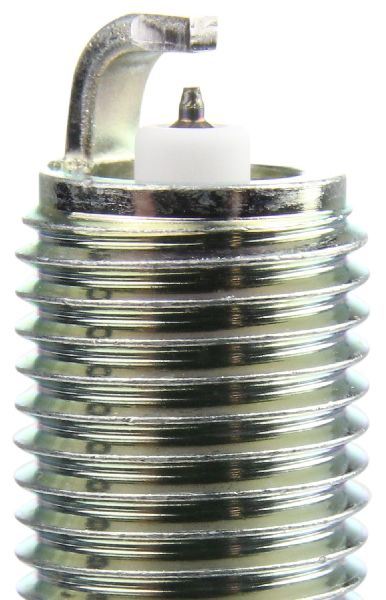
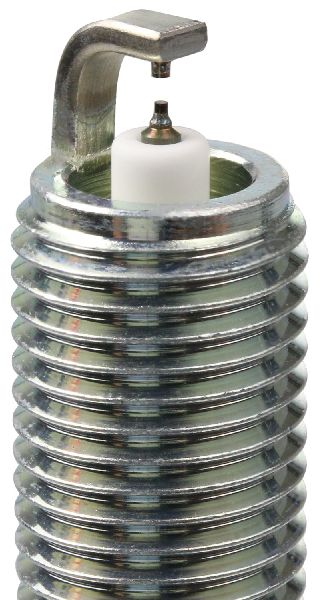
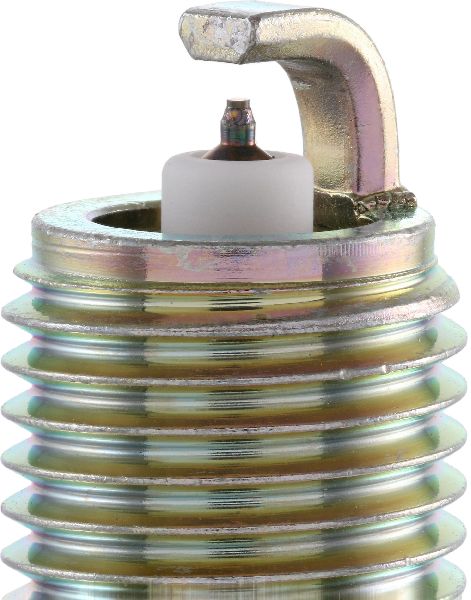
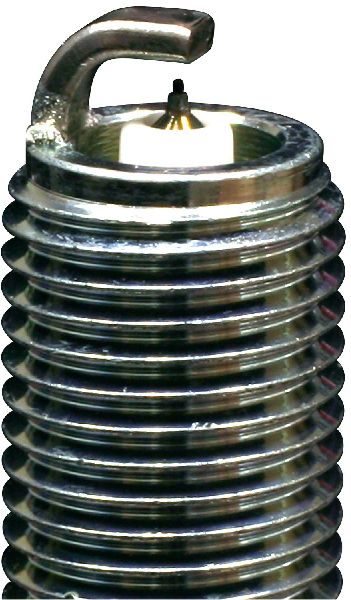
- Worn or Fouled Spark Plugs 🔴 High Probability Spark plugs are a normal wear-and-tear item. The Skyactiv engine is sensitive to spark plug condition and gap. The service interval for the original equipment Iridium plugs is 75,000 miles.
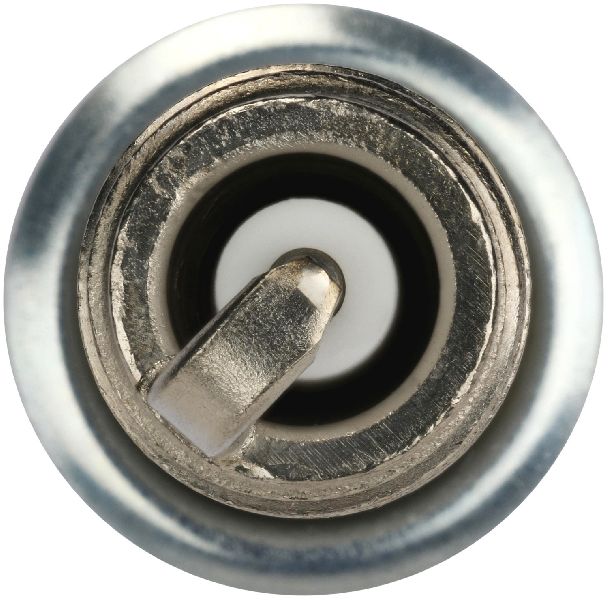
How to confirm: Remove the spark plugs and inspect them for wear (rounded electrode), carbon fouling, oil, or damage to the ceramic insulator. A cracked insulator can cause the spark to ground out before reaching the tip. The OEM plugs are pre-gapped and should not be adjusted.
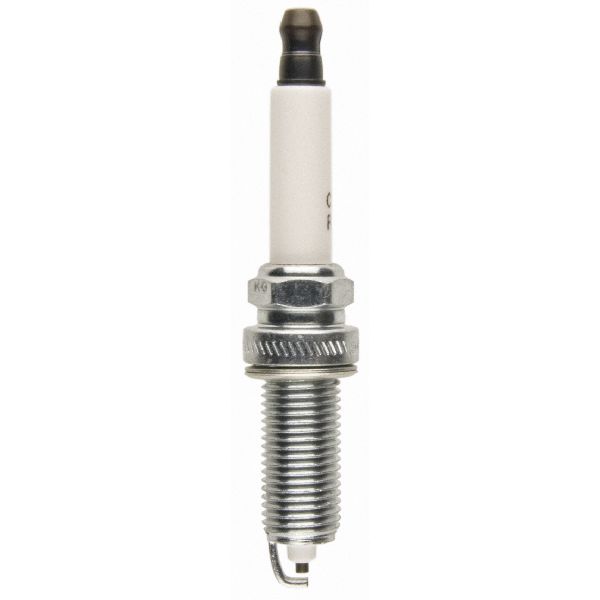
Typical fix: Replace all four spark plugs with high-quality OEM-spec plugs. The recommended plug is the NGK ILKAR7L11. Ensure they are torqued to specification (10.8-14.5 lb-ft for aluminum heads).
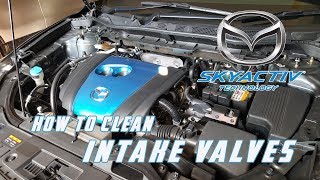
Est. part cost: $40-$80 - Carbon Buildup on Intake Valves 🔴 High Probability As a direct injection (GDI) engine, fuel does not wash over the intake valves, leading to the accumulation of hard carbon deposits (coking). This restricts airflow and can cause misfires, especially during cold starts. Mazda acknowledged this issue in TSB 01-012-19-3612. This problem often becomes noticeable after 60,000-80,000 miles.
How to confirm: This requires visual inspection using a borescope inserted into the intake ports after removing the intake manifold. The valves will have visible black, crusty deposits.
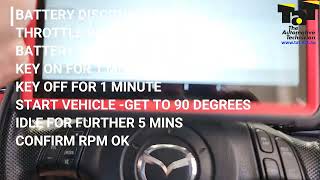
Typical fix: The intake valves must be physically cleaned. The most effective method is walnut shell blasting, a professional service. Some spray-in chemical cleaners (like CRC GDI Intake Valve Cleaner) exist but are best used preventatively and may be less effective for heavy buildup.
Est. part cost: $20-$50 (for chemicals), $400-$800 (for professional walnut blasting) - Faulty Ignition Coil(s) 🟡 Medium Probability Ignition coils fail from heat and age. While one failing coil usually triggers a specific cylinder code (e.g., P0301), a weak or intermittently failing coil can contribute to a random P0300 code before failing completely. Forum users report that coils on this platform can fail in groups.
How to confirm: Use a scan tool with live data to monitor misfire counts per cylinder (Mode $06). Swap the ignition coil from a high-count misfiring cylinder with one from a non-misfiring cylinder. Clear codes and drive. If the misfire count follows the coil to the new cylinder, the coil is bad.
Typical fix: Replace the faulty ignition coil. The OEM part number is PE20-18-100A. It is often recommended to replace all coils at the same time if they are original and high-mileage, as the others may fail soon.
Est. part cost: $50-$100 per coil - Clogged or Faulty Fuel Injectors ⚪ Low Probability The high-pressure direct injectors can become clogged or fail, though this is less common than carbon buildup or ignition issues. Poor fuel quality can be a contributing factor.
How to confirm: This is difficult for a DIYer. A professional can perform an injector balance test using a high-level scan tool to see if each injector is delivering the same amount of fuel. The ultimate test is to remove the injectors for flow testing and cleaning.
Typical fix: Replace the faulty fuel injector(s). Professional ultrasonic cleaning can sometimes restore function.
Est. part cost: $100-$250 per injector - Vacuum Leak ⚪ Low Probability Hoses (especially the PCV hose) and intake manifold gaskets can become brittle and crack with age, allowing unmetered air to enter the engine. This disrupts the air-fuel ratio, causing a lean condition and misfires.
How to confirm: Visually inspect all vacuum lines and the air intake hose for obvious cracks. A smoke test is the most effective method, where a smoke machine fills the intake system with low-pressure smoke to reveal the source of any leaks.
Typical fix: Replace the cracked hose or faulty gasket.
Est. part cost: $10-$100
Rare But Worth Checking
- PCM Software Update Needed: Mazda TSB 01-005/15 addresses a specific issue where improper PCM logic in cold weather (below 14°F / -10°C) and short trips could cause over-fueling, leading to misfires and fuel in the engine oil. The fix requires a dealer to reprogram the PCM.
- Low Fuel Pressure: A weak in-tank fuel pump or a failing high-pressure fuel pump (HPFP) can starve the engine of fuel under load, leading to random misfires. This requires specialized gauges to test fuel pressure in both the low and high-pressure circuits.
- Damaged Ignition Coil Wiring: Rodents can chew through the wiring harness leading to the ignition coils. A visual inspection may reveal damaged wires, which can cause an intermittent connection and random misfires.
Diagnosis Steps
- Read the codes with an OBD-II scanner. Note any other codes present and check for freeze frame data to see engine conditions when the code was set.
- Check Live Data & Mode $06: Use a scan tool to view live misfire counts per cylinder. This is the fastest way to see which cylinders are struggling.
- Inspect the Ignition System: Start with the spark plugs. Replace them if they are near the 75,000-mile service interval or show signs of wear, fouling, or damage. The correct plugs are NGK ILKAR7L11.
- Test the Ignition Coils: Swap the ignition coil from the cylinder with the highest misfire count (identified in Step 2) with a known good cylinder. If the misfire follows the coil, you've found the bad part.
- Check for Vacuum Leaks: Visually inspect all hoses connected to the intake manifold. For a definitive test, perform a smoke test to find any hidden leaks.
- Investigate Carbon Buildup: If the car has over 60,000 miles and the above steps don't resolve the issue, suspect carbon buildup. Use a borescope to visually inspect the intake valves.
- Check for TSBs: Specifically ask a dealer to check if TSB 01-005/15 (cold weather PCM update) or TSB 01-012-19-3612 (carbon buildup) apply to your vehicle's VIN.
- Advanced Fuel System Checks: If the issue persists, the problem may be with the fuel system. This requires professional diagnosis, including testing fuel pressure and injector function.
Parts You'll Likely Need
- Spark Plugs (Set of 4)
(OEM #PE5R-18-110A (Mazda Part No.), NGK ILKAR7L11 (OEM Supplier Part No.))— This is the most frequent cause of P0300. They are a standard maintenance item designed to be replaced at 75,000 miles.
Trusted brands: NGK, Denso
OEM price range: $60-$100 (set of 4)
Aftermarket price range: $40-$80 (set of 4) - Ignition Coil
(OEM #PE20-18-100A)— A common failure point that directly causes misfires. When one fails, others may be near the end of their service life.
Trusted brands: Mazda (OEM), NGK, Bosch
OEM price range: $80-$120 per coil
Aftermarket price range: $50-$90 per coil
Related Codes That Often Appear With This One
- P0301, P0302, P0303, P0304 — If the PCM can eventually isolate the misfire to a specific cylinder, it will set one of these codes along with or instead of P0300.
- P0171 — System Too Lean (Bank 1). This code often accompanies P0300 if the root cause is a vacuum leak, which allows too much unmetered air into the engine, or a fuel delivery issue.
Technical Service Bulletins (TSBs) & Recalls
- TSB 01-012-19-3612: Explicitly links P0300-P0304 codes on 2012-2013 Skyactiv models to carbon deposits on intake valves causing unstable combustion during warm-up.
- TSB 01-005/15: Addresses P0300 codes accompanied by an increased engine oil level in cold weather with repeated short trips. Caused by improper PCM logic over-fueling, which contaminates the oil. The fix is a PCM reprogram and an oil change.
- TSB 01-002/21: Details a procedure for resolving an engine tapping noise at idle, which can sometimes be mistaken for a misfire-related noise.
Platform-Specific Known Issues
- Carbon Buildup on Intake Valves: As a direct-injection engine, the 2.0L Skyactiv-G is known for carbon accumulation on intake valves, which is a primary cause of misfires as the vehicle ages. Mazda issued a TSB acknowledging this issue and outlining a decarbonization procedure.
- Cold Weather Misfires / PCM Logic: TSB #01-005/15 notes that in very cold weather (below 14°F / -10°C) combined with short trips, improper PCM logic can lead to excess fuel, oil dilution, and misfires. The fix involves an oil change and a PCM software update performed by a dealer.
Mechanic-Grade Diagnostic Values
- Ignition Coil Primary Resistance — expected: Approximately 0.4 to 2.0 ohms. Failure: A reading outside of this range suggests a faulty coil.
- Ignition Coil Secondary Resistance — expected: Approximately 6,000 to 10,000 ohms (6k-10k Ω). Failure: A reading significantly higher or lower than the expected range indicates the coil has failed.
- Misfire Rate (via Mazda M-MDS Scan Tool) — expected: Below threshold. Failure: A misfire rate exceeding the specified value for every 200 or 1,000 crankshaft rotations will set the P0300 code. This data confirms the PCM is actively detecting the misfire.
Scan Tool Commands That Help
- Mazda M-MDS (Mazda Modular Diagnostic System): Misfire Counter PID — To monitor live misfire counts on each specific cylinder. This is essential for determining if the 'random' P0300 misfire is actually biased towards one or two cylinders, which helps narrow down the diagnosis to a specific coil, plug, or injector.
- Mazda M-MDS (Mazda Modular Diagnostic System): PCM/TCM Reprogramming/Calibration Update — Used to apply factory software updates, such as the one mentioned in TSB 01-005/15 for cold weather misfires. A technician would use this function after confirming the vehicle's current calibration is outdated.
Wiring & Ground Locations
- Engine to Body Ground Straps — Key grounds are located on the passenger side motor mount, on the front of the transmission case (one large, one small), and a main ground from the driver's side fender area to the negative battery terminal.. A corroded or loose ground strap can cause intermittent electrical issues, including weak spark or erratic sensor readings, which can lead to random misfires. Ensuring these connections are clean and tight is a crucial, often overlooked, diagnostic step.
- Throttle Body Ground — A ground wire is often attached to one of the bolts on the throttle body assembly.. Proper grounding of the throttle body is important for the throttle position sensor's accuracy. While not a direct cause of misfire, an erratic TPS signal can confuse the PCM's fueling and timing calculations, contributing to rough running conditions.
Real Owner Repair Stories
- ScannerDanner Forum user (2013 Mazda 3 2.0L Skyactiv, ~75k miles) — Misfire under high load in cold weather, primarily on cylinder 3 (P0303) but sometimes with a random misfire code (P0300). The car would enter a 'safe mode' limiting throttle.
❌ Tried (didn't work) Replaced spark plugs, Swapped known-good ignition coils, Checked for vacuum leaks with throttle body cleaner, Performed a walnut blast cleaning of the intake valves, Updated the PCM software to the latest calibration via Mazda IDS
✅ What actually fixed it The final cause was a clogged fuel injector on cylinder 3. The user noted that this appears to be a relatively common issue on higher mileage Skyactiv engines. - Reddit user abvgdsdg (2012 Mazda 3 2.0L Skyactiv) — Persistent P0300 code that would not go away.
❌ Tried (didn't work) Replaced spark plugs, Replaced ignition coils, Replaced fuel injectors, Chemical carbon cleaning, Inspected intake manifold (carbon was not severe), Cleaned MAF sensor, Checked battery and grounds
✅ What actually fixed it The user replaced a dried out and cracked vacuum hose located behind the intake manifold. This highlights the importance of a thorough smoke test, as visual inspection can miss small cracks.
OEM Part Supersession History
PE01-18-110, PE02-18-110, PE20-18-110, PE21-18-110→PE5R-18-110A— Standard part evolution for improved performance, reliability, or manufacturing efficiency.
Heads up: The various older part numbers for the spark plug have all been superseded by PE5R-18-110A, which is the current correct part.PE19-20-3F0→PE22-20-3F0— Part revision.
Heads up: There is a specific note that if your original High Pressure Fuel Pump (HPFP) is stamped PE22-20-3F0, the older PE19-20-3F0 part is not suitable. Conversely, PE22-20-3F0 replaces the older PE21-20-3F0. This indicates careful matching of the part number on the existing pump is critical when ordering a replacement.
Model Year Variations Within This Range
- 2012 vs 2013: The 2012 model year was a mid-cycle refresh that introduced the Skyactiv engine and 6-speed transmission. The 2013 model had further minor updates, primarily to the infotainment system (introducing a touchscreen), climate controls, and trim options. For the purpose of diagnosing a P0300 code, the core engine and ignition components are identical between the 2012 and 2013 Skyactiv models.
Diagnostic Flowchart
Other Known Issues on This Vehicle
Issues unrelated to this code that are worth knowing about as an owner of this generation:
- Infotainment 'Ghost Touch' or Delamination 🟠 Medium — Very common as the vehicle ages. The touchscreen registers phantom inputs, making it unusable. Often worsens in heat. (Ref: A Customer Satisfaction Program (CSP13) was issued for later models, but 2012-2013 models often require disconnecting the touch digitizer or replacing the screen assembly.)
- Rear Suspension Compliance Bushing Failure 🟠 Medium — Common after 80,000-120,000 miles. Causes a clunking or knocking noise from the rear over bumps and can affect alignment.
- Engine Tapping Noise at Idle 🟡 Low — Some vehicles may exhibit a tapping noise synchronized with engine RPM at idle, especially when warm. (Ref: TSB 01-002/21 addresses this, noting it may be caused by air bubbles in the hydraulic lash adjuster (HLA) and provides a specific engine RPM procedure to bleed the air.)
- Clutch Failure (Manual Transmission) 🔴 High — Some earlier second-generation models experienced premature clutch failure, sometimes before 50,000 miles.
Used vs. New Parts: Buying Guide for This Vehicle
When a used part is the smart pick: For this repair, used parts are generally not recommended for the most common failure items. However, if a larger component like the intake manifold or a wiring harness connector is damaged, a used part from a low-mileage donor vehicle can be a cost-effective option.
Donor-vehicle mileage cap: roughly under 80000 miles for the part to have meaningful remaining life.
What to inspect on the donor part:
- For wiring, check for any signs of rodent damage, brittle insulation, or previous repairs.
- For a used High Pressure Fuel Pump (HPFP), check the part number stamped on the unit to ensure it matches the required part for your vehicle.
- Avoid parts from vehicles that show signs of sitting for a long time (heavy corrosion, water damage).
OEM-only on this vehicle (don't cheap out):
- Spark Plugs: Always buy new. The cost is low and they are a critical wear item. Counterfeit NGK and Denso plugs are common on sites like Amazon and eBay, so purchase from a reputable auto parts store or dealer.
- High Pressure Fuel Pump (HPFP): Due to the precision nature of this component and part number variations, OEM is strongly recommended to ensure compatibility and reliability.
Aftermarket brands forum-validated for this vehicle:
- NGK (for spark plugs and ignition coils)
- Denso (for spark plugs and ignition coils)
- Bosch (for ignition coils)
Brands owners have reported issues with on this vehicle:
- Unbranded or 'white-box' ignition coils and spark plugs from online marketplaces like Amazon or eBay are frequently cited as being low quality or counterfeit and should be avoided.
Real Owner Stories
Aggregated from forums and TSBs cited above. Mileages and costs reflect what owners reported in those sources.
2012 Mazda 3 Skyactiv 2.0L
Symptoms: Cylinder 2 misfire; owner swapped plugs and coils but the issue remained.
What fixed it: The discussion led to a suspected faulty fuel injector after ignition components were ruled out.
Source hint: mazda-forum.com - 'Misfire problem - 2012 Mazda3 skyactiv'
2013-2016 Mazda CX-5 2.0L Skyactiv-G — 75000 miles
Symptoms: Random misfire detected; owner used a borescope to inspect the engine.
What fixed it: Confirmed caked intake valves (carbon buildup) via borescope inspection.
Source hint: reddit.com/r/mazda - 'Skyactiv owners with more than 200k miles. Have you ever carbon cleaned intake valve?'
2013-2016 Mazda CX-5 2.0L Skyactiv-G
Symptoms: P0300 code persisting after spark plugs were replaced; suspected weak ignition coils or dirty MAF sensor.
What fixed it: Replacing ignition coils, as they are known to fail in groups on this platform.
Source hint: reddit.com/r/MechanicAdvice - 'Random Misfire Detected - Mazda CX-5'
2013-2016 Mazda CX-5 2.0L Skyactiv-G
Symptoms: P0304 and P0171 codes; owner performed extensive diagnosis including checking for vacuum leaks and replacing plugs and coils.
What fixed it: Diagnostic process involving checking for vacuum leaks and ignition components.
Source hint: mazdas247.com - 'CX-5 2.0L - P0304 P0171 - Help needed please'
Related OBD-II Codes
Frequently Asked Questions
Which spark plugs should I use for my 2012-2013 Mazda 3 Skyactiv to prevent P0300?
My Mazda 3 has a P0300 code and the oil level seems higher than normal in the winter. Is there a TSB for this?
Does Mazda acknowledge carbon buildup as a cause for misfires on the 2012-2013 Skyactiv models?
At what mileage should I expect to perform a carbon cleaning on my Skyactiv-G engine?
Can I just spray a chemical cleaner into the intake to fix the carbon-related misfire?
Why is my traction control light on at the same time as the flashing check engine light?
Helpful Videos
Used OEM Parts in Stock


New Aftermarket Parts Available

The information in this article is provided for general reference and educational purposes only. Vehicle specifications, procedures, and part compatibility can vary by production date, trim level, and region. Always consult your vehicle's factory service manual and verify part numbers before purchasing or performing repairs. Safety-critical components such as airbags, seat belts, and braking systems should be installed by a qualified professional.
- Mazda 3:
- 🎬 Helpful Videos
- 🛍️ Shop This Part
- What's Unique About the 2012-2013 Mazda 3
- Symptoms You May Notice
- Most Likely Causes
- Rare But Worth Checking
- Diagnosis Steps
- Parts You'll Likely Need
- Related Codes That Often Appear With This One
- Technical Service Bulletins (TSBs) & Recalls
- Platform-Specific Known Issues
- Mechanic-Grade Diagnostic Values
- Scan Tool Commands That Help
- Wiring & Ground Locations
- Real Owner Repair Stories
- OEM Part Supersession History
- Model Year Variations Within This Range
- Diagnostic Flowchart
- Other Known Issues on This Vehicle
- Used vs. New Parts: Buying Guide for This Vehicle
- Real Owner Stories
- 2012 Mazda 3 Skyactiv 2.0L
- 2013-2016 Mazda CX-5 2.0L Skyactiv-G — 75000 miles
- 2013-2016 Mazda CX-5 2.0L Skyactiv-G
- 2013-2016 Mazda CX-5 2.0L Skyactiv-G
- Related OBD-II Codes
- Frequently Asked Questions
- 🎟️ Get 5% Off