

P0300 on 2015-2019 Ford Edge: Random Misfire Causes and Fixes
P0300 on a 2015-2019 Ford Edge indicates a random engine misfire. On 2.0L EcoBoost models, this is frequently caused by a severe coolant intrusion issue requiring engine replacement. For all engines, worn spark plugs and ignition coils are also common culprits, representing a much less expensive repair.
- For a 2015-2019 Ford Edge with a 2.0L EcoBoost engine, a P0300 code is a major red flag for the known coolant intrusion engine failure. Check your coolant level immediately.
- If the check engine light is flashing, pull over and stop driving to prevent catastrophic damage to your catalytic converter.
- For all engines, the most common and affordable starting point for diagnosis is to inspect and replace worn spark plugs and test the ignition coils.
- On V6 models, if a misfire on a specific cylinder persists after replacing the coil and plug, the PCM may be damaged and require professional repair or replacement.
What's Unique About the 2015-2019 Ford EDGE

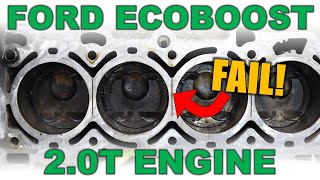
For the 2015-2019 Ford Edge, the P0300 code carries a unique and serious implication for models with the 2.0L EcoBoost engine. Ford has issued multiple Technical Service Bulletins (TSBs) acknowledging a design flaw where coolant can leak into the cylinders, causing misfires and eventually requiring a complete engine replacement. The issue is described as coolant intrusion due to corrosion on the engine block or a defect in the head gasket seal. While standard misfire causes like spark plugs and coils are still possible, the first suspicion on a 2015-2018 2.0L EcoBoost with a P0300 code should be this coolant intrusion issue, as confirmed by TSBs like #SSM 47204 and #TSB 19-2346.
Diagnostic Flowchart

Tap your situation to follow the diagnostic path that matches what you're seeing on this vehicle.
Symptoms You May Notice

- Rough or vibrating idle
- Hesitation or stumbling during acceleration
- Reduced engine power
- Flashing or solid Check Engine Light
- Poor fuel economy
- White or blue smoke from the exhaust, especially on 2.0L EcoBoost models on startup
- Noticeable fuel smell from the exhaust
- Sweet smell of coolant from the exhaust
- Gurgling or water rushing noise from behind the dashboard after starting
- Replacing only spark plugs or coils when the underlying issue on a 2.0L EcoBoost is coolant intrusion. This will not solve the problem and the misfire will return.
- Replacing oxygen sensors. While a faulty O2 sensor can affect fuel mixture, it's less likely to be the primary cause of a P0300 code compared to ignition system faults or the known coolant issue.
Most Likely Causes

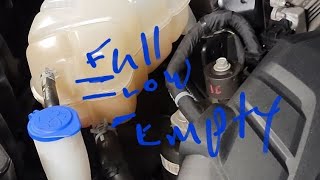
- Coolant Intrusion into Cylinders (2.0L EcoBoost Engine) 🔴 High Probability A known design flaw in the 2.0L EcoBoost engine block allows coolant to leak into the combustion chambers, causing misfires. The issue is specifically noted in 2015-2018 Edge models. This is documented in Ford TSBs #SSM 47204 and #TSB 19-2346. The root cause is 🎬 Watch a dealer tech diagnose this coolant loss and engine replacement. a design change in the engine block that creates a small passage for coolant to degrade the head gasket and leak into the cylinders.
How to confirm: Check for a dropping coolant level with no external leaks. A mechanic can perform a cooling system pressure test and use a borescope to look for coolant inside the cylinders. White exhaust smoke on startup is also a strong indicator.
Typical fix: The official Ford procedure is to replace the long block engine assembly.
Est. part cost: $2500-$4500 for a remanufactured long block. - Worn or Fouled Spark Plugs 🟡 Medium Probability Spark plugs are a standard wear item. Ford recommends replacement around 100,000 miles, but they can fail sooner, causing weak spark and misfires. This is a common cause across all engine options.
How to confirm: Remove and inspect the spark plugs for wear, carbon buildup, or oil/coolant fouling. A worn electrode or cracked insulator are clear signs of failure. On the 3.5L V6, the rear bank of plugs is difficult to access as it requires removing the intake manifold. 🎬 See how to access and change spark plugs on the V6.
Typical fix: Replace all spark plugs as a set. It's recommended to use OEM Motorcraft plugs.
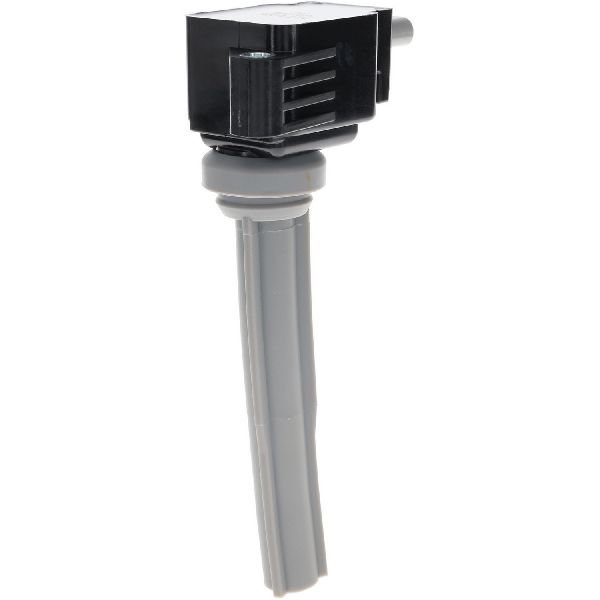
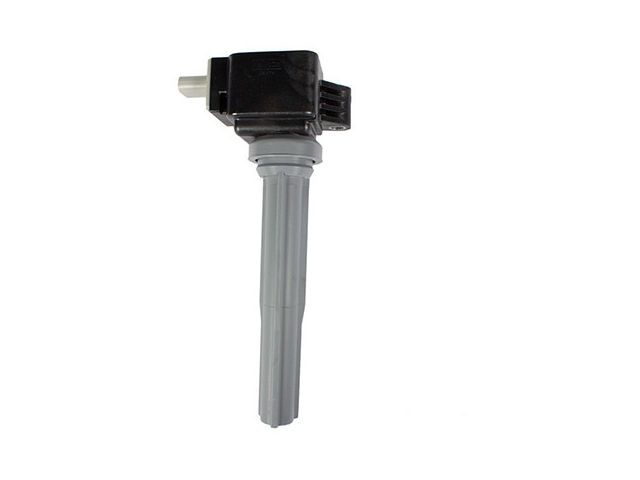
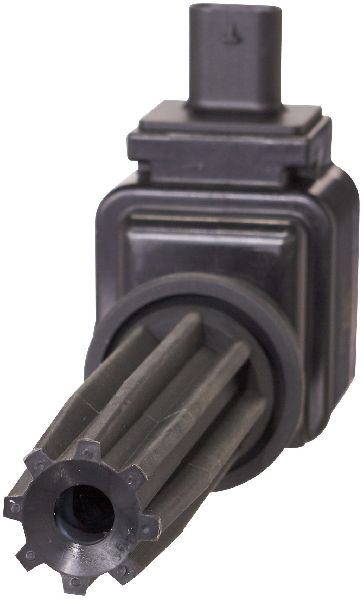
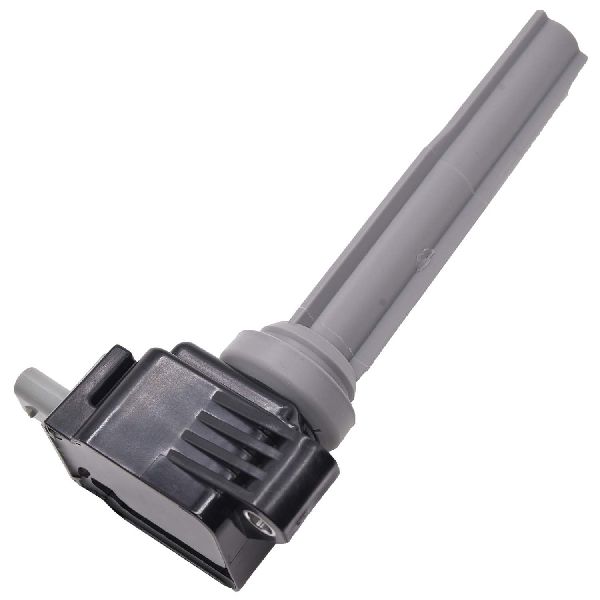
Est. part cost: $40-$120 for a full set. - Faulty Ignition Coils 🟡 Medium Probability Ignition coils can fail from heat and age, leading to a lack of spark. On V6 models, a failing coil can sometimes damage the PCM (engine computer).
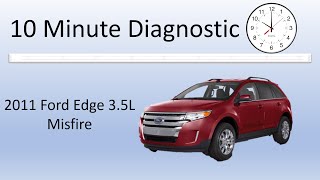
How to confirm: Using a scan tool with live data (Mode $06), identify which cylinders are misfiring. Swap the ignition coil from a misfiring cylinder with one from a good cylinder. If the misfire code (e.g., P0301) follows the coil to the new cylinder (e.g., becomes P0304 after swapping with 🎬 Watch this 10-minute diagnostic to find your specific misfiring cylinder. cylinder 4), the coil is bad.
Typical fix: Replace the faulty ignition coil. It is often recommended to replace all coils at once, especially on higher-mileage vehicles or when replacing spark plugs on the 3.5L V6 due to the labor involved.
Est. part cost: $40-$135 per coil. - Clogged or Faulty Fuel Injectors ⚪ Low Probability Fuel injectors can become clogged over time, disrupting the fuel spray pattern and causing a lean misfire. This can happen on any of the direct-injection EcoBoost or port-injection V6 engines.
How to confirm: A professional can perform a fuel injector balance test to check flow rates. Swapping injectors between cylinders (similar to coils) can also help diagnose, but is more labor-intensive, especially on the 3.5L V6.
Typical fix: Replace the faulty fuel injector. It's often recommended to replace them as a set.
Est. part cost: $50-$150 per injector
Rare But Worth Checking
- Vacuum Leak: A leak in a vacuum hose (like the PCV hose), intake manifold gasket, or brake booster line can introduce unmetered air, throwing off the air-fuel ratio and causing random misfires. A hissing sound at idle can be an indicator. A smoke test is the most effective way to find the source of a leak.
- Faulty Cylinder Head (2.7L EcoBoost Engine): On some 2.7L EcoBoost engines, issues with cylinder head valve guides can cause excessive oil consumption and misfires, as noted in TSB 19-2384 (for F-150, but relevant to the engine family). This may be accompanied by blue smoke from the exhaust after a hot restart.
- Faulty Powertrain Control Module (PCM): On V6 models, a bad ignition coil can short out and damage the PCM's coil driver circuit, causing a persistent misfire on one or more cylinders even after replacing the coil. This was a documented issue on a Ford Edge Forum thread where a user with a P0301 on a 3.5L V6 ultimately traced the issue to a bad PCM after replacing plugs, coils, and injectors. This usually requires PCM repair or replacement.
- High-Pressure Fuel Pump (HPFP) Failure (EcoBoost Engines): The 2.7L and other EcoBoost engines use a high-pressure fuel pump driven by the camshaft. Failure can lead to low fuel pressure (code P0087), hesitation, stalling, and random misfires.
- Faulty Canister Purge Valve: A canister purge valve that is stuck open can create a constant vacuum leak, leading to a lean air-fuel mixture and causing rough idling and random misfires. This may also be accompanied by EVAP system codes like P1450.
Diagnosis Steps
- Scan the PCM for any other stored trouble codes. Cylinder-specific codes (P0301-P0306) can help narrow the search.
- If driving a 2.0L EcoBoost, immediately check the coolant reservoir level. If it is low with no visible external leaks, suspect coolant intrusion.
- Inspect spark plugs for signs of wear, carbon tracking, or fouling from oil or coolant. Note that on the 3.5L V6, accessing the rear bank requires removing the upper intake manifold.
- Test the ignition system. Use a scan tool's power balance feature or swap ignition coils between cylinders to see if the misfire moves.
- If ignition and plugs are good, perform a cooling system pressure test, especially on 2.0L models. Hold pressure for at least an hour to see if it drops, indicating an internal leak.
- Use a borescope to visually inspect inside the cylinders for any signs of coolant pooling on the piston tops or an unusually clean, steam-cleaned appearance.
- If no coolant is found, investigate the fuel system. Check fuel pressure and listen to the injectors with a mechanic's stethoscope to ensure they are all clicking.
- Check for vacuum leaks by inspecting all hoses connected to the intake manifold for cracks or disconnections. A smoke test is the most reliable method to find hard-to-see leaks.
Parts You'll Likely Need
- Long Block Engine Assembly (2.0L EcoBoost) — This is the official Ford-recommended fix for the common coolant intrusion issue on 2.0L EcoBoost engines that causes P0300.
Trusted brands: Motorcraft (Ford OEM), Dahmer Powertrain, NuTech
OEM price range: $2600-$4500
Aftermarket price range: $2500-$4000 - Ignition Coil
(OEM #Motorcraft DG-562 (2.0L EcoBoost), Motorcraft W0133-1935153 (3.5L V6))— A primary cause of misfires on all engine variants due to age and heat exposure.
Trusted brands: Motorcraft, MSD, ACCEL
OEM price range: $50-$90
Aftermarket price range: $40-$135
Related Codes That Often Appear With This One
- P0301-P0306 — These are cylinder-specific misfire codes (e.g., P0301 is Cylinder 1 Misfire). They often accompany P0300, helping to narrow down which cylinders are problematic.
- P0316 — Misfire Detected on Startup (First 1000 Revolutions). This code is frequently cited alongside P0300 in Ford TSBs related to coolant intrusion and other misfire conditions.
- P1299, P0217 — Cylinder Head Over-Temperature Condition and Engine Over-Temperature Condition. These codes can appear with P0300 when coolant intrusion causes overheating issues.
- P0420 — Catalyst System Efficiency Below Threshold. This code can appear as a consequence of a persistent misfire, which allows unburnt fuel to enter and damage the catalytic converter.
Technical Service Bulletins (TSBs) & Recalls
- TSB 22-2229: Supersedes previous bulletins for the 2.0L EcoBoost coolant intrusion issue, confirming the fix is long block replacement.
- TSB 19-2346: An earlier bulletin also addressing the 2.0L EcoBoost coolant intrusion, listing affected vehicles and symptoms.
- SSM 47204: A Special Service Message from Ford acknowledging the 2.0L EcoBoost rough run condition due to coolant intrusion from block corrosion.
- TSB 19-2384: Details an oil consumption and misfire issue on 2.7L EcoBoost engines in the F-150 due to cylinder head valve guides, relevant to the Edge's 2.7L.
Platform-Specific Known Issues
- 2.0L EcoBoost Coolant Intrusion: Multiple TSBs (including TSB 19-2346 and TSB 22-2229) confirm that 2015-2018 Edge models are prone to coolant leaking into the cylinders. This is due to a flaw in the engine block design. Symptoms include coolant loss, white smoke, and rough running, often with codes P0300-P0304 and P0316. The only permanent fix is a long block replacement. Owners on fordedgeforum.com have shared experiences, with one user noting a sweet coolant smell and a $6100 quote for a long block replacement. Another user attempted to use K-Seal with temporary success in stopping a water noise and turning off the CEL, but coolant loss continued.
- 3.5L V6 PCM Failure: A forum member on fordedgeforum.com detailed a persistent P0301 misfire on a 2011 Edge (same engine family) that was not resolved by replacing the spark plug, ignition coil, or fuel injector. The issue was ultimately a faulty PCM, which was damaged by a failing coil.
- 2.7L EcoBoost Oil Consumption: While the TSB (19-2384) specifically lists the F-150, the 2.7L engine in the Edge can suffer from the same issue of worn valve guides leading to high oil consumption, blue exhaust smoke, and misfire codes including P0300.
Mechanic-Grade Diagnostic Values
- High-Pressure Fuel System Pressure (EcoBoost Engines) — expected: 65 to 2150 PSI, depending on engine load.. Failure: Pressure below 35 PSI at idle can indicate a failing high-pressure fuel pump (HPFP) or other fuel system issue.
- Ignition Coil Primary Resistance (General Ford) — expected: 0.7 ohms (example for a 3.5L V6 coil).. Failure: A reading significantly higher or lower than the specification for the specific coil indicates a faulty coil. Consistency across all coils is key.
- Mode $06 Misfire Count (All Engines) — expected: A raw count of misfire events per cylinder during a drive cycle, viewable with an advanced scan tool.. Failure: While a few counts can be normal, a cylinder with a significantly higher count than others points to the source of the misfire, even before a specific P030x code is set.
Hidden / Shadow Codes Worth Checking
- Mode $06, Test ID $53: Cylinder-specific misfire counts for the current and last 10 driving cycles on pre-CAN Ford vehicles. This allows a technician to see which cylinder is misfiring before a P0301-P0306 code is officially stored. (see via An advanced OBD-II scan tool capable of displaying Mode $06 data.)
Scan Tool Commands That Help
- Ford IDS (Integrated Diagnostic System): Power Balance Test — This function allows a technician to disable one cylinder at a time and observe the corresponding drop in engine RPM. A cylinder that shows little to no RPM drop when disabled is not contributing power, confirming it as the source of the misfire.
- Ford IDS (Integrated Diagnostic System): Relative Compression Test — This is a quick, non-invasive way to check for mechanical engine problems. The tool measures variations in cranking speed to infer differences in compression between cylinders. A cylinder with a significant variation indicates a potential compression loss (e.g., from a bad valve or piston ring) without needing a manual compression test.
Wiring & Ground Locations
- Engine Bay Grounds — On the front bumper support beam, accessible after removing the front bumper cover.. One of these ground points connects to the main wiring harness that routes to the Powertrain Control Module (PCM). A poor ground here can cause erratic behavior from the PCM and other engine sensors, potentially leading to misfire codes.
Real Owner Repair Stories
- Reddit user post (2017 Ford Edge SEL 3.5L V6, 117k miles) — Misfiring, Check Engine Light on.
❌ Tried (didn't work) Replaced crankshaft position sensor, Replaced all spark plugs
✅ What actually fixed it The user reported codes P0304, P0305, P0306 (all on Bank 2) along with P0300 and P0018. After replacing sensors and plugs didn't work, a forum member suggested the issue was likely a timing problem, as correlation codes (like P0018) are rarely caused by the sensors themselves but by the engine being physically out of time. The resolution pointed towards a timing chain service. - YouTube video by 'Auto Repair Guys' (2009 Ford Edge 3.5L (demonstrates a common issue applicable to the 2015-2019 3.5L)) — Persistent misfire on one or more cylinders, rough idle, vibration.
❌ Tried (didn't work) Replacing spark plugs, Replacing ignition coils
✅ What actually fixed it The video demonstrates that after replacing common ignition parts, the misfire remained. The root cause was a failed ignition coil driver circuit inside the Powertrain Control Module (PCM). A faulty ignition coil can short out and damage the corresponding driver in the computer. The fix was to have the PCM repaired or replaced.
Model Year Variations Within This Range
- 2015-2018: The 2.0L EcoBoost engines in these model years are most prone to the coolant intrusion issue due to a specific engine block design with a relief slit between the cylinders.
- 2019: For the 2019 model year, the Ford Edge received an updated 2.0L EcoBoost engine with a redesigned block that addressed the coolant intrusion pathway. While not completely immune, the failure rate is significantly lower than on 2015-2018 models.
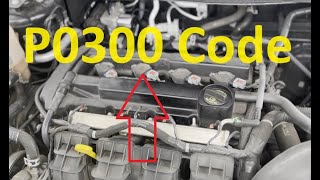
Helpful Videos
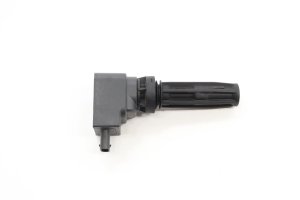
Used OEM Parts in Stock



New Aftermarket Parts Available

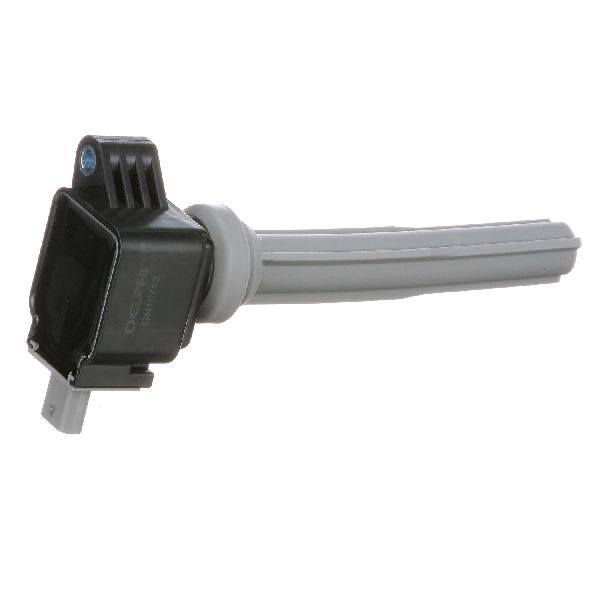

The information in this article is provided for general reference and educational purposes only. Vehicle specifications, procedures, and part compatibility can vary by production date, trim level, and region. Always consult your vehicle's factory service manual and verify part numbers before purchasing or performing repairs. Safety-critical components such as airbags, seat belts, and braking systems should be installed by a qualified professional.
- Ford EDGE:
- 🎬 Helpful Videos
- 🛍️ Shop This Part
- What's Unique About the 2015-2019 Ford EDGE
- Diagnostic Flowchart
- Symptoms You May Notice
- Most Likely Causes
- Rare But Worth Checking
- Diagnosis Steps
- Parts You'll Likely Need
- Related Codes That Often Appear With This One
- Technical Service Bulletins (TSBs) & Recalls
- Platform-Specific Known Issues
- Mechanic-Grade Diagnostic Values
- Hidden / Shadow Codes Worth Checking
- Scan Tool Commands That Help
- Wiring & Ground Locations
- Real Owner Repair Stories
- Model Year Variations Within This Range
- 🎟️ Get 5% Off