

P0300 on 2004-2008 Acura TL: Random Misfire Causes and Fixes
On a 2004-2008 Acura TL, code P0300 is most often caused by failing ignition coils or worn spark plugs. If those parts are good, a valve adjustment is the next most common fix, especially on engines over 100,000 miles. Clogged EGR passages are another known, though less frequent, cause. Expect to pay $60-$90 for a quality ignition coil and $12-$15 per spark plug.
- If your Check Engine Light is flashing, stop driving immediately to avoid catalytic converter damage.
- Start your diagnosis with the most common and affordable parts: inspect the spark plugs and test the ignition coils by swapping them.
- Always use the recommended NGK or Denso Iridium spark plugs for this engine.
- If the car has over 100,000 miles and the plugs/coils are good, a valve adjustment is a very likely and necessary fix for a persistent P0300 code.
- A single bad ignition coil can sometimes cause the computer to throw a P0300 code in addition to a specific cylinder code.
What's Unique About the 2004-2008 Acura TL

The Acura TL's J32A3 engine is generally reliable, but it has two well-documented quirks that often lead to a P0300 code on higher-mileage vehicles. First, the engine's valves are not self-adjusting; the exhaust valves in particular tend to tighten over time, which reduces compression and causes misfires, especially when the engine is cold. A valve adjustment is a required periodic maintenance item. Second, the Exhaust Gas Recirculation (EGR) passages inside the intake manifold are known to clog with carbon, which can disrupt airflow to certain cylinders and trigger random misfires. This is a common issue discussed by owners after ruling out the more basic ignition system faults.
Symptoms You May Notice
- Rough or shaky idle
- Engine hesitation or stumbling during acceleration
- Noticeable loss of power
- Flashing or solid Check Engine Light
- Reduced fuel economy
- Engine running rougher when cold, which may improve slightly as it warms up
- Triangle warning light and VSA (Vehicle Stability Assist) light may also illuminate
- Replacing only spark plugs when a valve adjustment is needed.
- Replacing fuel injectors when the issue is ignition-related.
- Assuming a bad catalytic converter is the cause, when it is actually the *result* of unaddressed misfires.
- Replacing the EGR valve itself when the passages inside the intake manifold are clogged.
Most Likely Causes

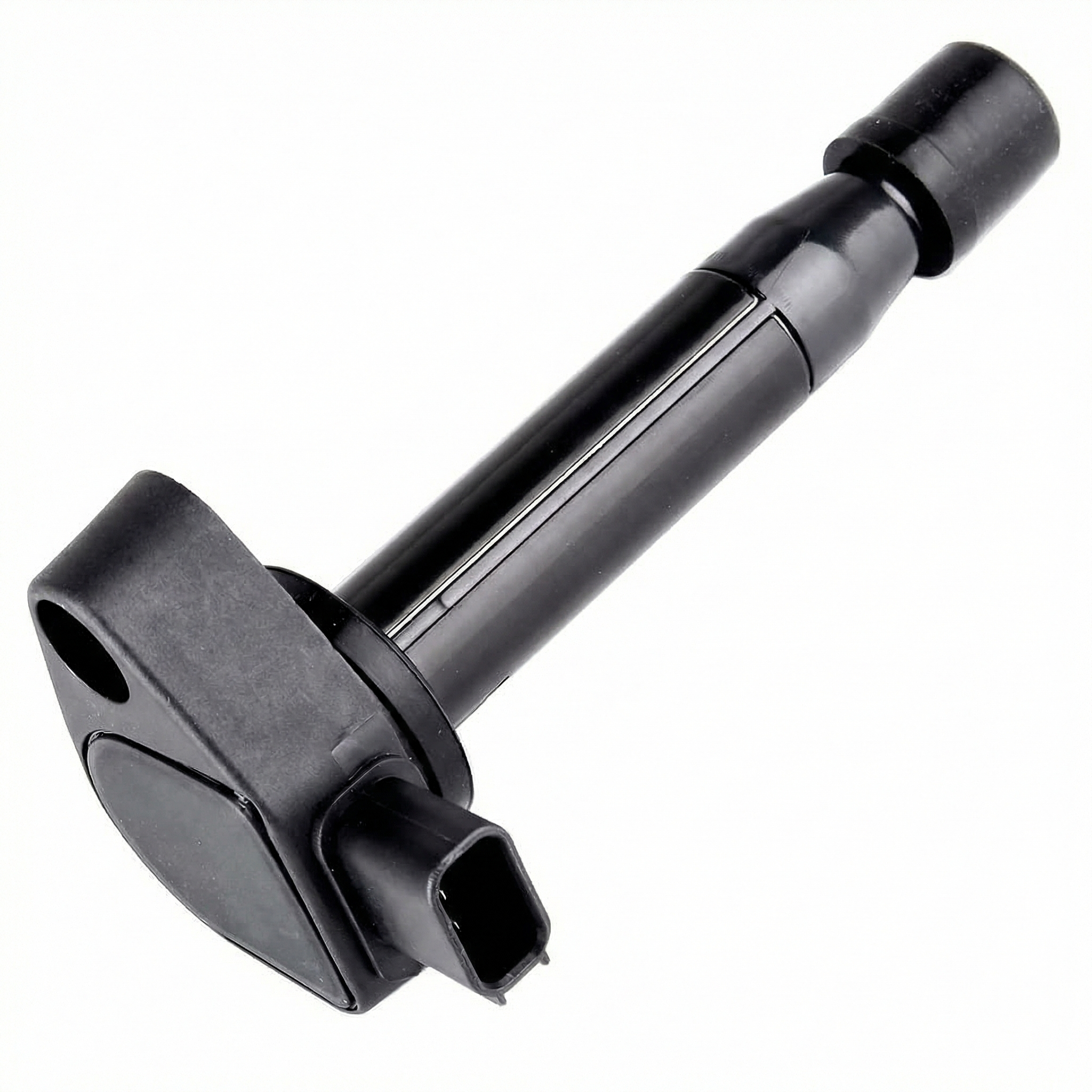
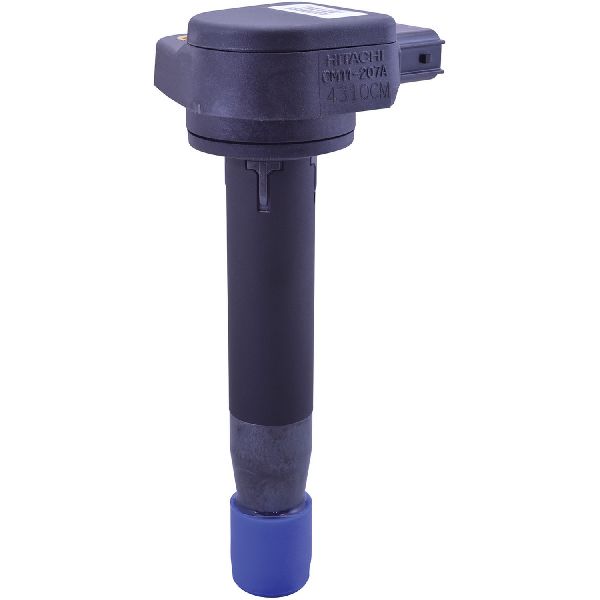
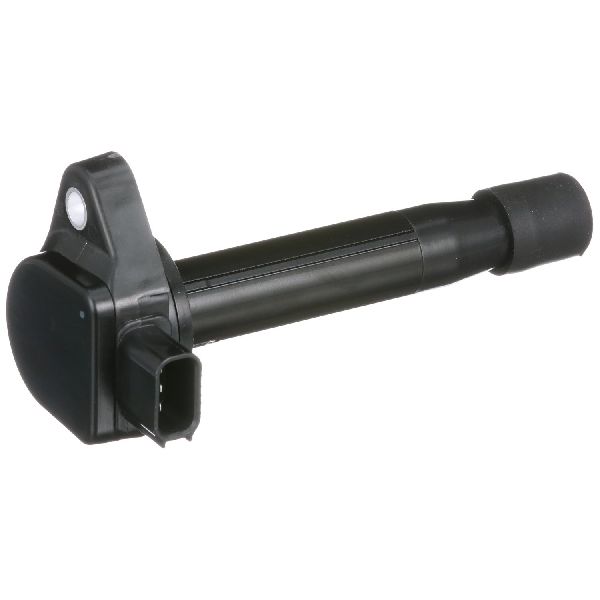
- Failing Ignition Coil(s) 🔴 High Probability The original Hitachi coil packs can fail after 100,000-150,000 miles. Even one completely dead coil can disrupt engine timing enough to cause a P0300 code along with a specific cylinder code. Owners on forums frequently report solving P0300 by replacing a single failed coil.
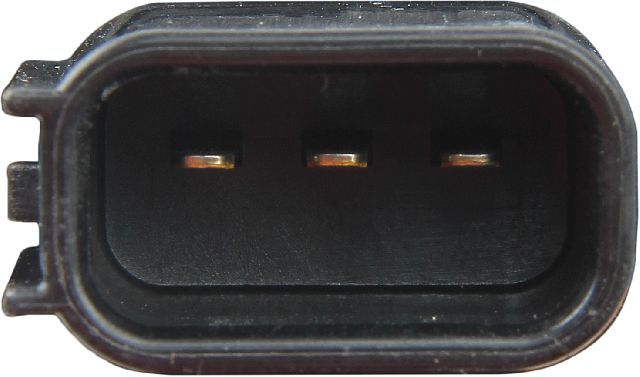
How to confirm: Use a scan tool with live data to see which cylinders are misfiring most. Swap the ignition coil from a misfiring cylinder with one from a cylinder that is firing correctly. Clear the codes and run the engine. If the misfire code 'follows' the coil to the new cylinder (e.g., a P0304 becomes a P0302 after swapping coils from cylinders 4 and 2), the coil is bad. A simpler method is to run the engine and unplug each coil one by one; the bad coil is the one that causes no change in the engine's idle when unplugged.
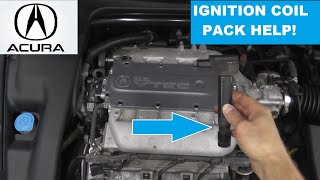
Typical fix: Replace the faulty ignition coil. 🎬 Watch: How to test and replace your ignition coil packs. It is common practice to replace just the failed coil. However, if the vehicle has high mileage and original coils, some owners choose to replace them all as a set to prevent future failures. An owner on YouTube reported a Duralast aftermarket coil was still working fine 7 years after installation.
Est. part cost: $60-$90 per coil - Worn or Fouled Spark Plugs 🔴 High Probability This is a standard maintenance item. The J32A3 engine requires specific Iridium-tipped plugs for its 105,000-mile service interval. Using incorrect plug types (e.g., standard copper or platinum) can lead to premature failure and misfires. Plugs can also become loose over time or develop hairline cracks in the porcelain that cause arcing under load.
How to confirm: Remove the spark plugs and inspect them. Look for heavy carbon buildup, oil fouling, or a worn-down electrode. The recommended service interval for the original plugs is around 105,000 miles. If they are old, are not the correct type, or have an incorrect gap, they should be replaced.
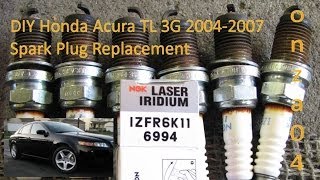
Typical fix: Replace all six spark plugs with the OEM-specified NGK (IZFR6K11) or Denso (SKJ20DR-M11) Iridium plugs. These plugs come pre-gapped and should not be adjusted, as doing so can damage the fine tip. Torque to 13 lb-ft. 🎬 See this step-by-step guide for replacing your spark plugs.
Est. part cost: $70-$100 for a set of six - Valve Clearance Out of Spec (Needs Valve Adjustment) 🟡 Medium Probability This is a known characteristic of the Honda J-series engine family. Over time, the exhaust valve clearances tighten, which prevents the valve from seating properly. This leads to a loss of compression and causes misfires, especially at idle and when the engine is cold. This is a very common topic on Acurazine for persistent misfires that aren't solved by plugs or coils.
How to confirm: This is typically diagnosed after spark plugs and ignition coils have been ruled out, especially on engines with over 100k miles. The procedure involves removing the valve covers and using a feeler gauge to measure the clearance between the rocker arms and valve stems on a cold engine. A compression test may also show low readings on one or more cylinders.
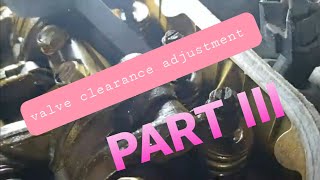
Typical fix: Perform a valve lash adjustment to bring the intake and exhaust valve clearances back into factory specification. This is a labor-intensive job that requires removing the intake plenum and valve covers and rotating the engine manually. 🎬 Watch this walkthrough on how to adjust your valve clearance. New valve cover gaskets and spark plug tube seals should be installed.
Est. part cost: $20-$40 for gaskets - Clogged EGR Passages ⚪ Low Probability Carbon from the exhaust gas recirculation system can build up inside the intake manifold, restricting airflow and causing a lean condition that leads to misfires. This is a well-documented issue on higher mileage J-series engines.
How to confirm: This is suspected if misfires continue after addressing ignition and valve clearance. The intake manifold must be removed to visually inspect and clean the EGR port and the individual passages leading to the cylinders. A rough idle is a primary symptom.
Typical fix: Remove the intake manifold and thoroughly clean the EGR passages and the main EGR port with carburetor cleaner, brushes, and picks. Replace intake manifold gaskets during reassembly.
Est. part cost: $30-$50 for gaskets
Rare But Worth Checking
- Weak Fuel Pump or Clogged Fuel Filter: If the engine is misfiring under load on all cylinders, low fuel pressure could be the cause. A fuel pressure test should be performed to confirm.
- Bent Valves from Mechanical Over-Rev: On models with a manual transmission, a missed downshift (e.g., 5th to 2nd instead of 5th to 4th) can force the engine to spin far beyond its redline, causing pistons to strike valves. This results in catastrophic engine damage and persistent misfires that will not be fixed by simple tune-up parts.
- Faulty or Clogged Fuel Injectors: While less common than ignition issues, a clogged or failing fuel injector can cause misfires. One owner on Acurazine fixed a persistent P0300-P0306 by having the injectors and fuel rail professionally cleaned after replacing plugs and coils didn't work.
Diagnosis Steps

- Read the trouble codes with an OBD-II scanner. Note all codes present, especially any specific cylinder misfire codes (P0301-P0306).
- Use the scanner's live data function to monitor misfire counts for each cylinder. This will help identify the primary offending cylinders.
- Inspect and replace spark plugs if they are old, fouled, or not OEM-spec. The correct plugs are NGK (IZFR6K11, stock #6994) or Denso (SKJ20DR-M11). Ensure they are torqued to 13 lb-ft.
- Test the ignition coils. Swap the coil from a heavily misfiring cylinder with one from a good cylinder. If the misfire code follows the coil, replace the faulty coil. Alternatively, unplug coils one by one with the engine running; a bad coil will cause no change in idle.
- If plugs and coils are confirmed good and the engine has over 100,000 miles, a valve adjustment is the next most likely solution. This is a common fix discussed on forums like Acurazine.
- Check for vacuum leaks using a smoke machine or by carefully inspecting all vacuum hoses. Leaks in the intake manifold gasket or other hoses can cause a lean condition and misfires. Pay special attention to the intake manifold itself, as cracks can develop.
- If misfires persist, consider cleaning the EGR passages inside the intake manifold.
- As a final step, perform a fuel pressure test to rule out a weak fuel pump and a compression/leak-down test to check for internal engine mechanical problems.
Parts You'll Likely Need
- Ignition Coil
(OEM #30520-RCA-A02)— This is the most common failure part for a P0300 code on this vehicle. The original coils degrade over time and cause misfires. This part number supersedes 30520-RCA-A01.
Trusted brands: Hitachi (OEM), Denso, NGK, Duralast
OEM price range: $80-$100
Aftermarket price range: $50-$80 - Laser Iridium Spark Plug
(OEM #NGK IZFR6K11 (Stock #6994))— Worn spark plugs are a primary cause of misfires. Using the correct long-life iridium plug is critical for performance and longevity.
Trusted brands: NGK (OEM), Denso (OEM)
OEM price range: $12-$18 per plug
Aftermarket price range: $10-$15 per plug - Valve Cover Gasket Kit — Required when performing a valve adjustment. The kit should include the main valve cover gaskets, spark plug tube seals, and bolt grommets.
Trusted brands: Acura (OEM), Fel-Pro, Mahle
OEM price range: $50-$70
Aftermarket price range: $25-$45
Related Codes That Often Appear With This One
- P0301, P0302, P0303, P0304, P0305, P0306 — P0300 is a general code for random misfires. It is often accompanied by one or more of these specific cylinder misfire codes, which can help you identify which cylinders are most affected.
- P0420, P0430 — These codes indicate 'Catalyst System Efficiency Below Threshold.' They appear when a long-term misfire has allowed unburnt fuel to enter the exhaust, overheating and damaging the catalytic converters.
- P1399 — This is a manufacturer-specific code often seen on Hondas and Acuras for 'Random Misfire.' It frequently appears alongside the P0300-P0306 codes and points to the same set of potential causes.
Technical Service Bulletins (TSBs) & Recalls
- While no specific TSB for P0300 on the 2004-2008 TL was found, TSB 00-004 for the earlier 1999 3.2L engine details issues with EGR port clogging, a problem known to affect the 2004-2008 model as well.
- Manufacturer TSB Bulletin #B23-010 notes that under certain circumstances, Acura vehicles may experience driveability concerns resulting in DTCs P0300, P0301, P0302, and P0303.
- Manufacturer TSB Bulletin #BTI&08252021901 indicates that the manufacturer has investigated V6 models with client complaints of the Malfunction Indicator Light (MIL) on with misfire DTCs P0300-P0306 stored to better understand the cause.
- Manufacturer TSB Bulletin #BPAS04242017901 describes an investigation into vehicles where the MIL is on with DTCs P0300, P0301, P0302, and P0303.
Platform-Specific Known Issues

- A valve adjustment is a required maintenance item on the J32A3 engine, typically performed around the 105,000-mile service with the timing belt. Failure to adjust the valves, especially tight exhaust valves, is a very common cause of misfires on higher-mileage examples.
- The intake manifold design can lead to carbon buildup that clogs the EGR passages, causing a rough idle and misfires that are not fixed by ignition parts.
Mechanic-Grade Diagnostic Values
- Valve Clearance (Lash) on a cold engine — expected: Intake: 0.20mm – 0.24mm (0.008" – 0.009"). Exhaust: 0.28mm – 0.32mm (0.011" – 0.013"). Failure: Clearance below the minimum spec, especially on exhaust valves, indicates tightening that can cause misfires. Excessive clearance will cause a ticking noise.
- Fuel Pressure — expected: Approximately 47-54 psi (based on regulator spec, though service manual should be definitive). Failure: Pressure that drops significantly under load can indicate a weak fuel pump, causing lean misfires across all cylinders.
- Scan Tool Live Data: Misfire Counter — expected: Zero or near-zero misfires on all cylinders at idle and under load.. Failure: A rapidly increasing count on one or more specific cylinders points directly to the problem area(s).
- Scan Tool Live Data (HDS): CYL CRANK SPEED — expected: Relatively consistent values across all cylinders.. Failure: A value that is significantly different from other cylinders indicates a change in combustion pressure for that cylinder, signaling a misfire.
Hidden / Shadow Codes Worth Checking
- P1399: Manufacturer-specific code for 'Random Misfire'. It does not point to a different problem than P0300 but reinforces the diagnosis. It is very commonly seen with the P030x codes on this platform. (see via Most standard OBD-II scanners will display this code if present.)
Scan Tool Commands That Help
- Honda Diagnostic System (HDS) or equivalent high-level scanner: CKP Pattern Clear — This function should be used after repairing a misfire condition or replacing the CKP sensor. It erases the learned crankshaft position sensor pattern from the PCM, forcing it to relearn. This can resolve issues where the PCM is incorrectly detecting misfires based on old data.
- Honda Diagnostic System (HDS): On-Board Snapshot — When diagnosing an intermittent misfire, this function allows a technician to view the engine conditions (RPM, load, temperature, etc.) that were present at the exact moment the first misfire was detected. This is invaluable for recreating the fault.
- Any scanner with live data: Cylinder Power / Misfire Count — This is the primary tool for isolating a misfire. After swapping a suspected bad coil with a known good one, monitoring the misfire count will confirm if the fault 'moved' with the coil, definitively identifying the bad part.
Real Owner Repair Stories
- Reddit user on r/AcuraTL (2004 Acura TL, 138,000 miles) — Severe shaking, codes P0300, P0302, P0303, P0304, P0305.
❌ Tried (didn't work) Replacing all spark plugs, Swapping coil packs to different cylinders (was not conclusive at first)
✅ What actually fixed it Unplugging ignition coils one-by-one while the engine was running revealed that unplugging cylinder 6 caused no change in idle. Replacing the single ignition coil on cylinder 6 resolved all issues. - Acurazine forum user 'daigo3d' (2000 Acura 3.2TL (similar J-series engine), 123,000 miles) — Misfire codes on cylinders 2, 3, 5, & 6.
❌ Tried (didn't work) Swapping fuel injectors, Checking EGR valve
✅ What actually fixed it A valve adjustment fixed the misfires on cylinders 3 & 6, but 2 & 5 remained. The key finding was that a single bad coil was causing codes for two cylinders. After moving the coil from #2 to #6, the misfire codes changed to #6 and #1. Replacing that one faulty coil fixed the problem. - Acurazine forum user 'sistom' (2G Acura TL (similar J-series engine)) — Persistent P0300-P0306 and P1399, skipping and sluggish driving.
❌ Tried (didn't work) Replacing all spark plugs, Replacing front and rear O2 sensors, Replacing EGR valve, Replacing fuel pump, Replacing the ECU/PCM with a used one
✅ What actually fixed it The final fix was clogged fuel injectors and contaminated fuel rail. A shop removed the screens from the injectors, cleaned them thoroughly, and cleaned the fuel rail. This resolved the persistent misfires. - Acurazine forum user 'Acuratl04' (2004 Acura TL 5AT, 198,000 miles) — Misfires on all cylinders except #6, but only at high RPM.
❌ Tried (didn't work) Replacing all 6 ignition coils with OEM parts, Replacing all 6 spark plugs with OEM parts, Performing a valve adjustment, Cleaning the EGR system
✅ What actually fixed it Owner found a Technical Service Bulletin (TSB) describing the exact issue. The prescribed fix was to update the ECM/PCM software using the Honda Diagnostic System (HDS). - NHTSA ODI #11338646 describes an owner who pulled codes P0300, P0301, and P0304 from the OBDII system, which were identified as misfires of the ignition system.
- NHTSA ODI #11543022 reports an instance where codes P0300, P0301, and P0304 were presented to a dealership service department after the vehicle experienced issues during a heavy downpour.
"I Checked Everything" — The Actual Cause
- While not a smoke test story, an owner discovered a physical crack in the plastic intake manifold that was causing a hissing vacuum leak. This type of leak might be missed during a standard smoke test if the crack is in an unusual location or only opens under specific thermal conditions. The temporary fix was JB Weld.
OEM Part Supersession History
30520-RCA-A01→30520-RCA-A02— Standard part revision and improvement by the manufacturer.30520-RCA-A02→30520-RCA-S01— Further part revision by the manufacturer.
Heads up: These parts are generally interchangeable for the specified model years.
Model Year Variations Within This Range
- 2007-2008: The intake manifold on the J32A3 engine was changed from cast aluminum (2004-2006) to magnesium (2007-2008). While functionally similar, this could affect repair procedures or part compatibility.
- 2007-2008: The wiring harnesses between 2004-2006 and 2007-2008 models are significantly different. This is a critical consideration for anyone attempting an engine, transmission, or major component swap between the year groups.
- 2007-2008: The base model suspension was softened for a more comfortable ride compared to the 2004-2006 models. This is unrelated to the P0300 code but is a key model year difference.
Diagnostic Flowchart
Other Known Issues on This Vehicle
Issues unrelated to this code that are worth knowing about as an owner of this generation:
- Automatic Transmission Failure (2004-2006) 🔴 High — Very common on 2004-2006 models. The 2007-2008 models received an updated transmission (from the RL) that is significantly more reliable. Failure can occur from 50k-150k miles.
- Cracked Dashboard 🟠 Medium — Extremely common across all years. Cracks often appear around the passenger airbag and vents due to sun exposure and material defects.
- HandsFreeLink (HFL) Bluetooth Module Failure 🟡 Low — Widespread issue where the HFL module fails to shut down, causing a parasitic battery drain that kills the battery overnight.
- Torn/Cracked Lower Control Arm Compliance Bushings 🟠 Medium — A very common wear item. The rubber bushings tear, causing clunking noises, poor alignment, and abnormal tire wear. Failure can occur as early as 40,000 miles.
- Power Steering Pump Whine / Leaks 🟡 Low — Common issue where air enters the system due to a failing O-ring on the pump inlet, causing a whining noise, especially when cold. Hoses are also known to leak.
Used vs. New Parts: Buying Guide for This Vehicle
When a used part is the smart pick: Used parts can be a cost-effective option for major structural components that rarely fail, such as an intake manifold (if cracked) or a complete cylinder head. They can also be sourced for electronic modules like the PCM, but require professional programming.
Donor-vehicle mileage cap: roughly under 80000 miles for the part to have meaningful remaining life.
What to inspect on the donor part:
- For ignition coils, inspect the plastic housing for cracks and the rubber boot for tears or brittleness.
- For an intake manifold, check for any visible cracks, especially around mounting points and vacuum ports.
- Always ask for the mileage of the donor vehicle; lower is always better.
- Prefer parts from regions without heavy road salt usage to minimize corrosion on electrical connectors.
OEM-only on this vehicle (don't cheap out):
- Spark Plugs: Must be the specified NGK or Denso Iridium plugs to ensure proper performance and service life.
- PCV Valve: This is an inexpensive but critical emissions component; an OEM part ensures correct flow rates.
- Sensors (e.g., CKP, CMP): While some aftermarket sensors work, OEM is the safest bet to avoid compatibility issues and 'ghost' codes.
Aftermarket brands forum-validated for this vehicle:
- Ignition Coils: Denso (often the OEM supplier), NGK, and Hitachi are highly regarded. Duralast has been reported by owners to be a reliable budget-friendly option.
- Gaskets: Fel-Pro and Mahle are reputable aftermarket brands for valve cover and intake gaskets.
Brands owners have reported issues with on this vehicle:
- Unbranded/white-box ignition coils and sensors from online marketplaces are a gamble and a frequent source of unresolved issues.
Real Owner Stories
Aggregated from forums and TSBs cited above. Mileages and costs reflect what owners reported in those sources.
2004 Acura TL 3.2L V6
Symptoms: Multiple P030x codes and a P0300 random misfire code.
What fixed it: Identified and replaced a dead ignition coil on cylinder 6.
Source hint: Reddit r/AcuraTL: 2004 P0300, Random/Multiple Cylinder Misfire (SOLVED)
2004-2008 Acura TL 3.2L V6 — ~125000 miles
Symptoms: Random engine misfire (P0300).
What fixed it: Identified a bad coil on the front bank using the 'unplug' method and replaced it with a Duralast coil.
Source hint: Acurazine: P0300, random engine misfire fixed :)
2004-2008 Acura TL 3.2L V6
Symptoms: Intermittent P0300 and related codes.
What fixed it: Replaced spark plugs, all 6 ignition coils, and eventually all 6 fuel injectors.
Source hint: Acurazine: Intermittent P0300 and related codes
Related OBD-II Codes
Frequently Asked Questions
Which specific spark plugs should I use for my 2004-2008 Acura TL 3.2L?
Does TSB 00-004 apply to my 3rd Generation Acura TL?
My TL has a flashing Check Engine Light and the VSA light is on. Is this related to P0300?
I've replaced my plugs and coils but still have a misfire when the engine is cold. What else could it be?
Can I use standard copper or platinum spark plugs to save money?
Is it necessary to replace all six ignition coils if only one is bad?
Helpful Videos
Used OEM Parts in Stock
New Aftermarket Parts Available


The information in this article is provided for general reference and educational purposes only. Vehicle specifications, procedures, and part compatibility can vary by production date, trim level, and region. Always consult your vehicle's factory service manual and verify part numbers before purchasing or performing repairs. Safety-critical components such as airbags, seat belts, and braking systems should be installed by a qualified professional.
- Acura TL:
- 🎬 Helpful Videos
- 🛍️ Shop This Part
- What's Unique About the 2004-2008 Acura TL
- Symptoms You May Notice
- Most Likely Causes
- Rare But Worth Checking
- Diagnosis Steps
- Parts You'll Likely Need
- Related Codes That Often Appear With This One
- Technical Service Bulletins (TSBs) & Recalls
- Platform-Specific Known Issues
- Mechanic-Grade Diagnostic Values
- Hidden / Shadow Codes Worth Checking
- Scan Tool Commands That Help
- Real Owner Repair Stories
- "I Checked Everything" — The Actual Cause
- OEM Part Supersession History
- Model Year Variations Within This Range
- Diagnostic Flowchart
- Other Known Issues on This Vehicle
- Used vs. New Parts: Buying Guide for This Vehicle
- Real Owner Stories
- 2004 Acura TL 3.2L V6
- 2004-2008 Acura TL 3.2L V6 — ~125000 miles
- 2004-2008 Acura TL 3.2L V6
- Related OBD-II Codes
- Frequently Asked Questions
- 🎟️ Get 5% Off