

P0234 on 2012-2020 Chevrolet Sonic 1.4L Turbo: Engine Overboost Causes and Fixes
On a 2012-2020 Chevy Sonic 1.4L, code P0234 is almost always caused by a faulty external turbo component, not the turbo itself. The most likely culprits are a bad wastegate control solenoid, a failed wastegate actuator, or a simple vacuum hose leak. These are common failures across all vehicles with the 1.4L LUJ/LUV engine. Expect to spend $50-$150 on parts for a DIY repair.
- Do NOT immediately assume you need a new turbo. The problem is most likely a cheaper external part.
- Start your diagnosis by inspecting the vacuum hoses and the plastic ports on the wastegate control solenoid; these are the most common and easiest-to-spot failures.
- Test the wastegate actuator with a hand vacuum pump to ensure it moves smoothly and holds vacuum.
- If you experience both P0234 (overboost) and P0299 (underboost) codes, the problem is almost certainly a sticking or intermittently failing control component, not the turbocharger itself.
- If you live in a very cold climate, be aware that system icing can be a potential cause during winter months.
What's Unique About the 2012-2020 Chevrolet Sonic
The 1.4L turbocharged engine (RPO codes LUJ and LUV) used in the Sonic and other GM vehicles is notorious for issues with its external boost control components. General Motors released Technical Service Bulletin (TSB) PIP5495 specifically to address P0234 (Overboost) and P0299 (Underboost) codes. The bulletin warns technicians that the entire turbocharger assembly is often replaced unnecessarily when the actual fault is a much cheaper part like the wastegate control solenoid, actuator, or a cracked vacuum hose. Always diagnose these external parts first before condemning the expensive turbocharger.
Symptoms You May Notice
- Check Engine Light is on
- Reduced engine power or "limp mode"
- Noticeable loss of acceleration, especially when climbing hills or at highway speeds (>65mph).
- Audible 'whoosh', whining, or siren-like sounds from the engine bay during acceleration.
- Hesitation on acceleration.
- In some cases, the engine may run normally until high boost is requested, then suddenly lose power.
- Engine RPMs surging to high levels (e.g., 5,000+) without a corresponding increase in speed.
- Replacing the entire turbocharger assembly before thoroughly testing the wastegate solenoid, actuator, and vacuum lines. GM TSB PIP5495 explicitly warns against this.
- Replacing the MAP sensor when the fault lies within the mechanical or vacuum-based control system. One owner on a Reddit forum replaced the sensor, only for the code to return a week later.
Most Likely Causes
- Faulty Turbocharger Wastegate Solenoid (Boost Control Solenoid) 🔴 High Probability The plastic nipples for the vacuum lines on the original solenoid are known to become brittle and break, causing a major vacuum leak. The solenoid can also fail internally, causing it to stick open or closed. In cold climates, moisture can freeze inside the valve, causing it to stick, a problem noted in TSB PIP5812C and 22-NA-067.
How to confirm: Visually inspect the solenoid's ports for cracks or breakage. With the engine running, you may hear a hissing sound. You can test the solenoid's function with a vacuum pump and a 12V power source to see if it correctly holds and releases vacuum when energized.
Typical fix: Replace the wastegate control solenoid and attached vacuum lines. This is a common DIY repair.
Est. part cost: $40-$110 - Sticking or Failed Wastegate Actuator 🔴 High Probability The internal rubber diaphragm can tear, preventing it from holding vacuum and properly actuating the wastegate. The linkage rod is also exposed to the elements and can rust or bind, preventing smooth movement.
How to confirm: With the engine off, disconnect the vacuum line and apply vacuum with a hand pump. The actuator arm should move smoothly and hold vacuum without leaking down. If it doesn't move or leaks down, it has failed. Also, manually check that the actuator arm and wastegate linkage move without binding.
Typical fix: Replace the wastegate actuator. This involves removing a retaining clip and two nuts, then adjusting the new actuator's rod length. Aftermarket billet actuators are available which claim increased durability.
Est. part cost: $55-$120 - Cracked, Broken, or Clogged Vacuum Hoses 🟡 Medium Probability The vacuum hoses that connect the intake manifold, wastegate solenoid, and wastegate actuator are exposed to high engine bay temperatures, causing them to become brittle and crack over time. A torn hose was the confirmed fix for one owner on Reddit.
How to confirm: Visually inspect all vacuum lines connected to the turbo control system for obvious cracks, splits, or loose connections. A smoke test can also be used to find small, hard-to-see leaks. Pay close attention to the hose between the solenoid and the actuator.
Typical fix: Replace the damaged section of vacuum hose. Often, a new solenoid will come with new hoses. This is a very inexpensive and simple fix.
Est. part cost: $10-$30 - Failed PCV System Check Valve (in Intake Manifold) 🟡 Medium Probability This engine has a well-documented issue where a small, orange non-return check valve inside the intake manifold fails or dislodges. This allows boost pressure to enter the crankcase, which can disrupt the vacuum supply for the turbo control system and cause a host of other issues, including P1101 and P0171.
How to confirm: A key symptom is finding boost pressure in the crankcase (e.g., by removing the oil cap while the engine is running and feeling for pressure). You can also visually inspect for the presence of the orange check valve by removing a PCV hose from the top of the intake manifold.
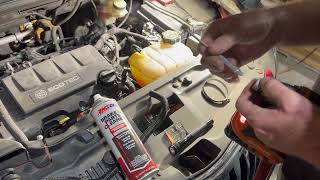
Typical fix: The official fix is to replace the entire intake manifold. Aftermarket solutions exist, such as the ZZP PCV Upgrade Kit 🎬 Watch: How to install an aftermarket PCV fix kit, which bypasses the stock system entirely.
Est. part cost: $150-$350
Rare But Worth Checking
- Sticking Internal Turbocharger Wastegate: If all external control components (solenoid, actuator, hoses) and sensors test correctly, the wastegate valve inside the turbocharger's exhaust housing may be sticking due to carbon buildup. This is a mechanical failure of the turbo itself and would require turbocharger replacement.
- Restricted Exhaust System: A clogged catalytic converter or a crushed exhaust pipe can increase exhaust backpressure, preventing the wastegate from bleeding off boost effectively. This is usually accompanied by a severe loss of power and potentially a P0420 code.
- System Icing in Extreme Cold: Per TSB 22-NA-067, in temperatures below 0°F (-18°C), ice can form in the PCV system, charge air cooler (CAC), or the wastegate bypass valve, leading to P0234 and other drivability issues like P0299 and P2261. The fix may involve cleaning ice/sludge and potentially replacing the intake manifold.
Diagnosis Steps
- Scan for other DTCs. Address any codes for the MAP sensor, MAF sensor, or PCV system (like P0171, P1101) first, as they can cause a false P0234.
- Perform a thorough visual inspection of the turbocharger area. Look for broken plastic ports on the wastegate solenoid and cracked, disconnected, or brittle vacuum lines.
- With the engine off and cool, manually check the wastegate actuator arm for free movement. It should move smoothly without binding or sticking. You should be able to move it with your fingers.
- Test the wastegate actuator. Disconnect its vacuum hose and connect a hand vacuum pump. The actuator arm should begin to move at around 3-5 inHg and be fully extended by 15-20 inHg. It must hold this vacuum without leaking down. If it fails, replace the actuator.
- Test the wastegate control solenoid. Check for power and ground at the connector. You can also apply 12V to its pins to listen for a 'click', though this doesn't guarantee it isn't sticking internally. A more thorough test involves a vacuum gauge to confirm it holds and releases vacuum correctly when activated.
- If a scan tool is available, monitor live data for Commanded Boost Pressure vs. Actual Boost Pressure while driving. If the actual pressure significantly exceeds the commanded pressure (e.g., by >4 psi), it confirms the overboost condition.
- Check the PCV system. Remove the PCV hose from the intake manifold and look inside the port for the small orange check valve. If it is missing, the intake manifold needs to be replaced or an aftermarket fix installed.
- If all external components test correctly, the issue may be an internally sticking wastegate valve within the turbocharger, which would require turbo replacement.
Parts You'll Likely Need
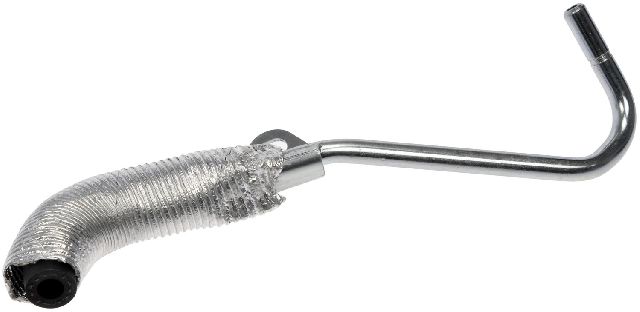
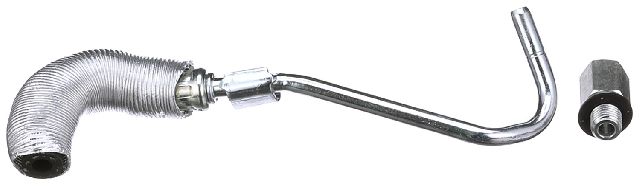
- Turbocharger Boost Control Solenoid (Wastegate Solenoid)
(OEM #55574902)— This is one of the most common failure points. The plastic vacuum ports are fragile and break easily, and internal failure is common.
Related Codes That Often Appear With This One
- P0299 — Turbocharger Underboost. Seeing both P0234 and P0299 intermittently often points to a sticking or failing control component, like the wastegate solenoid or actuator, rather than a permanent failure. TSBs PIP5495 and 22-NA-067 both mention this code pairing.
- P1101 — MAF Sensor Out of Self-Test Range. A significant vacuum leak or incorrect boost level causes airflow readings that the ECM considers implausible. This code on the 1.4L engine is very frequently caused by a failed PCV system.
- P0171 — System Too Lean. A vacuum leak in one of the turbo control hoses can introduce unmetered air into the engine, causing a lean fuel mixture. This is also a primary symptom of the common PCV system failure.
Technical Service Bulletins (TSBs) & Recalls
- PIP5495 (B/L/N/P): Check Engine Light On With P0299 Or P0234 - Warns against misdiagnosis and unnecessary turbocharger replacement, pointing to common failures in the boost control system components.
- Bulletin #PIP5495N: Details how technicians may find DTCs P0299 or P0234 set and provides a list of causes for misdiagnosis that lead to turbochargers being returned with no trouble found.
- 22-NA-067: Poor Engine Performance in Extremely Cold Weather Conditions - Details how icing in the PCV and intake system can cause P0234 and other codes.
Platform-Specific Known Issues
- GM TSB PIP5495 specifically warns against misdiagnosing P0234 and unnecessarily replacing the turbocharger. It points to failures of the solenoid, actuator, and hoses as the most common causes.
- Manufacturer TSB #PIP5495N provides information to technicians regarding vehicles with a Malfunction Indicator Lamp on due to P0234, aiming to prevent the unnecessary replacement of functional turbochargers.
- GM TSB 22-NA-067 notes that in extreme cold weather (below 0°F/-18°C), icing in the PCV system and charge air cooler can cause P0234 and other performance issues.
Mechanic-Grade Diagnostic Values
- Wastegate Actuator Vacuum Test — expected: Arm begins to move at 3-5 inHg and is fully extended by 15-20 inHg. Must hold vacuum without leaking down.. Failure: Actuator arm does not move, moves at the wrong vacuum level, or the applied vacuum leaks down.
- MAP Sensor Voltage (Key On, Engine Off) — expected: ~4.5V, should match the Barometric Pressure (BARO) sensor reading.. Failure: Voltage is significantly different or does not correlate with the BARO reading.
- MAP Sensor Voltage (Engine at Idle) — expected: 1.0 - 2.0V. Failure: Voltage is outside of this range at a steady idle.
- Desired vs. Actual Boost Pressure (Scan Tool Live Data) — expected: Actual boost should closely track desired boost.. Failure: A consistent difference of more than 14 kPa (2 PSI) between actual and desired boost.
Scan Tool Commands That Help
- GDS2 (GM Dealer Tool): Turbocharger Boost Control Solenoid Valve Test — Use this bidirectional control to command the solenoid's duty cycle (typically from 5-95%) and listen for audible clicks or test vacuum flow to verify it is functioning mechanically and electrically. This is a primary step before replacing the solenoid.
- GDS2 (GM Dealer Tool): Induction Data List Graphing — As outlined in TSB PIP5495B, this function is used to graph Desired vs. Actual boost pressure during a wide-open throttle acceleration test to definitively confirm a mechanical overboost or underboost condition.
Wiring & Ground Locations
- G105 — Located on the frame rail, directly under the battery tray, to the left of the underhood fuse block.. This is a major engine compartment ground. A loose or corroded connection here, often due to paint or weld slag from the factory, can cause erratic behavior from multiple sensors and modules, including the ECM which controls the turbo system. TSB PIC5574A specifically calls out inspecting this ground for intermittent no-start and communication issues.
- G106 — Located on the lower left rear of the engine block.. This is a primary engine block ground point. A poor connection here can affect sensor readings that rely on a clean ground reference to the block.
- ECM Connector X1, Pin 19 — At the Engine Control Module (ECM), which is located on the driver's side of the engine bay, near the firewall.. This pin provides the 5V reference signal to the Turbo Boost Pressure Sensor. A wiring issue here could cause an incorrect signal and a false P0234 code.
- ECM Connector X1, Pin 18 — At the Engine Control Module (ECM).. This is the signal wire from the Turbo Boost Pressure Sensor to the ECM. A fault on this circuit would directly impact the reading the ECM uses to set this code.
Real Owner Repair Stories
- Reddit user on r/cruze (2014 Chevrolet Cruze 1.4L Turbo) — P0234 code triggered for the third time.
❌ Tried (didn't work) Replaced the MAP sensor. The code returned after one week., Replaced the wastegate solenoid. The code returned after 3+ months.
✅ What actually fixed it The user tested the wastegate actuator and confirmed it was moving at the correct PSI and that the wastegate arm was not stuck. The thread ends without a final confirmed fix, highlighting the difficulty of diagnosis even after replacing common parts. The next logical step suggested by another user was to inspect the vacuum hose between the solenoid and actuator for clogs or collapse.
OEM Part Supersession History
Not specified, but early designs were prone to failure.→55574902 (GM Genuine Part)— This is the current, widely available OEM part number for the Turbocharger Boost Control Solenoid (also called Charge Air Bypass Regulator Solenoid). GM regularly updates part designs to integrate new materials and technologies.
Model Year Variations Within This Range
- 2010-2020: The 1.4L engine came in two main variants, LUJ and LUV. While mechanically very similar for this repair, they were produced from 2010-2020. There are no significant documented changes within the 2012-2020 Sonic range that would alter the diagnosis for P0234, but TSBs related to cold-weather icing (like 22-NA-067) may apply more to vehicles operated in northern climates.
Diagnostic Flowchart
Other Known Issues on This Vehicle
Issues unrelated to this code that are worth knowing about as an owner of this generation:
- PCV System Failure (Valve Cover & Intake Manifold) 🔴 High — Extremely common. The intake manifold check valve fails, causing pressure to rupture the diaphragm in the valve cover. Often occurs between 60,000 and 120,000 miles. (Ref: Special Coverage Adjustment 19285 covers the valve cover diaphragm for 10 years/120,000 miles on some model years.)
- Cracked Plastic Coolant Outlet / Water Outlet 🔴 High — Very common failure point. The plastic housing becomes brittle and cracks, causing a major coolant leak and potential for overheating. Typically fails after 80,000 miles.
- Leaking Water Pump 🟠 Medium — Common enough that GM issued an extended warranty. Can lead to coolant loss and overheating. (Ref: GM Service Bulletin 14371A extended the warranty to 10 years or 150,000 miles for this part on 2012-2014 Sonics.)
- Leaking Valve Cover Gasket 🟠 Medium — A frequent source of oil leaks. Oil often drips onto the exhaust manifold, causing a burning smell, or into the spark plug tubes, causing ignition coil failure.
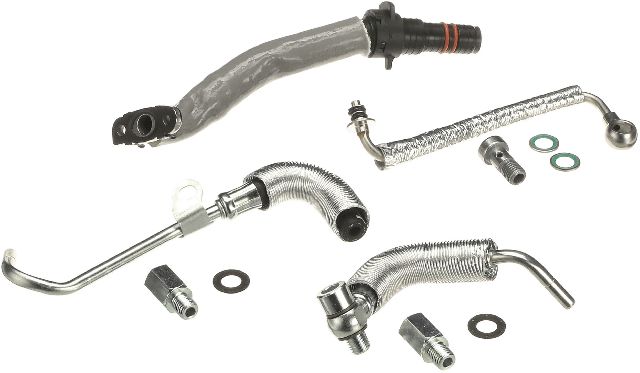
- Leaking Turbo Oil Feed/Return Lines 🟡 Low — The O-rings on the turbo oil feed and return lines can degrade over time, causing oil leaks onto the front of the engine and turbo housing.
Used vs. New Parts: Buying Guide for This Vehicle
When a used part is the smart pick: For this specific repair, used parts are generally not recommended. The primary failure components (solenoid, actuator, hoses, PCV valve) are inexpensive, wear-prone, and have high failure rates. A used part from a junkyard is likely to have similar wear and could fail soon after installation. The only exception might be a complete low-mileage turbocharger assembly if the internal wastegate is confirmed as the failure point, but this is a rare cause.
Donor-vehicle mileage cap: roughly under 50000 miles for the part to have meaningful remaining life.
What to inspect on the donor part:
- For a complete turbo assembly, look for minimal shaft play.
- Check that the wastegate arm moves freely without binding.
- Inspect for any cracks on the exhaust manifold portion of the turbo housing, a known failure point.
OEM-only on this vehicle (don't cheap out):
- While not strictly required, using an OEM (GM Genuine / ACDelco) Wastegate Control Solenoid (PN 55574902) is a safe bet due to its critical function and the known fragility of aftermarket alternatives' plastic nipples.
Aftermarket brands forum-validated for this vehicle:
- Dorman: Offers direct replacement wastegate actuators (PN 667-714) and solenoids that are widely available and considered a reliable OE-quality alternative.
- ZZP (ZZPerformance): A popular brand in the 1.4L enthusiast community, offering upgraded PCV fix kits, billet wastegate actuators, and even larger turbochargers for those seeking performance improvements beyond a simple repair.
Brands owners have reported issues with on this vehicle:
- No-name, unbranded solenoids and actuators from online marketplaces. These often use inferior quality diaphragms and plastics that fail quickly, leading to the code returning.
Real Owner Stories
Aggregated from forums and TSBs cited above. Mileages and costs reflect what owners reported in those sources.
2014 Chevrolet Sonic 1.4L Turbo — 150000 miles
Symptoms: Intermittently getting both P0299 (underboost) and P0234 (overboost) codes, along with symptoms of poor acceleration and high RPMs.
What fixed it: The owner was diagnosing the common pairing of these two codes, focusing on the boost control system components.
Source hint: Sonic Owners Forum: Looking for Help Diagnosing a Turbo Issue
2014 Chevrolet Cruze 1.4L Turbo — ~100000 miles
Symptoms: Recurring P0234 code; owner performed diagnostic steps including testing the actuator and checking vacuum hoses.
What fixed it: Replaced the MAP sensor and wastegate solenoid.
Source hint: Reddit r/cruze: P0234 Overboost
2014 Chevrolet Cruze 1.4L Turbo — ~110000 miles
Symptoms: Losing power only at sustained highway speeds (>65mph), which triggers the P0234 code; car hesitates to accelerate.
What fixed it: The owner sought advice after a shop quoted $1900 for a turbo replacement, which is a common misdiagnosis for this code.
Source hint: Reddit r/cruze: Help! Getting a code(P0234) for “overboost” and car hesitates to accelerate.
Related OBD-II Codes
Frequently Asked Questions
My mechanic says I need a new turbo for my Sonic, but I saw TSB PIP5495. What does it say?
Why does my Sonic only trigger P0234 when I'm driving over 65mph on the highway?
Can cold weather cause a P0234 code on my 1.4L Turbo engine?
I see an orange piece missing inside my intake manifold; could this be related to my overboost code?
Is there a more durable alternative to the stock wastegate actuator for the Chevrolet Sonic?
How can I tell if my wastegate solenoid is broken without a scan tool?
Helpful Videos
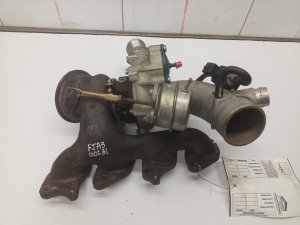
Used OEM Parts in Stock
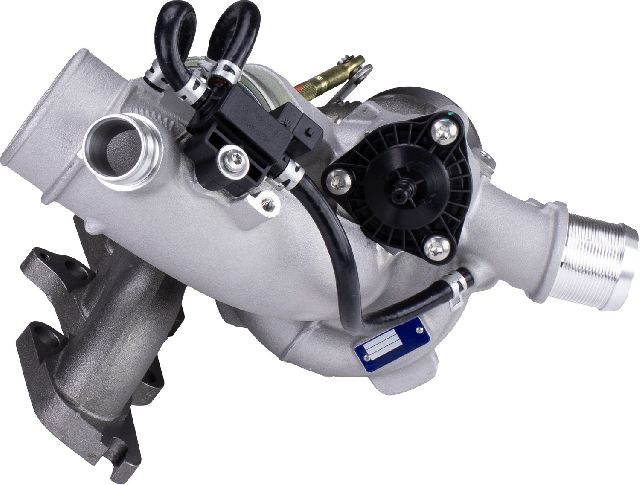
New Aftermarket Parts Available


The information in this article is provided for general reference and educational purposes only. Vehicle specifications, procedures, and part compatibility can vary by production date, trim level, and region. Always consult your vehicle's factory service manual and verify part numbers before purchasing or performing repairs. Safety-critical components such as airbags, seat belts, and braking systems should be installed by a qualified professional.
- Chevrolet Sonic:
- 🎬 Helpful Videos
- 🛍️ Shop This Part
- What's Unique About the 2012-2020 Chevrolet Sonic
- Symptoms You May Notice
- Most Likely Causes
- Rare But Worth Checking
- Diagnosis Steps
- Parts You'll Likely Need
- Related Codes That Often Appear With This One
- Technical Service Bulletins (TSBs) & Recalls
- Platform-Specific Known Issues
- Mechanic-Grade Diagnostic Values
- Scan Tool Commands That Help
- Wiring & Ground Locations
- Real Owner Repair Stories
- OEM Part Supersession History
- Model Year Variations Within This Range
- Diagnostic Flowchart
- Other Known Issues on This Vehicle
- Used vs. New Parts: Buying Guide for This Vehicle
- Real Owner Stories
- 2014 Chevrolet Sonic 1.4L Turbo — 150000 miles
- 2014 Chevrolet Cruze 1.4L Turbo — ~100000 miles
- 2014 Chevrolet Cruze 1.4L Turbo — ~110000 miles
- Related OBD-II Codes
- Frequently Asked Questions
- 🎟️ Get 5% Off