

P0205 on 2011-2019 Dodge Journey 3.6L: Injector Circuit Malfunction Causes and Fixes
P0205 on a Dodge Journey with the 3.6L V6 indicates an electrical fault in the cylinder 5 fuel injector circuit. The most common cause is a failed fuel injector, which often fails after the engine warms up. A faulty wiring harness is the second most likely culprit. Accessing cylinder 5 requires removing the upper intake manifold. Expect to pay around $50-$100 for a new aftermarket injector.
- P0205 specifically points to an electrical problem with the cylinder 5 fuel injector circuit, not an ignition problem.
- The most common fix is replacing the cylinder 5 fuel injector itself, which often fails electrically when hot.
- Cylinder 5 is on the rear bank against the firewall, so replacing it is a labor-intensive job that requires removing the upper intake manifold.
- Always diagnose the circuit with a multimeter and/or noid light before replacing parts to confirm if the fault is the injector, wiring, or PCM.
- When the intake manifold is removed, it is best practice to also replace the upper and lower intake gaskets and consider replacing all three rear injectors to save on future labor costs.
What's Unique About the 2011-2019 Dodge Journey
On the 3.6L Pentastar V6, the fuel injectors are a common failure point that can trigger a P0205 code, sometimes failing only after the engine warms up. Cylinder 5 is located on the rear cylinder bank (Bank 1), which is positioned against the firewall. Accessing this injector requires removing the upper intake manifold, making the repair significantly more labor-intensive than for the front injectors.
Symptoms You May Notice
- Check Engine Light is on
- Rough or shaking idle
- Engine misfire, which may be felt as a shudder or stumble
- Poor acceleration and loss of power
- Reduced fuel economy
- Engine may stall
- Replacing the ignition coil or spark plug. The P0205 code is an electrical circuit code for the fuel system, not the ignition system. While a misfire code (P0305) will almost always be present, the P0205 code directs you to focus on the fuel injector and its circuit first.
Most Likely Causes
- Failed Cylinder 5 Fuel Injector 🔴 High Probability Fuel injectors on the 3.6L Pentastar are a common failure item. A frequent failure mode is for the injector's internal coil to develop an open circuit as it heats up with the engine, causing the fault to appear only when warm.
How to confirm: After accessing the injector, test its resistance with a multimeter. 🎬 Watch: How to test Pentastar fuel injector resistance with a multimeter. A good injector should read between 11-15 Ohms. An open circuit (infinite resistance) or a reading far outside the specification indicates a bad injector. The most definitive test is to swap the cylinder 5 injector with another cylinder (e.g., cylinder 3), clear the codes, and see if the fault follows the injector (e.g., P0203 appears). If it does, the injector is bad.
Typical fix: Replace the failed fuel injector. Since accessing the rear bank is labor-intensive, many mechanics and owners recommend replacing all three rear injectors (cylinders 1, 3, 5) and the intake manifold gaskets at the same time to prevent future labor costs. 🎬 See this step-by-step guide for replacing the rear fuel injectors.
Est. part cost: $50 - $150 - Damaged Wiring or Connector 🟡 Medium Probability The engine wiring harness, especially for the rear bank, is exposed to high heat and vibration, which can cause wires to become brittle and break or insulation to chafe over time, leading to an open or short circuit. The connector pins can also corrode or become loose.
How to confirm: Visually inspect the wiring harness and electrical connector for cylinder 5's injector. Look for any signs of melting, corrosion, or loose pins. Perform a 'wiggle test' on the connector and harness with the engine running to see if it affects the idle. Use a noid light to confirm if the PCM is sending a pulse signal to the connector. If the noid light does not flash, but it does on another cylinder, the problem is in the wiring or the PCM.
Typical fix: Repair the broken or shorted wire. If the connector is damaged, it can be replaced with a new pigtail connector.
Est. part cost: $15 - $50
Rare But Worth Checking
- Failed Powertrain Control Module (PCM): This is the least likely cause and should only be considered after the fuel injector and wiring have been thoroughly tested and proven to be good. If a noid light test shows no pulse at the injector connector and the wiring has perfect continuity back to the PCM, the injector driver circuit inside the PCM may have failed.
- Failed Rocker Arm/Lifter: While this is a known issue on the 3.6L Pentastar ('Pentastar Tick'), it typically causes a mechanical misfire code (P0305) without an accompanying injector circuit code. The P0205 code specifically points to an electrical fault. However, in rare cases, severe mechanical issues could be misdiagnosed. If you hear a loud ticking noise from the top of the engine, this is a possibility to investigate separately.
Diagnosis Steps
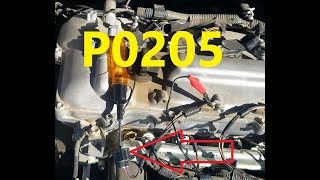
- Scan the vehicle's computer and confirm that P0205 is the primary code. 🎬 Watch: Understanding the common causes and fixes for code P0205. Note the presence of P0305, which is expected.
- Locate cylinder 5. On the 3.6L Pentastar in the Journey, the engine is mounted transversely. The rear bank of cylinders (against the firewall) is Bank 1, containing cylinders 1, 3, and 5 from passenger to driver side.
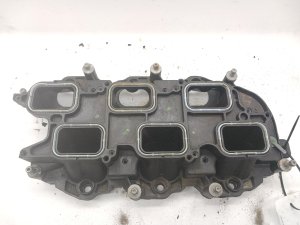
- To access cylinder 5, the upper intake manifold must be removed. This involves disconnecting the air intake tube, various electrical connectors, and removing several bolts.
- Once accessed, inspect the injector's electrical connector and nearby wiring for any visible damage, melting, or corrosion.
- Disconnect the injector and test its internal resistance using a multimeter set to Ohms. A reading between 11-15 Ohms is typical; a reading of infinity (OL) or zero indicates a failed injector.
- To confirm the wiring and PCM are working, plug a noid light into the injector's harness connector. Crank the engine; a flashing light indicates the circuit is receiving the command to fire from the PCM.
- If the noid light flashes and the injector's resistance is bad, replace the fuel injector.
- If the noid light does not flash, check the wiring for continuity between the injector connector and the PCM. If the wiring is good, the PCM is the likely culprit.
Parts You'll Likely Need
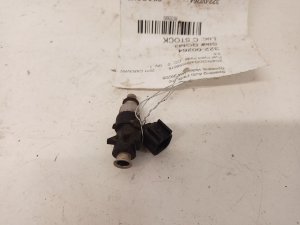
- Fuel Injector
(OEM #5184085AD (supersedes 5184085AC))— This is the most common component to fail for a P0205 code on this engine. The 'AD' version is the latest revision from Mopar.
Trusted brands: Mopar, Bosch, Standard Motor Products, Crown Automotive
OEM price range: $120-$160
Aftermarket price range: $45-$100 - Upper and Lower Intake Manifold Gaskets
(OEM #Upper (Plenum): 5184562AC, Lower: 5184331AC (set of 6))— These gaskets must be replaced anytime the intake manifold is removed to access the rear fuel injectors. Reusing old gaskets will cause vacuum leaks. The lower gaskets are individual rings for each port.
Trusted brands: Mopar, Fel-Pro, Mahle, Victor Reinz
OEM price range: $40-$70
Aftermarket price range: $20-$40
Related Codes That Often Appear With This One
- P0305 — P0305 means 'Cylinder 5 Misfire Detected.' Since the P0205 code indicates the injector circuit isn't working, cylinder 5 cannot get the proper amount of fuel, which directly causes a misfire. The P0205 is the cause, and P0305 is the effect.
Mechanic-Grade Diagnostic Values
- Fuel Injector Coil Resistance — expected: 12 to 12.5 Ohms at approx. 68°F (20°C).. Failure: A reading of infinity (Open Load), zero (short), or a significantly different value (e.g., double the resistance) indicates a faulty injector.
- Injector Circuit Continuity (PCM to Injector) — expected: Less than 1.0 Ohm.. Failure: Resistance greater than 1.0 Ohm indicates excessive resistance in the wiring harness.
- Injector Circuit Short to Ground — expected: Open Line (OL) or infinite resistance.. Failure: Any continuity or resistance reading below 10k Ohms indicates a short to ground in the harness.
- Injector Power Supply Voltage (Key On, Engine Off) — expected: Should be equal to battery voltage (approx. 12.6V).. Failure: Low or no voltage indicates a problem with the power supply wire from the ASD relay, not the PCM driver.
Scan Tool Commands That Help
- Professional Scan Tool (e.g., Autel, Snap-on, WiTech): Injector Kill / Active Test — With the engine idling, this function allows you to individually disable the cylinder 5 injector. If disabling it causes no change in the engine's idle, it confirms that cylinder 5 was not contributing, pointing to a fault in that circuit. If disabling another cylinder (e.g., cylinder 4) makes the idle worse, it confirms the other cylinders are working.
- Professional Scan Tool (e.g., Autel, Snap-on, WiTech): Injector Balance Test — This automated test pulses each injector and measures the corresponding drop in fuel rail pressure. The scan tool then displays the pressure drop for each cylinder. A cylinder with a significantly smaller pressure drop than the others indicates a weak or partially clogged injector.
Wiring & Ground Locations
- Cylinder 5 Injector Control Wire — This is a Brown/Orange wire that runs from the fuel injector connector for cylinder 5 to pin 79 of the C2 PCM connector.. This is the specific control (ground) wire that the PCM uses to fire the injector. An open or short on this wire is a direct cause of P0205. Testing continuity from the injector plug to this pin is a critical diagnostic step.
- PCM Connector C2 — The Powertrain Control Module (PCM) is located in the engine bay, near the front of the driver's side strut tower. C2 is one of the large multi-pin connectors that plug into it.. This connector is the termination point for the injector control circuits. Probing the correct pin here is necessary to test the wiring harness for continuity or shorts without having to pierce the wire insulation.
- Main Engine Ground Stud — Located on the driver's side of the engine block, between the main wire harness and the vacuum pump. The main negative battery cable connects here.. While less common for a single injector code, a poor main engine ground can cause a host of bizarre electrical issues. A forum member noted that Chrysler used undersized 4-gauge ground cables, and recommended adding a supplemental ground for improved electrical stability.
- Harness Chafe Point — A recall (08V-247) was issued for some Journey models where the engine wiring harness could rub against the transaxle mount.. Although this recall is for earlier models, it highlights a known potential for harness chafing. The harness for the rear bank injectors is routed in a tight, high-heat area near the firewall and can become brittle or rub against engine components over time, causing shorts or opens.
Real Owner Repair Stories
- Dodge Journey Forum (2015 Dodge Journey 3.6L with 220,000 miles) — Check engine light came on, engine started misfiring. Codes P0205 and P0305 appeared. The issue only occurred after the engine warmed up; it ran smoothly when cold.
❌ Tried (didn't work) Replacing the #5 spark plug, Replacing the #5 ignition coil
✅ What actually fixed it The issue was confirmed by another forum user to be a classic symptom of an injector failing electrically when hot. The recommended and correct fix was to replace the cylinder 5 fuel injector.
OEM Part Supersession History
5184085AC→5184085AD— The 'AD' suffix indicates a later revision of the part from Mopar. Part number revisions typically address reliability improvements or manufacturing changes.
Heads up: The parts are interchangeable, but it is highly recommended to use the latest 'AD' revision. Some owners have reported issues with counterfeit injectors sold on platforms like eBay, which may be falsely labeled as genuine Mopar parts.
Diagnostic Flowchart
Other Known Issues on This Vehicle
Issues unrelated to this code that are worth knowing about as an owner of this generation:
- Cracked Oil Filter/Cooler Housing 🔴 High — Very common. The plastic housing, located in the engine valley under the intake manifold, becomes brittle from heat cycles and can crack, causing significant oil and/or coolant leaks. Often misdiagnosed as a rear main seal leak. (Ref: Chrysler Service Bulletin #09-008-15 was issued for 2014 models, but the problem affects many model years. Over-tightening the oil filter cap (spec is 25 Nm or 18 ft-lbs) is a known cause of damage.)
- Rocker Arm / Lifter Failure ('Pentastar Tick') 🟠 Medium — A widely documented issue where the needle bearings in the rocker arm rollers fail, causing a distinct ticking sound from the top of the engine. If not addressed, it can lead to camshaft damage. This typically triggers misfire codes like P0300, P0302, P0304, P0306, not injector circuit codes. (Ref: A class-action lawsuit was filed regarding this issue, alleging defective design in 2014-2020 models. TSB 09-011-25 has also been mentioned in forums.)
- Left Cylinder Head Failure (Early Models) 🔴 High — Primarily affected 2011-2013 models. An issue with valve seats would lead to misfires on the left bank (cylinders 2, 4, 6), triggering codes like P0300, P0302, P0304, and P0306. (Ref: FCA issued an extended warranty (X56) for the left cylinder head on affected 2011-2013 vehicles.)
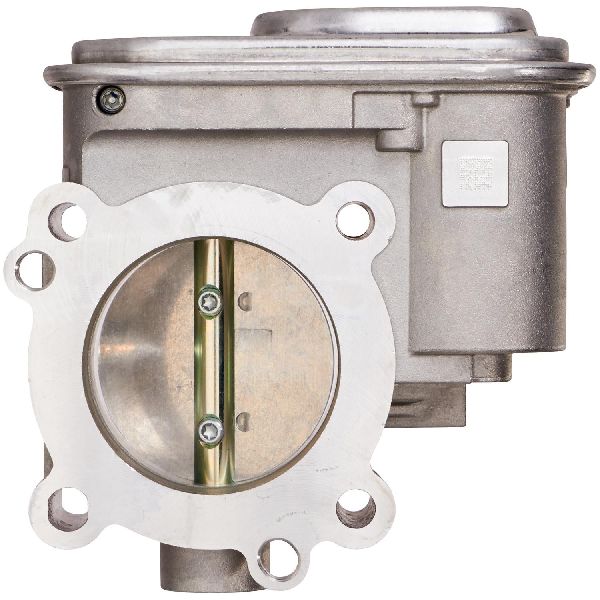
- Throttle Body Failure 🟠 Medium — A known problem that can cause the vehicle to stall or enter limp mode, often triggering codes like P2110, P2111, and P2112.
- General Electrical and Wiring Problems 🟡 Low — Owners report a higher-than-average number of electrical issues, including problems with the keyless entry system, dead batteries, and malfunctioning infotainment systems. (Ref: Recall T47 was issued for airbag wiring in the steering wheel on 2009-2016 models.)
Used vs. New Parts: Buying Guide for This Vehicle
When a used part is the smart pick: For this repair, a used part is generally only recommended for a connector pigtail if the original is damaged. A complete used wiring harness from a low-mileage, non-wrecked vehicle could also be an option if a large section is damaged (e.g., by fire or rodents), but this is rare.
Donor-vehicle mileage cap: roughly under 50000 miles for the part to have meaningful remaining life.
What to inspect on the donor part:
- For a connector pigtail, ensure the plastic is not brittle and the locking tab is intact.
- For a wiring harness, inspect thoroughly for any signs of prior repairs, melting, chafing, or brittle insulation.
OEM-only on this vehicle (don't cheap out):
- Fuel Injector: While some aftermarket brands are reliable, fuel injectors are a high-failure item on this engine. Given the significant labor to access the rear bank, using a genuine Mopar (or OEM supplier like Bosch) injector is a wise investment to avoid repeat repairs.
- Powertrain Control Module (PCM): A used PCM must be professionally reprogrammed with the vehicle's VIN and security information, making it a complex and often unreliable swap. A new or professionally remanufactured, pre-programmed module is the only reliable option.
Aftermarket brands forum-validated for this vehicle:
- Bosch (Often the OEM supplier)
- Standard Motor Products (SMP)
- Fel-Pro (For intake gaskets)
Brands owners have reported issues with on this vehicle:
- Unbranded or 'no-name' injectors from online marketplaces like eBay and Amazon. These are frequently counterfeit or have poor quality control, leading to quick failure or incorrect fuel flow.
Real Owner Stories
Aggregated from forums and TSBs cited above. Mileages and costs reflect what owners reported in those sources.
2015 Dodge Journey 3.6L Pentastar — 220000 miles
Symptoms: The check engine light came on and the engine started misfiring. The issue would disappear when the car was cold, but as soon as the engine warmed up, the check engine light and misfire would return.
What fixed it: Replacing the #5 fuel injector is the correct fix for this specific symptom.
Source hint: forpentastars.com
Related OBD-II Codes
Frequently Asked Questions
Where is cylinder 5 located on my Dodge Journey's 3.6L engine?
My P0205 code only appears after the engine warms up. Is this a known issue?
I'm getting a P0305 code along with P0205. Is this normal?
What is the correct resistance for the cylinder 5 fuel injector?
Since it's so much work to get to the #5 injector, should I replace anything else at the same time?
Could my P0205 code be related to the 'Pentastar Tick' I've heard about?
My Journey is a 2012 model. Is this code related to the left cylinder head issue?
Helpful Videos
Used OEM Parts in Stock




New Aftermarket Parts Available


The information in this article is provided for general reference and educational purposes only. Vehicle specifications, procedures, and part compatibility can vary by production date, trim level, and region. Always consult your vehicle's factory service manual and verify part numbers before purchasing or performing repairs. Safety-critical components such as airbags, seat belts, and braking systems should be installed by a qualified professional.
- Dodge Journey:
- 🎬 Helpful Videos
- 🛍️ Shop This Part
- What's Unique About the 2011-2019 Dodge Journey
- Symptoms You May Notice
- Most Likely Causes
- Rare But Worth Checking
- Diagnosis Steps
- Parts You'll Likely Need
- Related Codes That Often Appear With This One
- Mechanic-Grade Diagnostic Values
- Scan Tool Commands That Help
- Wiring & Ground Locations
- Real Owner Repair Stories
- OEM Part Supersession History
- Diagnostic Flowchart
- Other Known Issues on This Vehicle
- Used vs. New Parts: Buying Guide for This Vehicle
- Real Owner Stories
- 2015 Dodge Journey 3.6L Pentastar — 220000 miles
- Related OBD-II Codes
- Frequently Asked Questions
- 🎟️ Get 5% Off