

P0141 on 2017-2020 Hyundai Elantra 2.0L: O2 Sensor Heater Fixes
This code points to a failure in the heater circuit of the downstream oxygen sensor (Bank 1, Sensor 2). The most common fix is replacing the sensor itself, which is a straightforward DIY job. Before replacing, check the 'SENSOR 1' or 'SNSR 3' 15A fuse. Expect to pay $40-$100 for a quality aftermarket sensor (Denso, NTK) or $100-$180 for an OEM part.
- P0141 on your Elantra almost always means the downstream (post-catalytic converter) oxygen sensor has failed.
- This is not a critical issue; you can continue driving, but you should get it fixed to ensure you can pass an emissions test and maintain optimal fuel economy.
- Before buying a new sensor, take five minutes to check the 'SENSOR 1' or 'SNSR 3' 15A fuse in the engine bay fuse box.
- Replacing the sensor is a DIY-friendly job that requires basic hand tools and a special 22mm (or 7/8") O2 sensor socket.
- Ensure you are replacing the correct sensor (Bank 1, Sensor 2 - downstream) and consider using an OEM-spec brand like Denso or NTK for best results.
What's Unique About the 2017-2020 Hyundai Elantra
For the 2017-2020 Elantra with the Nu 2.0L engine, this code is a very common and straightforward issue. There are no significant platform-specific complexities. The failure is almost always the sensor itself, as the internal heater element simply burns out over time from thousands of heat cycles. The wiring is generally robust, but its location under the vehicle makes it worth a quick visual inspection for damage. This issue is shared across multiple Hyundai and Kia models using the same engine.
Symptoms You May Notice
- Check Engine Light is on
- Inability to pass a state emissions inspection
- Slightly decreased fuel economy in some cases, though often not noticeable
- Rough idle or misfires (rare)
- Replacing the upstream (Bank 1, Sensor 1) oxygen sensor. P0141 specifically refers to Sensor 2, which is located after the catalytic converter.
- Replacing the catalytic converter. A bad catalytic converter will typically set codes like P0420, not a heater circuit code like P0141.
Most Likely Causes
- Failed Downstream Oxygen Sensor 🔴 High Probability The internal heater element is a common failure point due to constant exposure to high temperatures and rapid heat cycles. This is the most frequent cause for P0141 on most modern vehicles, including this Elantra. Some owners report that using non-OEM spec (e.g. Bosch) sensors can lead to premature failure or incompatibility, recommending NTK or Denso brands which are often the original equipment supplier.
How to confirm: Disconnect the sensor and measure the resistance across the two heater circuit pins (usually the two same-colored wires, often white on these sensors) with a multimeter. An open circuit (infinite resistance or 'OL') confirms the heater has failed. A healthy heater should have a low resistance, typically between 5 and 20 ohms.
Typical fix: Replace the Bank 1, Sensor 2 (downstream) oxygen sensor.
Est. part cost: $40-$180 - Damaged Wiring or Connector 🟡 Medium Probability The sensor and its wiring are located under the vehicle and are exposed to road debris, water, and salt, which can lead to corrosion in the connector or physical damage to the wires. Check for chafing against the heat shields or exhaust components.
How to confirm: Visually inspect the wiring harness leading to the downstream O2 sensor for any signs of melting, chafing, or broken wires. Unplug the connector and check for corrosion, moisture, or bent/backed-out pins.
Typical fix: Repair the damaged section of wiring or clean/replace the connector.
Est. part cost: $5-$30 - Blown Fuse ⚪ Low Probability A short circuit in the sensor's heater element or its wiring can cause the fuse to blow as a protective measure.
How to confirm: Check the fuse box in the engine compartment. On this Elantra, the fuse is often labeled 'SENSOR 1', 'SNSR 3', or 'O2 HTR' and is typically a 15A fuse. Visually inspect the fuse to see if the filament is broken.
Typical fix: Replace the blown fuse. If the new fuse blows immediately, it indicates a persistent short circuit in the wiring or the sensor itself that must be diagnosed before proceeding.
Est. part cost: $1-$5 - Exhaust Leak ⚪ Low Probability While less common for a heater circuit code, a significant exhaust leak near the sensor can sometimes cause erratic sensor behavior that may, in some ECU logic, be flagged incorrectly or alongside other codes.
How to confirm: Listen for hissing or ticking sounds from the exhaust system, especially when the engine is cold. Visually inspect the exhaust manifold, gaskets, and flex pipe for cracks or black soot trails indicating a leak.
Typical fix: Repair the leak by replacing the faulty gasket or component.
Est. part cost: $20-$300
Rare But Worth Checking
- Faulty Engine Control Module (ECM): This is extremely rare. The ECM should only be considered a potential cause after all other possibilities (sensor, wiring, fuses) have been definitively ruled out.
Diagnosis Steps
- Confirm the code P0141 is present using an OBD-II scanner.
- Visually inspect the downstream oxygen sensor, its connector, and wiring harness for any obvious damage, such as melted plastic, frayed wires, or corrosion. The sensor is located on the exhaust pipe after the catalytic converter.
- Check the fuse for the oxygen sensor heater circuit in the engine bay fuse box. It is likely labeled 'SENSOR 1' or 'SNSR 3' (15A). Replace it if it's blown.
- If the fuse and wiring appear intact, disconnect the sensor's electrical connector.
- Using a multimeter set to measure resistance (Ohms), test the heater circuit on the sensor side of the connector. Place the probes on the two pins that correspond to the heater element (often the two wires of the same color, typically white). A reading of 'OL' or infinite resistance means the heater is burned out and the sensor must be replaced. A good sensor should read between 5-20 Ohms.
- If the sensor's heater circuit has good resistance, test the vehicle-side connector for power. With the ignition key in the 'On' position (engine off), use a multimeter to check for ~12V at one of the heater circuit pins. If voltage is missing, re-check the fuse and trace the wiring for a break.
- If voltage and ground are present at the connector and the sensor's heater circuit has proper resistance, the issue is intermittent or, in very rare cases, could be the ECM driver circuit.
- The most probable outcome is a failed sensor. Replace the downstream O2 sensor, clear the code with the scanner, and perform a drive cycle to confirm the repair.
Parts You'll Likely Need
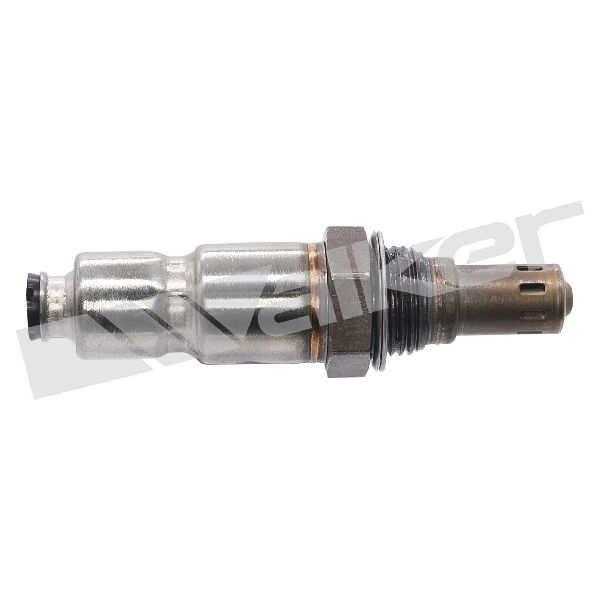
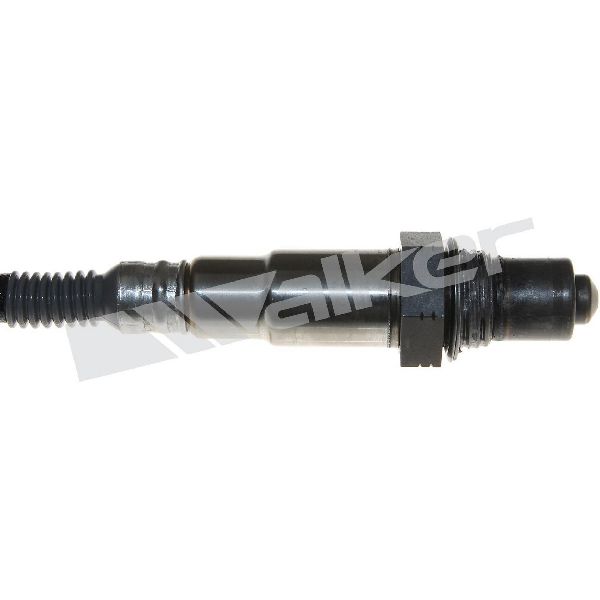
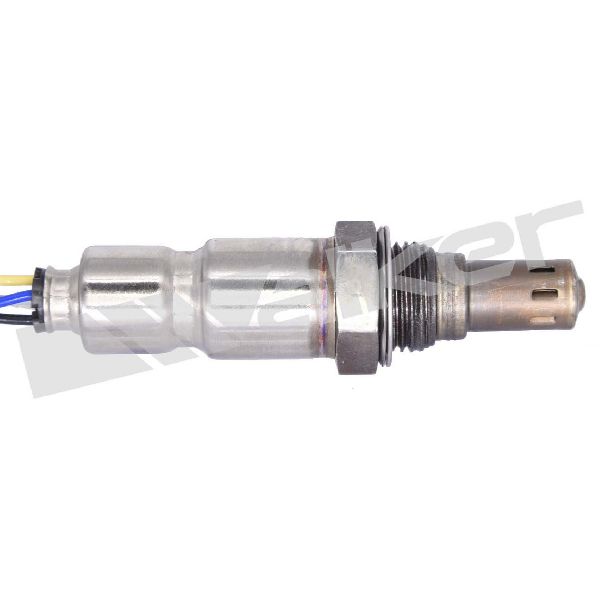
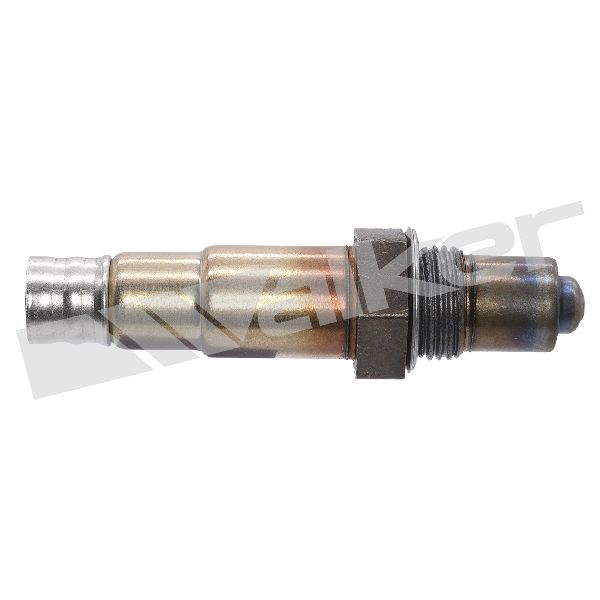
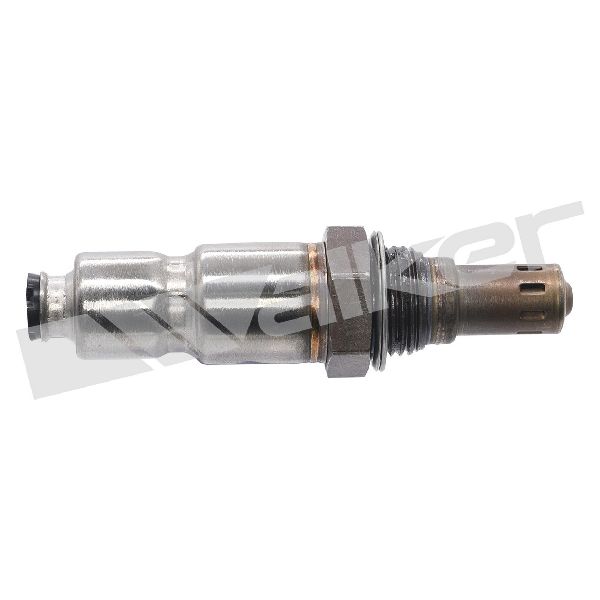
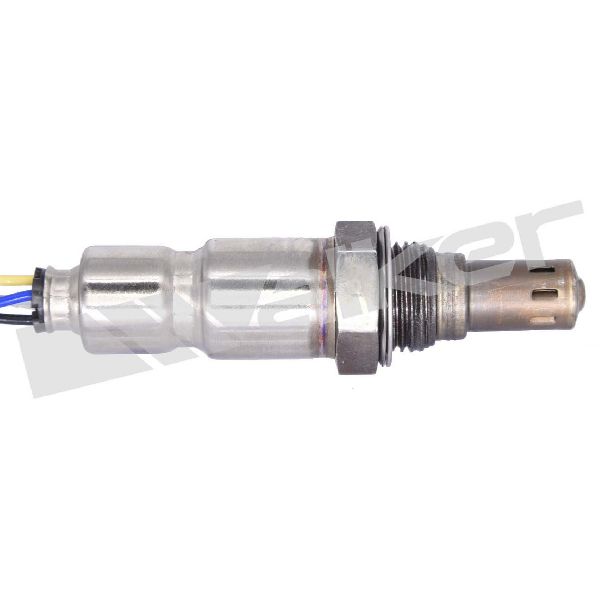
- Downstream Oxygen Sensor (Bank 1, Sensor 2)
(OEM #39210-2E410)— The internal heater element fails from normal use, causing an open circuit and triggering the P0141 code. This is the primary failure mode. Note: Some earlier or related models used 39210-2E400; always verify fitment with VIN.
Trusted brands: Hyundai (OEM), Denso, NGK/NTK, Walker Products, Bosch
OEM price range: $100-$180
Aftermarket price range: $40-$100
Related Codes That Often Appear With This One
- P0137 — This code for 'O2 Sensor Circuit Low Voltage' can appear if the sensor has an internal short.
- P0140 — This code for 'O2 Sensor Circuit No Activity Detected' can be triggered if the failed heater prevents the sensor from reaching operating temperature.
Technical Service Bulletins (TSBs) & Recalls
- 22-01-042H (Recall 203) - Pertains to potential engine issues (piston rings) on 2019-2020 models with the Nu 2.0L engine, but does not directly address code P0141.
- 20-FL-001H - Addresses engine misfire codes (P0300-P0304) on 2017 models with an ECM update and ignition coil inspection.
- 22-01-043H (Service Campaign 974) - Provides an ECM update to enhance knock sensor logic to detect abnormal cylinder noise related to the piston ring issue.
Platform-Specific Known Issues
- There is a recall (Campaign 203 / TSB 22-01-042H) for some 2019-2020 Elantras with the Nu 2.0L engine related to piston oil rings. Defective heat treatment of the rings can cause them to chip, leading to cylinder wall scuffing, excessive oil consumption, and eventual engine failure. While this is unrelated to the P0141 code's direct cause, it is a critical issue to be aware of for this engine and year range.
Mechanic-Grade Diagnostic Values
- Downstream O2 Sensor Heater Resistance — expected: 6.0 - 15 Ohms. Some OEM sensors may measure around 6.2-6.7 Ohms when new.. Failure: Infinite resistance (OL) indicates a burned-out open circuit. A reading of 0 Ohms indicates a short circuit. A reading significantly outside the expected range (e.g., over 20 Ohms) can also trigger the code.
- Voltage at Sensor Harness Connector (Heater Power Pin) — expected: Battery voltage (~12V) with Key On, Engine Off.. Failure: 0V or significantly low voltage indicates a blown fuse, a faulty relay, or a break in the power wire from the main relay.
- Voltage at Sensor Harness Connector (Heater Control Pin) — expected: This pin is ground-side switched by the ECM. It will show battery voltage (~12V) when the heater is OFF (circuit is open). It will drop to near 0V when the ECM commands the heater ON (provides ground).. Failure: Voltage does not drop to ~0V when the heater should be active (e.g., during cold start or via scan tool command), indicating a break in the control wire or a faulty ECM driver.
Hidden / Shadow Codes Worth Checking
- Mode $06, TID $81, CID $12 (example): While not a 'shadow code,' advanced scan tools can access Mode $06 data, which shows the results of non-continuous monitor tests. The test for the B1S2 O2 sensor heater circuit current will have a specific Test ID (TID) and Component ID (CID). A 'FAIL' status here can confirm the fault the ECM is detecting, sometimes before a permanent DTC is stored. (see via An advanced OBD-II scanner with Mode $06 functionality.)
Scan Tool Commands That Help
- Hyundai GDS (Global Diagnostic System) or equivalent professional scanner: O2 Sensor Heater Actuation Test / Bidirectional Control — This command forces the O2 sensor heater circuit ON, allowing a technician to test the circuit's integrity in the bay without needing to perform a full drive cycle. You can directly measure voltage drop and current draw when the circuit is activated, providing a definitive pass/fail test of the wiring and sensor heater.
Wiring & Ground Locations
- Downstream O2 Sensor Connector (C34-style) — Under the vehicle, on the exhaust pipe just after the catalytic converter. The connector is typically clipped to a bracket on the vehicle's underbody.. This is the primary point for all electrical testing. The heater circuit consists of two same-colored wires (often white). Pin 1 is typically 12V+ power from the SENSOR 1 fuse, and Pin 2 is the ground control from the ECM.
- Ground Point G07 — On the left side of the engine compartment, near the strut tower.. This is a major engine and sensor ground point. While a failure here would likely cause multiple codes, a corroded or loose connection could potentially cause intermittent or high-resistance issues for various sensor circuits, including the O2 sensor heater.
Real Owner Repair Stories
- Forum user reports, synthesized from multiple threads (2018 Hyundai Elantra 2.0L) — Check Engine Light with code P0141.
❌ Tried (didn't work) Replaced the downstream O2 sensor with a new one (code returned)., Checked the 'SENSOR 1' fuse (it was good).
✅ What actually fixed it A detailed inspection of the wiring harness revealed a broken wire inside the insulation, right at the point where the harness enters the back of the sensor connector. The wire was not visibly broken from the outside. The fix required de-pinning the connector, soldering the broken wire, and reassembling the connector.
When the Usual Fixes Don't Work
- While replacing the sensor is the fix over 90% of the time, there are documented cases where the code returned immediately. In one such instance, an aftermarket Bosch sensor with a heater resistance of 13.6 Ohms was the cause, while the OEM-spec NTK sensor measured 6.2 Ohms and fixed the issue permanently. In another case, the fault was a broken wire hidden inside the connector shell, which passed a simple visual inspection and required de-pinning the connector to find.
OEM Part Supersession History
39210-2E400→39210-2E410— Updated part for improved performance or manufacturing revision.
Heads up: Part 39210-2E400 was used on earlier Nu engine applications and may physically fit, but it can have different heater resistance specifications. Using the older part on a 2017-2020 Elantra may cause the P0141 code to persist. Always verify the correct part number with the vehicle's VIN.
Diagnostic Flowchart
Other Known Issues on This Vehicle
Issues unrelated to this code that are worth knowing about as an owner of this generation:
- Excessive Oil Consumption / Piston Ring Failure 🔴 High — Widespread enough to trigger a recall (Recall 203 / NHTSA 21V301000) and class-action lawsuits. Primarily affects 2019-2020 models, but oil consumption can be an issue on earlier years. (Ref: Recall 203 / TSB 22-01-042H)
- Engine Misfires (P0300-P0304) 🟠 Medium — Common on 2017 models, prompting a TSB for an ECM software update and ignition coil inspection. (Ref: TSB 20-FL-001H)
- Engine Vibration at Idle 🟡 Low — Frequently reported by owners, often traced back to a prematurely failed passenger-side engine mount.
- Transmission Hesitation or Jerking 🟠 Medium — Owners report hesitation when accelerating from a stop, particularly in models with the CVT. Dealerships have issued software updates (TCU reprogramming) to address this. (Ref: Software Update (various))
- Premature Rear Brake Wear 🟡 Low — Some owners report rear brake pads wearing out faster than the front, potentially due to sticking rear calipers.
- Engine Knock/Scuffing Detection Logic Update 🔴 High — A service campaign was issued to update the engine control software to better detect abnormal cylinder noise (a precursor to catastrophic failure related to the oil consumption issue). (Ref: Service Campaign 974 / TSB 22-01-043H)
Used vs. New Parts: Buying Guide for This Vehicle
When a used part is the smart pick: Never for the oxygen sensor itself, as the internal heater is a primary wear item with a finite lifespan. A used wiring harness pigtail from a junkyard is a smart and cost-effective choice if the vehicle's original connector or wiring is damaged.
Donor-vehicle mileage cap: roughly under 150000 miles for the part to have meaningful remaining life.
What to inspect on the donor part:
- For a wiring pigtail, inspect for flexible, non-brittle wire insulation.
- Check that connector pins are straight and free of green or white corrosion.
- Ensure the connector's locking tab is intact and not broken.
- Avoid any pigtails with signs of previous repairs, melting, or oil saturation.
Aftermarket brands forum-validated for this vehicle:
- NTK (often the original equipment manufacturer)
- Denso
Brands owners have reported issues with on this vehicle:
- Bosch (Multiple owner and mechanic reports cite incompatibility or premature failure on Hyundai/Kia platforms for this specific part).
Real Owner Stories
Aggregated from forums and TSBs cited above. Mileages and costs reflect what owners reported in those sources.
2012 Hyundai Elantra (Older Generation/Same Principle)
Symptoms: The owner was concerned about whether the vehicle was safe to drive with the P0141 code active.
What fixed it: The consensus from the community was that while safe to drive, the sensor must be replaced to fix poor fuel economy and pass emissions inspections.
Source hint: Odb code P0141 on r/MechanicAdvice
Hyundai (General Nu 2.0L Platform)
Symptoms: The owner attempted a repair with a Bosch aftermarket sensor, but the issue persisted.
What fixed it: Replacing the aftermarket Bosch sensor with an NTK sensor that matched the required resistance values solved the problem.
Source hint: P0141 problem fixed Hyundai - YouTube
Related OBD-II Codes
Frequently Asked Questions
Does the piston ring recall (Campaign 203) on my 2019 Elantra cause the P0141 code?
Can I use a Bosch oxygen sensor to fix P0141 on my Hyundai Elantra?
Where is the fuse for the O2 sensor heater located on a 2017-2020 Elantra?
What resistance should I look for when testing the downstream O2 sensor on my Nu 2.0L?
Is there an ECM update for my 2017 Elantra that might relate to engine codes?
Helpful Videos
We Have This Part in Stock

The information in this article is provided for general reference and educational purposes only. Vehicle specifications, procedures, and part compatibility can vary by production date, trim level, and region. Always consult your vehicle's factory service manual and verify part numbers before purchasing or performing repairs. Safety-critical components such as airbags, seat belts, and braking systems should be installed by a qualified professional.
- Hyundai Elantra:
- 🎬 Helpful Videos
- 🛍️ Shop This Part
- What's Unique About the 2017-2020 Hyundai Elantra
- Symptoms You May Notice
- Most Likely Causes
- Rare But Worth Checking
- Diagnosis Steps
- Parts You'll Likely Need
- Related Codes That Often Appear With This One
- Technical Service Bulletins (TSBs) & Recalls
- Platform-Specific Known Issues
- Mechanic-Grade Diagnostic Values
- Hidden / Shadow Codes Worth Checking
- Scan Tool Commands That Help
- Wiring & Ground Locations
- Real Owner Repair Stories
- When the Usual Fixes Don't Work
- OEM Part Supersession History
- Diagnostic Flowchart
- Other Known Issues on This Vehicle
- Used vs. New Parts: Buying Guide for This Vehicle
- Real Owner Stories
- 2012 Hyundai Elantra (Older Generation/Same Principle)
- Hyundai (General Nu 2.0L Platform)
- Related OBD-II Codes
- Frequently Asked Questions
- 🎟️ Get 5% Off