

P0140 on 2010-2017 Chevrolet Equinox 2.4L: O2 Sensor Inactivity Causes and Fixes
This code means the rear oxygen sensor (Bank 1, Sensor 2) is not sending a signal. The most likely causes are a blown fuse (#41 in the under-hood fuse box), a failed sensor, or damaged wiring. Before buying parts, check the 15A fuse first, as this is a very common and simple fix for this specific vehicle.
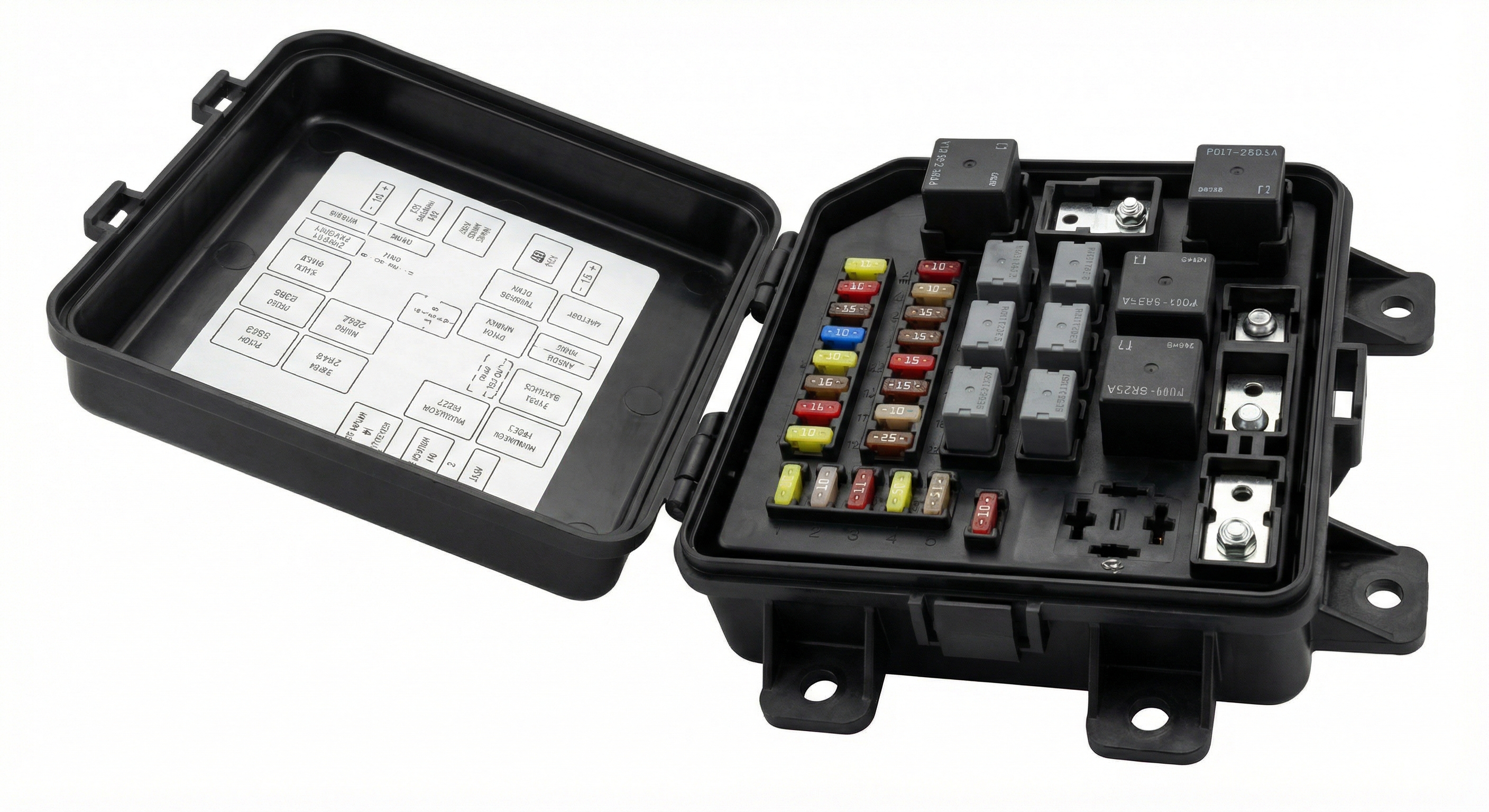
- First, check fuse #41 in the under-hood fuse box. It's a simple check that can save you the cost of a new sensor.
- If the fuse is good, the downstream (post-catalytic converter) O2 sensor has likely failed and needs replacement.
- Be aware that this engine has a known oil consumption issue that can destroy new O2 sensors. Monitor your oil level closely.
- Do not replace the catalytic converter for this code; P0140 points to the sensor, not the converter itself.
What's Unique About the 2010-2017 Chevrolet Equinox
For the 2010-2017 Equinox and its platform-mate, the GMC Terrain, this code is frequently linked to a known issue of excessive oil consumption. Burning oil can contaminate and destroy the oxygen sensor, causing it to fail and set the P0140 code. Before replacing the sensor, it's also critical to check fuse #41 (a 15A fuse) in the under-hood fuse box, as a blown fuse 🎬 Watch: How to find and check the O2 sensor fuse. for the O2 sensor heater circuit is a very common and simple fix on this platform. If this fuse blows repeatedly, it often indicates the O2 sensor's internal heater has shorted out and the sensor needs replacement.
Symptoms You May Notice
- Check Engine Light is on
- Vehicle fails an emissions test.
- Noticeable fuel or exhaust smell in the cabin, which some owners have reported in conjunction with O2 sensor codes.
- Replacing the catalytic converter. P0140 indicates a problem with the sensor that *monitors* the converter, not the converter itself. A bad converter would typically trigger a P0420 code.
Most Likely Causes
- Blown O2 Sensor Fuse 🔴 High Probability This is a frequently cited simple fix for this specific vehicle platform, often the first thing owners and mechanics check.
How to confirm: Check fuse #41 (15A) in the fuse box located under the hood. It is often labeled for the post-catalytic converter O2 sensor. If the fuse is blown, replace it.
Typical fix: Replace the 15A fuse. If it blows again, it strongly suggests the heater element inside the O2 sensor has shorted out, requiring sensor replacement.
Est. part cost: $1-$5 - Failed Downstream Oxygen Sensor (Bank 1, Sensor 2) 🔴 High Probability The 2.4L Ecotec engine is notorious for excessive oil consumption due to piston ring design, which can contaminate and foul the O2 sensor, causing premature failure. This is the most common root cause for repeated sensor failures.
How to confirm: After confirming the fuse is good, use a scan tool to watch the live data for the B1S2 O2 sensor. The voltage should fluctuate slightly. If it is stuck at a specific voltage (e.g., 450mV) or shows 0V, the sensor or its wiring is faulty. You can also test the sensor's internal heater circuit with a multimeter; resistance should be between 2 and 10 ohms.
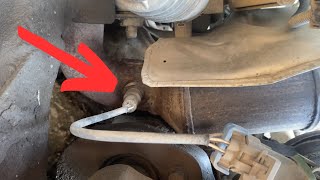
Typical fix: Replace the Bank 1, Sensor 2 oxygen sensor. This is located on the exhaust pipe after the catalytic converter.
Est. part cost: $40-$80 - Damaged Wiring or Connectors 🟡 Medium Probability The wiring harness is routed near the hot exhaust system and under the vehicle, making it susceptible to melting, chafing, or corrosion from road debris and moisture over time.
How to confirm: Visually inspect the entire wiring harness from the O2 sensor to its connection point. Look for melted plastic, frayed wires, or corroded pins in the connector. Check for oil contamination in the connector, as leaks from other engine components can wick down the harness. A manufacturer service bulletin for other Chevrolet models, TSB Bulletin #PIP5123B, suggests technicians should specifically inspect for a bent terminal on the X131 connector when P0140 is present.
Typical fix: Repair the damaged section of wire or replace the connector pigtail. The ACDelco PT2054 is a common pigtail replacement part number.
Est. part cost: $10-$30 - Exhaust Leak ⚪ Low Probability
How to confirm: Listen for hissing or ticking sounds from the exhaust system, especially when the engine is cold. A cracked exhaust manifold is a known issue on the 2.4L Ecotec and can cause this. You can also use a smoke machine to introduce smoke into the exhaust and look for leaks before the O2 sensor.
Typical fix: Repair the leak by replacing the gasket or welding/replacing the cracked pipe or manifold.
Est. part cost: $20-$200
Rare But Worth Checking
- Faulty Powertrain Control Module (PCM): This is very rare. All other possibilities, especially wiring and sensor failure, should be exhaustively ruled out before considering the PCM as the cause.
Diagnosis Steps
- Read the code with an OBD-II scanner to confirm P0140 is present. Check for other codes 🎬 Watch: A step-by-step guide to fixing the P0140 code. like P0141, which points directly to the heater circuit. Manufacturer service bulletin TSB Bulletin #PIT5336 notes that P0140 can appear alongside a wide range of other sensor codes if the Emission 1 Fuse is open.
- Open the under-hood fuse box and inspect fuse #41, a 15A fuse for the post-catalytic converter O2 sensor. Replace it if it's blown. If it blows again, the sensor is likely shorted internally.
- If the fuse is good, perform a visual inspection of the Bank 1 Sensor 2 oxygen sensor and its wiring harness. The sensor is located after the catalytic converter. Look for any signs of melting, chafing, or corrosion.
- Using a scan tool with live data capability, monitor the voltage for 'O2S B1S2'. With the engine running and warm, the voltage should fluctuate slightly. If the voltage is flat, unchanging, or zero, it confirms a lack of activity.
- If the wiring appears intact and the fuse is good, the oxygen sensor itself is the most likely culprit and should be replaced.
- If replacing the sensor and fuse does not resolve the issue, a more thorough diagnosis of the wiring for a short or open circuit is needed using a multimeter.
- Check for excessive oil consumption (e.g., losing a quart in under 2,000 miles), as this is a known root cause on the 2.4L Equinox that will cause repeat O2 sensor failures.
Parts You'll Likely Need
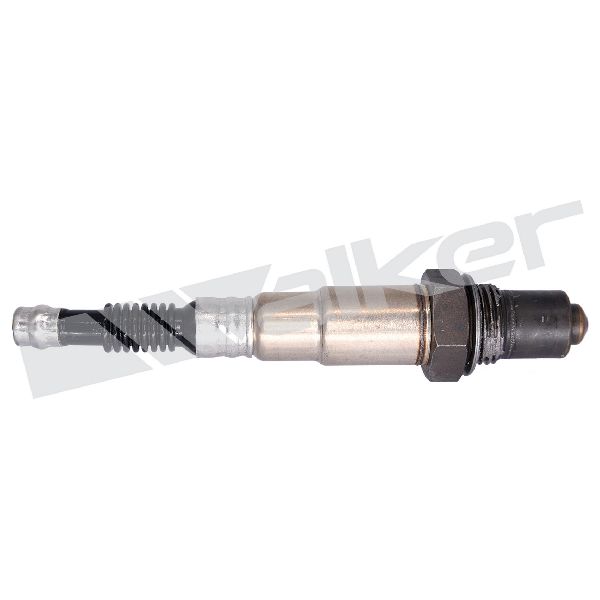
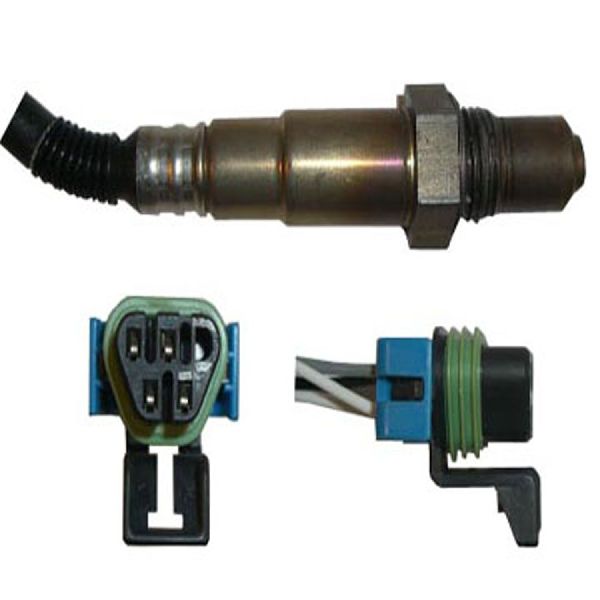
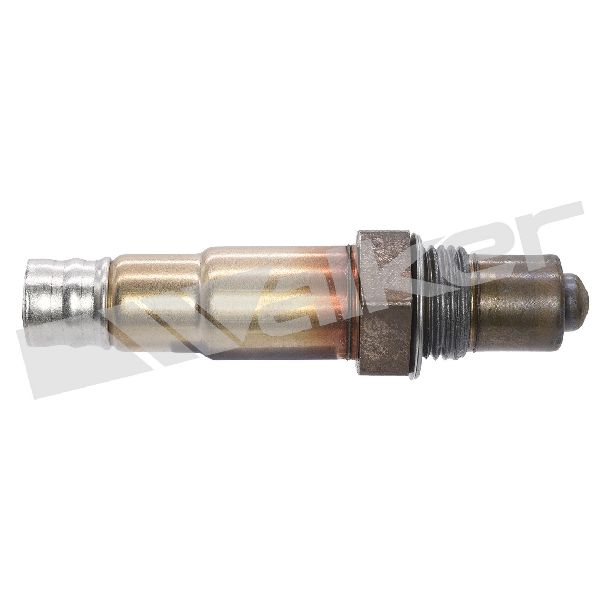
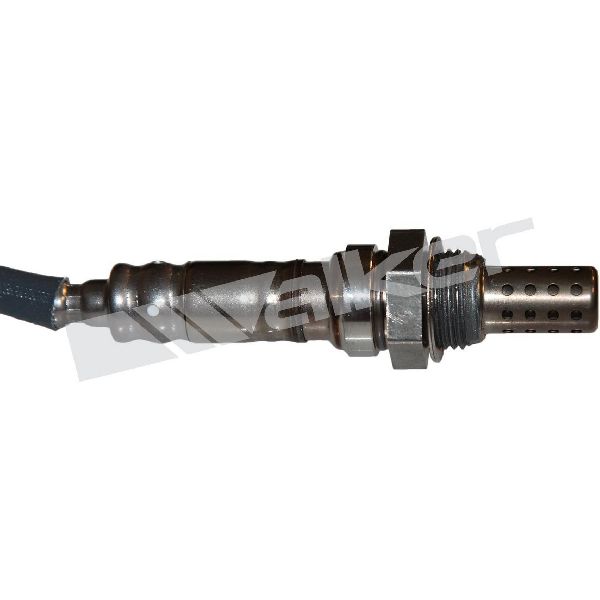
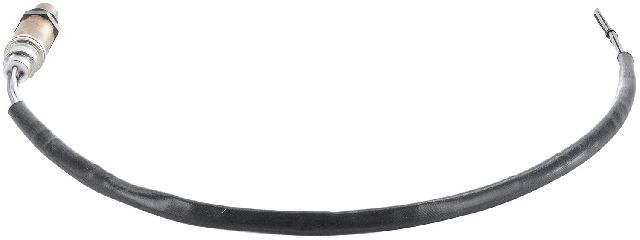
- Downstream Oxygen Sensor (Bank 1, Sensor 2)
(OEM #12639692 (Superseded by ACDelco 213-4768 or 213-4551))— This sensor is the most common part to fail, either from age or contamination from issues like oil consumption. A short in its internal heater is also a common cause for a blown fuse.
Trusted brands: ACDelco (OEM), Denso, NGK/NTK, Bosch
OEM price range: $80-$120
Aftermarket price range: $40-$80 - 15A Mini Fuse — The fuse for the O2 sensor heater circuit (Fuse #41 in the under-hood box) can blow, causing the sensor to become inactive and triggering the P0140 code.
Trusted brands: Bussmann, Littlefuse
OEM price range: $1-$5
Aftermarket price range: $1-$5
Related Codes That Often Appear With This One
- P0141 (O2 Sensor Heater Circuit Malfunction): This code is very common to see with P0140, as a failure in the heater circuit (often a blown fuse or bad heater element) will prevent the sensor from reaching operating temperature, thus causing 'no activity'.
- P0420 (Catalyst System Efficiency Below Threshold): If the P0140 code is ignored and the underlying oil consumption issue persists, it will eventually damage the catalytic converter, leading to a P0420 code.
- P0010, P0011, P0013, P0014 (Camshaft Position Actuator Codes): These codes are common on the 2.4L Ecotec and point to failing VVT solenoids, often due to oil sludge or low oil levels—the same conditions that harm O2 sensors.
Technical Service Bulletins (TSBs) & Recalls
- N192287100: Special Coverage for catalytic converter and oxygen sensor degradation on 2012-2013 models resulting from excessive oil consumption.
- 15810 / 17345: Special Coverage for catalytic converter replacement on 2010-2011 models due to thermal damage.
- 43180: Voluntary Emission Recall for high-pressure fuel pump wear on 2010-2011 models.
- 14882: Addresses PCV orifice clogging in cold weather, which can lead to rear main seal failure.
- TSB Bulletin #PIT5336: Notes that P0140 may be found with an open Emission 1 Fuse and advises technicians to inspect and repair the circuit.
- TSB Bulletin #PIP5123B: Provides information regarding P0140 occurring with other codes and suggests inspecting for a bent terminal on the X131 connector.
Platform-Specific Known Issues
- The 2.4L Ecotec engine in 2010-2017 Equinox models is widely known for excessive oil consumption due to piston ring design. This burning oil can foul the downstream oxygen sensor, causing it to fail and trigger a P0140 code. If you are replacing O2 sensors frequently, the root cause may be oil consumption that needs to be addressed.
- GM issued Special Coverage Adjustment N192287100 for some 2012-2013 models, which may extend the warranty for O2 sensor and catalytic converter replacement to 10 years/150,000 miles if the failure is caused by documented excessive oil consumption.
- Another special coverage, 15810, extended the catalytic converter warranty to 10 years/120,000 miles for some 2010-2011 models due to thermal damage, a likely consequence of the engine's underlying issues.
Mechanic-Grade Diagnostic Values
- Downstream O2 Sensor (B1S2) Heater Element Resistance — expected: 2 to 10 Ohms, measured across the two heater pins on the disconnected sensor.. Failure: An open circuit ('OL' on a multimeter) or a direct short (near 0 Ohms) indicates a failed heater element.
- Voltage at B1S2 Harness Connector (Heater Power) — expected: Approximately 12V (battery voltage) on the power supply pin with the ignition on, engine off.. Failure: 0V indicates a blown fuse (check fuse #41), a bad relay, or an open circuit in the power wire from the fuse block.
- Live Data B1S2 Voltage (Scan Tool) — expected: On a healthy, warm engine, the downstream sensor voltage should be relatively stable or slow-switching, typically above 0.6V (600mV).. Failure: For a P0140, the voltage will be stuck, showing no activity. It may be flatlined near 0V, 0.45V, or another value for an extended period.
Hidden / Shadow Codes Worth Checking
- Mode $06, TID $XX, CID $XX: Mode $06 provides access to raw data from the PCM's onboard diagnostic self-tests. A technician can view the test results for the O2 sensor heater and response time, even before they cross the threshold to set a DTC like P0140. This can help confirm a marginal sensor. (see via Requires an advanced scan tool capable of displaying Mode $06 data. The specific Test ID (TID) and Component ID (CID) for the B1S2 sensor would be needed for the specific model year.)
Scan Tool Commands That Help
- GDS2 / Tech2 (or equivalent professional scanner): O2 Sensor Heater Bidirectional Control — After checking the fuse, this command allows a technician to manually turn the B1S2 heater circuit on and off. By monitoring voltage or current on the circuit while using this command, you can confirm if the wiring and PCM driver are functioning correctly, isolating the fault to the sensor itself.
- GDS2 / Tech2 (or equivalent professional scanner): Live Data Graphing - B1S2 Voltage — This is the primary method to confirm 'no activity'. Graphing the sensor's voltage over time while driving or revving the engine will clearly show if the signal is flatlined, which is the defining characteristic of a P0140 fault.
Wiring & Ground Locations
- B1S2 Connector — Under the vehicle on the passenger side, where the sensor harness connects to the main body harness. The connector is often blue.. This connector is a common point of failure due to corrosion or physical damage from road debris. It's the first place to check for bad connections after the fuse.
- G109 / G112 — G109 is in the left front corner of the engine compartment. G112 is on the lower left front of the engine block for the 2.4L.. These are primary engine and chassis grounds. A corroded or loose ground here can cause a variety of electrical issues, including erratic sensor readings or a complete loss of signal from the O2 sensor, mimicking a sensor failure.
- ECM (Engine Control Module) — Located in the left front of the engine compartment.. The O2 sensor signal and heater ground control wires terminate at the ECM. All wiring checks will eventually lead back to the ECM connector pins to rule out an open or shorted wire.
Real Owner Repair Stories
- YouTube channel 'Sloth King Garage' (2014 Chevrolet Equinox) — Multiple check engine codes all pointing to the downstream O2 sensor.
❌ Tried (didn't work) The video goes straight to the successful repair.
✅ What actually fixed it Replacing the downstream (Bank 1, Sensor 2) oxygen sensor. The owner noted the job was very easy, taking 5-10 minutes without needing to jack up the vehicle. A Denso brand sensor was used as a cost-effective alternative to the GM OEM part. - NHTSA ODI #10110369 — An owner reported a P0140 DTC where a secondary air pump was corroded and the shaft would not turn, causing a maxifuse to blow.
OEM Part Supersession History
12639692→ACDelco 213-4768— Standard part number update and consolidation by the manufacturer.
Heads up: Part number 213-4551 is also listed for this application by some vendors, but 213-4768 is the direct, confirmed supersession for PN 12639692. Ensure the correct positional sensor is purchased.
Model Year Variations Within This Range
- 2010-2013: These earlier model years are more notorious for the oil consumption issue. While the problem exists across the generation, GM's special coverage programs and the prevalence of the issue are most concentrated on these years, making the link between P0140 and oil consumption particularly strong.
- 2016-2017: These models received a mid-cycle cosmetic refresh. While the powertrain and P0140 diagnosis remained the same, be aware that some body-related harness routing or connector brackets may differ slightly from earlier years, though the core components are identical.
Diagnostic Flowchart
Other Known Issues on This Vehicle
Issues unrelated to this code that are worth knowing about as an owner of this generation:
- Excessive Oil Consumption 🔴 High — Extremely common, especially in 2010-2013 models. Caused by faulty piston ring design. Can lead to catastrophic engine failure if oil level is not monitored closely. (Ref: Special Coverage Adjustment N192287100 extends warranty for resulting O2 sensor/catalyst damage on some models.)
- Timing Chain Stretch & Failure 🔴 High — Common around 80,000-120,000 miles. Symptoms include rattling noise on startup, rough idle, and engine misfire codes. Often accelerated by low oil levels from oil consumption.
- High-Pressure Fuel Pump (HPFP) Failure 🟠 Medium — Common issue, particularly on 2010-2011 models. Can cause fuel to leak into the engine oil, stalling, and reduced power. (Ref: Voluntary Emission Recall 43180 for 2010-2011 models.)
- Camshaft Position Actuator (VVT) Solenoid Failure 🟡 Low — Very common and a relatively easy fix. Causes rough idle, poor performance, and codes like P0010, P0011, P0013, P0014. Often fail due to oil sludge or low oil levels.
- Cracked Exhaust Manifold 🟠 Medium — Known to develop cracks, causing an exhaust leak. Symptoms include a ticking noise on cold starts. Can lead to incorrect O2 sensor readings and damage the catalytic converter over time.
- PCV System Clogging / Rear Main Seal Failure 🔴 High — In cold climates, the PCV orifice can freeze and clog, causing crankcase over-pressurization and blowing out the rear main seal, leading to a massive oil leak. (Ref: TSB 14882)
Used vs. New Parts: Buying Guide for This Vehicle
When a used part is the smart pick: A used part is almost never a smart choice for this repair, with one exception: if the wiring connector pigtail is damaged, sourcing a used pigtail from a junkyard is a cost-effective repair.
Donor-vehicle mileage cap: roughly under 100000 miles for the part to have meaningful remaining life.
What to inspect on the donor part:
- For a pigtail, ensure the plastic is not brittle and the locking tab is intact.
- Check for any signs of corrosion on the pins or melting on the connector body.
OEM-only on this vehicle (don't cheap out):
- Catalytic Converter: While not a direct cause of P0140, if it needs replacement due to damage from the root cause (oil consumption), using an OEM converter is highly recommended. Aftermarket converters for this platform are notorious for failing to meet efficiency standards, which will quickly lead to a P0420 code.
Aftermarket brands forum-validated for this vehicle:
- Denso
- NGK / NTK
Brands owners have reported issues with on this vehicle:
- Unbranded, 'white box' sensors from online marketplaces often have a high failure rate and may not meet OEM specifications for heater resistance or signal accuracy.
Real Owner Stories
Aggregated from forums and TSBs cited above. Mileages and costs reflect what owners reported in those sources.
2015 GMC Terrain SLT 2.4L
Symptoms: Owner reported multiple codes including P0140 and P0014 following a timing chain repair, highlighting the interplay between these common engine issues.
What fixed it: The owner detailed a saga of repairs involving the timing chain and addressing multiple codes that appeared simultaneously.
Source hint: Reddit r/MechanicAdvice - '2015 GMC Terrain SLT FWD 4cyl... multiple codes'
2010-2011 Chevrolet Equinox 2.4L
Symptoms: Thermal damage to the catalytic converter and degradation of the oxygen sensor.
What fixed it: Replacement of the catalytic converter under Special Coverage 15810 / 17345.
Source hint: TSB 15810 / 17345: Special Coverage for catalytic converter replacement
2012-2013 Chevrolet Equinox 2.4L — ~140000 miles
Symptoms: Oxygen sensor and catalytic converter degradation resulting from documented excessive oil consumption.
What fixed it: Replacement of the O2 sensor and catalyst under Special Coverage Adjustment N192287100.
Source hint: TSB N192287100: Special Coverage for catalytic converter and oxygen sensor degradation
Related OBD-II Codes
Frequently Asked Questions
Is there a specific fuse I should check for the P0140 code on my Equinox?
Does GM Special Coverage N192287100 apply to my 2012 Equinox with a P0140 code?
Why does my 2.4L Ecotec engine keep fouling the downstream oxygen sensor?
Is there a specific replacement part number for a damaged O2 sensor connector on this model?
Could a rattle in my engine be related to the P0140 code?
Does Special Coverage 15810 cover my 2011 Equinox's exhaust issues?
Helpful Videos
Used OEM Parts in Stock


New Aftermarket Parts Available


The information in this article is provided for general reference and educational purposes only. Vehicle specifications, procedures, and part compatibility can vary by production date, trim level, and region. Always consult your vehicle's factory service manual and verify part numbers before purchasing or performing repairs. Safety-critical components such as airbags, seat belts, and braking systems should be installed by a qualified professional.
- Chevrolet Equinox:
- 🎬 Helpful Videos
- 🛍️ Shop This Part
- What's Unique About the 2010-2017 Chevrolet Equinox
- Symptoms You May Notice
- Most Likely Causes
- Rare But Worth Checking
- Diagnosis Steps
- Parts You'll Likely Need
- Related Codes That Often Appear With This One
- Technical Service Bulletins (TSBs) & Recalls
- Platform-Specific Known Issues
- Mechanic-Grade Diagnostic Values
- Hidden / Shadow Codes Worth Checking
- Scan Tool Commands That Help
- Wiring & Ground Locations
- Real Owner Repair Stories
- OEM Part Supersession History
- Model Year Variations Within This Range
- Diagnostic Flowchart
- Other Known Issues on This Vehicle
- Used vs. New Parts: Buying Guide for This Vehicle
- Real Owner Stories
- 2015 GMC Terrain SLT 2.4L
- 2010-2011 Chevrolet Equinox 2.4L
- 2012-2013 Chevrolet Equinox 2.4L — ~140000 miles
- Related OBD-II Codes
- Frequently Asked Questions
- 🎟️ Get 5% Off