

P0139 on 2011-2016 Kia Sportage: O2 Sensor Slow Response Causes and Fixes
For a 2011-2016 Kia Sportage, code P0139 almost always means the downstream oxygen sensor (Bank 1, Sensor 2) has failed and is responding slowly. Replacing this sensor is the most common fix, with aftermarket parts costing $40-$90 and professional replacement costing $418-$501. Before replacing, check for exhaust leaks and corroded connector pins, which can mimic a bad sensor.
- P0139 on your Sportage points directly to the downstream oxygen sensor (after the catalytic converter).
- The most likely fix is to replace this sensor. It's a common wear-and-tear part.
- Before replacing the sensor, perform a quick visual check for any obvious exhaust leaks or damaged/corroded wiring, as these can also cause the code.
- If you also have a P0420 code, fix P0139 first, as the bad sensor reading can cause the P0420 code to appear falsely.
What's Unique About the 2011-2016 Kia Sportage
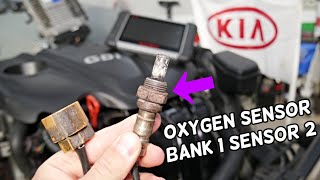
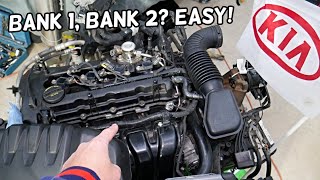
The 2011-2016 Kia Sportage uses inline four-cylinder engines (2.0L Turbo or 2.4L), which simplifies diagnosis for this code. Since there is only one cylinder bank, 'Bank 1' is the only bank, and you don't have to worry about identifying the correct side of the engine 🎬 Watch: How to identify Bank 1 and Bank 2 on your Kia. as you would with a V6. The most common failure on this platform is simply the original downstream O2 sensor reaching the end of its service life. However, this generation of Sportage is also known for significant engine issues which can, in some cases, lead to oil or coolant contamination that fouls O2 sensors.
Symptoms You May Notice
- Check Engine Light is on
- Failing a vehicle emissions test
- Reduced fuel economy
- Occasional engine hesitation or stumbling, particularly after deceleration (rare)
- Replacing the catalytic converter when a P0420 code is present alongside P0139. A lazy P0139 sensor can falsely trigger a P0420 code because it cannot accurately report on the converter's efficiency. Always diagnose and fix P0139 first.
Most Likely Causes
- Failing Downstream Oxygen Sensor (Bank 1, Sensor 2) 🔴 High Probability Oxygen sensors are wear-and-tear items that degrade over time (typically 60,000-100,000 miles) due to constant exposure to high heat and exhaust gases. Contamination from carbon, oil, or fuel additives can coat the sensing element and slow its reaction time.
How to confirm: Use a scan tool to monitor the live data for the B1S2 O2 sensor. A healthy downstream sensor's voltage should be relatively stable (e.g., 0.6-0.8V) on a warm engine at steady RPM. If the voltage is flat, stuck, or responds very sluggishly when you snap the throttle, the sensor is likely bad.
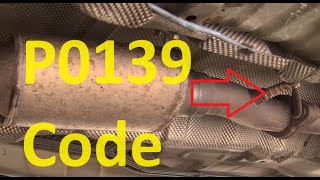
Typical fix: Replace the Bank 1, Sensor 2 oxygen sensor. This sensor is located underneath the vehicle, screwed into the exhaust pipe after the catalytic converter. An O2 sensor socket is often required for removal. 🎬 Watch this walkthrough for replacing the Bank 1 Sensor 2.
Est. part cost: $40 - $180 - Exhaust System Leak 🟡 Medium Probability Rust or damaged gaskets can cause leaks in the exhaust manifold or pipes, particularly at flange joints. These leaks allow outside air to enter the exhaust stream, which skews the oxygen sensor's readings and can make it appear slow to respond.
How to confirm: Visually inspect the exhaust system from the engine to the tailpipe for any cracks, holes, or black soot marks indicating a leak. Listen for hissing or puffing sounds with the engine running. A smoke machine test is the most definitive way to find small leaks.
Typical fix: Repair the leak by replacing the faulty gasket or welding the cracked component.
Est. part cost: $20 - $300 - Damaged Wiring or Connectors ⚪ Low Probability The O2 sensor wiring runs underneath the car and is exposed to heat, moisture, and road debris. Wires can melt on the hot exhaust, and connector pins can corrode, causing high resistance that delays the signal. This is a known issue on the platform mate, the Hyundai Tucson.
How to confirm: Visually inspect the wiring harness and connector for the downstream O2 sensor. Look for any melted, chafed, or corroded wires or pins. Check for continuity and resistance with a multimeter. A recurring P0139 after sensor replacement often points to a subtle wiring or connector pin issue.
Typical fix: Repair the damaged section of the wiring harness or clean/replace the connector pigtail. Dielectric grease can help prevent future corrosion.
Est. part cost: $15 - $50
Rare But Worth Checking
- Powertrain Control Module (PCM) Software Update Needed: Sometimes, the vehicle's manufacturer releases a software update for the PCM that adjusts the parameters for triggering this code. While no specific TSB for P0139 was found, Kia has issued numerous PCM updates for this platform, including the critical Knock Sensor Detection System (KSDS) update related to engine recalls.
- Leaking Fuel Injectors: A leaking fuel injector can create a persistent rich fuel condition, which can foul the oxygen sensor with carbon and cause it to respond slowly. This would typically be accompanied by other codes like P0172 (System Too Rich) and symptoms like rough idle or a fuel smell.
Diagnosis Steps
- Read the codes with an OBD-II scanner to confirm P0139 is present and note any other codes (e.g., P0420, P0141).
- Visually inspect the exhaust system for any obvious leaks, cracks, or damage, especially around flanges and welds between the engine and the downstream O2 sensor.
- Inspect the Bank 1 Sensor 2 wiring harness and connector. Pay close attention to the connector pins for any green or white corrosion. Check if the harness is properly secured away from the hot exhaust pipe.
- Use a scan tool with live data capability to observe the voltage of the Bank 1 Sensor 2. With the engine fully warmed up and held at a steady 2,500 RPM, the voltage should be relatively stable and high (e.g., >0.6V). When you snap the throttle (forcing a rich condition) and then let off completely (fuel cut, lean condition), the voltage should change. If it's stuck or extremely slow to react, the sensor is the primary suspect.
- If the sensor was recently replaced but the code returned, re-inspect the connector and wiring with a multimeter. High resistance in the circuit can cause the same code.
- After repair, clear the codes and perform a drive cycle to ensure the fix was successful.
Parts You'll Likely Need
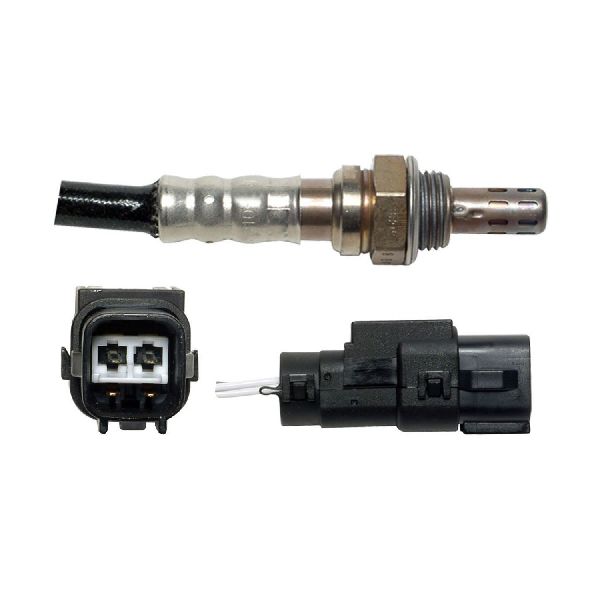
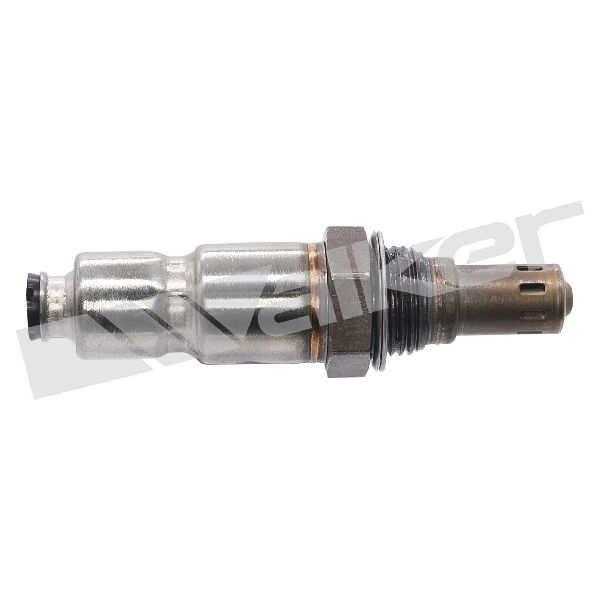
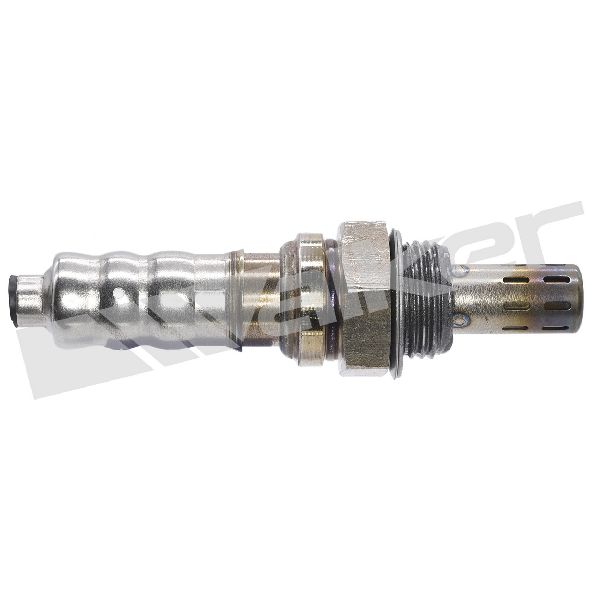
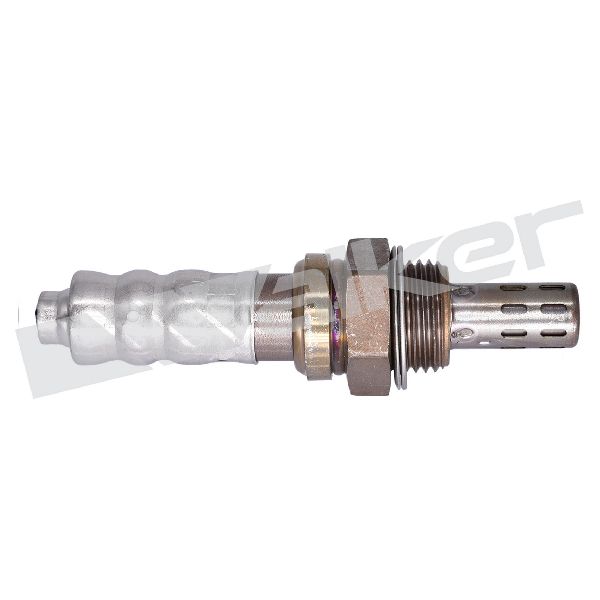
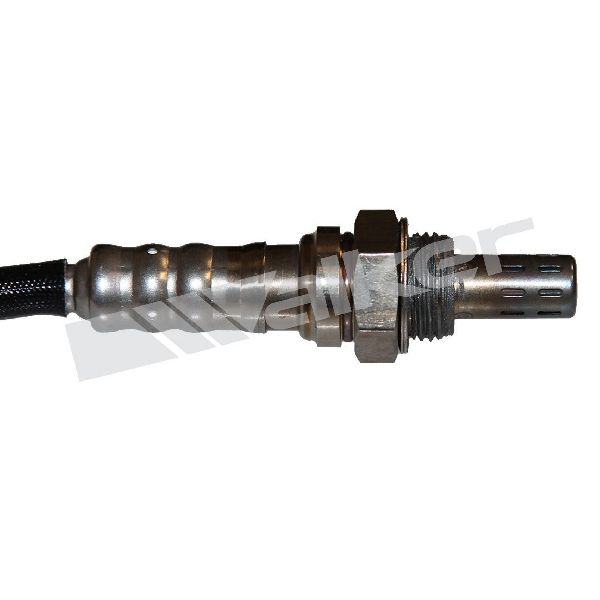
- Downstream Oxygen Sensor (Bank 1, Sensor 2)
(OEM #39210-2GBC0 (For 2.0L & 2.4L engines, but always verify with VIN))— This is the most common cause of P0139. The sensor's chemical ability to detect oxygen degrades over time, causing a slow response. Part numbers vary by engine (2.0L/2.4L) and specific year, so always verify with your vehicle's VIN.
Trusted brands: Denso, Bosch, NGK/NTK, Mando
OEM price range: $120-$200
Aftermarket price range: $40-$90
Related Codes That Often Appear With This One
- P0420 — A slow-responding downstream O2 sensor (P0139) cannot properly measure the catalytic converter's oxygen storage capacity, often leading the PCM to incorrectly flag the converter as failed (P0420).
- P0141 — This code indicates a failure in the O2 sensor's internal heater circuit. The heater is required to get the sensor to operating temperature quickly. If the heater fails, the sensor will warm up too slowly, causing a slow response and triggering P0139.
Technical Service Bulletins (TSBs) & Recalls
- No specific TSB directly addresses code P0139 for this vehicle. However, numerous engine-related TSBs and recalls exist, such as SC147 (Theta II Engine Inspection) and PI1803 (KSDS update), which are critical for the overall health of the powertrain.
Platform-Specific Known Issues
- A recurring issue noted in owner forums for both the Sportage and its platform-mate, the Hyundai Tucson, involves the P0139 code returning even after replacing the sensor. This is often traced back to a poor connection at the electrical connector due to corrosion or spread pins, rather than a faulty new sensor.
Mechanic-Grade Diagnostic Values
- Downstream O2 Sensor (B1S2) Heater Resistance — expected: 3.3 - 10 Ohms at room temperature.. Failure: A reading of infinity ('OL') indicates an open circuit in the heater, while a reading near zero indicates a short. A reading outside the specified range means the sensor has failed.
- Downstream O2 Sensor (B1S2) Signal Voltage — expected: Relatively stable voltage between 0.5V and 0.8V on a fully warmed engine at steady RPM.. Failure: Voltage that is stuck low (near 0.1V), stuck high (near 0.9V), or fluctuating rapidly like an upstream sensor indicates a failed sensor or a significant exhaust leak.
- Total circuit resistance from sensor connector to PCM — expected: Less than 5 Ohms.. Failure: Values above 5 Ohms suggest corrosion in a connector or a damaged wire, which can add enough resistance to slow the signal and trigger P0139.
Scan Tool Commands That Help
- Kia GDS (Global Diagnostic System): Vehicle S/W Management -> Resetting Adaptive Values — After replacing an O2 sensor or addressing a fuel system issue, this function should be used to clear the long-term learned values from the PCM. This forces the computer to re-learn fuel trims and sensor response characteristics with the new components, which can prevent the code from returning.
- Kia GDS (Global Diagnostic System): Actuation Test -> O2 Sensor Heater — This bidirectional command allows a technician to manually activate the heater circuit for the O2 sensor. It is used to verify that the wiring and PCM driver for the heater circuit are functioning correctly, which helps isolate a fault between the sensor itself and the control circuit.
Wiring & Ground Locations
- B1S2 Connector — Underneath the vehicle, attached to the wiring harness coming from the downstream oxygen sensor, which is screwed into the exhaust pipe after the catalytic converter.. This 4-pin connector is a common point of failure. Corrosion on the pins or a loose connection can create high resistance, slowing the sensor's signal and triggering P0139. The two wires of the same color are typically for the heater circuit.
Real Owner Repair Stories
- YouTube - EIDACARS MOTOR NEIVA (Kia Sportage (2.0L, similar platform)) — Persistent P0136 code (downstream O2 sensor circuit malfunction), which is closely related to P0139.
❌ Tried (didn't work) Replacing the downstream oxygen sensor with a new aftermarket part.
✅ What actually fixed it The aftermarket sensor had the incorrect internal resistance, causing an amperage draw over 1.2A that the ECU flagged as a fault. Replacing it with a proper OEM-spec sensor with the correct resistance (~9.9 Ohms) resolved the issue. This demonstrates the Kia ECU's sensitivity to correct sensor specifications.
OEM Part Supersession History
39210-2GBC0→39210-2GBC0 (current)— This part number appears to be stable and has been used for an extended period, covering various models including the 2011-2016 Sportage and later model years.
Heads up: While the part number is consistent, it is listed for both 2.0L and 2.4L engines across different years. Always verify the correct part for your specific vehicle using the VIN, as there can be subtle calibration differences between applications that are not reflected in a part number change.
Model Year Variations Within This Range
- 2011-2013: The 2.4L engine in these earlier models was typically a Multi-Port Injection (MPI) version (G4KE). These engines are less prone to intake valve carbon buildup compared to the later GDI version.
- 2014-2016: For the 2014 model year refresh, the 2.4L engine was updated to a Gasoline Direct Injection (GDI) version (G4KJ), which slightly increased horsepower. GDI engines are known to be susceptible to carbon buildup on the intake valves, which can affect engine performance over time but is not a direct cause of P0139. However, the widespread issues with Theta II GDI engines, including oil consumption from sticking piston rings, can lead to accelerated fouling of O2 sensors.
Diagnostic Flowchart
Other Known Issues on This Vehicle
Issues unrelated to this code that are worth knowing about as an owner of this generation:
- Catastrophic Engine Failure (Theta II GDI) 🔴 High — Widespread across 2.0L and 2.4L GDI engines. Caused by manufacturing debris (metal shavings) restricting oil flow, leading to connecting rod bearing failure. Can occur at various mileages. (Ref: Multiple recalls (e.g., NHTSA 17V-224) and a class-action lawsuit settlement led to a lifetime warranty extension and a Knock Sensor Detection System (KSDS) software update for affected vehicles.)
- Excessive Oil Consumption 🟠 Medium — Commonly reported after 80,000-100,000 miles. Can be a precursor to engine failure due to oil starvation or a separate issue related to piston rings. Some owners report a rapid increase in consumption over a short period. (Ref: Not covered by a specific recall, but often addressed as part of the broader engine failure warranty extensions if it leads to damage.)
- Engine Knocking/Stalling 🔴 High — A primary symptom of the underlying Theta II engine defect. The KSDS update was designed to detect these specific vibrations and put the vehicle into a reduced-power 'limp mode' to prevent catastrophic failure. (Ref: Recall SC147 / NHTSA 17V-224; KSDS Product Improvement Campaign PI1803.)
- Leaking Oil Pan Gasket / Oil Pressure Sensor 🟡 Low — Reported on some 2011-2012 models, causing external oil leaks.
- Transmission Slippage or Rough Acceleration 🟠 Medium — Some owners report issues that may be related to a faulty torque converter.
Used vs. New Parts: Buying Guide for This Vehicle
When a used part is the smart pick: For this repair, a used part is almost never a smart choice. Oxygen sensors are consumable items with a finite lifespan, much like spark plugs or brake pads. A used sensor has an unknown history and may fail shortly after installation.
Donor-vehicle mileage cap: roughly under 20000 miles for the part to have meaningful remaining life.
What to inspect on the donor part:
- If forced to use a used part, source it from a very low-mileage vehicle that was clearly wrecked due to collision, not engine failure.
- Inspect the sensor tip for heavy white (coolant), black (oil/rich), or sooty deposits, which indicate contamination and imminent failure.
- Ensure the wiring pigtail and connector are completely free of corrosion, melting, or physical damage.
OEM-only on this vehicle (don't cheap out):
- Oxygen Sensor
Aftermarket brands forum-validated for this vehicle:
- Denso
- NGK/NTK
- Bosch
Brands owners have reported issues with on this vehicle:
- Unbranded or 'white box' sensors. As evidenced by repair stories, Kia ECUs are very sensitive to the sensor's internal heater resistance. Using a cheap, out-of-spec sensor is a common reason for the code to return after replacement.
Real Owner Stories
Aggregated from forums and TSBs cited above. Mileages and costs reflect what owners reported in those sources.
2007 Hyundai Tucson (Platform-Mate)
Symptoms: The user replaced the oxygen sensor, but the Check Engine Light and P0139 code returned shortly after.
What fixed it: The issue was diagnosed as a wiring or connection problem rather than a faulty sensor.
Source hint: 2carpros.com thread titled '2007 Hyundai Tucson Code P0139, Oxygen Sensor/Check Engine Light'
Kia Sportage Theta II — ~105000 miles
Symptoms: High oil consumption leading to potential fouling of exhaust components.
What fixed it: Discussion suggests oil consumption on the Theta II engine after 100k miles frequently leads to sensor degradation.
Source hint: Reddit r/kia thread titled 'Kia Theta II failures after 100k - Reddit'
Hyundai Tucson (Platform-Mate)
Symptoms: Check engine light for downstream O2 sensor circuit issues including slow response and circuit malfunctions.
What fixed it: Replacement of the downstream O2 sensor and inspection for melted wiring near the exhaust.
Source hint: YouTube video 'HYUNDAI TUCSON CODE P0136 P0137 P0138 P0139 P0140 P0141 O2 OXYGEN SENSOR'
Related OBD-II Codes
Frequently Asked Questions
Does the Theta II engine recall (SC147) or the KSDS update (PI1803) fix the P0139 code on my Kia Sportage?
I replaced the Bank 1 Sensor 2 O2 sensor on my Sportage but the P0139 code came back. What should I check next?
Could my Sportage's high oil consumption be causing the P0139 code?
Where is the Bank 1 Sensor 2 located on the 2011-2016 Sportage?
Is there a specific tool I need to change the sensor myself?
Can an exhaust leak cause a P0139 even if the sensor is good?
Helpful Videos
We Have This Part in Stock

The information in this article is provided for general reference and educational purposes only. Vehicle specifications, procedures, and part compatibility can vary by production date, trim level, and region. Always consult your vehicle's factory service manual and verify part numbers before purchasing or performing repairs. Safety-critical components such as airbags, seat belts, and braking systems should be installed by a qualified professional.
- Kia Sportage:
- 🎬 Helpful Videos
- 🛍️ Shop This Part
- What's Unique About the 2011-2016 Kia Sportage
- Symptoms You May Notice
- Most Likely Causes
- Rare But Worth Checking
- Diagnosis Steps
- Parts You'll Likely Need
- Related Codes That Often Appear With This One
- Technical Service Bulletins (TSBs) & Recalls
- Platform-Specific Known Issues
- Mechanic-Grade Diagnostic Values
- Scan Tool Commands That Help
- Wiring & Ground Locations
- Real Owner Repair Stories
- OEM Part Supersession History
- Model Year Variations Within This Range
- Diagnostic Flowchart
- Other Known Issues on This Vehicle
- Used vs. New Parts: Buying Guide for This Vehicle
- Real Owner Stories
- 2007 Hyundai Tucson (Platform-Mate)
- Kia Sportage Theta II — ~105000 miles
- Hyundai Tucson (Platform-Mate)
- Related OBD-II Codes
- Frequently Asked Questions
- 🎟️ Get 5% Off