

P0139 on 2003-2007 Infiniti G35: Slow O2 Sensor Causes and Fixes
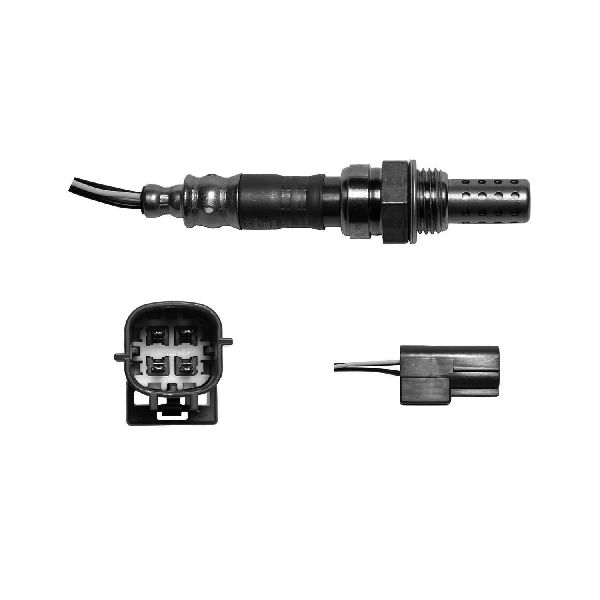
This code almost always means the downstream oxygen sensor on the passenger side has failed. Replacing the Bank 1, Sensor 2 O2 sensor is the most common fix. Expect to pay $70-$120 for an aftermarket sensor and $200+ for an OEM part. It's a straightforward DIY repair for most owners. Many owners on forums recommend using Denso or NTK/NGK sensors over other aftermarket brands for this specific vehicle.
- P0139 on a G35 points directly to a slow-responding downstream oxygen sensor on the passenger side (Bank 1, Sensor 2).
- The most common and effective fix is to replace the sensor itself, preferably with an OEM, Denso, or NTK/NGK part.
- While the sensor is the primary culprit, it's wise to perform a quick inspection for exhaust leaks or wiring damage before replacement.
- This is a common issue due to sensor age and is considered a minor, straightforward DIY repair that does not typically indicate more severe engine problems.
What's Unique About the 2003-2007 Infiniti G35
On the VQ35DE engine in the G35, this code is a very common and straightforward issue. Bank 1 is the passenger side of the engine. The Sensor 2 location is after the catalytic converter, underneath the car near the transmission pan, making it relatively easy to access compared to the upstream sensors located in the tight engine bay. Owners report that this is a frequent failure point as the sensors age, but thankfully, it's not typically indicative of a more serious underlying problem with the engine or catalytic converter. The job can be done with a 22mm (or 7/8") O2 sensor socket and basic hand tools.
Symptoms You May Notice
- Check Engine Light is on
- Failing an emissions/smog test
- Slightly reduced fuel economy
- Possible hesitation or rough idle during deceleration
- Replacing the catalytic converter. A P0139 code points to a slow sensor, not necessarily a bad converter. A failing converter would typically trigger a P0420 code.
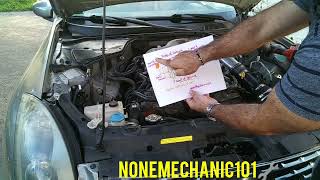
- Replacing the wrong sensor. Ensure you are replacing Bank 1 (passenger side), Sensor 2 (downstream/post-catalyst). Many DIYers have mistakenly replaced the upstream (Sensor 1) 🎬 Watch: Identify the correct sensor locations on your Infiniti or the driver's side sensor (Bank 2).
Most Likely Causes
- Failing Bank 1, Sensor 2 Oxygen Sensor 🔴 High Probability Oxygen sensors are wear items that degrade over time from heat and contaminants. After 100,000+ miles, sluggish performance is common as the sensor gets coated in carbon and soot.
How to confirm: Use a scan tool to monitor the live voltage data for 'B1S2'. The voltage should be relatively stable and steady, typically between 0.6V and 0.8V on a warm engine at steady cruise. If it is stuck at a specific voltage (e.g., 0.3V) or responds very slowly when the engine is revved, the sensor is likely bad.
Typical fix: Replace the Bank 1, Sensor 2 (downstream, passenger side) oxygen sensor. Owners on G35Driver forums strongly recommend using OEM, Denso, or NTK/NGK branded sensors, as some have reported persistent codes with other brands.
Est. part cost: $70-$210 - Exhaust Leak 🟡 Medium Probability Exhaust components can develop leaks at gaskets or from corrosion, especially on older vehicles. The flex pipes and the gaskets at the catalytic converter flanges are common leak points on the G35.
How to confirm: Visually inspect the exhaust system from the catalytic converter back. Listen for any hissing or puffing sounds, especially when the engine is cold; a ticking noise that disappears as the engine warms up is a classic sign of a leak. A shop can perform a smoke test to pinpoint hard-to-see leaks.
Typical fix: Repair the leak by replacing the faulty gasket or section of pipe.
Est. part cost: $20-$200 - Damaged Wiring or Connector ⚪ Low Probability The sensor wiring runs under the vehicle and can be damaged by road debris, improper service, or contact with hot exhaust components, causing melted plastic or chafed wires.
How to confirm: Visually inspect the wiring harness leading to the Bank 1 Sensor 2. Look for any signs of melting, chafing, corrosion in the connector, or broken wires.
Typical fix: Repair the damaged section of the wiring harness or clean/replace the connector.
Est. part cost: $10-$50
Rare But Worth Checking
- Leaking Fuel Injector: A leaking injector on Bank 1 can create a rich condition, fouling the O2 sensor with soot and causing it to read slowly. This would likely be accompanied by other codes like P0172 (System Too Rich Bank 1).
- Engine Control Module (ECM) Fault: In very rare cases, the ECM's internal circuitry for processing the sensor signal can fail. This should only be considered after all other possibilities have been exhaustively ruled out.
Diagnosis Steps
- Confirm the code P0139 is present using an OBD-II scanner.
- Identify Bank 1 (passenger side) and locate Sensor 2, which is downstream of the catalytic converter.
- Perform a thorough visual inspection of the sensor's wiring harness and connector for any signs of melting, corrosion, or physical damage.
- Inspect the exhaust system around the sensor for any black soot marks or audible leaks. A leak before the sensor can cause this code.
- Using a scan tool with live data capabilities, graph the voltage for 'B1S2'. At a steady 2500 RPM, a healthy downstream sensor's voltage should be relatively stable, generally above 0.5V (e.g., 0.6-0.8V). A bad sensor may be stuck, show very lazy voltage changes, or fluctuate wildly.
- If an exhaust leak or wiring issue is found, repair it first, clear the codes, and re-test.
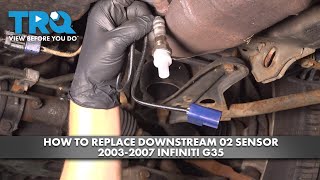
- If no other issues are found and the sensor's data is abnormal, replace the Bank 1 Sensor 2 oxygen sensor. An O2 sensor socket (22mm or 7/8") is highly recomm 🎬 Watch this step-by-step downstream sensor replacement guideended for removal.
- After replacement, clear the trouble codes and perform a drive cycle to ensure the fix was successful.
Parts You'll Likely Need
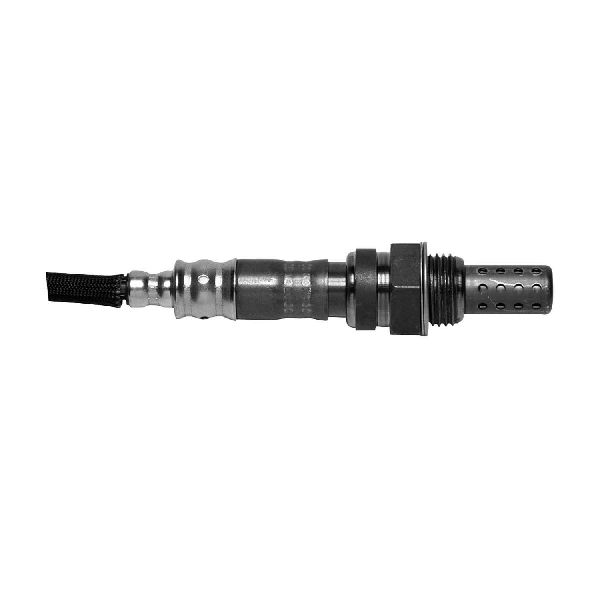
- Oxygen Sensor (Bank 1, Sensor 2)
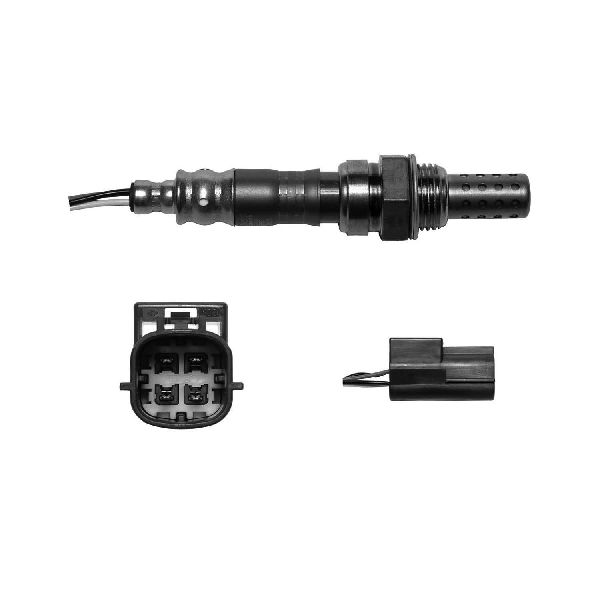
(OEM #226A0-AM601)— This is the downstream (post-catalyst) sensor for the passenger side. It is the most common point of failure for a P0139 code.
Trusted brands: Denso (Part #234-4308), NGK/NTK (Part #24404), Bosch (Part #15730)
OEM price range: $200-$220
Aftermarket price range: $70-$120
Related Codes That Often Appear With This One
- P0159 — This is the same 'Slow Response' code but for Bank 2 (driver's side). If both appear, it suggests the sensors are failing due to age.
- P0037 — This code indicates a fault in the heater circuit of the same sensor (Bank 1, Sensor 2). They often appear together when the sensor fails internally.
- P0138 — This indicates 'O2 Sensor Circuit High Voltage' for the same sensor (B1S2). It can appear alongside P0139 if the sensor is failing erratically.
Platform-Specific Known Issues
- On the G35Driver.com forums, a common owner experience is that using universal or certain off-brand O2 sensors can lead to the code returning quickly. The consensus strongly favors using Denso or NTK sensors, which are often the original equipment manufacturers, for a lasting repair.
- Some owners have reported that even after replacing the sensor, the code returned, only to be fixed by finding and repairing a small exhaust leak at the Y-pipe flange or a hairline crack 🎬 See where G35 exhaust leaks usually happen in the exhaust tubing before the sensor.
Technical Service Bulletins (TSBs) & Recalls
- TSB Bulletin #ITB13056A: While issued for the EX35 model, this bulletin specifically addresses the MIL being ON with DTC P0139 (heated oxygen sensor 2 (B1) circuit slow response) or P0159 stored in the ECM.
- TSB Bulletin #ITB15022: This manufacturer bulletin for the QX60 notes that if P0139, P0159, or related heater circuit codes like P0037 are confirmed, technicians should check for necessary ECM reprogramming.
Mechanic-Grade Diagnostic Values
- Heated O2 Sensor Heater Resistance — expected: 2.5 to 4.0 Ohms. Failure: An open circuit (OL) or a reading significantly outside the expected range indicates a failed heater element.
- Downstream O2 Sensor (B1S2) Voltage during Deceleration Fuel Cut-Off — expected: Voltage should drop below 0.2 volts.. Failure: If the voltage fails to drop below 0.2V for 7 seconds or more, it indicates a slow response, triggering the code.
- Downstream O2 Sensor (B1S2) Voltage at Steady Cruise (Warm Engine) — expected: Relatively stable voltage between 0.5V and 0.8V.. Failure: Voltage is stuck low (e.g., <0.2V), stuck high (e.g., >0.9V), or fluctuates very slowly when engine speed changes.
Scan Tool Commands That Help
- Nissan CONSULT-II / CONSULT-III: O2 Sensor (B1-S2) Live Data Monitoring — The dealer-level scan tool provides the most accurate and fastest-refreshing data stream for observing the sensor's voltage response during idle, steady cruise, and deceleration to confirm a slow response time.
Wiring & Ground Locations
- ECM Connector Pin #17 — At the Engine Control Module (ECM), which is typically located behind the right side of the dashboard / glove box area.. This is the signal wire for the Bank 1 Sensor 2. A forum user on G35Driver discovered the Factory Service Manual incorrectly lists this as Pin #74. Testing for continuity or voltage at Pin #17 (Blue/Black wire for a 2005 Coupe) is critical for diagnosing wiring issues.
- Ground Points E17 & E43 — E17 is on the right side of the engine compartment; E43 is on the left front side of the engine compartment.. These are primary engine bay ground locations. A corroded or loose ground at these points can introduce electrical noise or resistance into sensor circuits, potentially causing slow response codes. The O2 sensor heater circuit also relies on a solid ground.
- IPDM E/R (Intelligent Power Distribution Module Engine Room) — Located at the right rear of the engine compartment, often near the battery.. This module contains the fuses and relays that supply power to components like the O2 sensor heaters. A 15A fuse in this module typically powers the sensor heaters.
Real Owner Repair Stories
- G35Driver Forum user 'Scorpi0' (2005 Infiniti G35 Coupe) — Check Engine Light with O2 sensor codes.
❌ Tried (didn't work) Relying on the Factory Service Manual (FSM) for ECM pinout locations.
✅ What actually fixed it The user discovered the FSM had incorrect pinouts for the O2 sensor signal wires at the ECM. For Bank 1 Sensor 2, the correct pin was #17 (Blue/Black wire), not #74 as stated in the manual. After physically tracing the wires and identifying the correct pins, they were able to properly diagnose the circuit.
OEM Part Supersession History
226A0-AM601→No direct supersession found, this part number remains active.— N/A
Heads up: This part number is specific to the downstream (Sensor 2) position. The upstream sensors (Sensor 1) have different part numbers (e.g., 22690-AM601 for later models) and are not interchangeable.
Model Year Variations Within This Range
- 2003-2007: While the fix for P0139 is consistent, the *upstream* O2 sensors (Sensor 1) changed around the 2004.5-2005 model year from narrowband to wideband. This is important because if multiple O2 codes are present, a technician must ensure they order the correct type of upstream sensor for the specific VIN, as they are not interchangeable. The downstream sensor (Sensor 2) causing P0139 remained a consistent part type.
Diagnostic Flowchart
Other Known Issues on This Vehicle
Issues unrelated to this code that are worth knowing about as an owner of this generation:
- Excessive Oil Consumption 🔴 High — Very common on 2005-2007 models with the 'Rev-Up' VQ35DE engine. Can start as early as 60,000 miles and often consumes 1 quart per 1,000-2,000 miles. (Ref: Infiniti TSB ITB08-001a addresses this, outlining an oil consumption test that could lead to engine replacement if criteria are met.)
- Valve Cover Gasket & Spark Plug Tube Seal Leaks 🟠 Medium — Common on vehicles over 100,000 miles. The seals harden and leak oil into the spark plug tubes, causing misfires.
- Crankshaft and Camshaft Position Sensor Failure 🟠 Medium — Prevalent across all years. Failure can cause stalling, hesitation, and a no-start condition. A recall was issued for some models. (Ref: Recall R0606)
- Failing Window Motors 🟡 Low — A common annoyance where the window motor fails, causing the window to become stuck.
- Worn Suspension Compression Rod Bushings 🟠 Medium — The original rubber bushings are soft and prone to tearing, especially on lowered vehicles, causing clunking noises and imprecise steering feel.
- Inaccurate Fuel Gauge 🟡 Low — The fuel level sending unit in the tank can fail, causing the gauge to read incorrectly (e.g., showing half a tank when empty).
Used vs. New Parts: Buying Guide for This Vehicle
When a used part is the smart pick: A used O2 sensor is almost never a good idea. They are wear items with a finite lifespan, and the labor to install one is the same whether it's new or used. The risk of getting a part that is already failing or will fail soon is very high. It is not a recommended part to source from a junkyard.
Donor-vehicle mileage cap: roughly under 20000 miles for the part to have meaningful remaining life.
What to inspect on the donor part:
- If forced to use a used sensor, look for one from a very low-mileage vehicle.
- Inspect the sensor tip for heavy carbon fouling (black and sooty) or white deposits (coolant contamination), and avoid any that show these signs.
- Ensure the wiring and connector are free of any melting, corrosion, or damage.
OEM-only on this vehicle (don't cheap out):
- While not strictly 'OEM-only', the consensus on G35/350Z forums is that the vehicle's ECU is sensitive to the specific performance of the oxygen sensors. Using OEM, Denso, or NTK/NGK is strongly advised to prevent the code from returning.
Aftermarket brands forum-validated for this vehicle:
- Denso (often the OEM supplier)
- NTK / NGK
Brands owners have reported issues with on this vehicle:
- Universal 'cut-and-splice' sensors
- Unbranded or generic 'white-box' parts from online marketplaces
Real Owner Stories
Aggregated from forums and TSBs cited above. Mileages and costs reflect what owners reported in those sources.
2004 Infiniti G35 coupe
Symptoms: Service engine soon light randomly came on while driving in cold weather (-15 degrees Celsius). Scanned and found 6 codes including P0139 and P0159.
What fixed it: The owner was advised to start by replacing the O2 sensors as P0139 and P0159 specifically point to those components.
Source hint: r/G35
2003-2007 Infiniti G35 VQ35DE
Symptoms: The P0139 code returned even after the oxygen sensor was replaced.
What fixed it: Finding and repairing a small exhaust leak at the Y-pipe flange or a hairline crack in the exhaust tubing before the sensor.
Source hint: vehicle_specific_issues
Infiniti I30 (VQ-series platform mate)
Symptoms: Code P0139 present; owner needed to replace both rear O2 sensors.
What fixed it: Replacement of the rear O2 sensors and careful routing of the new sensor wires.
Source hint: Nissanforums - 'Code P0139'
Related OBD-II Codes
Frequently Asked Questions
Which brand of oxygen sensor should I use for my G35 to ensure the P0139 code doesn't come back?
Where is the Bank 1 Sensor 2 located on the VQ35DE engine?
Could my G35's known oil consumption issue be related to this O2 sensor code?
I hear a ticking noise when my G35 is cold that goes away later; could this cause P0139?
Is there a specific tool I need to replace the sensor on my Infiniti?
Are there any recalls for sensors on the 2003-2007 G35 platform?
Helpful Videos

We Have This Part in Stock


The information in this article is provided for general reference and educational purposes only. Vehicle specifications, procedures, and part compatibility can vary by production date, trim level, and region. Always consult your vehicle's factory service manual and verify part numbers before purchasing or performing repairs. Safety-critical components such as airbags, seat belts, and braking systems should be installed by a qualified professional.
- Infiniti G35:
- 🎬 Helpful Videos
- 🛍️ Shop This Part
- What's Unique About the 2003-2007 Infiniti G35
- Symptoms You May Notice
- Most Likely Causes
- Rare But Worth Checking
- Diagnosis Steps
- Parts You'll Likely Need
- Related Codes That Often Appear With This One
- Platform-Specific Known Issues
- Technical Service Bulletins (TSBs) & Recalls
- Mechanic-Grade Diagnostic Values
- Scan Tool Commands That Help
- Wiring & Ground Locations
- Real Owner Repair Stories
- OEM Part Supersession History
- Model Year Variations Within This Range
- Diagnostic Flowchart
- Other Known Issues on This Vehicle
- Used vs. New Parts: Buying Guide for This Vehicle
- Real Owner Stories
- 2004 Infiniti G35 coupe
- 2003-2007 Infiniti G35 VQ35DE
- Infiniti I30 (VQ-series platform mate)
- Related OBD-II Codes
- Frequently Asked Questions
- 🎟️ Get 5% Off