

P0138 on 2015-2019 Hyundai Sonata 2.4L: O2 Sensor High Voltage Causes and Fixes
This code indicates a high voltage reading from the downstream oxygen sensor (Bank 1, Sensor 2). The most common cause is a failed sensor. Before replacing, inspect the wiring harness for melting. Expect to pay $50-$120 for a quality aftermarket sensor (Denso/NTK) and $120-$200 for an OEM part. It's a straightforward DIY job for most owners.
- P0138 on your Sonata almost always means the downstream oxygen sensor (Bank 1, Sensor 2) has failed.
- Before replacing the sensor, perform a quick visual inspection of the sensor's wiring harness to check for any melting or damage, as this is a known weak point.
- Replacing the downstream O2 sensor is a DIY-friendly job that requires basic tools and an oxygen sensor socket, but be prepared for the old sensor to be seized in the exhaust pipe.
- Do not replace the catalytic converter; this code points to a sensor or wiring issue, not a failed converter. Fix P0138 first, even if P0420 is also present.
- Use a quality replacement sensor from brands like OEM, Denso, or NTK to avoid repeat failures.
What's Unique About the 2015-2019 Hyundai Sonata
On the 2.4L GDI engine used in the 2015-2019 Sonata and its platform mates (Kia Optima, Hyundai Santa Fe), premature failure of the downstream oxygen sensor is a commonly reported issue. While the sensor itself is the usual culprit, it's also critical to inspect the wiring harness that runs underneath the car. The plastic clips securing the harness can become brittle from heat and break, allowing the wires to touch the hot exhaust pipe. This can melt the insulation and cause a short circuit, which perfectly mimics the symptoms of a failed sensor.
Symptoms You May Notice
- Check Engine Light is on
- Reduced fuel economy
- Rough idling or engine hesitation
- Failure to pass an emissions test
- Strong smell from the exhaust due to a rich fuel mixture
- Replacing the catalytic converter. A P0138 code points to a problem with the sensor circuit, not necessarily the converter itself. A faulty sensor can cause a false P0420 code to appear. Always fix O2 sensor codes first.
- Replacing the wrong oxygen sensor. This code is for Bank 1, Sensor 2, which is the downstream sensor located after the catalytic converter. The 2.4L is an inline 4-cylinder, so it only has one bank.
- Using a cheap, unbranded oxygen sensor. These engines can be sensitive to sensor quality. Using a low-quality sensor may cause the code to return. Sticking with OEM, Denso, or NTK is highly recommended.
Most Likely Causes
- Failed Downstream Oxygen Sensor (Bank 1, Sensor 2) 🔴 High Probability Premature sensor failure is a very common issue reported for this specific engine and model range, often occurring around 80,000-100,000 miles.
How to confirm: Use a scan tool to monitor the live data for the 'O2S B1S2' oxygen sensor. If the voltage is stuck high (e.g., above 0.9V) and does not fluctuate even when the engine is revved, the sensor has likely failed internally.
Typical fix: Replace the downstream oxygen sensor. This sensor is located under the vehicle, screwed into the exhaust pipe after the catalytic converter. Using an O2 sensor socket is highly recommended.
Est. part cost: $50-$200 - Damaged Wiring or Connector 🟡 Medium Probability The wiring harness for the sensor is routed under the car and is known to be susceptible to heat damage from the exhaust if its plastic retaining clips break. This allows the harness to sag and melt on the pipe.
How to confirm: Visually inspect the entire wiring harness from the sensor to the main loom. Pay close attention to the section directly above the exhaust pipe. Look for any signs of melting, chafing, corrosion, or loose pins in the connector.
Typical fix: Repair the damaged section of wire or replace the connector pigtail. Secure the harness away from the hot exhaust pipe using high-temperature zip ties to prevent recurrence.
Est. part cost: $10-$50 - Engine Running Rich ⚪ Low Probability While not specific to this platform, any issue causing a rich fuel mixture (like a leaking fuel injector or faulty fuel pressure regulator) will deplete oxygen in the exhaust and can make the downstream O2 sensor read high.
How to confirm: Check for other diagnostic trouble codes, especially fuel trim codes like P0172 (System Too Rich). A rich condition will cause the downstream sensor to read high as a symptom of the primary problem.
Typical fix: Diagnose and fix the root cause of the rich condition (e.g., faulty injector, MAP sensor, etc.) before replacing the O2 sensor.
Est. part cost: $50-$500+
Rare But Worth Checking
- Blown Fuse: The oxygen sensor heater circuit is protected by a fuse (often labeled 'SENSOR 1' in the engine bay fuse box). While a blown fuse typically causes a heater circuit code (P0141), it's worth a quick check as electrical faults can be unpredictable.
- Exhaust Leak: While an exhaust leak before the sensor typically introduces oxygen and causes a low voltage code (P0137), a significant leak near the sensor could, in some cases, disrupt the sensor's proper heating or grounding, potentially leading to an erroneous high voltage reading.
- Powertrain Control Module (PCM) Fault: This is very rare, but a faulty driver circuit within the PCM can cause erroneous readings. This should only be considered after all other possibilities, especially the sensor and wiring, have been exhaustively ruled out.
Diagnosis Steps
- Read the codes with an OBD-II scanner. Note all active and pending codes and review freeze frame data.
- Using the scanner's live data function, observe the voltage from 'O2S B1S2' (Bank 1, Sensor 2). The voltage should fluctuate slowly on a healthy, warm engine. If it is stuck high (above 0.9V), it confirms the fault condition.
- Perform a thorough visual inspection of the oxygen sensor's wiring harness and connector. Look for any signs of melting, chafing, or corrosion, paying special attention to the area above the exhaust pipe where the harness may sag.
- Check the fuse for the oxygen sensor heater circuit (e.g., 15A 'SENSOR 1') in the engine compartment fuse box.
- If the wiring and fuse are good, the most likely cause is a failed oxygen sensor. You can confirm by testing the sensor itself. Disconnect the sensor and use a multimeter to check for a short between the signal wire and the heater power wire on the sensor side.
- Check for exhaust leaks between the catalytic converter and the downstream O2 sensor. A leak can sometimes cause erratic readings.
- If the sensor and wiring test good, the issue may be an engine running rich (check for other codes like P0172) or, in very rare cases, a faulty PCM.
Parts You'll Likely Need
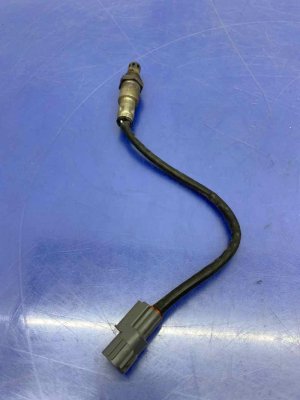
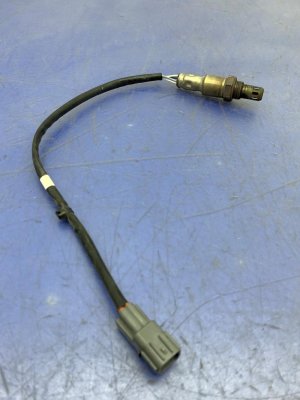
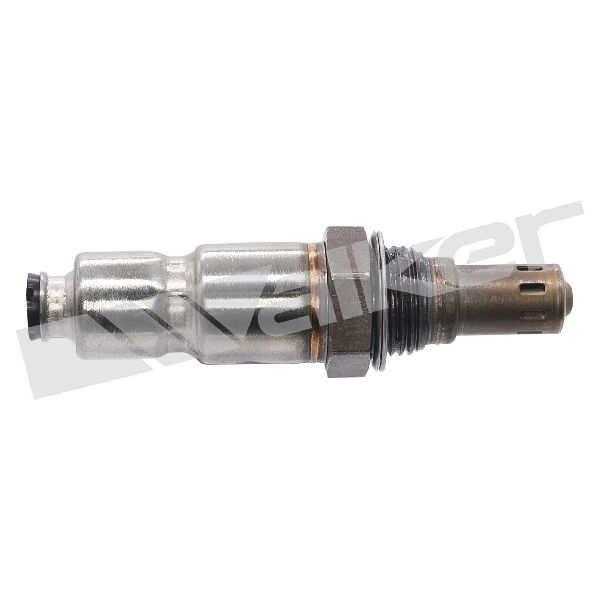
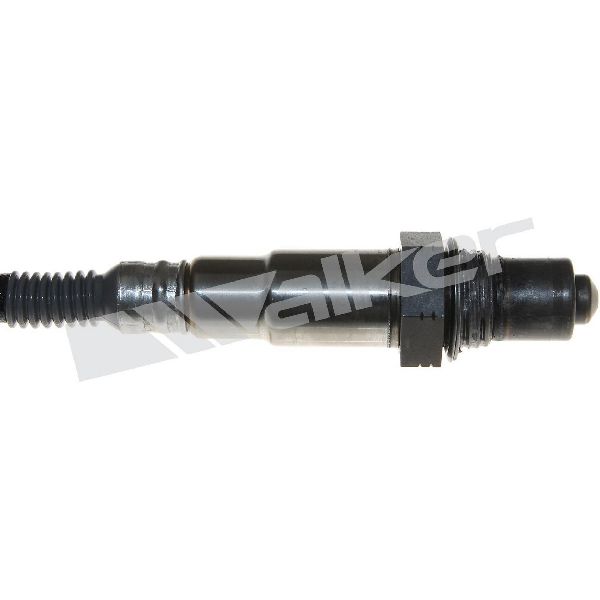
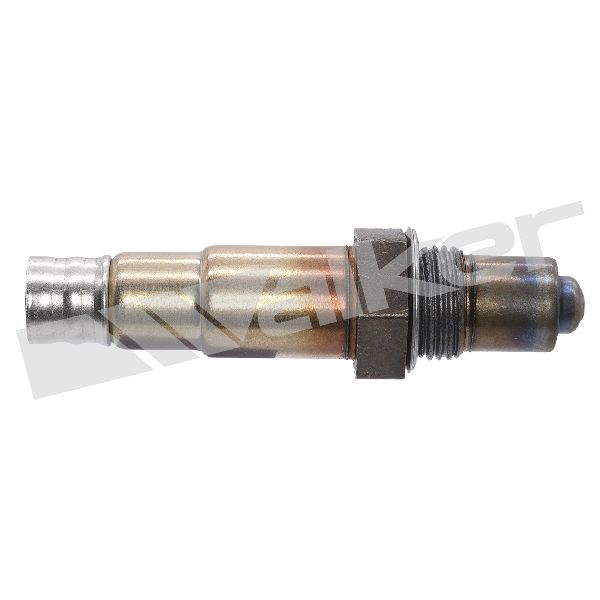
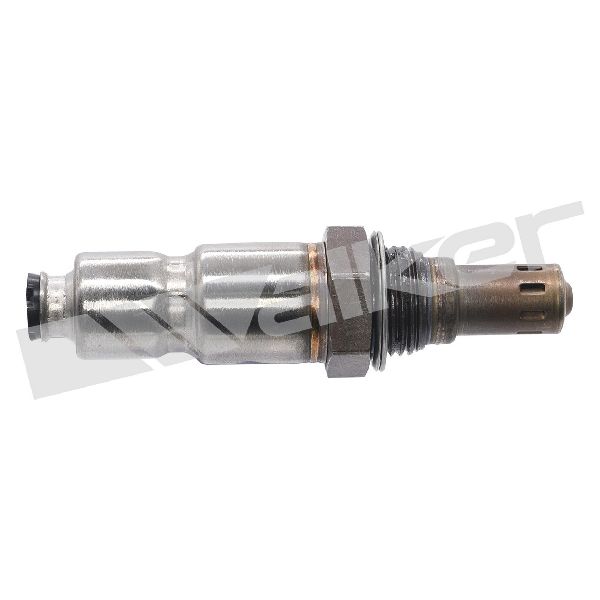
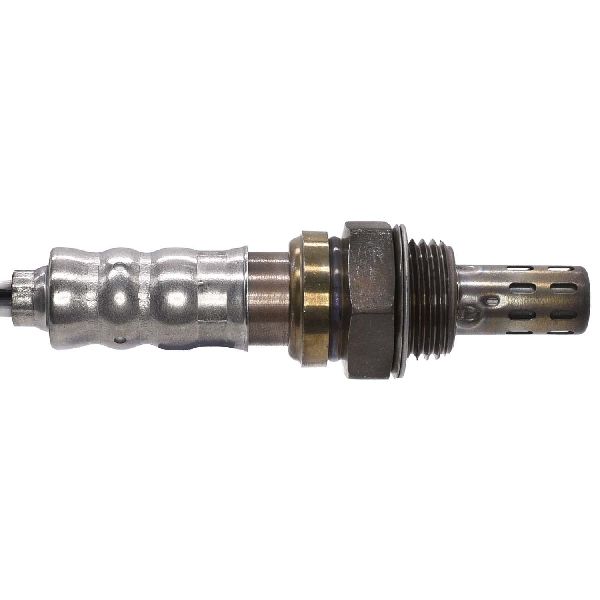
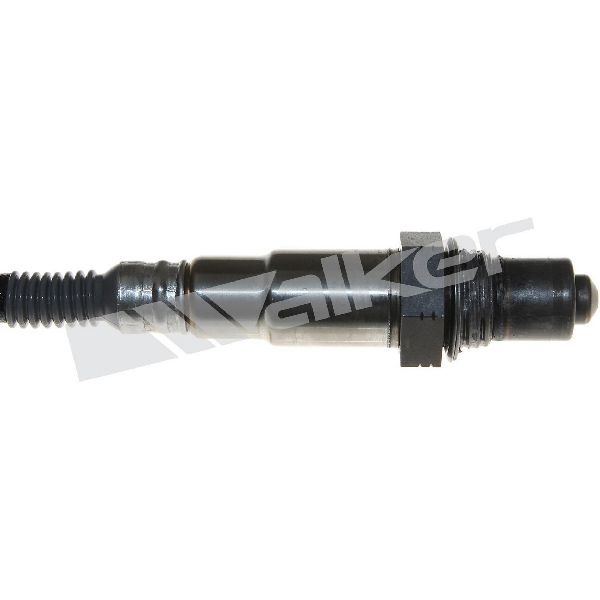
- Downstream Oxygen Sensor (Bank 1, Sensor 2)
(OEM #39210-2G200)— This is the most common failure item that causes the P0138 code on this vehicle.
Trusted brands: Hyundai (OEM), Denso (e.g., 234-4238), NGK/NTK
OEM price range: $120-$200
Aftermarket price range: $50-$120
Related Codes That Often Appear With This One
- P0136 — This is a general malfunction code for the same sensor circuit and can appear alongside the more specific P0138 high voltage code.
- P0141 — This code indicates a fault in the heater circuit of the same oxygen sensor. An internal failure of the sensor often damages both the sensing element and the heater element, causing both codes to appear together.
- P0172 — If the engine is running rich, it will cause the downstream O2 sensor to read high, triggering P0138. P0172 (System Too Rich) indicates this underlying problem.
- P0420 — A faulty downstream sensor giving a false high reading can trick the PCM into thinking the catalytic converter is not working, setting a P0420 code. The P0138 fault must be fixed before considering a catalytic converter replacement.
Technical Service Bulletins (TSBs) & Recalls
- 23-01-010H: While for the 2.0L Turbo engine, this TSB mentions an ECM update to revise logic to compensate for oxygen sensor aging, showing that software can be a factor in O2 sensor performance.
- 20-FL-011H: For the 2019-2020 Santa Fe with the same 2.4L GDI engine, this TSB provides an ECM software update to revise diagnostic logic for an O2 sensor heater circuit code, indicating Hyundai actively refines sensor monitoring logic.
Platform-Specific Known Issues
- Repair Story: Melted Harness was the Culprit: On a similar platform (2011 Tucson 2.4L), a user reported recurring P0136/P0141 codes. The fix was not the sensor, but repairing a section of the wiring harness that had melted after its retaining clips broke, allowing it to rest on the exhaust. The harness was re-secured with high-temp zip ties. This highlights the importance of inspecting the wiring first.
- Repair Story: Simple Sensor Swap Fixes P0138/P0140: A video guide for a 2013 Sonata with P0138 and P0140 codes shows a successful repair by simply replacing the downstream oxygen sensor with a new Denso unit. The old sensor was seized and had to be cut out, which is a common difficulty.
Mechanic-Grade Diagnostic Values
- Downstream O2 Sensor (B1S2) Voltage - Fault Trigger — expected: Should fluctuate slowly, typically between 0.4V and 0.9V on a warm, healthy engine.. Failure: Voltage remains above 1.08V for more than 5 seconds.
- Downstream O2 Sensor (B1S2) Voltage - Dynamic Test — expected: During sudden deceleration (fuel cut), voltage should drop below 0.2V. When accelerating hard, voltage should rise to 0.6V - 1.0V.. Failure: Voltage fails to drop during deceleration or fails to rise during acceleration, indicating a lazy or failed sensor.
- O2 Sensor Heater Element Resistance — expected: 4 to 20 Ohms at room temperature, measured between the two heater pins on the sensor's connector.. Failure: A reading of infinity (Open Loop/OL) or near zero ohms (short) indicates the internal heater has failed, which often accompanies sensor failure.
Wiring & Ground Locations
- Engine Block Ground — A bolt on a bracket on the engine block, often on the left side (facing the engine).. A poor engine ground can cause floating voltages and erratic sensor readings throughout the engine management system, including the O2 sensors.
- ECM/PCM Ground — A cable from the Engine Control Module that grounds to the frame rail, often on the driver's side under the hood.. The PCM relies on this ground as a reference for all sensor readings. A bad PCM ground can directly cause incorrect voltage interpretation from the O2 sensor.
- Transmission Ground — A ground strap located underneath the battery tray, connecting the transmission case to the chassis.. This is a major ground path. Corrosion or looseness here can introduce electrical noise and unstable ground references for sensors mounted on the powertrain.
- O2 Sensor Fuse — In the under-hood fuse box, often labeled 'SENSOR 1' (15A).. This fuse powers the sensor's internal heater. While a blown fuse usually sets a heater code (P0141), it can sometimes cause unpredictable signal voltage behavior, including a high reading.
Real Owner Repair Stories
- YouTube - Maic Salazar Diagnostics (2013 Hyundai Sonata (YF Generation, similar 2.4L engine)) — Check Engine Light with codes P0138 and P0140.
❌ Tried (didn't work) Initial diagnosis focused on live data, which showed a non-responsive downstream O2 sensor, pointing away from a wiring-only issue.
✅ What actually fixed it The downstream oxygen sensor was replaced with a new Denso unit. The old sensor was seized in the exhaust bung and had to be cut out, a common problem. After replacement, the codes were cleared and did not return.
OEM Part Supersession History
39210-2G200→N/A - Still active— N/A
Heads up: This OEM part number is cross-referenced to aftermarket parts like Denso 234-4238 and NTK 25199. However, fitment guides for these aftermarket parts are inconsistent, with many listing them only for the previous Sonata generation (up to 2014/2015). It is critical to verify the specific aftermarket part number for the 2015-2019 (LF) generation before purchasing.
Model Year Variations Within This Range
- 2018-2019: A mid-cycle facelift occurred for the 2018 model year, resulting in revised exterior styling, a new dashboard layout, and an updated steering wheel. However, for the 2.4L GDI engine, the powertrain, including the engine, 6-speed automatic transmission, and emissions control system (including the O2 sensors), remained unchanged from the 2015-2017 models. This P0138 code diagnosis is identical across the entire 2015-2019 range for this engine.
Diagnostic Flowchart
Other Known Issues on This Vehicle
Issues unrelated to this code that are worth knowing about as an owner of this generation:
- Connecting Rod Bearing Failure / Engine Seizure 🔴 High — Widespread across millions of Theta II 2.4L GDI engines, leading to multiple class-action lawsuits and recalls. Can occur at various mileages. (Ref: Subject of multiple recalls (e.g., NHTSA 20V746000) and a major class-action settlement (In re: Hyundai and Kia Engine Litigation II) which extended the warranty to lifetime for affected vehicles that received the Knock Sensor Detection System (KSDS) software update (e.g., Service Campaign 966).)
- Excessive Oil Consumption 🔴 High — Commonly reported problem, often a precursor to engine bearing failure. Owners report needing to add oil between changes. (Ref: Related to the main engine defect lawsuits. The KSDS update is intended to detect issues arising from this, but the underlying consumption issue may persist.)
- Knock Sensor Detection System (KSDS) Faults (P1326) 🟠 Medium — The KSDS was implemented via recall to detect bearing failure. However, the sensor or its logic can sometimes be faulty, incorrectly putting the car into limp mode (Engine Protection Mode). (Ref: TSB 20-01-004H-3 and others address DTC P1326 which is triggered by the KSDS.)
Used vs. New Parts: Buying Guide for This Vehicle
When a used part is the smart pick: A used part is generally not recommended for the oxygen sensor itself, as it is a wear-and-tear item with a finite lifespan. However, sourcing a used connector pigtail or a section of the wiring harness from a low-mileage, accident-damaged vehicle can be a cost-effective repair for a melted or damaged connector.
Donor-vehicle mileage cap: roughly under 60000 miles for the part to have meaningful remaining life.
What to inspect on the donor part:
- For a wiring harness/pigtail, inspect for any signs of brittleness, melting, or previous repairs.
- Ensure the connector's locking tab is intact and the pins are clean and straight.
- Avoid parts from vehicles with visible flood or fire damage.
OEM-only on this vehicle (don't cheap out):
- While not directly for P0138, if a P0420 code accompanies it, be aware that aftermarket catalytic converters for this platform have a poor reputation and often fail to meet emissions standards, making an OEM converter a better long-term choice.
Aftermarket brands forum-validated for this vehicle:
- Denso
- NGK/NTK
Brands owners have reported issues with on this vehicle:
- Unbranded, 'white-box' sensors from online marketplaces. These often have poor quality control and can fail quickly or be dead-on-arrival.
Real Owner Stories
Aggregated from forums and TSBs cited above. Mileages and costs reflect what owners reported in those sources.
2011 Hyundai Tucson 2.4L
Symptoms: Recurring P0136 and P0141 codes.
What fixed it: Repairing a section of the wiring harness that had melted after its retaining clips broke and allowed it to rest on the exhaust; the harness was then re-secured with high-temp zip ties.
Source hint: vehicle_specific_issues: Repair Story: Melted Harness was the Culprit
2013 Hyundai Sonata 2.4L
Symptoms: P0138 and P0140 codes; the technician observed sensor activity on a scanner and determined the sensor was faulty.
What fixed it: Replacing the downstream oxygen sensor with a new Denso unit. The old sensor was seized and had to be cut out.
Source hint: YouTube - Maic Salazar Diagnostics
Related OBD-II Codes
Frequently Asked Questions
Is there a TSB for the oxygen sensor logic on my 2019 Santa Fe with the 2.4L GDI engine?
My 2015 Sonata has P0138; could this be related to the major engine recalls for the Theta II?
I see a TSB 23-01-010H for O2 sensors; does this apply to my 2.4L Sonata?
Why does the wiring harness keep failing on the Sonata and Optima platform?
At what mileage does the downstream O2 sensor typically fail on this 2.4L engine?
Can I use a used oxygen sensor to fix P0138 on my Sonata?
Helpful Videos
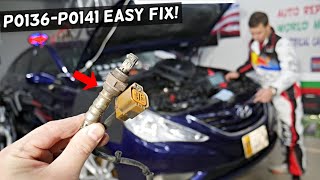
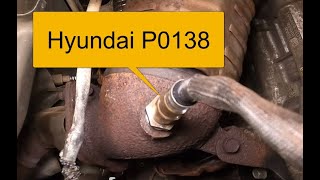
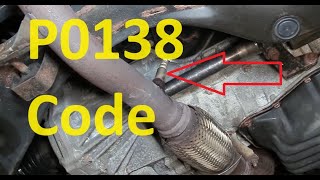
Used OEM Parts in Stock
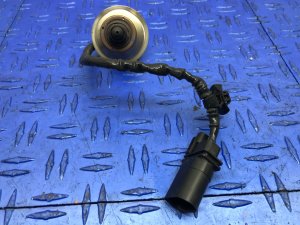
New Aftermarket Parts Available

The information in this article is provided for general reference and educational purposes only. Vehicle specifications, procedures, and part compatibility can vary by production date, trim level, and region. Always consult your vehicle's factory service manual and verify part numbers before purchasing or performing repairs. Safety-critical components such as airbags, seat belts, and braking systems should be installed by a qualified professional.
- Hyundai Sonata:
- 🎬 Helpful Videos
- 🛍️ Shop This Part
- What's Unique About the 2015-2019 Hyundai Sonata
- Symptoms You May Notice
- Most Likely Causes
- Rare But Worth Checking
- Diagnosis Steps
- Parts You'll Likely Need
- Related Codes That Often Appear With This One
- Technical Service Bulletins (TSBs) & Recalls
- Platform-Specific Known Issues
- Mechanic-Grade Diagnostic Values
- Wiring & Ground Locations
- Real Owner Repair Stories
- OEM Part Supersession History
- Model Year Variations Within This Range
- Diagnostic Flowchart
- Other Known Issues on This Vehicle
- Used vs. New Parts: Buying Guide for This Vehicle
- Real Owner Stories
- 2011 Hyundai Tucson 2.4L
- 2013 Hyundai Sonata 2.4L
- Related OBD-II Codes
- Frequently Asked Questions
- 🎟️ Get 5% Off