

P0137 on 2008-2010 Saturn Vue 3.5L V6: O2 Sensor Low Voltage Causes & Fixes
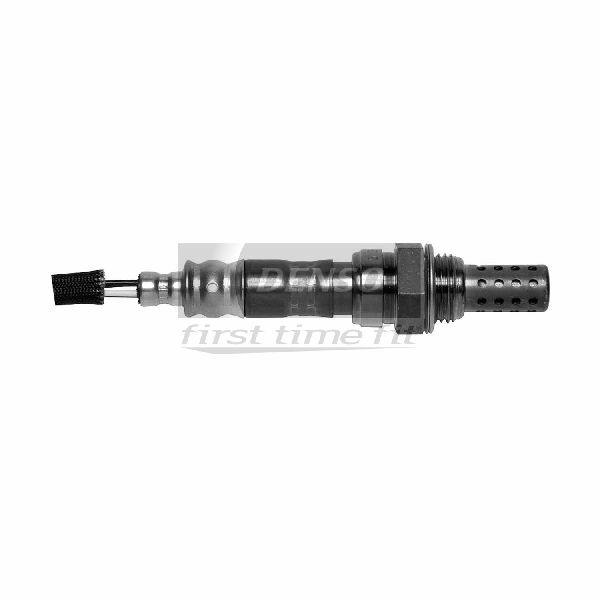
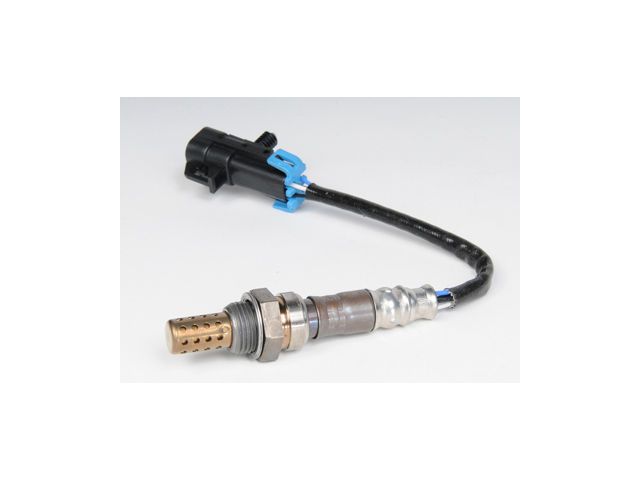
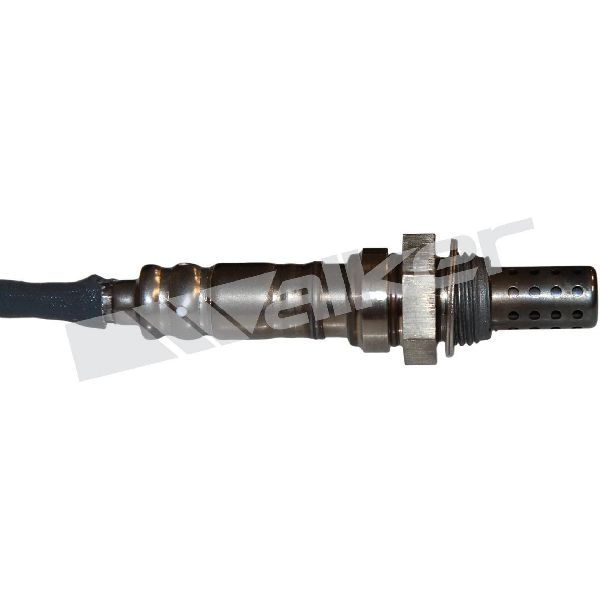
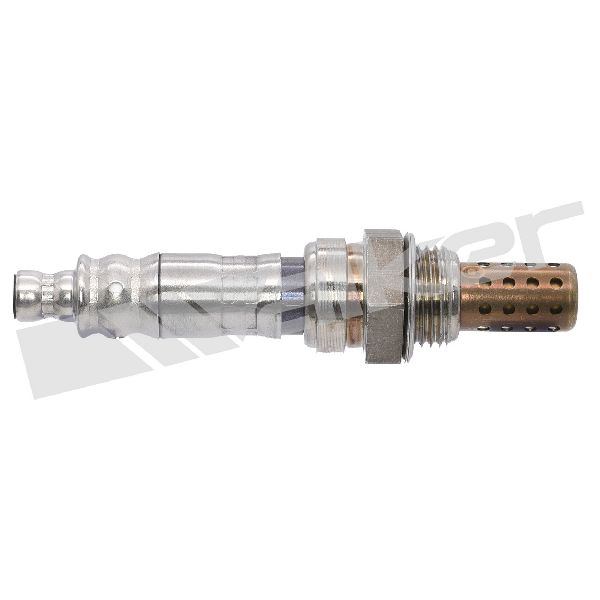
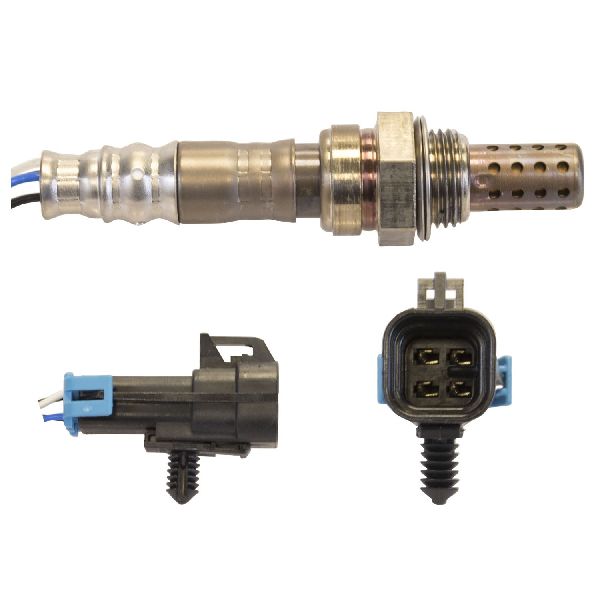
On the 2008-2010 Saturn Vue with the 3.5L V6, code P0137 is almost always caused by a failed downstream oxygen sensor on the firewall side of the engine. Because this is a Honda-sourced engine (internally designated L66 by GM), using a Denso or NTK replacement part is highly recommended for a lasting fix. The most commonly cited successful replacement part is Denso P/N 234-4368.
- P0137 points to the downstream oxygen sensor on the firewall side of the 3.5L V6 engine.
- The most common fix is to replace the faulty oxygen sensor.
- Because this Saturn uses a Honda engine, it is best to use a Denso or NTK brand replacement sensor for reliability.
- Before replacing the sensor, always check for exhaust leaks and damaged wiring, as these can also cause the code.
- This issue will cause an automatic failure on an emissions test.
What's Unique About the 2008-2010 Saturn Vue
The most important thing to know about the 3.5L V6 in the 2008-2010 Saturn Vue is that it's not a GM engine; it's a J-series engine (J35Z3) sourced from Honda. This was part of a deal where GM received V6 engines and Honda received Isuzu diesel engines for the European market. This is unusual for a Saturn and has a major impact on parts selection. While GM vehicles often use ACDelco parts, the original and best-performing oxygen sensors for this specific engine are made by Denso or NTK, the same suppliers Honda uses. Choosing one of these brands is critical for avoiding repeat failures and ensuring compatibility with the Honda-designed ECU logic.
Symptoms You May Notice
- Illuminated Check Engine Light
- Failure to pass an emissions inspection
- Slightly reduced fuel economy (though often not noticeable)
- Rough or unstable idle in some cases
- Replacing the catalytic converter. A bad downstream O2 sensor can sometimes be misdiagnosed as a bad converter. Since the sensor is much cheaper and a common failure point, it should be diagnosed and replaced first.
- Replacing the wrong O2 sensor. This V6 has four sensors. P0137 specifically refers to Bank 1 🎬 Watch: Understanding the P0137 code and how to fix it (firewall side) Sensor 2 (post-catalyst). Ensure you are locating and replacing the correct one.
- Using a cheap, universal oxygen sensor. While tempting due to the lower price, universal sensors require cutting and splicing wires. For this Honda-powered vehicle, an improper splice or incompatible sensor can lead to the code returning. A direct-fit Denso or NTK part is strongly advised.
Most Likely Causes
- Failed Oxygen Sensor (Bank 1, Sensor 2) 🔴 High Probability Oxygen sensors are wear items that operate in a high-heat, harsh exhaust environment. Their internal heating elements and sensing capabilities degrade over time, with a typical lifespan of 60,000 to 100,000 miles.
How to confirm: Use a scan tool to view live data for 'HO2S B1S2'. If the voltage is stuck below 0.2V and does not fluctuate on a warm engine, the sensor has likely failed. You can also test the internal heater circuit with a multimeter; an open circuit or resistance outside of the manufacturer's specification confirms failure.
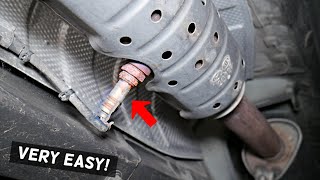
Typical fix: Replace the Bank 1, Sensor 2 oxygen sensor. On this V6, it is located on the firewall side, after the catalytic converter. 🎬 See this video to help locate Bank 1 Sensor 2 An O2 sensor socket is highly recommended to avoid damaging the new part during installation.
Est. part cost: $50-$150 - Exhaust Leak 🟡 Medium Probability Exhaust components are susceptible to rust and vibration, which can lead to cracks in the manifold or leaks at gasket flanges. An exhaust leak upstream of the sensor allows unmetered oxygen into the exhaust stream, which the sensor will read as a lean condition (low voltage).
How to confirm: Visually inspect the exhaust manifold and pipes leading to and around the sensor for cracks, rust holes, or loose flange bolts. You may also hear a ticking or hissing sound from the engine bay, especially when the engine is cold. A shop can perform a smoke test to pinpoint the exact location of a small leak.
Typical fix: Repair the source of the leak, which may involve replacing a gasket, tightening bolts, or welding a crack.
Est. part cost: $10-$200 - Damaged Wiring or Connector ⚪ Low Probability The wiring harness for the downstream O2 sensor runs under the vehicle, exposing it to road debris, water, and high heat from the exhaust. This can cause wires to melt, chafe, or corrode over time, leading to a short or open circuit.
How to confirm: Visually inspect the entire wiring pigtail from the O2 sensor to the main engine harness. Look for melted plastic, frayed wires, or green/white corrosion inside the connector pins. Use a multimeter to check for continuity and proper voltage at the connector.
Typical fix: Repair the damaged section of wire or replace the connector pigtail. Ensure the repair is sealed against moisture.
Est. part cost: $15-$50
Rare But Worth Checking
- Engine running in a lean condition: This would typically trigger other codes, such as P0171 (System Too Lean Bank 1), in addition to P0137. If P0137 is the only code present, this is an unlikely cause.
- Faulty Powertrain Control Module (PCM): This is extremely rare. The PCM should only be considered after all other possibilities, including the sensor, wiring, and exhaust system, have been thoroughly ruled out. A PCM failure might also be accompanied by other seemingly unrelated codes.
Diagnosis Steps
- Confirm the code with an OBD-II scanner. Check for any other pending or active codes and review freeze-frame data to see the conditions when the code was set.
- Perform a thorough visual inspection. Check the Bank 1 Sensor 2 (firewall side, post-catalyst) wiring harness for any signs of melting, chafing, or corrosion. Ensure the connector is securely plugged in.
- Inspect for exhaust leaks. With the engine cool, start it and listen for any hissing or ticking sounds from the exhaust manifolds or pipes near the sensor. A shop can use a smoke machine for a more definitive test.
- Analyze live data. Use a scan tool to monitor the voltage for 'HO2S B1S2'. A healthy downstream sensor on a warm, running engine should show a relatively stable voltage, typically between 0.5V and 0.8V. If the voltage is stuck low (e.g., below 0.2V), it confirms the fault condition.
- Test the sensor directly. If you have access, use a multimeter to check the resistance of the sensor's heater circuit. Compare this reading to the manufacturer's specification. An out-of-spec reading indicates a failed sensor.
- If the wiring and exhaust system are confirmed to be in good condition and live data points to the sensor, the oxygen sensor itself is the most likely cause of the problem.
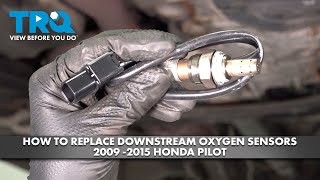
- Replace the Bank 1, Sensor 2 oxygen sensor. Use a proper O2 sensor socket and apply anti-seize compound to the threads of the new sensor if not already present. 🎬 Watch: Step-by-step replacement guide for this Honda-style engine
- After replacement, clear the trouble codes with the scan tool and perform a complete drive cycle to ensure the code does not return.
Parts You'll Likely Need
- Oxygen Sensor (Bank 1, Sensor 2)
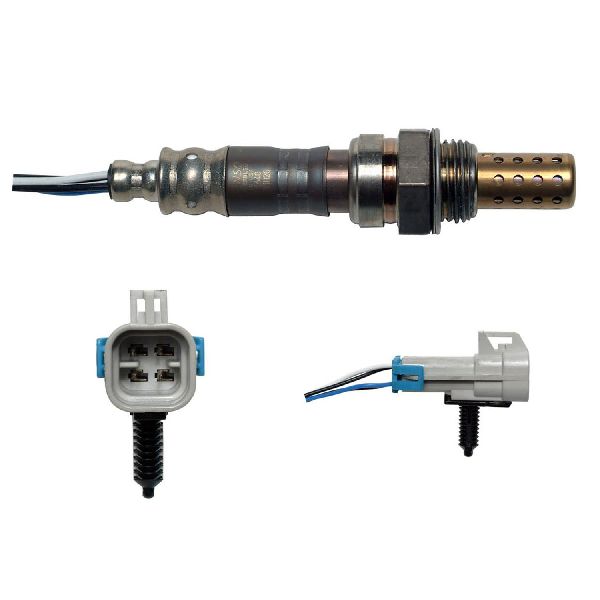
(OEM #Denso 234-4368)— This is the component that directly generates the voltage signal the PCM is reading as low. It is a common wear-and-tear item and the most frequent cause of code P0137. For the Honda J35 engine, using a direct-fit OE-supplier part is critical.
Trusted brands: Denso, NTK
OEM price range: $100-$180
Aftermarket price range: $50-$120
Related Codes That Often Appear With This One
- P0138 — P0138 is 'O2 Sensor Circuit High Voltage' for the same sensor. Seeing both may indicate an intermittent wiring short or a failing sensor that is sending erratic signals.
- P0141 — P0141 is 'O2 Sensor Heater Circuit Malfunction' for the same sensor. Oxygen sensors have an internal heater to get them to operating temperature quickly. A failure in the heater circuit will often cause the sensor's signal to be incorrect, triggering P0137 as well. A SaturnFans forum member experienced this exact scenario.
- P0420 — P0420 is 'Catalyst System Efficiency Below Threshold'. While P0137 is often a sensor fault, if the sensor is working correctly, its low voltage reading could be accurately reporting that the catalytic converter is failing and not properly cleaning the exhaust.
Platform-Specific Known Issues
- Owner Experience: P0141 and P0158 on a 2007 Vue 3.5L: A user on SaturnFans.com with a 2007 Vue 3.5L reported codes P0141 (Heater circuit) and P0158 (High voltage) for the downstream sensors. This confirms that sensor and circuit faults are common topics for this specific engine-vehicle combination. The user also correctly identified the engine as being from Honda.
Mechanic-Grade Diagnostic Values
- O2 Sensor Heater Circuit Resistance — expected: 10 - 40 Ohms. Failure: A reading outside this range, particularly a very low reading (e.g., below 10 Ohms) or an open circuit (infinite resistance), indicates a failed heater element within the sensor.
- Downstream O2 Sensor Live Data Voltage (Warm Engine, Idle) — expected: Relatively stable voltage between 0.5V and 0.8V. Failure: Voltage is stuck consistently below 0.4V for an extended period (e.g., >20 seconds).
- Tech 2 O2 Sensor Warm-Up Test (Key-On, Engine-Off) — expected: Initial voltage between 425-475 mV, which should then change by at least 150 mV within two minutes.. Failure: The voltage fails to change significantly from its initial bias voltage, indicating a problem with the sensor's internal heater or its circuit.
Scan Tool Commands That Help
- GM Tech 2: Powertrain -> Snapshot -> Engine Data — This function is used to record and review live data from the oxygen sensors during various engine operating conditions. It allows a technician to capture the exact moment the fault occurs and analyze the sensor's voltage behavior to confirm if it's stuck in a low-voltage state.
Wiring & Ground Locations
- G107 — At the rear of the engine.. This is a primary engine ground point for the 3.5L V6. A loose, corroded, or broken connection at G107 can create a poor ground reference for various engine sensors, including the oxygen sensors, potentially causing incorrect low voltage readings and triggering a P0137 code.
- HO2S B1S2 Connector — On the firewall side of the engine, connected to the oxygen sensor that is installed in the exhaust pipe after the catalytic converter.. This is the primary connection point to inspect for physical damage, corrosion in the pins, or melted plastic. The signal and heater circuit wires for the sensor pass through this connector, making it a critical point of failure.
Real Owner Repair Stories
- Honda-Tech forum user (Honda with similar engine technology) — Check Engine Light, failed O2 sensor test
✅ What actually fixed it The user was diagnosing a sensor and found its heater resistance was 4.0 Ohms. Forum experts confirmed this was out of specification, as the expected range is 14-40 Ohms, indicating the sensor was faulty and needed replacement. This highlights the importance of testing the heater circuit resistance, not just the voltage signal. - Reddit user on r/MechanicAdvice (2006 Honda Pilot (uses a J35 engine)) — P0137 code
❌ Tried (didn't work) Replaced the Bank 1 Sensor 2 oxygen sensor.
✅ What actually fixed it The story was unresolved, but the user confirmed that replacing the sensor and verifying no exhaust leaks did not fix the issue. This is a real-world example that points toward the next diagnostic step: a detailed inspection of the wiring harness for an intermittent short or open circuit, or checking the G107 ground.
Diagnostic Flowchart
Real Owner Stories
Aggregated from forums and TSBs cited above. Mileages and costs reflect what owners reported in those sources.
2008 Saturn Vue 3.5L — 95000 miles
Symptoms: Check Engine Light with codes P0137 and P0327. Owner did not describe other symptoms.
What fixed it: The owner did not report what fixed the issue. A mechanic replied with a list of probable causes for P0137 including: a faulty Heated Oxygen Sensor (HO2S) for Bank 1 Sensor 2, the ECM, engine oil/coolant consumption, or fuel quality.
Source hint: 2CarPros
2007 Saturn Vue 3.5L
Symptoms: Received codes P0141 (Heater circuit) and P0158 (High voltage) for the downstream sensors.
What fixed it: Replaced the Bank 1 Sensor 2 (firewall, post-cat) to resolve the P0141 code, but then received new codes related to Bank 2.
Source hint: Saturn Forum - Thread 'O2 sensors'
Related OBD-II Codes
Frequently Asked Questions
Where is the Bank 1 Sensor 2 oxygen sensor located on my 3.5L V6 Saturn Vue?
Are there other vehicles that share this exact engine and P0137 diagnosis?
I have a P0137 code and hear a ticking noise when the engine is cold. What does this mean?
What should the live data voltage be for a healthy downstream O2 sensor on this vehicle?
Do I need a special tool to replace the O2 sensor on my Vue?
Helpful Videos

We Have This Part in Stock

The information in this article is provided for general reference and educational purposes only. Vehicle specifications, procedures, and part compatibility can vary by production date, trim level, and region. Always consult your vehicle's factory service manual and verify part numbers before purchasing or performing repairs. Safety-critical components such as airbags, seat belts, and braking systems should be installed by a qualified professional.
- Saturn Vue:
- 🎬 Helpful Videos
- 🛍️ Shop This Part
- What's Unique About the 2008-2010 Saturn Vue
- Symptoms You May Notice
- Most Likely Causes
- Rare But Worth Checking
- Diagnosis Steps
- Parts You'll Likely Need
- Related Codes That Often Appear With This One
- Platform-Specific Known Issues
- Mechanic-Grade Diagnostic Values
- Scan Tool Commands That Help
- Wiring & Ground Locations
- Real Owner Repair Stories
- Diagnostic Flowchart
- Real Owner Stories
- 2008 Saturn Vue 3.5L — 95000 miles
- 2007 Saturn Vue 3.5L
- Related OBD-II Codes
- Frequently Asked Questions
- 🎟️ Get 5% Off