

P0137 on 2015-2019 Hyundai Sonata 2.4L: Causes and Fixes for O2 Sensor Low Voltage
For a 2015-2019 Sonata 2.4L, code P0137 almost always points to a failed downstream oxygen sensor (Bank 1, Sensor 2). A replacement sensor is the most likely fix, costing about $60-$120 for an aftermarket part. Before replacing, always inspect the wiring harness for melting or damage, as broken retaining clips can allow it to fall onto the hot exhaust pipe.
- The most likely fix for P0137 on your Sonata is replacing the downstream (post-catalytic converter) oxygen sensor.
- Before buying any parts, visually inspect the sensor's wiring harness for any signs of melting or damage, as this is a common point of failure.
- Do not replace the upstream O2 sensor or the catalytic converter for this code; it specifically points to the downstream sensor's circuit.
- This is a DIY-friendly repair for those with basic tools, including a special O2 sensor socket, which can be rented from most auto parts stores.
- Driving with this code on is generally safe but will cause an automatic failure of an emissions test and should be addressed to prevent potential long-term damage.
What's Unique About the 2015-2019 Hyundai Sonata
For the seventh-generation (LF) Sonata, the P0137 code is a very common and straightforward fault. There are no major recalls or unique manufacturer defects tied specifically to this code. The primary cause is typically the downstream O2 sensor failing from age and heat cycles. However, a notable and frequently reported issue on this platform is the routing of the O2 sensor's wiring harness; if the plastic retaining clips break, the harness can fall onto the hot exhaust pipe, melting the wires and causing a short to ground that triggers the P0137 code. This issue is shared with its platform mate, the Kia Optima.
Symptoms You May Notice
- Check Engine Light is on
- Failure to pass an emissions/smog test
- Slightly reduced fuel economy
- Rough or unstable idle (less common)
- Replacing the upstream (Bank 1, Sensor 1) oxygen sensor. P0137 specifically refers to the downstream sensor (Sensor 2).
- Replacing the catalytic converter. A P0137 code indicates a circuit voltage problem, not a converter efficiency problem (which would typically set a P0420 code). Any P0420 code should be ignored until the P0137 fault is resolved.
Most Likely Causes
- Faulty Downstream Oxygen Sensor (Bank 1, Sensor 2) 🔴 High Probability Oxygen sensors are wear-and-tear items that degrade over time due to constant exposure to high-temperature exhaust gases. Contamination from issues like excessive oil consumption, a known problem on the 2.4L GDI engine, can also accelerate failure.
How to confirm: After confirming the wiring is intact, test the sensor's output with a scan tool. A healthy downstream O2 sensor should show a relatively stable voltage, typically between 0.6V and 0.8V on a warm engine. If the voltage is stuck low (e.g., below 0.2V), the sensor has likely failed.
Typical fix: Replace the Bank 1, Sensor 2 oxygen sensor. An O2 sensor socket is highly recommended for this job.
Est. part cost: $60-$120 - Damaged or Melted Wiring Harness 🟡 Medium Probability The wiring harness for the downstream O2 sensor is routed near the hot exhaust pipe. Plastic retaining clips can become brittle and fail, allowing the harness to contact the exhaust, melt the wire insulation, and cause a short circuit in the signal wire. This is a well-documented failure mode in owner forums.
How to confirm: Visually inspect the entire length of the O2 sensor wiring harness from the sensor to the main connector. Look for any signs of melting, chafing, corrosion, or broken wires. Pay close attention to the plastic clips meant to secure it away from the exhaust.
Typical fix: Repair the damaged section of the wiring using solder and heat-shrink tubing. Secure the harness away from the exhaust using new clips or high-temperature zip ties.
Est. part cost: $5-$25 - Exhaust Leak ⚪ Low Probability Gaskets and flex pipes can degrade and leak over time due to rust and constant vibration. A leak before the downstream sensor can introduce outside oxygen into the exhaust stream.
How to confirm: Listen for hissing or ticking sounds from the exhaust, especially when the engine is cold. Visually inspect the exhaust system for black soot marks around flanges and gaskets, which indicate a leak. A smoke test can definitively locate a leak.
Typical fix: Replace the leaking gasket or repair the leaking section of the exhaust pipe.
Est. part cost: $20-$150
Rare But Worth Checking
- Blown Fuse: The oxygen sensor's heater circuit is protected by a fuse, often labeled 'SENSOR 1' in the under-hood fuse box. While a failure here usually triggers a heater circuit code (like P0141), a wiring short from the P0137 fault can sometimes blow this fuse, so it's a quick and easy check.
- Powertrain Control Module (PCM) Fault: In very rare cases, the internal circuitry of the PCM that reads the O2 sensor can fail. This should only be considered after all other possibilities, including wiring and the sensor itself, have been exhaustively ruled out.
Diagnosis Steps
- Connect an OBD-II scanner to verify the P0137 code is present and check for any other codes, such as P0136 or P0141.
- Using the scanner's live data function, monitor the voltage of 'O2 Sensor Bank 1 Sensor 2'. A reading stuck below 0.2 volts on a fully warmed engine suggests a problem.
- Perform a thorough visual inspection of the downstream oxygen sensor and its wiring harness. Look for any signs of melting, chafing, or physical damage. Ensure the harness is properly secured with its retaining clips and not touching the exhaust.
- Check the fuse for the O2 sensors, typically a 15A fuse labeled 'SENSOR 1' in the engine bay fuse box.
- Inspect the exhaust system for leaks between the catalytic converter and the downstream O2 sensor. Look for soot trails or listen for audible leaks.
- If the wiring looks good and the fuse is intact, test the circuit. Disconnect the sensor and check for the correct reference voltage and ground at the connector with the ignition on. A lack of voltage points to a wiring issue upstream.
- If the wiring and circuit test okay, the oxygen sensor itself is the most likely culprit and should be replaced.
Parts You'll Likely Need
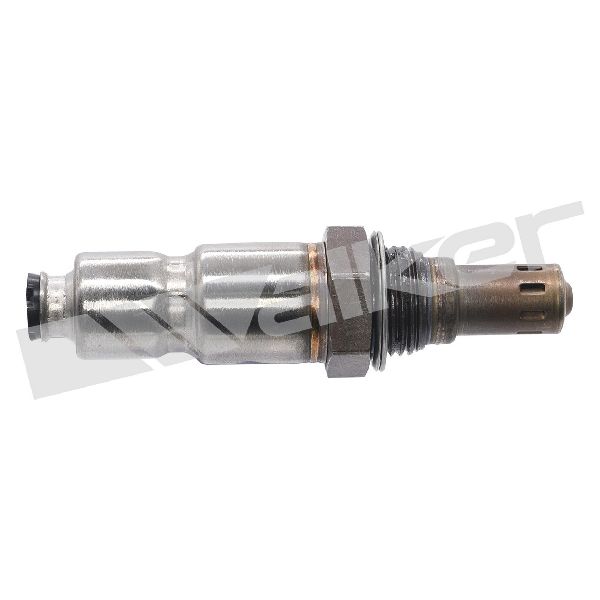
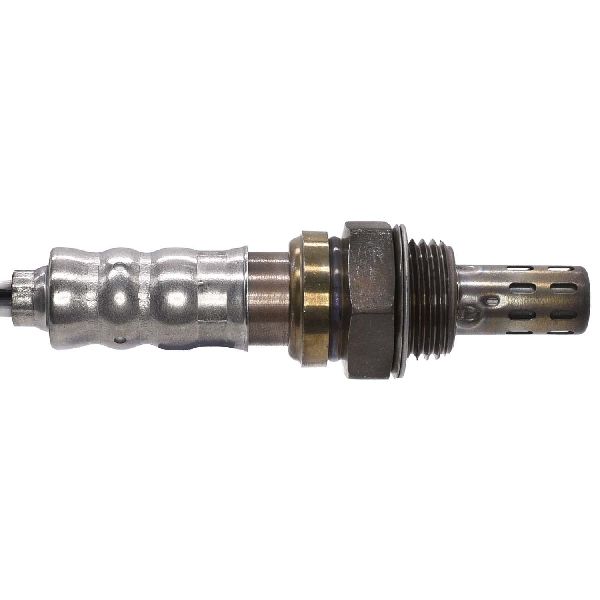
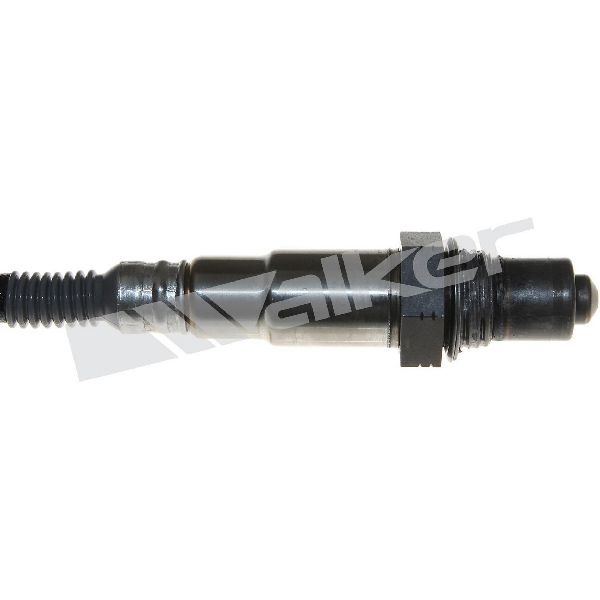
- Downstream Oxygen Sensor (Bank 1, Sensor 2)
(OEM #39210-2GBA0)— This is the most common cause of a P0137 code, as the sensor fails over time from heat and contamination.
Trusted brands: Denso, Bosch, NGK/NTK, Genuine Hyundai
OEM price range: $150-$255
Aftermarket price range: $60-$120
Related Codes That Often Appear With This One
- P0136 — P0136 is a general 'O2 Sensor Circuit Malfunction' code for the same sensor. P0137 is a more specific version of that fault, indicating low voltage. They often appear together.
- P0141 — This code indicates a fault with the heater circuit within the same O2 sensor. If the wiring harness melts, it can damage both the signal and heater circuits, causing both codes to appear simultaneously.
- P0171 — A P0171 (System Too Lean) code can sometimes be triggered alongside P0137 if there is a significant vacuum leak or an exhaust leak before the O2 sensor, as this introduces unmetered air.
Technical Service Bulletins (TSBs) & Recalls
- TSB 18-01-032 / Campaign T3G: Pertains to the Knock Sensor Detection System wiring inspection and software update, which is a critical update for engine longevity on this platform.
- Campaign 966 / TSB 21-01-023H: An enhancement of the knock sensor software to detect abnormal engine bearing noise, which can trigger code P132600 and place the vehicle in Engine Protection Mode.
Platform-Specific Known Issues
- While no recalls are directly for P0137, the 2015-2019 Sonata with the 2.4L GDI engine has been subject to major engine-related recalls and warranty extensions for issues like connecting rod bearing failure and excessive oil consumption. These issues are addressed by a Knock Sensor Detection System (KSDS) software update (Campaign 953 / TSB 18-01-032) which can put the car into a limp mode (P1326 code) if it detects abnormal engine vibrations. It is unrelated to the O2 sensor circuit but critical for owners to be aware of.
Mechanic-Grade Diagnostic Values
- PCM DTC Set Condition — expected: Signal voltage must remain above 0.05V.. Failure: PCM detects a signal voltage below 0.05V for more than 12.5 seconds.
- Live Data - Downstream O2 Sensor (B1S2) Voltage at warm idle — expected: Relatively stable voltage between 0.6V and 0.8V.. Failure: Voltage is stuck consistently below 0.2V.
- O2 Sensor Heater Circuit Resistance — expected: 4–20 ohms at room temperature when measured across the two heater pins on the sensor connector.. Failure: Resistance is outside the specified range (Open Loop or shorted). While this usually sets P0141, a bad heater can prevent the sensor from generating a proper signal.
- Signal Wire Continuity to Ground (at sensor connector) — expected: Infinite resistance (Open Loop).. Failure: Low resistance (e.g., below 1 ohm), indicating a short to ground in the harness.
Scan Tool Commands That Help
- Hyundai GDS (Global Diagnostic System): Live Data Graphing / DTC Analysis — While there isn't a specific bidirectional command for the sensor signal, GDS is invaluable for its detailed live data graphing. A technician can use it to view the sensor's voltage waveform in high resolution to distinguish between a lazy sensor, a dead sensor, or an intermittent wiring fault. The system also provides the specific freeze-frame data and conditions under which the P0137 code was set.
Wiring & Ground Locations
- Downstream O2 Sensor Connector — Under the vehicle, plugged into the O2 sensor located after the catalytic converter.. This is the primary test point for the sensor and its circuit. For the 2015-2017 Sonata, it is a 6-terminal female connector, often black and purple. Damage or corrosion here is a direct cause of the code.
- Engine Bay Fuse 'SENSOR 1' — In the main fuse and relay box in the engine compartment.. This fuse, typically 15A, protects the O2 sensor heater circuit. While a blown fuse usually triggers a P0141 heater code, a short in the harness causing P0137 can also blow this fuse, leading to multiple faults.
- ECM Connector — Located in the engine bay, typically on the driver's side.. The O2 sensor signal wire runs to a specific pin on the ECM. If voltage is present at the sensor connector but not at the ECM pin, it indicates an open or short in the harness between the two points.
Real Owner Repair Stories
- Car Talk Community Forum User (2006 Hyundai Sonata 3.3L V6 (similar diagnostic principles apply)) — Check Engine Light with P0137 code.
❌ Tried (didn't work) Initial confusion locating the correct sensor (Bank 1 vs Bank 2).
✅ What actually fixed it The user located the correct B1S2 sensor underneath the car near the oil pan. The fix was replacing the sensor. The user noted the connector was located up in the engine bay on the passenger side, requiring access from both top and bottom.
OEM Part Supersession History
39210-2GBA0→N/A, now listed as obsolete by some vendors— End of life for the part production run.
Heads up: While listed as obsolete by some Hyundai parts dealers, the part is still widely available from OEM and aftermarket sources. Ensure any replacement is specified for the 2.4L GDI engine, as other Sonata engines use different sensors.
Diagnostic Flowchart
Other Known Issues on This Vehicle
Issues unrelated to this code that are worth knowing about as an owner of this generation:
- Engine Rod Bearing Failure / Seizure 🔴 High — Widespread enough to trigger multiple class-action lawsuits and recalls. Hyundai extended the powertrain warranty for this specific failure. (Ref: Hyundai Recall 132, NHTSA 15V-568; Warranty Extension TXXC; TSB 18-01-032 for KSDS update.)
- Excessive Oil Consumption 🔴 High — Very common issue with the Theta II 2.4L GDI engine, often starting after 60,000 miles. Can lead to engine damage if not monitored closely. Subject of a class-action lawsuit. (Ref: No specific recall, but addressed as part of engine warranty claims and a class-action lawsuit filed in April 2022.)
- Knock Sensor Detection System (KSDS) Faults 🟠 Medium — The software update designed to detect engine failure (P1326) can sometimes be overly sensitive, putting the car into limp mode when no mechanical failure is present. (Ref: Campaign 953 / TSB 21-01-023H.)
- Timing Chain Tensioner Rattle on Cold Start 🟠 Medium — A rattling noise from the passenger side of the engine for the first 5-6 seconds after a cold start often indicates a failing timing chain tensioner.
- Trunk Latch Failure 🟡 Low — A common annoyance where the trunk latch fails, preventing the trunk from being opened from the outside.
Used vs. New Parts: Buying Guide for This Vehicle
When a used part is the smart pick: A used oxygen sensor is almost never a good idea. It is a wear-and-tear component with a finite lifespan, and its remaining life is impossible to determine. Given the relatively low cost of a new aftermarket sensor, buying used offers poor value and high risk of premature failure.
Donor-vehicle mileage cap: roughly under 10000 miles for the part to have meaningful remaining life.
What to inspect on the donor part:
- If forced to use a used part, only consider one from a very low-mileage vehicle that was wrecked.
- Inspect the wiring for any signs of brittleness, melting, or damage.
- Ensure the connector is clean and free of corrosion.
OEM-only on this vehicle (don't cheap out):
- While not strictly OEM-only, using a quality brand is critical. Cheap, unbranded sensors are a common source of recurring codes.
Aftermarket brands forum-validated for this vehicle:
- Denso
- NGK/NTK
- Bosch
Brands owners have reported issues with on this vehicle:
- Unbranded 'universal fit' sensors from online marketplaces like AliExpress or eBay have a high failure rate and may not be calibrated correctly for the vehicle, leading to persistent codes.
Real Owner Stories
Aggregated from forums and TSBs cited above. Mileages and costs reflect what owners reported in those sources.
2015-2019 Hyundai Sonata 2.4L GDI
Symptoms: The owner experienced a P0137 code that persisted even after installing a new oxygen sensor.
What fixed it: The issue was caused by melted wiring due to contact with the exhaust pipe. The fix involved repairing the damaged wires and properly securing the harness away from the heat source.
Source hint: Hyundai-Forums thread titled 'p0137-and-p0172'
2015-2019 Hyundai Sonata 2.4L GDI
Symptoms: Diagnostic steps for codes P0136 through P0141 identified a common physical failure point on the harness.
What fixed it: Checking for melted wires specifically near the two plastic retaining clips that are prone to becoming brittle and failing.
Source hint: Auto Repair Guys Channel video guide for Hyundai Sonatas
2016-2018 Kia Optima 2.4L GDI — ~100000 miles
Symptoms: The vehicle displayed both P0137 and P0138 (high voltage) codes simultaneously.
What fixed it: Repairing a wiring problem where the signal wire was shorting intermittently, a known issue for this engine platform.
Source hint: Go-Parts Article on Platform-Mate Kia Optima
Related OBD-II Codes
Frequently Asked Questions
Does the Knock Sensor Detection System (KSDS) software update (Campaign 953) fix the P0137 code on my 2015-2019 Sonata?
Could the excessive oil consumption on my 2.4L GDI engine be causing my downstream O2 sensor to fail?
I replaced the sensor but the P0137 code returned. What should I check next on my Sonata?
Is there a specific fuse I should check for O2 sensor circuit issues in the Sonata?
What voltage should I see for 'O2 Sensor Bank 1 Sensor 2' on my scan tool?
Are there any recalls for the P0137 code on the 2015-2019 Hyundai Sonata 2.4L?
Helpful Videos
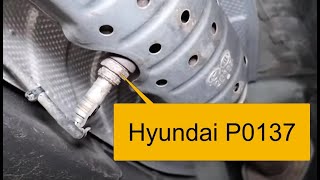
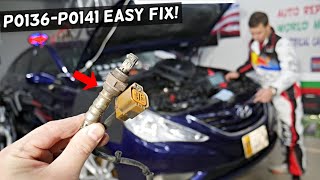

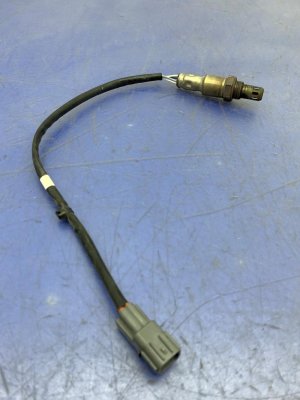
Used OEM Parts in Stock
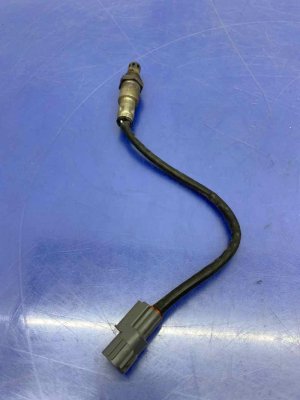
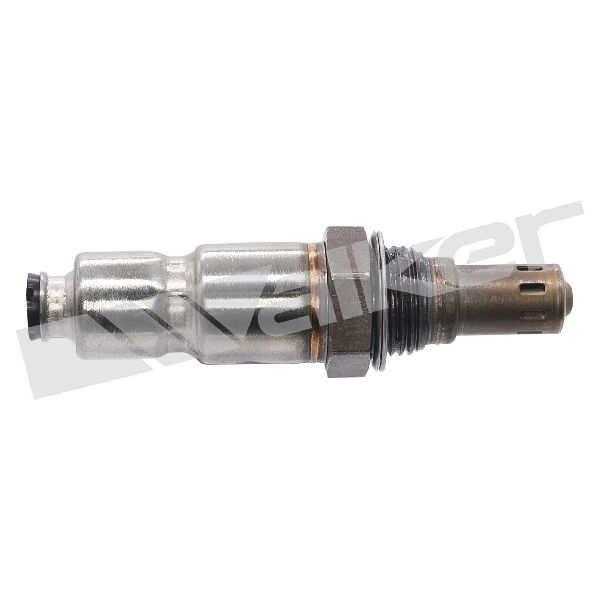
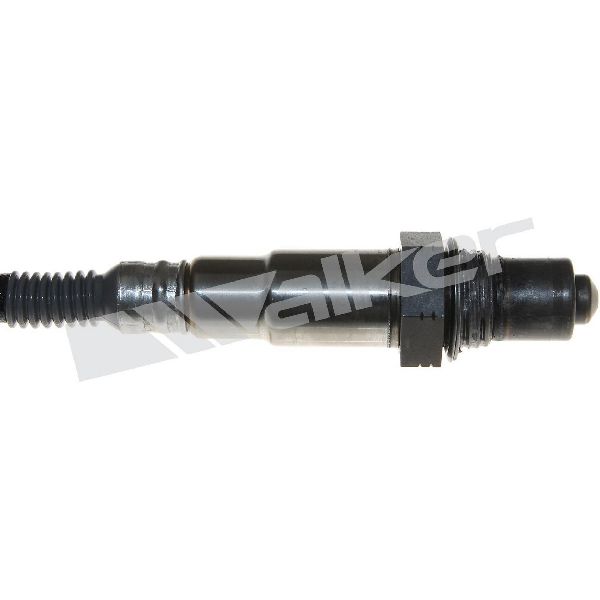
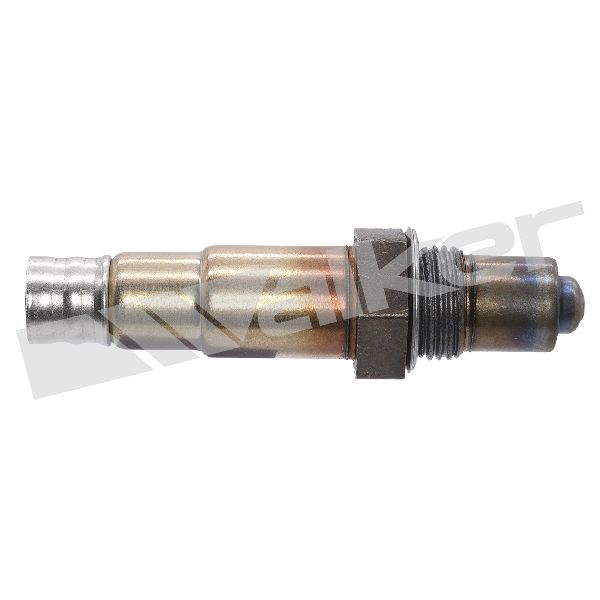
New Aftermarket Parts Available

The information in this article is provided for general reference and educational purposes only. Vehicle specifications, procedures, and part compatibility can vary by production date, trim level, and region. Always consult your vehicle's factory service manual and verify part numbers before purchasing or performing repairs. Safety-critical components such as airbags, seat belts, and braking systems should be installed by a qualified professional.
- Hyundai Sonata:
- 🎬 Helpful Videos
- 🛍️ Shop This Part
- What's Unique About the 2015-2019 Hyundai Sonata
- Symptoms You May Notice
- Most Likely Causes
- Rare But Worth Checking
- Diagnosis Steps
- Parts You'll Likely Need
- Related Codes That Often Appear With This One
- Technical Service Bulletins (TSBs) & Recalls
- Platform-Specific Known Issues
- Mechanic-Grade Diagnostic Values
- Scan Tool Commands That Help
- Wiring & Ground Locations
- Real Owner Repair Stories
- OEM Part Supersession History
- Diagnostic Flowchart
- Other Known Issues on This Vehicle
- Used vs. New Parts: Buying Guide for This Vehicle
- Real Owner Stories
- 2015-2019 Hyundai Sonata 2.4L GDI
- 2015-2019 Hyundai Sonata 2.4L GDI
- 2016-2018 Kia Optima 2.4L GDI — ~100000 miles
- Related OBD-II Codes
- Frequently Asked Questions
- 🎟️ Get 5% Off