

P0137 on 2013-2016 Dodge Dart 2.4L: O2 Sensor Low Voltage Causes and Fixes
This code almost always means the downstream oxygen sensor (Bank 1, Sensor 2) has failed. It's a common wear item. Before replacing it, inspect the sensor's wiring harness for any melting or damage, as that's the second most likely cause. Also, check your engine oil level; the 2.4L MultiAir engine is notorious for oil consumption, which can foul and destroy O2 sensors. Expect to pay $40-$80 for a quality aftermarket sensor from a brand like NTK or Denso.
- P0137 on your Dodge Dart almost always points to the downstream (post-catalytic converter) oxygen sensor.
- Before buying a new sensor, always inspect the wiring harness for any signs of melting or physical damage, as this is a common point of failure.
- This is a DIY-friendly repair; you'll need a specific O2 sensor socket, but it's generally accessible.
- Due to known oil consumption issues with the 2.4L engine, check your oil level. Low oil can cause bigger problems, and oil burning can destroy the new sensor over time.
- Do not replace the upstream (pre-catalytic converter) sensor for this code; P0137 is specific to the downstream sensor.
What's Unique About the 2013-2016 Dodge Dart
The 2.4L MultiAir 'Tigershark' engine in the Dodge Dart is shared with other FCA vehicles like the Jeep Cherokee, Chrysler 200, and Ram ProMaster City, so its issues are well-documented. A critical characteristic of this engine is its tendency for higher-than-average oil consumption, which was the subject of TSBs and even a class-action lawsuit. Over many miles, burning oil can contaminate the exhaust stream with phosphorus and other deposits, which foul the oxygen sensors and catalytic converter. This contamination can cause the downstream O2 sensor to fail prematurely and trigger a P0137 code. Because of this chronic issue, it is essential to check your engine oil level regularly when you own one of these vehicles, especially when this code appears.
Symptoms You May Notice
- Check Engine Light is illuminated
- Decreased fuel efficiency
- Vehicle will not pass an emissions test
- Rough or unstable idle in some cases
- Hesitation during acceleration
- Black smoke from exhaust or rotten egg smell in rare cases
- Replacing the upstream (Bank 1, Sensor 1) oxygen sensor instead of the correct downstream (Bank 1, Sensor 2) sensor.
- Replacing the O2 sensor when the actual problem is an exhaust leak or a wiring issue.
Most Likely Causes
- Failed Downstream Oxygen Sensor (Bank 1, Sensor 2) 🔴 High Probability This is a standard wear-and-tear part. The internal heater element can burn out, or the sensor can become contaminated by byproducts of the engine's known oil consumption or normal carbon buildup over time, leading to failure.
How to confirm: Using a scan tool's live data, observe the Bank 1 Sensor 2 voltage at a steady 2500 RPM on a warm engine. A healthy sensor shows a relatively stable voltage around 0.6-0.8V. If it's stuck below 0.2V, the sensor is likely bad. You can also test the sensor's internal heater resistance with a multimeter; an open circuit or resistance outside the manufacturer's spec confirms failure.
Typical fix: Replace the Bank 1, Sensor 2 oxygen sensor. An O2 sensor socket (typically 22mm or 7/8") is required for removal and installation. Applying anti-seize compound to the new sensor's threads is recommended.
Est. part cost: $40-$80 - Damaged Wiring or Connector 🟡 Medium Probability The sensor wiring is routed near the hot exhaust system and is exposed to road debris, making it susceptible to melting, corrosion, or physical damage. Check the harness for chafing, especially where it might contact the heat shield or chassis. Manufacturer service bulletins for other vehicles in the same family, such as TSB Bulletin #25-002-14, explicitly link P0137 to the 1/2 O2 sensor being shorted to ground.
How to confirm: Visually inspect the entire wiring harness from the O2 sensor to its connection point. Look for melted plastic, frayed or broken wires, and corrosion on the connector pins.
Typical fix: Repair the damaged section of the wire or replace the connector pigtail.
Est. part cost: $15-$30 - Exhaust Leak ⚪ Low Probability Exhaust manifold gaskets or flex pipe failures can occur over time, allowing outside air into the exhaust stream.
How to confirm: Listen for hissing or ticking sounds from the exhaust, especially when the engine is cold. A mechanic can perform a smoke test to precisely locate any leaks before the O2 sensor. You can also carefully feel for escaping air around exhaust flanges when the engine is cold.
Typical fix: Repair the leak by replacing the gasket, patching the pipe, or tightening flanges.
Est. part cost: $10-$100
Rare But Worth Checking
- PCM Software Needs Update: FCA has issued software updates for the 2.4L engine's PCM to correct various diagnostic flaws and overly sensitive code triggers. While P0137 isn't always the primary target, an outdated PCM can misinterpret sensor data. Check with a dealer if a flash is available, especially if you also have codes like P1607.
- Engine Running Excessively Lean: A significant vacuum leak or a fuel delivery problem can cause a lean condition that triggers P0137. However, this is rare and would almost certainly be accompanied by other codes like P0171 (System Too Lean) or P2096 (Post Catalyst Fuel Trim System Too Lean) and more severe drivability problems.
Diagnosis Steps
- Connect an OBD-II scanner to confirm P0137 is the active code and check for any other stored codes, particularly heater circuit codes (P0037, P0141) or lean codes (P0171, P2096).
- ALWAYS check the engine oil level first. The 2.4L MultiAir is known for oil consumption which can foul the sensor. If it's low, top it off and clear the code to see if it returns.
- Perform a thorough visual inspection of the downstream (post-catalytic converter) O2 sensor. Check its wiring and connector for any signs of melting, chafing, corrosion, or oil contamination.
- Inspect the exhaust system for any leaks between the engine and the downstream O2 sensor. Listen for unusual sounds or use a smoke machine for a definitive check.
- With the engine fully warmed up, use a scan tool to view live data for the 'O2 Sensor Voltage B1S2'. At a steady idle or 2,500 RPM, the voltage should be relatively stable between 0.5V and 0.9V. If it is stuck below 0.2V, the fault is confirmed.
- If the wiring appears intact, disconnect the sensor and test the resistance of the heater circuit pins on the sensor side. A reading outside of the typical 4-10 Ohm range (especially an open circuit) indicates a failed sensor that needs replacement.
- If the sensor and wiring test good, the final, least likely possibilities are a failing catalytic converter or a PCM issue. At this point, checking for available PCM software updates with a dealer is a cost-effective next step before replacing the catalytic converter.
Parts You'll Likely Need
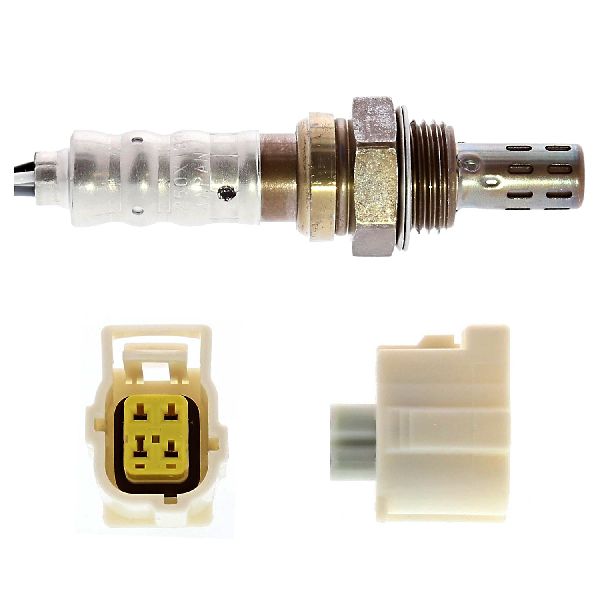
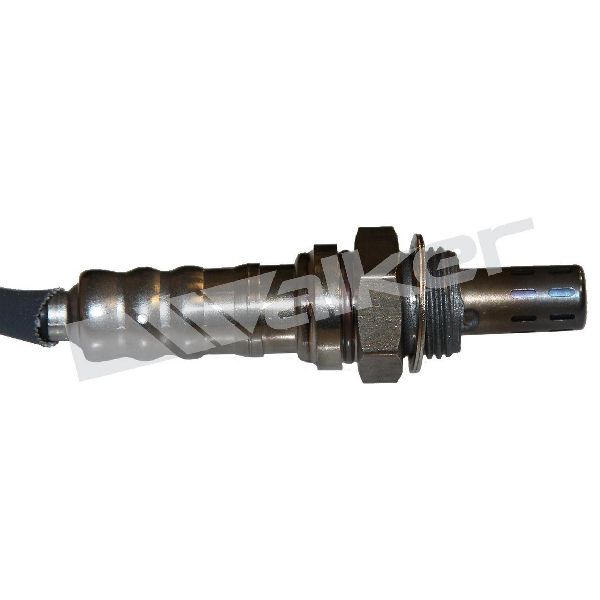
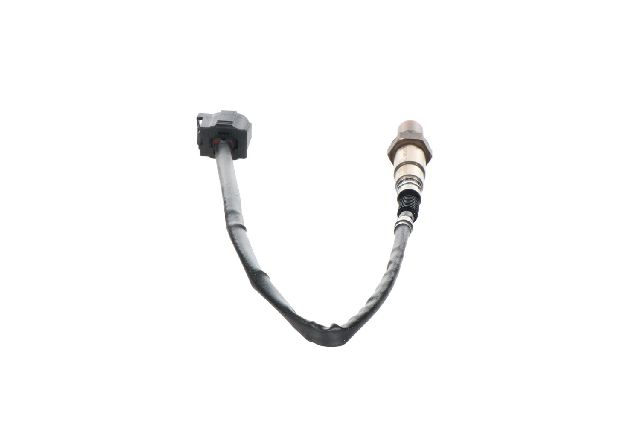
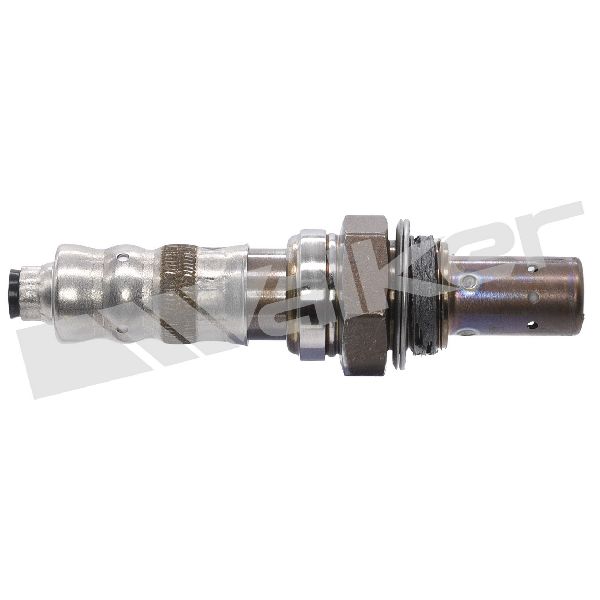
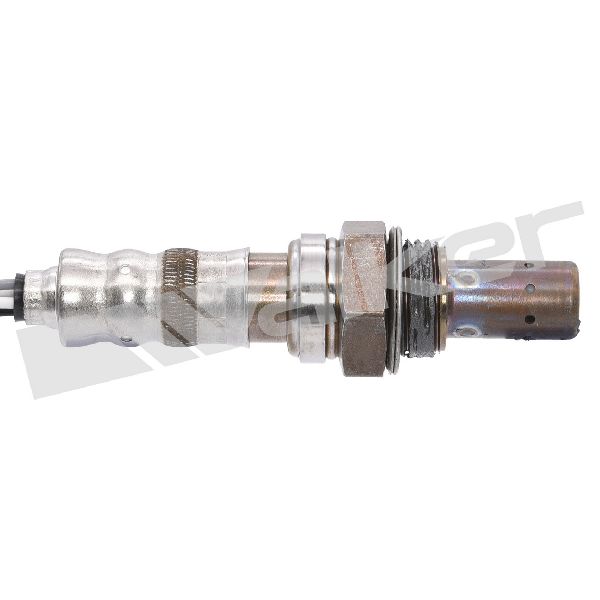
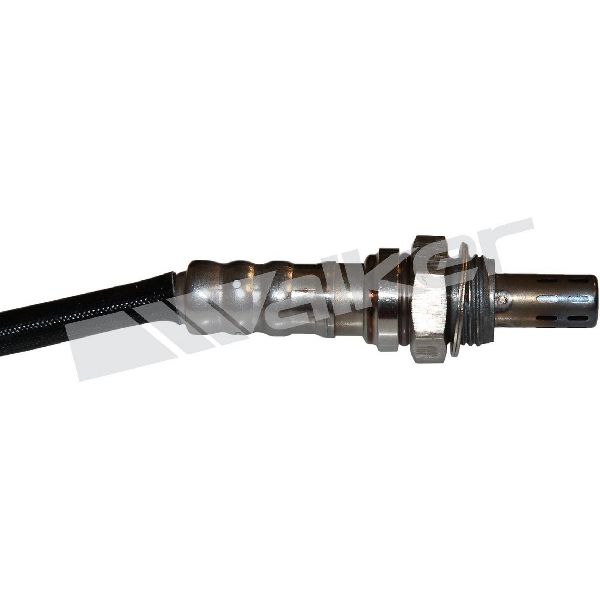
- Downstream Oxygen Sensor (Bank 1, Sensor 2)
(OEM #68087364AA, 5149180AA)— This sensor is the most frequent cause of a P0137 code due to being a common wear item exposed to extreme heat, exhaust gases, and potential oil contamination on this specific engine.
Trusted brands: NGK/NTK, Denso (Part #234-4545), Bosch, Walker Products
OEM price range: $90-$135
Aftermarket price range: $40-$80
Related Codes That Often Appear With This One
- P0037 — This code indicates a fault in the heater circuit of the same oxygen sensor (Bank 1, Sensor 2). They often appear together when the sensor fails internally.
- P0141 — Similar to P0037, this code also points to a malfunction in the heater circuit for Bank 1, Sensor 2.
- P0420 — If the O2 sensor is working correctly but the catalytic converter is failing, a P0420 (Catalyst System Efficiency Below Threshold) code may appear alongside or instead of P0137.
- P2096 — This code for 'Post Catalyst Fuel Trim System Too Lean' can appear with P0137, as both relate to the downstream sensor's readings. TSBs for related vehicles sometimes list them together.
Technical Service Bulletins (TSBs) & Recalls
- FCA Service Bulletin 18-023-16 REV. B: Involves a Powertrain Control Module (PCM) software update for 2013-2015 Darts with the 2.4L engine to fix various software-related diagnostic issues and improve performance. This can sometimes resolve erroneous sensor codes.
- FCA Service Bulletin 09-006-20 REV. B: Details the official procedure for dealers to perform an oil consumption test on the 2.4L engine, acknowledging the widespread issue.
- FCA Service Bulletin 09-003-23 (Warranty Extension XB1): Extends the warranty for issues related to excessive oil consumption on the 2.4L engine.
- TSB Bulletin #25-003-13: Notes that for related FCA platforms, code P0137 specifically indicates the 1/2 O2 sensor is shorted to ground, while P0138 indicates a short to voltage.
- TSB Bulletin #25-004-12: A manufacturer service bulletin for related models that groups P0137 with other O2 sensor performance and heater circuit faults like P0135 and P0141.
Platform-Specific Known Issues
- The 2.4L MultiAir engine is known for potential oil consumption (TSB 09-006-20 REV. B). This can cause oil to enter the exhaust, fouling the O2 sensors and leading to premature failure. It is wise to monitor oil levels regularly.
- A user on a Dodge Dart forum with a 2.4L engine reported fixing a persistent P2096 (related lean code) by replacing the entire valve cover assembly, which contains the PCV valve. This stopped oil from being sucked into the intake and contaminating the sensors. While not a direct fix for P0137, it highlights the connection between oil system issues and exhaust sensor codes on this platform.
Mechanic-Grade Diagnostic Values
- O2 Sensor Heater Circuit Resistance — expected: 4 to 10 Ohms at room temperature.. Failure: An infinite resistance reading (Open Loop/OL) or near-zero Ohms indicates a failed heater element and the sensor must be replaced.
- Downstream O2 Sensor (B1S2) Live Data Voltage — expected: Relatively stable voltage between 0.6V and 0.8V on a fully warmed-up engine at steady RPM.. Failure: Voltage is stuck below 0.2V (often at 0.0V) and does not respond to changes in engine RPM.
- O2 Sensor Heater Power Supply Voltage — expected: Approximately 12V (Battery Voltage) at the sensor connector with Key On, Engine Off.. Failure: No voltage suggests a problem with the fuse (F87 mentioned for a related code) or the power supply wire. TSB Bulletin #25-002-14 notes that P113C may also be present if there is a fault in the O2 sensor power supply circuit.
Scan Tool Commands That Help
- wiTECH (or high-end generic): O2 Sensor Heater Test — This bidirectional control actively commands the O2 sensor's internal heater on and off. It is used to verify the integrity of the heater circuit (wiring, PCM driver) independently from the sensor itself, helping to confirm if the fault is in the wiring or the sensor before replacement.
Wiring & Ground Locations
- G103 / G104 — G103 is on the left side of the engine compartment; G104 is on the left front side of the engine.. These are primary engine compartment grounds. A corroded or loose connection at these points can cause erratic sensor readings and various electrical faults, as the PCM and its sensors rely on a stable ground reference.
- G905A — Below the left headlight in the engine compartment.. This is a major ground distribution point for several modules. While documented for related FCA vehicles like the Jeep Cherokee, a poor connection here can cause widespread electrical issues, including sensor communication errors that could potentially manifest as a P0137.
- Downstream O2 Sensor Connector (B1S2) — Located underneath the car, attached to the exhaust pipe after the catalytic converter. The wiring harness follows the exhaust and connects further up on the chassis.. This is the primary connection point for all electrical tests (voltage, resistance, continuity) of the downstream O2 sensor. Its exposed location makes it vulnerable to damage from road debris and heat.
OEM Part Supersession History
5149180AA→68087364AA— Part update/revision by Mopar. Note that some parts catalogs list 68087364AA as an *upstream* sensor, but it is also cross-referenced for the downstream position on the 2.4L Dart in some systems.
Heads up: Always verify the correct part for upstream vs. downstream with your VIN. While the sensors may be physically similar, their calibration can differ. Using an upstream sensor in the downstream position (or vice-versa) can cause persistent codes.
Model Year Variations Within This Range
- 2013-2016: The 2.4L MultiAir engine became more widely available after the initial 2013 model year, being standard on the SXT, Limited, and GT trims from 2014 onwards. Earlier 2013 SXT models may have had the 2.0L engine. This is not a mechanical difference affecting the repair, but a trim/availability change to be aware of when sourcing parts.
Diagnostic Flowchart
Other Known Issues on This Vehicle
Issues unrelated to this code that are worth knowing about as an owner of this generation:
- Excessive Oil Consumption 🔴 High — Very common across all model years with the 2.4L engine. Many owners report adding 1 quart of oil every 1,000-2,000 miles. A class-action lawsuit was filed regarding this issue. (Ref: TSB 09-006-20 REV. B (Oil Consumption Test Procedure), Warranty Extension XB1 (TSB 09-003-23))
- MultiAir Actuator ('Brick') Failure 🔴 High — A well-known, expensive failure point, often occurring after 80,000 miles. Symptoms include misfires (e.g., P0304), rough running, and specific actuator codes.
- Faulty Thermostat 🟠 Medium — A common cause of the check engine light, often with code P0128, especially in colder weather.
- Transmission Malfunctions (Automatic & Manual) 🟠 Medium — The 2013 model year, in particular, had many complaints about both the dual-clutch automatic transmission (shifting into neutral unexpectedly) and issues with the manual transmission clutch. (Ref: Multiple recalls and TSBs exist for transmission control module issues.)
- Uconnect System Glitches 🟡 Low — Widespread reports of the 8.4-inch touchscreen freezing, lagging, or having Bluetooth connectivity issues. A hard reset (disconnecting the battery) sometimes provides a temporary fix. (Ref: FCA has issued several software updates to address these problems.)
- Faulty Oil Pressure Sensor 🟠 Medium — Commonly fails on 2013-2014 models, triggering code P0520. (Ref: TSB 18-034-14 REV. A recommends replacing the sensor.)
Used vs. New Parts: Buying Guide for This Vehicle
When a used part is the smart pick: A used part is almost never a good choice for this repair. The primary failure is the O2 sensor itself, which is a wear-and-tear electrical component with a finite lifespan. A used sensor from a junkyard has unknown remaining life and may have been exposed to the same oil consumption issues as your original part.
Donor-vehicle mileage cap: roughly under 30000 miles for the part to have meaningful remaining life.
What to inspect on the donor part:
- If buying used is unavoidable, inspect the donor vehicle for signs of heavy oil burning (soot in tailpipe).
- Check the sensor's wiring for any brittleness, melting, or previous repairs.
- Avoid sensors that are physically dented or show signs of extreme corrosion.
Aftermarket brands forum-validated for this vehicle:
- NTK (often the OEM supplier)
- Denso
Brands owners have reported issues with on this vehicle:
- Unnamed, 'white-box' or ultra-cheap online marketplace brands are frequently reported by mechanics to have high DOA (Dead On Arrival) rates or fail prematurely, sometimes within months.
Real Owner Stories
Aggregated from forums and TSBs cited above. Mileages and costs reflect what owners reported in those sources.
2014 Dodge Dart 2.4L MultiAir
Symptoms: Persistent P2096 lean code and sensor issues caused by oil being sucked into the intake.
What fixed it: Replacing the entire valve cover assembly (which contains the PCV valve) to stop oil contamination of the sensors.
Source hint: dodge-dart.org forum thread mentioned in vehicle_specific_issues
2015 Dodge Dart 2.4L MultiAir
Symptoms: Check engine light with codes P0037, P0038, P0136, or P0137; very common across the FCA 2.4L lineup.
What fixed it: Replacement of the downstream (Bank 1, Sensor 2) oxygen sensor.
Source hint: World Mechanics on YouTube: 'P0037 P0038, P0136, P0137...'
Related OBD-II Codes
Frequently Asked Questions
Is there a software update for my 2013-2015 Dodge Dart 2.4L that might fix P0137?
Could the high oil consumption in my 2.4L MultiAir engine be causing this O2 sensor code?
What should I check first on my Dart before replacing the sensor?
Is there a warranty extension for the oil issues that foul these sensors?
Can a problem with the valve cover cause O2 sensor codes on the 2.4L Dart?
What is the specific voltage I should look for when testing the Bank 1 Sensor 2 on my Dart?
Helpful Videos
![How to Fix P0137 Engine Code in 4 Minutes [3 DIY Methods / Only $9.42]](https://img.youtube.com/vi/D7iaXnsbzWQ/mqdefault.jpg)
We Have This Part in Stock

The information in this article is provided for general reference and educational purposes only. Vehicle specifications, procedures, and part compatibility can vary by production date, trim level, and region. Always consult your vehicle's factory service manual and verify part numbers before purchasing or performing repairs. Safety-critical components such as airbags, seat belts, and braking systems should be installed by a qualified professional.
- Dodge Dart:
- 🎬 Helpful Videos
- 🛍️ Shop This Part
- What's Unique About the 2013-2016 Dodge Dart
- Symptoms You May Notice
- Most Likely Causes
- Rare But Worth Checking
- Diagnosis Steps
- Parts You'll Likely Need
- Related Codes That Often Appear With This One
- Technical Service Bulletins (TSBs) & Recalls
- Platform-Specific Known Issues
- Mechanic-Grade Diagnostic Values
- Scan Tool Commands That Help
- Wiring & Ground Locations
- OEM Part Supersession History
- Model Year Variations Within This Range
- Diagnostic Flowchart
- Other Known Issues on This Vehicle
- Used vs. New Parts: Buying Guide for This Vehicle
- Real Owner Stories
- 2014 Dodge Dart 2.4L MultiAir
- 2015 Dodge Dart 2.4L MultiAir
- Related OBD-II Codes
- Frequently Asked Questions
- 🎟️ Get 5% Off