

P0134 on 2010-2015 Hyundai Tucson: Causes and Fixes for O2 Sensor No Activity
This code means the primary oxygen sensor (Bank 1, Sensor 1) has failed. On the 2.4L Tucson, this is almost always a bad sensor. Replacement is the common fix, costing around $60-$120 for an aftermarket part and is a manageable DIY job. Before replacing, check the 'SENSOR 1' fuse in the engine bay fuse box.
- P0134 on your Tucson almost certainly means the upstream oxygen sensor (Bank 1, Sensor 1) has failed.
- The sensor is located on the exhaust manifold near the firewall; access can be tight but it is a DIY-possible job with a 22mm O2 sensor socket.
- Before buying a new sensor, always check the 15A 'SENSOR 1' fuse and perform a quick visual inspection of the wiring for obvious damage like melting or corrosion.
- Ignoring this code will lead to poor fuel mileage and will cause your vehicle to fail an emissions test.
- Using a quality replacement sensor from brands like Denso, NGK, or Bosch is highly recommended for longevity.
What's Unique About the 2010-2015 Hyundai Tucson
For the 2010-2015 Tucson with the Theta II 2.4L engine, the P0134 code is a very common and straightforward fault. The failure is almost always the sensor itself rather than a more complex wiring or computer issue. The upstream oxygen sensor (Bank 1, Sensor 1) is located on the exhaust manifold at the back of the engine, near the firewall, which can make access a bit tight but is visible from the top of the engine bay.
Symptoms You May Notice
- Check Engine Light is on
- Decreased fuel economy
- Rough idling or engine hesitation
- Engine running rich (smell of gas from exhaust)
- Failed emissions test
- Replacing the downstream (Bank 1, Sensor 2) oxygen sensor. This code specifically points to the upstream sensor (Sensor 1).
Most Likely Causes
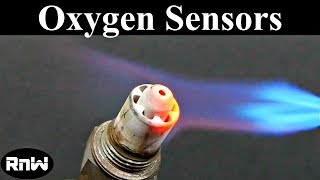
- Failed Upstream Oxygen Sensor (Bank 1, Sensor 1) 🔴 High Probability Oxygen sensors are wear-and-tear items exposed to extreme exhaust heat and contaminants. Their internal heater element is a common failure point, leading to the 'no activity' code.
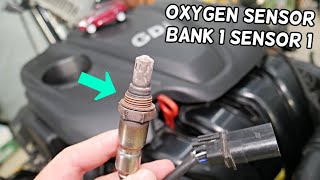
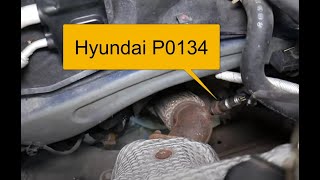
How to confirm: Use an OBD-II scanner with live data to monitor the Bank 1 Sensor 1 voltage. A healthy sensor's voltage fluctuates rapidly between approximately 0.1V and 0.9V. If the voltage is stuck, flat (around 0.45V), or shows no activity, the sensor has failed. 🎬 Watch: How to fix the P0134 code on your Hyundai. The sensor's internal heater resistance can also be tested and should be between 2.4 and 4.0 Ohms at 68°F (20°C).
Typical fix: Replace the upstream oxygen sensor. It is located on the exhaust manifold. A special 22mm (or 7/8") slotted oxygen sensor socket is often required for removal and installation.
Est. part cost: $60-$180 - Damaged Wiring or Connector 🟡 Medium Probability The sensor's wiring harness is located in a hot engine bay and can become brittle, melt if it touches the exhaust manifold or heat shield, or suffer from corrosion in the connector pins.
How to confirm: Visually inspect the entire wiring harness from the oxygen sensor to its connection point. Look for any signs of melting, chafing, corrosion in the connector pins, or breaks in the wires. A user on a Hyundai forum noted that the wiring can become brittle and break near the connector. Test for battery voltage at Pin 3 (Heater Power) of the harness-side connector with the key on.
Typical fix: Repair the damaged section of the wiring harness or replace the connector pigtail.
Est. part cost: $10-$40 - Exhaust Leak ⚪ Low Probability Leaks from a cracked exhaust manifold or a failed gasket before the O2 sensor can introduce outside air, skewing the sensor's readings and causing it to appear inactive. While not a chronic issue on this platform, it's a possibility on any vehicle.
How to confirm: Listen for a ticking or puffing noise from the engine bay, especially when the engine is cold. Visually inspect the exhaust manifold for cracks or black soot trails indicating a leak.
Typical fix: Replace the leaking gasket or repair/replace the cracked exhaust manifold.
Est. part cost: $20-$300
Rare But Worth Checking
- Blown Fuse: The oxygen sensor's internal heater runs on a fused circuit. A short in the wiring or sensor can blow the fuse, causing the sensor to be inactive. For this Tucson, check the fuse box in the engine compartment for a 15A fuse often labeled 'SENSOR 1'.
- Faulty Powertrain Control Module (PCM): This is extremely rare. The PCM is the last thing to suspect. All other possibilities, including the sensor, wiring, and fuse, must be exhaustively tested and ruled out before considering a PCM failure.
Diagnosis Steps
- Read the code: Use an OBD-II scanner to confirm P0134 is the only code present. If other codes exist, address them first.
- Check the fuse: Locate the fuse for the O2 sensor heater circuit in the engine bay fuse box. It is typically a 15A fuse labeled 'SENSOR 1'. Visually inspect it and test for continuity.
- Inspect the wiring: Visually inspect the oxygen sensor's wiring harness and connector for any signs of melting, chafing, or corrosion. Ensure the connector is securely plugged in.
- Check for exhaust leaks: With the engine running, listen and feel for any air leaks from the exhaust manifold or the gasket between the manifold and the cylinder head.
- Analyze live data: Use a scanner to view the live data stream for 'O2S B1S1'. When the engine is warm, the voltage should be fluctuating rapidly. If it is stuck at a constant voltage (e.g., ~0.45V) or shows no activity, it confirms the fault.
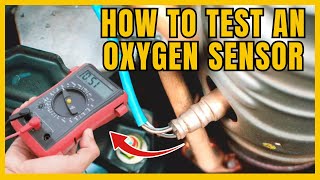
- Test the heater circuit: With a multimeter, check for resistance on the heater circuit pins of the sensor itself (usually the two same-colored wires). 🎬 See this guide on testing sensor wires and heater resistance. An open circuit ('OL') or a reading outside the 2.4-4.0 Ohm range indicates the internal heater has failed and the sensor needs replacement.
- Test the wiring: If the sensor tests good, check for battery voltage at the heater circuit pin on the harness side and check for continuity on the signal wires back to the PCM.
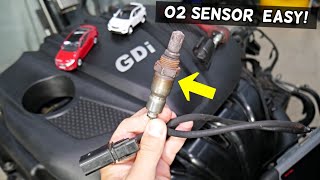
- Replace the sensor: If the sensor is confirmed bad, replace the Bank 1 Sensor 1 oxygen sensor. A 22mm (7/8") oxygen sensor socket is recommended.
Parts You'll Likely Need
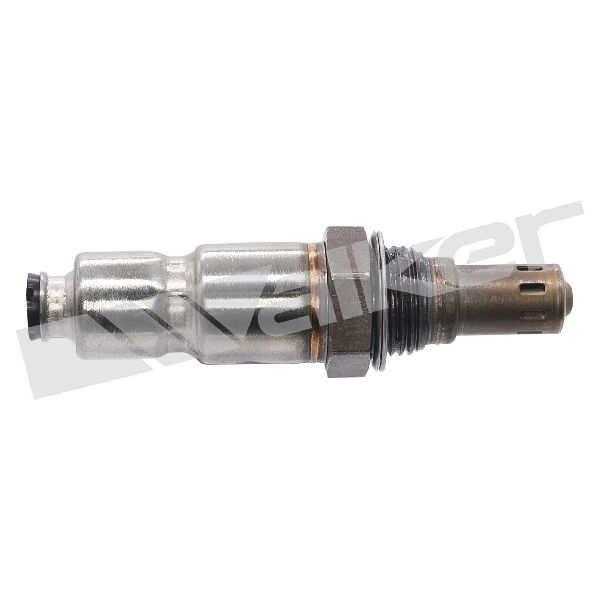
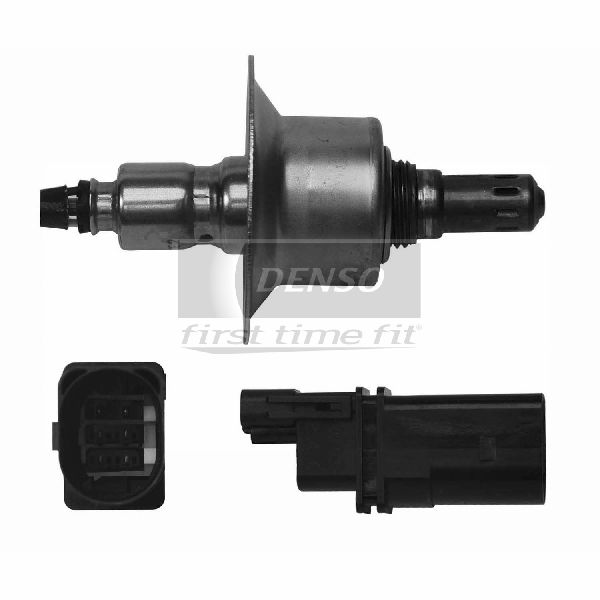
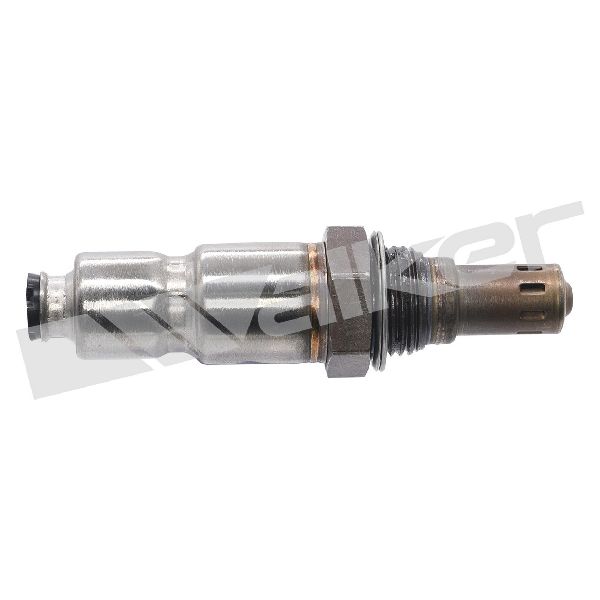
- Upstream Oxygen Sensor / Air-Fuel Ratio Sensor (Bank 1, Sensor 1)
(OEM #39210-2G150)— This is the primary component responsible for the signal that the PCM is reporting as inactive. It is a common wear item and the most frequent cause of P0134.
Trusted brands: Hyundai (OEM), Denso, Bosch, NGK/NTK
OEM price range: $150-$220
Aftermarket price range: $60-$120
Platform-Specific Known Issues
- A user on a Hyundai forum with a 2012 Tucson 2.4L reported getting the P0134 code at 95,000 miles. Replacing the upstream O2 sensor with a Denso part resolved the issue and restored fuel economy.
- On YouTube, multiple DIY repair videos for the Theta II 2.4L engine (in Tucsons, Sonatas, and Sportages) show the upstream sensor failing and causing codes P0130-P0135, with replacement being the standard fix. 🎬 Watch: Step-by-step upstream sensor replacement for the 2.4L engine.
Mechanic-Grade Diagnostic Values
- Upstream O2 Sensor (B1S1) Heater Circuit Resistance — expected: 2.4 - 4.0 Ohms at 68°F (20°C). Failure: A reading of infinity (Open Loop) or significantly outside the specified range indicates a failed heater element within the sensor.
- Upstream O2 Sensor (B1S1) Connector Voltage (Harness Side) — expected: Pin 3 (Heater Power) to Ground: Battery Voltage with Key On, Engine Off. Pin 4 (Heater Ground Control) to Ground: Should show ground when commanded by PCM.. Failure: 0V on Pin 3 indicates a blown fuse or an open in the power supply wire. No ground signal on Pin 4 could indicate a wiring issue or a fault in the PCM driver circuit.
- Long Term Fuel Trim (LTFT) — expected: Within +/- 10%. Failure: A highly positive LTFT (e.g., > +15%) suggests the engine is running lean for other reasons (fuel delivery, vacuum leak), which can cause the O2 sensor to flatline near 0.1V, mimicking a 'no activity' fault.
Scan Tool Commands That Help
- Hyundai GDS (Global Diagnostic System): A/F Control Active Test — This function allows a technician to manually command the fuel mixture rich or lean. While observing the B1S1 voltage graph, if the sensor voltage does not respond to these commands, it confirms the sensor or its circuit is non-responsive. If it does respond, the issue may lie elsewhere.
- Hyundai GDS or advanced aftermarket scanner: Reset Adaptive Values / Reset ECU — After replacing the oxygen sensor, it is good practice to reset the learned fuel trim adaptations. This forces the PCM to relearn the fuel strategy with the new, correctly functioning sensor, which can improve performance and fuel economy more quickly.
Wiring & Ground Locations
- B1S1 Connector (C239) — On the engine wiring harness, connecting to the upstream oxygen sensor pigtail. Located near the back of the engine by the firewall.. This is the primary connection point for all power, ground, and signal wires for the sensor. Testing for voltage and continuity at this connector is a critical diagnostic step. Pin 3 (Brown wire) is typically heater power from the 'SENSOR 1' fuse, and Pin 4 (Orange wire) is the heater ground controlled by the PCM. Pin 1 (White) is signal, Pin 2 (Black) is sensor ground.
- Engine Ground Strap — Typically located between the engine block (near passenger side motor mount) and the chassis/frame rail.. A corroded or loose main engine ground can cause erratic voltage and floating grounds for multiple sensors, including the O2 sensor, leading to incorrect readings and various fault codes.
Real Owner Repair Stories
- Hyundai-Forums user (2011 Hyundai Tucson 2.4L) — P0134 code, poor fuel economy.
❌ Tried (didn't work) Replacing the upstream (B1S1) oxygen sensor.
✅ What actually fixed it After the code returned, a closer inspection revealed a hairline crack in the exhaust manifold, just before the O2 sensor bung. The leak was introducing fresh air, causing the sensor to read flat. Replacing the exhaust manifold resolved the code. - Online repair forum anecdote (2012 Hyundai Tucson 2.4L) — Persistent P0134 code.
❌ Tried (didn't work) Replacing the B1S1 O2 sensor., Checking the 'SENSOR 1' fuse (it was good).
✅ What actually fixed it A voltage test at the sensor connector showed 0V on the heater power pin. The technician traced the wire back and found a section had melted against a heat shield approximately 8 inches from the connector, creating an open circuit. Repairing the damaged wire restored power and fixed the problem.
"I Checked Everything" — The Actual Cause
- A faint ticking noise from the exhaust manifold when the engine is cold that disappears as it warms up can indicate a hairline crack. This type of crack may not be visible during a cold inspection and might not show up on a low-pressure smoke test, but it can open up under thermal expansion and pressure, allowing unmetered air to enter the exhaust stream right before the O2 sensor, causing it to flatline and trigger P0134.
OEM Part Supersession History
39210-2G100→39210-2G150— Standard part revision and improvement by the manufacturer.
Heads up: The parts are generally cross-compatible for this application, but it is always recommended to use the latest part number (39210-2G150) or a direct cross-reference from a reputable aftermarket brand like Denso or NTK.
Model Year Variations Within This Range
- 2014-2015: For the 2014 model year, Hyundai introduced the 2.4L Theta II GDI (Gasoline Direct Injection) engine as an update to the previous MPI (Multi-Port Injection) engine. While the function and diagnosis of P0134 are nearly identical, technicians should be aware that fuel pressure values and some engine management software parameters will differ significantly between the MPI and GDI versions.
Diagnostic Flowchart
Other Known Issues on This Vehicle
Issues unrelated to this code that are worth knowing about as an owner of this generation:
- Connecting Rod Bearing Failure / Engine Seizure 🔴 High — Widespread defect affecting 2014-2015 Tucson models (and other years/models with Theta II GDI engines). Can occur at any mileage, often preceded by a knocking noise and DTC P1326. (Ref: Subject of multiple recalls, a class-action lawsuit, and a lifetime engine warranty extension contingent on the KSDS (Knock Sensor Detection System) software update.)
- Excessive Oil Consumption 🔴 High — Very common across the Theta II engine family, often becoming noticeable after 60,000 miles. Consumption can exceed 1 quart per 1,000 miles. (Ref: TSB 23-EM-008H and 23-EM-007H provide official oil consumption inspection and combustion chamber cleaning procedures.)
- Timing Chain Stretch / OCV Failure 🟠 Medium — Can occur on higher mileage engines, often presenting with a P0016 code. It is a potential precursor to more serious engine problems if ignored.
Used vs. New Parts: Buying Guide for This Vehicle
When a used part is the smart pick: For this code, a used part is almost NEVER a good choice for the oxygen sensor itself, as it is a wear item. However, if the root cause is a cracked exhaust manifold, a used manifold from a low-mileage, rust-free donor vehicle is an excellent, cost-effective option.
Donor-vehicle mileage cap: roughly under 80000 miles for the part to have meaningful remaining life.
What to inspect on the donor part:
- For an exhaust manifold, inspect for any visible hairline cracks, especially around the welds and the O2 sensor bung.
- Ensure the mounting flange that meets the cylinder head is flat and not warped.
- Check for excessive rust or corrosion that could compromise integrity.
OEM-only on this vehicle (don't cheap out):
- While not directly related to P0134, if the catalytic converter needs replacement, using an OEM or high-quality, CARB-compliant aftermarket unit is strongly advised to avoid recurring efficiency codes on this platform.
Aftermarket brands forum-validated for this vehicle:
- Denso
- NGK/NTK
- Bosch
Brands owners have reported issues with on this vehicle:
- Unbranded 'universal' sensors that require cutting and splicing wires are a frequent source of premature failure and incorrect readings.
Real Owner Stories
Aggregated from forums and TSBs cited above. Mileages and costs reflect what owners reported in those sources.
2012 Hyundai Tucson 2.4L — 95000 miles
Symptoms: Check engine light with code P0134 and decreased fuel economy.
What fixed it: Replacing the upstream O2 sensor with a Denso part.
Source hint: vehicle_specific_issues - user report on a Hyundai forum
2012 Hyundai Tucson Limited 2.4L
Symptoms: Various electrical issues as the vehicle aged, including sensor wiring problems.
What fixed it: Repairing damaged or brittle wiring near the connector.
Source hint: reddit.com/r/HyundaiTucson
2011-2014 Hyundai Sonata 2.4L (Platform Mate)
Symptoms: Upstream sensor failing causing codes P0130-P0135.
What fixed it: Replacement of the upstream oxygen sensor.
Source hint: YouTube DIY repair videos for the Theta II 2.4L engine
Related OBD-II Codes
Frequently Asked Questions
Which fuse should I check for the P0134 code on my 2010-2015 Hyundai Tucson?
Is there a specific brand of oxygen sensor recommended for the Theta II 2.4L engine?
Could my Tucson's P0134 code be related to the common Theta II oil consumption issues?
What are the specific resistance specs for testing the Bank 1 Sensor 1 heater on this vehicle?
I hear a ticking noise from the engine bay along with the P0134 code; what could it be?
Does the P0134 code mean I need a new engine under the Hyundai lifetime warranty?
Helpful Videos
Used OEM Parts in Stock
New Aftermarket Parts Available


The information in this article is provided for general reference and educational purposes only. Vehicle specifications, procedures, and part compatibility can vary by production date, trim level, and region. Always consult your vehicle's factory service manual and verify part numbers before purchasing or performing repairs. Safety-critical components such as airbags, seat belts, and braking systems should be installed by a qualified professional.
- Hyundai Tucson:
- 🎬 Helpful Videos
- 🛍️ Shop This Part
- What's Unique About the 2010-2015 Hyundai Tucson
- Symptoms You May Notice
- Most Likely Causes
- Rare But Worth Checking
- Diagnosis Steps
- Parts You'll Likely Need
- Platform-Specific Known Issues
- Mechanic-Grade Diagnostic Values
- Scan Tool Commands That Help
- Wiring & Ground Locations
- Real Owner Repair Stories
- "I Checked Everything" — The Actual Cause
- OEM Part Supersession History
- Model Year Variations Within This Range
- Diagnostic Flowchart
- Other Known Issues on This Vehicle
- Used vs. New Parts: Buying Guide for This Vehicle
- Real Owner Stories
- 2012 Hyundai Tucson 2.4L — 95000 miles
- 2012 Hyundai Tucson Limited 2.4L
- 2011-2014 Hyundai Sonata 2.4L (Platform Mate)
- Related OBD-II Codes
- Frequently Asked Questions
- 🎟️ Get 5% Off