

P0128 on 2014-2021 Ram 1500: Causes and Fixes for Coolant Temperature Issues
On a 2014-2021 Ram 1500, code P0128 almost always means the engine thermostat is stuck open and needs to be replaced. This is a common DIY repair, with the part costing between $50 and $150. For the 3.6L V6 and 3.0L EcoDiesel, this involves replacing the entire thermostat housing assembly.
- P0128 on a Ram 1500 means the engine is running too cool, almost always due to a thermostat that is stuck open.
- The most likely fix is to replace the engine thermostat. This is a common and relatively inexpensive repair.
- Before buying parts, check your coolant level. A low coolant level can also trigger this code.
- For some trucks, a simple software update from a Ram dealer may resolve the issue, as noted in several TSBs.
- Don't immediately replace the coolant temperature sensor; it is a much less likely cause than the thermostat itself.
What's Unique About the 2014-2021 Ram 1500

The 2014-2021 Ram 1500 spans two distinct generations, the 4th Gen (DS) and 5th Gen (DT), but both commonly experience P0128 due to thermostat failure. The 3.6L Pentastar V6 is particularly known for this issue, often requiring the replacement of the entire plastic thermostat housing assembly, which can become brittle. For some models, Ram has also issued software updates as part of a fix for a 'Thermostat Rationality' fault, indicating that in some cases, the issue could be related to the PCM's sensitivity rather than a pure mechanical failure. [Bulletin #18-002-23, 22] Additionally, 5th Gen (DT) trucks feature Active Grille Shutters, which are designed to help the engine warm up faster; a malfunction in this system could potentially contribute to a P0128 code, though it more commonly sets its own specific codes.
Diagnostic Flowchart

Tap your situation to follow the diagnostic path that matches what you're seeing on this vehicle.
Generation note: This year range covers the end of the fourth generation (2014-2018, and sold as 'Ram 1500 Classic' from 2019-2021) and the beginning of the fifth generation (2019-2021). While the P0128 code has the same meaning for both, part numbers for the thermostat and related components may differ. The fundamental causes and repair strategies are consistent across both generations. The 3.6L Pentastar engine, for example, uses a plastic thermostat housing that is a known failure point across multiple model years. The 5th generation (2019+) trucks also incorporate an Active Grille Shutter system as standard equipment to improve aerodynamics and warm-up times, which adds another component to the cooling system.
Symptoms You May Notice

- Check Engine Light is on
- Engine temperature gauge takes a very long time to reach the middle, or never does.
- Noticeably poor heater performance in the cabin.
- Decreased fuel economy.
- Engine oil and transmission temperatures may also read lower than normal on the dashboard display.
- Replacing the coolant temperature sensor when the thermostat is the actual cause. This is a common mistake because the sensor is often cheaper and easier to access, but forum discussions and mechanic reports show the thermostat is the much more likely culprit.
- Using an aftermarket thermostat that is faulty out of the box. Some owners report having to replace a new aftermarket thermostat a second time with an OEM Mopar part to resolve the code.
Most Likely Causes

- Failing Thermostat (Stuck Open) 🔴 High Probability Thermostats are a common wear item designed to fail in the open position as a failsafe against overheating. This is the most frequent cause of P0128 on Ram trucks and related Chrysler/Jeep/Dodge vehicles.
How to confirm: Use a scan tool to monitor the live engine coolant temperature. If it rises very slowly, struggles to get over 180°F, or drops significantly at highway speeds, the thermostat is almost certainly stuck open. The normal operating temperature should be stable around 203°F for gas engines.
Typical fix: Replace the thermostat and gasket. On the 3.6L V6 and 3.0L EcoDiesel, this involves replacing the entire thermostat housing assembly. On the 5.7L HEMI, the thermostat can often be replaced separately from the housing. After replacement, the cooling system must be properly bled to remove air pockets.
Est. part cost: $50-$150 - Low Engine Coolant Level 🟡 Medium Probability Coolant leaks can develop over time from hoses, the radiator, water pump, or the EGR cooler on EcoDiesel models. If the level is low, the coolant temperature sensor may be exposed to an air pocket, giving an inaccurate low reading.
How to confirm: Visually inspect the coolant reservoir and radiator (when the engine is cold). If the level is below the 'MIN' line, top it off and inspect for leaks. A burning coolant smell may also be present.
Typical fix: Top off the coolant with the correct type (Mopar OAT or HOAT, depending on the year) and find and repair the source of the leak.
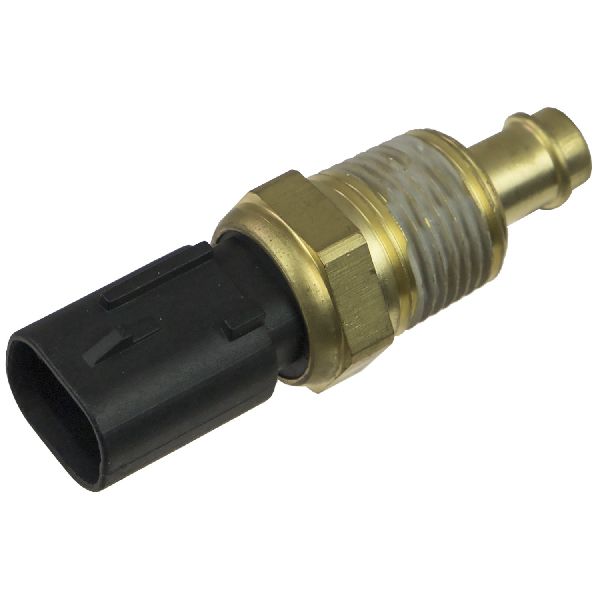
Est. part cost: $20-$40 for coolant - Faulty Engine Coolant Temperature (ECT) Sensor ⚪ Low Probability While less common than thermostat failure, sensors can fail and send incorrect data to the ECM.
How to confirm: With a cold engine, use a scan tool to compare the ECT sensor reading to the Intake Air Temperature (IAT) sensor reading. They should be within a few degrees of each other. If the ECT reading is skewed significantly, the sensor is likely faulty.
Typical fix: Replace the engine coolant temperature sensor.
Est. part cost: $25-$75 - PCM Software Needs Update ⚪ Low Probability Ram has issued TSBs that include software enhancements for 'Thermostat Rationality'. This suggests the logic for triggering the P0128 code was too sensitive on some vehicles, particularly 2019 and 2020 models. [Bulletin #18-002-23, Bulletin #18-033-25 REV. A, 22]
How to confirm: A Ram dealership can check your vehicle's VIN against their database for applicable software updates and TSBs.
Typical fix: Have the dealership reflash the Powertrain Control Module (PCM) with the latest software.
Est. part cost: $0-$200, depending on warranty status
Rare But Worth Checking
- Cooling Fan Stuck On: If the electric or mechanical cooling fan runs constantly, it can over-cool the engine, especially in cold weather or at highway speeds, preventing it from reaching operating temperature.
- Wiring Issue to ECT Sensor: Corroded or damaged wiring or connectors for the ECT sensor can cause an incorrect signal to be sent to the ECM, mimicking a sensor failure.
- Active Grille Shutter Malfunction: On 2019+ models, the active grille shutters are designed to close during warm-up to help the engine reach operating temperature faster. If they are stuck open, it could slow the warm-up process and contribute to a P0128 code, though this usually sets a dedicated shutter-related code like U11E9.
Diagnosis Steps
- Check for any Technical Service Bulletins (TSBs) for your vehicle's VIN, especially those related to software updates for P0128 'Thermostat Rationality'. [Bulletin #18-002-23, 22]
- With the engine cold, check the coolant level in the reservoir and radiator. Ensure it is at the proper level.
- Connect an OBD-II scanner and check for any other stored codes.
- Use the scanner's live data function to monitor the Engine Coolant Temperature (ECT). Start the cold engine and watch the temperature rise.
- Observe the temperature reading. It should climb steadily to around 203°F (for gas engines) and then stabilize. If it climbs very slowly, never reaches this range, or drops significantly when driving at speed, the thermostat is likely stuck open.
- If the temperature reading is erratic or seems incorrect from the start (e.g., reads 200°F on a cold engine), the ECT sensor or its wiring is suspect. Compare ECT and IAT sensor readings on a cold-soaked engine for confirmation.
- If the thermostat is replaced, ensure the cooling system is properly bled of all air. Trapped air can cause erratic temperature readings and prevent the issue from being resolved.
- If the thermostat and coolant level are confirmed to be good, consider having a dealership check for and apply any available PCM software updates.
Parts You'll Likely Need
- Engine Coolant Thermostat
(OEM #52028898AJ (5.7L HEMI); 68253514AA (3.0L EcoDiesel))— This is the most common failure point for code P0128. It gets stuck in the open position, preventing the engine from warming up properly. For the 3.6L, the entire housing is typically replaced.
Trusted brands: Mopar, Gates, Motorad
OEM price range: $70-$150
Aftermarket price range: $40-$100 - Engine Coolant Thermostat Housing Assembly
(OEM #68253514AA (3.0L EcoDiesel); 902-3115 (Dorman Aftermarket for 3.6L))— Required for the 3.6L Pentastar and 3.0L EcoDiesel engines, as the thermostat is integrated into the housing. The plastic housing on the 3.6L is a known failure point. An aluminum aftermarket upgrade 🎬 See how to install the upgraded aluminum housing on a 3.6L. from Dorman is available for the 3.6L.
Trusted brands: Mopar, Dorman, Gates
OEM price range: $90-$180
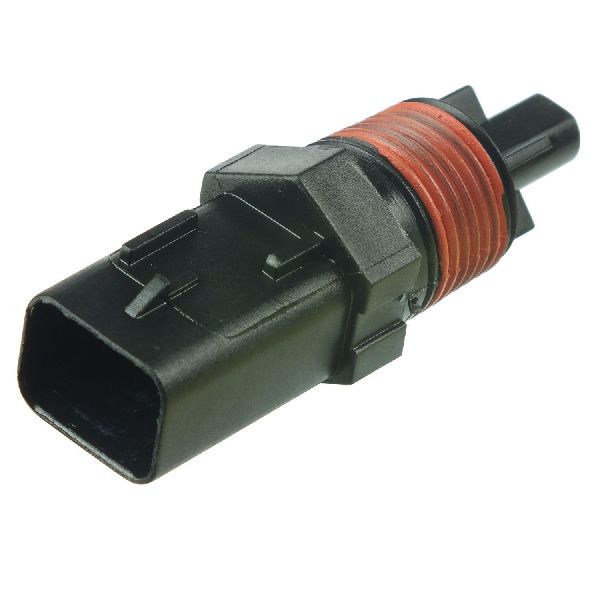
Aftermarket price range: $50-$120 - Engine Coolant Temperature Sensor — A less common but possible cause. It can be replaced if the thermostat is known to be good but the code persists.
Trusted brands: Mopar, Bosch, NTK
OEM price range: $40-$75
Aftermarket price range: $25-$50
Technical Service Bulletins (TSBs) & Recalls
- 9100287: Mentions P0128 failure on 3.6L Pentastar engines and the need for thermostat assembly replacement.
- 18-002-23: Notes an available software enhancement for P0128 'Thermostat Rationality' on 2020 models with various engines.
- 18-033-25 REV. A: Lists P0128 'Thermostat Rationality' as a code that can be addressed by a software update for 2019 models.
- 1807022
Platform-Specific Known Issues
- TSB #18-002-23 and #18-033-25 REV. A mention software enhancements for 'Thermostat Rationality', indicating some P0128 issues can be resolved with a PCM update at a dealership for 2019-2020 models.
- TSB #S2118000009 directly addresses customer complaints of a MIL-on condition with DTC P0128, confirming it's a known issue.
- On the 3.6L Pentastar engine, the thermostat is part of a larger plastic housing that can become brittle. It is often recommended to replace the entire assembly. Some owners opt for an aftermarket aluminum housing from brands like Dorman for improved durability.
- For the 3.0L EcoDiesel, the issue is also common. The factory thermostat is set to a high 208°F, and failure is frequent. Leaks from the EGR cooler can also cause coolant loss and contribute to cooling system problems on these engines.
Mechanic-Grade Diagnostic Values
- Engine Coolant Temperature (ECT) Sensor Resistance — expected: Between 2000Ω and 3000Ω at 20°C (68°F); between 200Ω and 300Ω at 90°C (194°F).. Failure: Resistance is significantly outside the expected range for a given temperature, or shows an open/short circuit.
- Engine Coolant Temperature (ECT) Sensor Signal Voltage — expected: Approximately 2.0V - 3.0V with a cold engine, dropping to around 0.5V when the engine is at full operating temperature.. Failure: Voltage is stuck high (near 5V) indicating an open circuit, stuck low (near 0V) indicating a short, or does not change smoothly as the engine warms up.
- Engine Coolant Temperature (ECT) Sensor Tightening Torque — expected: 11 Nm (8 ft. lbs.).. Failure: Over-tightening can damage the sensor or housing; under-tightening can cause leaks.
Wiring & Ground Locations
- G911A — A common ground point for various modules. On some 4th Gen trucks, related grounds are located near the right front fender.. A poor ground connection for the PCM or related sensor circuits can cause erratic sensor readings, potentially mimicking a component failure. While not directly tied to the ECT in all diagrams, checking major engine and chassis grounds is a valid step when diagnosing electrical faults.
- ECT Sensor Connector (3.6L) — On the 3.6L V6, the sensor is located on the driver's side of the engine block towards the rear. Access often requires removing the driver's side front wheel and fender liner.. The location is difficult to access, making visual inspection of the wiring and connector for damage or corrosion challenging. This can lead to misdiagnosis if the wiring is the true fault.
- ECT Sensor Connector (5.7L) — On the 5.7L Hemi, the sensor is on the front of the engine, near the water pump and thermostat housing, making it relatively easy to access.. Easy access allows for quick inspection of the connector and wiring harness for corrosion, damage, or loose connections before replacing the sensor itself.
Real Owner Repair Stories
- Reddit user in r/MechanicAdvice (Vehicle unspecified, but common pattern) — Check engine light with code P0128 returned two months after replacing the original thermostat.
❌ Tried (didn't work) Replacing the thermostat with an aftermarket (OEM-equivalent from Advance Auto) part., Performing a coolant flush.
✅ What actually fixed it The consensus from technicians in the thread was that the aftermarket thermostat was likely faulty out of the box or failed prematurely, a common occurrence. The recommended fix was to replace it again, this time with a genuine OEM part to ensure proper calibration and longevity.
OEM Part Supersession History
52028898AE, 52028898AI→52028898AJ— Standard part revision and update by the manufacturer for the 195-degree thermostat used in 5.7L HEMI and other V8 engines.68211186AA, 68211186AB→68253514AA— Updated part revision for the 3.0L EcoDiesel thermostat housing assembly.
Model Year Variations Within This Range
- 2019-2021 (5th Gen DT): These models come standard with an Active Grille Shutter (AGS) system. The AGS is designed to close during cold starts to reduce engine warm-up time. A malfunction where the shutters are stuck open could potentially slow the warm-up process and contribute to a P0128 code, though it is more likely to set its own fault code.
Helpful Videos
Used OEM Parts in Stock


New Aftermarket Parts Available


The information in this article is provided for general reference and educational purposes only. Vehicle specifications, procedures, and part compatibility can vary by production date, trim level, and region. Always consult your vehicle's factory service manual and verify part numbers before purchasing or performing repairs. Safety-critical components such as airbags, seat belts, and braking systems should be installed by a qualified professional.
- Ram 1500:
- 🎬 Helpful Videos
- 🛍️ Shop This Part
- What's Unique About the 2014-2021 Ram 1500
- Diagnostic Flowchart
- Symptoms You May Notice
- Most Likely Causes
- Rare But Worth Checking
- Diagnosis Steps
- Parts You'll Likely Need
- Technical Service Bulletins (TSBs) & Recalls
- Platform-Specific Known Issues
- Mechanic-Grade Diagnostic Values
- Wiring & Ground Locations
- Real Owner Repair Stories
- OEM Part Supersession History
- Model Year Variations Within This Range
- 🎟️ Get 5% Off