

P0118 on 2012-2018 Ford Focus ST: Cylinder Head Temp Sensor Causes and Fixes
P0118 on a Focus ST almost always means the Cylinder Head Temperature (CHT) sensor circuit is open. This is typically due to a failed sensor or a bad connector/wiring. The PCM defaults to a -40°F reading, causing the cooling fans to run constantly. The fix is replacing the CHT sensor, an inexpensive part (~$25-$75) located on the cylinder head between spark plugs #2 and #3. Access is tight, but no coolant needs to be drained for the job.
- P0118 means your car's computer thinks the engine is extremely cold due to an electrical fault.
- The most common cause is a failed Engine Coolant Temperature (ECT) sensor or a bad connection to it.
- Check live data with a scan tool first. A reading of -40° is a dead giveaway of the problem.
- The sensor itself is affordable, but its location on the Focus ST engine can make replacement a bit challenging.
- Don't immediately blame the thermostat; this is almost always an electrical circuit issue.
What's Unique About the 2012-2018 Ford Focus ST
The 2.0L EcoBoost engine in the Focus ST does not use a traditional Engine Coolant Temperature (ECT) sensor that is submerged in coolant. Instead, it uses a Cylinder Head Temperature (CHT) sensor that screws directly into the aluminum cylinder head between spark plugs #2 and #3. The PCM uses the metal temperature to infer the coolant temperature. This is a critical distinction because replacing the CHT sensor does not require draining the cooling system, making the job simpler and cleaner than a typical ECT sensor replacement. The sensor's location under the plastic engine cover is tight but accessible with a deep socket.
Symptoms You May Notice
- Check Engine Light is on
- Cooling fans run continuously at high speed, even when the engine is cold
- Temperature gauge on the dashboard reads completely cold or does not move at all
- Engine is difficult to start or has a long crank time, especially when cold.
- Noticeably poor fuel economy (running rich)
- Black smoke from the exhaust on startup due to a rich fuel mixture
- Rough idle or hesitation, particularly before the engine warms up
- Replacing the thermostat. A faulty thermostat typically causes different codes (like P0128 for slow warmup) or physical overheating, not an electrical circuit high fault like P0118.
- Assuming it's an ECT sensor and draining the coolant. The Focus ST uses a CHT sensor, so draining the coolant is unnecessary work.
Most Likely Causes
- Failed Cylinder Head Temperature (CHT) Sensor 🔴 High Probability The sensor is a common failure point due to heat cycles and vibration. It fails internally, creating an open circuit.
How to confirm: With a scan tool, check live data for Engine Coolant Temperature. A reading of -40°F or -40°C is a definitive sign of an open circuit fault. You can also test the sensor's resistance with a multimeter; infinite resistance (OL) confirms an internal open. A healthy sensor should have a resistance of around 2,200-3,000 Ohms at room temperature (20°C/68°F).
Typical fix: Replace the CHT sensor. This does not require draining coolant.
Est. part cost: $25-$75 - Damaged or Corroded CHT Sensor Connector/Wiring 🟡 Medium Probability The wiring harness sits on top of the hot engine and can become brittle or damaged over time. Ford TSBs on other models point to connector and wiring issues as a common source for this code family. [TSB 21-2168, SSM 47791]
How to confirm: Visually inspect the sensor's electrical connector and nearby wiring for breaks, corrosion, or loose pins. Wiggle the connector with the key on, engine off while monitoring live data on a scan tool to see if the -40°F reading changes.
Typical fix: Repair the damaged section of wire or replace the connector pigtail.
Est. part cost: $15-$40 - Low Engine Coolant or Air in the Cooling System ⚪ Low Probability Not a platform-specific issue, but can cause erratic temperature behavior. However, P0118 is an electrical circuit code, making this cause less likely than a sensor or wiring fault.
How to confirm: Check the coolant level in the reservoir when the engine is cold. If low, inspect for leaks. A P0118 code is almost always electrical, but low coolant can cause other overheating codes.
Typical fix: Top off coolant and bleed the system to remove air pockets. Find and repair any leaks.
Est. part cost: $20-$30 for coolant
Rare But Worth Checking
- Faulty Powertrain Control Module (PCM): This is extremely unlikely and should only be considered after the sensor and its entire circuit (wiring, connector, ground) have been thoroughly tested and proven to be good.
Diagnosis Steps
- Connect an OBD-II scanner and confirm P0118 is the active code. 🎬 Watch this step-by-step fix for code P0118
- View live data. Observe the Engine Coolant Temperature reading. A value of -40°F or similar extremely low reading strongly suggests an open circuit.
- With the engine cold, compare the CHT reading to the Intake Air Temperature (IAT) reading. They should be within a few degrees of each other. If the CHT is at -40°F, the circuit is faulty.
- Turn off the engine and remove the plastic engine cover.
- Locate the CHT sensor. It is threaded into the cylinder head between the ignition coils for cylinders #2 and #3.
- Inspect the sensor's electrical connector for damage, corrosion, or a loose fit. Inspect the visible wiring for any signs of breaks, chafing, or heat damage.
- If no visual fault is found, disconnect the connector. Use a fused jumper wire to short the two terminals in the harness-side connector. Turn the ignition on (engine off) and check the live data again. The temperature should now read extremely high (250°F+). If it does, the wiring and PCM are good, and the sensor has failed internally.
- If the jumper test does not result in a high temperature reading, use a multimeter to test the harness connector. One wire should have a 5-volt reference from the PCM, and the other should be a good ground. Absence of either indicates a wiring problem that needs to be traced back to the PCM.
- If the sensor is confirmed to be the fault, use a deep socket (typically 19mm) to remove and replace it. 🎬 Watch an easy walkthrough on replacing the CHT sensor No coolant will leak out. Ensure the new sensor is torqued to specification (typically around 9 ft-lbs).
- Reconnect the electrical connector, clear the trouble code with the scanner, and start the vehicle. Verify the temperature gauge works and the cooling fans are not running constantly.
Parts You'll Likely Need
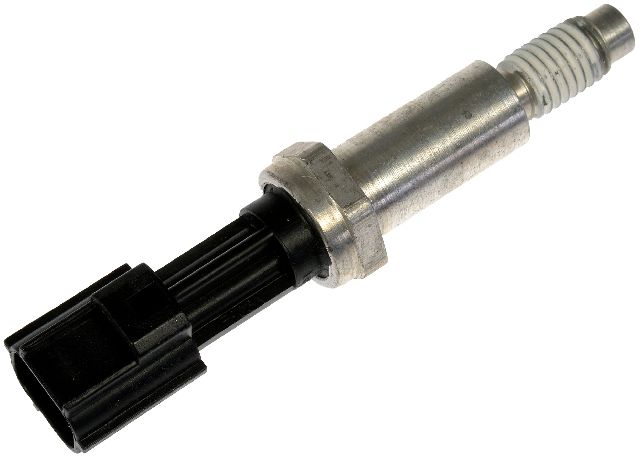
- Cylinder Head Temperature Sensor
(OEM #CM5Z-6G004-E (supersedes 9L8Z-6G004-E))— This sensor is the most common component to fail, causing an internal open circuit that triggers P0118.
Trusted brands: Motorcraft (DY1144), Bosch, Delphi, NTK
OEM price range: $40-$70
Aftermarket price range: $25-$50
Related Codes That Often Appear With This One
- P0117 — This is for 'ECT/CHT Circuit Low Input', which is the opposite fault (a short circuit). It can appear if the wiring problem is intermittent, shorting and opening at different times.
- P0119 — This is for 'ECT/CHT Circuit Intermittent', which can be logged along with P0118 if the open circuit connection is sporadic or caused by a wiggling wire.
Technical Service Bulletins (TSBs) & Recalls
- TSB 21-2168: (On other Ford models) Notes that P0118 can be caused by an intermittent voltage drop in the ECT circuit.
- SSM 47791: (On other Ford models) Mentions P0118 can be caused by an ECT sensor connector that is not fully seated or is damaged.
Platform-Specific Known Issues
- The sensor is a Cylinder Head Temperature (CHT) sensor, not a coolant sensor. This means no coolant needs to be drained for replacement, which is a common point of confusion.
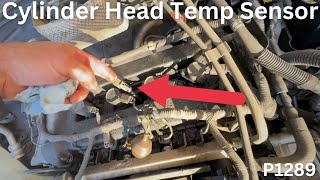
- Access to the CHT sensor between cylinders #2 and #3 is tight. While manageable, it requires removing the engine cover and carefully working around the ignition coils and wiring harness. 🎬 See how to replace the cylinder head temp sensor
Mechanic-Grade Diagnostic Values
- CHT Sensor Resistance vs. Temperature — expected: Approx. 8,000-10,000Ω at 0°C (32°F), 2,200-3,000Ω at 20°C (68°F), 250-350Ω at 80°C (176°F).. Failure: Infinite resistance (OL) at any temperature indicates an open circuit and a failed sensor. A reading that does not change as the engine warms up also indicates failure.
- CHT Sensor Circuit Voltage at PCM — expected: A decreasing voltage as the engine warms up. For example, approx. 2.03V at 90°C (194°F).. Failure: A voltage reading greater than 4.6V - 4.9V indicates an open circuit, which triggers code P0118.
- CHT Sensor Connector Pin Voltage (Key On, Engine Off) — expected: One pin should show a ~5V reference signal from the PCM. The other pin is the signal return (ground).. Failure: Absence of the 5V reference signal or a bad ground points to a wiring issue between the connector and the PCM, not a faulty sensor.
Wiring & Ground Locations
- CHT Sensor Connector — On top of the cylinder head, between the ignition coils for cylinders #2 and #3, under the plastic engine cover.. This is the primary point of failure for the circuit besides the sensor itself. The two pins are for the 5V reference from the PCM and the signal return/ground. Testing here can quickly differentiate a sensor failure from a wiring failure.
- PCM Ground — The CHT sensor grounds through its dedicated signal return wire back to the Powertrain Control Module (PCM), not directly to the chassis or engine block.. If the signal return wire is broken anywhere between the sensor and the PCM, it will create an open circuit and trigger P0118, even if the sensor itself is good. This is why testing for continuity on the ground wire back to the PCM is a critical step if a new sensor doesn't fix the issue.
Real Owner Repair Stories
- YouTube channel 'The Auto Teacher' (2009 Ford Focus (non-ST, but with the same 2.0L engine family and CHT sensor design)) — Customer reported the car was running very poorly.
✅ What actually fixed it The CHT sensor had physically snapped in two, with the threaded portion still in the cylinder head and the top part broken off. Replacing the broken sensor resolved the issue.
OEM Part Supersession History
9L8Z-6G004-B→9L8Z-6G004-E, which was then superseded by CM5Z-6G004-E— Standard part revision and consolidation across multiple Ford platforms.
Heads up: While older part numbers may fit, it is always recommended to use the latest superseded part number (CM5Z-6G004-E) to ensure you have the most current revision.
Model Year Variations Within This Range
- 2012-2018: The core 2.0L EcoBoost engine and CHT sensor system remained consistent between the pre-facelift (2012-2014) and facelift (2015-2018) Focus ST models. While the facelift brought cosmetic and interior changes, the diagnosis and repair for P0118 are identical across the entire generation.
Diagnostic Flowchart
Other Known Issues on This Vehicle
Issues unrelated to this code that are worth knowing about as an owner of this generation:
- Faulty Canister Purge Valve (CPV) 🟠 Medium — Extremely common. Can cause stalling after refueling, rough idle, and deformation of the fuel tank. Mileage of onset varies widely. (Ref: NHTSA Campaign 18V735000 (Ford Recall 18S32) was issued, covering a PCM reprogram and, if necessary, replacement of the CPV and related fuel system components.)
- Low-Speed Pre-Ignition (LSPI) 🔴 High — A risk inherent to earlier direct-injection turbocharged engines. Caused by 'lugging' the engine (high load at low RPM). Can cause catastrophic engine damage. (Ref: No specific recall, but mitigation includes using API SN PLUS or SP-rated oil, colder spark plugs, and avoiding aggressive throttle input below 2,500-3,000 RPM.)
- Premature Rear Motor Mount (RMM) Failure 🟡 Low — The soft, fluid-filled stock RMM is a known weak point and fails frequently, often within 50,000 miles. Symptoms include a 'thunk' on hard shifts, excessive engine movement, and wheel hop. (Ref: None. It is considered a wear item, and many owners proactively replace it with a firmer aftermarket unit from brands like Cobb, Mountune, or Boomba.)
Used vs. New Parts: Buying Guide for This Vehicle
When a used part is the smart pick: A used part is generally NOT recommended for the CHT sensor itself due to its low cost new (around $25-$50 for a quality aftermarket part) and its high failure rate from heat cycles. However, sourcing a used connector pigtail from a junkyard harness is a very smart and cost-effective repair if your original connector is broken or corroded.
Donor-vehicle mileage cap: roughly under 80000 miles for the part to have meaningful remaining life.
What to inspect on the donor part:
- For a connector pigtail, inspect for at least 6-8 inches of flexible, undamaged wire.
- Check that the plastic connector body is not cracked or brittle.
- Ensure the locking tab is intact and functional.
- Look for clean, corrosion-free metal pins inside the connector.
OEM-only on this vehicle (don't cheap out):
- No parts for this specific repair are strictly OEM-only. The CHT sensor is a simple thermistor.
Aftermarket brands forum-validated for this vehicle:
- Motorcraft (OEM)
- NTK
- Bosch
- Delphi
Brands owners have reported issues with on this vehicle:
- Avoid unbranded, 'white-box' sensors from online marketplaces, as their resistance curves may not match OEM specifications, leading to inaccurate temperature readings even if they clear the code.
Real Owner Stories
Aggregated from forums and TSBs cited above. Mileages and costs reflect what owners reported in those sources.
2014 Ford Focus ST 2.0L EcoBoost
Symptoms: The radiator fans were running at maximum speed even when the engine was cold, and the temperature gauge on the dash stayed completely at the bottom.
What fixed it: Replaced the Cylinder Head Temperature (CHT) sensor located between the spark plugs.
Source hint: r/FocusST (Reddit)
2013-2018 Ford Focus ST 2.0L EcoBoost
Symptoms: Owner observed a -40F reading on their Accessport, which served as the tell-tale sign of the circuit failure.
What fixed it: DIY replacement of the CHT sensor; owner noted the relief of not having to drain any coolant during the process.
Source hint: FocusST.org
Related OBD-II Codes
Frequently Asked Questions
Do I need to drain the coolant to replace the sensor on my Focus ST?
My scan tool shows -40°F for the coolant temperature. Does this confirm the CHT sensor is bad?
Where exactly is the CHT sensor located on the 2012-2018 Focus ST?
Could my P0118 code be related to the Ford recall for the fuel system?
Are there any Ford TSBs or SSMs regarding the P0118 code for this platform?
What size socket do I need to replace the CHT sensor?
Helpful Videos
Used OEM Parts in Stock


New Aftermarket Parts Available


The information in this article is provided for general reference and educational purposes only. Vehicle specifications, procedures, and part compatibility can vary by production date, trim level, and region. Always consult your vehicle's factory service manual and verify part numbers before purchasing or performing repairs. Safety-critical components such as airbags, seat belts, and braking systems should be installed by a qualified professional.
- Ford Focus ST:
- 🎬 Helpful Videos
- 🛍️ Shop This Part
- What's Unique About the 2012-2018 Ford Focus ST
- Symptoms You May Notice
- Most Likely Causes
- Rare But Worth Checking
- Diagnosis Steps
- Parts You'll Likely Need
- Related Codes That Often Appear With This One
- Technical Service Bulletins (TSBs) & Recalls
- Platform-Specific Known Issues
- Mechanic-Grade Diagnostic Values
- Wiring & Ground Locations
- Real Owner Repair Stories
- OEM Part Supersession History
- Model Year Variations Within This Range
- Diagnostic Flowchart
- Other Known Issues on This Vehicle
- Used vs. New Parts: Buying Guide for This Vehicle
- Real Owner Stories
- 2014 Ford Focus ST 2.0L EcoBoost
- 2013-2018 Ford Focus ST 2.0L EcoBoost
- Related OBD-II Codes
- Frequently Asked Questions
- 🎟️ Get 5% Off