

P0118 on 2006-2010 Ford Explorer 4.0L: Engine Coolant Temperature Circuit High Causes and Fixes
This code almost always means the Engine Coolant Temperature (ECT) sensor has failed. It's an inexpensive part and a straightforward DIY replacement located on the plastic thermostat housing at the front of the 4.0L V6 engine. The plastic housing itself is also a common failure point for leaks and is often replaced at the same time.
- P0118 on a 2006-2010 Explorer 4.0L is almost certainly a bad Engine Coolant Temperature (ECT) sensor.
- Symptoms include poor fuel economy, hard starting when warm, and a constantly running cooling fan.
- The sensor is located on the thermostat housing at the front of the engine and is held in by a small clip.
- This is a very DIY-friendly repair that can be done in under an hour with basic tools.
- Before buying parts, confirm the fault by checking for a -40° reading on a scan tool's live data.
What's Unique About the 2006-2010 Ford Explorer
On the 4.0L SOHC V6 engine in this generation of Explorer, the ECT sensor is conveniently located right at the front of the engine on the plastic thermostat housing. Unlike many threaded sensors, this version is a simple clip-in style, making replacement a relatively quick and easy job. The failure mode is very consistent, with the sensor failing internally and creating an open circuit, which reliably triggers the P0118 code. A key issue with this platform is the plastic thermostat housing itself, which is prone to cracking and causing coolant leaks; many owners opt to replace the entire housing assembly (which often includes a new sensor) as a preventative measure.
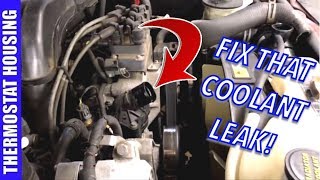
🎬 Watch: Step-by-step guide to replacing the upper thermostat housing.Symptoms You May Notice
- Check Engine Light is on
- Significantly reduced fuel economy
- Engine is hard to start, especially when warm
- Engine runs rough, hesitates, or idles poorly, particularly before it warms up
- Black smoke from the exhaust due to a rich fuel mixture
- Cooling fans run constantly at high speed, even when the engine is cold (a failsafe response by the PCM)
- A/C compressor may not engage as the PCM enters a failsafe mode
- Temperature gauge on the dashboard may read cold and not move (though this can also be the separate sender unit)
- Replacing the thermostat. While a thermostat stuck open can cause a P0128 code, it will not cause the P0118 electrical circuit high code.
- Replacing the coolant temperature *sender* for the dashboard gauge. This is a very common mistake on this platform. The 4.0L engine often has two separate sensors in the thermostat housing: a two-wire ECT sensor for the PCM (which triggers P0118) and a one-wire sender that only operates the dashboard gauge. Replacing the wrong one will not fix the code.
Most Likely Causes
- Failed Engine Coolant Temperature (ECT) Sensor 🔴 High Probability The sensor is a very common failure item due to age and constant heat cycles. It fails internally, creating an open circuit which results in the 'high input' voltage reading that the PCM interprets as -40°F.
How to confirm: With a scan tool, observe the live ECT data. A reading of -40°F or -40°C almost certainly confirms the fault. You can also test the sensor's resistance with a multimeter; a good sensor should read approximately 58,750 Ohms when cold and drop as it warms up, while a failed one will show infinite resistance (OL).
Typical fix: Replace the Engine Coolant Temperature sensor and its O-ring.
Est. part cost: $20-$45 - Damaged Wiring or Connector 🟡 Medium Probability The wiring harness near the top of the engine is exposed to heat and vibration, which can cause wires to become brittle and break or the connector's locking tab to fail. This creates an open circuit, mimicking a failed sensor.
How to confirm: Visually inspect the two wires and the connector going to the ECT sensor for breaks, corrosion, or loose pins. Check for a 5-volt reference signal on one wire and a good ground on the other with the key on, engine off. Wiggle the connector and harness with the scan tool connected; if the -40°F reading flickers or changes, a wiring fault is present.
Typical fix: Repair the broken wire(s) or replace the pigtail connector. Matching the new pigtail to the old one visually is recommended as multiple styles exist.
Est. part cost: $10-$30 for a pigtail connector - Low Engine Coolant / Air in System ⚪ Low Probability A significant coolant leak, often from the failure-prone plastic thermostat housing on this engine, can introduce a large air pocket into the cooling system. If the sensor is surrounded by air instead of coolant, it cannot read the temperature correctly, which can sometimes lead to erratic readings, though P0118 specifically points to an electrical open.
How to confirm: Check the coolant level in the overflow reservoir and in the radiator itself (only when the engine is completely cold). If it is low, there is a leak that must be found and repaired. A common source is a crack in the plastic thermostat housing.
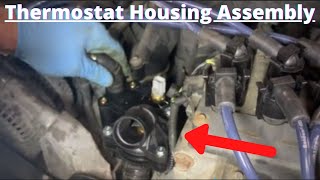
Typical fix: Find and repair the source of the coolant leak (e.g., replace thermostat housing). Refill and properly bleed the cooling system. 🎬 See this walkthrough for replacing the full thermostat housing assembly.
Est. part cost: $15-$30 for coolant, plus cost of leak repair
Rare But Worth Checking
- Faulty Powertrain Control Module (PCM): This is extremely rare. Before condemning the PCM, all other possibilities (sensor, wiring, connections, and grounds) must be exhaustively tested and ruled out. A PCM should only be replaced as a last resort after confirming the sensor and wiring are good.
Diagnosis Steps
- Check Coolant Level: Ensure the engine is completely cool. Verify the coolant is full in the overflow reservoir and the radiator. A low level indicates a leak that must be addressed first.
- Scan for Codes & Live Data: Connect an OBD-II scanner. Confirm P0118 is the active code and view the live data for the Engine Coolant Temperature (ECT). A reading of -40°F (-40°C) strongly suggests a circuit high fault.
- Inspect Wiring and Connector: Locate the ECT sensor on the plastic thermostat housing at the front of the engine. Carefully inspect the two-wire connector and harness for any signs of damage, corrosion, broken locking tabs, or loose pins.
- Test the Circuit: Disconnect the ECT sensor connector. Turn the ignition to 'On' (engine off). Use a multimeter to verify one pin has a 5-volt reference signal from the PCM and the other has a good ground. Next, use a jumper wire (or paperclip) to connect the two terminals in the electrical connector pigtail. The ECT reading on your scan tool should immediately jump to a very high temperature (250°F+). If it does, the wiring and PCM are good, confirming the sensor has failed. If the reading stays at -40°F, there is an open circuit in the wiring harness or, rarely, the PCM.
- Test the Sensor (Optional): If you have a multimeter, you can test the old sensor. Set the multimeter to measure resistance (Ohms). At room temperature (~68°F/20°C), a good Ford sensor should read approximately 58,750 Ohms. A failed sensor will often show infinite resistance (OL), indicating an internal open circuit.
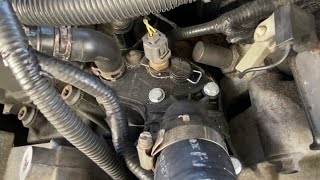
- Replace the Faulty Component: Based on your findings, replace the ECT sensor or repair the wiring. Consider replacing the entire thermostat housing assembly if it is the original plastic unit or shows signs of leaking. 🎬 Watch: How to replace the thermostat housing at home.
Parts You'll Likely Need
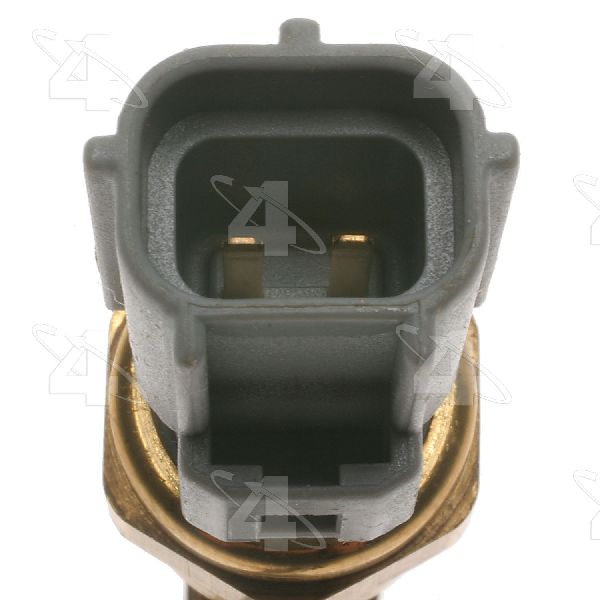
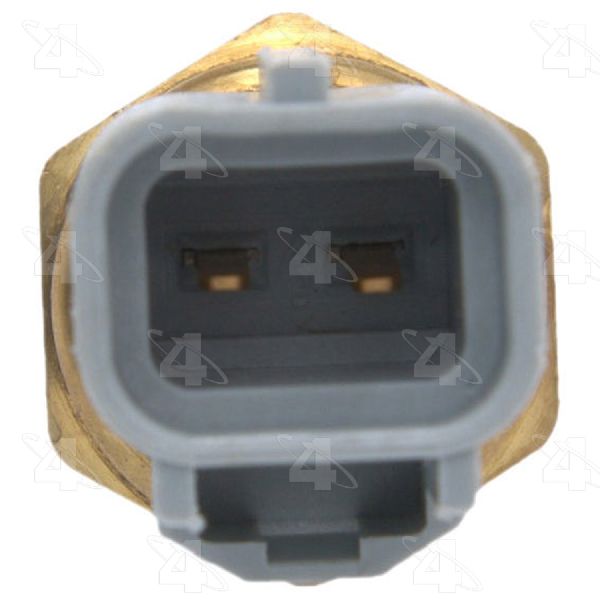
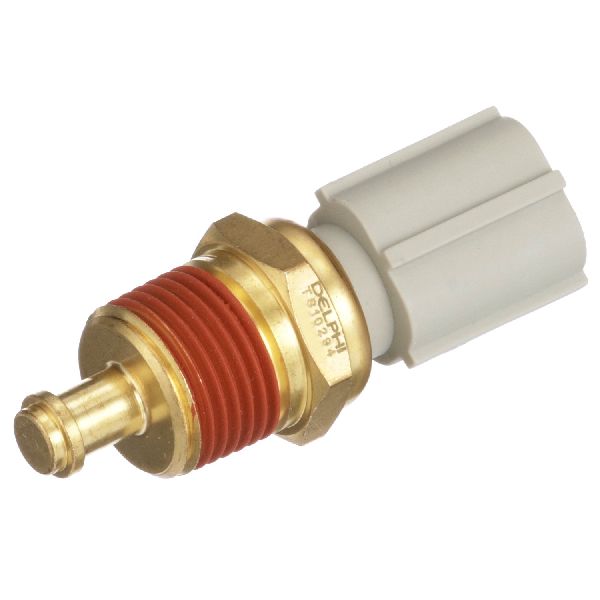
- Engine Coolant Temperature Sensor
(OEM #DY1145)— This sensor is the most frequent point of failure for the P0118 code. It fails internally, creating an open circuit.
Trusted brands: Motorcraft, NTK, Delphi, Standard Motor Products (SMP)
OEM price range: $30-$45
Aftermarket price range: $20-$35 - Engine Coolant Temperature Sensor Retaining Clip
(OEM #W706800-S303)— The original plastic clip can become brittle with age and often breaks during removal of the old sensor. Many new sensors and housing kits include one.
Trusted brands: Motorcraft, Dorman
OEM price range: $5-$10
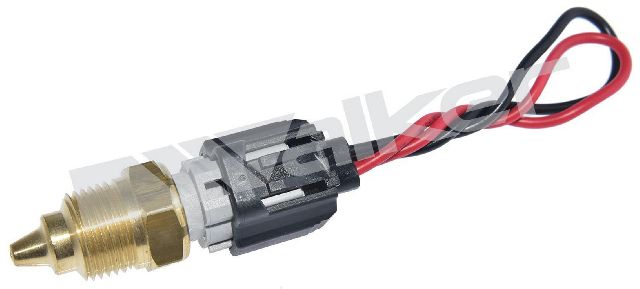
Aftermarket price range: $3-$8 - ECT Sensor Pigtail Connector — If the connector itself is damaged, corroded, or has broken wires, it must be replaced. No single OEM number is consistently cited; visual matching is recommended. Motorcraft WPT-931 is for the ignition coil but may be visually similar.
Trusted brands: Motorcraft (visually match), Dorman, Standard Motor Products (SMP)
OEM price range: $25-$40
Aftermarket price range: $10-$25 - Thermostat Housing Assembly
(OEM #Motorcraft RH-167 (housing only), Dorman 902-860 (kit))— A highly recommended related repair. The original plastic housing is prone to cracking and leaking. Complete kits often include the housing, thermostat, gasket, and a new ECT sensor, providing a comprehensive fix.
Trusted brands: Motorcraft, Dorman (offers an upgraded metal version), Gates, Four Seasons
OEM price range: $60-$90
Aftermarket price range: $40-$75
Related Codes That Often Appear With This One
- P0117 — P0117 is 'ECT Circuit Low Input'. If there is an intermittent short or failing wiring, you could see both codes logged at different times.
- P1000 — This is a Ford-specific code indicating that the OBD-II readiness monitors have not completed since the last time the codes were cleared. It will be present after clearing the P0118 code and will disappear on its own after a normal drive cycle.
Platform-Specific Known Issues
- Cracking Plastic Thermostat Housing: The 4.0L SOHC V6 is notorious for its original equipment plastic thermostat housing developing hairline cracks over time, leading to coolant leaks. Since the ECT sensor is mounted directly in this housing, a coolant leak in this area can sometimes be the first symptom noticed by an owner before a code appears. Many owners and shops elect to replace the entire housing assembly (often with an upgraded metal version from brands like Dorman) while replacing the ECT sensor as a preventative measure.
Mechanic-Grade Diagnostic Values
- ECT Sensor Resistance (Cold) — expected: ~58,750 Ohms at 68°F (20°C). Failure: Infinite resistance (Open Line / OL) indicates an internal open in the sensor, which is the direct cause of P0118.
- ECT Sensor Resistance (Hot) — expected: ~1,180 Ohms at 212°F (100°C). Failure: Resistance does not drop as temperature increases, or remains at infinite resistance (OL).
- ECT Connector Pin Voltage (Key On, Engine Off) — expected: One pin should have ~5.0 volts (VREF from PCM), the other should have < 0.1 volts (Signal Return/Ground).. Failure: Absence of 5V points to a wiring issue back to the PCM or a faulty PCM. Absence of a good ground points to a break in the signal return wire.
Hidden / Shadow Codes Worth Checking
- Mode $06, TID $53: Cylinder-specific misfire rates. While not directly related to P0118, a technician might review this data if the engine is running rough to see if the rich fuel condition caused by the P0118 fault is leading to misfires on specific cylinders. (see via A professional scan tool with Mode $06 capabilities.)
Scan Tool Commands That Help
- Ford IDS (Integrated Diagnostic System): Datalogger - ECT PID — This is the primary function used to view the live engine coolant temperature data as seen by the PCM. A reading of -40°F/°C confirms the fault condition the PCM is seeing. It's also used during the 'wiggle test' of the harness and to verify the fix after repair.
Wiring & Ground Locations
- G104 — Left front of the engine compartment.. Wiring diagrams for the 2006 Ford Ranger with the same 4.0L engine show the ECT sensor circuit uses ground G104. A corroded or loose G104 ground can cause a high resistance (open) condition in the ECT circuit, triggering a P0118 code even if the sensor and wiring seem okay.
- S118 — In the dash panel to engine harness, near the breakout to ground G104.. This is a factory splice point in the harness. Over time, moisture intrusion and vibration can cause corrosion at this splice, creating high resistance or an open circuit. This can be an elusive cause of P0118 if the sensor, connector, and visible sections of wire all test good.
- ECT Sensor Connector — On the thermostat housing at the front of the engine.. The two wires are the 5V reference and the signal return (ground). For the 4.0L engine, these are typically a Grey/Red wire (Signal) and a Light Green/Red wire (5V Reference). Verifying signal integrity at these pins is the primary electrical test.
Real Owner Repair Stories
- Ford Truck Enthusiasts Forums (A Ford truck with a Triton V8 engine (different engine, but same P0118 code and diagnostic principle)) — P0118 code present.
❌ Tried (didn't work) Searching for a traditional Engine Coolant Temperature (ECT) sensor.
✅ What actually fixed it The issue was resolved by replacing the Cylinder Head Temperature (CHT) sensor. On some Ford engines, a CHT is used instead of or in addition to an ECT, and its failure can also trigger a P0118. While the 4.0L V6 in the Explorer uses a traditional ECT, this highlights the importance of correctly identifying the specific sensor the PCM uses for its primary temperature reading.
OEM Part Supersession History
Not specified, but multiple revisions existed.→DY-1145— Standardization and potential reliability improvements over the life of the platform.
Heads up: The DY-1145 part number is specified for a wide range of Ford vehicles, including some up to 2007. While it is the correct service part, always verify the connector style matches your vehicle's harness before installation, as running changes can occur.
Model Year Variations Within This Range
- 2006-2010: Within the 2006-2010 model years for the Explorer with the 4.0L SOHC V6, there were no significant changes to the engine cooling system, ECT sensor design, or wiring that would affect the diagnosis or repair of a P0118 code. The engine and its management system were mature and largely unchanged during this period.
Diagnostic Flowchart
Used vs. New Parts: Buying Guide for This Vehicle
When a used part is the smart pick: For this repair, obtaining a used part only makes sense for the complete thermostat housing assembly, and ONLY if it is an upgraded cast aluminum version pulled from a vehicle that already had the repair done. Never buy a used plastic housing or a used ECT sensor.
Donor-vehicle mileage cap: roughly under 80000 miles for the part to have meaningful remaining life.
What to inspect on the donor part:
- For a used metal housing: check for any cracks, especially around bolt holes.
- Ensure all threaded holes are clean and not stripped.
- Verify the mating surfaces are flat and free of deep gouges.
- Discard any sensors or thermostats that come with the used housing and install new ones.
OEM-only on this vehicle (don't cheap out):
- While not strictly 'OEM-only', using a Motorcraft-branded ECT sensor (DY-1145) is highly recommended for reliability and to avoid chasing issues with out-of-spec aftermarket sensors.
Aftermarket brands forum-validated for this vehicle:
- Dorman (902-860): Known for offering a complete kit and sometimes an upgraded metal version of the thermostat housing which is superior to the OEM plastic design.
- Gates, Four Seasons: Reputable brands for cooling system components, including thermostat housing assemblies.
Brands owners have reported issues with on this vehicle:
- Unnamed, no-brand 'eBay special' or 'Amazon generic' sensors and housings. These often have poor quality control, incorrect resistance curves on sensors, and use brittle plastic for housings that can fail prematurely.
Related OBD-II Codes
Frequently Asked Questions
My 2007 Explorer's cooling fans are running constantly, even when the engine is cold. Is this related to the P0118 code?
My scan tool shows an engine coolant temperature of -40°F on my Explorer. Is the tool broken?
I have a P0118 code and my temperature gauge is stuck on 'C'. Are these caused by the same sensor?
I'm replacing the ECT sensor for a P0118 code on my 4.0L V6. Should I replace the thermostat housing too?
Is there a recommended brand or part number for the ECT sensor on my 2008 Explorer?
My Explorer is hard to start when it's warm and has a P0118 code. Why would a 'cold' reading cause a warm start issue?
Helpful Videos
We Have This Part in Stock


The information in this article is provided for general reference and educational purposes only. Vehicle specifications, procedures, and part compatibility can vary by production date, trim level, and region. Always consult your vehicle's factory service manual and verify part numbers before purchasing or performing repairs. Safety-critical components such as airbags, seat belts, and braking systems should be installed by a qualified professional.
- Ford Explorer:
- 🎬 Helpful Videos
- 🛍️ Shop This Part
- What's Unique About the 2006-2010 Ford Explorer
- Symptoms You May Notice
- Most Likely Causes
- Rare But Worth Checking
- Diagnosis Steps
- Parts You'll Likely Need
- Related Codes That Often Appear With This One
- Platform-Specific Known Issues
- Mechanic-Grade Diagnostic Values
- Hidden / Shadow Codes Worth Checking
- Scan Tool Commands That Help
- Wiring & Ground Locations
- Real Owner Repair Stories
- OEM Part Supersession History
- Model Year Variations Within This Range
- Diagnostic Flowchart
- Used vs. New Parts: Buying Guide for This Vehicle
- Related OBD-II Codes
- Frequently Asked Questions
- 🎟️ Get 5% Off