

P0118 on 2008-2021 Dodge Charger: Engine Coolant Temp Sensor Causes and Fixes
P0118 on a Dodge Charger almost always means the Engine Coolant Temperature (ECT) sensor has failed or its wiring is damaged. This causes the cooling fans to run constantly and may lead to hard starts. Replacing the sensor is the most common fix, costing around $20-$60 for the part and is a simple DIY job.
- P0118 on your Charger is most likely a bad Engine Coolant Temperature (ECT) sensor.
- Key symptoms are the check engine light and cooling fans that won't turn off.
- The correct OEM replacement part for most V6 and V8 engines is Mopar part number 5149077AB.
- This is a DIY-friendly repair that can be done in under an hour with basic tools.
- Before replacing the sensor, always inspect the wiring and connector for visible damage, as that is another common point of failure.
What's Unique About the 2008-2021 Dodge Charger
For the 2008-2021 Dodge Charger, which spans two generations (LX and LD), the P0118 code is a very common and straightforward issue. The great news for owners is that Chrysler uses a single, widely available Engine Coolant Temperature (ECT) sensor (part number 5149077AB) across nearly all of its V6 and V8 engines in this period, including the 2.7L/3.5L V6, 3.6L Pentastar, and 5.7L/6.1L/6.4L HEMI V8s. This makes sourcing the correct part simple, regardless of your specific engine. The sensor's location varies by engine, but the failure mode and symptoms are highly consistent.
Generation note: This guide covers the first generation (LX, 2008-2010) and second generation (LD, 2011-2021) of the Dodge Charger. While the engines and component locations vary, the cause, symptoms, and diagnostic principles for P0118 are identical. The primary ECT sensor part number (5149077AB) is also consistent across most V6 and V8 engines in both generations.
Symptoms You May Notice
- Check Engine Light is on
- Cooling fans run constantly at high speed, even when the engine is cold
- Temperature gauge on the dashboard may not work, may be stuck on 'Cold', or shows the lowest possible reading
- Difficult starting, especially when the engine is warm (due to an overly rich fuel mixture)
- Poor fuel economy
- Rough or unstable idle
- Black smoke from the exhaust during a cold start
- Electronic Throttle Control (ETC) warning light (a red lightning bolt) may appear on the dash, particularly on HEMI models
- Replacing the thermostat. A faulty thermostat typically causes overheating or slow warm-up issues and will set different codes (like P0128), not P0118.
- Replacing the cooling fans. The fans are running constantly because the PCM is commanding them to as a failsafe measure, based on the faulty -40°F reading. The fans themselves are almost never the problem.
Most Likely Causes
- Faulty Engine Coolant Temperature (ECT) Sensor 🔴 High Probability The sensor is a simple thermistor that can fail internally over time, creating an open circuit. This open circuit prevents the 5-volt reference signal from being pulled down, causing the PCM to read the full reference voltage, which it interprets as an extremely cold temperature.
How to confirm: With a scan tool, check the live ECT data. A reading of -40°F or a similarly low, unchanging value strongly suggests a sensor or circuit problem. You can also test the sensor's internal resistance with a multimeter; if it shows infinite resistance (an open circuit), it's bad. Some owners report that aftermarket sensors can be unreliable, so sticking with an OEM Mopar part is often recommended.
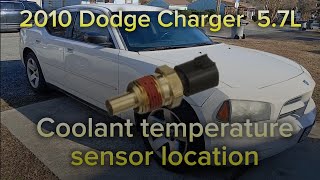
Typical fix: Replace the ECT sensor. This involves partially draining the coolant (or being quick to minimize loss), unscrewing/unclipping the old sensor, and installing the new one. On the 3.6L, the sensor is on the oil filter housing assembly; on the 5.7L, it's on the front of the engine near the water pump. 🎬 Watch: How to replace the ECT sensor on a 5.7 HEMI
Est. part cost: $15-$60 - Damaged Wiring or Connector 🟡 Medium Probability The wiring harness connector to the ECT sensor can become brittle from engine heat cycles and the locking tab can break, leading to a loose connection. Wires can also corrode or get damaged from rodent activity or nearby repairs, causing an open or short in the circuit.
How to confirm: Visually inspect the sensor's electrical connector and the nearby wiring for any signs of corrosion, cracks, or broken wires. Wiggle the connector while watching live scan tool data; if the temperature reading flickers between -40°F and a plausible temperature, you have a bad connection. Often, the issue is simply that the connector wasn't fully seated after previous work.
Typical fix: Repair the damaged section of wire or replace the connector pigtail. A new pigtail (e.g., Mopar part # 68064996AA) is readily available and can be spliced into the existing harness using butt connectors.
Est. part cost: $10-$30
Rare But Worth Checking
- Faulty Powertrain Control Module (PCM): This is extremely rare and should only be considered after all other possibilities have been exhaustively ruled out. A failed driver inside the PCM can cause the P0118 code, but it is highly unlikely.
- Low Coolant Level / Air in System: While this typically causes overheating codes, if a large air pocket gets trapped around the ECT sensor after a coolant service (like a thermostat change), the sensor may not read the coolant temperature correctly, potentially leading to erratic behavior. This is sometimes reported by users who see the code appear immediately after a cooling system repair.
Diagnosis Steps
- Connect an OBD-II scanner and confirm P0118 is the active code.
- View live data on the scanner. Check the 'Engine Coolant Temperature' reading. If it shows -40°F or another extremely low, static value, the circuit has an open fault.
- For comparison, check the 'Intake Air Temperature' (IAT) sensor reading on a cold engine. It should be close to the ambient air temperature. A large discrepancy between IAT and a non-functional ECT reading confirms the ECT circuit is the problem area.
- Turn the engine off. Locate the ECT sensor. On the 3.6L V6, it's on the oil filter/cooler housing under the intake manifold or on the rear left corner of the left cylinder head on some model years. On the 5.7L/6.1L V8, it's on the front of the engine, below the throttle body, near the water pump.
- Visually inspect the sensor's connector and wiring for obvious damage, corrosion, or loose pins. Ensure the connector is fully seated and the locking tab is engaged.
- Disconnect the sensor. With the ignition on (engine off), use a multimeter to check for a 5-volt reference on one pin of the harness-side connector and a good ground on the other.
- If 5 volts and ground are present, the wiring to the PCM is likely okay. The ECT sensor is the most probable cause. Replace the sensor.
- If 5 volts or ground is missing, you have a wiring issue between the connector and the PCM that needs to be traced and repaired.
- As a quick wiring check, you can use a jumper wire to connect the two pins on the harness-side connector. With the ignition on, the scan tool's ECT reading should now show an extremely high temperature (e.g., 250°F+). If it does, this confirms the wiring is good and the original sensor is bad.
- After repairs, clear the code with the scanner and drive the vehicle to ensure the check engine light does not return.
Parts You'll Likely Need
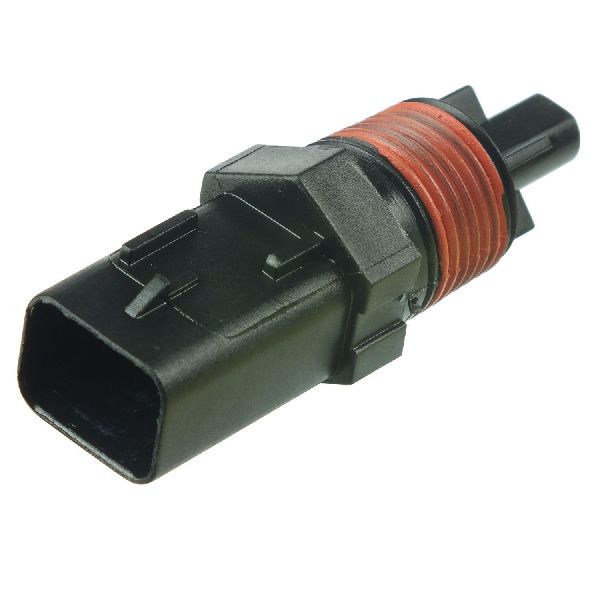
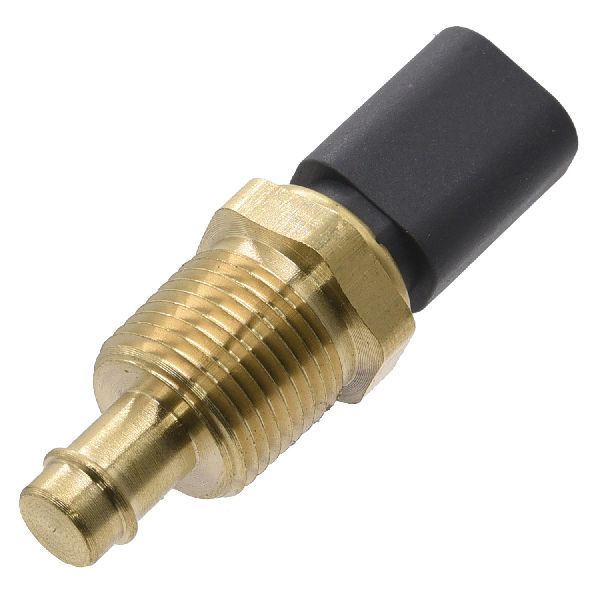
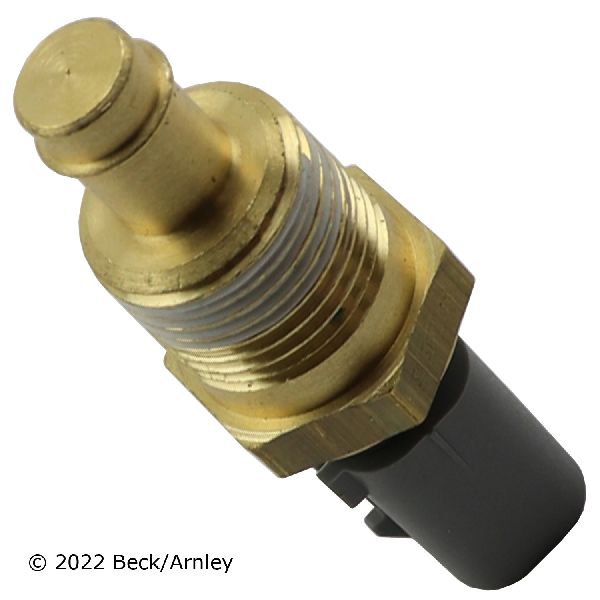
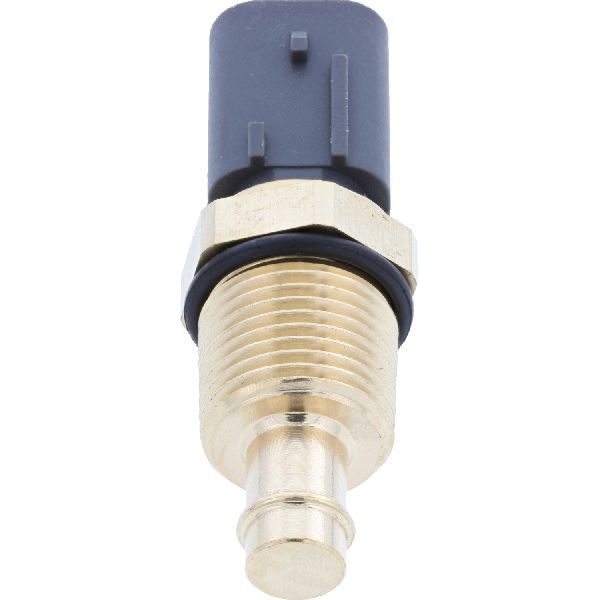
- Engine Coolant Temperature Sensor
(OEM #5149077AB)— This is the component that fails most often, causing the P0118 code. It's a direct-fit replacement for most V6 and V8 engines in this year range. It also supersedes part number 5149096AB.
Trusted brands: Mopar, NTK, Delphi, Standard Motor Products (TX195)
OEM price range: $45-$68
Aftermarket price range: $15-$40 - ECT Sensor Connector Pigtail
(OEM #68064996AA)— Needed if the original connector is broken, corroded, or the locking tab has snapped off, preventing a secure connection.
Trusted brands: Mopar, Dorman
OEM price range: $20-$35
Aftermarket price range: $10-$20
Related Codes That Often Appear With This One
- P0117 — P0117 is 'ECT Circuit Low Input'. It's the opposite of P0118 and points to a short circuit to ground. Seeing them intermittently could indicate a wiring problem where a wire is alternately shorting to ground and then breaking contact (open circuit).
- P0128 — P0128 means 'Coolant Thermostat (Coolant Temperature Below Thermostat Regulating Temperature)'. While less common to see with P0118, a failing ECT sensor can sometimes contribute to logic errors that trigger a thermostat rationality code, as the PCM struggles to reconcile the impossible temperature reading.
Platform-Specific Known Issues
- Brittle Connector Clip: A common complaint on forums is that the plastic locking tab on the ECT sensor connector becomes extremely brittle from heat and breaks when attempting to disconnect it. This can lead to a poor connection that re-triggers the P0118 code even with a new sensor. Replacing the pigtail is the correct fix.
- Sensor Location on 3.6L Pentastar: On Chargers with the 3.6L V6, the ECT sensor can be in one of two places depending on the year. It may be on the integrated oil filter/cooler housing in the valley of the engine, or on later models, at the rear left corner of the left cylinder head. The oil filter housing itself is a known failure point for oil and coolant leaks.
Mechanic-Grade Diagnostic Values
- ECT Sensor Resistance (Ohms) — expected: Approximately 2,200 - 3,000 Ω at 20°C (68°F) and 250 - 350 Ω at 80°C (176°F).. Failure: Infinite resistance (open circuit) or a reading far outside the expected range for a given temperature indicates a faulty sensor.
- ECT Sensor Circuit Voltage (KOEO, Unplugged) — expected: Approximately 5.0 volts (± 0.1 volt) on the signal wire when measured to ground.. Failure: No voltage indicates a problem with the PCM or the wiring between the PCM and the sensor connector.
- ECT Sensor Circuit Voltage (KOEO, Jumpered) — expected: Approximately 0.0 volts (± 0.1 volt) on the signal wire when the signal and ground pins are jumpered at the connector.. Failure: Voltage higher than 0.1V indicates high resistance in the ground circuit or wiring.
Scan Tool Commands That Help
- wiTECH 2.0: Live Data Graphing — The factory scan tool can graph the ECT sensor data in real-time. This is useful for identifying intermittent connection issues by wiggling the harness and watching for sharp drops or spikes in the temperature reading, which would appear as vertical lines on the graph.
- wiTECH 2.0: View All Flashes / TSBs — When connected to a vehicle, the wiTECH tool automatically checks for available software updates (flashes) for the PCM. It's a critical step to check if a TSB has been issued to correct erroneous DTCs, although this is not a common cause for a hard fault like P0118.
Wiring & Ground Locations
- ECT Sensor Connector Pin 1 — Harness-side connector for the ECT sensor.. This pin is the ECT Signal Circuit. With the sensor disconnected and ignition on, it should have approximately 5.0V reference from the PCM. An open in this wire will cause P0118.
- ECT Sensor Connector Pin 2 — Harness-side connector for the ECT sensor.. This pin is the Sensor Ground circuit, provided by the PCM. A poor connection or open in this wire will also cause a high voltage reading on the signal circuit, triggering P0118.
- G300 / G301 — Located at the base of the left (G300) and right (G301) 'B' pillars.. While not the primary ground for the sensor (which is a PCM reference ground), these are major chassis ground points. Verifying they are clean and tight is a good practice when diagnosing any persistent electrical issue, as a poor main ground can cause floating voltages and unpredictable sensor behavior.
Real Owner Repair Stories
- Dodge Charger Forum user (2014 Dodge Charger) — P0118 code active. Temperature gauge works with key in 'run' position but drops to nothing once the engine starts.
❌ Tried (didn't work) Replacing the ECT sensor with a Duralast part from AutoZone., Replacing the ECT sensor with another aftermarket part from Advance Auto.
✅ What actually fixed it The user was advised that aftermarket sensors are often problematic for this application and that the issue would likely be resolved by using a genuine Mopar OEM sensor. While the final post didn't confirm the fix, the strong community consensus points to aftermarket sensor incompatibility as the root cause after two failed attempts. - Dodge Charger Forum user (2007 Dodge Charger 3.5L V6 with 240,000 km) — P0118 code, check engine light, ETC (lightning bolt) light, and cooling fan running constantly on startup. Restarting the car would clear the ETC light and fan issue temporarily.
❌ Tried (didn't work) Resetting the PCM multiple times., Bleeding the cooling system.
✅ What actually fixed it The user replaced the faulty ECT sensor and the connector clip, which had become brittle and was breaking apart. This combination of a new sensor and a secure connection resolved all symptoms.
OEM Part Supersession History
5149096AB→5149077AB— Standard part consolidation and revision by the manufacturer.
Heads up: The new part number (5149077AB) is the correct and current replacement for all applications that called for the original part.
Model Year Variations Within This Range
- 2015+: For the 3.6L Pentastar V6 engine, the location of the ECT sensor may have moved. While many sources point to it being on the oil cooler housing in the engine valley, some later model year vehicles (approx. 2015+) may have the sensor located on the rear left corner of the left cylinder head.
Diagnostic Flowchart
Other Known Issues on This Vehicle
Issues unrelated to this code that are worth knowing about as an owner of this generation:
- 5.7L/6.4L HEMI Lifter/Camshaft Failure ('HEMI Tick') 🔴 High — Common on engines over 70,000 miles, especially those with the MDS (Multi-Displacement System). A failed lifter roller can destroy the camshaft, requiring major engine repair. (Ref: TSB S1709000010 Rev. B documents related symptoms like abnormal engine noise and misfires.)
- 3.6L Pentastar Oil Filter Housing/Cooler Leak 🔴 High — Extremely common. The plastic housing cracks from heat cycles, causing significant oil and/or coolant leaks into the engine valley. Often requires intake manifold removal to replace.
- Uconnect 8.4-inch Screen Delamination 🟠 Medium — Widespread on 2017+ models. The screen's top layer separates, causing bubbles and 'ghost touches' that make the infotainment system unusable. Not a safety recall, but a well-known annoyance. (Ref: NHTSA Communication S2108000130 (not a TSB/recall) documents the issue.)
- Broken Exhaust Manifold Bolts (HEMI) 🟠 Medium — Very common on 5.7L and 6.4L HEMI engines. The steel bolts snap due to thermal expansion differences with the cast iron manifold, causing an exhaust leak tick, especially when cold.
- Electronic Throttle Body (ETB) Failure 🟠 Medium — Can occur at various mileages, causing the vehicle to go into 'limp mode' with the Electronic Throttle Control (red lightning bolt) light illuminated. Often requires replacement of the throttle body. (Ref: TSB 09-003-20 REV. A was issued for faulty throttle bodies on some 2019-2020 models.)
Used vs. New Parts: Buying Guide for This Vehicle
When a used part is the smart pick: For this repair, using a used part is generally not recommended. The primary failure component, the ECT sensor, is an inexpensive wear item. The cost savings of a used sensor are minimal and not worth the risk of installing a part with an unknown lifespan.
Donor-vehicle mileage cap: roughly under 10000 miles for the part to have meaningful remaining life.
What to inspect on the donor part:
- If sourcing a used connector pigtail, inspect it carefully for any signs of brittleness, cracking, or corrosion on the pins.
- Ensure the locking tab on a used connector is intact and functional.
OEM-only on this vehicle (don't cheap out):
- Engine Coolant Temperature (ECT) Sensor
Aftermarket brands forum-validated for this vehicle:
- NTK
- Delphi
- Standard Motor Products (SMP)
Brands owners have reported issues with on this vehicle:
- Generic 'white-box' or store-brand parts (e.g., Duralast) have been reported on forums to be incompatible or fail prematurely in this specific application.
Real Owner Stories
Aggregated from forums and TSBs cited above. Mileages and costs reflect what owners reported in those sources.
2006-2010 Dodge Charger 3.5L V6
Symptoms: Check engine light, Electronic Throttle Control (ETC) 'red lightning bolt' light, and cooling fans running constantly.
What fixed it: Replaced the faulty Engine Coolant Temperature (ECT) sensor and a brittle connector clip.
Source hint: Dodge Charger Forum (chargerforums.com) - Thread 'Lightning bolt and P0118 Coolant temp code'
Related OBD-II Codes
Frequently Asked Questions
Where is the ECT sensor located on my Dodge Charger with the 3.6L Pentastar engine?
My 5.7L HEMI Charger has a red lightning bolt light and P0118; what does that mean?
Should I use an aftermarket sensor to fix the P0118 code on my Charger?
Is there a specific replacement part for a broken connector on the coolant sensor?
Why are my cooling fans running at high speed when I first start my Charger cold?
Helpful Videos

![How to Fix P0118 Engine Code in 3 Minutes [2 DIY Methods / Only $7.33]](https://img.youtube.com/vi/ZP0EHZOET0Q/mqdefault.jpg)
Used OEM Parts in Stock



New Aftermarket Parts Available


The information in this article is provided for general reference and educational purposes only. Vehicle specifications, procedures, and part compatibility can vary by production date, trim level, and region. Always consult your vehicle's factory service manual and verify part numbers before purchasing or performing repairs. Safety-critical components such as airbags, seat belts, and braking systems should be installed by a qualified professional.
- Dodge Charger:
- 🎬 Helpful Videos
- 🛍️ Shop This Part
- What's Unique About the 2008-2021 Dodge Charger
- Symptoms You May Notice
- Most Likely Causes
- Rare But Worth Checking
- Diagnosis Steps
- Parts You'll Likely Need
- Related Codes That Often Appear With This One
- Platform-Specific Known Issues
- Mechanic-Grade Diagnostic Values
- Scan Tool Commands That Help
- Wiring & Ground Locations
- Real Owner Repair Stories
- OEM Part Supersession History
- Model Year Variations Within This Range
- Diagnostic Flowchart
- Other Known Issues on This Vehicle
- Used vs. New Parts: Buying Guide for This Vehicle
- Real Owner Stories
- 2006-2010 Dodge Charger 3.5L V6
- Related OBD-II Codes
- Frequently Asked Questions
- 🎟️ Get 5% Off