

P0107 on 2012-2015 Kia Sorento 2.4L: Causes and MAP Sensor Fixes
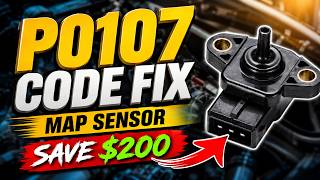
On a 2012-2015 Kia Sorento with the 2.4L GDI engine, code P0107 is most often caused by a faulty Manifold Absolute Pressure (MAP) sensor. This is a simple and affordable DIY repair, with the part costing between $25 and $80. Before replacing, inspect the wiring and connector for damage.
- P0107 on your Sorento almost always points to a problem with the Manifold Absolute Pressure (MAP) sensor or its circuit.
- The most likely fix is replacing the MAP sensor, which is a very easy and inexpensive DIY job located on top of the intake manifold.
- Before replacing the sensor, always perform a quick visual inspection of the wiring and connector for any obvious damage.
- This engine has a history of major internal problems covered by recalls and a lifetime warranty; be aware of symptoms like engine knocking, which are unrelated to P0107 but critical to address.
What's Unique About the 2012-2015 Kia Sorento
For this generation of Sorento with the Theta II 2.4L GDI engine, the MAP sensor itself is a very common failure point. While wiring or vacuum leaks can cause this code on any vehicle, on this specific platform, the sensor is the most likely culprit. Additionally, these GDI engines are known for potential carbon buildup in the intake system. Oil vapor from the PCV system can contaminate the intake tract, and some owners report finding a film of oil on the MAP sensor upon removal, which can contribute to its failure.
Symptoms You May Notice
- Check Engine Light is on
- Rough or erratic idle
- Engine hesitation or stumbling during acceleration
- Reduced engine power and performance
- Increased fuel consumption / bad fuel economy
- Engine may stall, especially when coming to a stop
- Black smoke from the exhaust
- Difficulty starting the engine
- Replacing the throttle body when the issue is the MAP sensor.
- Replacing spark plugs or ignition coils to fix a rough idle that is actually caused by the incorrect fuel mixture from the bad MAP sensor data.
- Cleaning the MAP sensor; while cleaning oil residue can be a temporary fix, the sensing element is internal and sealed, so cleaning is generally ineffective for an electronic failure.
Most Likely Causes
- Faulty Manifold Absolute Pressure (MAP) Sensor 🔴 High Probability The MAP sensor is a known common failure point on the Theta II 2.4L GDI engine platform. It can fail from internal electronics, heat cycles, or contamination from oil vapor in the PCV system.
How to confirm: After checking wiring, test the sensor. With the key on, engine off, the signal wire should read a voltage corresponding to atmospheric pressure (approx. 4.5-4.8V). At idle, it should show a deep vacuum (low voltage, around 1.0-1.5V). A reading consistently below 0.5V confirms a low input fault. The easiest confirmation is often replacing the sensor, as it's affordable and accessible.
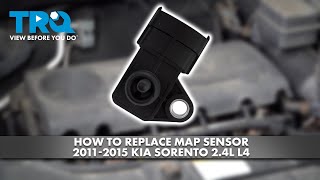
Typical fix: Replace the MAP sensor and its O-ring. It is held to the intake manifold by a single 10mm bolt.
Est. part cost: $25-$80 - Wiring or Connector Issue 🟡 Medium Probability The sensor's wiring harness is in the engine bay, exposed to heat and vibration which can cause wires to become brittle or connections to loosen over time. The harness can sometimes be routed near the radiator fan, risking damage if not secured properly.
How to confirm: Visually inspect the MAP sensor's connector and wiring for any signs of damage, corrosion, or loose pins. Use a multimeter to check for the 5V reference signal and a good ground at the connector with the key on. Wiggle the harness while the engine is running to see if it causes the idle to change or the code to appear/disappear.
Typical fix: Repair the damaged section of wiring or replace the connector pigtail.
Est. part cost: $5-$30 - Vacuum Leak ⚪ Low Probability
How to confirm: Inspect all vacuum hoses connected to the intake manifold for cracks, splits, or loose connections. A significant vacuum leak would cause a higher-than-normal idle and likely trigger other codes. A professional may use a smoke machine to feed smoke into the intake system to easily spot leaks.
Typical fix: Replace the cracked or leaking vacuum hose or gasket.
Est. part cost: $5-$50
Rare But Worth Checking
- Clogged Catalytic Converter: A severely restricted exhaust can cause unusual pressure readings in the intake manifold. This would typically be accompanied by other codes and more severe performance issues, like a major loss of power and a P0420 code.
- Faulty Powertrain Control Module (PCM): This is extremely rare. The PCM should only be considered after all other possibilities, including the sensor, wiring, and vacuum leaks, have been exhaustively ruled out.
Diagnosis Steps
- Read the code using an OBD-II scanner to confirm P0107 is present and note any other codes.
- Visually inspect the MAP sensor, which is located on the top of the plastic intake manifold, for any obvious damage.
- Check the sensor's electrical connector for a secure fit, corrosion, or damaged pins. Ensure the wiring harness is not loose or contacting the radiator fan.
- Inspect the wiring harness leading to the sensor for any cracks, melting, or breaks.
- With the key on and engine off, use a multimeter or scan tool to verify the connector is receiving a 5-volt reference and has a solid ground connection.
- Check the signal wire voltage. With Key On, Engine Off, it should be ~4.5-4.8V. At idle, it should be ~1.0-1.5V. If it's stuck below 0.5V, the sensor or wiring is faulty.
- Inspect all vacuum lines connected to the intake manifold for cracks or loose fittings.
- If wiring and vacuum lines are okay, the MAP sensor itself is the most likely cause. Replace it.
- After replacement, clear the code with the scanner and test drive the vehicle to ensure the fix was successful.
Parts You'll Likely Need
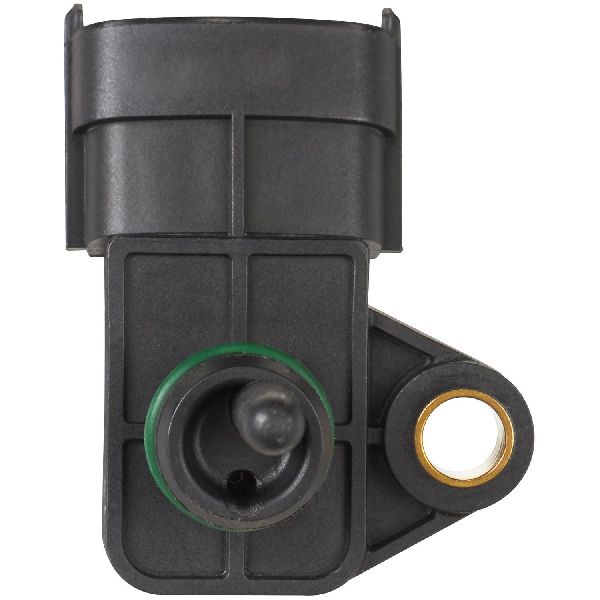
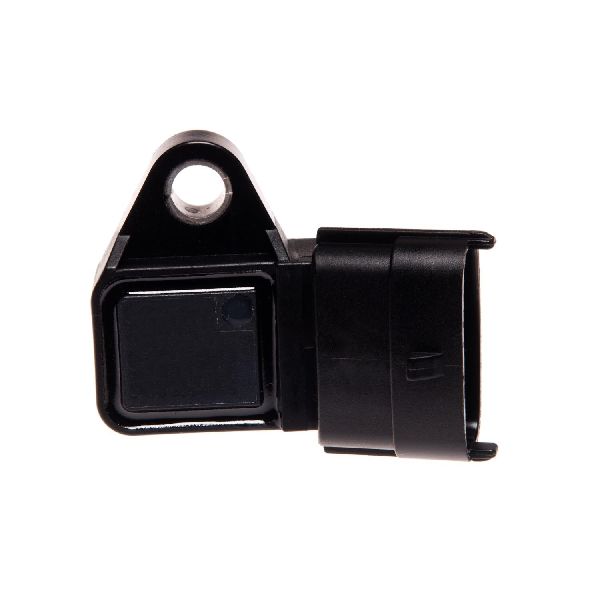
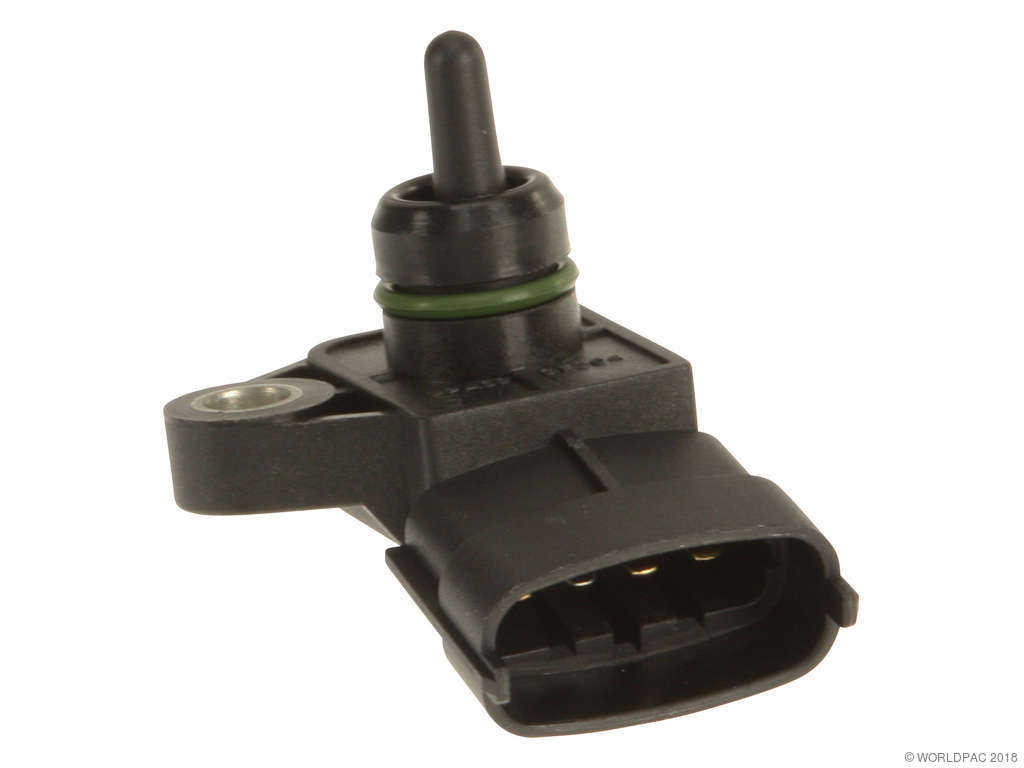
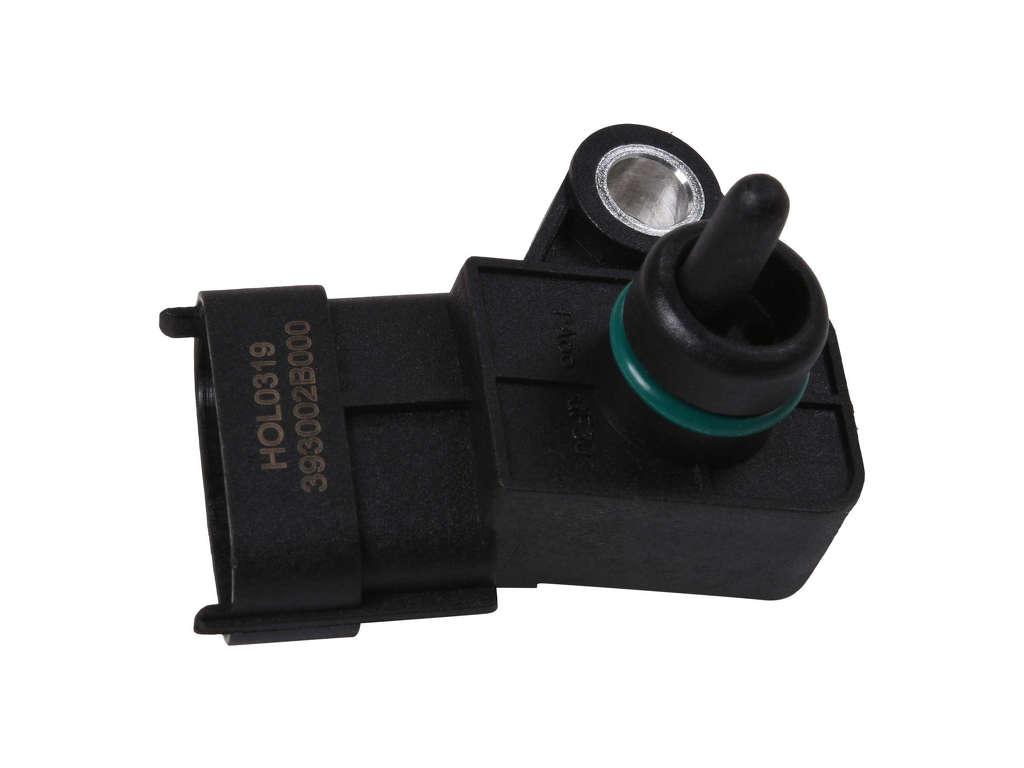
- Manifold Absolute Pressure (MAP) Sensor
(OEM #39300-2B000)— This is the most common cause for code P0107 on this specific engine. The sensor fails internally, providing a voltage signal that is too low for the ECU.
Trusted brands: Bosch, Delphi, Standard Motor Products, NGK/NTK
OEM price range: $60-$100
Aftermarket price range: $25-$80
Related Codes That Often Appear With This One
- P0106 — This code indicates a 'Range/Performance' problem with the MAP sensor. It can appear alongside P0107 if the sensor's signal is erratic or nonsensical, not just consistently low.
- P0108 — This code for 'Circuit High Input' is the opposite of P0107. Seeing them together or intermittently could point to a wiring short or a failing sensor that is fluctuating wildly.
- P0113 — On some Kia/Hyundai models, the MAP sensor and Intake Air Temperature (IAT) sensor are combined into one unit or share a connector. A failure in the component or wiring can trigger codes for both.
Technical Service Bulletins (TSBs) & Recalls
- Kia Recall SC147 / NHTSA 17V224000: While not directly for P0107, this is a critical TSB/Recall for the Theta II 2.4L GDI engine concerning premature connecting rod bearing wear that can lead to catastrophic engine failure. An unhealthy engine can affect vacuum and pressure readings, so awareness of this campaign is important context for any engine-related code on this vehicle.
Platform-Specific Known Issues
- A thread on kia-forums.com for a 2012 Sorento with P0107 and P0108 described a scenario where the owner found oil inside the MAP sensor connector. Cleaning it provided a temporary fix, but the code returned, indicating the sensor itself was likely damaged by the oil contamination over time. This points to PCV system issues allowing oil vapor into the intake.
- Another owner on Reddit with a 2.4L GDI engine reported that replacing the MAP sensor resolved their P0107 code and rough idle, noting the job took less than 10 minutes. This reinforces the high probability of sensor failure and the simplicity of the repair.
Mechanic-Grade Diagnostic Values
- MAP Sensor Signal Voltage (Key On, Engine Off) — expected: ~4.5V - 4.8V at sea level. Failure: A reading consistently below 0.5V indicates a 'Circuit Low' fault.
- MAP Sensor Signal Voltage (Engine at Idle) — expected: ~1.0V - 1.5V. Failure: Voltage stuck low (near 0V) or not responding to throttle changes.
- MAP Sensor Ground Wire Resistance — expected: Less than 10 Ω between the sensor ground wire and chassis ground.. Failure: Values above 10 Ω suggest a poor ground path, which can cause a low voltage reading.
- MAP Sensor Retaining Bolt Torque — expected: 8.7 ft-lbs. Failure: Over-tightening can crack the sensor housing; under-tightening can cause a vacuum leak.
Scan Tool Commands That Help
- Kia GDS (Global Diagnostic System): DTC Analysis & Live Data Monitoring (Data Analysis) — To view real-time MAP sensor voltage and pressure data, which is essential for confirming if the sensor's output is stuck low or not responding correctly to engine load changes. The GDS provides OEM-level data streams.
- Kia GDS (Global Diagnostic System): Actuation Test — While not directly testing the MAP sensor, GDS can be used to command other components like the electronic throttle body or solenoids to verify their function and rule them out as indirect causes of pressure-related faults.
Wiring & Ground Locations
- MAP Sensor Connector — On the top of the intake manifold, next to the throttle body.. This is the primary connection point. Corrosion, oil contamination, or loose pins here will directly cause a P0107 by interrupting the 5V reference, ground, or signal wire.
- Engine Ground Harness (Part # 91860-1U510 for 2013-2014 models) — Connects the engine block to the vehicle's chassis.. A corroded or loose main engine ground can create a high-resistance path for all engine sensors, including the MAP sensor. This can cause erratic or low voltage readings, potentially triggering a P0107 code even if the sensor and its immediate wiring are good.
- PCM Connector — Inside the engine bay, typically housed in a protective case.. This is the termination point for the MAP sensor circuit. A continuity test from the MAP sensor connector to the corresponding pins at the PCM connector is the definitive way to rule out a wiring break or short in the harness.
Real Owner Repair Stories
- YouTube channel 'Electrical Car Repair LIVE' (2013 Kia Sportage 2.4L GDI (same engine and sensor as Sorento)) — Check Engine Light, implied drivability issues.
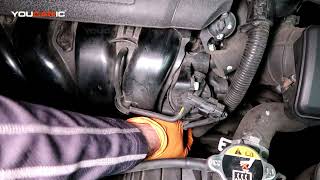
✅ What actually fixed it The video demonstrates the replacement of the MAP sensor as the direct fix. It highlights the sensor's location on the intake manifold and the single 10mm bolt holding it in place, reinforcing that sensor failure is the common cause. - YouTube channel 'Ukanic' (2019 Kia Forte (demonstrates same sensor type and issue)) — Check Engine Light with P0107 and a related P0113 (IAT) code.
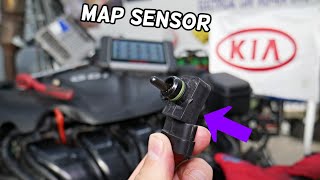
✅ What actually fixed it Upon removal, the technician found oil on the MAP sensor. While cleaning was mentioned as an option, the primary fix shown is the replacement of the sensor. The presence of oil points to a common related issue of PCV blow-by contaminating the intake and fouling the sensor.
OEM Part Supersession History
39300-2B000→39300-2B000 (no supersession found)— The part number appears to be stable and has been used across a wide range of Kia/Hyundai models and years without a major revision.
Diagnostic Flowchart
Other Known Issues on This Vehicle
Issues unrelated to this code that are worth knowing about as an owner of this generation:
- Catastrophic Engine Failure (Connecting Rod Bearing) 🔴 High — Widespread, typically occurring between 60,000 and 100,000 miles. Caused by metallic debris from manufacturing blocking oil passages, leading to bearing starvation and engine seizure. (Ref: Recall SC147; NHTSA Campaign 17V224000. Led to a massive class-action lawsuit and lifetime warranty extension for the engine short block for affected vehicles.)
- Excessive Oil Consumption 🟠 Medium — Common issue related to both the primary engine defect and carbon buildup on GDI engines. Owners report needing to add oil between changes.
- Intake Valve Carbon Buildup 🟠 Medium — Inherent to GDI engines as fuel is injected directly into the cylinder, not over the valves. Buildup becomes significant after 60,000+ miles, potentially affecting performance and fouling sensors. (Ref: No specific recall, but regular induction cleaning or walnut blasting is a common maintenance recommendation by owners and shops.)
- Engine Compartment Fire Risk (HECU) 🔴 High — A defective Hydraulic Electronic Control Unit (HECU) can short circuit, creating a fire risk even when the vehicle is parked and off. (Ref: NHTSA Recall 20V519000 / Kia Recall SC200.)
- Fuel Leaks at High-Pressure Fuel Pipe 🔴 High — Primarily affects vehicles that have had their engines replaced under the SC147 recall. The high-pressure fuel pipe may have been damaged or improperly torqued during reinstallation. (Ref: NHTSA Recall 18V907000 / Kia Recall SC172.)
Used vs. New Parts: Buying Guide for This Vehicle
When a used part is the smart pick: A used MAP sensor is generally not recommended. It is a low-cost electronic part where age, heat cycles, and internal wear are the primary failure modes. The cost savings of a used part (e.g., from a junkyard) are minimal compared to the risk of receiving a part that is already near the end of its service life.
Donor-vehicle mileage cap: roughly under 50000 miles for the part to have meaningful remaining life.
What to inspect on the donor part:
- Ensure the connector pins are straight and free of corrosion.
- Check the plastic housing for any cracks or signs of heat damage.
- Avoid any sensor that has visible oil or heavy carbon buildup on the sensing tip or O-ring.
Aftermarket brands forum-validated for this vehicle:
- Bosch
- Delphi
- NGK/NTK
- Standard Motor Products (SMP)
Brands owners have reported issues with on this vehicle:
- No-name, unbranded sensors from online marketplaces should be avoided as their calibration and longevity can be questionable, potentially causing persistent performance issues even if they clear the code initially.
Real Owner Stories
Aggregated from forums and TSBs cited above. Mileages and costs reflect what owners reported in those sources.
2012 Kia Sorento 2.4L GDI
Symptoms: The owner found oil inside the MAP sensor connector. They experienced both P0107 and P0108 codes.
What fixed it: Cleaning the connector was a temporary fix, but the sensor eventually had to be replaced due to oil contamination from the PCV system.
Source hint: kia-forums.com
2012-2015 Kia Sorento 2.4L GDI
Symptoms: Rough idle and stalling issues.
What fixed it: Replacing the MAP sensor; the owner noted the repair was an easy DIY that took less than 10 minutes.
Source hint: reddit.com/r/kia
Related OBD-II Codes
Frequently Asked Questions
Is there a specific part number I should look for when replacing the MAP sensor on my 2.4L GDI Sorento?
Could the P0107 code be related to the major engine recall on my 2012 Sorento?
I found oil inside my MAP sensor connector; will cleaning it fix the P0107 code?
How difficult is it to replace the MAP sensor on the Theta II 2.4L GDI engine?
Can carbon buildup cause issues with my MAP sensor and trigger P0107?
Is there a risk of the wiring harness being damaged by other engine components?
Helpful Videos

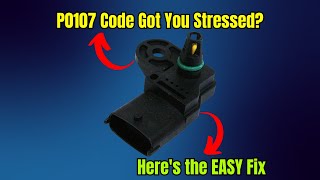
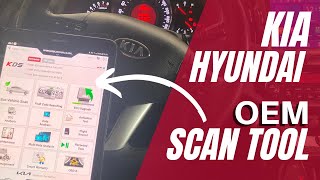
We Have This Part in Stock


The information in this article is provided for general reference and educational purposes only. Vehicle specifications, procedures, and part compatibility can vary by production date, trim level, and region. Always consult your vehicle's factory service manual and verify part numbers before purchasing or performing repairs. Safety-critical components such as airbags, seat belts, and braking systems should be installed by a qualified professional.
- Kia Sorento:
- 🎬 Helpful Videos
- 🛍️ Shop This Part
- What's Unique About the 2012-2015 Kia Sorento
- Symptoms You May Notice
- Most Likely Causes
- Rare But Worth Checking
- Diagnosis Steps
- Parts You'll Likely Need
- Related Codes That Often Appear With This One
- Technical Service Bulletins (TSBs) & Recalls
- Platform-Specific Known Issues
- Mechanic-Grade Diagnostic Values
- Scan Tool Commands That Help
- Wiring & Ground Locations
- Real Owner Repair Stories
- OEM Part Supersession History
- Diagnostic Flowchart
- Other Known Issues on This Vehicle
- Used vs. New Parts: Buying Guide for This Vehicle
- Real Owner Stories
- 2012 Kia Sorento 2.4L GDI
- 2012-2015 Kia Sorento 2.4L GDI
- Related OBD-II Codes
- Frequently Asked Questions
- 🎟️ Get 5% Off