

P0101 on 2011-2023 Dodge Charger 3.6L: Airflow Correlation Fault Causes and Fixes
On the 3.6L Pentastar, P0101 is NOT a MAF sensor issue because the engine doesn't have one. It's a calculated airflow error, most often caused by a vacuum leak from a bad PCV valve or intake manifold gaskets. A smoke test is the best first step.
- STOP: Do not look for or buy a Mass Airflow (MAF) sensor. The 3.6L Pentastar engine does not have one.
- The code means the computer sees a difference between the airflow it calculates from the MAP sensor and the airflow it expects to see.
- The most likely cause is a vacuum leak. Perform a smoke test to check the PCV valve and intake manifold gaskets.
- If no vacuum leaks are found, the next most likely culprit is a faulty MAP sensor.
- This code is often accompanied by lean codes P0171 and P0174, which further points to a vacuum leak.
What's Unique About the 2011-2023 Dodge Charger
The most critical detail for this engine is the complete absence of a Mass Airflow (MAF) sensor, a common point of failure on other vehicles for this code. Chrysler/Dodge has long favored a 'speed density' system that relies on a MAP sensor for engine load calculations. Therefore, any advice related to cleaning or replacing a MAF sensor is incorrect for this vehicle and will lead to a misdiagnosis. The root cause is almost always un-metered air entering the engine (a vacuum leak) or a faulty MAP sensor providing irrational data to the PCM.
Generation note: The 2011-2023 Dodge Charger is the second generation (LD). A major facelift occurred in 2015, but the 3.6L Pentastar V6 and its speed-density air metering system remained fundamentally the same. The causes and fixes are consistent across this entire year range. The 2016+ version of the engine received updates like a two-stage variable valve lift (VVL) system, but the core components related to code P0101 did not change.
Symptoms You May Notice
- Check Engine Light is on
- Rough or unstable idle
- Engine hesitation or stumbling on acceleration
- Reduced engine power
- Poor fuel economy
- Stalling
- Hissing sound from the engine bay due to a vacuum leak.
- Replacing the Mass Airflow (MAF) sensor. This is the most common misdiagnosis because the engine does not have one.
- Replacing the throttle body when the issue is a simple vacuum leak.
Most Likely Causes
- Vacuum Leak (un-metered air) 🔴 High Probability Common failure points include the PCV valve and the upper/lower intake manifold gaskets. The plastic components can become brittle over time due to engine heat cycles.
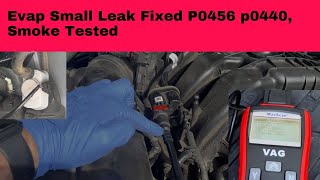
How to confirm: Perform a smoke test. 🎬 Watch: How to perform a smoke test to find leaks. Introduce smoke into the intake system via a vacuum line and look for smoke escaping from gaskets, hoses, the PCV valve, or the intake manifold itself. A hissing noise near the intake manifold is also a strong indicator.
Typical fix: Replace the leaking component. This is often the PCV valve or the intake manifold gaskets.
Est. part cost: $20-$150 - Faulty Manifold Absolute Pressure (MAP) Sensor 🟡 Medium Probability The sensor can fail internally or become contaminated with oil from the PCV system, leading to inaccurate readings that don't correlate with other engine parameters.
How to confirm: With a scan tool, monitor the MAP sensor voltage or pressure reading with the key on, engine off. It should match the barometric pressure. The reading should change instantly in response to throttle changes when the engine is running. If readings are stuck or slow to respond, the sensor is likely faulty.
Typical fix: Replace the MAP sensor.
Est. part cost: $40-$100 - Dirty or Clogged Air Filter ⚪ Low Probability
How to confirm: Visually inspect the engine air filter. If it is visibly dirty, clogged with debris, or has not been changed in a long time, it is restricting airflow.
Typical fix: Replace the engine air filter.
Est. part cost: $20-$50 - Cracked or Loose Intake Air Duct ⚪ Low Probability
How to confirm: Visually inspect the entire air intake tube between the air filter box and the throttle body for cracks, splits, or loose clamps. A user on Reddit fixed their P0101 code by replacing a cracked air intake hose.
Typical fix: Tighten clamps or replace the damaged intake duct.
Est. part cost: $50-$150
Rare But Worth Checking
- Clogged Catalytic Converter: An exhaust restriction can cause abnormal pressure in the intake manifold, leading to this code. This is usually accompanied by other codes and a significant loss of power, especially at high RPM.
- Faulty Powertrain Control Module (PCM): This is extremely rare. The PCM should only be considered after all other possibilities, including wiring, have been exhaustively ruled out by a professional.
Diagnosis Steps
- Scan for other DTCs. Codes like P0171/P0174 strongly suggest a vacuum leak.
- Confirm No MAF Sensor: Do not waste time looking for a Mass Airflow sensor; it does not exist on this engine.
- Inspect the Air Intake System: Check the air filter to ensure it's clean. Inspect the intake ducting from the airbox to the throttle body for any cracks or loose connections.
- Perform a Smoke Test: This is the most effective way to find a vacuum leak. Introduce smoke into the intake manifold and look for leaks at the PCV valve, intake manifold gaskets, and any vacuum hoses. This is the most definitive diagnostic step.
- Inspect the PCV Valve: The PCV valve is a common failure point. Check it and its hose for cracks or blockage. Some owners note oil consumption as a symptom of a failing PCV valve.
- Test the MAP Sensor: Using a scan tool, observe the MAP sensor readings. With the Key On, Engine Off, the reading should be close to your local atmospheric pressure. When the engine is started, the reading should drop significantly (indicating vacuum) and respond immediately to throttle snaps.
- Check MAP Sensor Wiring: Inspect the MAP sensor connector for corrosion or damage. Check for 5V reference, ground, and a proper signal wire back to the PCM.
- If no vacuum leaks or sensor issues are found, consider a possible exhaust restriction by checking backpressure.
Parts You'll Likely Need
- PCV Valve
(OEM #05184826AD)— A common source of vacuum leaks on the 3.6L Pentastar, causing the airflow calculation to be incorrect. Chrysler's recommended replacement interval is 100,000 miles, but many mechanics suggest replacing it sooner.
Trusted brands: Mopar, Dorman
OEM price range: $25-$40
Aftermarket price range: $15-$30 - Manifold Absolute Pressure (MAP) Sensor
(OEM #05149235AB)— If the sensor itself fails, it will provide incorrect data to the PCM, triggering the P0101 rationality code.
Trusted brands: Mopar, Bosch, NTK
OEM price range: $60-$100
Aftermarket price range: $40-$80 - Upper and Lower Intake Manifold Gaskets
(OEM #68535427AA (Kit including upper and lower gaskets))— These gaskets can become brittle and fail, creating a significant vacuum leak that is a primary cause of P0101 on this engine.
Trusted brands: Mopar, Fel-Pro (MS 97204), Mahle
OEM price range: $40-$60 (Kit).
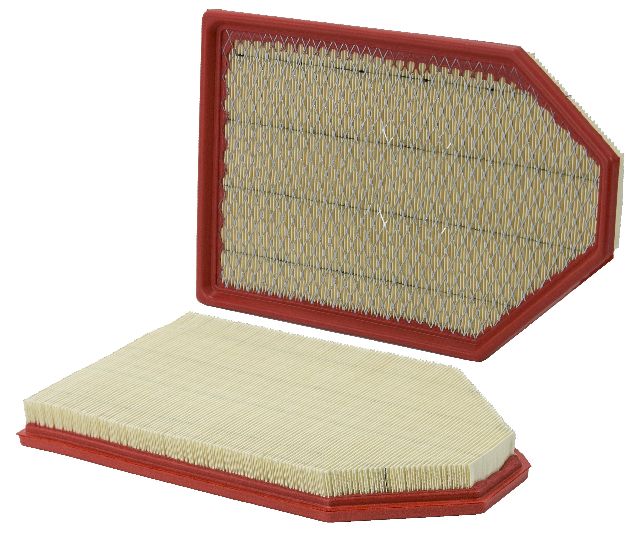
Aftermarket price range: $30-$60 - Engine Air Filter — A severely clogged filter can restrict airflow enough to cause a discrepancy between expected and measured values.
Trusted brands: Mopar, Wix, Fram
OEM price range: $30-$50
Aftermarket price range: $20-$40
Related Codes That Often Appear With This One
- P0171 — System Too Lean (Bank 1) - A vacuum leak introduces extra, un-metered air, causing a lean condition which often triggers P0171 alongside P0101.
- P0174 — System Too Lean (Bank 2) - Same as P0171, a vacuum leak affects both cylinder banks, causing a lean condition that triggers P0174.
- P0106 — Manifold Absolute Pressure/Barometric Pressure Circuit Range/Performance - This code points more directly to a problem with the MAP sensor's performance, which is the key sensor used in the P0101 calculation.
Platform-Specific Known Issues
- PCV Valve Location and Access: The PCV valve is located on the passenger side rear of the engine, against the firewall. On the Charger and 300, it is relatively easy to access. However, on platform mates like the Jeep Grand Cherokee, access is much more difficult and may require going through the passenger side wheel well.
- Owner Experience with PCV Valve: A YouTube video by 'Pine Hollow Auto Diagnostics' on a Chrysler 300 with a 3.6L showed a P0101 code that was ultimately traced to a bad PCV valve. The mechanic noted that the replacement part had a smaller orifice than the original, suggesting a design update by Mopar.
- Intake Gasket Failure Signs: Owners and mechanics report that a failing intake gasket often produces an audible hissing sound and is frequently accompanied by lean codes (P0171/P0174).
Mechanic-Grade Diagnostic Values
- MAP Sensor Signal Voltage (Key On, Engine Off) — expected: ~4.5V DC, should correlate with Barometric Pressure (BARO).. Failure: Voltage is significantly lower, or does not change when the engine is started.
- MAP Sensor Signal Voltage (Engine at Idle) — expected: 1.0V - 2.0V DC.. Failure: Voltage remains high (near 4.5V), indicating no response to engine vacuum.
- MAP Sensor 5V Reference Wire (at connector, unplugged) — expected: 4.8V - 5.2V DC.. Failure: Voltage is below 4.5V or is 0V, indicating a problem with the PCM or the supply wire.
- MAP Sensor Ground Circuit (at connector, unplugged) — expected: < 1.0 Ohm resistance to chassis ground.. Failure: Resistance is higher than 1.0 Ohm, indicating a poor ground connection.
- MAP Sensor Signal Voltage (Throttle Snap) — expected: Voltage should change from below 2.0V at idle to above 3.5V at wide open throttle.. Failure: Voltage is slow to respond or does not change significantly with throttle input.
Scan Tool Commands That Help
- wiTECH (or equivalent professional scanner): MAP Sensor Voltage/Pressure Live Data — This is the primary data PID to monitor. It should be checked KOEO (Key On, Engine Off) to verify it matches BARO, then at idle, and during throttle snaps to see if it responds correctly to changes in vacuum.
- wiTECH (or equivalent professional scanner): Powertrain Verification Test — This is a guided diagnostic procedure within the factory scan tool that should be performed after a repair is completed to ensure the fault does not return and the system is operating correctly.
Wiring & Ground Locations
- MAP Sensor Connector — On top of the intake manifold, just behind the throttle body.. This is the direct connection to the sensor providing the data for the P0101 calculation. The pinout is typically: Pin 1 = Sensor Ground, Pin 2 = MAP Signal, Pin 3 = 5V Supply.
- G101 (Right Front of Engine Compt) — Located on the right (passenger) side front of the engine compartment.. This is a primary engine compartment ground. A poor connection here can cause floating grounds for various sensors, including the MAP sensor, leading to incorrect readings.
- Cylinder Head Grounds — There are threaded studs on both the driver and passenger side cylinder heads used as grounding points for the engine harness.. The engine sensors rely on a solid ground connection to the block and heads. A loose or corroded ground strap at these locations can introduce electrical noise and faulty sensor readings.
Real Owner Repair Stories
- YouTube video - '3.6 Pentastar PCV replacement with updated parts' (2011 Dodge Journey 3.6L Pentastar) — Oil consumption, oil found inside the upper intake manifold during a spark plug change.
✅ What actually fixed it The owner replaced the original 3-bolt PCV valve with the updated 2-bolt PCV valve and a new, required breather hose. The original valve was allowing oil to be sucked into the intake, which can affect pressure readings and contribute to codes like P0101.
"I Checked Everything" — The Actual Cause
- In some cases for the 3.6L Pentastar, a smoke test may not reveal a leak if the issue is an internally failed PCV valve that is stuck open, creating a large internal vacuum leak that isn't visible externally. The symptoms will be identical to a traditional vacuum leak (rough idle, lean codes), but smoke will simply fill the crankcase without escaping. This can also be caused by a cracked oil filter housing, a known issue on this engine which can also introduce unmetered air.
OEM Part Supersession History
Unknown (3-bolt design)→68083202AC (2-bolt design)— The PCV valve for early model year Pentastar engines (around 2011-2013) was a 3-bolt design. This was updated to a 2-bolt design.
Heads up: If replacing an original 3-bolt PCV valve with the new 2-bolt version, a new corresponding PCV hose is also required as the nipple size and orientation changed.
Model Year Variations Within This Range
- 2016-2023: Starting in 2016, the Pentastar engine was significantly updated with features like a two-stage variable valve lift (VVL) and a cooled EGR system. While the fundamental speed-density system for P0101 remains, accessing components like the passenger-side valve cover (near the PCV valve) becomes more difficult due to the EGR cooler assembly. Additionally, internal engine components like timing chains and phasers are not interchangeable with pre-2016 models.
Diagnostic Flowchart
Other Known Issues on This Vehicle
Issues unrelated to this code that are worth knowing about as an owner of this generation:
- Cracked Oil Filter Housing / Cooler Assembly 🔴 High — Extremely common across all model years. The plastic housing becomes brittle from heat cycles and cracks, causing significant oil and/or coolant leaks. (Ref: No recall has been issued, despite widespread reports.)
- Rocker Arm / Lifter Failure ('Pentastar Tick') 🔴 High — Common, particularly in earlier models (2011-2016) but can occur at any mileage. Caused by needle bearings failing in the rocker arm, leading to a distinct ticking sound, misfires, and potential camshaft damage. (Ref: Multiple TSBs have been issued over the years. A class-action lawsuit was filed regarding this issue.)
- Left Cylinder Head Failure 🔴 High — Primarily affected 2011-2013 models. Caused excessive wear on the valve guides, leading to misfires (especially on cylinder #2), ticking noises, and loss of power. (Ref: Chrysler issued an extended warranty (10 years/150,000 miles) for the left cylinder head on affected 2011-2013 vehicles.)
- Cooling System Failures (Water Pump/Radiator) 🟠 Medium — Water pumps and radiators can fail, leading to overheating. Water pump failure can be due to internal seal wear or impeller issues.
Used vs. New Parts: Buying Guide for This Vehicle
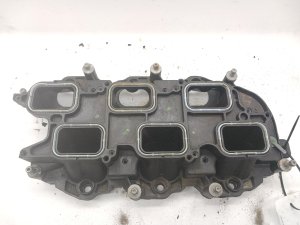
When a used part is the smart pick: For this repair, a used plastic upper intake manifold from a low-mileage donor vehicle is a reasonable choice if the original is cracked or damaged. These are not high-wear items, and an OEM used part is often better than a cheap new aftermarket part.
Donor-vehicle mileage cap: roughly under 75000 miles for the part to have meaningful remaining life.
What to inspect on the donor part:
- Inspect for any cracks, especially around mounting points.
- Ensure all threaded inserts are intact and not stripped.
- Check for warping by placing it on a known flat surface.
- Avoid parts from engines that show signs of heavy sludge or overheating (discoloration).
OEM-only on this vehicle (don't cheap out):
- Manifold Absolute Pressure (MAP) Sensor: While aftermarket sensors are available, OEM Mopar or OE-supplier (like Bosch or NTK) sensors are strongly recommended. Cheap aftermarket electronics are a common source of repeat failures and incorrect readings.
Aftermarket brands forum-validated for this vehicle:
- Fel-Pro: Generally considered a reliable choice for intake manifold gaskets (Part #MS 97204).
- Standard Motor Products (SMP): A well-regarded aftermarket manufacturer for parts like PCV valves.
Brands owners have reported issues with on this vehicle:
- Unbranded 'white box' sensors: Avoid no-name MAP sensors from online marketplaces, as their calibration and longevity are often poor.
- Some users have reported issues with the fit and quality of certain Fel-Pro paper or cork gaskets for other applications, though their molded intake gaskets for this engine are generally well-regarded.
Real Owner Stories
Aggregated from forums and TSBs cited above. Mileages and costs reflect what owners reported in those sources.
2012-2023 Dodge Charger 3.6L V6
Symptoms: The owner found a P0101 code and initially suspected the MAP sensor was the culprit.
What fixed it: Replacing a cracked air intake hose between the air filter box and the throttle body.
Source hint: Reddit r/MechanicAdvice
2011-2023 Chrysler 300 3.6L V6
Symptoms: Vehicle presented with a P0101 code; the mechanic noted the replacement part had a smaller orifice than the original design.
What fixed it: Replacement of a faulty PCV valve.
Source hint: YouTube video by 'Pine Hollow Auto Diagnostics'
Related OBD-II Codes
Frequently Asked Questions
I can't find the Mass Airflow (MAF) sensor on my 2014 Dodge Charger 3.6L. Where is it located?
My Charger has a P0101 and a hissing sound coming from the engine bay. What is the most likely cause?
Can a bad PCV valve cause a P0101 code on the 3.6L Pentastar?
Is the PCV valve easy to replace on a Dodge Charger compared to other Pentastar vehicles?
I have a P0101 and P0171/P0174 codes together. Does this mean my MAP sensor is bad?
Why does the 3.6L Pentastar seem prone to intake gasket leaks?
Helpful Videos
Used OEM Parts in Stock


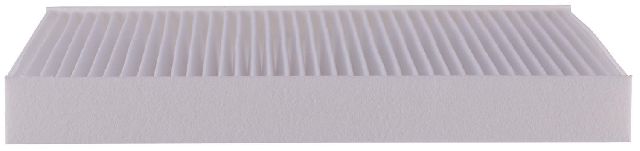
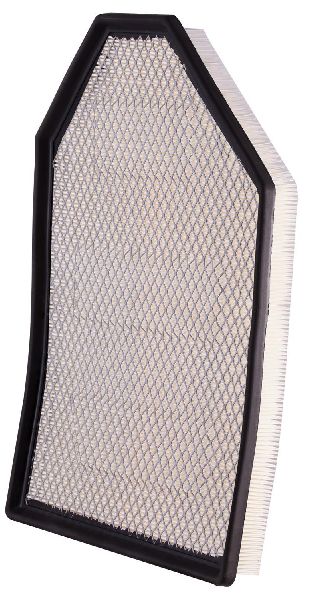
New Aftermarket Parts Available


The information in this article is provided for general reference and educational purposes only. Vehicle specifications, procedures, and part compatibility can vary by production date, trim level, and region. Always consult your vehicle's factory service manual and verify part numbers before purchasing or performing repairs. Safety-critical components such as airbags, seat belts, and braking systems should be installed by a qualified professional.
- Dodge Charger:
- 🎬 Helpful Videos
- 🛍️ Shop This Part
- What's Unique About the 2011-2023 Dodge Charger
- Symptoms You May Notice
- Most Likely Causes
- Rare But Worth Checking
- Diagnosis Steps
- Parts You'll Likely Need
- Related Codes That Often Appear With This One
- Platform-Specific Known Issues
- Mechanic-Grade Diagnostic Values
- Scan Tool Commands That Help
- Wiring & Ground Locations
- Real Owner Repair Stories
- "I Checked Everything" — The Actual Cause
- OEM Part Supersession History
- Model Year Variations Within This Range
- Diagnostic Flowchart
- Other Known Issues on This Vehicle
- Used vs. New Parts: Buying Guide for This Vehicle
- Real Owner Stories
- 2012-2023 Dodge Charger 3.6L V6
- 2011-2023 Chrysler 300 3.6L V6
- Related OBD-II Codes
- Frequently Asked Questions
- 🎟️ Get 5% Off