

P0068 on 2010-2015 Chevrolet Camaro 6.2L V8: Causes and Fixes for MAP/MAF Correlation
On a 2010-2015 Camaro SS, P0068 is most often caused by a dirty throttle body, a vacuum leak (especially from PCV hoses), or a dirty MAF sensor. Start by cleaning the throttle body and MAF sensor, and inspect for cracked PCV hoses before replacing any parts. The code is also very common after installing aftermarket intakes or cams without a proper ECU tune.
- Before buying any parts, your first steps should be to clean the throttle body and the MAF sensor.
- Thoroughly inspect for vacuum leaks, especially the PCV hoses connected to the intake manifold.
- If you have an aftermarket cold air intake, ported throttle body, or camshaft, the problem is almost certainly the lack of a proper engine tune.
- The vehicle may enter 'Reduced Engine Power' mode, so address this code promptly to avoid unsafe driving conditions.
- An idle relearn procedure is recommended after cleaning or replacing the throttle body.
What's Unique About the 2010-2015 Chevrolet Camaro
The 5th Generation Camaro, with its popular LS3 (manual) and L99 (automatic) V8 engines, is a prime candidate for aftermarket modifications. This code frequently appears after installing a cold air intake (like from Roto-Fab or K&N), a ported throttle body, or a new camshaft without a corresponding engine tune. The factory airflow tables in the ECM are no longer valid for the new hardware, causing this correlation fault even when all sensors are working perfectly. For a stock vehicle, the cause is typically a simple maintenance issue like a dirty throttle body or a minor vacuum leak from aged PCV hoses.
Symptoms You May Notice
- Check Engine Light is on
- Vehicle enters 'Reduced Engine Power' mode
- Rough or unstable idle.
- Hesitation or stumbling during acceleration.
- Reduced engine power and poor performance. 🎬 Watch: How to fix P0068 and resolve a rough idle.
- Occasional engine stalling, especially when coming to a stop.
- Increased fuel consumption.
- Immediately replacing the MAP or MAF sensor without cleaning them first.
- Replacing the throttle body when only a cleaning was needed.
- Replacing sensors when the true cause is an aftermarket part installed without a proper engine tune.
- Overlooking a small crack in a PCV hose or a loose intake clamp.
Most Likely Causes
- Dirty Throttle Body 🔴 High Probability Carbon and oil from the PCV system can build up on the back of the throttle blade, creating a layer of 'coke' that restricts airflow at idle and low speeds. This causes a mismatch between what the ECM expects and what the sensors read, especially at low throttle angles.
How to confirm: Visually inspect the throttle body bore and blade for a layer of black, greasy carbon buildup. This is often visible after removing the main intake tube.
Typical fix: Remove the throttle body and clean it thoroughly with throttle body cleaner and a soft brush or rag. Do not use harsh tools that could scratch the bore. An 'idle learn reset' procedure is often required afterward, which can sometimes be accomplished by disconnecting the battery for a period or through a scan tool function.
Est. part cost: $10-$20 for cleaner - Vacuum Leak 🔴 High Probability Plastic and rubber hoses in the engine bay become brittle over time with heat cycles. The PCV system hoses are a common failure point, allowing unmetered air to enter the intake manifold after the MAF sensor.
How to confirm: Visually inspect all vacuum and PCV hoses for cracks or loose connections. A smoke test is the most effective way to find a leak by injecting smoke into the intake system and watching for where it escapes. You can also carefully spray carburetor cleaner around suspected leak points with the engine running; a change in engine RPM indicates a leak.
Typical fix: Replace the cracked or broken vacuum hose or intake gasket. The PCV hose assembly is a common replacement part.
Est. part cost: $15-$100 depending on the hose/gasket - Dirty or Faulty Mass Airflow (MAF) Sensor 🟡 Medium Probability The MAF sensor wire can become contaminated with dirt, debris, or oil (especially from aftermarket oiled air filters that have been over-oiled), causing it to read airflow inaccurately.
How to confirm: With a scan tool, observe the MAF reading at idle (should be a stable 4-7 g/s for a V8) and during acceleration (should increase smoothly). Visually inspect the sensor wires inside the housing for contamination.
Typical fix: Remove the sensor and clean it carefully using only dedicated MAF sensor cleaner spray. 🎬 See this fast and easy guide to cleaning your sensor. Do not touch the sensor wires. If cleaning does not work, replace the sensor.
Est. part cost: $15 for cleaner, $60-$150 for a new sensor - Aftermarket Parts Installed Without a Tune 🟡 Medium Probability The Camaro is a very popular car to modify. Installing a cold air intake, ported throttle body, or camshaft changes the engine's airflow dynamics. The factory ECM tune is not calibrated for this new airflow, leading to a correlation fault.
How to confirm: Check if the vehicle has any non-factory intake components, throttle body, or has had internal engine work like a camshaft swap. If so, and the code appeared after the modification, this is the likely cause. Forum posts frequently mention this code appearing after cam swaps.
Typical fix: The vehicle's ECM must be reprogrammed with a custom tune that accounts for the new hardware. This is typically done by a professional tuner using software like HP Tuners.
Est. part cost: $300-$800 for a custom tune - Faulty Manifold Absolute Pressure (MAP) Sensor ⚪ Low Probability
How to confirm: Using a scan tool with the key on and engine off, the MAP sensor reading should be nearly identical to the barometric pressure (BARO) reading (around 4.5-5V). At idle, the voltage should drop to around 1.0-1.5V. If readings are stuck or irrational, the sensor is likely faulty.
Typical fix: The MAP sensor is located on the front of the intake manifold and is simple to replace. It is held in by one bolt. 🎬 Watch: A complete guide to replacing the MAP sensor.
Est. part cost: $30-$70
Rare But Worth Checking
- Damaged Wiring or Connectors: Check the wiring harnesses for the MAF, MAP, and throttle body sensors for any signs of fraying, melting, or corrosion, especially if an aftermarket intake has been installed that may have stretched or repositioned the wiring.
- ECM Software Fault: In very rare cases, the ECM's software may have a bug or its calibration may be corrupted. An update or re-flash from a dealership could resolve the issue, though this is uncommon for a stock vehicle.
Diagnosis Steps
- Retrieve all stored fault codes with an OBD-II scanner. Note any other codes present.
- Visually inspect the entire air intake system from the air filter to the intake manifold for any loose clamps, disconnected hoses, or obvious cracks. Ensure the intake tube is securely fastened to the throttle body.
- Inspect all PCV hoses and connections for cracks or deterioration. The hose running from the valve cover to the intake manifold is a common culprit.
- Remove the intake duct and inspect the throttle body for carbon buildup. Clean it thoroughly if dirty.
- Remove and inspect the MAF sensor. If it appears dirty, clean it with dedicated MAF sensor cleaner and let it dry completely before reinstalling.
- If the above steps do not resolve the issue, perform a smoke test to check for vacuum leaks that are not visually apparent.
- Using a scan tool with live data, monitor the MAP, MAF, and Throttle Position Sensor (TPS) values. With Key On, Engine Off, MAP and BARO should be nearly identical. At idle, MAP should be low (high vacuum) and MAF should be stable. As you open the throttle, TPS percentage, MAF g/s, and MAP pressure should all increase smoothly and in correlation.
- If a sensor provides no reading or an erratic reading, inspect its wiring and connector for damage, corrosion, or loose pins before condemning the sensor itself.
- If the vehicle has aftermarket performance parts (intake, throttle body, cam), the root cause is likely the lack of a proper tune to match the new hardware.
Parts You'll Likely Need
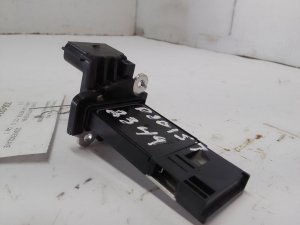
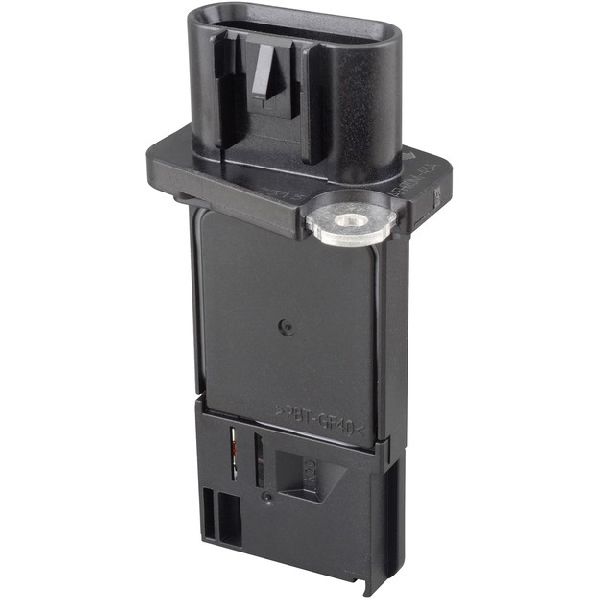
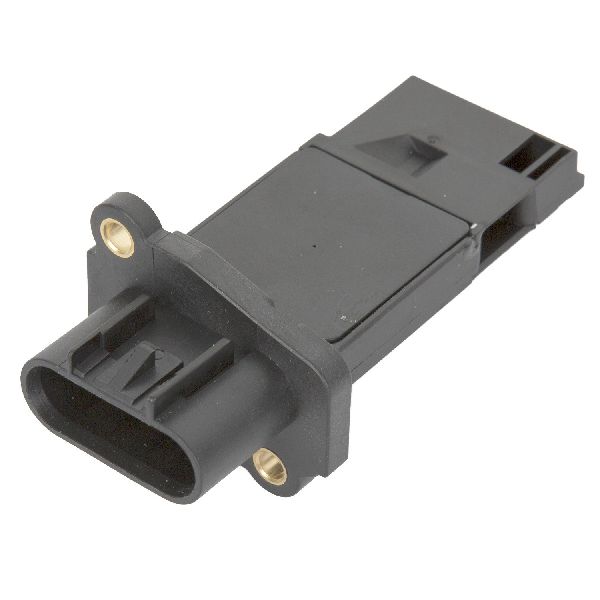
- Mass Airflow (MAF) Sensor
(OEM #15865791)— The MAF sensor can become contaminated or fail, providing incorrect airflow data to the ECM. Cleaning is often a first step, but replacement is necessary if it fails. This part number also replaces the older 12576410.
Trusted brands: ACDelco
OEM price range: $90-$150
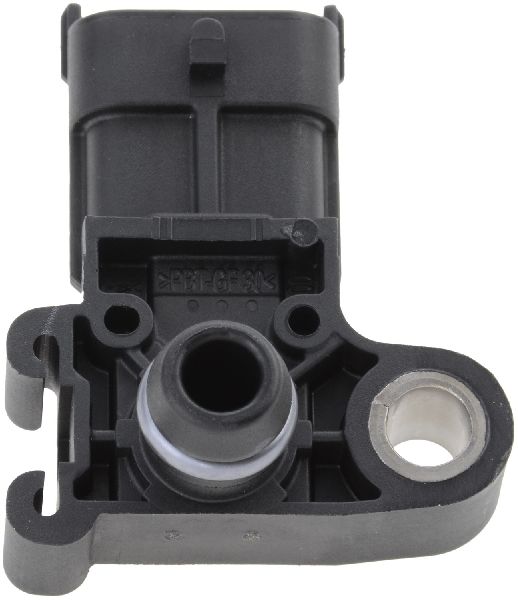
Aftermarket price range: $60-$100 - Manifold Absolute Pressure (MAP) Sensor
(OEM #12644228)— This sensor can fail electronically, causing incorrect pressure readings from the intake manifold, which is a key input for the P0068 calculation. This part may be superseded by 12711681.
Trusted brands: ACDelco, Bosch
OEM price range: $40-$70
Aftermarket price range: $30-$50 - PCV Hose/Tube — The rubber and plastic hoses for the Positive Crankcase Ventilation (PCV) system can crack with age and heat, causing a significant vacuum leak that triggers P0068.
Related Codes That Often Appear With This One
- P0101 — Mass Air Flow (MAF) Circuit Range/Performance - This code is often set with P0068 because both relate to the ECM receiving unexpected data from the MAF sensor.
- P0106 — Manifold Absolute Pressure (MAP) Circuit Range/Performance - This indicates a problem with the MAP sensor signal, which is a core component in the P0068 calculation.
- P0171/P0174 — System Too Lean (Bank 1/Bank 2) - A vacuum leak, a primary cause of P0068, allows unmetered air into the engine, which creates a lean air/fuel mixture.
Technical Service Bulletins (TSBs) & Recalls
- GM Recall 14V346: Ignition Key Recall. While not directly related to the P0068 code, this is a major safety recall for all 2010-2014 Camaros where the driver's knee could bump the key fob and turn the engine off.
- TSB Bulletin #PIP4578B: This manufacturer bulletin notes that high mileage vehicles may experience DTC P0068 along with P0121, P1516, P2101, P2119, and/or P2176, which can be accompanied by an idle surge or reduced engine power mode.
Platform-Specific Known Issues
- This code is very common on vehicles with aftermarket cold air intakes, ported throttle bodies, or aftermarket camshafts that have not been properly tuned. The change in airflow characteristics requires an ECM recalibration.
Mechanic-Grade Diagnostic Values
- MAP Sensor Voltage (Key On, Engine Off) — expected: ~4.5 - 5.0 Volts (should match BARO reading). Failure: Voltage is stuck, does not match BARO, or is outside the expected range.
- MAP Sensor Voltage (Engine at Idle) — expected: ~1.0 - 1.5 Volts. Failure: Voltage is significantly higher or does not drop from the KOEO reading.
- MAF Sensor Airflow (Engine at Idle) — expected: 4 - 7 g/s for a stock 6.2L V8. Failure: Readings are significantly higher (e.g., 15+ g/s) or lower, or are erratic.
- Throttle Position Sensor (TPS) Voltage (Closed Throttle) — expected: ~0.45 - 0.55 Volts. Failure: Voltage is significantly different, or jumps erratically without pedal input.
- Throttle Position Sensor (TPS) Voltage (Wide Open Throttle) — expected: ~4.5 - 4.8 Volts, increasing smoothly from closed throttle.. Failure: Voltage does not reach the expected level, has dead spots, or does not increase smoothly.
- MAP Sensor Connector Pinout (LS3 Type) — expected: Pin 1: 5V Reference (Gray wire), Pin 2: Low Reference/Ground (Orange/Black wire), Pin 3: Signal (Light Green wire). Failure: Incorrect voltage readings at specific pins, indicating a wiring or ECM issue.
Scan Tool Commands That Help
- GDS2 / Tech2 or equivalent professional scan tool: Idle Learn Reset / Throttle Learn Reset — Required after cleaning or replacing the throttle body to allow the ECM to relearn the new closed-throttle blade angle and prevent idle issues or the return of P0068.
- HP Tuners / EFI Live: Edit DTC P0068 'Max Airflow vs RPM' Table — This is the definitive fix when P0068 is caused by aftermarket parts like a ported throttle body, cold air intake, or camshaft. The table must be adjusted to match the new airflow characteristics of the engine.
- GDS2 / Tech2 or equivalent professional scan tool: Clear All DTCs and Reset Adaptive Values — This is a more comprehensive reset than just clearing codes and should be performed after a repair to force the ECM to relearn all fuel and airflow parameters from a baseline.
Wiring & Ground Locations
- G101 / G106 — G101 is on the front of the left wheelhouse. G106 is on the front center of the frame cross rail under the crank pulley and jumpers to G101.. G101 provides a ground path for the MAF sensor, IAT sensor, ECM, and TCM. A poor connection here can cause erratic sensor readings.
- G102 — Located at the left rear of the engine, grounds the 8 ignition coils.. While not directly tied to the intake sensors, a bad ignition system ground can cause electrical noise and misfires that might indirectly affect engine load calculations.
- Main Engine Ground Strap — There are several. A primary one runs on the passenger side of the engine, attached to the front of the cylinder head near the ABS block. Others are at the rear of each cylinder head.. The entire sensor reference voltage system relies on a solid engine-to-chassis ground. Corrosion or a loose connection on these main straps can cause floating grounds and unpredictable sensor behavior, leading to correlation codes.
- MAP Sensor Connector — On the front of the intake manifold.. This is the direct connection point for the MAP sensor. The pigtail can become brittle from heat. Wires are typically: Pin 1 (5V ref), Pin 2 (Ground), Pin 3 (Signal).
Real Owner Repair Stories
- Camaro5 forum member (2010 Camaro SS with Magnuson 2300 supercharger) — After a hard pull, car went into 'Engine Power Disabled' mode with a violent stumble. Codes P0068 and P0108 were stored.
❌ Tried (didn't work) The owner initially thought it was a sensor issue.
✅ What actually fixed it The 'canned' tune from the supercharger manufacturer had not loaded correctly. After returning the car to the stock program and then properly reloading the manufacturer's tune, the problem was resolved. The tuner noted that the P0068 code should have been disabled by the tune. - Camaro5 forum member (Camaro SS (L99 or LS3) with a ported throttle body) — P0068 code appeared immediately after installing a ported throttle body.
❌ Tried (didn't work) Standard idle relearn procedures.
✅ What actually fixed it A custom tune was required to adjust the ECM's expected airflow tables to match the newly ported throttle body. Forum members confirm this is a common necessity, as the increased airflow at low throttle angles exceeds the stock parameters. - Camaro5 forum member (Camaro SS with an aftermarket camshaft (Vengeance Racing Kaotik cam)) — After cam install, engine would stall at low RPMs, run rich, and throw P0068 during hard pulls.
❌ Tried (didn't work) Cleaning/replacing spark plugs., Initial remote tune adjustments.
✅ What actually fixed it Another user with a similar issue found the root cause to be an incorrect camshaft reluctor gear provided with the cam kit. This sent incorrect timing information to the ECM, which conflicted with airflow data. Replacing the reluctor gear with the correct part and getting a proper tune from a reputable tuner (Ted Jannetty was mentioned) resolved the issue.
"I Checked Everything" — The Actual Cause
- In many cases involving aftermarket parts (cams, ported throttle bodies, intakes), a smoke test will come back clean because there is no unintended vacuum leak. The 'leak' is the intended, additional air the modified parts are flowing, which the stock ECM calibration interprets as a fault. The fix is not a physical repair but a software tune to update the engine's airflow model.
OEM Part Supersession History
12576410→15865791— Standard part update/revision by GM/ACDelco.12644228→12711681— Standard part update/revision by GM/ACDelco.
Model Year Variations Within This Range
- 2010-2015: The primary variation is the engine based on transmission: LS3 for manual transmission cars and L99 for automatic transmission cars. The L99 features Active Fuel Management (AFM) and Variable Valve Timing (VVT), a different camshaft, and a lower compression ratio (10.4:1 vs 10.7:1 for the LS3). While P0068 diagnosis is similar, the L99's VVT system adds another layer of complexity; a failing VVT phaser could potentially affect cam/crank/airflow correlation, though it would typically set other codes first.
Diagnostic Flowchart
Other Known Issues on This Vehicle
Issues unrelated to this code that are worth knowing about as an owner of this generation:
- L99 AFM Lifter Failure 🔴 High — Common on L99 (automatic) engines, often after 50,000 miles. Can lead to ticking noises and eventually camshaft damage if not addressed. (Ref: Multiple TSBs exist regarding AFM lifter issues. A common symptom is a ticking noise on startup that may go away or persist.)
- Ignition Switch Recall (Switchblade Key) 🔴 High — Affects all 2010-2014 models. The driver's knee can bump the key and turn off the engine while driving. (Ref: GM Recall #14V346. The fix involves replacing the switchblade key with a separate key and fob.)
- Timing Chain Tensioner Wear 🟠 Medium — More prevalent on early 2010-2012 models. A faulty oil life monitor could lead to extended oil change intervals, causing premature wear on the timing chain and tensioner, leading to P0008/P0017 codes.
- Leaking Oil Cooler Line/Gasket 🟡 Low — Reported on early 2010 models. A coolant leak may develop from a fitting on the oil cooler line. (Ref: Service Bulletin PIP4735D was issued to address this.)
- Key Stuck in Ignition 🟡 Low — Common on automatic transmission models. A faulty shifter interlock solenoid or a weak battery can prevent the key from being removed from the ignition.
Used vs. New Parts: Buying Guide for This Vehicle
When a used part is the smart pick: A used OEM throttle body is often a good choice, as they are robust units and an entire assembly can be cheaper than a new sensor. Used intake manifolds are also generally safe if they are inspected carefully for cracks. PCV hoses and other rubber/plastic vacuum lines should ideally be purchased new due to age-related brittleness.
Donor-vehicle mileage cap: roughly under 80000 miles for the part to have meaningful remaining life.
What to inspect on the donor part:
- For a throttle body, check for a clean throttle plate and bore with no deep scratches. Ensure the connector is not damaged.
- For an intake manifold, inspect thoroughly for any hairline cracks, especially around mounting points and seams.
- Check that all sensor connectors and vacuum ports on the donor part are intact and not broken off.
OEM-only on this vehicle (don't cheap out):
- Mass Airflow (MAF) Sensor: While some aftermarket brands work, many owners report issues with cheap, uncalibrated MAF sensors causing persistent codes. Sticking with ACDelco (OEM) is the safest bet.
- Manifold Absolute Pressure (MAP) Sensor: Similar to the MAF, cheap aftermarket MAP sensors can have incorrect voltage scaling, leading to immediate or intermittent issues. ACDelco or Bosch are recommended.
Aftermarket brands forum-validated for this vehicle:
- Sensors: ACDelco (OEM), Bosch
- PCV Hoses/Intake Gaskets: Fel-Pro, Mahle
Brands owners have reported issues with on this vehicle:
- Unbranded, 'no-name' electronic sensors (MAF, MAP, TPS) from online marketplaces are frequently cited in forums as being improperly calibrated and causing more problems than they solve.
Real Owner Stories
Aggregated from forums and TSBs cited above. Mileages and costs reflect what owners reported in those sources.
2010-2015 Chevrolet Camaro SS (LS3/L99)
Symptoms: The user describes getting code P0068 after a camshaft installation, accompanied by an idle surge.
What fixed it: The engine's tune needed to be properly adjusted to match the new hardware (ECM recalibration).
Source hint: Camaro5 Forum: HELP! After Cam Idle Surge & P0068 Code
2010-2015 Chevrolet Camaro L99 (Automatic) — ~55000 miles
Symptoms: Ticking noises from the engine; platform is known for AFM lifter failure which can lead to camshaft damage.
What fixed it: Addressing AFM lifter failure (noted as a common platform issue in general discussions).
Source hint: Camaro5 Forum: Common issues/problems with 10-15 Camaro SS?
Related OBD-II Codes
Frequently Asked Questions
I just installed a camshaft in my Camaro SS and now I have a P0068 code. Is a sensor broken?
Does the ignition key recall (14V346) cause the P0068 code on my 2012 Camaro?
Can I clean the MAF sensor on my LS3 engine myself?
Why does my L99 Camaro keep going into 'Reduced Engine Power' mode?
Is there a specific procedure after cleaning the throttle body on my 6.2L V8?
My Camaro has an aftermarket oiled air filter; could this be causing the P0068 code?
Helpful Videos
Used OEM Parts in Stock


New Aftermarket Parts Available


The information in this article is provided for general reference and educational purposes only. Vehicle specifications, procedures, and part compatibility can vary by production date, trim level, and region. Always consult your vehicle's factory service manual and verify part numbers before purchasing or performing repairs. Safety-critical components such as airbags, seat belts, and braking systems should be installed by a qualified professional.
- Chevrolet Camaro:
- 🎬 Helpful Videos
- 🛍️ Shop This Part
- What's Unique About the 2010-2015 Chevrolet Camaro
- Symptoms You May Notice
- Most Likely Causes
- Rare But Worth Checking
- Diagnosis Steps
- Parts You'll Likely Need
- Related Codes That Often Appear With This One
- Technical Service Bulletins (TSBs) & Recalls
- Platform-Specific Known Issues
- Mechanic-Grade Diagnostic Values
- Scan Tool Commands That Help
- Wiring & Ground Locations
- Real Owner Repair Stories
- "I Checked Everything" — The Actual Cause
- OEM Part Supersession History
- Model Year Variations Within This Range
- Diagnostic Flowchart
- Other Known Issues on This Vehicle
- Used vs. New Parts: Buying Guide for This Vehicle
- Real Owner Stories
- 2010-2015 Chevrolet Camaro SS (LS3/L99)
- 2010-2015 Chevrolet Camaro L99 (Automatic) — ~55000 miles
- Related OBD-II Codes
- Frequently Asked Questions
- 🎟️ Get 5% Off