

P0036 on 2007-2011 Toyota Camry 3.5L V6: Heater Circuit Fault Causes and Fixes
On a 2007-2011 Camry V6, P0036 almost always means the rear oxygen sensor on the firewall side (Bank 1, Sensor 2) has failed. The fix is replacing the sensor, which is a DIY-friendly job costing between $60 for an aftermarket part and $150 for an OEM Denso sensor. Before replacing, check the 'A/F HTR' fuse.
- P0036 points to a problem with the heater inside the oxygen sensor located after the catalytic converter on the firewall side of the engine.
- The most likely fix is to replace the Bank 1, Sensor 2 oxygen sensor. This is a manageable DIY job for most people with basic tools.
- Before buying parts, confirm you are addressing the correct sensor. Bank 1 is the rear bank (firewall side) on this V6 engine.
- Driving with this code is safe, but it will cause an automatic failure on an emissions test.
- Always check the related fuse ('A/F HTR') before replacing expensive parts.
What's Unique About the 2007-2011 Toyota Camry
For the Toyota Camry with the 2GR-FE V6 engine, identifying the correct sensor is the main challenge. 'Bank 1' refers to the cylinder bank against the firewall, which is less accessible than Bank 2 near the radiator. 'Sensor 2' is the downstream sensor located after the catalytic converter, underneath the car. Owners often confuse the banks, so confirming the location before purchasing parts is critical. The issue is almost always the sensor itself rather than a more complex system failure.
Symptoms You May Notice
- Check Engine Light is on
- Inability to pass a vehicle emissions test
- Slightly reduced fuel economy
- Rough running or hesitation during cold starts until the engine warms up
- Replacing the wrong oxygen sensor (e.g., replacing the Bank 2 sensor near the radiator or the upstream Sensor 1 on the manifold).
- Replacing the catalytic converter. This code points to a sensor heater circuit fault, not the efficiency of the converter itself.
- Replacing the sensor without first checking the 'A/F HTR' fuse or inspecting the wiring for damage.
Most Likely Causes
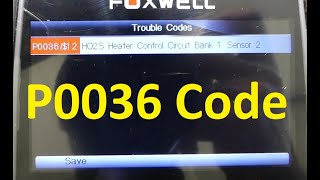
- Failed Bank 1, Sensor 2 Oxygen Sensor 🔴 High Probability The internal heater element of oxygen sensors has a finite lifespan and is a common failure item due to constant, extreme heat cycles. It's the most frequent culprit for a P0036 code. 🎬 Watch: A breakdown of P0036 causes and common fixes.
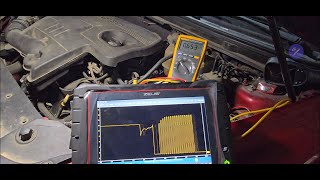
How to confirm: Disconnect the sensor and measure the resistance between the two heater pins (usually the two wires of the same color, often black). A healthy heater should have a low resistance, typically between 11-16 ohms at 68°F (20°C) for a Denso sensor, though a wider range of 2-25 ohms is generally acceptable for diagnosis. A reading of 'OL' (over limit) or infinite resistance confirms an open circuit and a failed heater. Conversely, a very high reading, like 5300 ohms as seen in one diagnostic video, also indicates failure.
Typical fix: Replace the Bank 1, Sensor 2 oxygen sensor. This sensor is located underneath the vehicle in the exhaust pipe that comes from the cylinder bank closer to the firewall.
Est. part cost: $60-$150 - Damaged Wiring or Connector 🟡 Medium Probability The sensor and its wiring are located under the car, making them vulnerable to road debris, moisture, and corrosion, which can damage the harness or connector pins. Wires can also become brittle and break from touching the hot exhaust.
How to confirm: Visually inspect the wiring harness leading to the sensor for any signs of melting, chafing, or breaks. Check the connector for corrosion, moisture, or pushed-out pins. A thorough check is crucial before replacing the sensor.
Typical fix: Repair the damaged section of wire or replace the connector pigtail. Ensure the wiring is properly secured away from the hot exhaust pipe.
Est. part cost: $10-$30 - Blown A/F Heater Fuse ⚪ Low Probability
How to confirm: Locate the fuse box under the hood. Find the fuse labeled 'A/F HTR' (Air/Fuel Heater). Visually inspect the fuse or test it for continuity with a multimeter. This should be one of the first checks performed.
Typical fix: If the fuse is blown, replace it with a new one of the same amperage. If the new fuse blows immediately, this indicates a short circuit in the wiring that must be diagnosed and repaired.
Est. part cost: $1-$5
Rare But Worth Checking
- Faulty Engine Control Module (ECM): This is extremely rare. The ECM should only be considered after all other possibilities, including the sensor, wiring, and fuses, have been definitively ruled out. An ECM driver failure can cause this code, but it's the least likely scenario.
Diagnosis Steps
- Read the code with an OBD-II scanner to confirm P0036 is present.
- Check the 'A/F HTR' fuse in the under-hood fuse box. If it's blown, replace it and see if the code returns.
- If the fuse is good, safely raise and support the vehicle to access the Bank 1, Sensor 2 oxygen sensor. It is located after the catalytic converter on the exhaust pipe coming from the rear (firewall side) of the engine.
- Visually inspect the sensor's wiring harness and connector for any signs of damage, melting, or corrosion.
- Disconnect the sensor's electrical connector. With the ignition on, test for 12V power at the vehicle-side harness connector (refer to a wiring diagram for correct pins).
- Using a multimeter set to Ohms (Ω), measure the resistance across the heater circuit pins on the sensor itself. A reading between 11-16 ohms is ideal for a Denso sensor, but anything outside of a 2-25 ohm range suggests a problem. An open circuit (infinite resistance or 'OL') or a very high resistance value confirms the sensor heater has failed.
- If resistance is within spec, the problem is likely in the wiring or, rarely, the ECM.
- If the sensor has failed, replace it. Use an O2 sensor socket and apply anti-seize compound to the threads of the new sensor if not pre-applied.
Parts You'll Likely Need
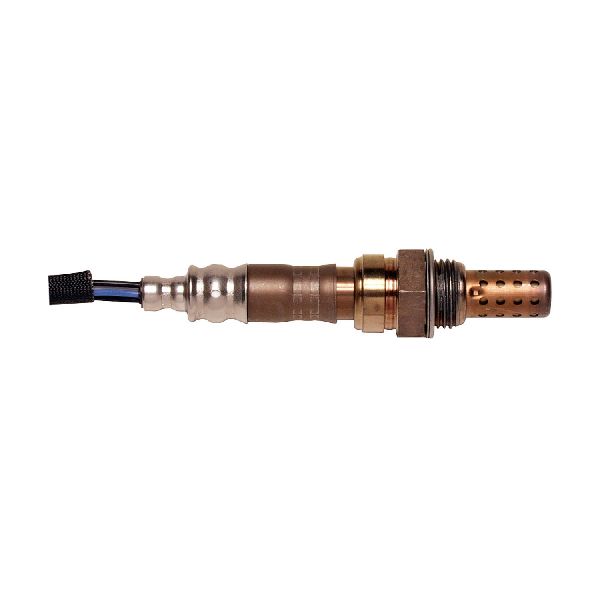
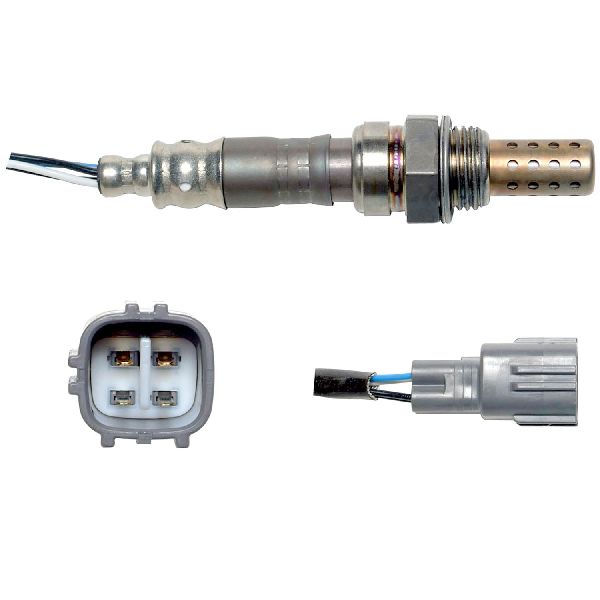
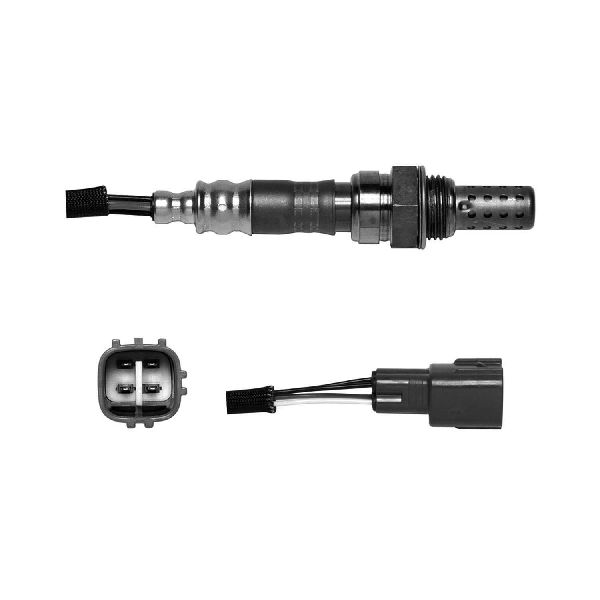
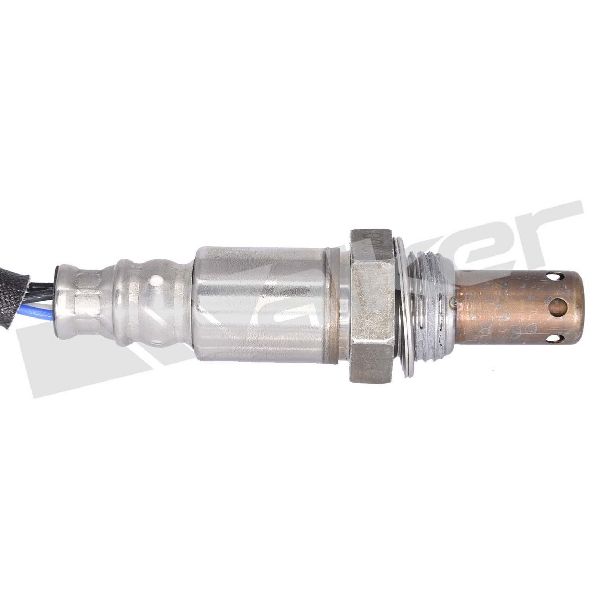
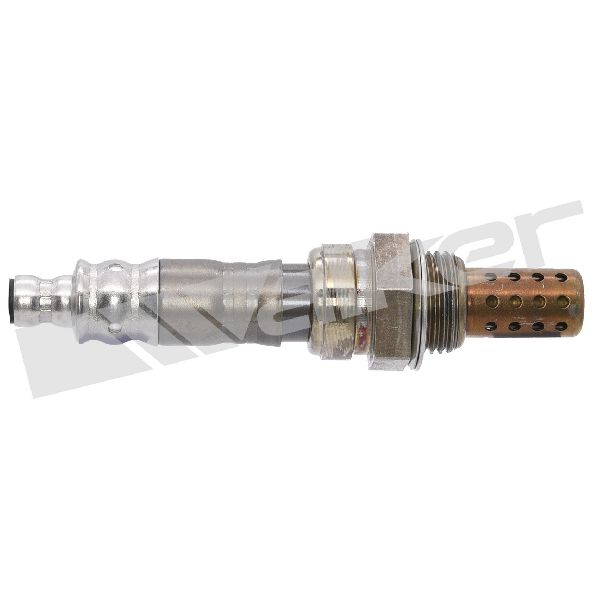
- Oxygen Sensor (Bank 1, Sensor 2)
(OEM #89465-06120)— This is the downstream oxygen sensor for the rear cylinder bank. The internal heater element is the most common point of failure for code P0036.
Trusted brands: Denso (OEM supplier, P/N 234-4261 is a direct fit), NTK, Bosch
OEM price range: $120-$180
Aftermarket price range: $60-$100
Platform-Specific Known Issues
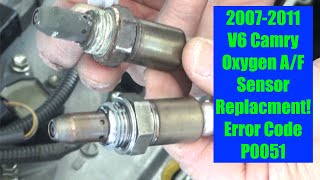
- Real Owner Experience: DIY Replacement: A user on ToyotaNation forums with a 2007 Camry V6 reported getting code P0036. After confirming Bank 1 was the rear bank, they purchased a Denso 234-4261 sensor online. They noted that accessing the sensor from underneath the car was straightforward, but the electrical connector was clipped to the body in a tight spot. After disconnecting the battery, they were able to unclip the connector, remove the old sensor with an O2 sensor socket, install the new one, and clear the code. The total job took about 45 minutes and solved the issue permanently. 🎬 Watch this step-by-step removal and installation guide for the Camry.
Mechanic-Grade Diagnostic Values
- O2 Sensor Heater Element Resistance — expected: 11 to 16 Ω at 68°F (20°C). A general acceptable range is 2-25 Ω.. Failure: A reading of OL (Over Limit/infinite) or a very high resistance (e.g., >5000 Ω) indicates an open circuit. A reading near 0 Ω indicates a short.
- ECM Current Monitoring for Heater Circuit — expected: Between 0.3 A and 2.0 A when the heater is commanded on.. Failure: Current less than 0.3 A triggers an open circuit code (like P0037). Current greater than 2.0 A triggers a short circuit code (like P0038). P0036 is a general circuit fault.
- Voltage at Sensor Harness Connector (Heater Power Pin) — expected: Battery voltage (approx. 12V) with ignition ON.. Failure: 0V indicates a problem with the power supply, likely the A/F HTR fuse or relay.
- Scan Tool Live Data (Heater Resistance) — expected: Should match the expected resistance value (e.g., ~11-16 Ω).. Failure: A displayed value of thousands of ohms (e.g., 5300 Ω) confirms an internal open in the sensor heater, even if a multimeter test is inconclusive.
Scan Tool Commands That Help
- Toyota Techstream: Active Test: 'Control the O2 Sensor Heater' — This allows a technician to manually command the heater circuit on and off. It's used to verify if the ECM driver is working and to monitor the current draw on the circuit in real-time to confirm an open or short, without having to wait for the ECM's automatic test cycle.
Wiring & Ground Locations
- Heater Circuit Pins at Sensor Connector — On the 4-pin connector for the Denso sensor, the two heater wires are typically the same color (often black). These correspond to the two pins for testing resistance.. Correctly identifying these two pins is essential for accurately measuring the heater element's resistance to confirm if the sensor has failed. 🎬 See how to test oxygen sensor heater circuits with a multimeter.
- Engine Harness Ground Points — The 2GR-FE has primary harness grounds on the valve covers, bolting to the chassis near the strut towers. Another key ground is on the side of the cylinder head, directly underneath the throttle body.. While not a primary cause for a single heater circuit code, a poor engine ground can cause a host of spurious sensor codes and erratic behavior. Verifying these grounds are clean and tight is good practice if wiring issues are suspected.
Real Owner Repair Stories
- Tacoma World forum (similar 2GR-FE engine logic) (Toyota Tacoma V6) — Check Engine Light, codes for downstream O2 sensors.
❌ Tried (didn't work) Initially unsure if aftermarket sensors would work correctly.
✅ What actually fixed it Replaced all four O2/AF sensors with Denso parts from RockAuto at 85,000 miles. The user noted the old sensor threads disintegrated on removal, and the new sensors restored smooth idle and engine responsiveness. This confirms Denso is a reliable OEM-equivalent fix.
OEM Part Supersession History
89465-06120→89465-06120 (current)— This part number appears stable for the specified application, but online catalogs incorrectly associate it with 2004-2006 models. The correct application is for the 2007-2011 Camry V6.
Heads up: Be cautious when ordering, as many parts catalogs mislabel 89465-06120 for the previous generation Camry. Always verify fitment for the 2007-2011 XV40 chassis with the 2GR-FE engine. The Denso direct-fit part number is 234-4261.
Diagnostic Flowchart
Other Known Issues on This Vehicle
Issues unrelated to this code that are worth knowing about as an owner of this generation:
- VVT-i Oil Line Rupture 🔴 High — Common on pre-2010 models. The original rubber hose section degrades and can burst, leading to rapid oil loss and catastrophic engine failure if not shut down immediately. (Ref: Limited Service Campaign (LSC) 90K / T-SB-0094-09. Toyota offered to replace the rubber line with an all-metal one. Many vehicles may still have the original part.)
- U660E Transmission Problems 🟠 Medium — More common in early 2007-2009 models. Issues include harsh downshifts, torque converter shudder, and shift flares. Can be caused by worn valve bodies, case bearing bore wear, or fluid/software issues. (Ref: T-SB-0061-08 (Torque Converter Shudder), TC007-07 (Shift Flare).)
- Water Pump Failure 🟠 Medium — A known weakness on the 2GR-FE. The bearing can fail, causing a grinding noise or a coolant leak, typically between 80,000 and 150,000 miles. Failure can lead to overheating.
- Melting/Sticky Dashboard 🟡 Low — Extremely common in hot climates. The dashboard material degrades under UV exposure, becoming sticky, shiny, and creating a dangerous glare on the windshield. (Ref: Warranty Enhancement Program ZE6. Toyota offered extended coverage to replace affected dashboards, but this program has since expired.)
- Ignition Coil Failure (Rear Bank) 🟡 Low — Ignition coils can fail over time, but replacement for the rear bank (Bank 1) is labor-intensive as it requires removing the intake manifold, significantly increasing repair cost.
Used vs. New Parts: Buying Guide for This Vehicle
When a used part is the smart pick: For this repair, a used part is NOT recommended. Oxygen sensors are wear items with a finite lifespan determined by heat cycles and mileage. A used sensor from a junkyard has unknown remaining life and is very likely to fail soon, if it works at all, making the labor a waste of time.
What to inspect on the donor part:
- Not applicable as used sensors are not advised.
OEM-only on this vehicle (don't cheap out):
- While not strictly 'OEM-only', using the OEM supplier (Denso) or another trusted brand like NTK is highly recommended. Avoid generic, unbranded 'white box' sensors.
Aftermarket brands forum-validated for this vehicle:
- Denso (OEM supplier, P/N 234-4261 is a direct fit for this application)
- NTK/NGK
- Bosch
Brands owners have reported issues with on this vehicle:
- Generic, no-name brands found on sites like eBay or Amazon often have high failure rates, incorrect resistance values, or poor calibration, leading to the code returning or other performance issues.
Real Owner Stories
Aggregated from forums and TSBs cited above. Mileages and costs reflect what owners reported in those sources.
2007 Toyota Camry V6
Symptoms: Check Engine Light with code P0036; confirmed Bank 1 was the rear bank.
What fixed it: Replaced the Bank 1, Sensor 2 oxygen sensor with a Denso 234-4261 sensor. The job involved safely raising the car, unclipping the connector from a tight spot on the body, and using an O2 sensor socket to swap the units.
Source hint: Toyota Nation (www.toyotanation.com) forum report described in 'Real Owner Experience: DIY Replacement'
Related OBD-II Codes
Frequently Asked Questions
Which side of the 2GR-FE V6 engine is Bank 1 for the P0036 code?
What specific replacement sensor is recommended by the Toyota community for this repair?
Where is the fuse for the oxygen sensor heater located on my Camry?
What resistance should I see when testing the heater circuit on a Denso sensor?
Is the P0036 code related to the VVT-i oil line or dashboard recalls mentioned for this model?
Can I access the Bank 1, Sensor 2 oxygen sensor without removing the engine?
Helpful Videos
We Have This Part in Stock


The information in this article is provided for general reference and educational purposes only. Vehicle specifications, procedures, and part compatibility can vary by production date, trim level, and region. Always consult your vehicle's factory service manual and verify part numbers before purchasing or performing repairs. Safety-critical components such as airbags, seat belts, and braking systems should be installed by a qualified professional.
- Toyota Camry:
- 🎬 Helpful Videos
- 🛍️ Shop This Part
- What's Unique About the 2007-2011 Toyota Camry
- Symptoms You May Notice
- Most Likely Causes
- Rare But Worth Checking
- Diagnosis Steps
- Parts You'll Likely Need
- Platform-Specific Known Issues
- Mechanic-Grade Diagnostic Values
- Scan Tool Commands That Help
- Wiring & Ground Locations
- Real Owner Repair Stories
- OEM Part Supersession History
- Diagnostic Flowchart
- Other Known Issues on This Vehicle
- Used vs. New Parts: Buying Guide for This Vehicle
- Real Owner Stories
- 2007 Toyota Camry V6
- Related OBD-II Codes
- Frequently Asked Questions
- 🎟️ Get 5% Off